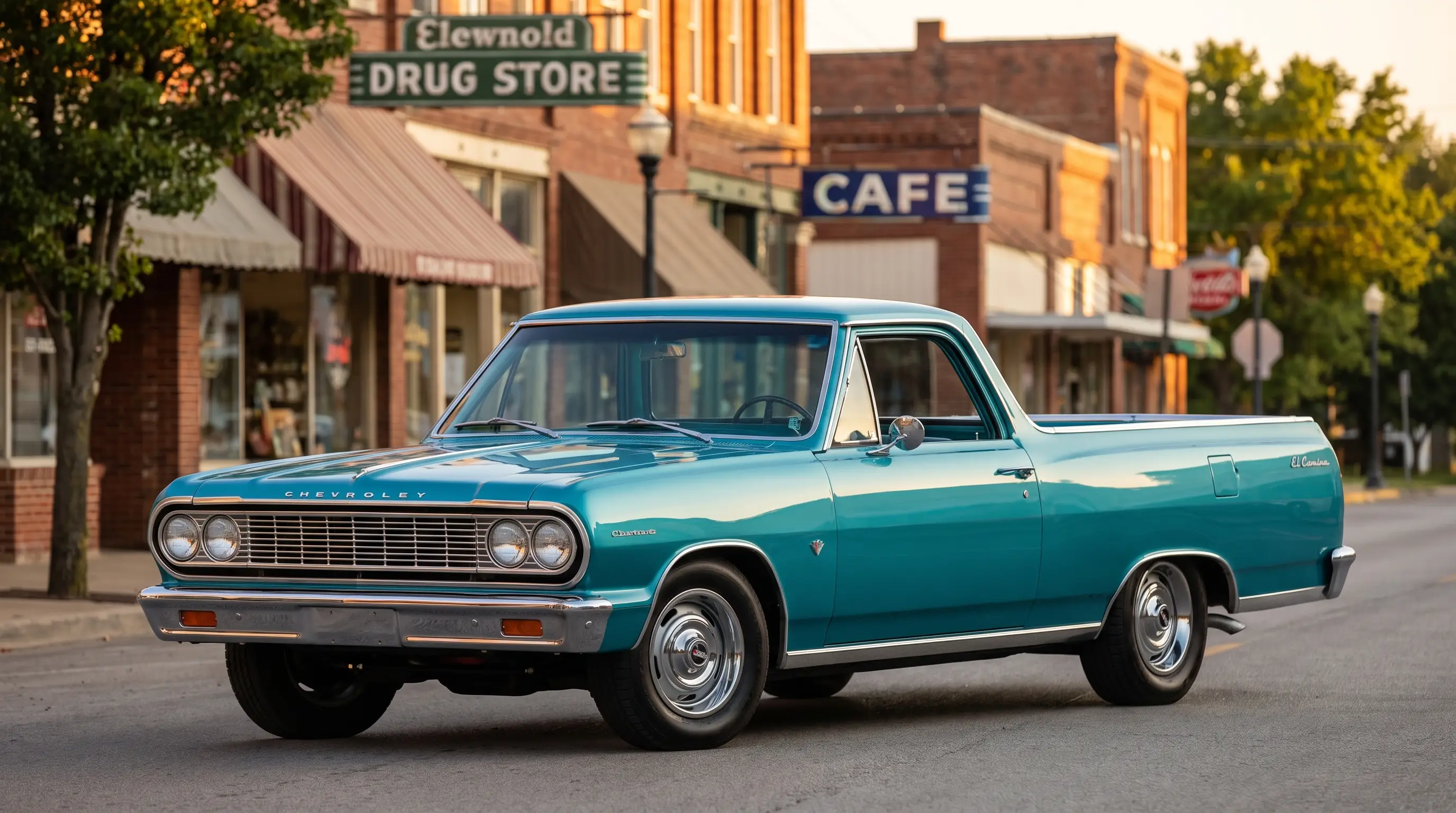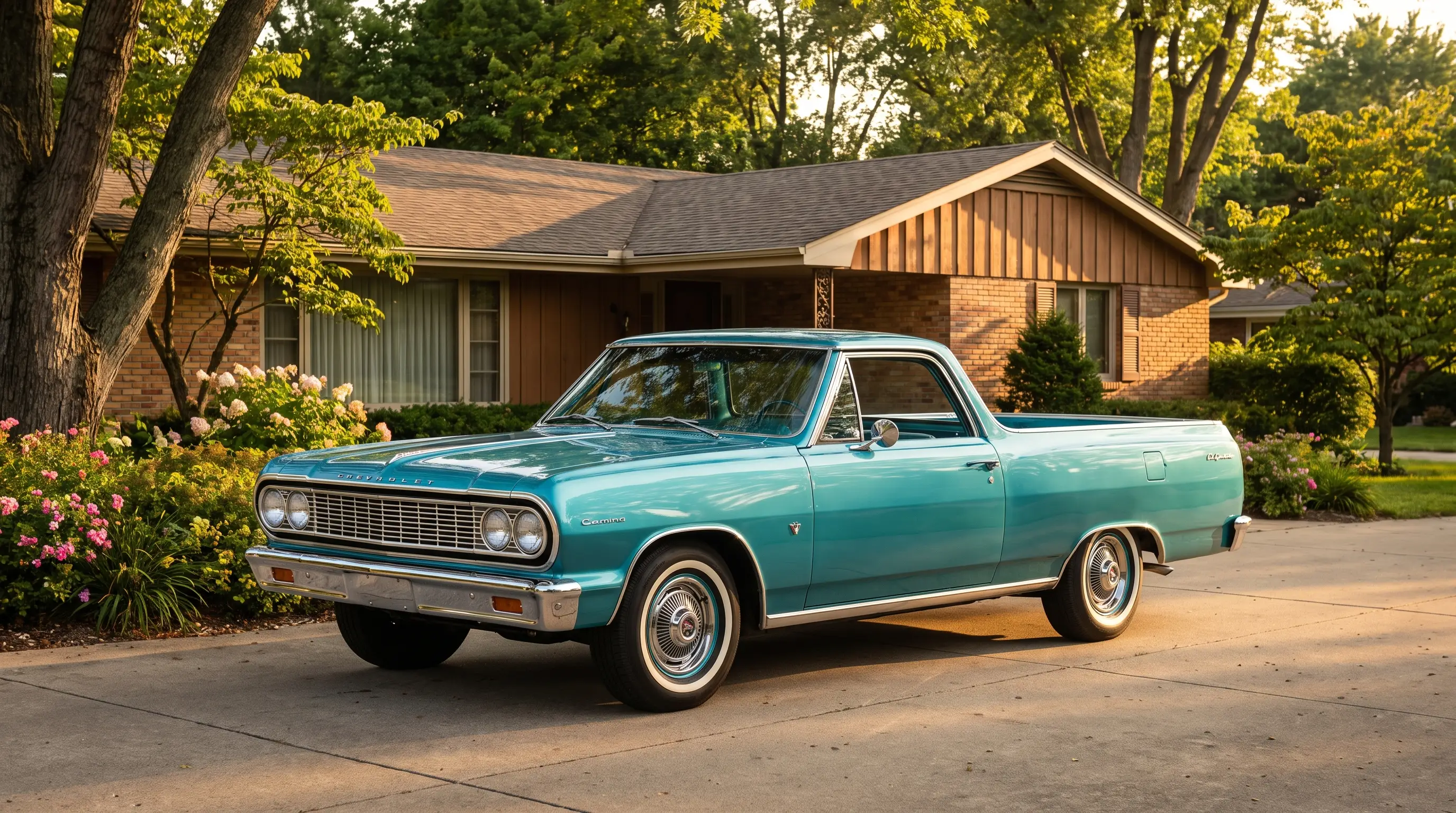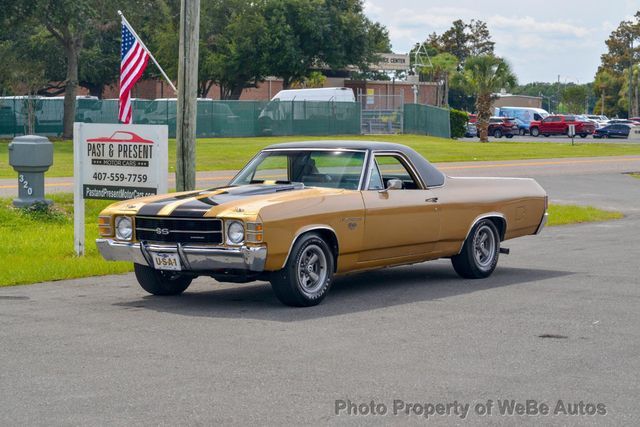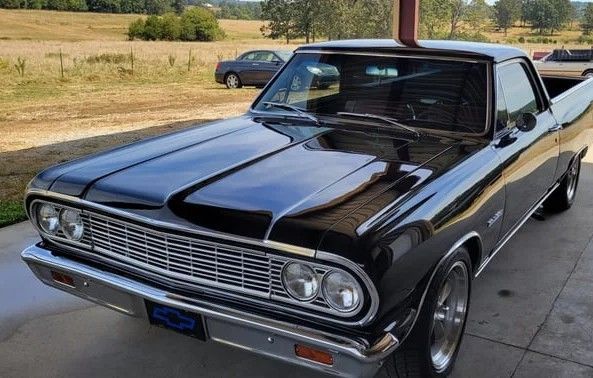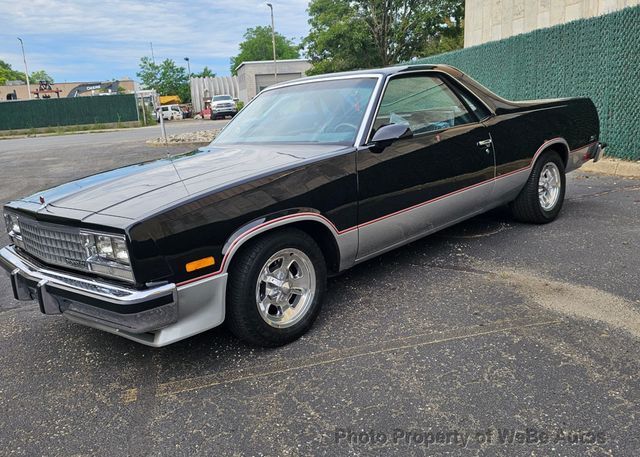
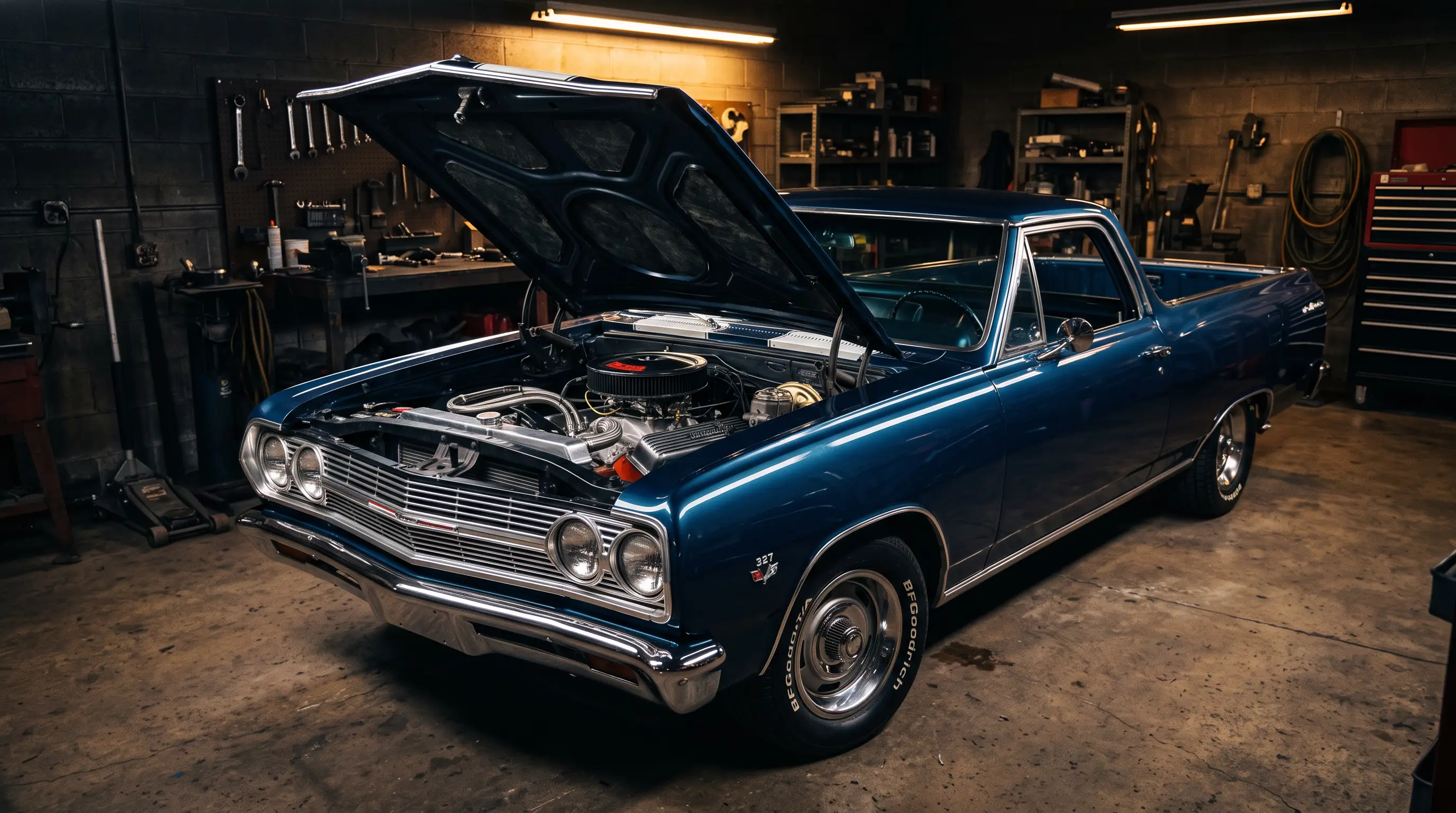
The 1964 El Camino had proven the concept worked. The 1965 model proved something different, that Chevrolet was willing to give this car actual performance credibility rather than treating it as a purely practical vehicle. That is the essence of el camino 1965 327 gets serious, the moment the small block V8 lineup expanded in a way that let the El Camino compete on more than just utility.
A quieter first year, then a real step forward
The 1964 El Camino, for all its platform advantages over the discontinued full size original, launched with an engine lineup that leaned toward practicality rather than performance. Buyers had reasonable six cylinder and small V8 choices, adequate for the light hauling and daily driving duties the car was built around, but nothing that suggested Chevrolet saw the El Camino as a genuine performance contender within its own lineup. That changed measurably for 1965, when the 327 cubic inch small block became available in the El Camino, bringing horsepower figures that meaningfully outran what the car had offered just one model year earlier.
This was not a minor trim update. The 327 had already established its reputation in the Chevelle and full size Chevrolet lineup as a genuinely capable engine, one that could be optioned toward either a comfortable daily driver state of tune or a considerably more aggressive one. Making that same engine family available in the El Camino signaled that Chevrolet's product planners saw real crossover appeal between buyers of the sportier Chevelle models and buyers of the car truck hybrid built on the same platform.
What the 327 option actually changed
Beyond the raw performance numbers, the arrival of the 327 in the El Camino lineup changed how the car was perceived by the buying public. A vehicle that had launched the previous year as a sensible, right sized utility car suddenly had a legitimate performance option sitting on the order sheet next to the practical six cylinder and small V8 choices. That range, from economical work vehicle to genuinely quick small block powered car, gave the El Camino a broader appeal than it had carried in its debut Chevelle based year.
The 327 arrived in the El Camino across a spread of factory ratings, with a 250 horsepower version as the entry point, a 300 horsepower four barrel option with higher compression and dual exhaust for buyers who wanted more, and the rare L79 version rated at 350 horsepower for those chasing genuine performance. Buyers who wanted to use their El Camino for hauling during the week but still enjoy a genuinely quick car on the weekend now had a single vehicle that could do both convincingly, rather than needing to choose between a work vehicle and a performance car as separate purchases.
Setting up the muscle car era to come
Looking back, the 1965 expansion of engine options reads as an early signal of where the El Camino was headed. Within just a few years, the car would be offered with genuine big block Super Sport packages during the celebrated 1968 through 1972 muscle era, a direct extension of the performance credibility Chevrolet began building with moves like the 1965 327 option. Without this earlier step establishing that El Camino buyers wanted and would pay for genuine performance, the later big block SS models might never have made business sense to Chevrolet's product planners.
It is worth putting this decision in the context of what rival Ford was doing with the Ranchero at the same time. Ford's approach leaned more conservatively toward practicality throughout the mid 1960s, without matching Chevrolet's willingness to slot a genuinely quick small block into what was still primarily marketed as a utility vehicle. That difference in strategy gave the El Camino a distinct identity within the car truck hybrid segment, one that leaned into performance credibility earlier and more confidently than its most direct competitor did.
Sarah Whitfield has traced this engine option progression across the model's early Chevelle based years, and the pattern is consistent, each model year through the mid 1960s added a bit more performance credibility to a car that had launched primarily as a practical utility vehicle. For the fuller record of the model year that started this progression, more on the 1964 el camino covers the debut year in detail, while where this started traces the whole nameplate's arc from its earliest days.
"Chevrolet did not launch the Chevelle based El Camino as a performance car. It became one, gradually, one engine option at a time, and 1965 is where you can see that shift starting to take hold."
- Sarah Whitfield
How the 1965 engine lineup broke down
Laying out the year's options side by side shows how deliberately Chevrolet spread the El Camino across the practical to performance spectrum rather than leaving it at one end.
| Engine family | Positioning |
|---|---|
| Base six cylinder | Economy oriented, lowest cost entry point |
| Small displacement V8 | Balanced daily driver option |
| 327 cubic inch small block | Performance oriented, new for 1965 |
This spread mattered because it meant a single showroom could serve two very different kinds of buyers with the same body style. A contractor who wanted a reliable, economical hauler and a younger buyer who wanted something quick enough to hold its own against a Chevelle SS could both walk away with an El Camino, just configured very differently under the hood. That flexibility is easy to overlook today but was a genuine selling point at the time, since few competing car truck hybrids offered anything close to the same range of engine choices.
Why this year matters to today's buyers
For collectors and researchers, the 1965 model year occupies an interesting middle ground. It is not the debut year that historians point to first, and it is not the celebrated muscle era that draws the most attention at auctions, but it represents the exact moment the El Camino's identity began shifting from purely practical to genuinely dual purpose. A well documented 1965 example with the 327 option offers a specific kind of historical significance, evidence of the transition itself rather than either endpoint of the story. That makes these cars genuinely interesting to collectors who care about the arc of a nameplate's development, not just its most famous single year.
Documentation matters more for these transitional years than for a headline model because the story they tell is less obvious at a glance. A build sheet confirming the 327 option, alongside period service records, turns an otherwise unremarkable looking El Camino into a specific data point in the model's performance evolution, something a casual observer would likely miss entirely without that paperwork attached.
Buyers interested in that transitional period, and the cars that defined it, can look at classic El Caminos on the market to see what survives from this pivotal stretch of the model's development, a period when Chevrolet was actively deciding what kind of car the El Camino was going to become.