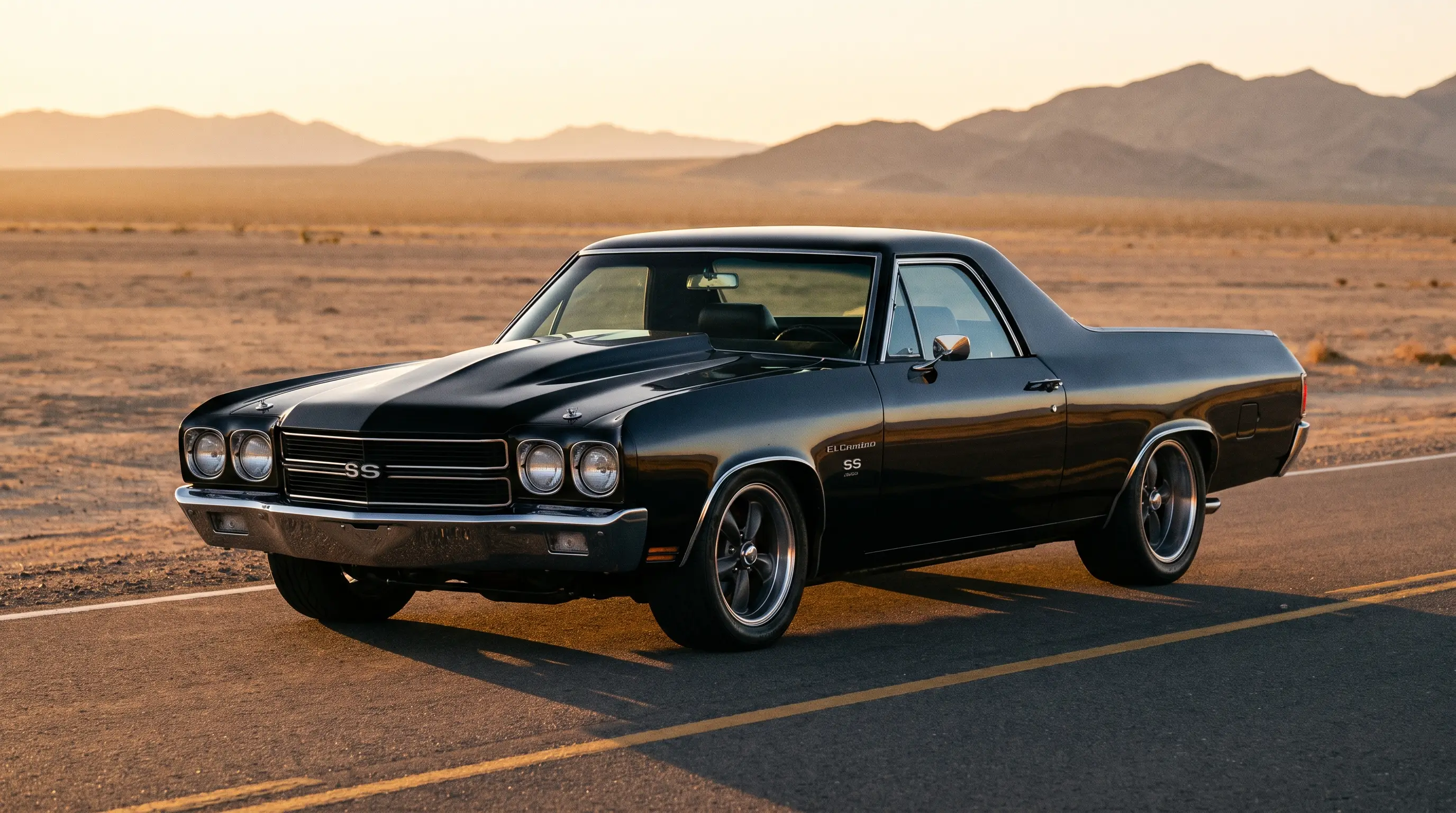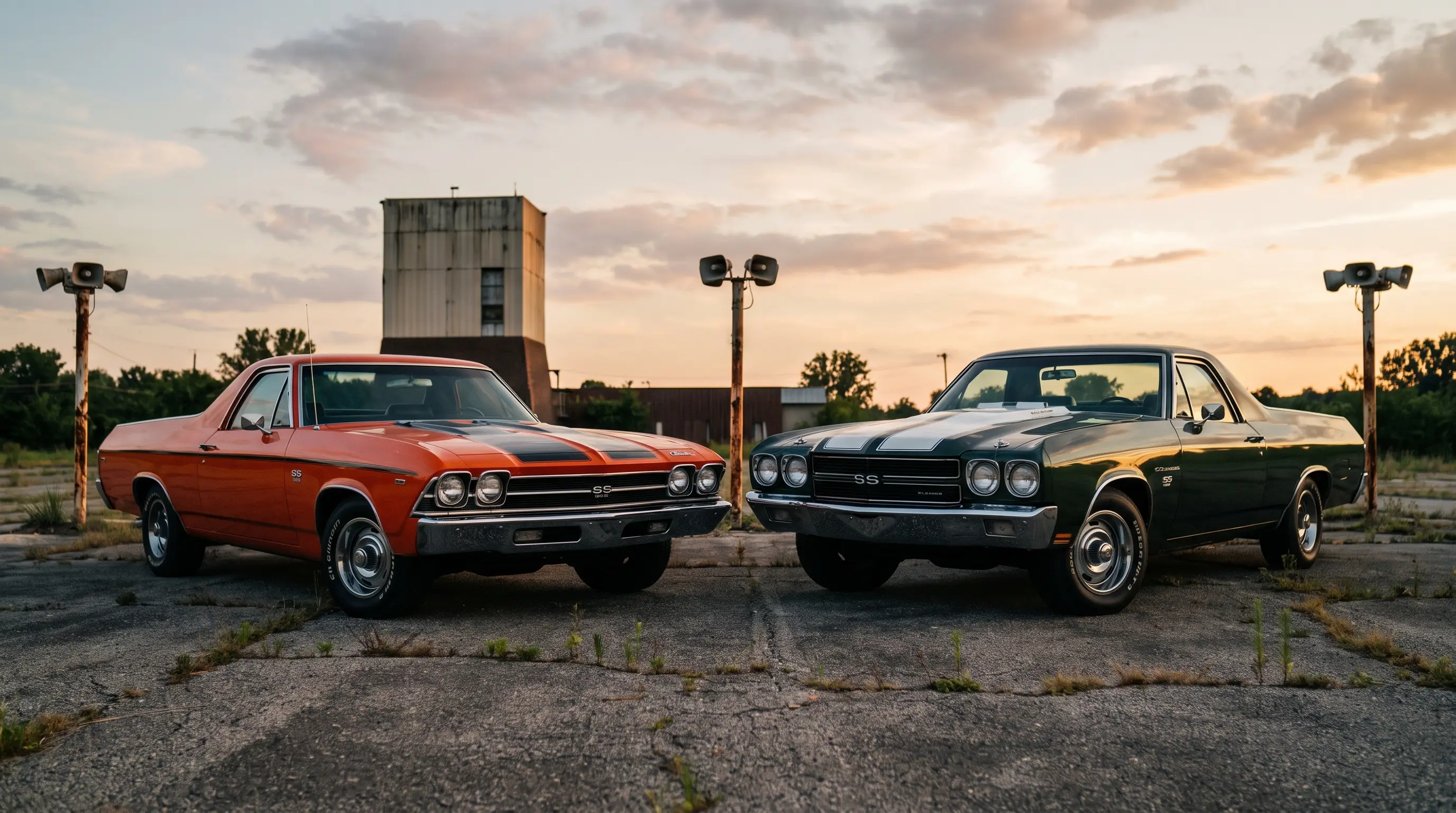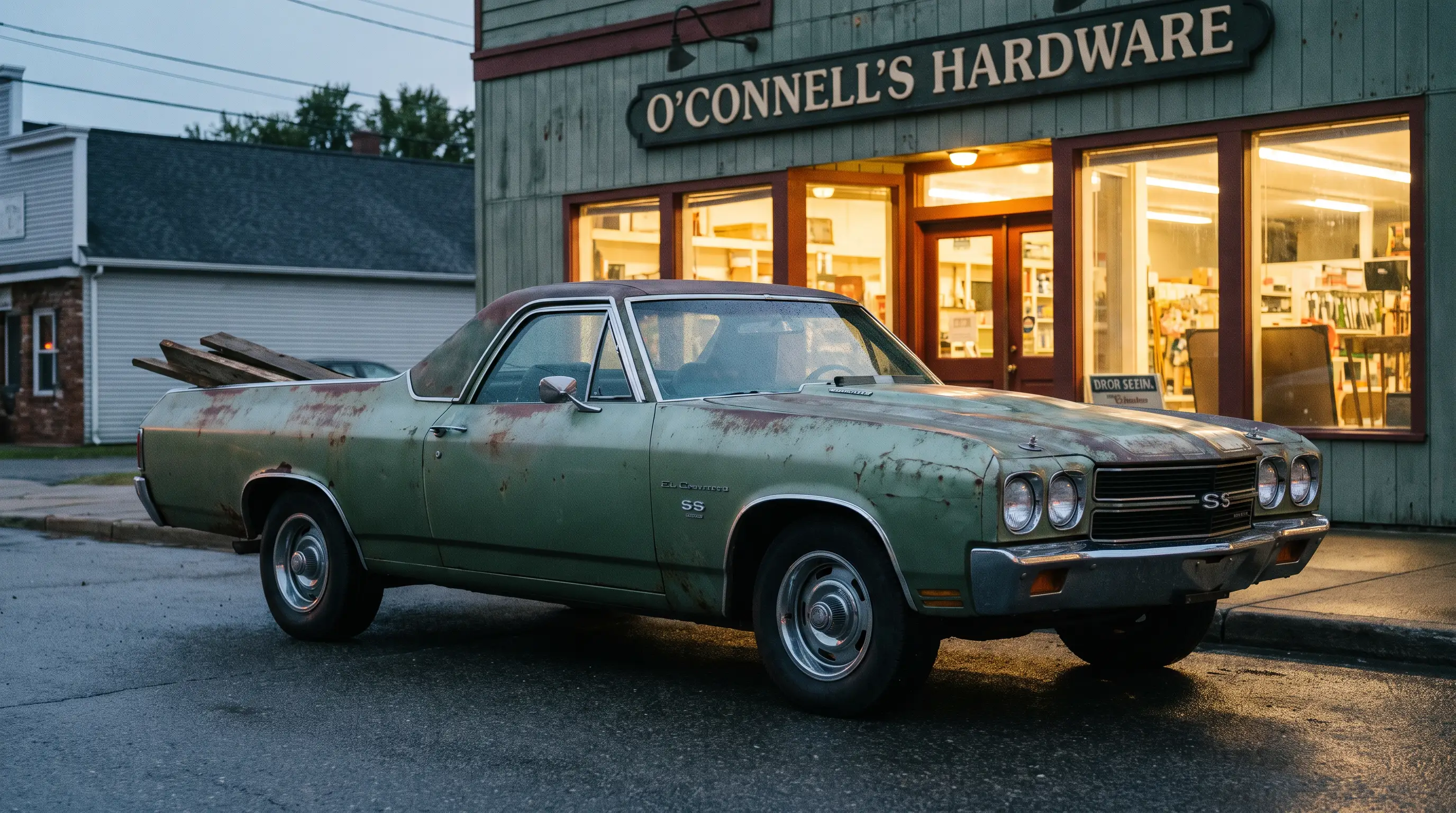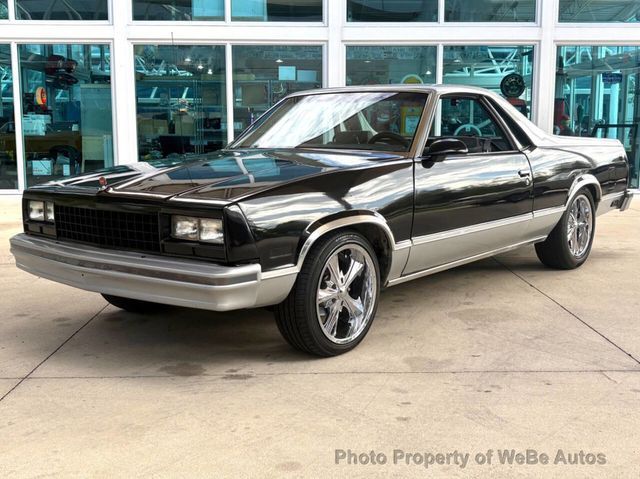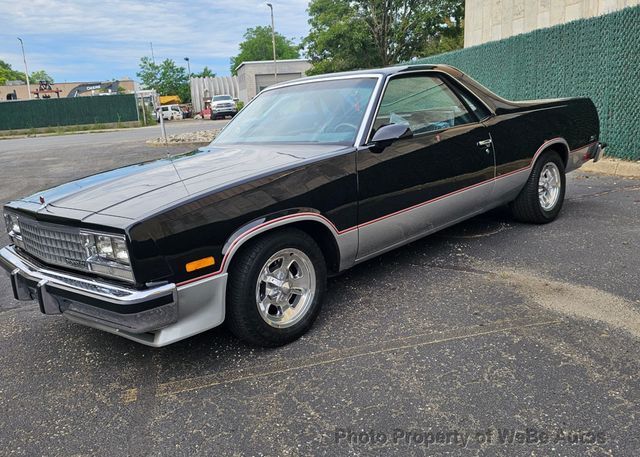
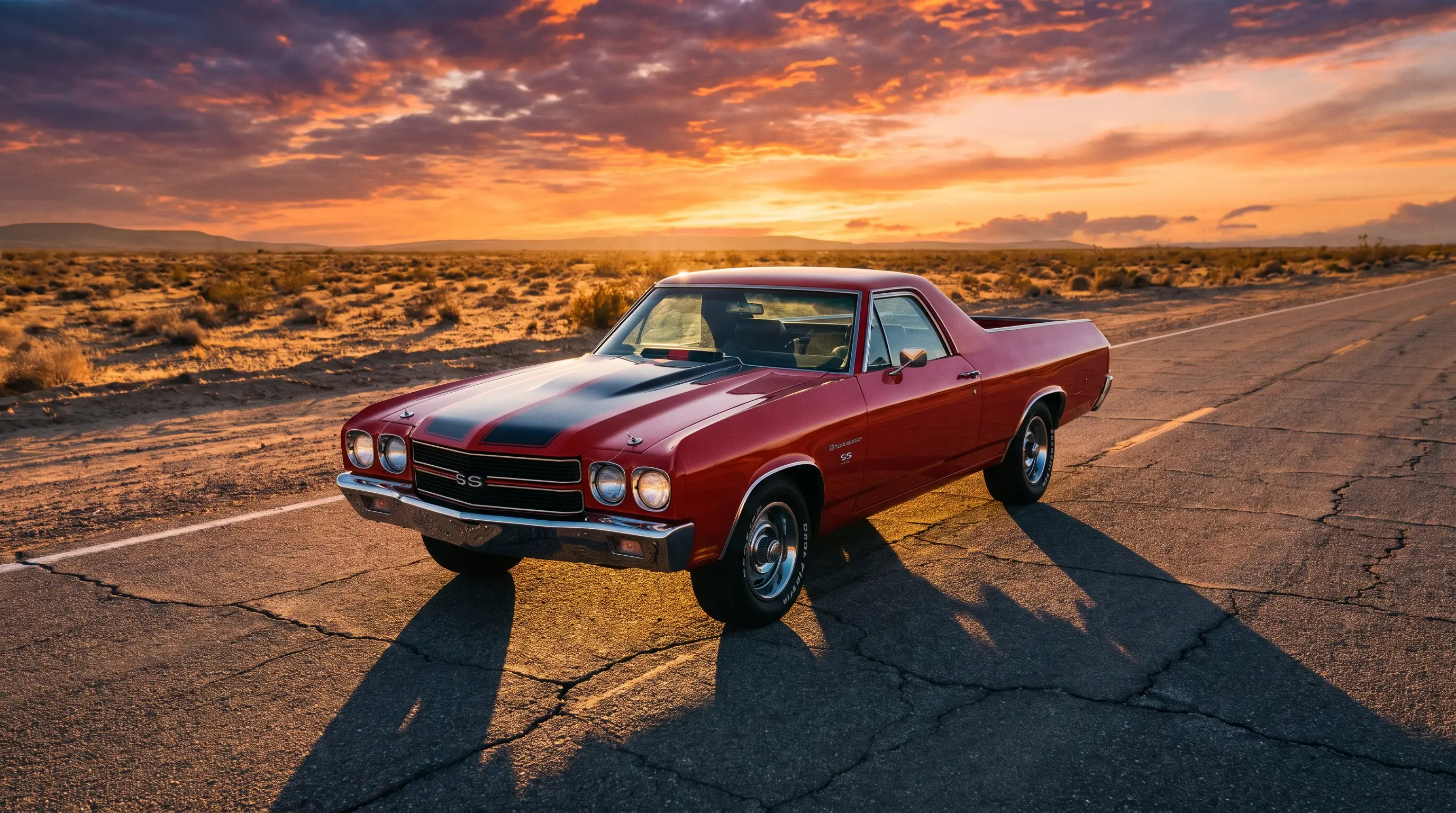
The second-generation El Camino ran from 1968 through 1972, and across those five model years it told a complete arc, rising, peaking, and declining, that mirrors the muscle car era itself almost exactly. Chevrolet did not plan it as a five-act story when the redesigned A-body platform launched in 1968. But documented year by year, the production numbers and engine specifications trace exactly that shape, and the arc is worth recording accurately rather than treating each model year as an isolated entry.
Reading a five-year run as a single narrative
Most enthusiast accounts of the second-generation El Camino treat each model year as its own isolated chapter, a habit that makes sense for a walkthrough guide but obscures the bigger, more useful story for a collector or researcher. Laid end to end, the five model years from 1968 through 1972 behave less like five separate products and more like a single, continuous engineering and market story with a clear beginning, middle, and end, shaped almost entirely by outside forces, insurance rates, fuel standards, and emissions rules, that had nothing to do with the El Camino specifically and everything to do with the broader industry it was competing in.
1968-1969: the rise
The second-generation El Camino arrived for 1968 on the same A-body platform as the Chevelle, immediately giving the nameplate access to a genuine muscle car drivetrain lineup rather than the more modest engine options of the first generation. The SS package brought the 396 cubic inch big-block into the El Camino for the first time on this platform, and by 1969 that engine was available in multiple tunes that gave the car a legitimate place in period muscle car comparisons rather than treating it as a novelty truck with a big engine bolted in as an afterthought.
These two years established the template. Shared Chevelle chassis, shared big-block options, shared SS badging and stripe packages. The rise was steady rather than explosive, building the reputation that the following model year would capitalize on.
1970: the peak, documented plainly
1970 is where the arc reaches its highest point, and the documentation on this is specific rather than sentimental. The 454 cubic inch big-block arrived in the El Camino SS lineup for the first time, available as either the 360-horsepower LS5 or the 450-horsepower LS6, the latter representing the highest factory horsepower rating this platform would ever officially carry. Compression ratios across the industry, including this engine family, sat near their historical peak in 1970, immediately before emissions and fuel changes began pushing them down through the following model years. our 1970 el camino retrospective covers this peak year in full detail, including the trim and styling choices that accompanied the engine lineup at its high point.
For readers curious how that peak-year performance held up in actual ownership rather than just on a spec sheet, a related story looks at what it was like living with an SS 454 as a genuine daily vehicle.
1971-1972: the decline begins
The decline that followed 1970 was not a redesign or a styling downgrade. The body carried forward largely unchanged through 1972, which is exactly why the decline is easy to miss on a showroom floor and only becomes obvious when comparing factory specifications directly. Compression ratios dropped across the engine lineup starting in 1971 as manufacturers adjusted to lower-octane and eventually unleaded fuel requirements. Horsepower ratings fell correspondingly, and by 1972 the industry-wide shift to net horsepower ratings, a more conservative measurement standard than the gross ratings used in 1970 and earlier, made the on-paper decline look even steeper than the underlying hardware changes alone would suggest. The numbers make the point plainly: the 1971 LS5 454 was rated at 365 gross horsepower with 465 lb-ft of torque, already down from the 1970 LS5's 360 hp on paper only in a nominal sense but reflecting lower compression under the new low-lead fuel standard, and Chevrolet also published a 285-horsepower net figure for that same 1971 engine. By 1972, with every engine now rated net rather than gross, the LS5 454 carried a published rating of 270 horsepower and 390 lb-ft of torque. The LS6 itself did not return for 1971 or 1972 in this platform.
A 1971 or 1972 El Camino SS wearing nearly identical sheet metal to a 1970 car was, by the numbers, a meaningfully less powerful vehicle underneath that similar exterior, and that gap is the entire reason the 1970 model year commands the attention and the premium it does today.
Reading the arc as a single documented story
Treating 1968 through 1972 as one continuous arc rather than five separate, unrelated model years changes how a researcher should approach any single car from this generation. A 1968 or 1969 car should be understood as part of the buildup, valuable for establishing the platform and the SS package's early credibility. A 1970 car should be understood as the documented peak, with the 454 option and the era's compression ratios at their high point. A 1971 or 1972 car should be understood within the context of a genuine, numbers-supported decline that the shared body style tends to obscure rather than reveal.
This framing matters because it corrects a common oversimplification, the assumption that the entire second-generation El Camino represents one uniform muscle car experience simply because the body style did not change dramatically across the five years. The specifications say otherwise, and specifications are what a serious historical account should follow.
"Five model years, one body style, and yet the horsepower and compression numbers tell a rise, a peak, and a decline as clearly as any chart could. The sheet metal stayed the same. What Chevrolet was allowed to put under it did not."
- Tom Ramirez
Comparing the arc to the Chevelle's own trajectory
Because the El Camino shared its chassis and engine options with the Chevelle across this entire generation, the two nameplates trace an almost identical arc across the same five years, rising together through 1968 and 1969, peaking together in 1970 with the shared LS5 and LS6 454 options, and declining together through 1971 and 1972 as the same industry-wide compression and emissions pressures applied equally to both. This parallel trajectory is not a coincidence. It is the direct result of the shared A-body platform, and it means any documented history of the Chevelle's engine lineup across these years applies almost directly to the El Camino's own story, with the added wrinkle that the El Camino carried a cargo bed that the Chevelle did not.
That shared arc is useful for cross-referencing production and specification claims when El Camino-specific documentation is thin. Where Chevelle records are more thoroughly published for a given model year, the same specifications, compression ratios, and horsepower figures generally applied to the equivalent El Camino engine option, since Chevrolet was not building two separate engineering programs for what was fundamentally one platform wearing two different bodies.
Why this arc still shapes the market
The documented arc from 1968 to 1972 continues to shape collector values today, with 1970 cars, and LS6 examples in particular, commanding premiums over otherwise similar-looking 1971 and 1972 cars precisely because the underlying specifications differ so much despite the visual continuity. Buyers who understand the full arc, rather than treating the generation as interchangeable, make better-informed decisions about what they are actually paying for.
Anyone researching this generation across its full run should El Caminos for sale now compare how peak-year 1970 examples are priced relative to the bookend model years on either side of it.