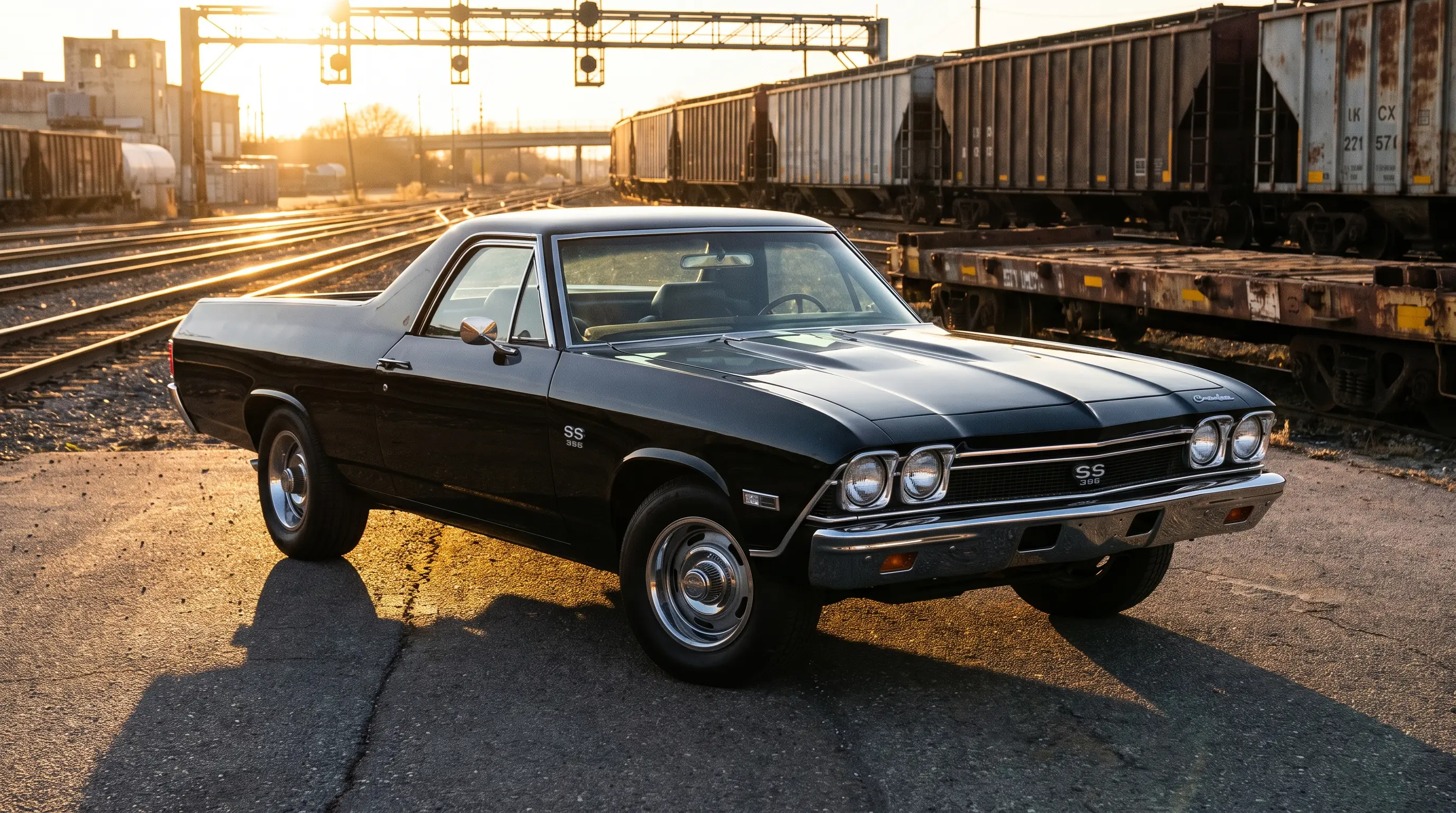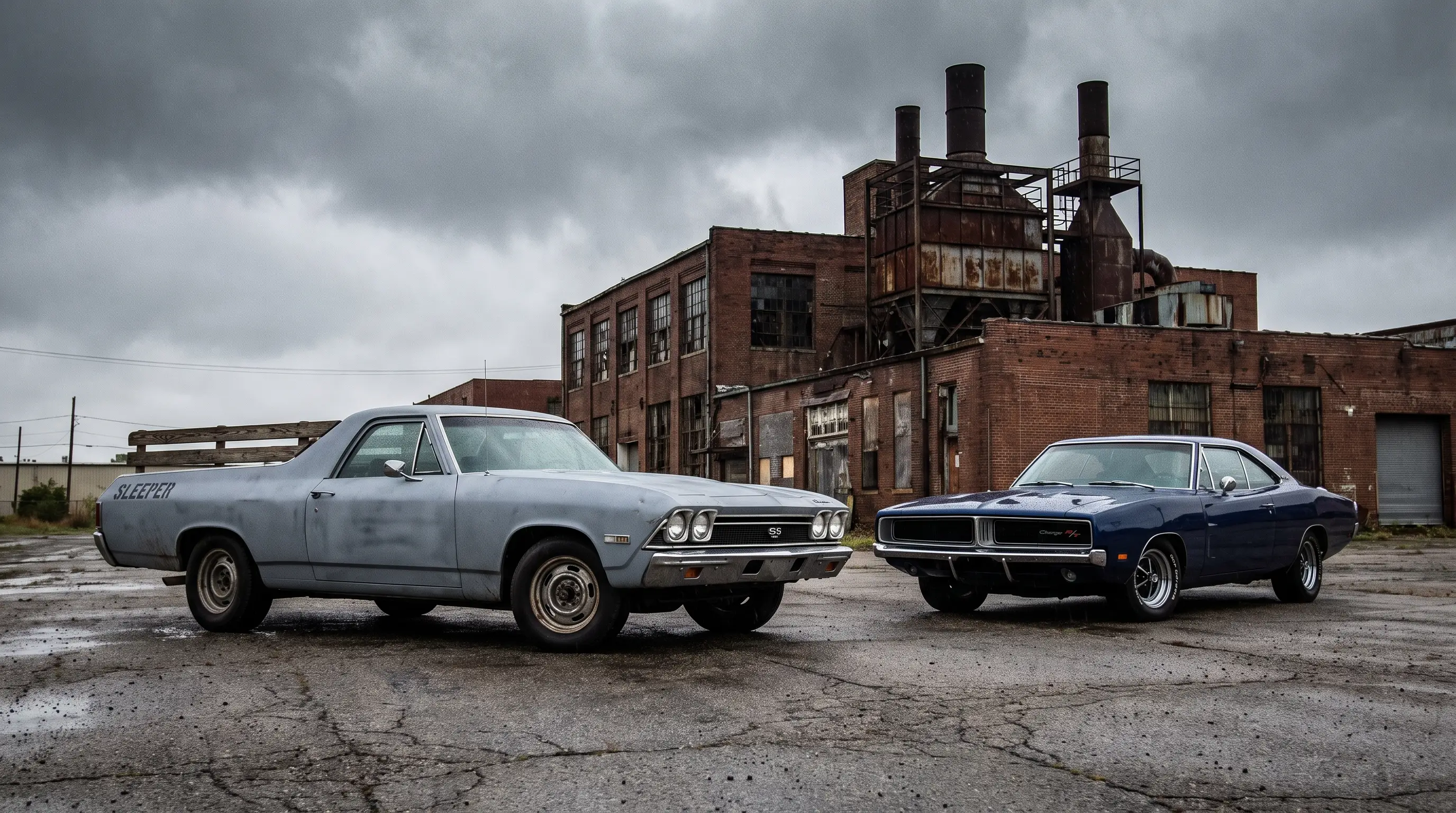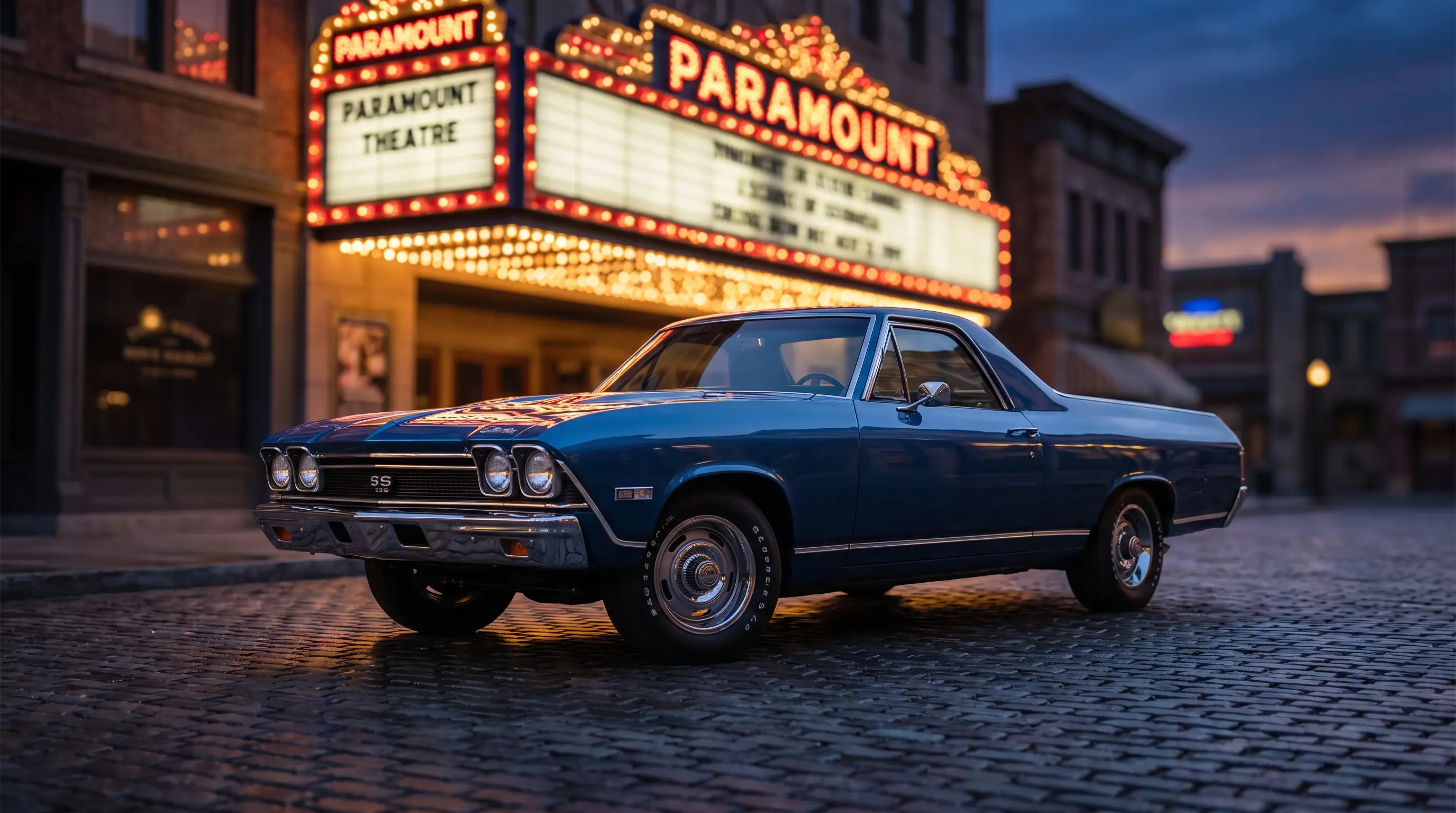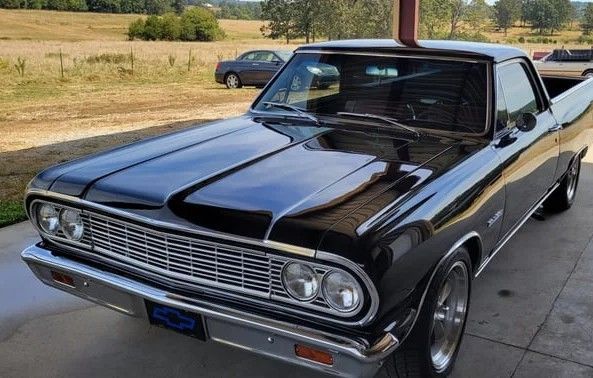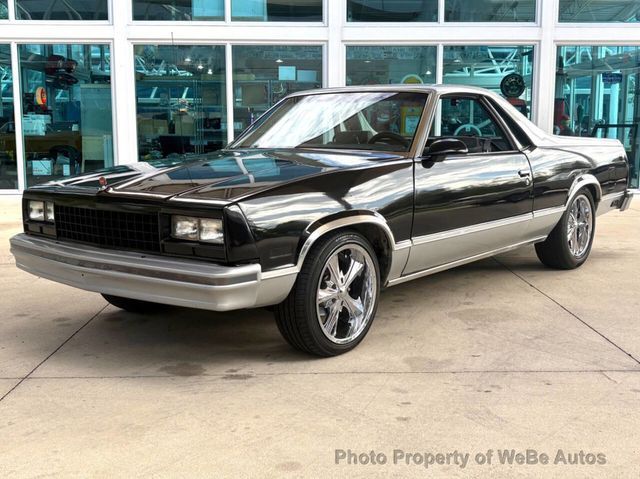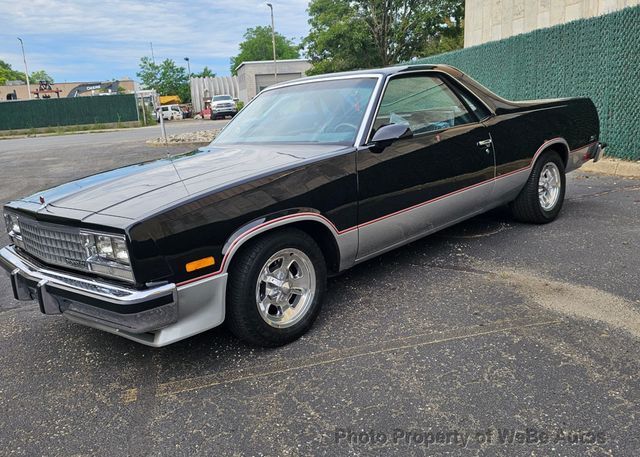
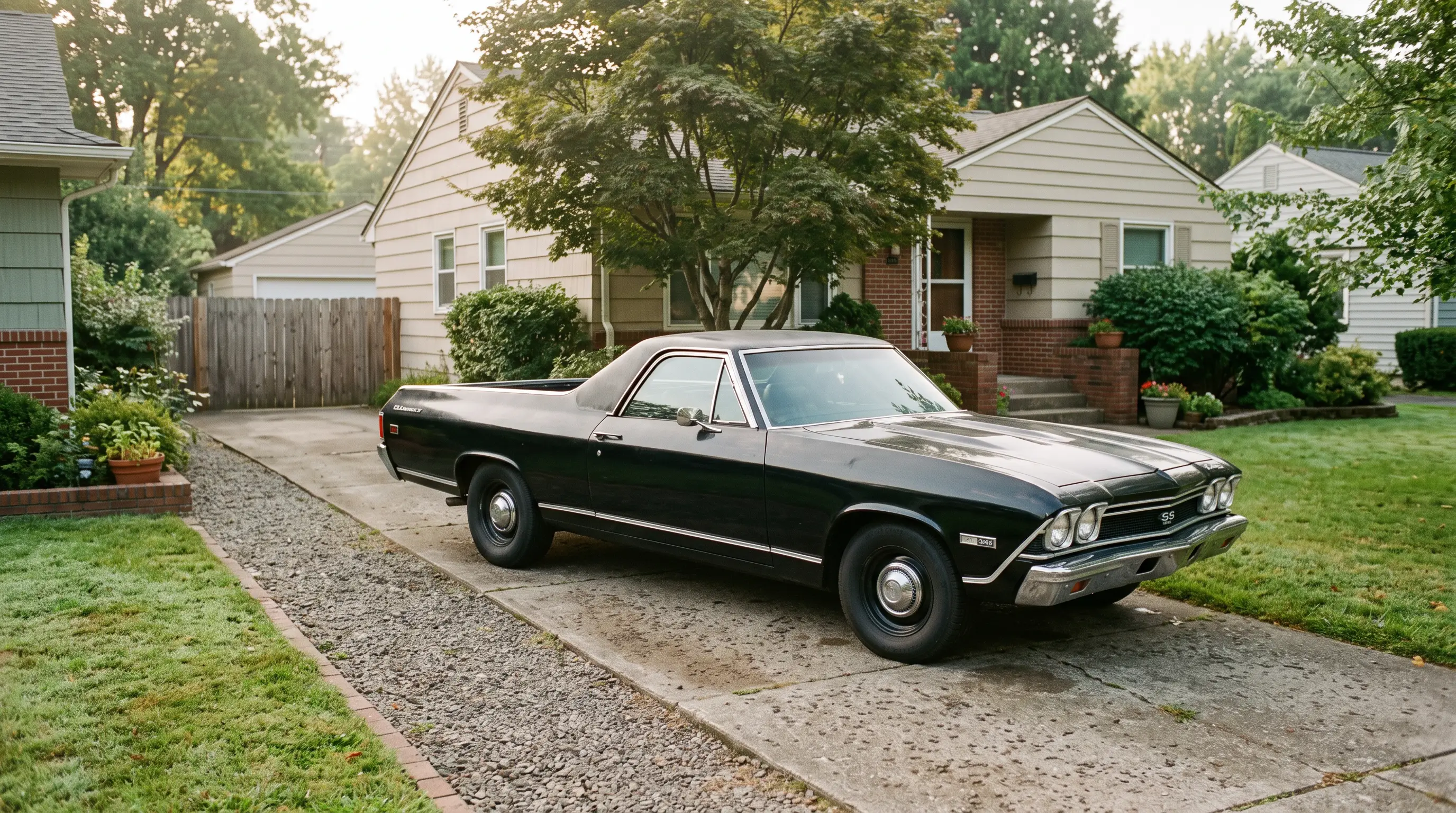
Every collector segment needs an entry point, a car good enough to matter but priced low enough that a first-time buyer does not need a second mortgage to own one. In the muscle car era, the 1968 El Camino fills that role better than almost anything else Chevrolet built that year. It carries genuine SS 396 credentials, real production history, and a body style that still trades at a discount to its Chevelle twin. From a risk-framed appraisal standpoint, that combination is rare, and it deserves a closer look than it usually gets.
Framing the opportunity correctly
Appraisers who work across multiple muscle car segments tend to describe entry points in terms of a simple ratio: how much genuine collector-grade performance a dollar buys relative to the more established, higher-demand alternatives. By that measure, the 1968 El Camino SS 396 currently offers one of the better ratios in the entire 1968 Chevrolet lineup, better than the Chevelle SS 396 itself in most condition tiers, and dramatically better than a comparable GTO. That is not a permanent condition, and markets can shift, but for a buyer entering the hobby today it represents a genuine value proposition rather than a speculative bet on an unproven car.
Condition drives value more than trim here
With the 1968 El Camino, condition and documentation matter more than they do with cars that have deeper collector pools bidding on every example. A rough SS 396 with incomplete records sells for utility-vehicle money. A documented example with matching numbers and clean cowl tag data commands a real premium, sometimes double or more compared to an undocumented car with the same drivetrain. That spread is wider than what you see on a GTO or a Chevelle SS, where even a rough example still draws bids from a deep pool of collectors who want the badge regardless of paperwork. For a first-time buyer, this means the homework pays off disproportionately, and skipping it costs disproportionately.
| Condition Tier | Documentation | Relative Value Position |
|---|---|---|
| Driver-quality, no records | Engine unverified | Baseline, lowest liquidity |
| Solid driver, partial records | Engine casting matches era | Meaningful premium |
| Documented matching numbers | Cowl tag, build sheet, or Protect-O-Plate | Strongest liquidity, best resale floor |
The downside case, honestly stated
Appraisal work means naming the downside as clearly as the upside. The 1968 El Camino's biggest risk for a new collector is liquidity in a soft market. Because the buyer pool remains smaller than for a Chevelle SS 396 or a GTO, a seller who needs to exit quickly may accept a lower price than the car's condition would otherwise justify. Rust in the bed floor and rear frame rails is also more common on trucks pressed into actual hauling duty at some point in their life, and repairs there are expensive to do correctly. A buyer entering this segment should budget for a pre-purchase inspection that specifically checks bed floor and frame integrity, not just the engine and body panels most buyers focus on first.
There is also a financing and insurance dimension worth naming plainly. Some lenders and specialty insurers still classify coupe utilities differently than two-door hardtops when writing agreed-value policies, and a first-time collector should confirm coverage terms before assuming a 1968 El Camino SS 396 will insure the same way a Chevelle SS 396 does. In most cases the paperwork sorts itself out once the appraiser or insurer sees documented SS 396 equipment, but it is one more step a new buyer needs to budget time for, and skipping that step has occasionally left owners under-insured relative to a car's real market value.
Why the entry point makes sense right now
Prices for documented 1968 El Camino SS 396 examples have moved upward over the past several years as more buyers discover the drivetrain parity with the Chevelle, but the segment has not caught up to where the market values comparable Chevelle SS 396 hardtops. That gap represents genuine upside for a patient buyer willing to hold the car for five to ten years while the broader collector market continues to reprice utility-bodied muscle cars. The risk is real, the reward is plausible, and the entry cost remains lower than most comparable big-block muscle cars from 1968. Readers who want the full production background can review 1968 el camino history before making a purchase decision, and those curious about the car's media footprint can check out a related story covering its screen appearances.
"I tell first-time buyers the same thing every time. Buy the documentation, not the color. A plain white 1968 El Camino with a clean build sheet beats a flashy one with no paperwork, every single time it comes to resale."
- Marcus Feld
A quick note on regional pricing variation
Asking prices for the 1968 El Camino SS 396 vary more by region than they do for a nationally recognized car like the GTO, largely because the smaller buyer pool means local supply and demand imbalances show up more clearly in listing prices. A buyer willing to look beyond their immediate region, and willing to arrange transport for the right documented example, often finds meaningfully better value than someone restricting their search to whatever happens to be listed nearby. That flexibility is a genuine appraisal-level insight worth factoring into any entry-level purchase strategy in this specific segment.
What to prioritize as a first buy
A sensible entry-level purchase in this segment prioritizes three things in order: verified drivetrain documentation, structural soundness in the bed and frame, and only then cosmetic condition. Paint and interior can be restored for a known cost. A car with murky drivetrain history or hidden rust repair carries costs and risks that are much harder to quantify up front, and those unknowns are exactly what erode resale value later. Buyers who follow that priority order tend to end up with cars that hold value even in a soft collector market, because the fundamentals underneath the paint were sound from day one.
How this entry point compares to other 1968 muscle cars
Set against a 1968 GTO or Chevelle SS 396 at a comparable condition level, the El Camino typically asks less money for essentially the same drivetrain and era-correct performance credentials. That discount is not permanent, and it should not be treated as guaranteed, but it has held reasonably steady across multiple market cycles, which gives a first-time buyer more confidence than chasing a segment where prices have already run up sharply. A buyer who wants exposure to genuine 1968 big-block Chevrolet performance, without paying GTO-level money for the privilege, will find the El Camino segment offers a more forgiving margin for a first purchase, provided the appraisal fundamentals above are respected rather than skipped in the excitement of buying a first classic muscle car.
Sources and notes
- Hagerty Valuation Tools: Chevrolet El Camino
- SS396.com: 1968 El Camino Parts and Restoration Information
- Wikipedia: Chevrolet El Camino
- Hagerty: The Great One, 1968-72 Pontiac GTO
- Mecum Auctions: 1968 El Camino SS396 results
For those ready to start shopping, current inventory of El Caminos for sale now gives a real-time sense of where asking prices sit relative to documentation quality, which is the single most useful comparison a first-time buyer in this segment can make before committing.