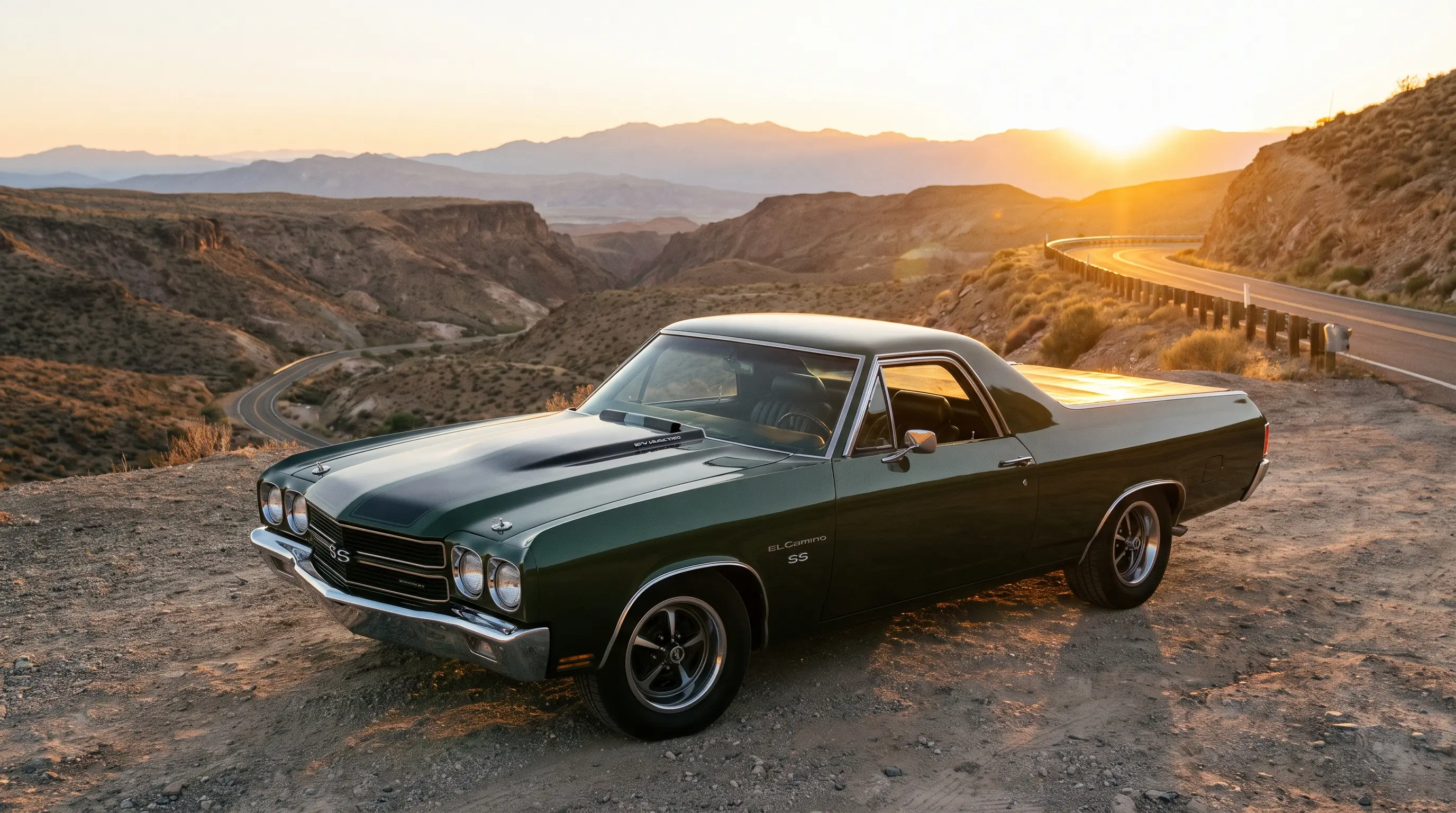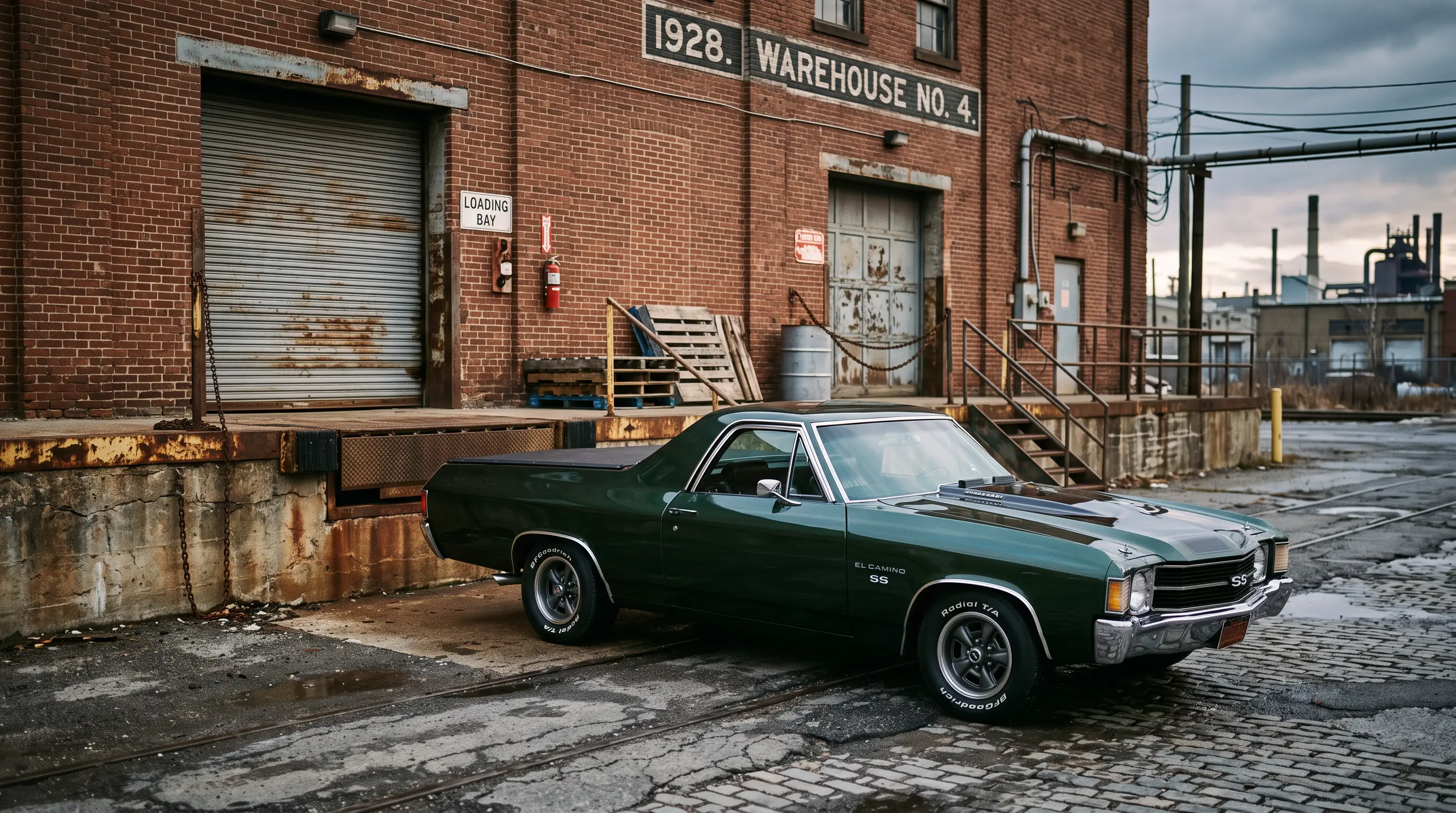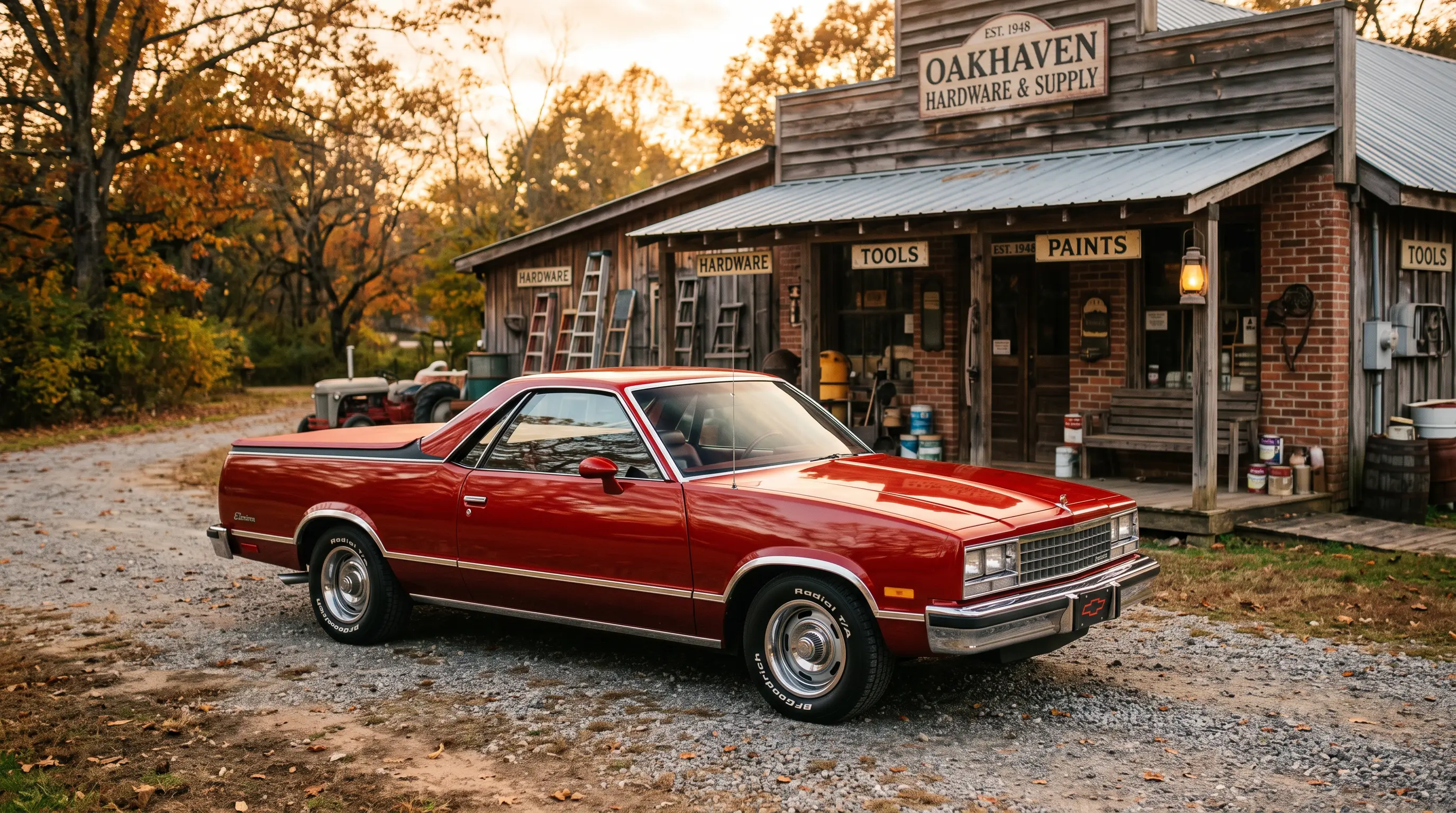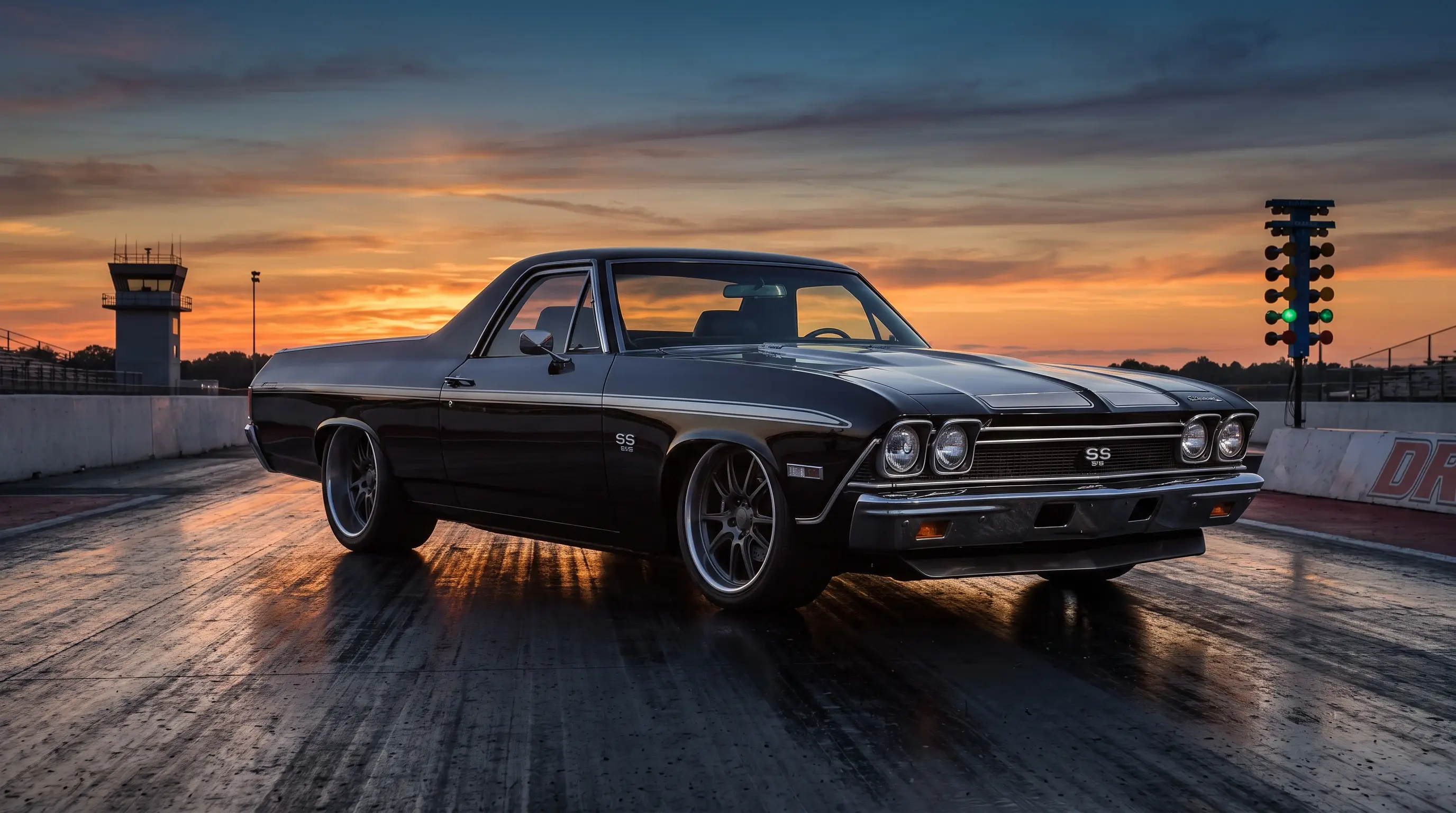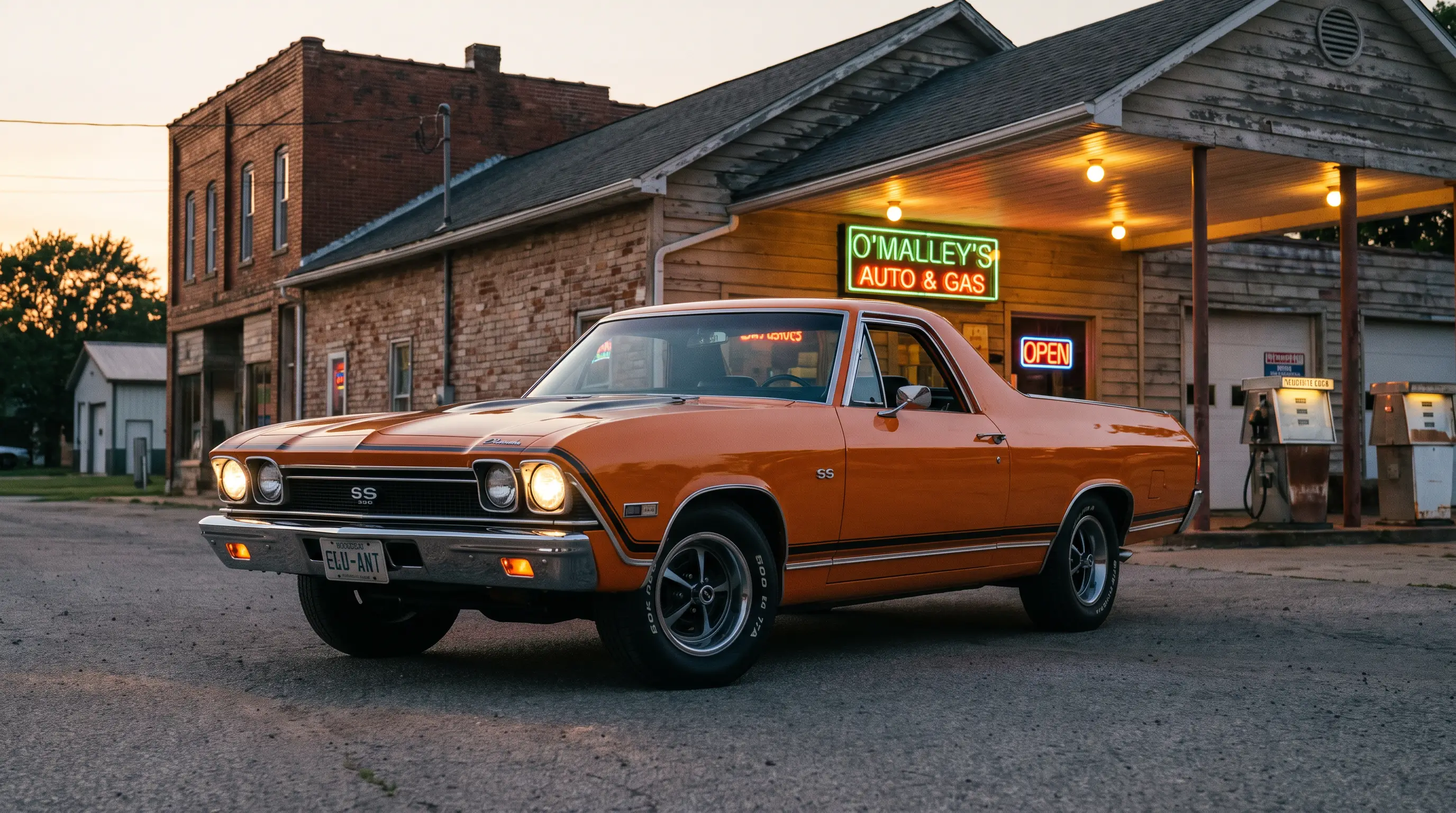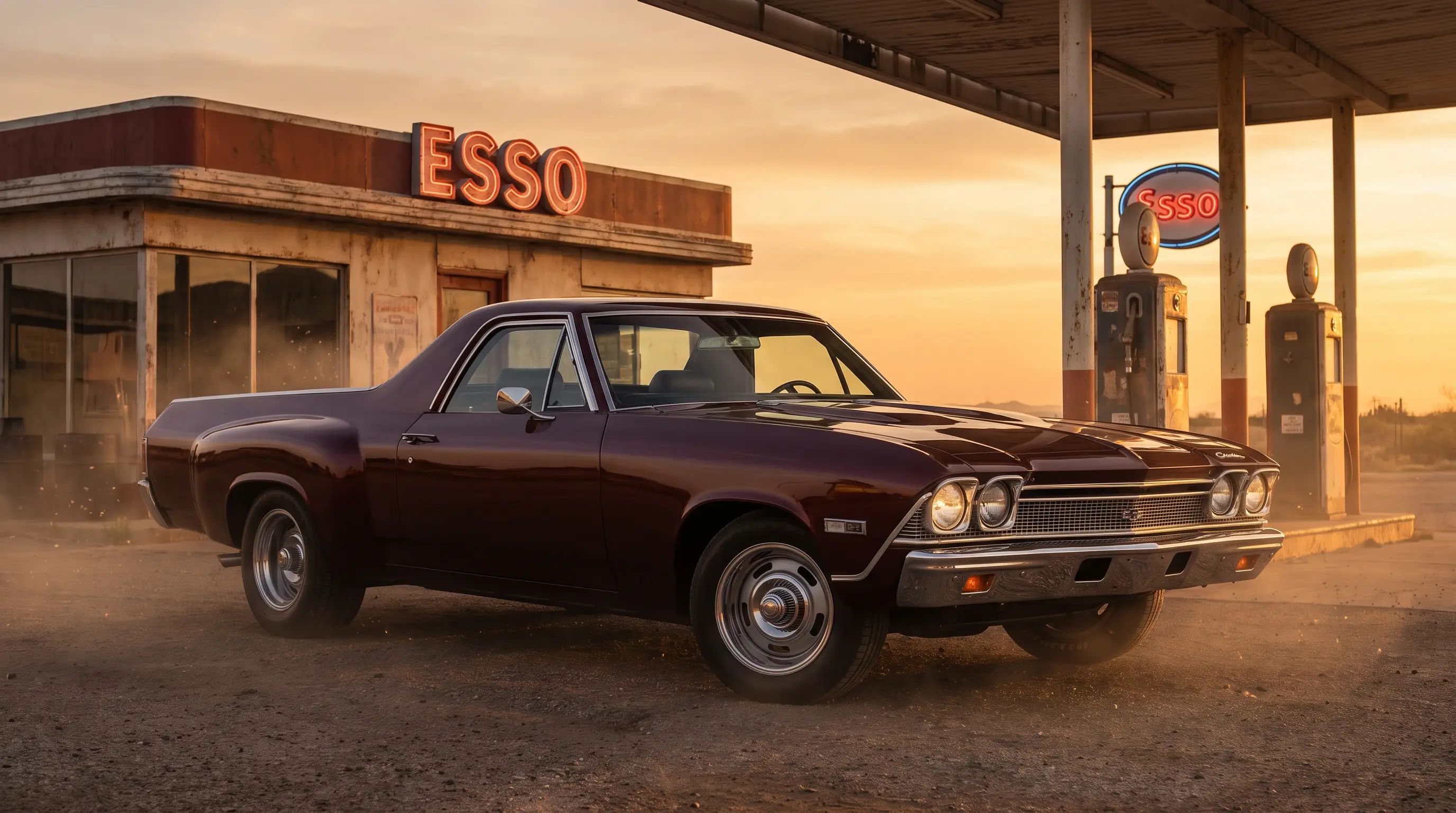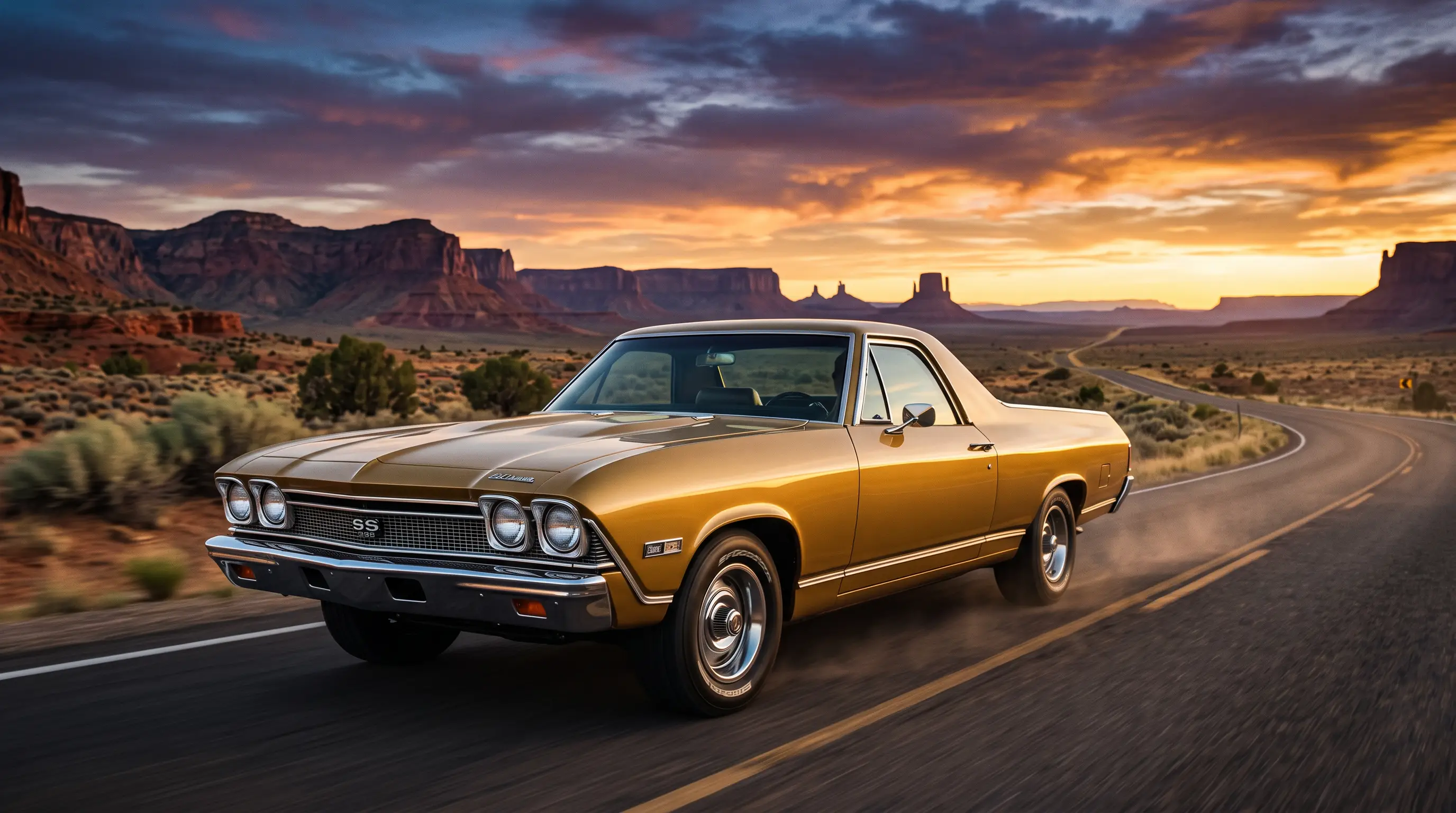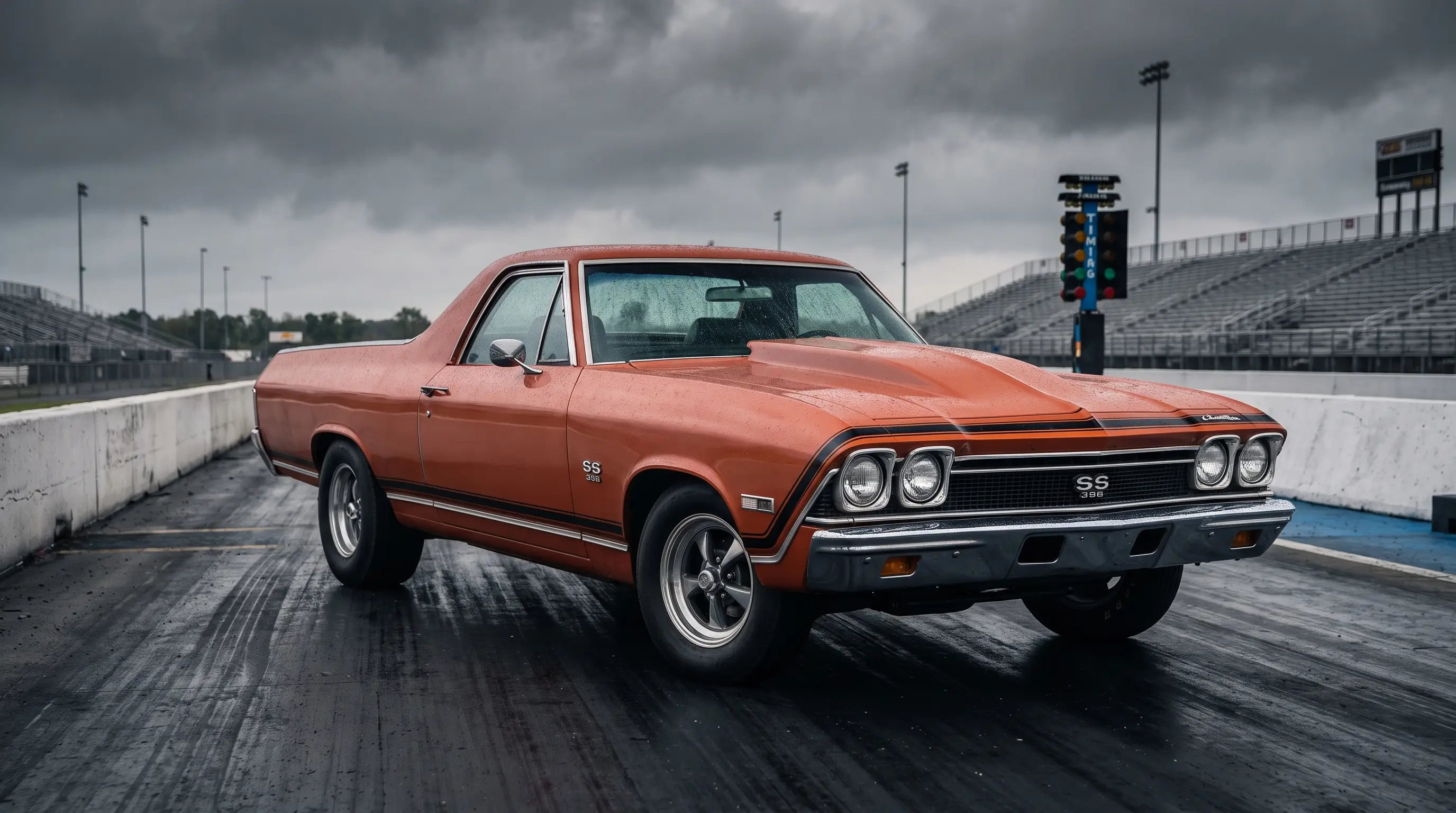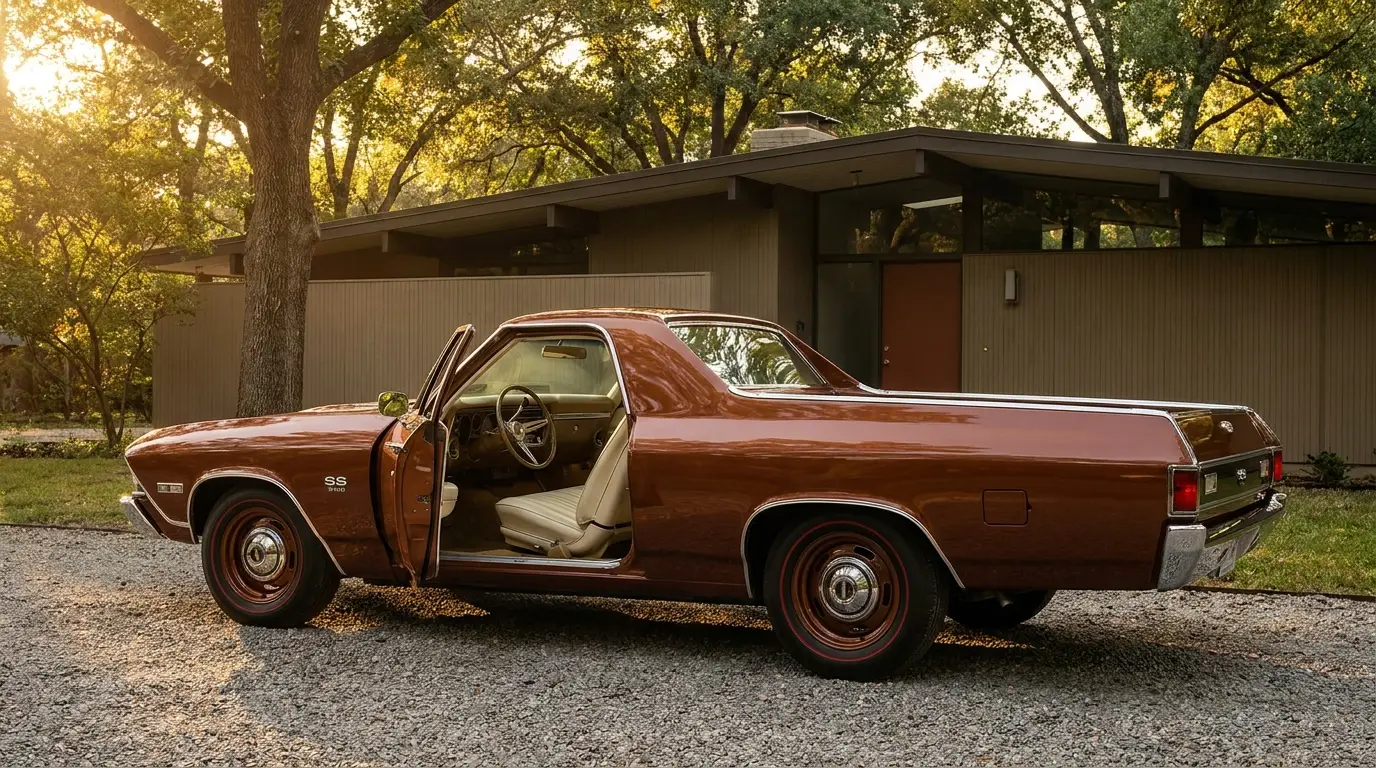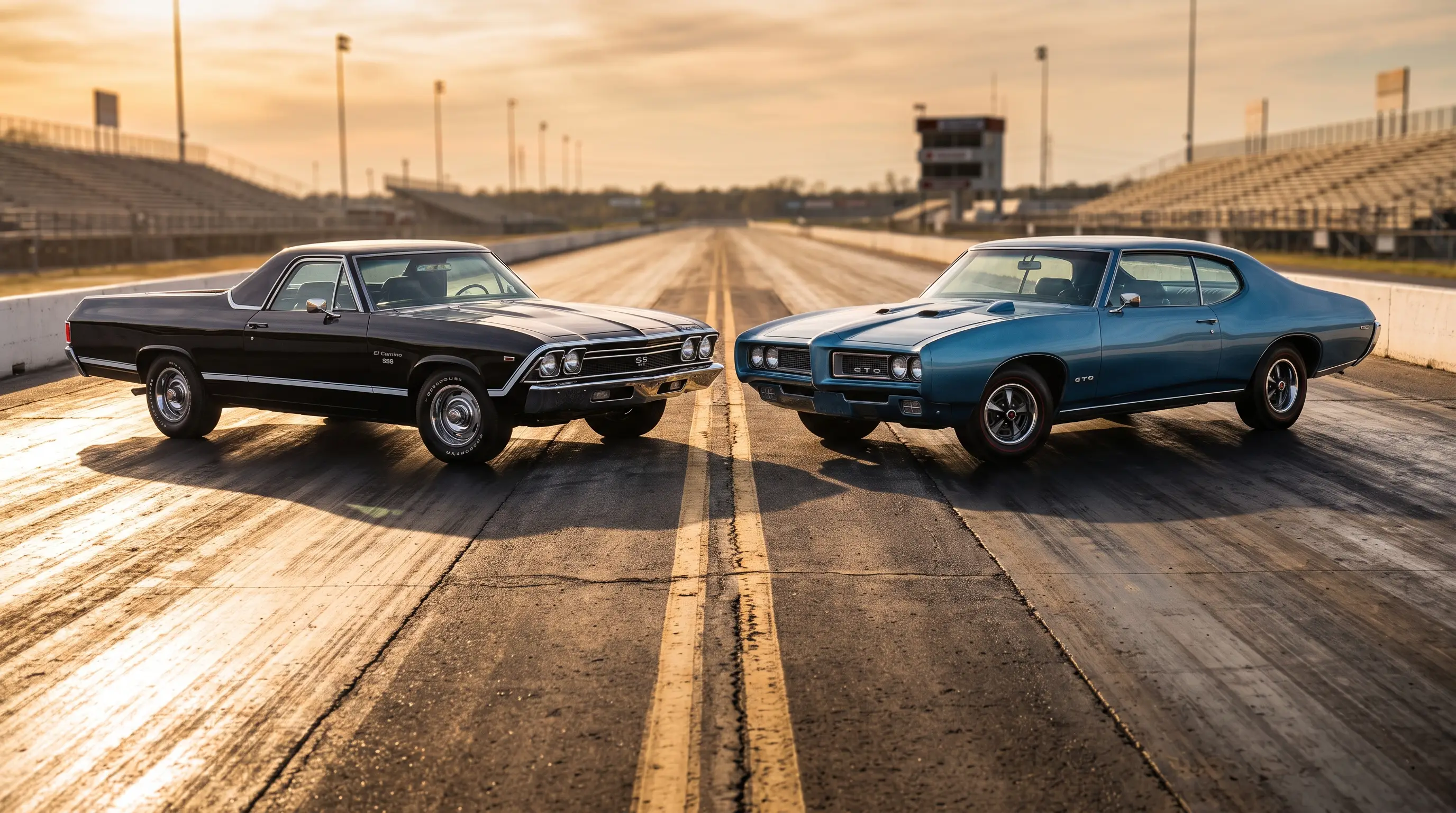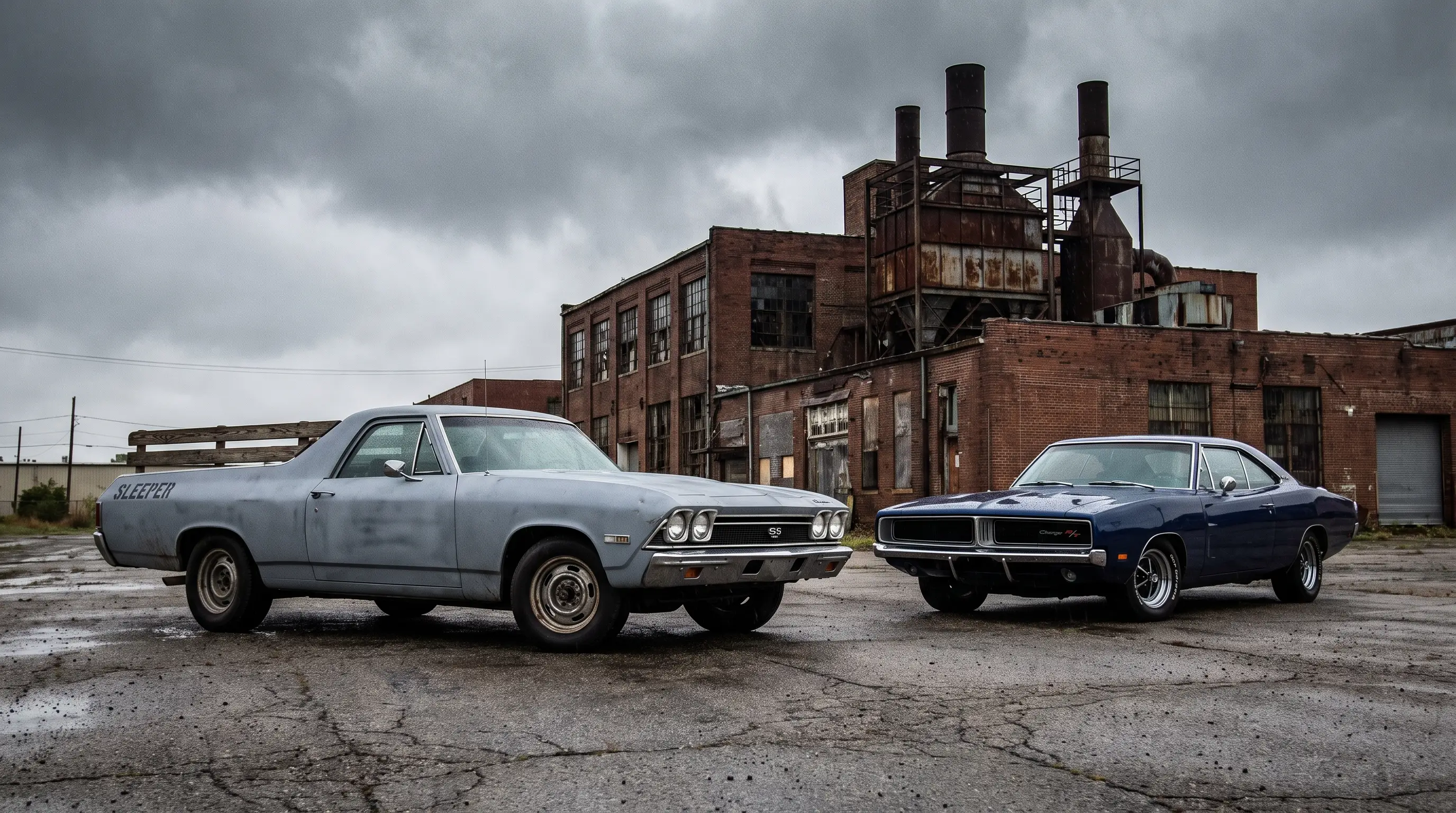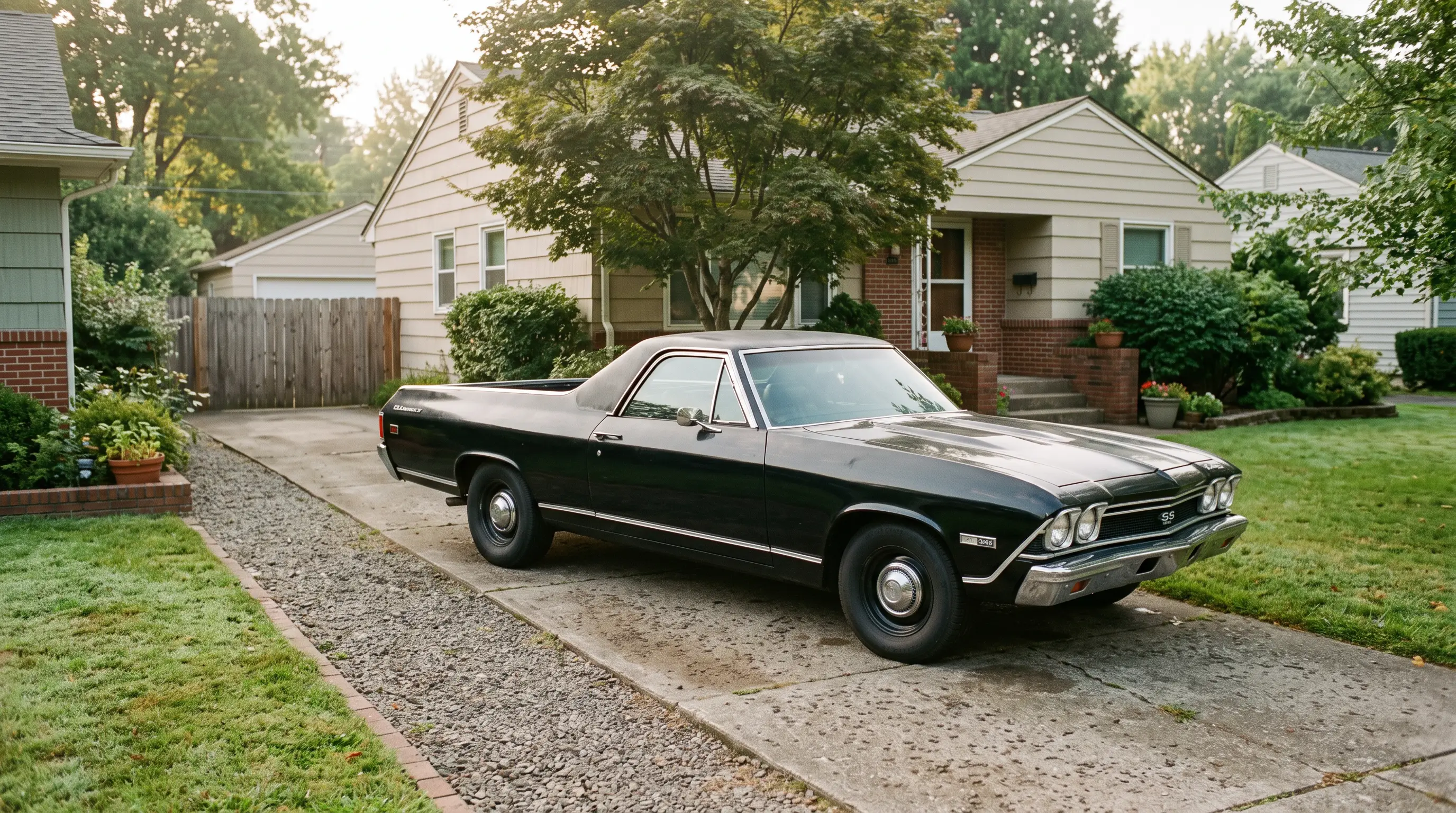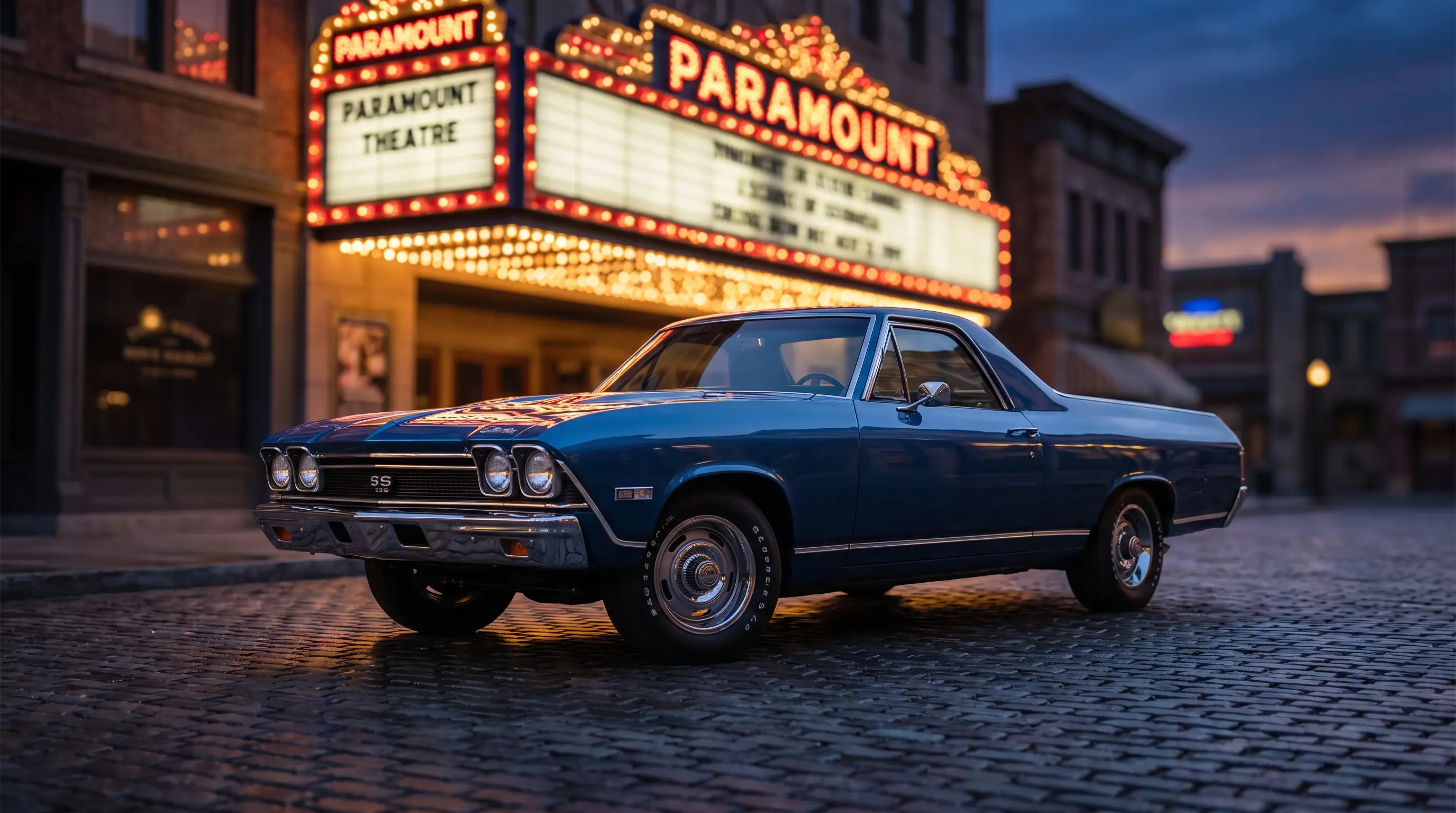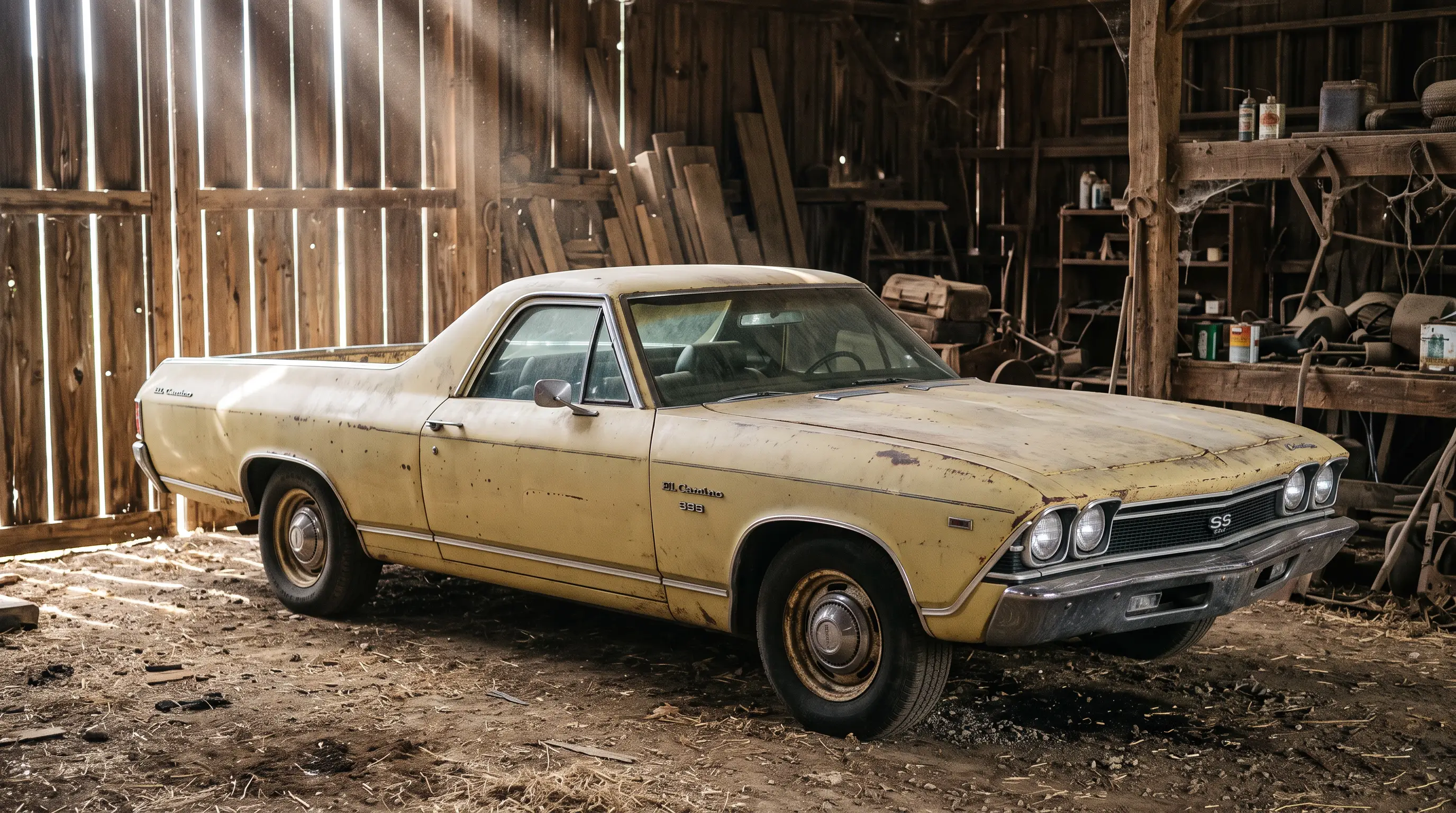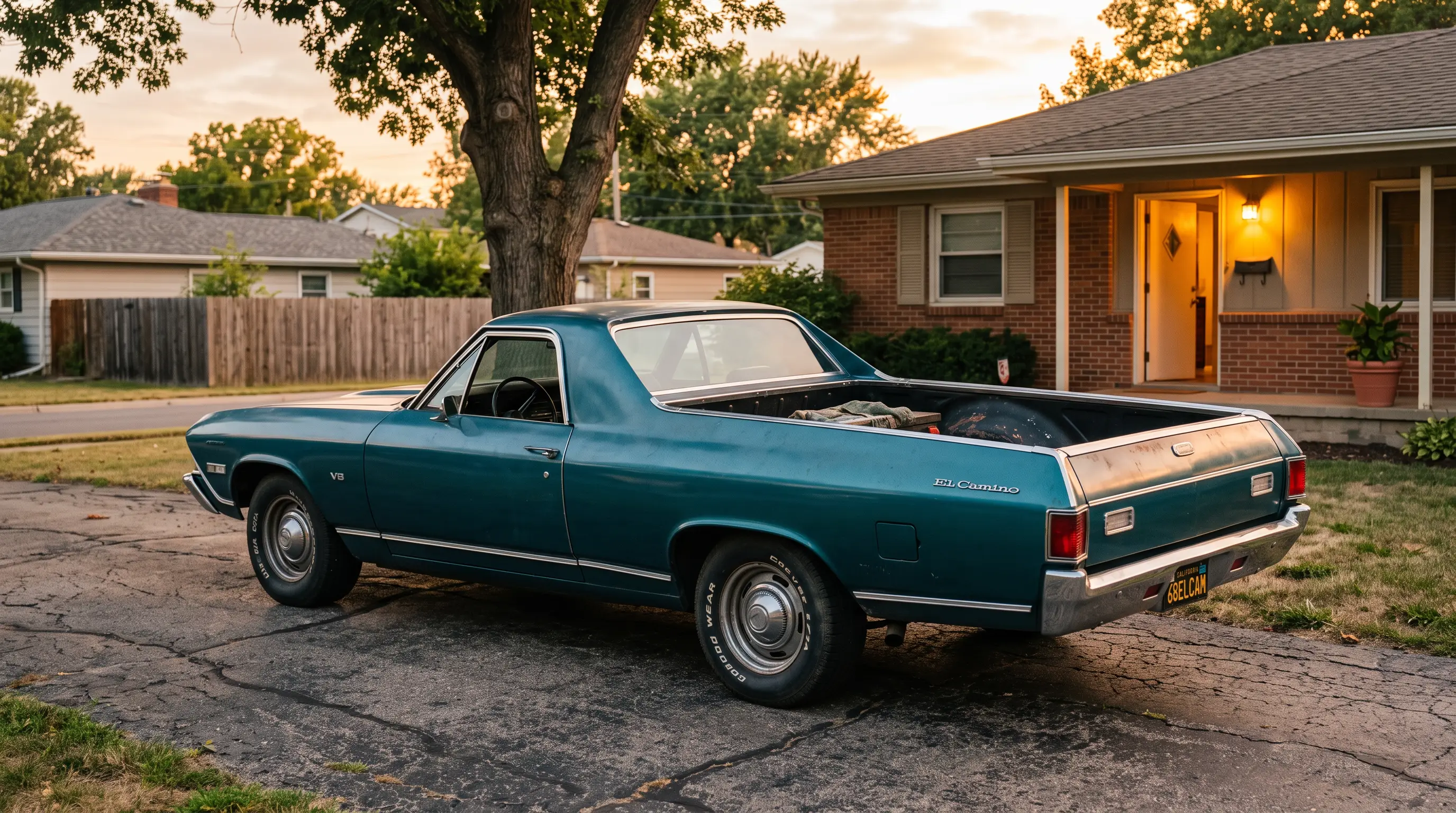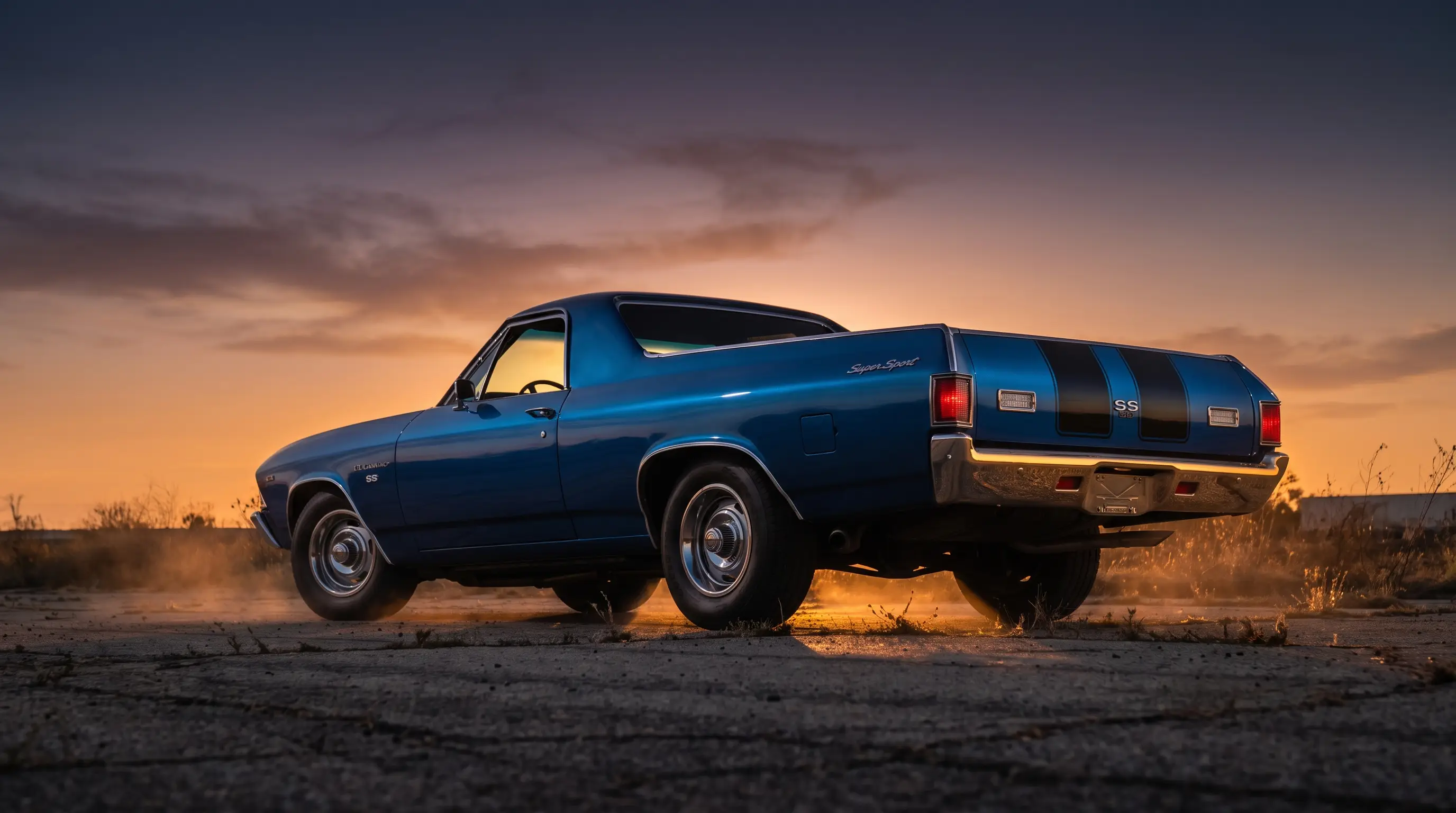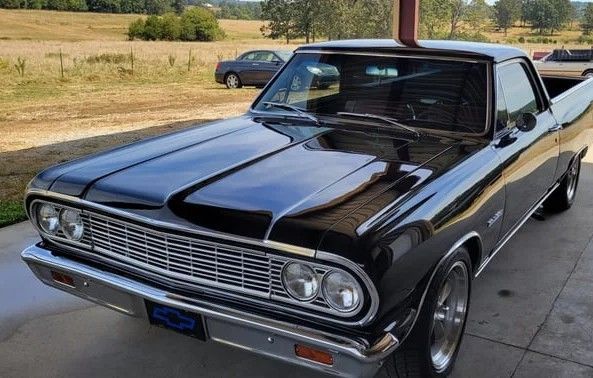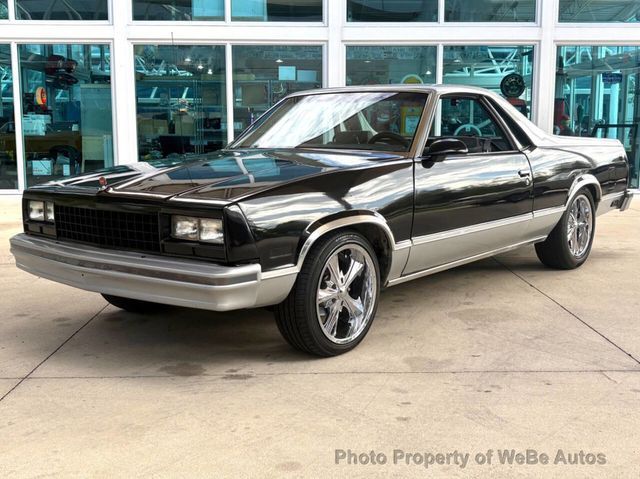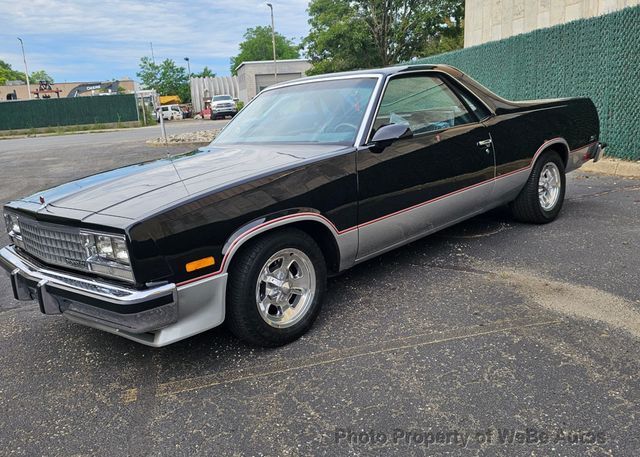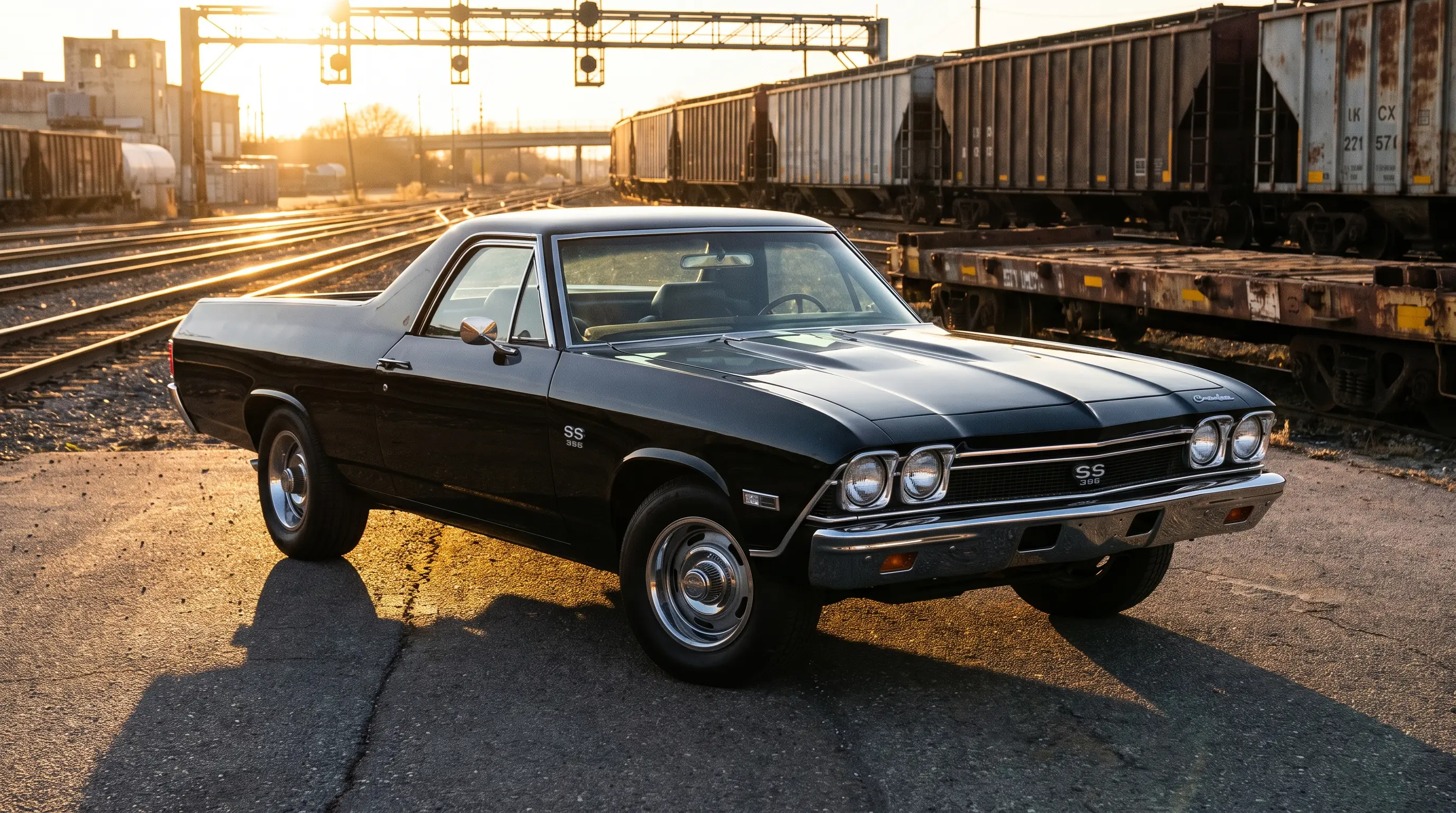
Every so often a model year does more than update the sheet metal. It resets what a car is allowed to be. The 1968 el camino is one of those years. Chevrolet had been selling a car-based pickup on the Chevelle platform since 1964, and it sold in respectable if unspectacular numbers. Then the entire A-body line was redrawn for 1968, and the El Camino came out the other side longer, lower, and finally credible as a performance vehicle. The paperwork tells the story better than the nostalgia does, so let me walk through what actually changed and why it mattered.
People remember 1968 as the year the SS396 badge showed up on the tailgate. That is true, but it undersells the engineering decision underneath it. The restyle was not cosmetic. It was a platform split that gave the El Camino a different wheelbase from the coupes it shared a showroom with, and that single choice shaped the rest of its life.
The A-body split that created a new car
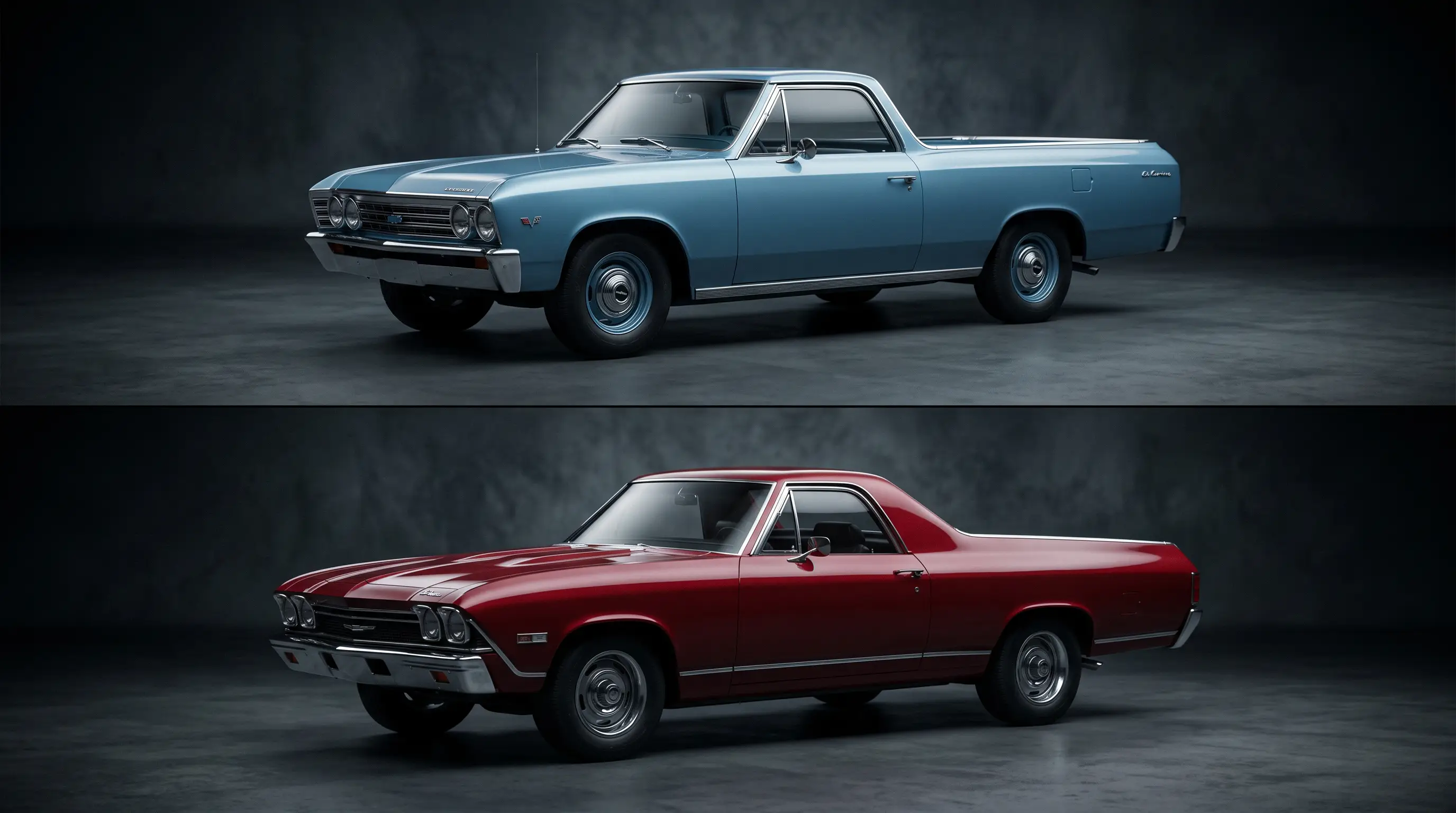
For 1968 General Motors gave the A-body two wheelbases instead of one. The two-door hardtops and coupes dropped to a 112-inch wheelbase, while the four-door sedans, wagons, and the El Camino rode on a 116-inch wheelbase. That is the detail most casual histories skip. The El Camino was built on the longer station wagon chassis, which is why it looks stretched next to a 1968 Chevelle SS coupe even though the two are cousins.
The longer platform was not an accident. A car meant to haul needed the load floor and the rear overhang, and the wagon architecture already provided it. The result was a vehicle with the front clip and interior of a Chevelle and the rear proportions of a light hauler. The 1968 restyle leaned into the coke-bottle body language of the era, with a pronounced kick-up over the rear wheels and a forward-raked nose. It read as a muscle car from the A-pillar forward and as a pickup from the doors back.
Anyone building a picture of how the nameplate evolved will find the full arc in our chevrolet el camino history, but the 1968 model is the hinge point. Before it, the El Camino was a practical body style. After it, the El Camino was a car people wanted for reasons that had nothing to do with hauling.
The SS396 and the end of the utility-only reputation
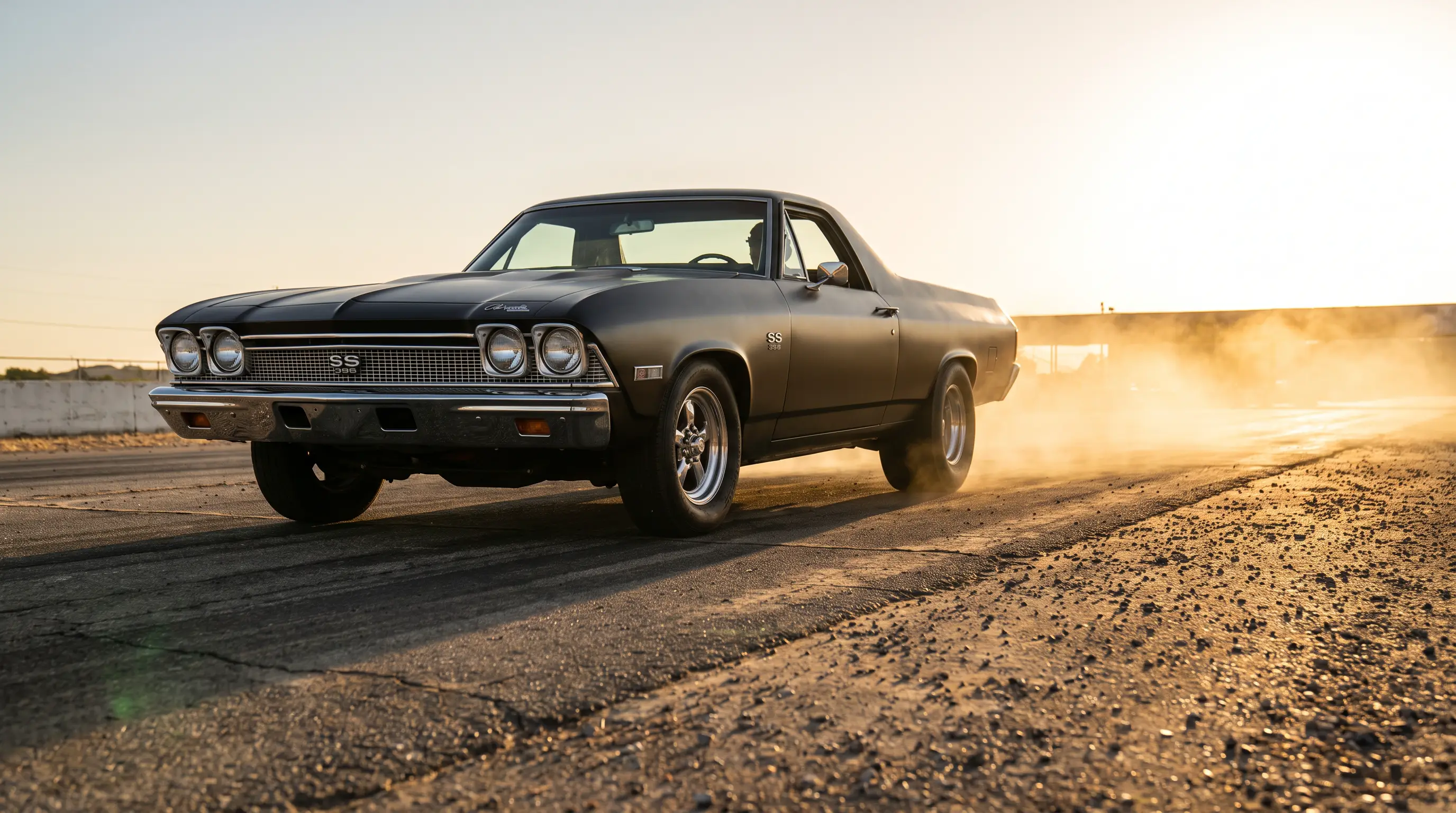
The headline change for 1968 was the arrival of the SS396 package as a genuine option on the El Camino. The 396 cubic inch big-block came in more than one state of tune that year. The literature lists outputs commonly cited at 325, 350, and 375 horsepower depending on the specific engine code, with the 375-horse L78 never officially advertised because it violated GM's internal 10-pounds-per-horsepower policy. That gave the El Camino a straight line credential it had never carried before.
What matters historically is not just that the engine was available. It is that Chevrolet chose to badge it the same way it badged the Chevelle SS. A buyer walking into a 1968 showroom could order the pickup with the same big-block that went into the halo coupe, wearing the same SS identity. That decision reframed the entire model. The El Camino was no longer the sensible cousin. It was invited to the muscle car table.
It is worth correcting a common misconception here. The SS396 El Camino of 1968 is sometimes described as if every big-block car left the factory identically equipped. It did not. Buyers ordered from an options sheet, and the combination of transmission, rear axle, and interior trim varied widely. Two SS396 cars from the same month could be very different machines. That variability is exactly why documentation carries so much weight with these cars today, and why a build sheet or Protect-O-Plate turns an anonymous big-block into a verifiable one.
Reading the 1968 model against its own decade
Context helps. In 1968 the intermediate muscle car war was fully open. Every division had a mid-size performance entry, and the buying public had learned to read displacement badges the way an earlier generation read chrome. Chevrolet needed the El Camino to participate in that conversation, not sit it out. The restyle and the SS396 option were the price of admission.
The styling itself belongs to a specific moment. The 1968 through 1972 A-body cars share a family look, but each year carries small identifiers. For 1968 the front end used a particular grille treatment and the side marker lights were new that season, a federal requirement that arrived across the industry. Those markers are one of the quickest ways to separate a 1968 car from the 1969 that followed, since the detailing shifted year to year while the basic body carried on.
The interior followed Chevelle practice, which means the El Camino buyer got a real car cabin rather than a stripped work-truck bench-and-rubber-mat affair. Bucket seats, console, and gauge options that appeared on the coupe were available here too. That parity with the passenger car was part of the appeal and part of the reason these cars crossed over from work fleets into private driveways.
It helps to remember who was buying. The 1968 El Camino sat at an unusual intersection of the market. Some buyers were small businesses and tradesmen who genuinely needed the bed and treated the SS badge as an indulgence they skipped. Others were private owners who wanted the muscle car look with a practical excuse attached, the kind of buyer who told his wife the car was for hauling and then ordered the big-block anyway. Chevrolet built for both, which is why the surviving population is so mixed. The factory did not decide the car's identity. The options sheet did, one order at a time.
The transmission and axle choices reinforced that split. A worker's car might leave with a column shift and a mild rear gear meant for economy and towing. A performance order came with a floor shifter, a stouter rear end, and gearing chosen for acceleration rather than fuel bills. Two 1968 El Caminos could share a body and a badge and still behave like completely different vehicles on the road. For the historian, that variability is not a nuisance. It is the record of how real people actually configured these cars when the choice was theirs to make.
Production, rarity, and what the numbers imply
El Camino production figures for 1968 are healthy in aggregate but thin once you filter for the desirable combinations. Total model-year output ran to about 41,800 units, of which roughly 5,190 were SS396 models, so the fraction fitted with the SS396 and the more powerful engine codes is a small slice of that. This is the pattern collectors know well. The base six-cylinder and small-block cars were the volume sellers, and they did the actual hauling that justified the body style. The big-block cars were the exception even when new.
That distribution matters for anyone thinking about the model today. A survivor small-block 1968 El Camino is a pleasant and usable piece of history. A documented SS396 car is a different proposition entirely, both in what it represents and in what the market asks for it. The scarcity was baked in at the dealership, not created later by attrition, although attrition certainly did its part. Work vehicles get used up, and many of these were bought to work.
| Attribute | 1968 El Camino detail |
|---|---|
| Platform | GM A-body, station wagon chassis |
| Wheelbase | 116 inches |
| Body style | Two-door car-based pickup |
| Headline package | SS396 (new for 1968) |
| Big-block outputs cited | 325 / 350 / 375 hp (396 cu in) |
| Base engines | 230/250 cu in six; 307 cu in V8 base, 327 cu in V8 optional |
| Generation span | 1968-1972 A-body |
Why 1968 is the year historians point to
When I am asked where the collectible El Camino story really begins, I point to 1968 rather than 1964. The 1964 car deserves credit for reviving the nameplate on the Chevelle platform, and it laid the groundwork. But 1968 is when the model acquired the identity that carried it through the muscle era and into the memory of everyone who was there. The longer wheelbase, the restyled body, and the SS396 badge arrived together, and together they changed the answer to the question of what an El Camino was for.
There is also a documentation story that starts here. Because the 1968 cars came in so many configurations, the ones that survive with paperwork are worth understanding on their own terms. The build sheet tucked above a fuel tank or under a seat spring is the primary source that separates a claim from a fact. I have seen too many big-block claims evaporate under a cowl tag that says otherwise. The lesson is old but it holds: trust the codes, not the story.
The Protect-O-Plate is a useful primary source for this era, and it is worth knowing what it is. Chevrolet supplied a small metal plate, usually attached to the owner's warranty booklet, stamped with codes that recorded key facts about the car as delivered. Where one survives with a 1968 El Camino, it becomes a period document that can corroborate or contradict what the seller is telling you. Combined with the cowl tag and any surviving factory invoice, it forms a chain of evidence that a serious buyer learns to assemble before the money changes hands. The cars that carry that chain intact are the ones history can actually vouch for.
"The 1968 restyle is the moment the El Camino stopped apologizing for being useful and started competing on the same terms as the coupes. The wheelbase change tells you Chevrolet was serious about it as a distinct model, not an afterthought."
- Tom Ramirez
What to keep in mind when you meet one
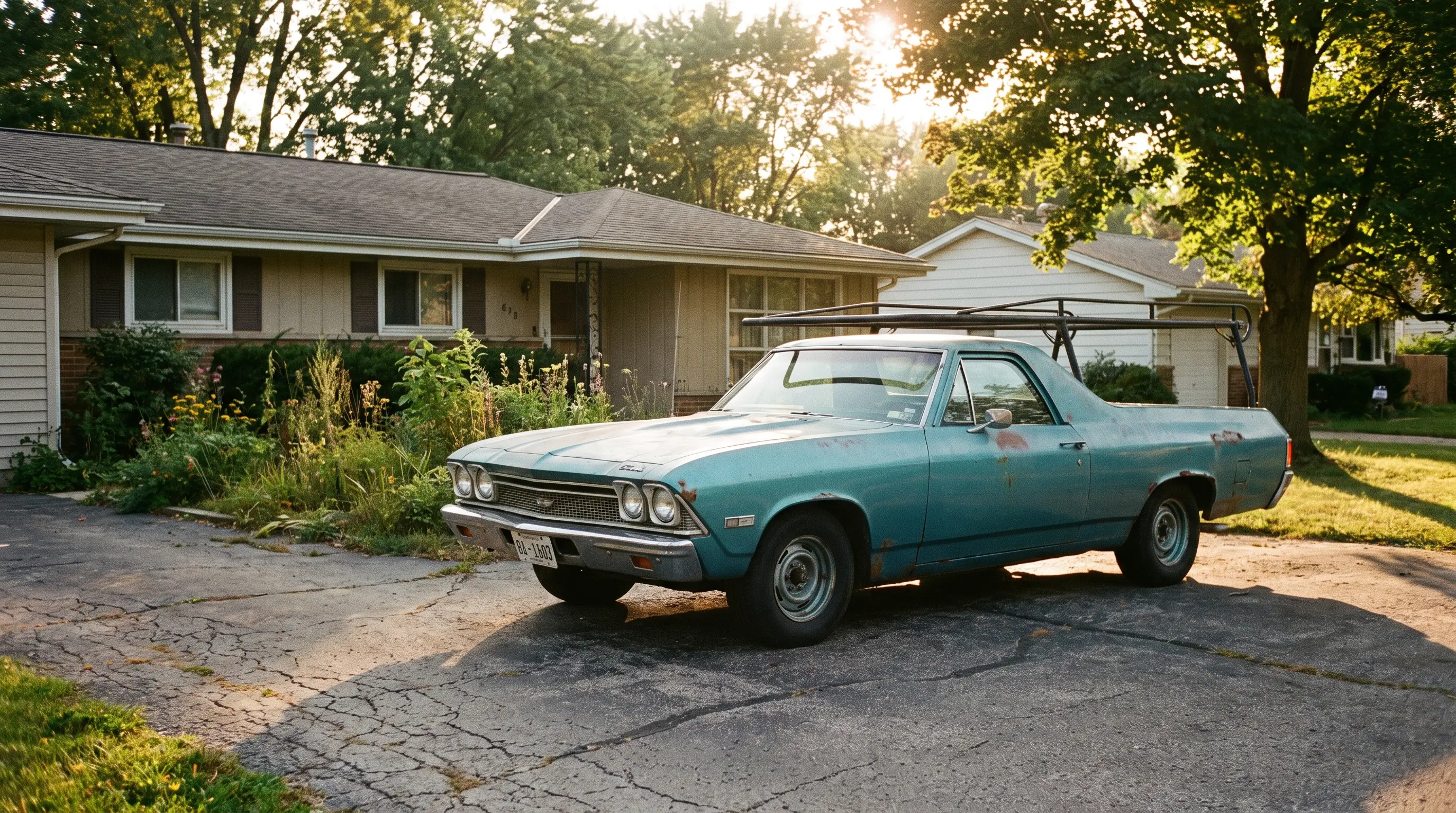
A 1968 El Camino you encounter today is likely to be one of two things. Either it is an honest small-block or six-cylinder survivor that spent decades as a usable vehicle, or it is a big-block car whose story needs checking. Both are legitimate, but they occupy different places in the hobby. The pleasure of the former is that it is affordable, drivable history. The value of the latter depends entirely on whether the badges match the paperwork.
The later chapters of the story went in a very different direction, and the downsized cars of the following decade are their own subject that is worth a look too. But the 1968 car is where the collectible identity was set. If you want to see how the market treats these today, you can shop classic El Camino listings and watch how quickly a documented big-block separates itself from the crowd. The paperwork, as always, does the talking.