Every long-running model has a hinge year, the point where a redesign either sets a new standard or gets quietly abandoned two seasons later. For the Chevrolet El Camino, 1968 was that hinge. The reinvention that arrived that year, built on the new Chevelle A-body platform with a genuine SS 396 performance option, did not just refresh the car for one model year. It set the template that carried the nameplate through the muscle car era and into the following decade, and the production record shows exactly how deliberately Chevrolet built that foundation.
Setting the stage before the redesign
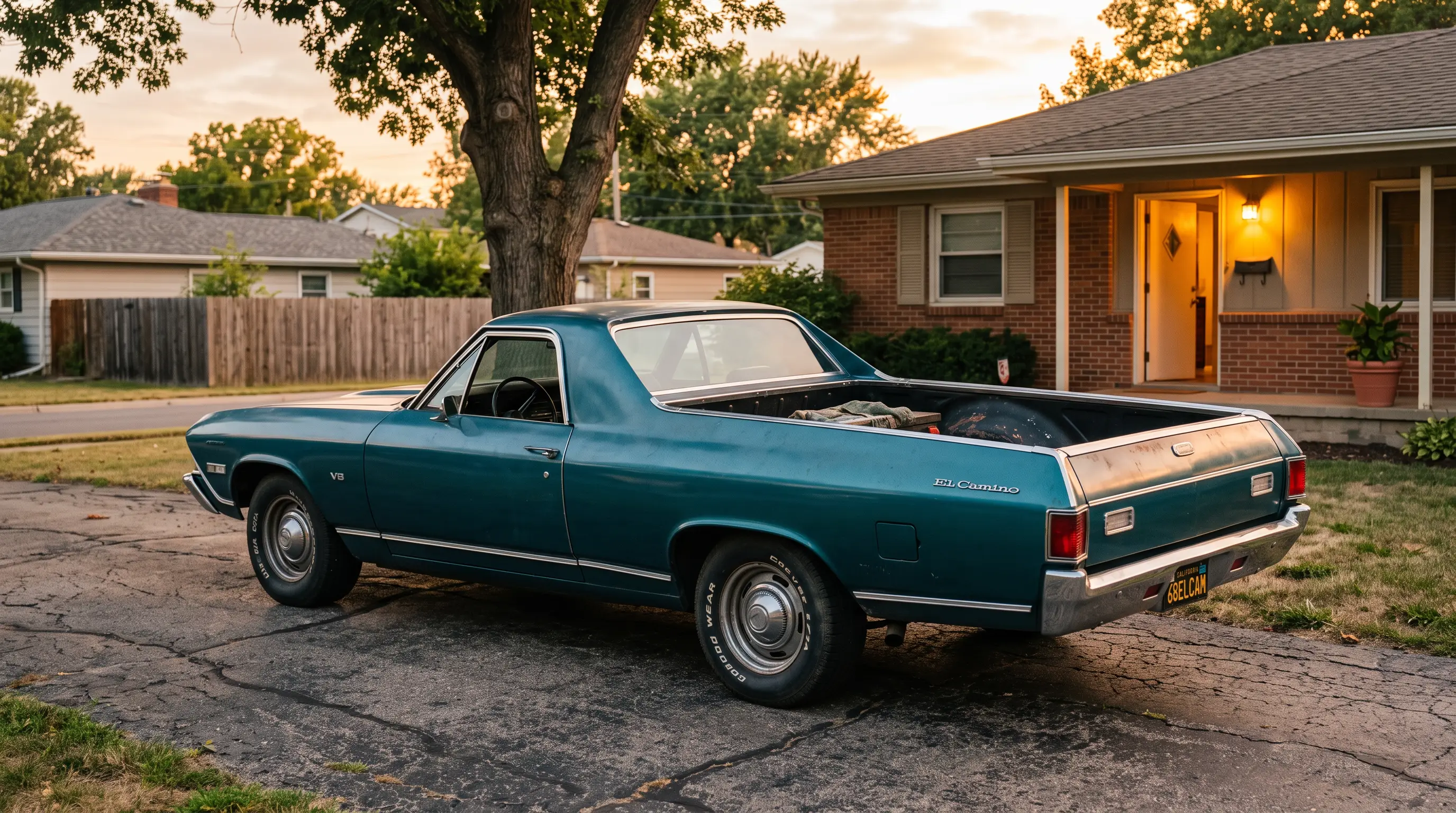
The El Camino that existed before 1968 was a capable vehicle, but it never fully shed its origins as a novelty entry meant to compete loosely with Ford's Ranchero rather than to establish its own performance identity. Earlier model years offered performance options, yet those options never carried the same direct parity with Chevrolet's flagship intermediate muscle car that the 1968 SS 396 package would introduce. Understanding that earlier, more tentative approach makes the scale of the 1968 reinvention clearer: Chevrolet was not simply refreshing a body style, it was repositioning the entire model within the company's performance lineup.
What actually changed in 1968
Chevrolet's decision to commit fully to this repositioning rather than treat it as a limited experiment is itself part of the legacy worth examining. Product planning documents from the era, to whatever extent they survive and have been referenced in subsequent historical accounts, describe the SS 396 package as a deliberate extension of the Chevelle performance line rather than a standalone experiment confined to the coupe utility body. That framing matters because it explains why the drivetrain options matched so closely rather than trailing behind, as they had in some earlier model years.
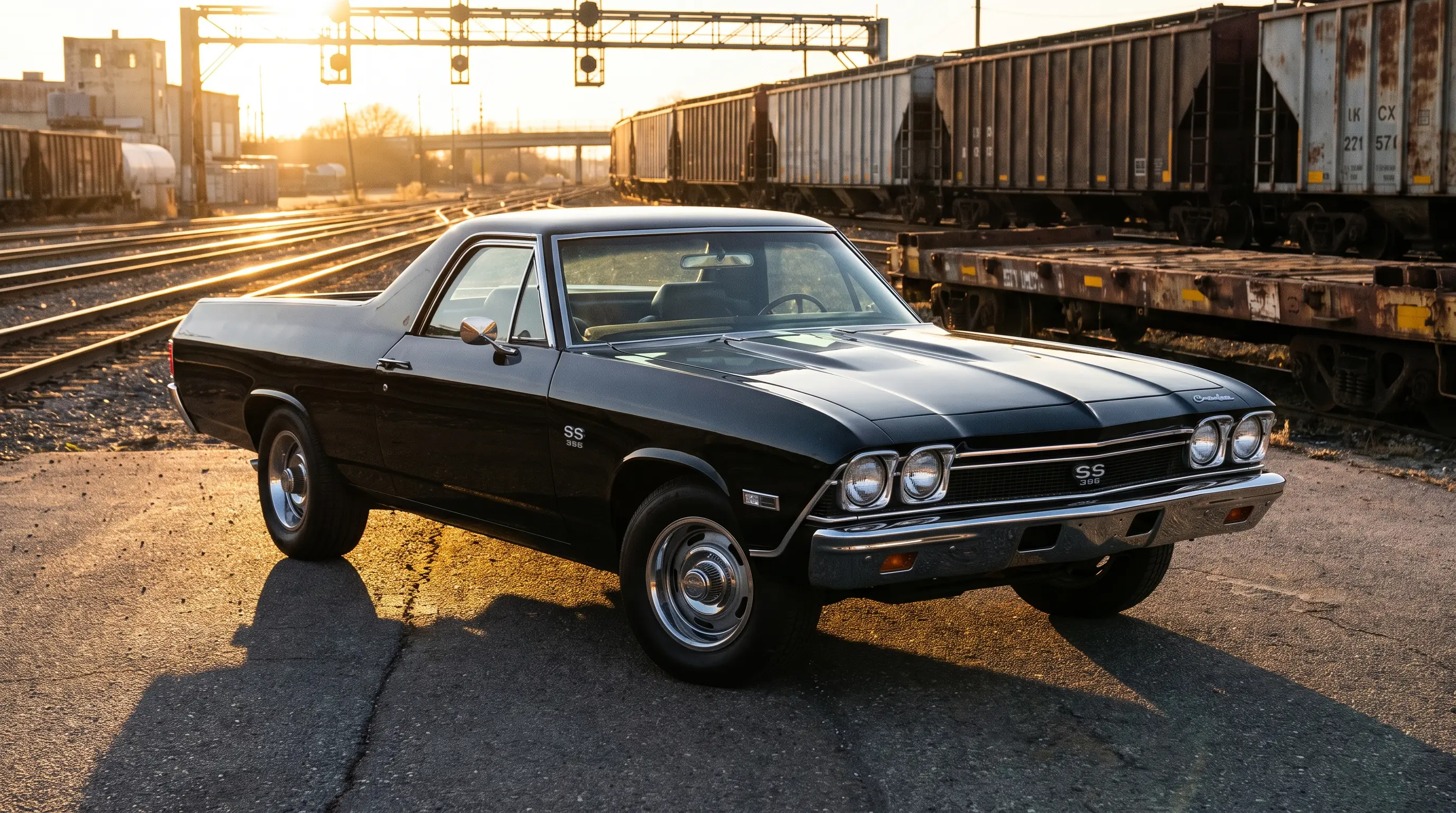
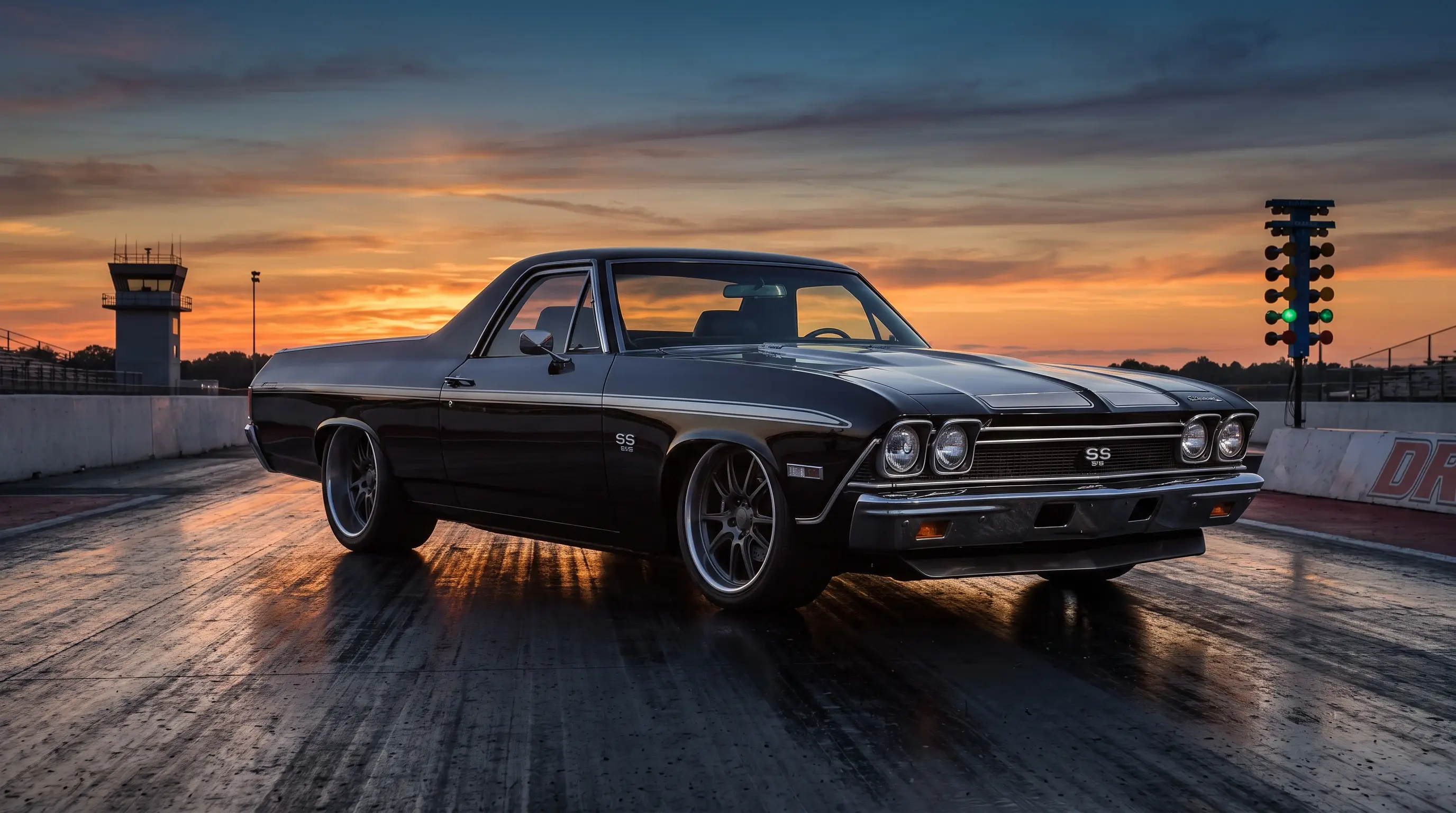
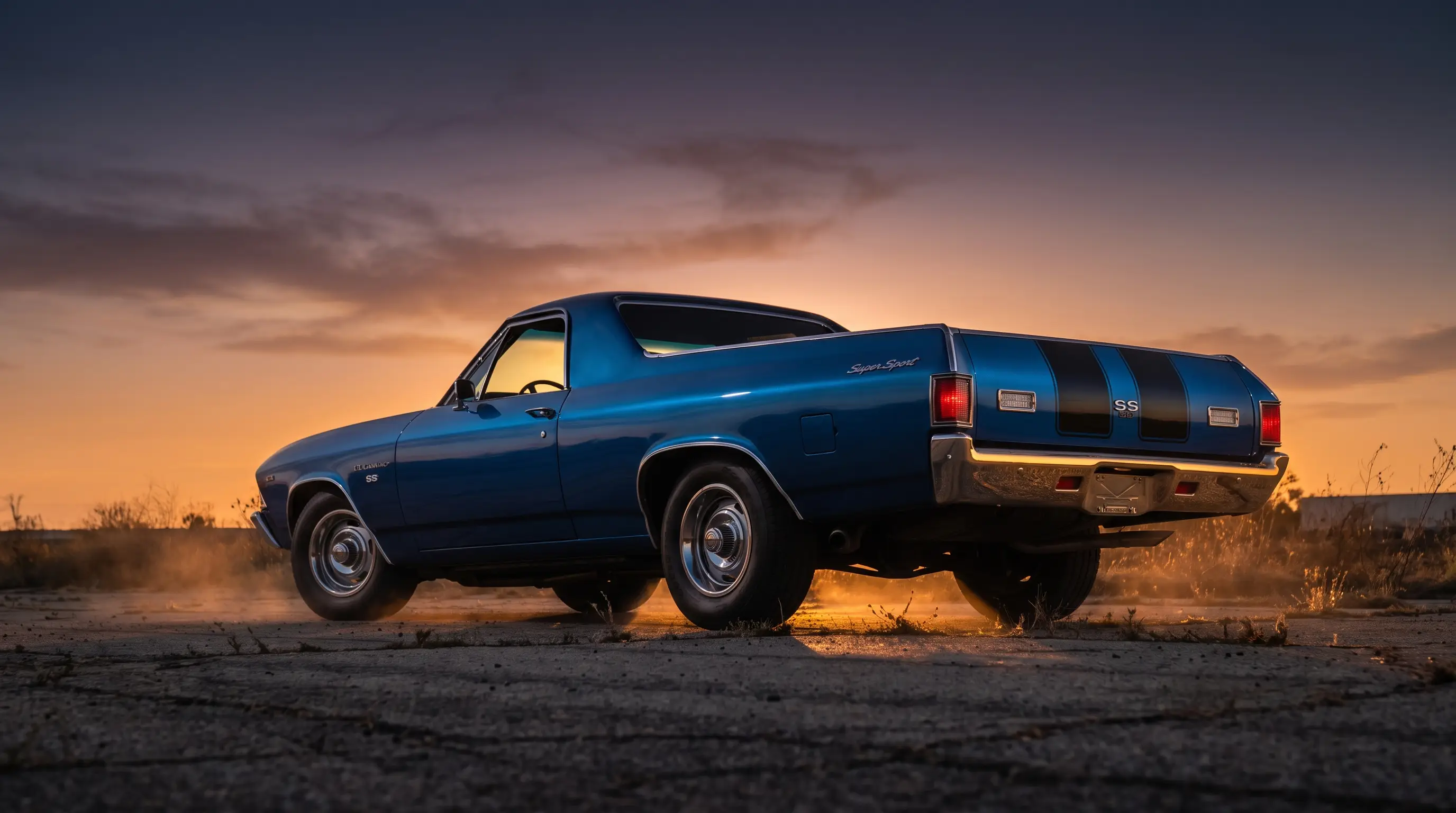
Chevrolet's engineers gave the El Camino a longer hood, a semi-fastback roofline shared with the Chevelle coupe, and hidden cowl details that made the coupe utility look like a purpose-built performance vehicle rather than a dressed-up truck bed bolted to a sedan chassis. The SS 396 package brought the L34 and L78 big-block options directly over from the Chevelle line, meaning the El Camino no longer trailed its sedan sibling in outright capability. That parity was new. Earlier El Camino generations had offered performance options, but never with this level of direct drivetrain equivalence to Chevrolet's flagship intermediate muscle car.
Why the reinvention stuck
A redesign only becomes a legacy if the market responds and the manufacturer keeps investing in the formula, and Chevrolet did both after 1968. The SS 396 package, and later the SS 454, remained available through the early 1970s, carrying the same basic philosophy the 1968 redesign established: give the coupe utility genuine muscle car performance rather than a watered-down version of it. That commitment through the 1968-72 SS era built the reputation the model still carries today among collectors who specifically seek out big-block El Caminos rather than settling for six-cylinder work trucks.
Sales figures from the years immediately following 1968 support this reading. The SS package continued to represent a meaningful share of El Camino production through 1970, and Chevrolet's continued willingness to advertise the coupe utility alongside the Chevelle SS in the same brochures signals a company confident the formula was working rather than merely tolerating a niche product. Had the 1968 reinvention flopped commercially, there would have been little reason for Chevrolet to keep expanding the SS package's engine options over the following two model years, culminating in the 454 cubic inch option that arrived once the 396 was phased out industry-wide.
| Legacy Element | Introduced or Solidified in 1968 |
|---|---|
| Chevelle-shared A-body platform | First full model year on the new body |
| SS 396 big-block parity with Chevelle | L34/L78 options matching Chevelle SS 396 |
| Performance-forward coupe utility styling | Semi-fastback roofline, longer hood |
How later generations built on this foundation
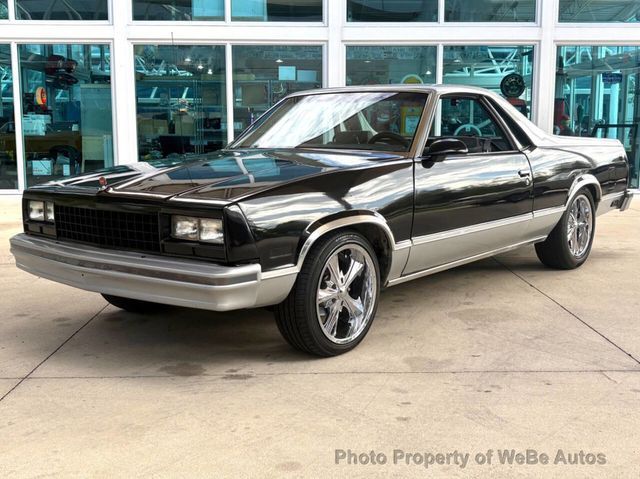
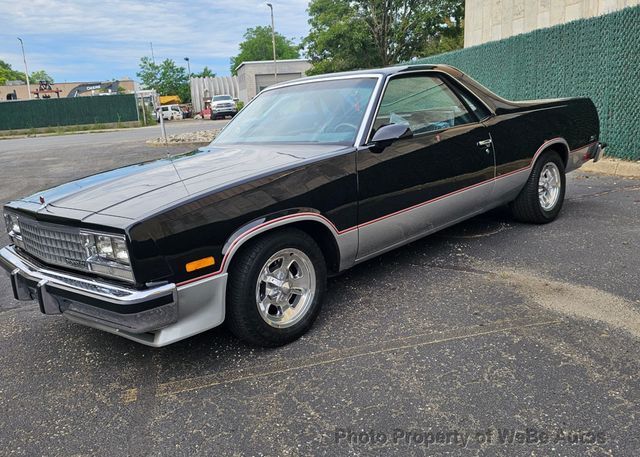
Every subsequent El Camino generation, including the G-body cars of the 1978-87 era, owed something to the precedent 1968 set: the idea that a coupe utility could carry a genuine performance package without apology or compromise. Even as the platform downsized and emissions rules softened outright horsepower figures industry-wide, Chevrolet continued marketing the El Camino as a performance-capable vehicle rather than retreating entirely into utility-only positioning. That marketing decision traces directly back to the credibility the 1968 SS 396 package established in the marketplace.
It is worth noting how directly this legacy shows up in the naming conventions Chevrolet kept using decades later. The Conquista and SS trims offered on late 1970s and 1980s G-body El Caminos borrowed directly from the performance-package structure the 1968 redesign introduced, even though the underlying engines had changed dramatically in response to fuel economy and emissions requirements. That continuity of naming and positioning, rather than continuity of raw horsepower, is the clearest evidence that Chevrolet's marketing department never stopped viewing the El Camino through the lens the 1968 reinvention created.
"You cannot understand why Chevrolet kept building a performance El Camino into the 1980s without understanding what happened in 1968. That year is where the car earned the right to be taken seriously."
- Tom Ramirez
A legacy measured in decisions, not just numbers
It is tempting to measure a legacy purely in production figures or horsepower ratings, but the more meaningful measure here is institutional. Chevrolet's product planners made a repeated series of decisions across more than fifteen years, from 1968 through the G-body's final seasons, to keep positioning the El Camino as a performance-capable vehicle rather than retreating to a purely utilitarian identity. Each of those decisions, individually, might look minor. Taken together, they describe a company that never stopped treating the 1968 reinvention as the correct template, even as the specific engines and regulations around it changed dramatically.
The legacy as collectors see it today
Collectors researching the El Camino's history consistently identify 1968 as the year the model became something more than a novelty. Documentation from that year, cowl tags, RPO codes, and factory literature, all point to a manufacturer treating the coupe utility as a legitimate performance platform rather than a marketing gimmick. That legitimacy is precisely why the 1968-72 SS era commands the most collector attention within the broader El Camino production run, and why the redesign's influence extends well beyond the single model year that introduced it. For the complete account of how the redesign happened, our complete history covers the engineering and marketing decisions in full, and readers interested in how the restyle itself unfolded can keep exploring that specific chapter of the story.
The legacy of 1968 is not abstract. It shows up in every SS-badged El Camino built afterward, and it shows up in today's market, where documented 1968 examples anchor the top of the model's collector value hierarchy. Anyone wanting to own a piece of that specific legacy can look at classic El Camino for sale listings to see what the market currently asks for cars carrying this exact reinvention.