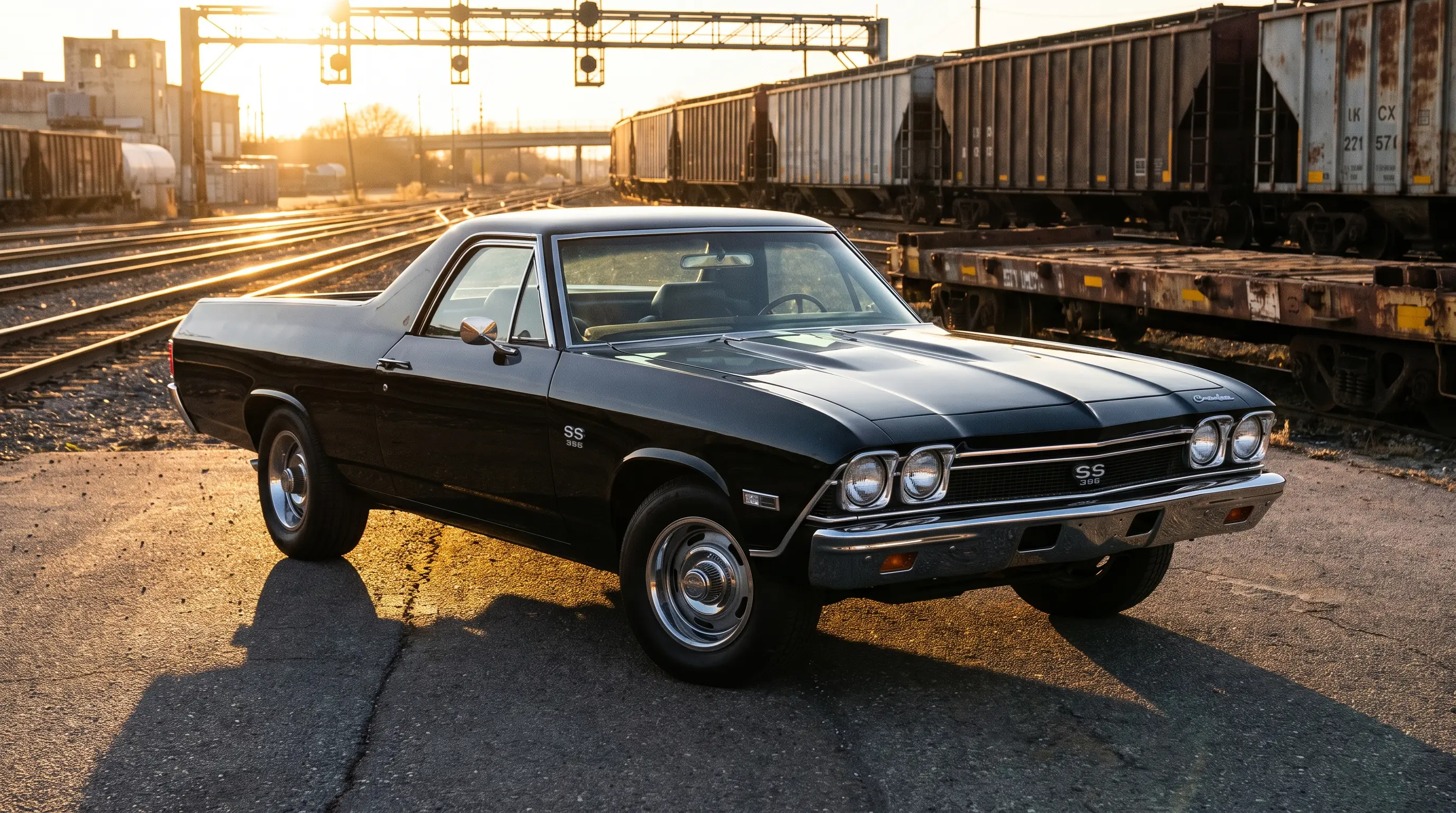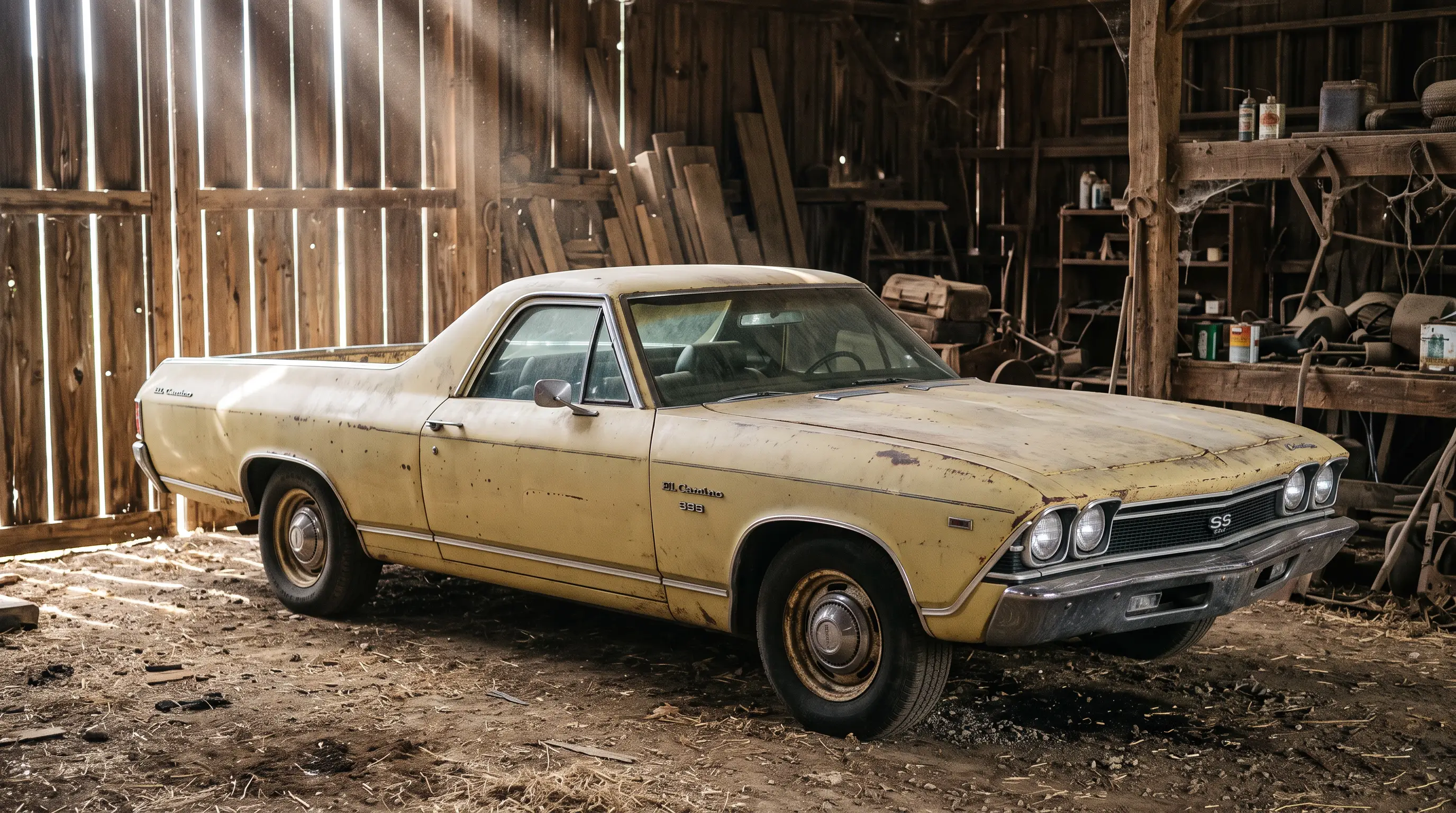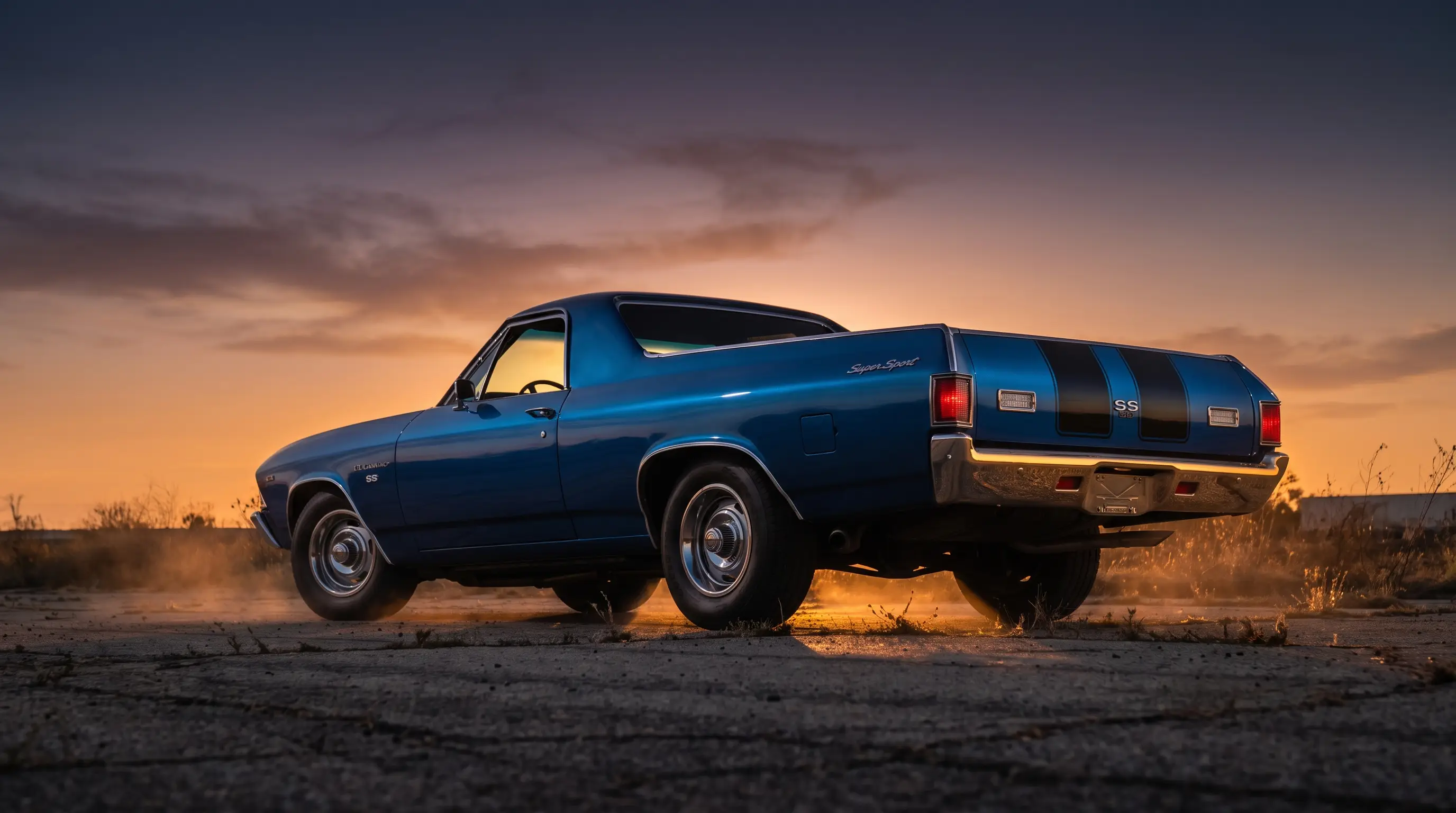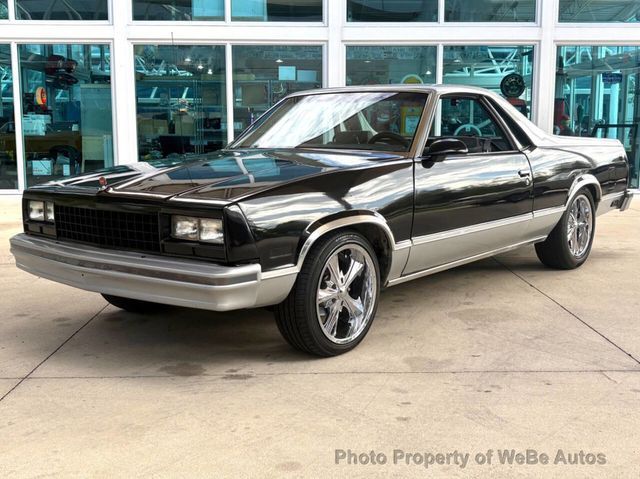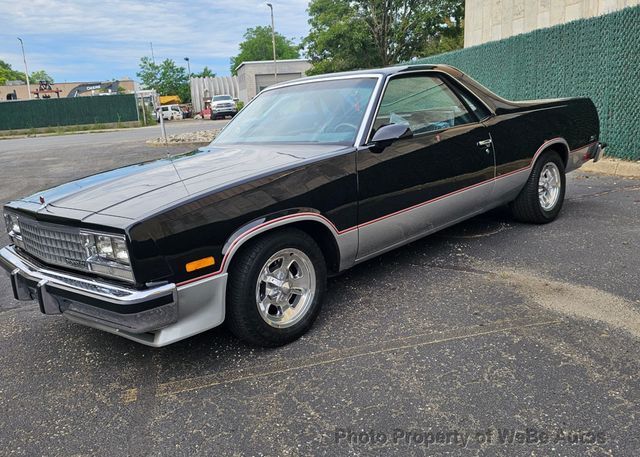
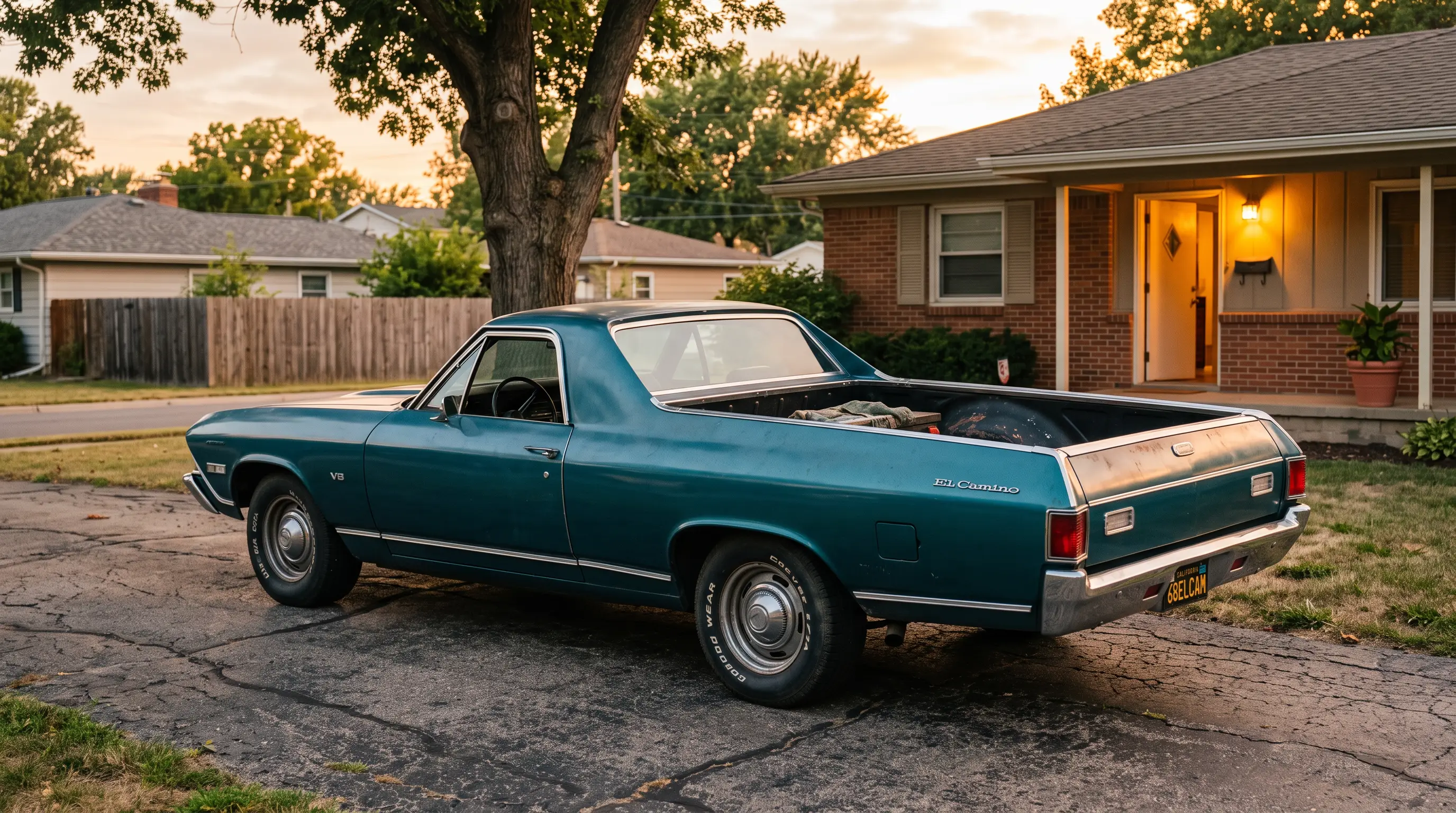
Ask a 1968 El Camino owner why they chose this particular car over a Chevelle SS 396 or a GTO, and the answer rarely starts with horsepower. It starts with usefulness, then works its way toward the performance credentials as a pleasant bonus. That ordering says something real about who gravitates toward this model and why the ownership experience differs from other muscle cars of the same era, even when the drivetrain underneath is identical.
Why owners frame their car differently from the start
The way an owner first describes their 1968 El Camino often reveals a great deal about how they use it. Ask a GTO owner about their car and the conversation tends to open with horsepower or a build story. Ask an El Camino owner the same question, and many will mention what they hauled with it last weekend before they mention the SS 396 badge at all. That framing is not an accident. It reflects a genuinely different relationship with the vehicle, one where the performance credentials matter enormously but are not the entire identity of the car the way they are for a pure two-door muscle coupe.
The utility argument comes first
Owners consistently describe the bed as the deciding factor, not an afterthought. A 1968 El Camino SS 396 hauls a motorcycle, camping gear, or a load of parts to a swap meet just as easily as it pulls quarter-mile times that match a Chevelle SS 396 hardtop. That dual identity means owners use the car differently than they would a two-door muscle car kept purely for show or occasional weekend driving. Documentation from club surveys and long-term ownership interviews consistently shows El Camino owners logging more actual miles per year than owners of comparable Chevelle SS coupes, precisely because the bed gives them a reason to drive it that a coupe cannot offer.
Community identity built around a niche
Because the El Camino occupies its own niche within the broader Chevrolet muscle car family, owners describe a tighter, more specific community than what surrounds the Chevelle or the Camaro more broadly. Regional club meets specific to El Camino owners tend to draw a smaller but more dedicated crowd, and the conversations at those meets skew toward practical topics, bed liner choices, tailgate hardware originality, and how a given owner balances period-correct restoration against genuine daily usability. That practical bent shapes the community's identity as much as the SS 396 badge does.
Newer owners entering these clubs often remark on how quickly the group welcomes them once they show up with an actual question about tailgate weatherstripping or bed rail trim rather than just admiring the badge. That practical orientation makes the community more accessible to first-time owners than some higher-profile muscle car clubs, where social hierarchy can sometimes form around who owns the rarest or most expensive example. El Camino owners, by contrast, tend to bond over shared maintenance challenges and parts-sourcing war stories as much as over horsepower bragging rights, which owners consistently describe as one of the more underrated parts of choosing this particular car.
| Owner Priority | Reported Frequency in Club Surveys |
|---|---|
| Bed utility and practicality | Cited first by most long-term owners |
| SS 396 performance credentials | Cited as a secondary bonus |
| Community and club identity | Valued highly among repeat show attendees |
How ownership expectations differ from a first-time buyer's assumptions
People coming into the El Camino community from a Chevelle or Camaro background sometimes arrive expecting an identical ownership experience with a bed bolted on, and most report a period of adjustment once they realize how differently this specific car gets used and discussed. That adjustment is generally described as a pleasant surprise rather than a disappointment, since it opens up a more varied set of activities, from hauling gear to weekend cruises to genuine utility trips, than a pure two-door coupe typically offers its owner on a week-to-week basis.
What owners say surprises new buyers
Longtime owners frequently mention that new buyers underestimate parts availability compared to the Chevelle sedan, since certain trim pieces specific to the coupe utility body did not carry over in the same volume. That means owners often become informal parts researchers themselves, tracking down bed-specific trim, tailgate hardware, and cargo tie-down originality through specialty suppliers and swap meets rather than mainstream restoration catalogs. It is a more hands-on ownership experience than buying a well-supported Chevelle, and most owners describe that extra effort as part of the appeal rather than a complaint.
Several owners interviewed for club histories describe the search for a correct tailgate cable or an original bed rail molding as more satisfying than simply ordering a reproduction part from a catalog, precisely because the hunt connects them to a wider network of fellow owners who have solved the same problem before. That network effect, owners helping owners track down obscure originality items, functions as its own kind of social glue within the community, reinforcing the sense that owning a 1968 El Camino means joining an active, problem-solving group rather than simply purchasing a static collectible.
"Owners of this car do not talk about it the way GTO owners talk about their cars. There is less mythology and more genuine attachment to a machine they actually use. That distinction comes through in every interview I have done."
- Sarah Whitfield
What happens when owners eventually sell
Even when a longtime owner finally does sell, interviews consistently describe a preference for passing the car to another dedicated owner rather than maximizing sale price through a broad auction listing. That preference shows up repeatedly in club histories and word-of-mouth sales within regional chapters, where a departing owner often prioritizes finding someone who will keep using the car the way it was meant to be used over simply accepting the highest bid from an anonymous buyer. That pattern, more than any single number in a price guide, is the clearest evidence of how deeply this specific ownership culture has taken root around the 1968 model.
Why the loyalty runs deep
The combination of genuine performance, genuine utility, and a tighter community than the broader Chevelle world produces a loyalty among El Camino owners that outlasts trends in the collector market. Many owners report keeping their cars for decades rather than flipping them for profit, a pattern documented across multiple club membership surveys spanning different regions. That kind of sustained attachment rarely shows up around cars bought primarily as investments, and it is the clearest evidence that the 1968 El Camino's appeal runs deeper than its SS 396 badge alone. Anyone wanting more on the 1968 el camino can review the full production history, and the broader model's story is covered in our complete history spanning every generation Chevrolet built.
For readers who have heard enough from current owners and want to become one themselves, a look at classic El Caminos on the market shows what condition and documentation level today's sellers are asking buyers to pay for.