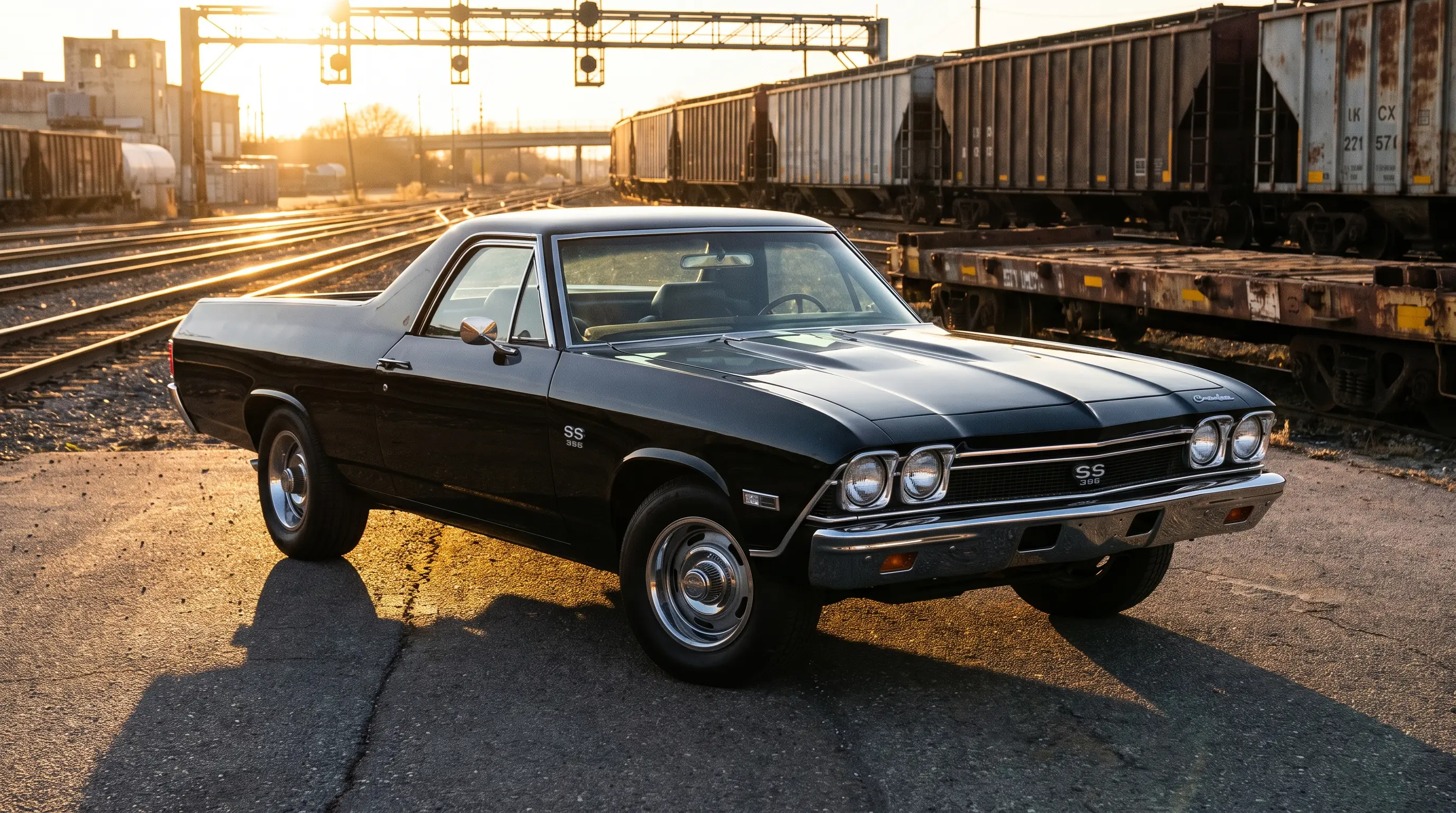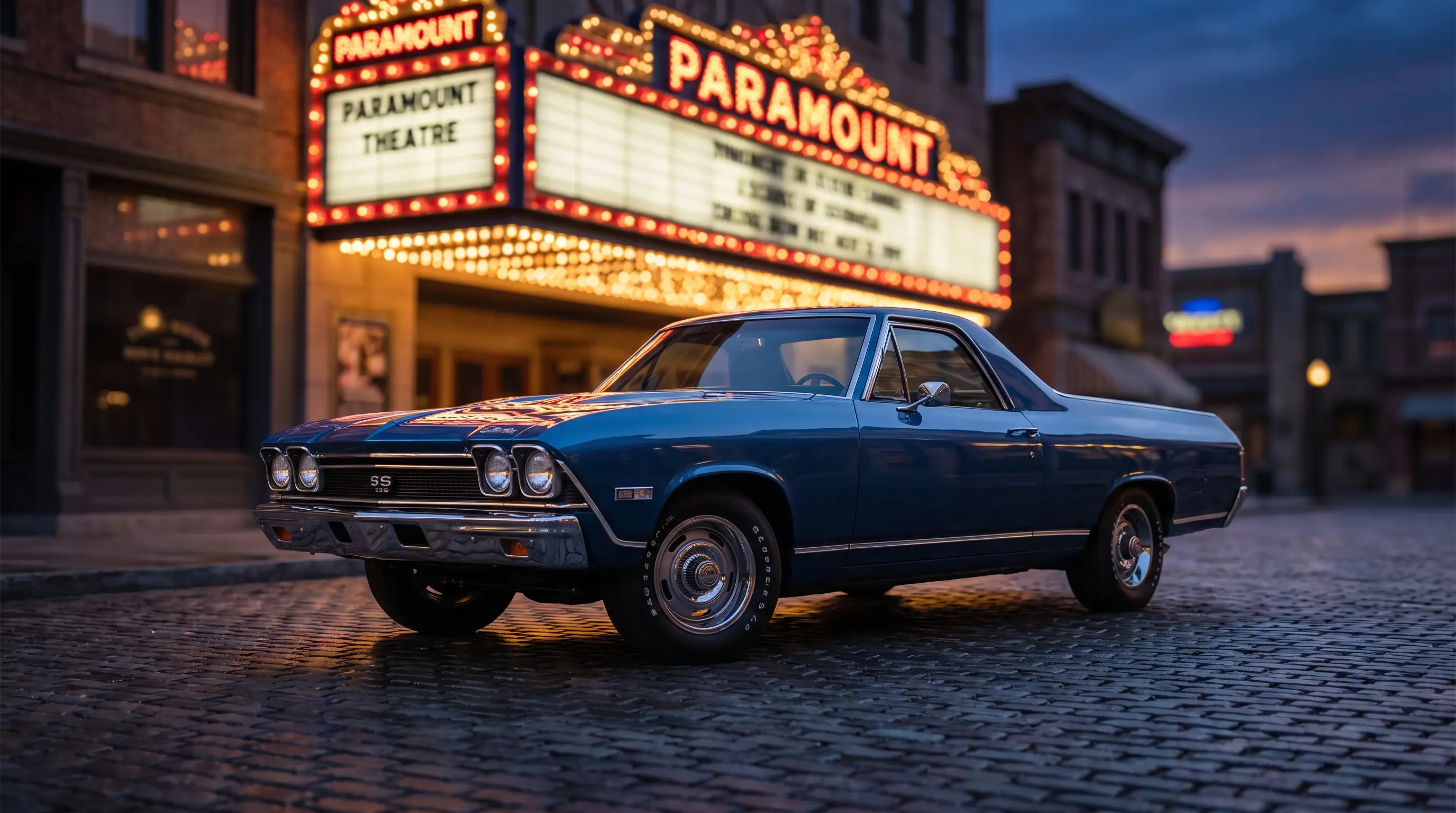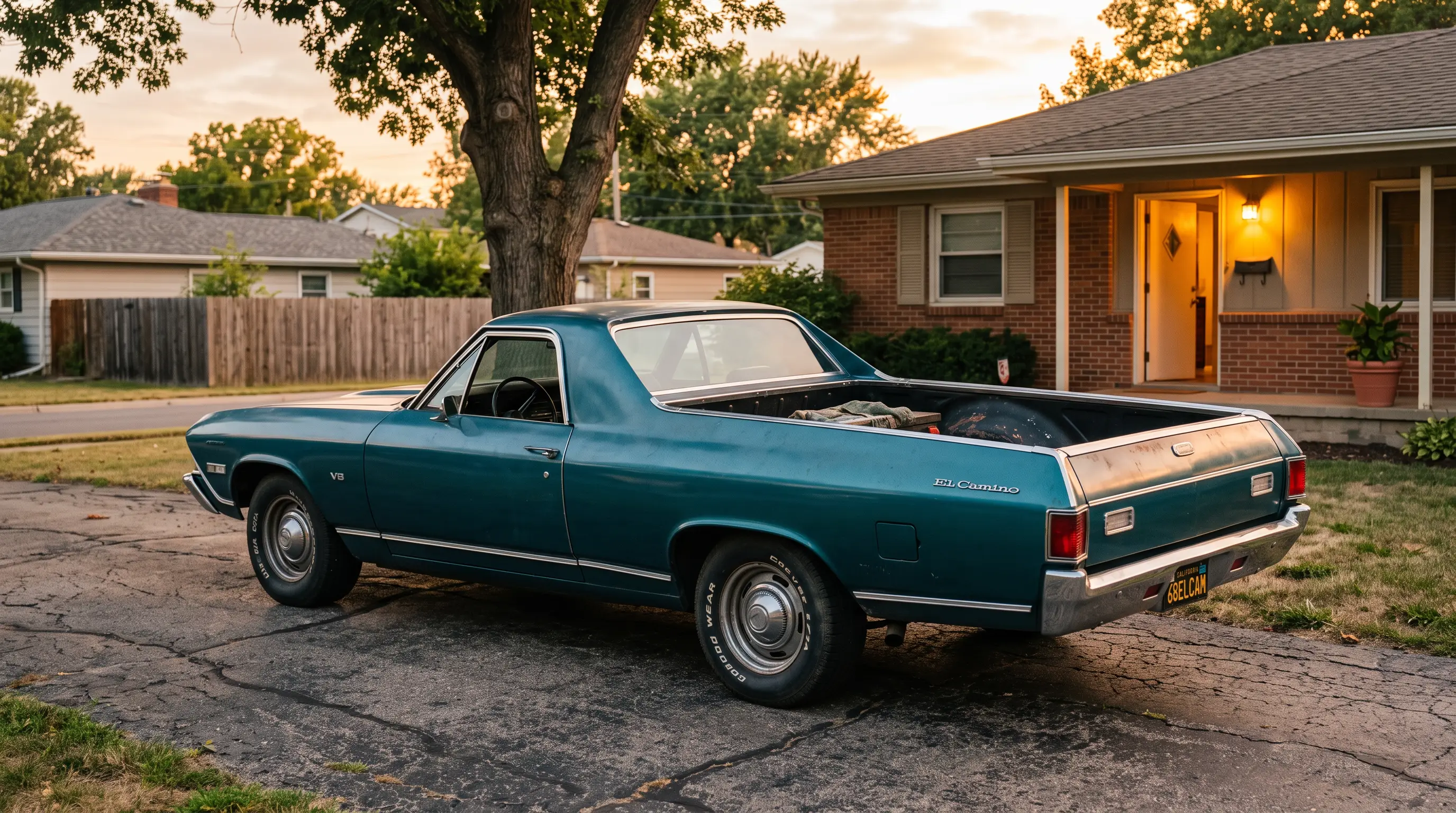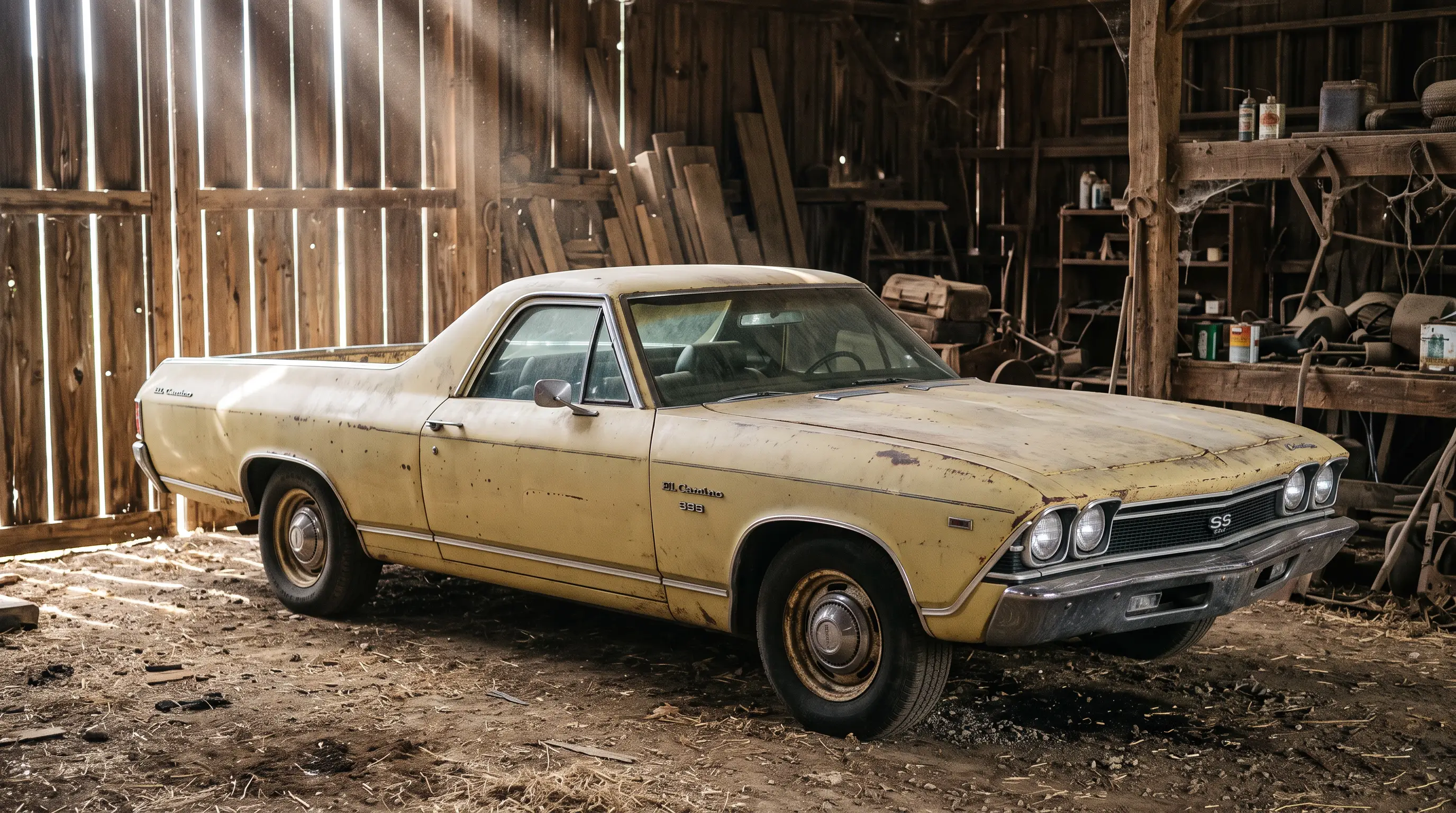
Original, unrestored 1968 El Caminos are rarer than most people assume, and the survivors that do turn up tell a more interesting story than the ones that went through a full restoration. A car that has never been apart carries evidence a restored one simply cannot, from factory overspray in the trunk to original paint codes stamped where a restorer's replacement panel would never think to look. Tracking down a handful of documented survivors makes clear how much information gets erased the moment a car goes under the paint gun a second time.
Why survivor status matters more for this generation
Every generation of El Camino has survivors worth tracking, but the 1968-72 SS era carries particular weight because it represents the model's clearest claim to genuine muscle car status. A survivor from this window preserves not just a car but a specific moment when Chevrolet treated the coupe utility as a legitimate performance platform rather than an afterthought. That context raises the stakes for getting the documentation right, since an improperly authenticated survivor from this era risks muddying the historical record for a period that already receives less scholarly attention than the more famous Chevelle and Camaro SS models built alongside it.
What counts as a true survivor
In factory-history terms, a survivor is a car that retains its original engine, transmission, body panels, and finish, even if that finish shows genuine wear. It is not simply an old car that has never been crashed. The distinction matters because a survivor preserves data a restoration destroys, including factory assembly markings, original wiring insulation dates, and the specific undercoating pattern applied on the line. For a 1968 El Camino SS 396, those details help confirm whether a given VIN and cowl tag actually correspond to the drivetrain sitting in the engine bay, which is not always the case even on cars sold as numbers-matching.
How survivors get found in the first place
Most genuine survivors do not surface through dramatic barn-find stories, despite what car show narration might suggest. They more commonly emerge when an aging original owner or their family finally decides to sell after decades of light use and minimal storage, often through a small estate sale or a quiet word-of-mouth listing within a regional club rather than a major public auction. Researchers who specialize in this era have learned to cultivate relationships with regional clubs precisely because that network, more than any auction house, tends to hear about these cars first.
A documented example from the historical record
One well-known survivor, tracked through several ownership changes and consignment records over the decades, retained its original L34 396 engine and a factory-original color and trim combination consistent with its cowl tag RPO codes, along with an intact cowl tag confirming its build date and assembly plant. Cars like this one become reference points for restorers working on other examples, because the untouched factory details show exactly how a component should look, what fasteners were used, and where factory paint overspray patterns fell. Without a handful of these reference survivors in circulation, restoration work on this generation would rely far more heavily on guesswork.
Why so few survive untouched
Coupe utilities built for genuine work use faced harder lives than a comparable Chevelle sedan bought purely for transportation. Bed floors absorbed cargo damage, frame rails corroded from hauling loads exposed to weather, and many examples eventually saw a repaint simply to keep rust at bay rather than for cosmetic reasons. The SS 396 examples fared somewhat better, since buyers who paid extra for the performance package were statistically more likely to treat the car as a driver's vehicle rather than a farm or job-site truck, but even those cars accumulated the ordinary wear of five decades on the road. Genuine unrestored survivors, particularly ones with intact original paint, represent a small fraction of 1968 production that has not been touched by a repaint, a replacement panel, or an engine swap.
Climate also plays a larger role in survivor rates than most buyers initially assume. Cars that spent their working lives in dry, low-salt regions of the country retained original sheet metal and floor pans at a far higher rate than examples used in states that salt roads heavily each winter. A disproportionate share of the genuine, unrestored survivors that surface at auctions and swap meets today trace their history to the Southwest or similar dry climates, which is precisely why regional provenance has become such an important part of the documentation package serious buyers and researchers now demand before accepting a survivor claim at face value.
| Survivor Evidence Type | What It Confirms |
|---|---|
| Cowl tag | Build date, assembly plant, trim and paint codes |
| Original engine block casting numbers | Matches drivetrain to factory build sheet |
| Untouched paint and overspray patterns | Confirms panels are original, not replaced |
"Every time I get access to a genuine unrestored 1968 example, I learn something the restored cars had already painted over. That is the whole reason documentation work matters."
- Tom Ramirez
Why survivor documentation matters for the whole hobby
Every survivor that gets properly documented before a restoration, or that stays unrestored entirely, adds to the factory record available for the entire 1968 El Camino community. Restoration shops, appraisers, and concours judges all lean on this accumulated evidence when evaluating other cars, which means a single well-documented survivor can influence how dozens of other cars get judged, valued, and restored correctly. That ripple effect is exactly why serious researchers push owners of original cars to document everything before any restoration work begins, even cosmetic work that seems minor at the time.
What a new owner should do before touching anything
Anyone who believes they may own a genuine, largely unrestored 1968 El Camino should photograph everything before any work begins, including underside panels, trunk seams, and door jambs, and should pull cowl tag and casting number data before scheduling so much as a wax job. This documentation costs almost nothing and takes an afternoon, yet it permanently preserves evidence that a restoration would otherwise erase forever. Clubs and marque registries increasingly accept this kind of owner-submitted documentation into their archives, which means a careful new owner is not just protecting their own car's value, they are contributing to the shared factory record the entire hobby draws on when authenticating other cars down the line.
For readers who want the full background on how the 1968 model came to exist in the first place, where this started covers the redesign decisions that shaped every car discussed here, survivor or restored. And for anyone hoping to find a project or a preserved example of their own, you can shop classic El Camino listings to see what condition and documentation level is currently available on the market.