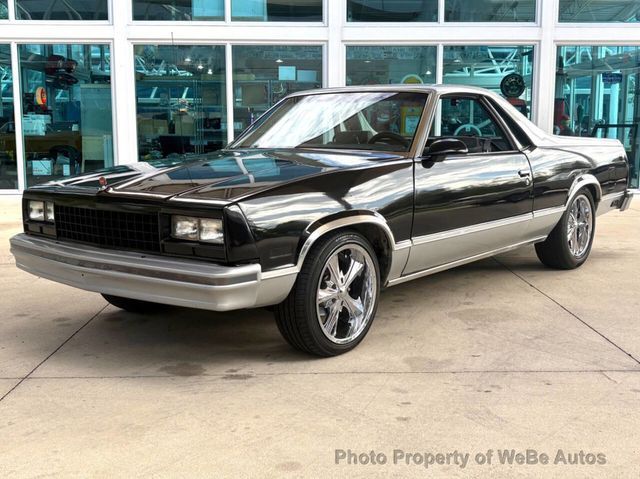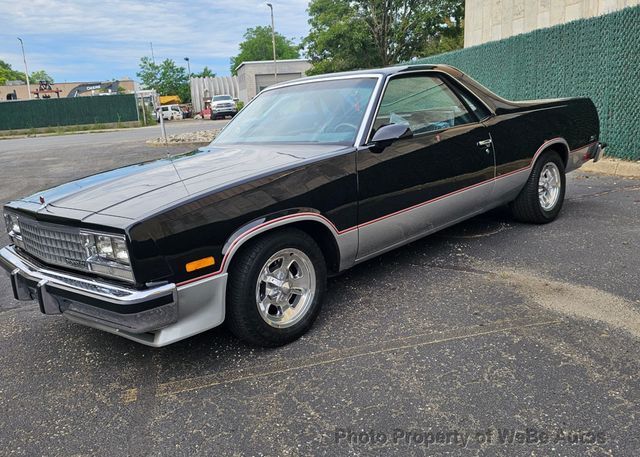
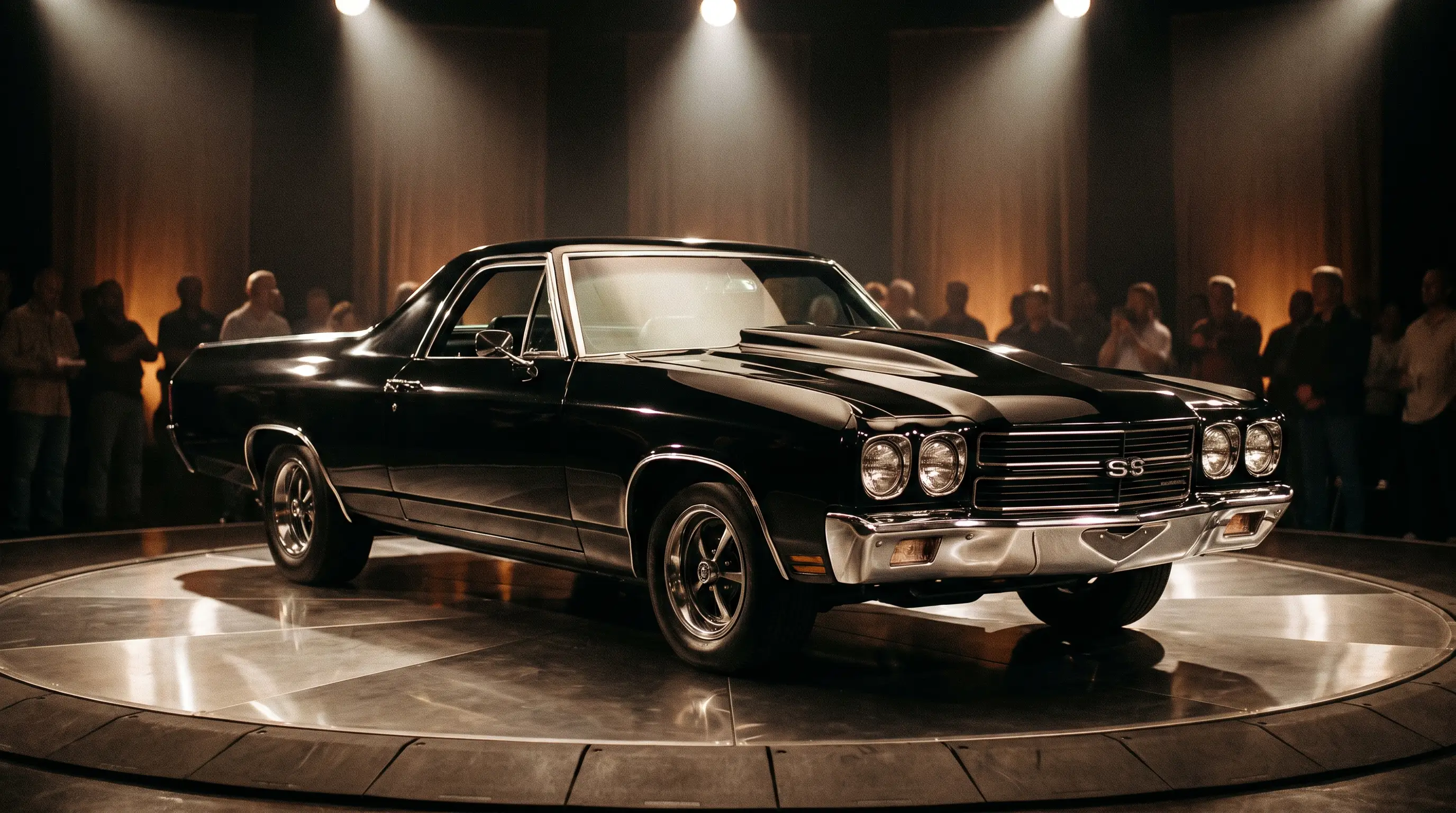
An auction block tells you more about a 1970 El Camino SS than any brochure ever will, because the room does not care what the truck is supposed to be worth, only what someone in it is willing to pay right now. I have watched enough of these hammers fall to know the pattern by heart. Documentation and condition set the floor. Rarity of engine and options sets the ceiling. Everything else is theater.
What actually moves the number
Buyers at this level are not paying for nostalgia in the abstract. They are pricing three things: how original the drivetrain is, how complete the paperwork is, and how much competitive bidding shows up in the room or online at the moment the lot goes live. A 1970 SS with a genuine LS6 454 and a build sheet to back it up will draw a different crowd than a well presented SS396 clone with a replacement engine, even if the two trucks look nearly identical from the curb. The clone is not worthless. It is simply priced for a different buyer, one who wants the look and the drive rather than the certificate.
I have seen numbers matching examples with strong documentation clear well into six figures at major auction houses in recent years, with a documented LS6 example bringing $286,000 at Mecum's Kissimmee sale in January 2022, while a driver quality SS with a replaced engine and thin paperwork settles into a far more modest range. The gap between those two outcomes is rarely about cosmetic condition. It is almost entirely about what can be proven.
| Factor | Effect on hammer price |
|---|---|
| Original engine, documented | Largest single premium |
| Complete build sheet or trim tag | Meaningful premium, low cost to verify |
| Replacement drivetrain, undocumented | Significant discount versus numbers matching |
| Cosmetic restoration quality alone | Modest effect without matching documentation |
| Thin ownership history | Buyer caution, softer bidding |
Liquidity is not the same as value
A truck can be worth a great deal on paper and still sit unsold if the room is thin that day. This is the part appraisal work teaches you that price guides never do. A 1970 El Camino SS with real credentials can pass at auction not because it is overpriced but because the two or three buyers who understand exactly what they are looking at happened to be somewhere else that week. Liquidity risk is real risk, and anyone treating an auction result as a permanent statement of value is missing half the picture.
This cuts both ways for sellers and buyers. A seller with a genuinely correct truck should not panic if a single auction underperforms, because the next room may hold the right buyer. A buyer watching a lot pass without a sale should not assume the truck is flawed, because sometimes it simply means the right audience was not in the building.
Reading the room without being in it
Online bidding has changed the calculus in the last several years, widening the pool of buyers for a given lot well beyond whoever happened to travel to the physical sale. That has generally firmed up prices for well documented 1970 SS trucks, since a wider audience means a better chance the two or three serious collectors who actually chase a given configuration are watching. It has done less for undocumented or modified examples, which still depend heavily on whoever happens to be paying attention at that exact moment.
My advice to anyone tracking this market rather than actively bidding in it is to read the full catalog description before reacting to a hammer price headline. A number without context, whether it is surprisingly high or surprisingly low, tells you almost nothing about the broader market for the 1970 SS. our 1970 el camino retrospective covers the production background that makes some of these configurations rarer than others, which is worth understanding before any auction result starts to feel like a verdict.
"A hammer price is a fact about one afternoon, not a fact about the truck. I have seen the same configuration sell for very different numbers a year apart, and both prices were real."
- Marcus Feld
What this means for the next buyer
If you are shopping rather than watching from the sidelines, treat auction history as one data point among several, not a ceiling or a floor. Documentation quality, drivetrain originality, and a realistic read on how thin the buyer pool is for a specific configuration will tell you more than the last headline sale did. There are currently El Caminos for sale now across a wide range of condition and originality, and the same rules that govern an auction room apply just as well to a private sale, if with somewhat less theater.
The 1970 El Camino SS has earned a stable place among collectible muscle era Chevrolets, and that stability is exactly why the occasional outlier result gets so much attention. Outliers are memorable precisely because they are rare. The dependable middle of the market, quietly documented and quietly traded, is where most of the real value sits.
Condition grading and why it undersells this truck
Standard condition grading scales were built around passenger cars, and they do an imperfect job describing a vehicle that was factory rated for both hauling and drag strip duty. A 1970 SS graded on paint and interior alone can look identical to a base trim El Camino of the same year, right up until the appraiser checks the option codes and finds the heavier duty suspension, the correct wheels, and the SS specific trim that a cosmetic grade never captures. This is a recurring frustration in my line of work. Two trucks presented in similar cosmetic condition can carry very different values once the underlying specification is actually read off the tag rather than assumed from the outside.
Sellers who understand this discrepancy tend to do better at auction, because they lead the catalog description with option codes and drivetrain verification rather than paint depth and chrome condition. Buyers who understand it avoid overpaying for a truck dressed to look like an SS without the underlying documentation to support the claim. Neither group is being clever. They are simply reading the same information everyone else has access to, just reading it more carefully.
The downside case buyers forget to ask about
Every appraisal I do eventually comes back to the same question, which is what happens to this specific truck's value if the broader collector car market softens. Documented, numbers matching 1970 SS trucks with strong provenance tend to hold value through a downturn better than undocumented or heavily modified examples, simply because the buyer pool for genuine artifacts is less sensitive to broader economic swings than the buyer pool chasing a look. That is not a guarantee. It is a pattern, and patterns are the closest thing this market offers to a forecast.