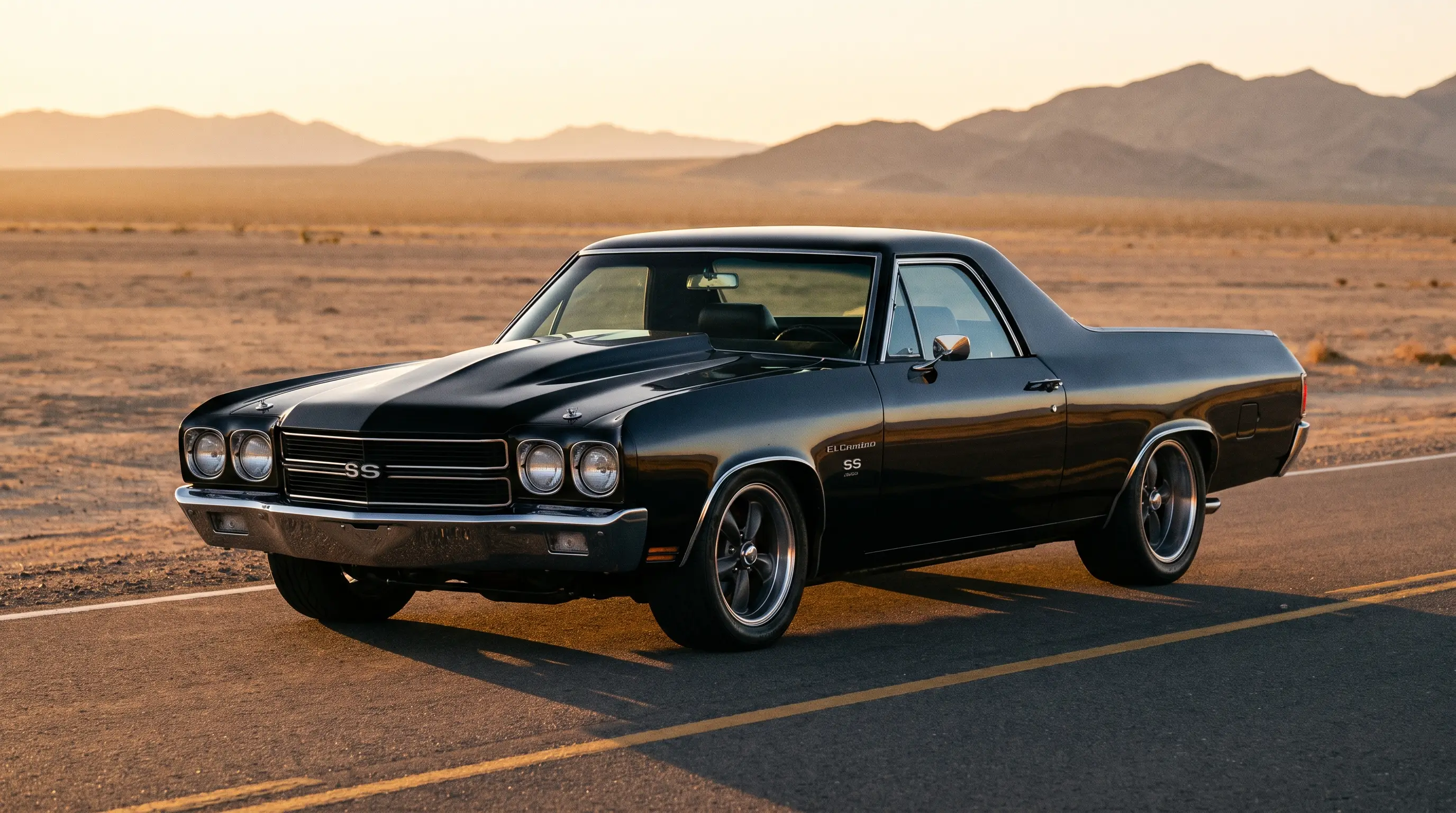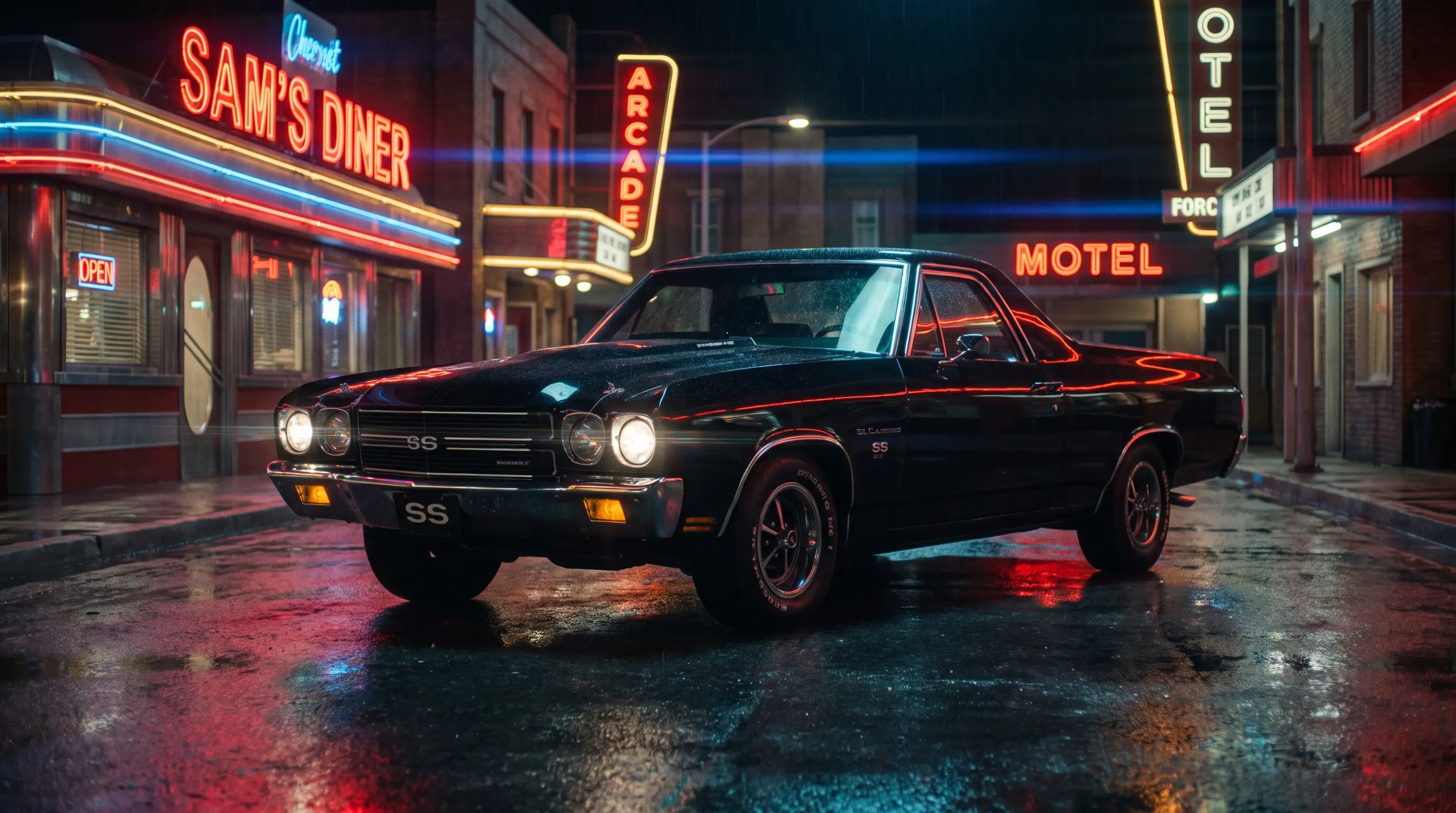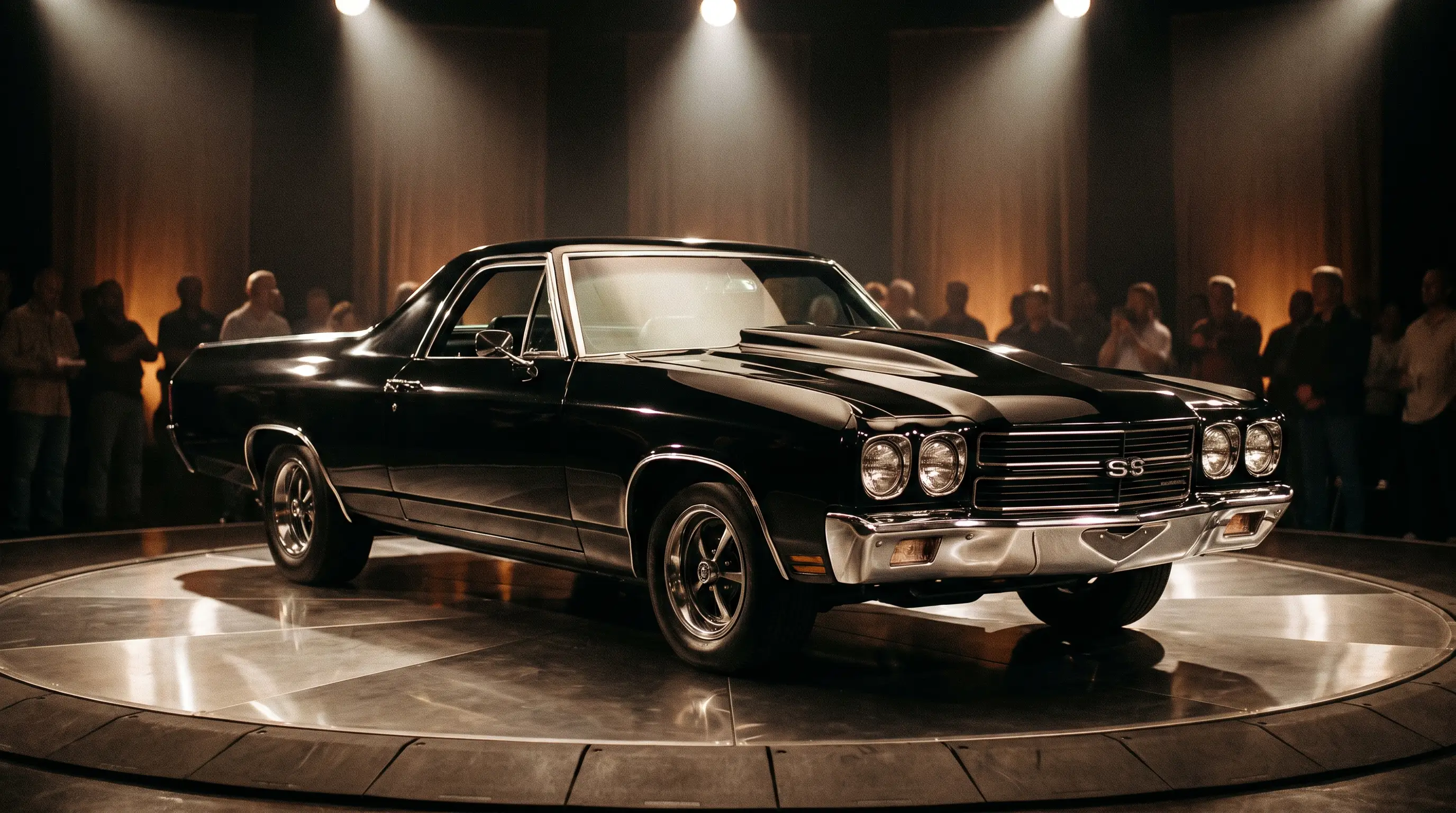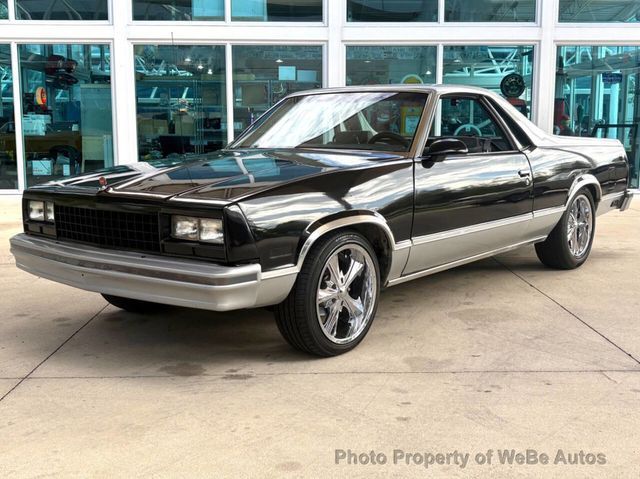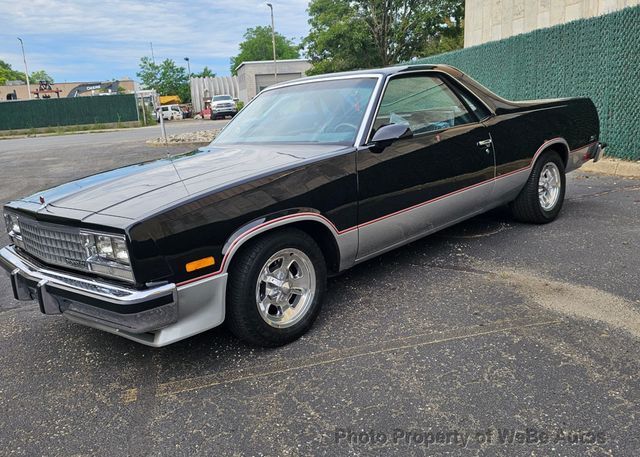
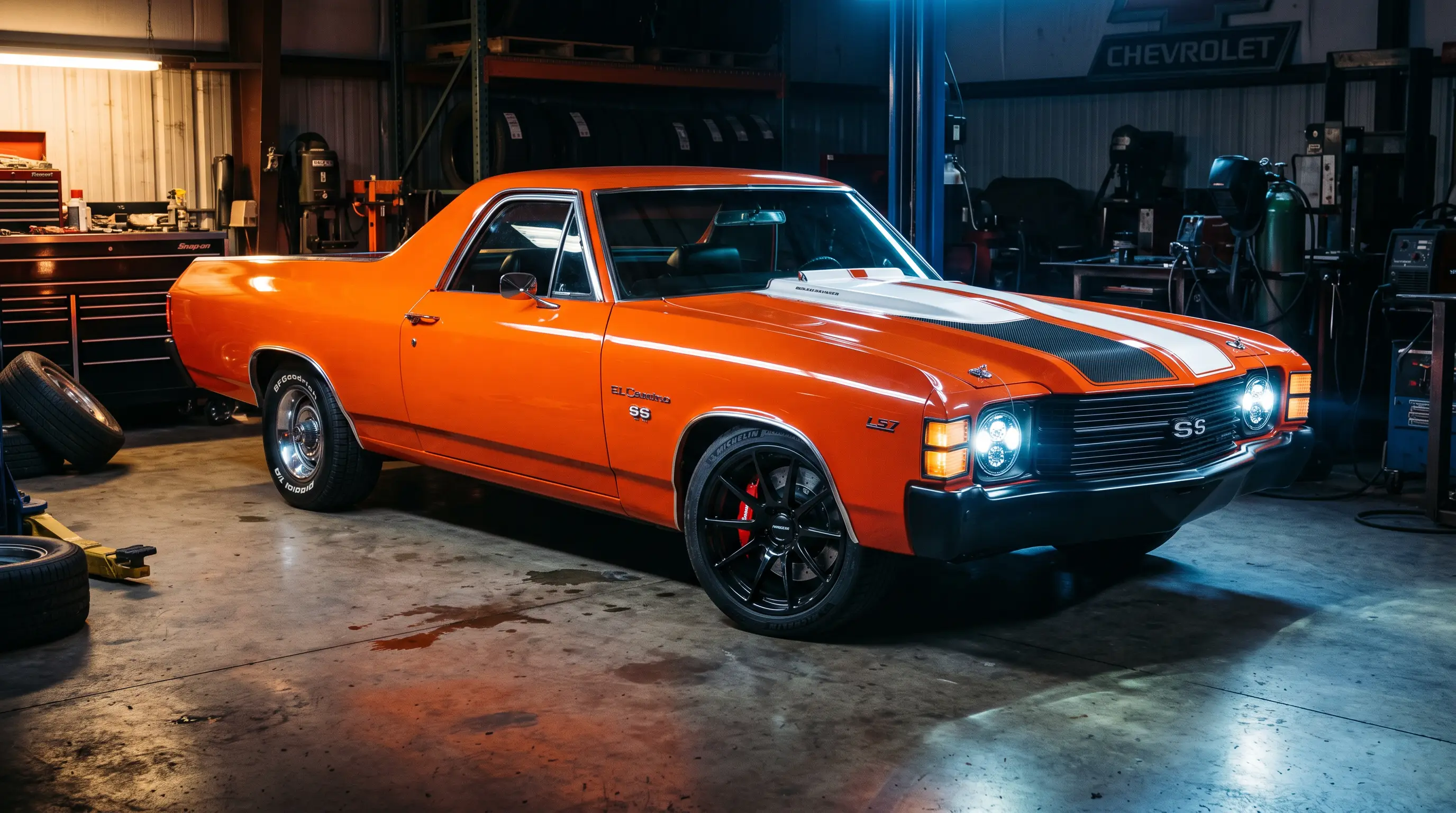
Every serious owner of a 1970 El Camino SS eventually has the same conversation with themselves, usually while staring at a parts catalog at midnight. The truck can stay exactly as Chevrolet built it, numbers matching, drum brakes and all, or it can be quietly modernized underneath a body that still looks period correct. Neither choice is wrong. But as a researcher who spends most of her time verifying what a car actually is rather than what an owner wishes it were, I think the decision deserves more care than most restomod conversations get.
What "restomod" actually means for this truck
The word gets used loosely, but for a 1970 El Camino SS it usually means one of three things: a modern drivetrain swap under an otherwise stock body, a full suspension and brake upgrade while keeping the original engine, or a wholesale rebuild that keeps only the sheet metal and VIN tag from the original car. Each of these has a different effect on the truck's standing as a historical object, and each has a different effect on its resale value, which are not always the same thing.
A drivetrain swap trades period accuracy for daily usability. Modern fuel injection, overdrive transmissions, and disc brakes make the truck genuinely pleasant to drive in traffic that did not exist when the SS was new. That is a real and defensible reason to modify one. It is also a decision that permanently changes what the truck can honestly claim to be at a concours event or a numbers matching sale.
The documentation problem
My work is mostly about paperwork, not paint. A 1970 SS with its original build sheet, its correct trim tag, and a clean chain of ownership back to the original dealer is a documented artifact. The moment a car gets a modern engine and a new subframe, that documentation starts to describe a different vehicle than the one sitting in the garage. Some owners keep meticulous records of exactly what was changed and when, which preserves the historical thread even through a heavy modification. Others do not, and a generation from now nobody will be able to say with confidence what that particular truck once was.
This is not an argument against restomodding. It is an argument for treating the original documentation as something worth protecting regardless of what gets bolted to the frame rails. A car can be modified and still historically legible, provided someone bothers to write down what happened to it.
Value runs both directions
The market has not settled into a single answer here, and it probably never will. Numbers matching original SS454 trucks with clean documentation command a premium among buyers who want an artifact rather than a driver. But a well executed restomod, one that keeps the SS identity legible in its body lines and stripe package while updating what sits underneath, has its own devoted buyer pool, people who want to use the truck rather than preserve it under a car cover. Neither buyer is wrong about what they want. The mistake is assuming one category of buyer will eventually convert to the other, because in my experience they rarely do.
What does hurt value on both sides is an unclear middle ground: a truck modified just enough to lose its originality claim, but not thoughtfully enough to read as an intentional build. That is the outcome worth avoiding more than any specific technical choice. read the background on the 1970 SS if you want the full production picture before deciding which direction suits a given car.
"I have never met an owner who regretted keeping good records. I have met plenty who regretted a modification they could not fully explain five years later."
- Sarah Whitfield
A practical way to think about it
Before touching anything under a 1970 SS, it is worth asking what the truck is actually for in its current life. A driver that sees regular weekend miles benefits enormously from modern brakes and a fuel system that tolerates today's gasoline without complaint. A truck being kept as close to factory as possible for a specific collection or a family legacy benefits far more from restraint and paperwork than from any single upgrade.
Neither path is more legitimate than the other, whatever certain online forums insist. What matters historically is honesty about which path a given truck is on, documented clearly enough that whoever owns it next understands exactly what they are buying. If you are shopping rather than deciding what to do with one already in the garage, it is worth comparing a documented original against a well built modern version before committing, and you can browse classic El Camino listings to see both ends of that spectrum currently on the market.
The temptation to modernize a 1970 El Camino SS is not going away, and there is no reason it should. What deserves more attention than it usually gets is the paper trail left behind once the decision is made, because that record is what determines whether the truck remains legible as history or simply becomes another good looking vehicle with an uncertain past.
What tends to get modified first
In my experience cataloguing these trucks for private collections, the order of operations is fairly consistent. Brakes come first, because factory drum setups on a heavy SS454 simply were not designed for modern traffic speeds and modern following distances. Suspension bushings and shocks come next, usually framed as a safety upgrade rather than a performance one, which is a reasonable way to think about it. The engine itself is often the last thing touched, and sometimes never touched at all, because a numbers matching big block still carries enough prestige that owners are reluctant to pull it even when they have already modernized everything around it.
That sequencing matters for documentation purposes. A truck with upgraded brakes and suspension but an original drivetrain occupies a different category than one with a swapped engine, and appraisers, insurers, and future buyers will all want to know exactly where on that spectrum a given SS sits. Owners who keep a simple written log, even something as basic as a dated list of parts changed, save whoever inherits the truck a great deal of guesswork later.
The generational question
There is also a slower moving argument happening underneath the restomod debate, which is about who these trucks are for twenty years from now. Buyers coming to classic Chevrolets today did not necessarily grow up around a 1970 SS in a family driveway, and many of them want a vehicle that drives like something built in the last decade while looking like something built in 1970. That preference is not going away, and it is reshaping what "correct" even means for a truck like this. A car that stays entirely factory original may eventually appeal to a narrower and more specialized buyer, while a thoughtfully modernized one may find a broader audience among people who simply want to enjoy driving it.
Neither outcome erases the historical value of the original design. It simply means the market for 1970 El Camino SS trucks is quietly splitting into two lanes, and a prospective owner is better served figuring out early which lane they actually want to be in.