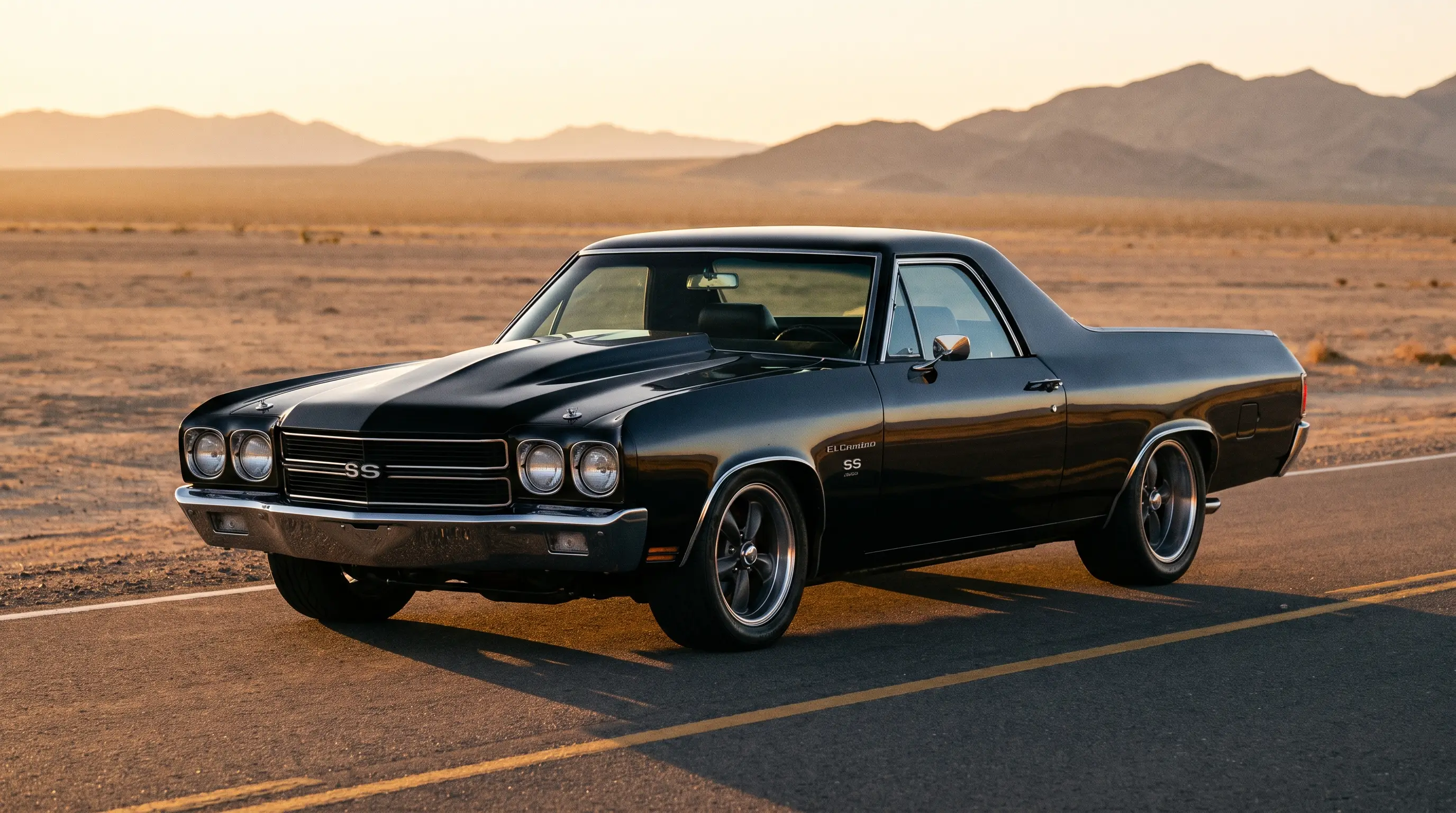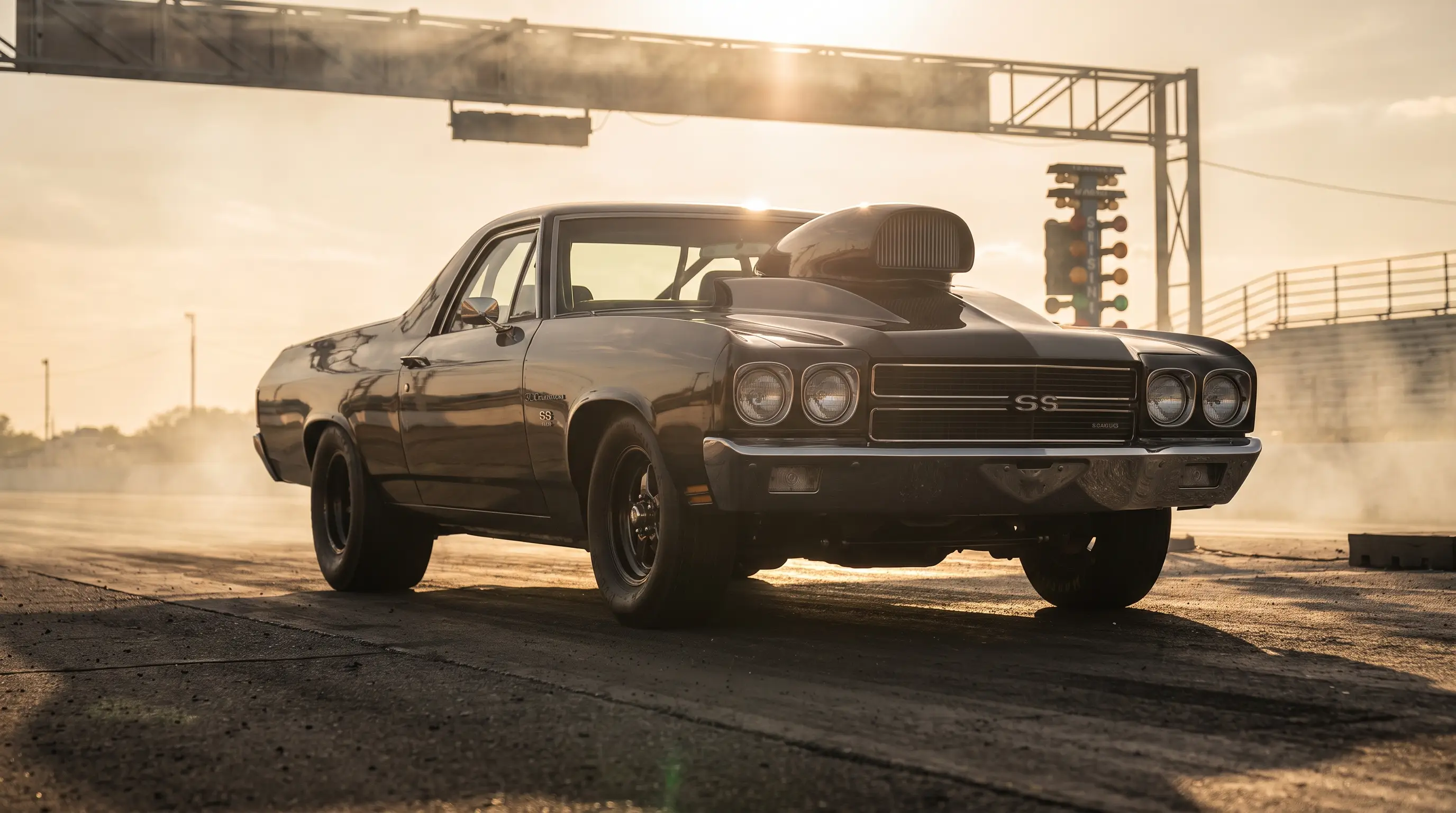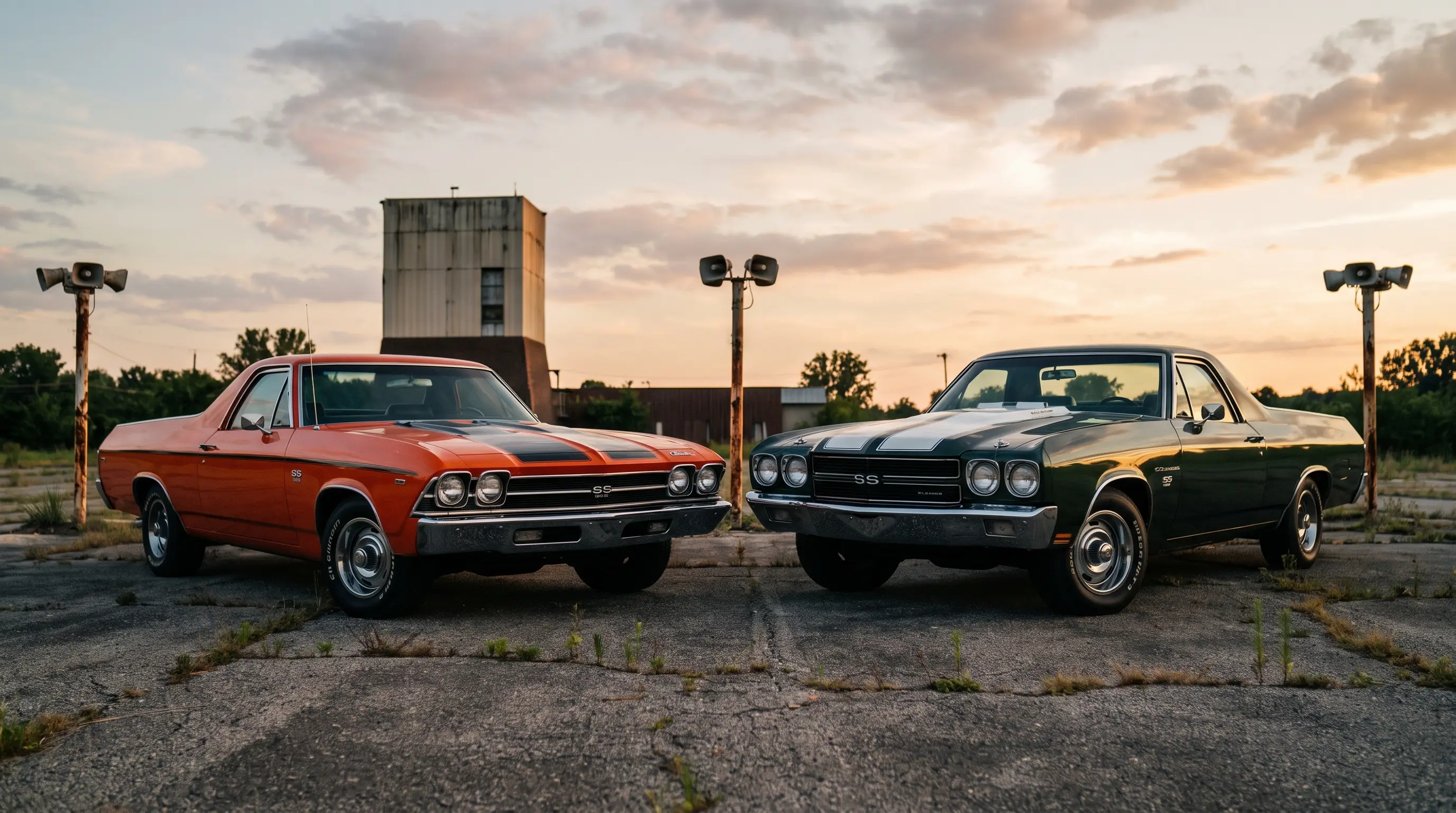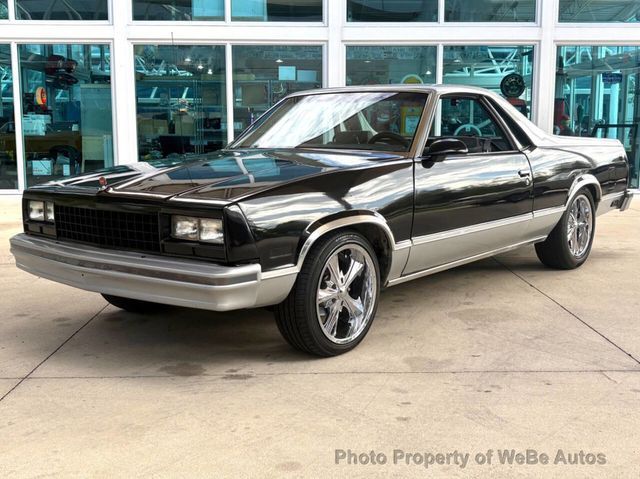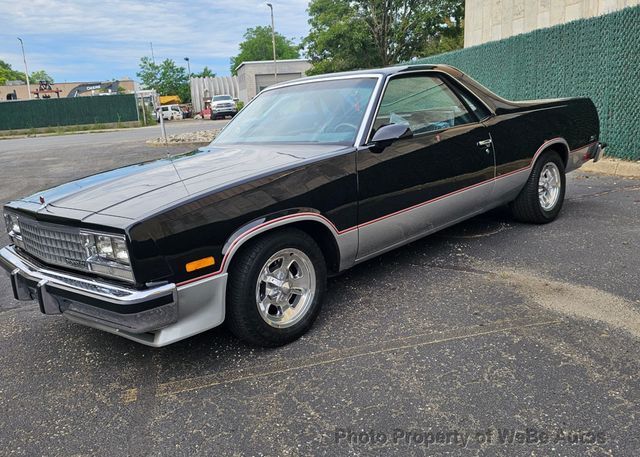
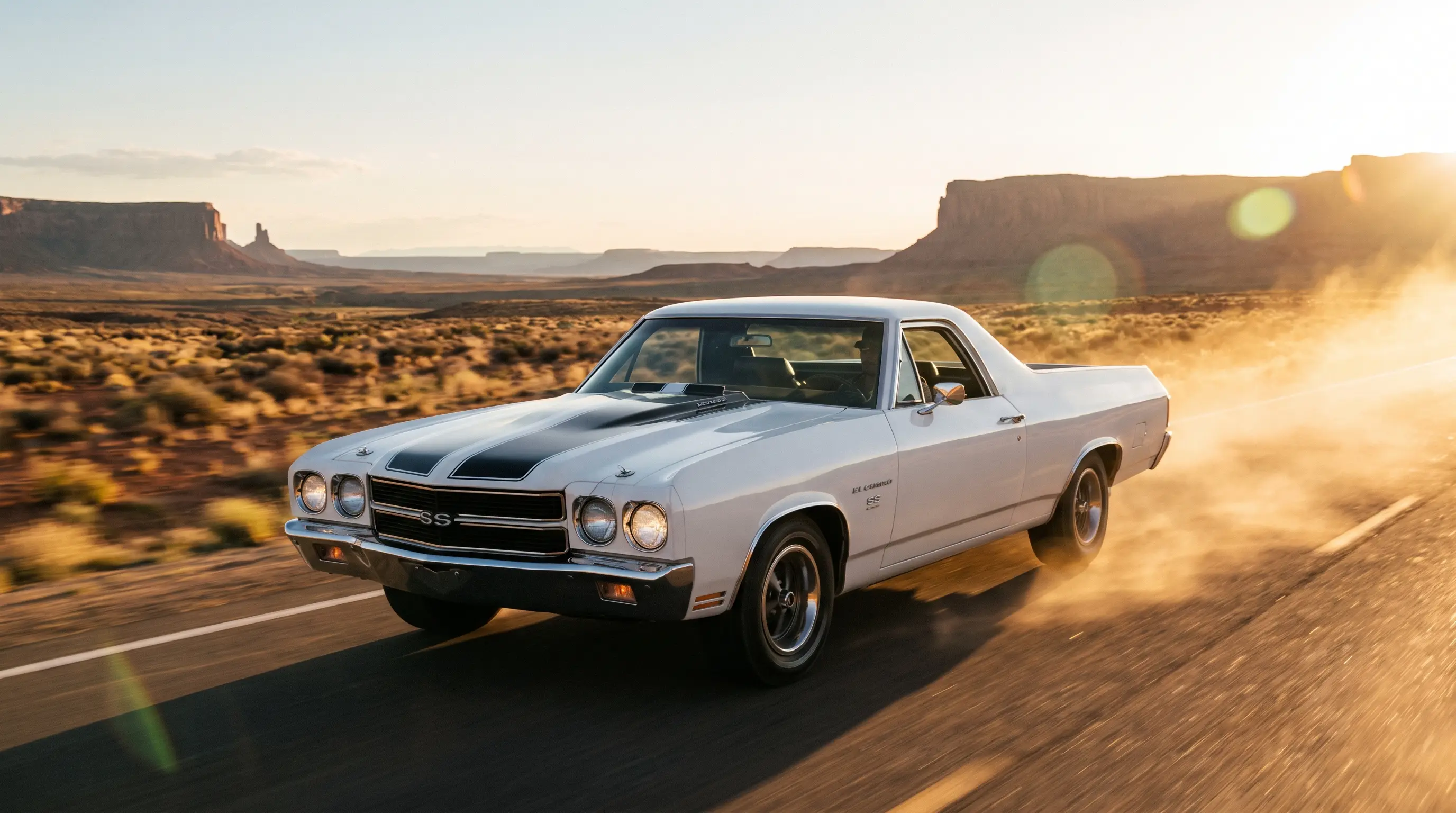
The 1970 El Camino SS 396 gets buried under the LS6 454 headline every single time, and that is a mistake. It made 350 horsepower, cost less to buy, cost less to insure, and delivered most of the theater with a lot less of the temperament. The 454 gets the magazine covers. The 396 is the one that actually made sense, and making sense does not sell well as a headline, which is exactly why it is forgotten.
The number: 350 horsepower for real money saved
Chevrolet rated the 1970 El Camino SS 396 at 350 horsepower under the L34 designation, and that L34 is the 396 nearly every 1970 SS 396 buyer actually got. A higher-output L78, rated at 375 horsepower with solid lifters, was technically on the 1970 order sheet as well, but Chevrolet discontinued the L78 in late October 1969, only a few weeks into the model year, and simply let dealers work through remaining engine inventory before switching every later order to the L34. That makes a genuine 1970 L78 El Camino a rare, early-build exception rather than a normal SS 396 option most buyers ever saw on a showroom order form. Compression sat lower than the LS6's aggressive 11.25:1, the cam was a hydraulic unit that idled like a normal car, and the whole package cost meaningfully less to order than either big-block 454. That price gap mattered to real buyers writing real checks in 1970, not just to a spec sheet.
Run the simple math. A 396 buyer got within striking distance of 454 performance in real-world driving, since a lighter big-block with less weight over the front axle handles differently than the heavier 454, while paying less at the dealer and less every renewal at the insurance company afterward. That is not an underdog story built on sentiment. It is an underdog story built on a receipt.
Where the 396 actually sat in the lineup
Positioned between the standard small-block El Camino and the flagship 454 options, the SS 396 occupied exactly the middle ground its name suggests, a genuine step up in performance from the base V8 lineup without the cost, insurance impact, or driveability compromises the 454 options demanded. That middle position is often overlooked entirely in conversations that jump straight from small-block to big-block LS6, skipping past the option that most performance-minded buyers with a real budget actually chose. Chevrolet built the 396 to be the volume performance seller in the SS lineup, not an afterthought squeezed between more exciting options, and treating it as a footnote misreads what the order sheet was actually designed to sell to the largest number of buyers.
Why the 454 stole all the attention
Bigger numbers win headlines every time, and 450 horsepower from the LS6 is simply a bigger number than 350 from the 396. That is the entire explanation, and it does not require any conspiracy theory about magazine bias or dealer marketing. Road testers in 1970 wanted the fastest car in the lineup to write about, buyers who wanted bragging rights ordered the LS6, and four decades of car show culture since then has continued rewarding the biggest number over the more sensible one. None of that makes the 396 a lesser car. It makes it a less photographed one.
where this started covers how the full 1970 SS lineup, including both big-block options, came together that model year.
What the underdog actually delivers day to day
Here is the part that matters if you are actually going to drive the thing instead of trailering it to shows. The 396's hydraulic cam means a smooth idle and no valve lash adjustments on a schedule. The lower compression means it tolerates modern pump gas without hunting for octane boosters the way the 11.25:1 LS6 does. The lighter engine over the front axle means the car turns in with less understeer than a 454-equipped example, which changes how it actually feels on a back road rather than just how it feels at the drag strip.
None of that shows up on a spec sheet comparison chart. It shows up the first time you drive both cars back to back, and it is the reason plenty of period buyers walked past the LS6 window sticker on purpose, not out of ignorance about the bigger number, but out of a clear-eyed choice about what they actually wanted to own.
The market has started catching up
Values for well-documented 1970 El Camino SS 396 cars have moved up in recent years as buyers priced out of increasingly expensive LS6 examples look for a genuine factory big-block SS at a more approachable number. That shift is not hype. It is simple supply and demand meeting a car that was always mechanically sound, just underexposed relative to its bigger sibling. Buyers doing real research are starting to notice the gap between LS6 asking prices and what a documented 396 actually delivers for less money.
That gap is worth acting on before it closes further. A properly documented 396 SS, with matching numbers and a clean build sheet, is still a genuine factory muscle El Camino, not a compromise version of one.
"Three hundred fifty horsepower and a hydraulic cam that idles like a normal car will get you to the same stoplight the LS6 gets to, for less money going in and a lot less money going out every time you fill the tank."
- Dan Reeves
Parts, service, and the ownership math
The underdog case gets stronger once you factor in what it costs to actually keep one of these running. The 396's more moderate compression and hydraulic valvetrain mean routine maintenance stays routine, without the periodic valve lash adjustments a solid-lifter LS6 demands. Parts availability for the 396 family, one of Chevrolet's most widely produced big-blocks across multiple model lines through the late 1960s and into the 1970s, remains broader and generally more affordable than parts specific to the lower-volume LS6, where certain internal components and correct-date-code externals carry a real premium simply because fewer of them were made to begin with.
None of that makes the 396 a budget compromise. It makes it the more sustainable ownership proposition for somebody who plans to actually drive the car for years rather than store it as a static investment. That distinction, between a car built to be owned and a car built to be admired, is exactly the kind of practical detail that gets lost when the conversation only compares horsepower figures side by side.
The bottom line on the underdog
The 1970 El Camino SS 396 was never the fastest option and it was never trying to be. It was the smarter buy for a buyer who wanted real performance without the LS6's demands, and that smart-buy positioning is exactly what makes it worth a second look today, when the market is finally starting to price it accordingly instead of treating it as the also-ran next to the 454.
Buyers who want to see what documented examples are actually asking should look at classic El Camino for sale listings before assuming the LS6 is the only 1970 SS worth chasing.