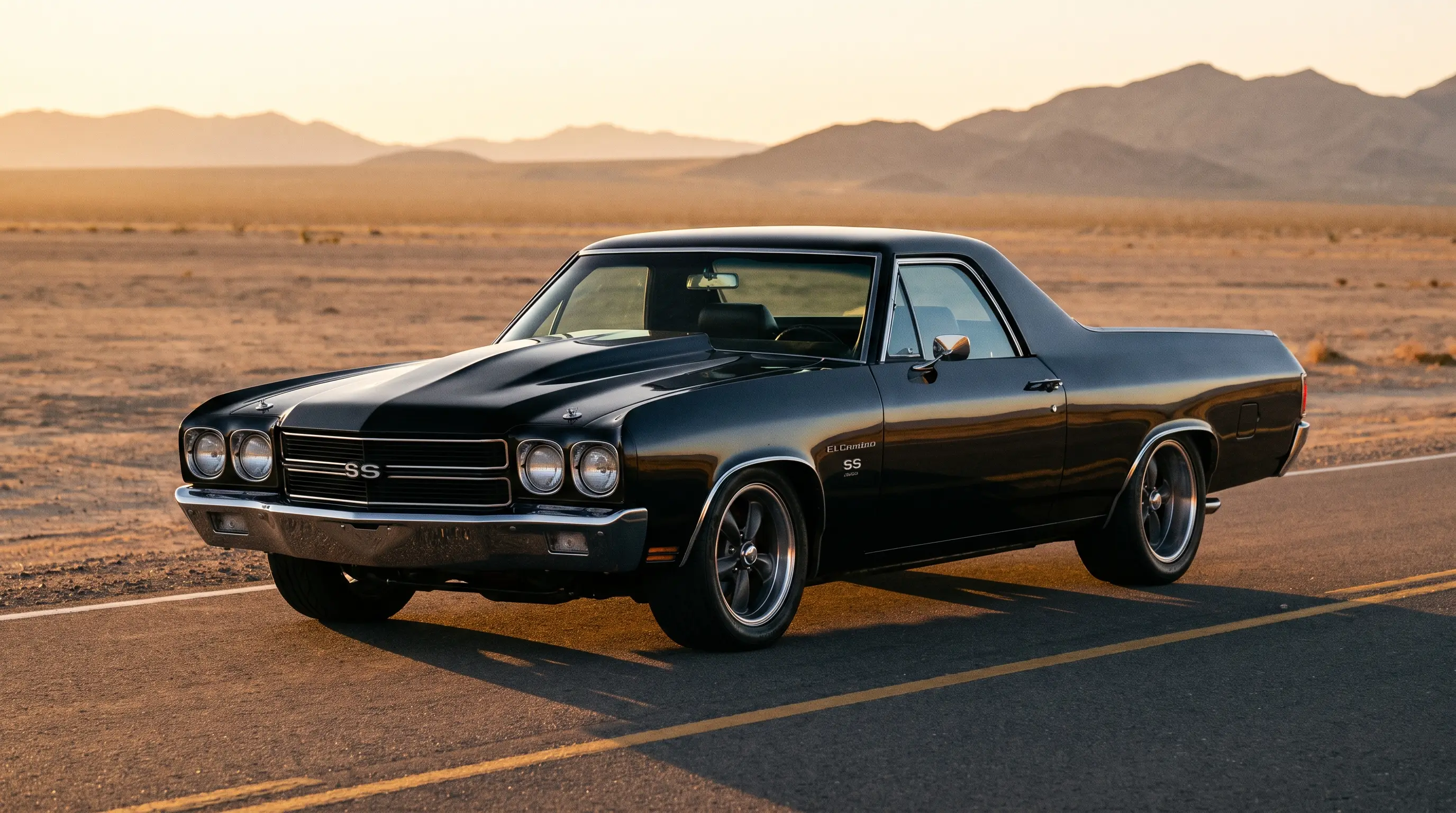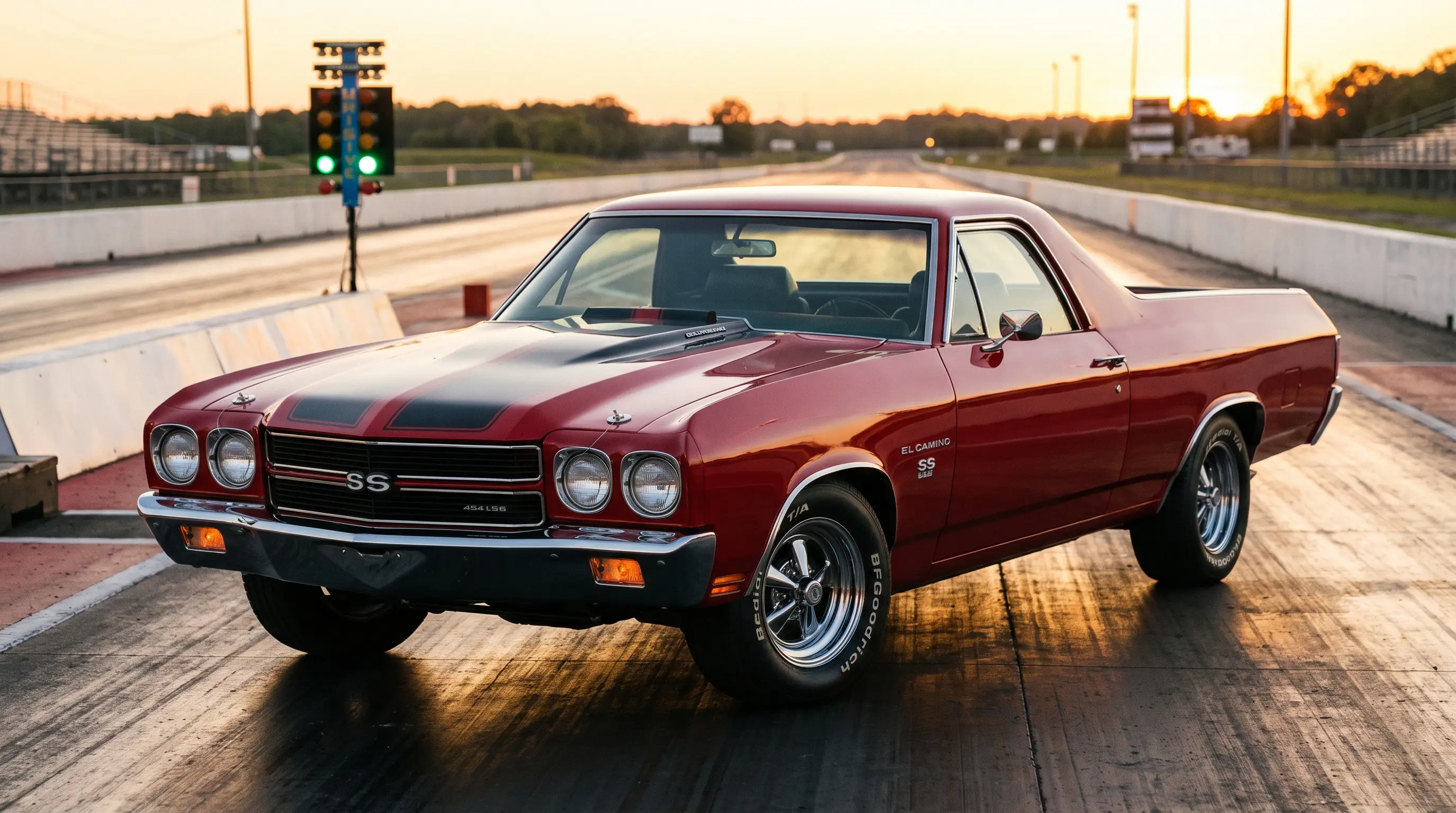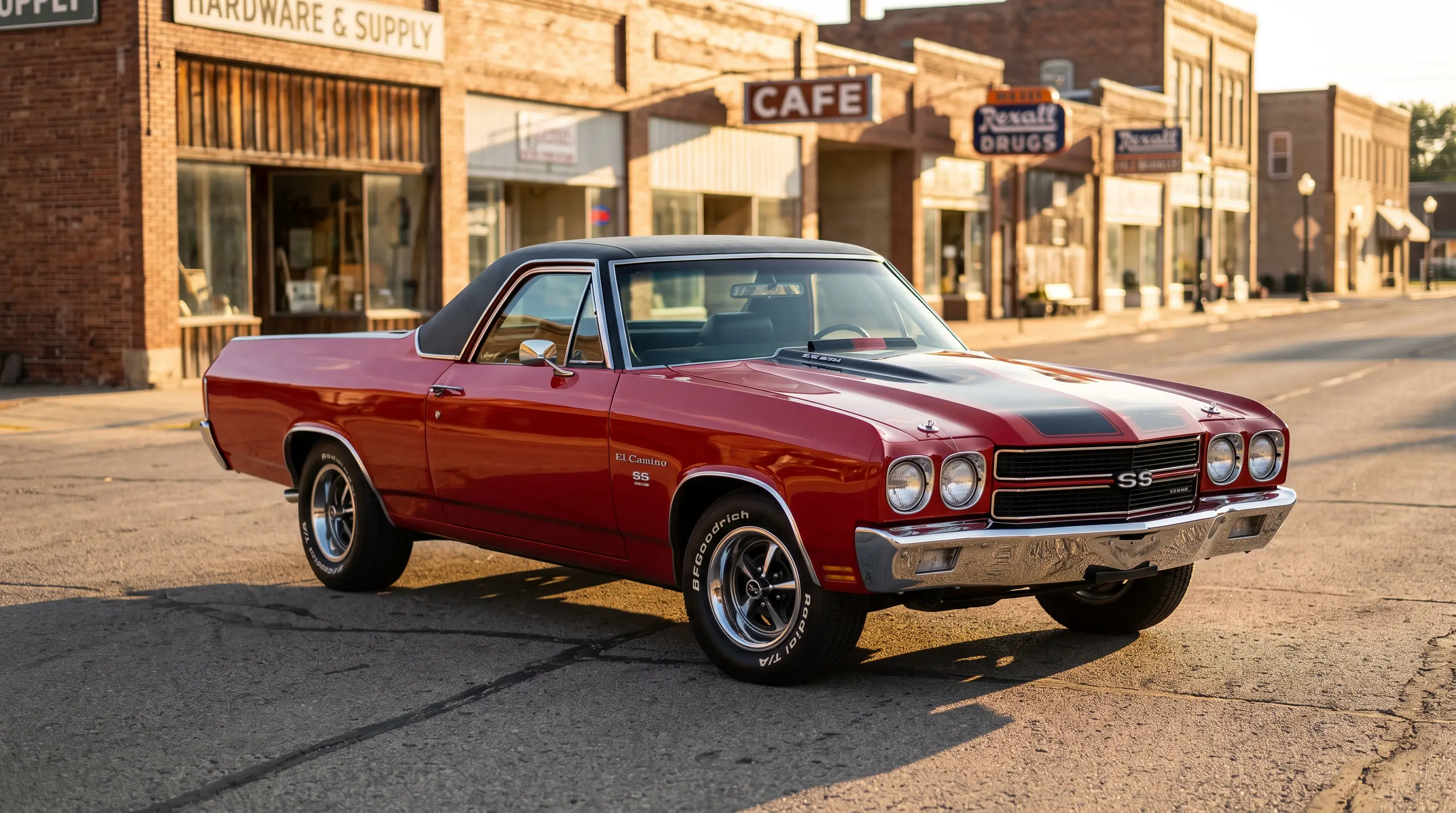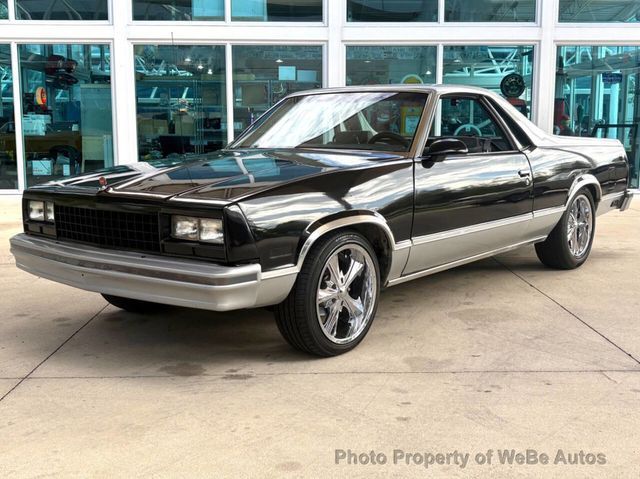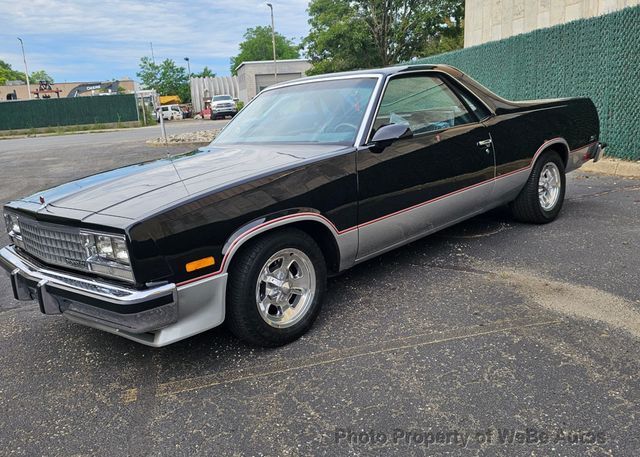
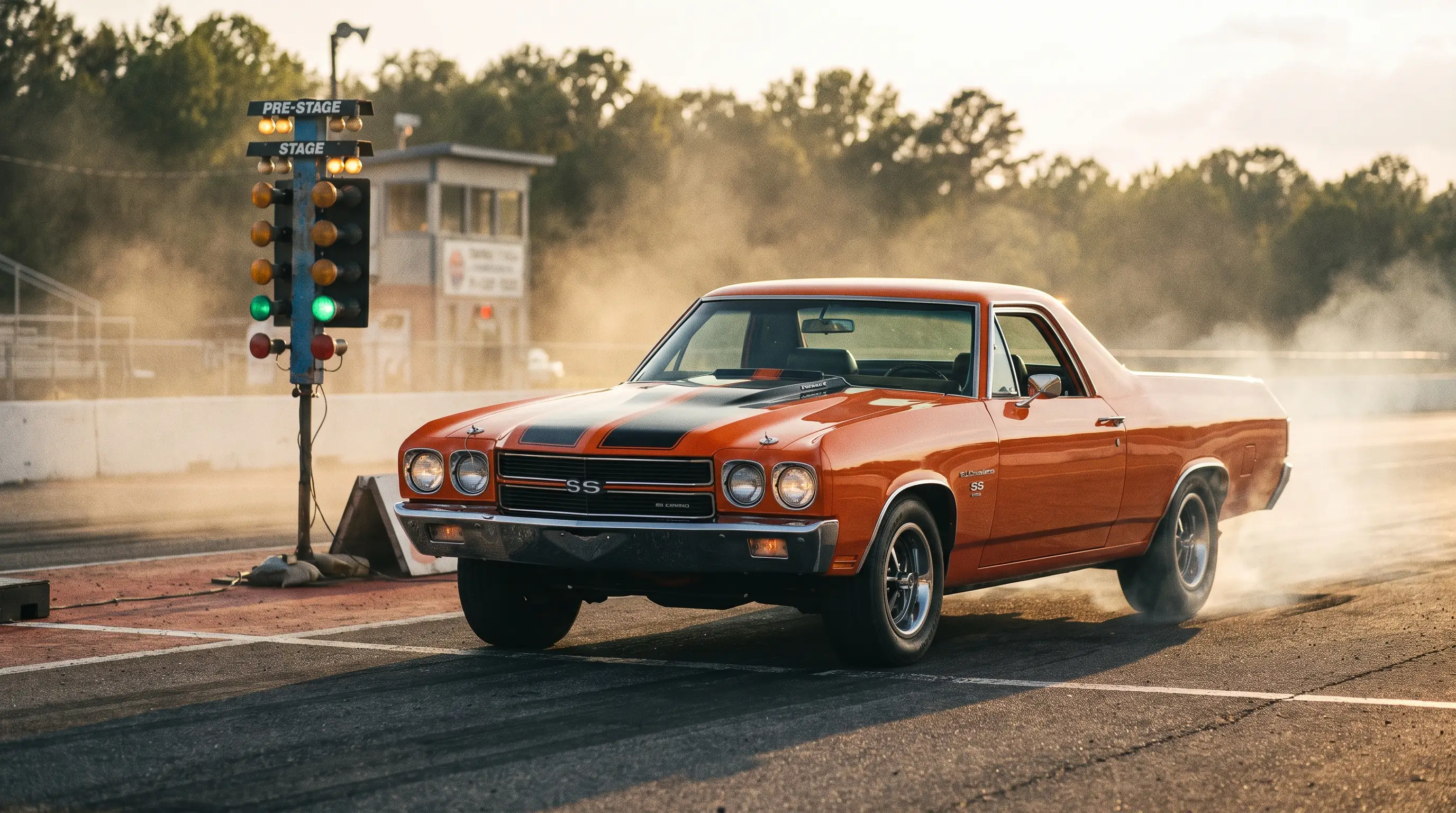
The 1970 El Camino SS 454 came with a decision built into the order form: LS5 or LS6. Both were 454 cubic inch big-blocks, both wore the SS badge, and both would happily embarrass a lot of sports cars at a stoplight. But they were not the same engine wearing different valve covers, and the differences explain why one of them ended up in far more driveways and the other ended up in far more magazine articles.
Same displacement, different intentions
Start with what they share. Both the LS5 and LS6 displaced 454 cubic inches and used the same basic Mark IV big-block architecture Chevrolet had been refining since the mid-1960s. That is roughly where the similarity ends. The LS5 was rated at 360 horsepower with 10.25:1 compression, a hydraulic camshaft, and a four-barrel carburetor tuned for a broad, usable torque curve. The LS6 was rated at 450 horsepower with 11.25:1 compression, a solid-lifter camshaft, four-bolt main bearing caps, and an aluminum intake manifold feeding a larger Holley carburetor. One engine was designed to be lived with. The other was designed to win an argument.
The compression difference alone tells most of the story. Going from 10.25:1 to 11.25:1 is not a small bump, and it is the reason the LS6 wanted premium fuel with real octane behind it, something that became a genuine problem for owners once leaded premium started disappearing later in the decade.
What the spec sheet actually says
| Spec | LS5 454 | LS6 454 |
|---|---|---|
| Horsepower (factory rating) | 360 hp | 450 hp |
| Torque | 500 lb-ft | 500 lb-ft |
| Compression ratio | 10.25:1 | 11.25:1 |
| Camshaft | Hydraulic | Solid lifter |
| Main bearing caps | Two-bolt | Four-bolt |
| Intake manifold | Cast iron | Aluminum |
Note that both engines share an identical torque rating on paper, which surprises people who assume the LS6 simply outguns the LS5 in every category. It does not. The LS6 makes its case at higher rpm, where the solid lifters, higher compression, and freer-breathing intake let it keep pulling after the LS5 has already made its peak torque and started to taper off.
Why almost nobody ordered the LS6
If the LS6 was the better number on paper, why did the LS5 outsell it by a wide margin? Three reasons, and none of them are mysterious. First, cost. The LS6 was a significant option price jump over the LS5, and El Camino buyers skewed more practical than Chevelle buyers to begin with, since a lot of them wanted a truck that could also look good, not a strip car with a bed. Second, drivability. A solid-lifter cam with 11.25:1 compression does not idle smoothly, does not like stop and go traffic, and demands more maintenance attention than most daily drivers wanted to give a work vehicle. Third, insurance and fuel realities were already tightening by 1970, and a car rated at 450 factory horsepower was exactly the kind of vehicle underwriters were starting to notice.
The practical result is that LS5 cars are the ones you are more likely to find today, and LS6 cars are the ones that get the magazine covers. our complete history of the 1970 SS lineup covers how these two engines fit into the broader model year story, including the more common small-block options most buyers actually chose.
The transmission and axle differences behind the scenes
The engine choice was not an isolated decision on the order form. The LS6 required either the M22 close-ratio four-speed manual, nicknamed the rock crusher for its distinctive gear whine, or the Turbo 400 automatic, paired with a stronger 12-bolt rear axle to handle the additional torque and rpm the solid-lifter engine could generate. The LS5, by contrast, could be ordered with a wider range of transmission and axle combinations, including milder gearing choices better suited to a buyer who wanted strong performance without building the entire drivetrain around drag strip use. That flexibility is another reason the LS5 fit a broader range of real-world buyers, while the LS6 essentially forced a buyer into a narrower, more purpose-built specification from the moment the order form was filled out.
Which one should a buyer actually want
This is where the engineer in me has to be honest instead of romantic. The LS6 is the number people chase, and it deserves the chase, since 450 horsepower from a factory big-block in 1970 was a genuinely serious figure. But the LS5 is not a consolation prize. It is a torquey, driveable, still-quick big-block that does not punish its owner between stoplights, and it is considerably easier to keep happy on modern pump fuel without chasing octane boosters or a machine shop bill for compression work.
Buy the LS6 if the point is bragging rights, documentation, and eventual investment value, and you are prepared to baby a solid-lifter engine. Buy the LS5 if the point is actually driving a real 1970 big-block El Camino on a semi-regular basis without a fuel additive habit. Neither choice is wrong. They are just answering different questions.
"Everybody wants to talk about the 450 horsepower number. Almost nobody wants to talk about what 11.25 to 1 compression does to your Sunday morning idle quality, or your fuel bill on premium that barely exists anymore in the octane rating these engines were tuned around."
- Emily Chen
How the two engines actually drove, in period accounts
Period road tests back up the theoretical spec sheet comparison, and the numbers are worth stating plainly. Testers running the LS6 through the quarter mile in 1970 reported times in the low to mid 13-second range, depending on rear axle ratio and transmission choice. Hot Rod magazine's own test of an LS6 El Camino recorded 13.44 seconds at 108 mph, and other period accounts put LS6 El Camino trap speeds in a similar upper-13-second, mid-100s mph window. Documented period LS5 quarter-mile times specific to the El Camino are harder to pin down publication by publication, but contemporary big-block A-body tests generally put an LS5 car roughly a half second to a full second behind a comparably equipped LS6 depending on gearing and driver. That gap is real but it is smaller than the horsepower numbers alone might suggest, because the LS5's broader torque curve and more usable power band partially closed the difference in everyday acceleration even though the LS6 pulled ahead as rpm climbed.
What the numbers do not capture is how differently the two cars felt to actually drive. An LS5 pulled cleanly from idle with no drama, tolerated stop and go traffic, and rewarded a driver who just wanted to plant the throttle without thinking about it first. An LS6 wanted to be revved to make its case, idled with a noticeable lope, and rewarded a driver who understood the engine and drove around its personality rather than against it. Neither approach is wrong. They are simply different engineering philosophies wearing the same displacement badge.
Confirming which engine is actually under the hood
Neither engine wears a badge on the outside that settles the argument definitively, and decades of engine swaps mean plenty of 454s under El Camino hoods today are not the numbers-matching unit that left the factory. Casting numbers, cylinder head castings, and the original cowl tag or broadcast sheet are what separate a documented LS5 or LS6 from a good story someone is telling at a car show. If you are shopping in this market, that paperwork is worth more than any seller's verbal assurance.
For anyone ready to move past the spec sheet argument and actually go look at inventory, find a classic El Camino for sale to compare what documentation is actually attached to the cars on the market right now.