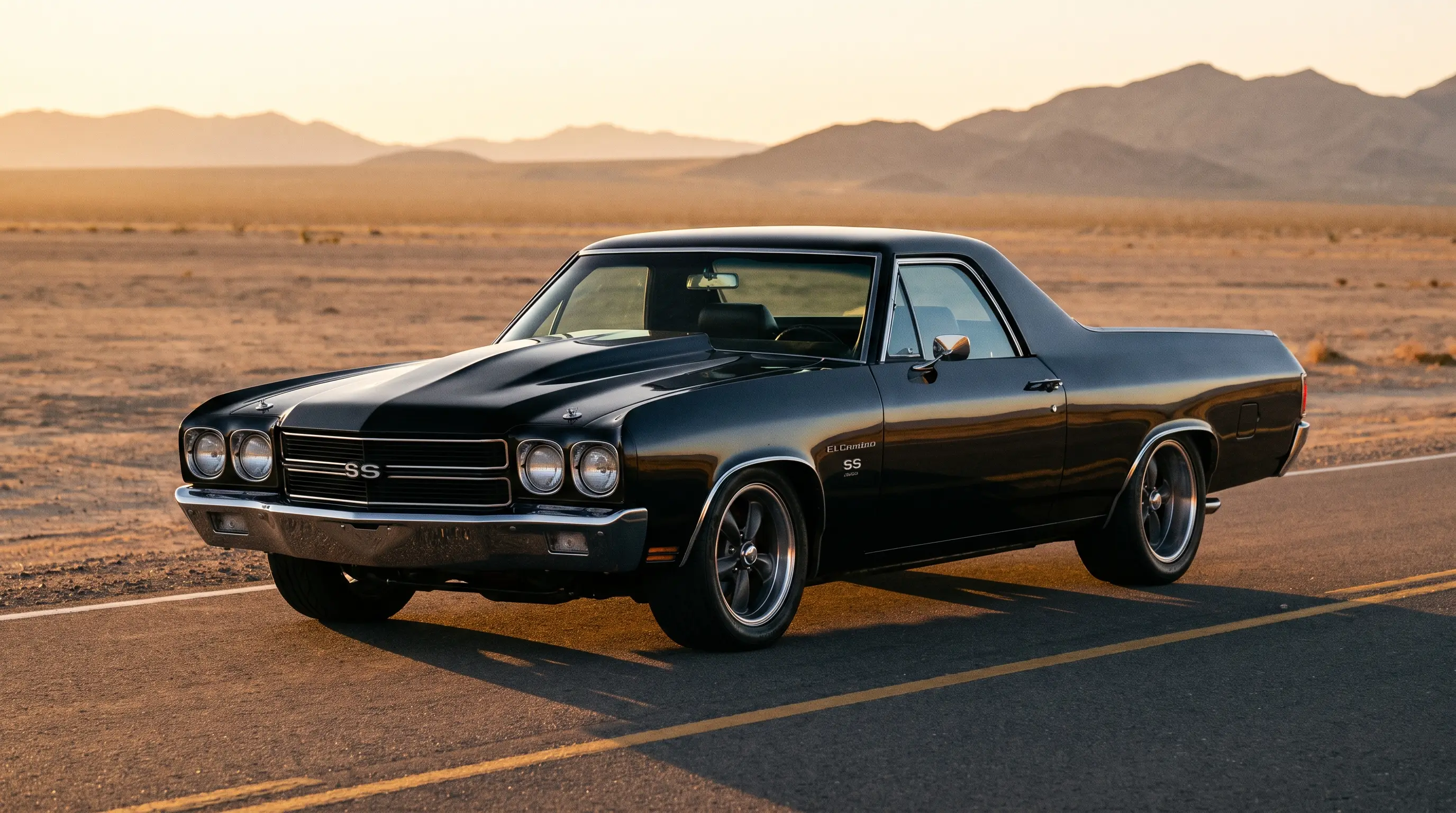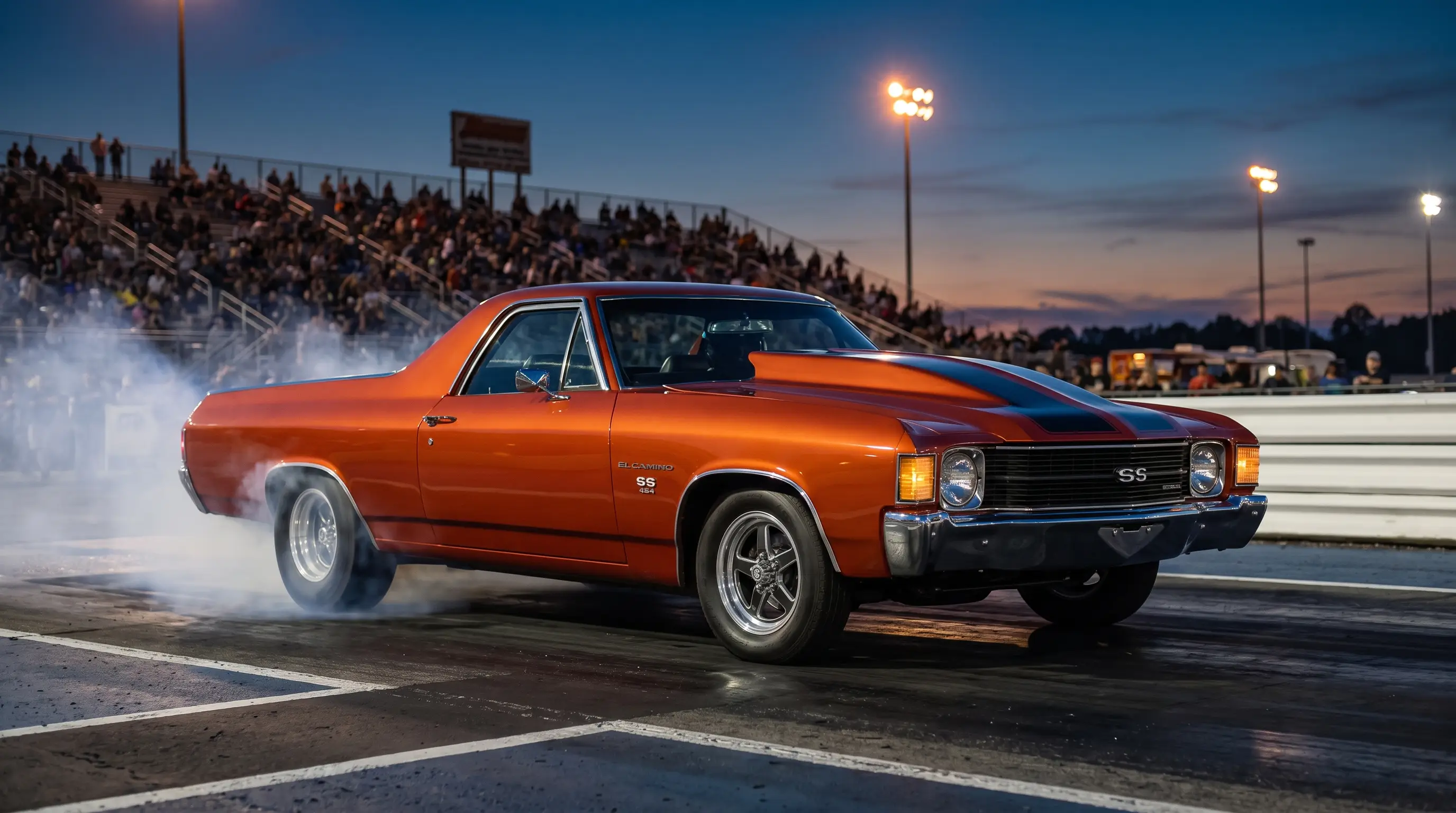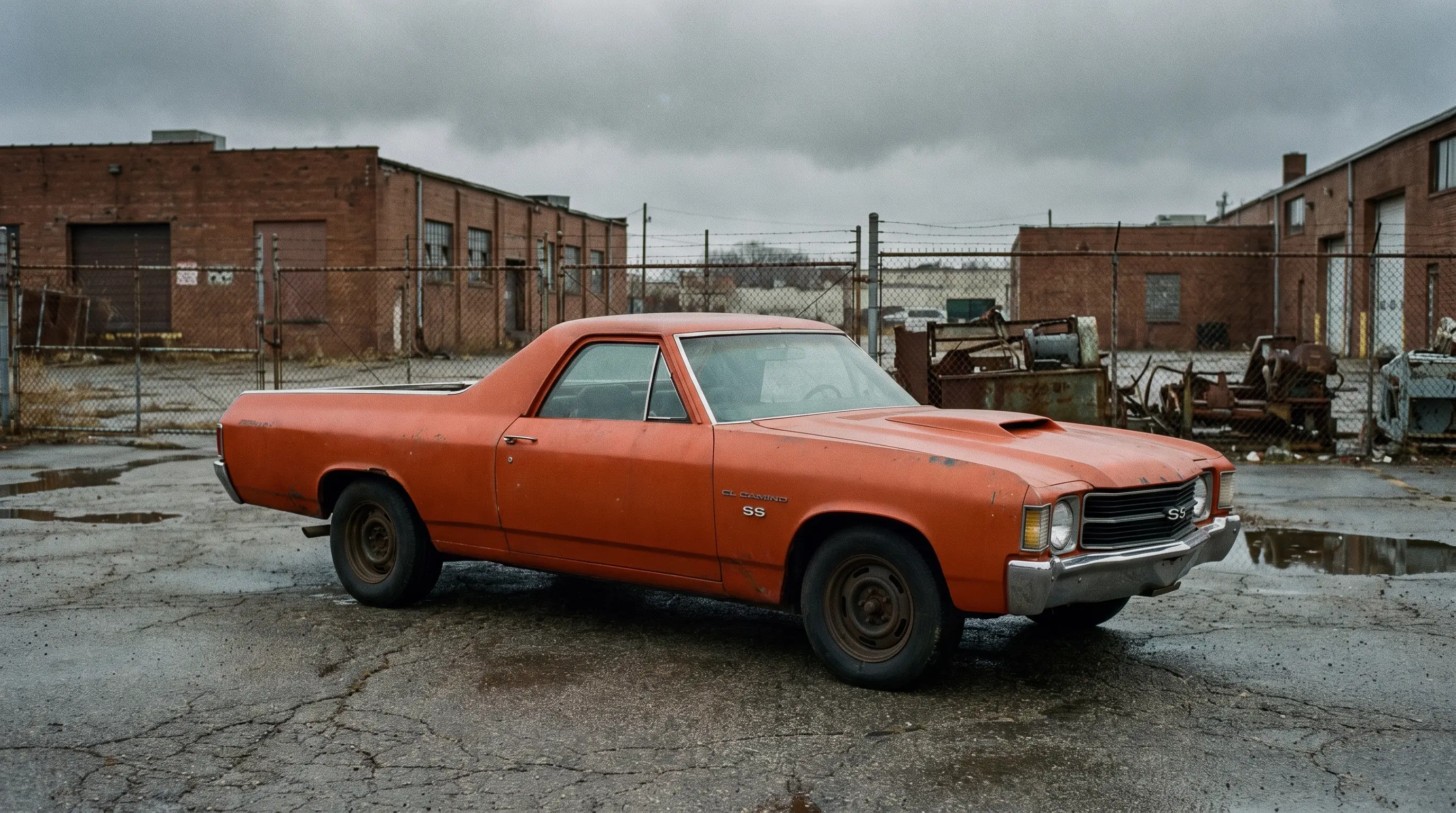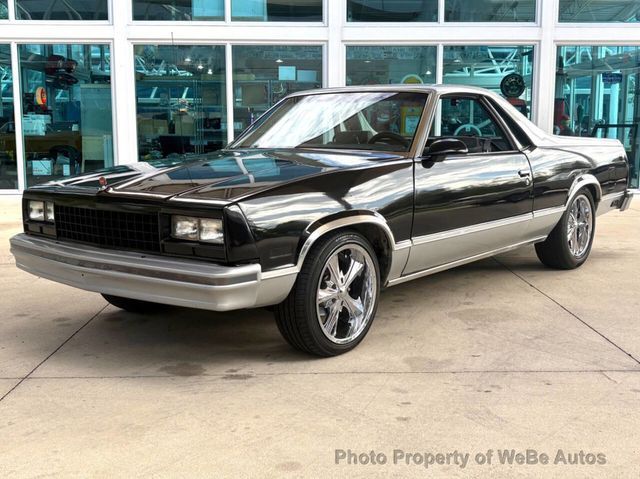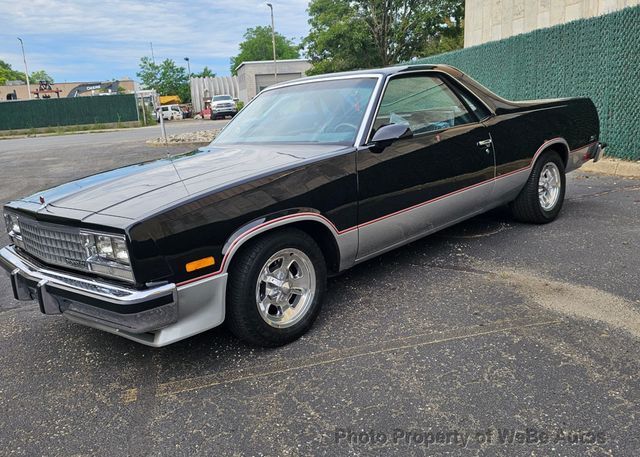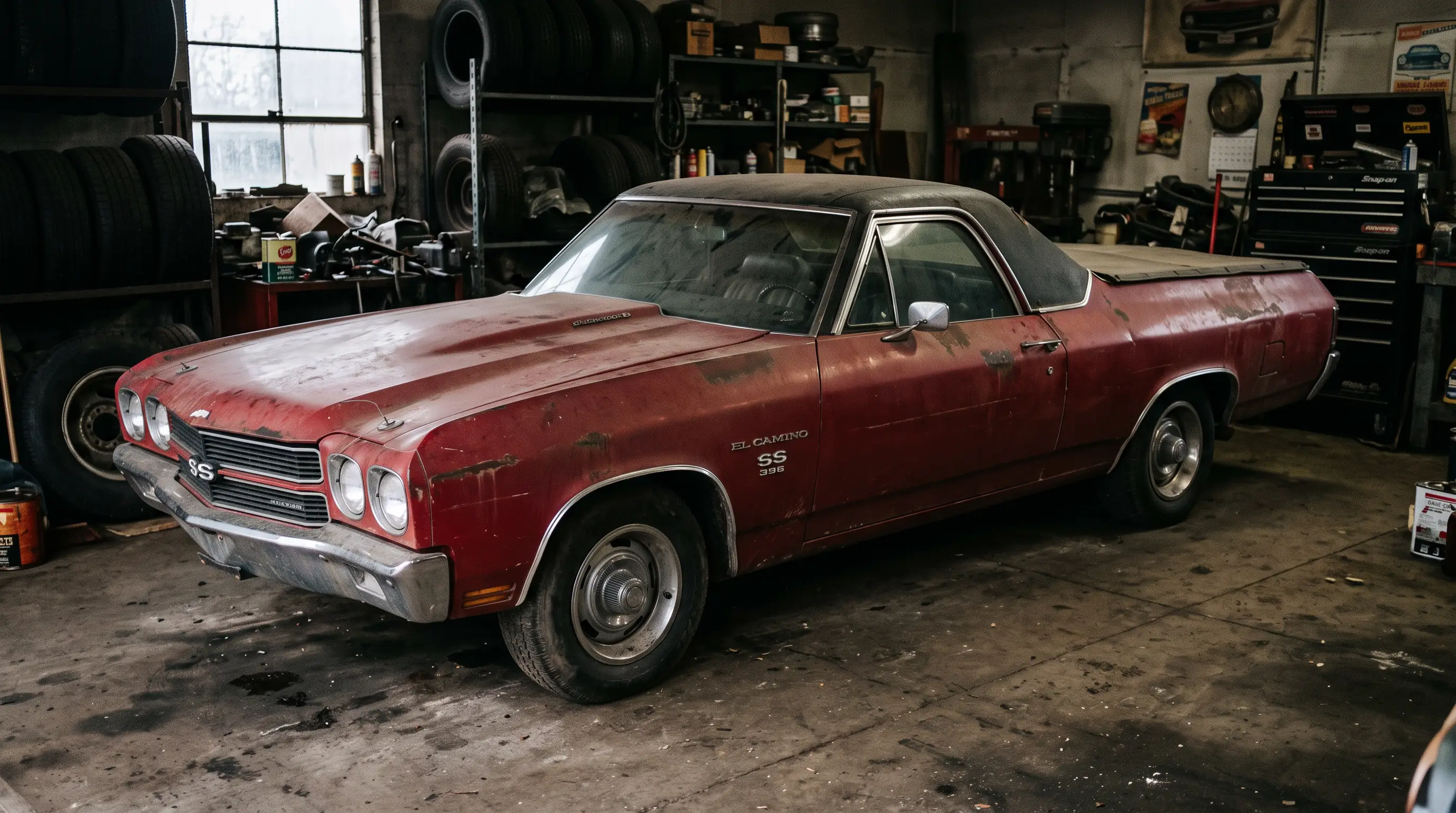
Finding an unrestored 1970 El Camino SS today is less like shopping and more like conducting research, which suits a factory historian just fine. An el camino 1970 survivor hunt rarely starts with a for-sale listing. It starts with a paper trail, a rumor about a barn in a county three hours from anywhere, and the patience to verify whether the car at the end of that rumor actually matches its claimed history.
Why survivors are worth more than the number suggests
Chevrolet built a meaningful number of El Caminos in 1970, but the SS package with a documented 454 represents a much smaller subset, and genuine survivors, meaning cars that avoided a repaint, a drivetrain swap, or a body-off restoration that erased original factory markings, are rarer still. Every year that passes narrows the pool further as more of these cars either get restored, which can obscure original factory details even when done well, or continue deteriorating in storage until nothing worth saving remains.
The premium a genuine survivor commands over a nicely restored equivalent has grown steadily as the hobby has matured. Collectors increasingly value originality as its own category of worth, separate from cosmetic condition. A survivor with faded paint and original upholstery can outsell a flawless restoration if the paperwork proves the car left the factory exactly as it sits.
What actually counts as proof
Finding the car is only step one. Proving it is the real work. The cowl tag remains the single most important physical document on the vehicle itself, encoding the RPO codes, the paint code, and the assembly plant in a compact stamped format that is extremely difficult to fake convincingly. Engine casting numbers and dates need to align with a 1970 production window and, ideally, with the original invoice or window sticker if either survived.
Beyond the car itself, period photographs, original title chains, and family ownership records all add weight. A survivor with a single-family ownership history from new, supported by old registration paperwork and photographs showing the car at various points across five decades, tells a far more convincing story than a car that surfaced at an estate sale with no documented history before last year.
Where the hunt actually happens
Contrary to what internet auction sites suggest, the best survivor finds rarely surface through online listings first. They surface through estate settlements, through regional car club members who know a neighbor with something sitting under a tarp, through farm auctions where a vehicle gets included almost as an afterthought among tractors and equipment. Rural areas with lower humidity and fewer road-salt winters have historically produced a disproportionate share of surviving unrestored examples, since both body rust and interior degradation slow down considerably in a dry climate.
Patience matters more than budget in this pursuit. A serious hunt can take years, and the cars that turn up fastest are rarely the ones worth buying. The genuinely significant survivors tend to surface only when a long-time owner dies or a family finally decides to clear out a property, and neither event follows a predictable calendar.
Networking inside the hobby speeds this up considerably. Regional Chevrolet clubs, marque-specific registries, and even local classic car insurance agents often hear about upcoming estate liquidations before any public listing appears. Building relationships with people who move in these circles, rather than relying purely on classified ads, tends to surface the genuinely interesting cars months or years before they would otherwise reach a wider audience. It is slower than scrolling listings from a couch, but it is how most of the truly significant survivor finds in this hobby actually happen.
| Documentation type | What it confirms |
|---|---|
| Cowl tag | RPO codes, paint code, assembly plant |
| Engine casting numbers | Production date window, matching-numbers status |
| Original invoice or window sticker | Factory-installed options as ordered |
| Title chain | Ownership continuity, reduces fraud risk |
"Every survivor tells you a story if you know how to read the tag instead of just the paint. I have walked away from cars that looked incredible because the numbers did not add up, and I have bought rough cars because they did."
- Tom Ramirez
Common traps in the hunt
Not every rumored survivor is what the seller believes it to be. Family memory is not always accurate, and a car described for decades as "the original SS 454 grandpa bought new" occasionally turns out, once the cowl tag is decoded, to be a base model that received a badge upgrade and an engine swap somewhere along the way, with the family simply repeating a story that grew more specific with each retelling. This is not usually dishonesty. It is just how memory works across fifty years and two or three generations of ownership.
Reproduction parts create the opposite trap. A seller who genuinely believes a car is a documented survivor may have unknowingly inherited a car with reproduction badges, an incorrect stripe kit installed during a prior owner's cosmetic refresh, or a replacement engine block that nobody flagged as different from the original casting numbers. Confirming an engine as original to a specific 1970 El Camino means cross-referencing its casting date code against the car's build date and the cowl tag's engine RPO designation, not just matching a general 396/402 or 454 block casting number, since Chevrolet used many of the same casting numbers across multiple model years and applications. A careful buyer treats every claim as a hypothesis to test against the cowl tag rather than a fact to accept at face value, however sincere the seller sounds.
What happens after a survivor surfaces
Once a genuine survivor is located and documentation confirms its history, the decision facing an owner shifts from discovery to preservation. Many serious owners now resist full restoration on a confirmed survivor, choosing instead to stabilize mechanical systems and preserve original paint and interior wherever possible, since a restoration erases exactly the qualities that made the discovery valuable in the first place.
Readers who found this article while researching the broader 1970 model year should check 1970 el camino history for the full factory context behind these cars, and anyone curious how the following model year changed the picture can read a related story covering the 1971 detuning that makes surviving 1970 examples even more significant by comparison. For those ready to start their own hunt with documented, currently available cars rather than rumors and barn leads, El Caminos for sale now is a reasonable place to compare what documented originality is actually commanding in today's market.
One last piece of advice for anyone starting their own hunt. Bring a checklist, not just enthusiasm. Photograph the cowl tag before anything else, cross-reference the codes against a published RPO decoder before you get emotionally attached, and resist the urge to negotiate price before you have confirmed the car is what the seller says it is. The best survivors reward patience and paperwork in equal measure, and the worst mistakes in this hobby happen when a buyer falls for a story before checking whether the tag agrees with it.