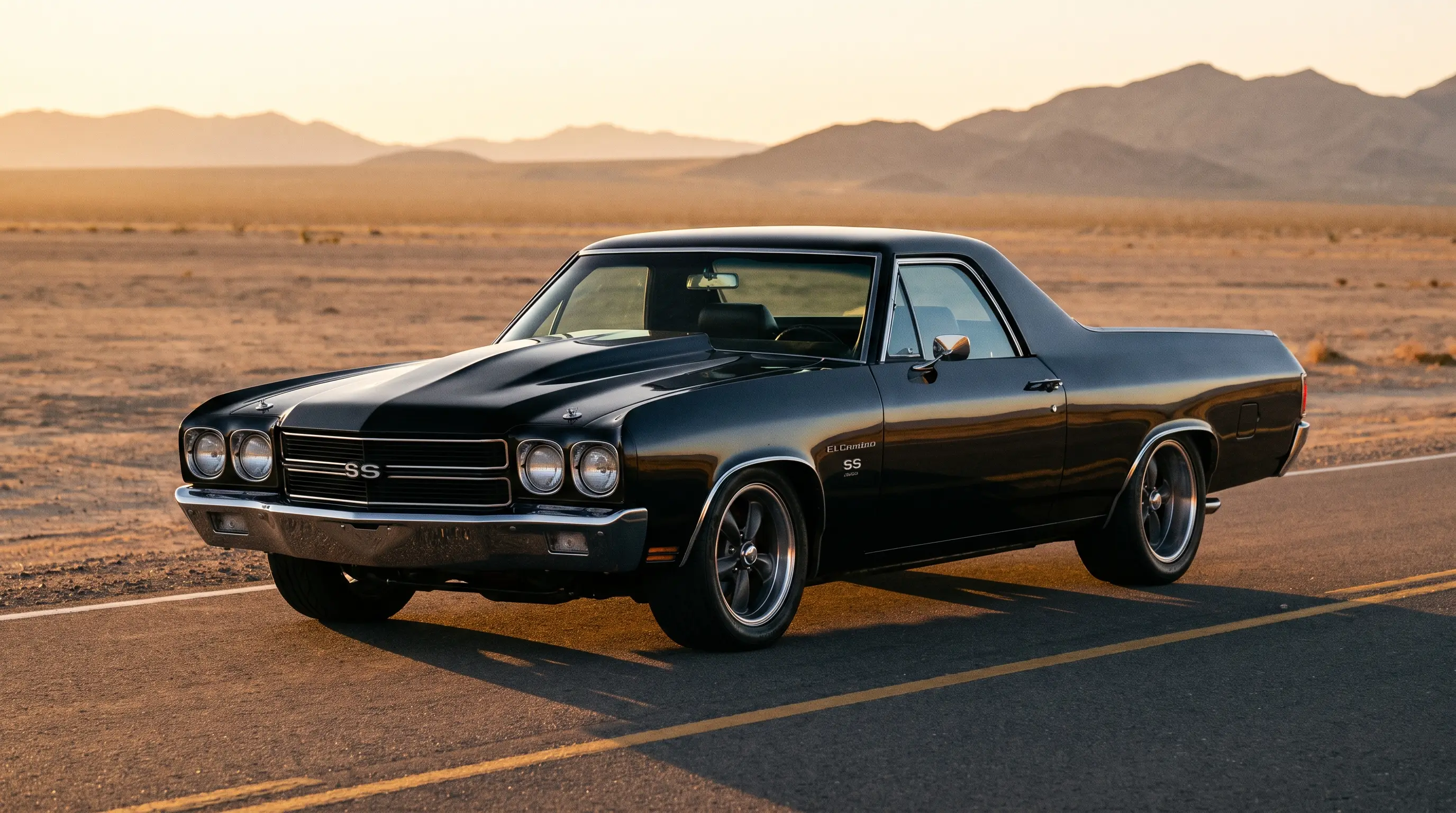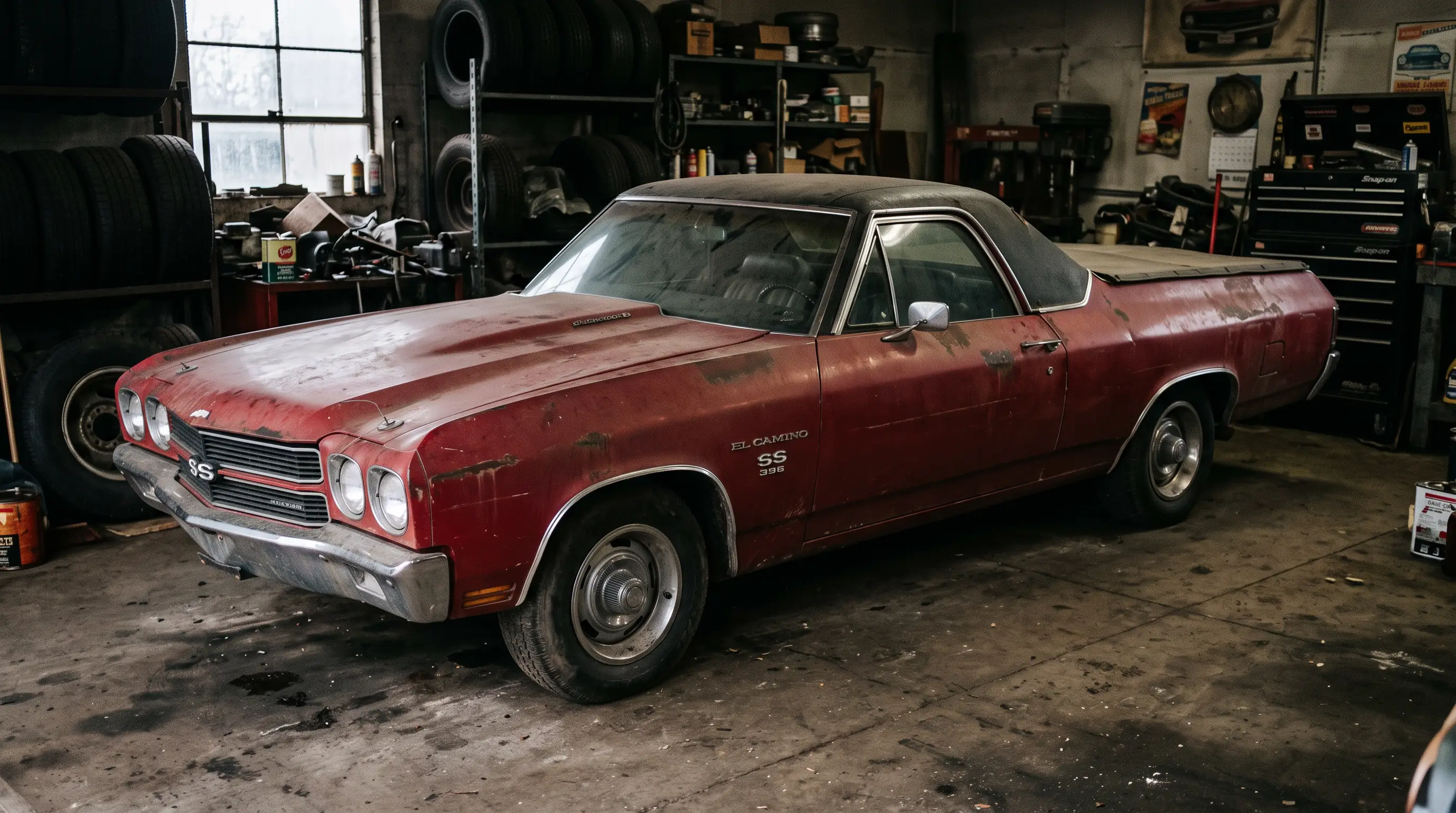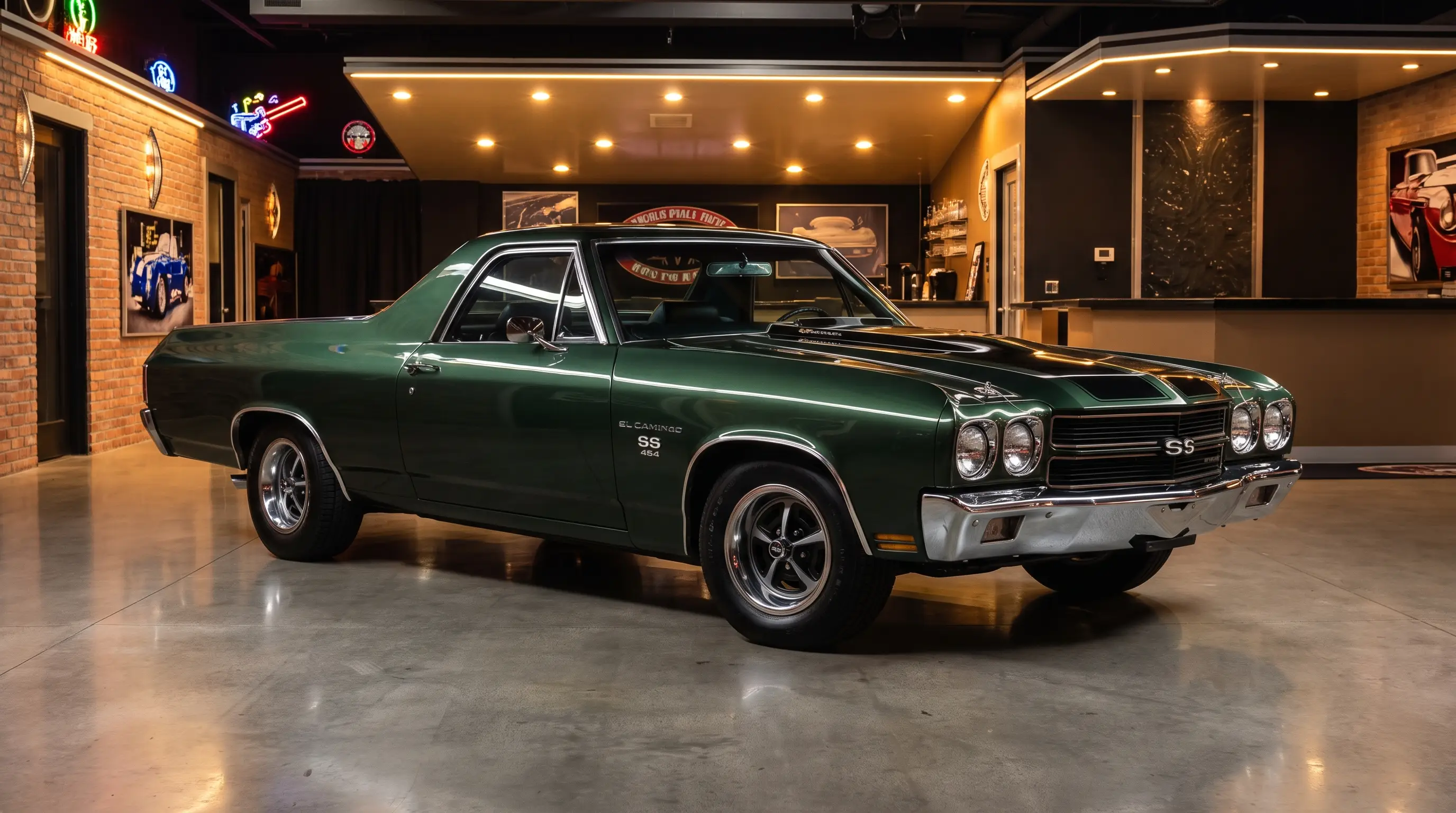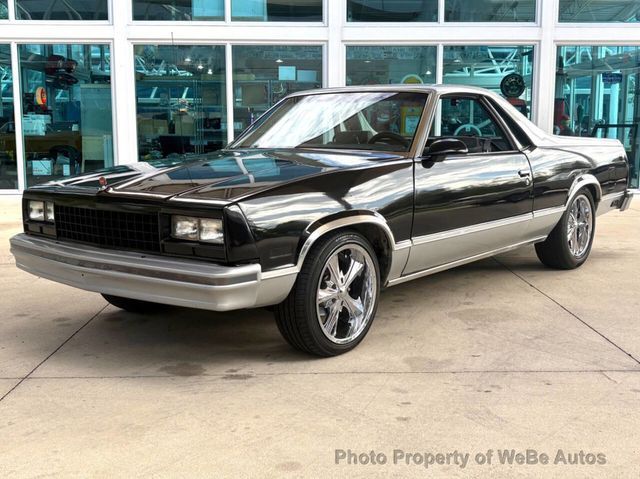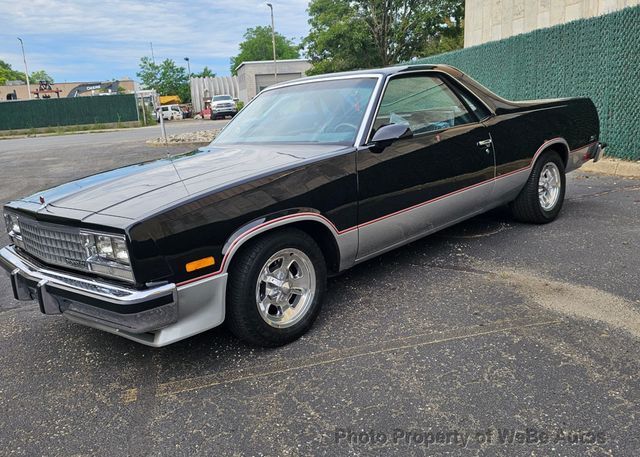
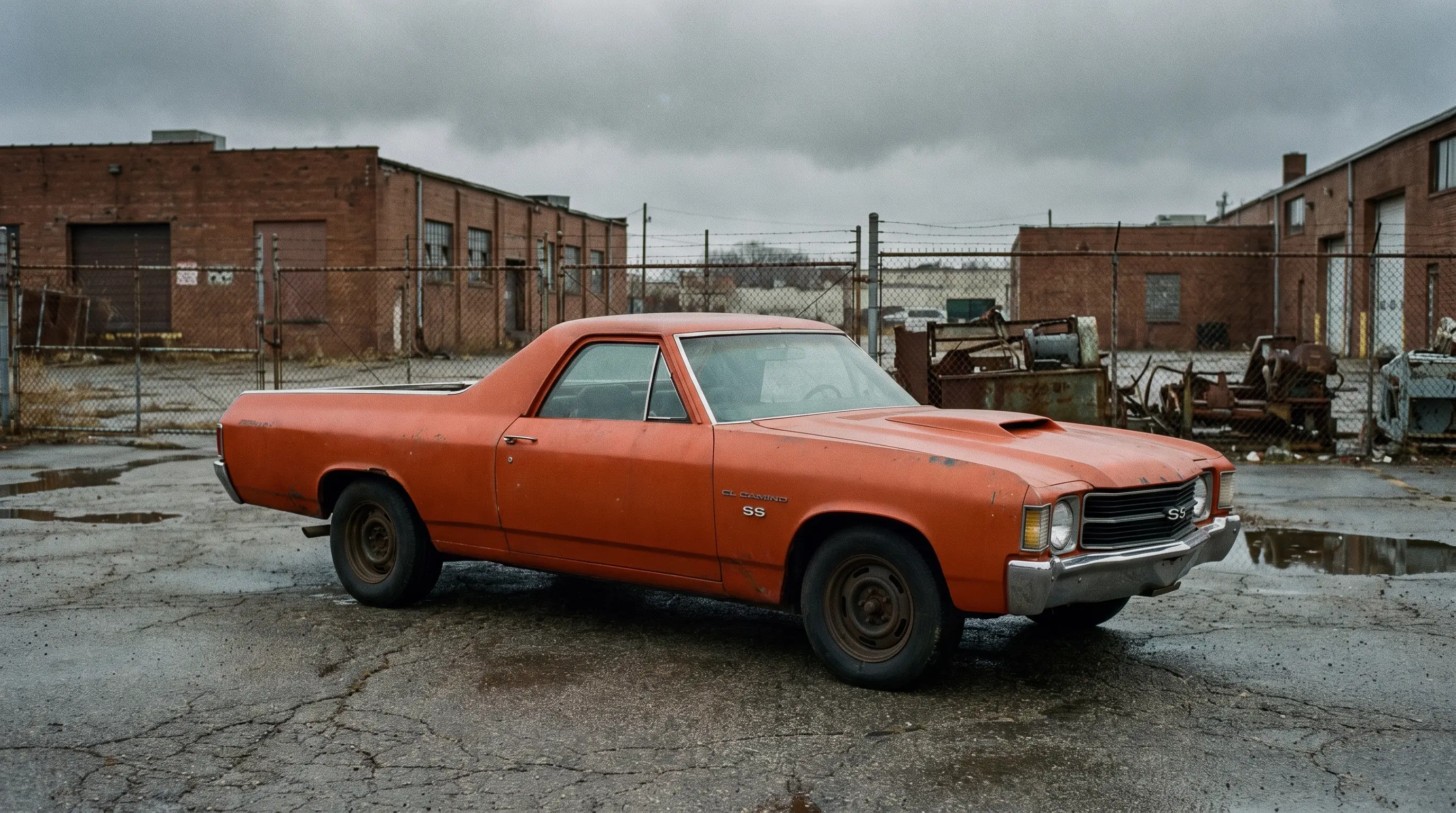
Model year transitions rarely announce themselves as turning points while they are happening. The el camino 1971 detune turning point is a clear example, a single production year in which Chevrolet quietly rewrote what performance meant for the El Camino, and few contemporary buyers understood at the time how significant that rewrite would look in hindsight.
What changed on paper between 1970 and 1971
General Motors mandated a corporate-wide reduction in compression ratios across its 1971 model year lineup, a response to the industry's shift toward lower-octane, lead-reduced fuel and tightening emissions expectations. This was not an El Camino-specific decision. It applied broadly across GM's performance engines, and the El Camino's SS-optioned big blocks were swept into the same recalibration as every other A-body performance offering that year.
Compression ratios that had run notably higher in 1970 came down across the board in 1971, and factory horsepower ratings followed suit. The 1970 454 big block, in both LS5 and LS6 form, ran an 11.25 to 1 compression ratio. GM's corporate-wide mandate pushed 1971 compression ratios down to around 8.5 to 1 across its performance V8s generally, and the LS5 that carried into 1971 saw its advertised output drop accordingly. The El Camino's LS6 option did not carry into 1971 at all. Chevrolet discontinued the LS6 for the Chevelle and El Camino after 1970, retaining a lower-compression LS6 only in the Corvette line for one additional year. What is not in dispute is the direction of the change. Every engine option that did carry over to El Camino SS buyers in 1971 produced less advertised power than its 1970 counterpart.
Why this counts as a turning point, not just a footnote
Plenty of individual specification changes happen between any two consecutive model years without amounting to a genuine inflection point. This one earned the distinction because it marked the beginning of a sustained, multi-year decline rather than an isolated adjustment. The 1971 detuning was not corrected the following year. It was the first step in a trajectory that continued through the rest of the decade as emissions regulation tightened further and fuel quality standards kept shifting.
Researchers looking back at the full run of Super Sport El Caminos treat 1970 as the peak and 1971 as the year the descent began. That framing holds up against the documentary record. The 1970 model year represented the last configuration built before GM's corporate compression mandate reshaped the entire performance engine catalog, and no subsequent year matched the raw specification numbers 1970 buyers had access to.
How buyers experienced the change at the time
Contemporary buyers in 1971 were not necessarily comparing their new purchase against the prior year's specification sheet the way a modern researcher would. Most simply bought the best performance package available on the current lot, without a clear sense that they were purchasing into a declining trajectory rather than the industry's continued upward trend. Only with hindsight, once the following several model years confirmed the pattern, did the significance of 1971 become clear to buyers and dealers alike.
Dealer literature from 1971 did not frame the compression change as a downgrade. It emphasized fuel compatibility and reliability instead, a reasonable marketing choice given that lower-octane fuel was becoming the practical reality regardless of what enthusiasts might have preferred. The framing softened what was, mechanically, an unambiguous step down in peak performance capability.
| Factor | 1970 | 1971 |
|---|---|---|
| 454 compression ratio | 11.25 to 1 (LS5 and LS6) | Reduced, around 8.5 to 1 for LS5 |
| LS6 454 availability | Offered (roughly 500 El Caminos) | Discontinued for El Camino and Chevelle |
| Fuel compatibility target | Premium leaded | Lower octane, transitional unleaded era |
| Advertised horsepower trend | Peak of the era | First year of sustained decline |
"Cars from a single transitional model year get overlooked because they sit between two more famous years. The 1971 El Camino deserves attention precisely because it documents the moment the ground shifted under the whole muscle car era."
- Sarah Whitfield
How the badge and the trim survived the engine changes
What makes 1971 an interesting research subject rather than simply a disappointing one is how much stayed constant while the engine specifications moved. The SS badge continued into 1971 largely unchanged in placement and design. Stripe treatments carried over with only minor adjustment. A buyer glancing at a 1971 El Camino SS from across a parking lot would have seen almost the same car as its 1970 predecessor, and that visual continuity is part of why the compression change gets overlooked so easily by casual observers today.
This creates a documentation trap for anyone researching or restoring a 1971 example. The car looks nearly identical to 1970 in photographs, which means owners and even some sellers occasionally conflate the two years' specifications when discussing performance, quoting 1970 horsepower figures for a car that actually left the factory with the reduced 1971 numbers. Careful researchers cross-reference the cowl tag and engine casting dates rather than relying on visual similarity between the two model years, since the sheet metal and trim tell you almost nothing about the compression ratio underneath.
The broader industry context behind the shift
Placing 1971 in proper historical context requires stepping back from the El Camino specifically. The entire American auto industry spent 1970 and 1971 preparing for fuel requirements that would look dramatically different by mid-decade. Unleaded fuel was coming, emissions equipment was becoming mandatory rather than optional, and insurance underwriters were beginning to price high-performance engines as a distinct risk category that pushed premiums upward for exactly the buyers who wanted cars like the SS 454.
Chevrolet's engineering decisions around the El Camino's 1971 compression reduction cannot be separated from these broader pressures. The company was not targeting the El Camino specifically for a downgrade. It was applying a corporate-wide response to a regulatory and market environment that no single division controlled. Understanding this context matters for anyone tempted to read the 1971 detuning as a lack of enthusiasm from Chevrolet toward its own performance lineup. The evidence points instead to an industry adjusting in real time to forces well beyond any one nameplate's control.
What this means for researchers and buyers today
Anyone assembling a factual timeline of the El Camino's performance era needs 1971 in the record, not as an afterthought but as the documented pivot point. It clarifies why 1970 examples carry the collector premium they do relative to immediately subsequent years, and it explains a specification gap that otherwise looks confusing if a researcher only compares raw horsepower numbers without understanding the regulatory context behind the drop.
For readers who have not yet read the whole picture on the 1970 model that preceded this turning point, that account establishes the baseline this article measures against. And for anyone whose research has turned into genuine shopping interest, you can find a classic El Camino from the peak 1970 model year and compare its documented specification directly against the detuned models that followed. Seeing the two years' documentation side by side, cowl tag to cowl tag and casting number to casting number, remains the clearest way to understand exactly what changed and exactly what did not.