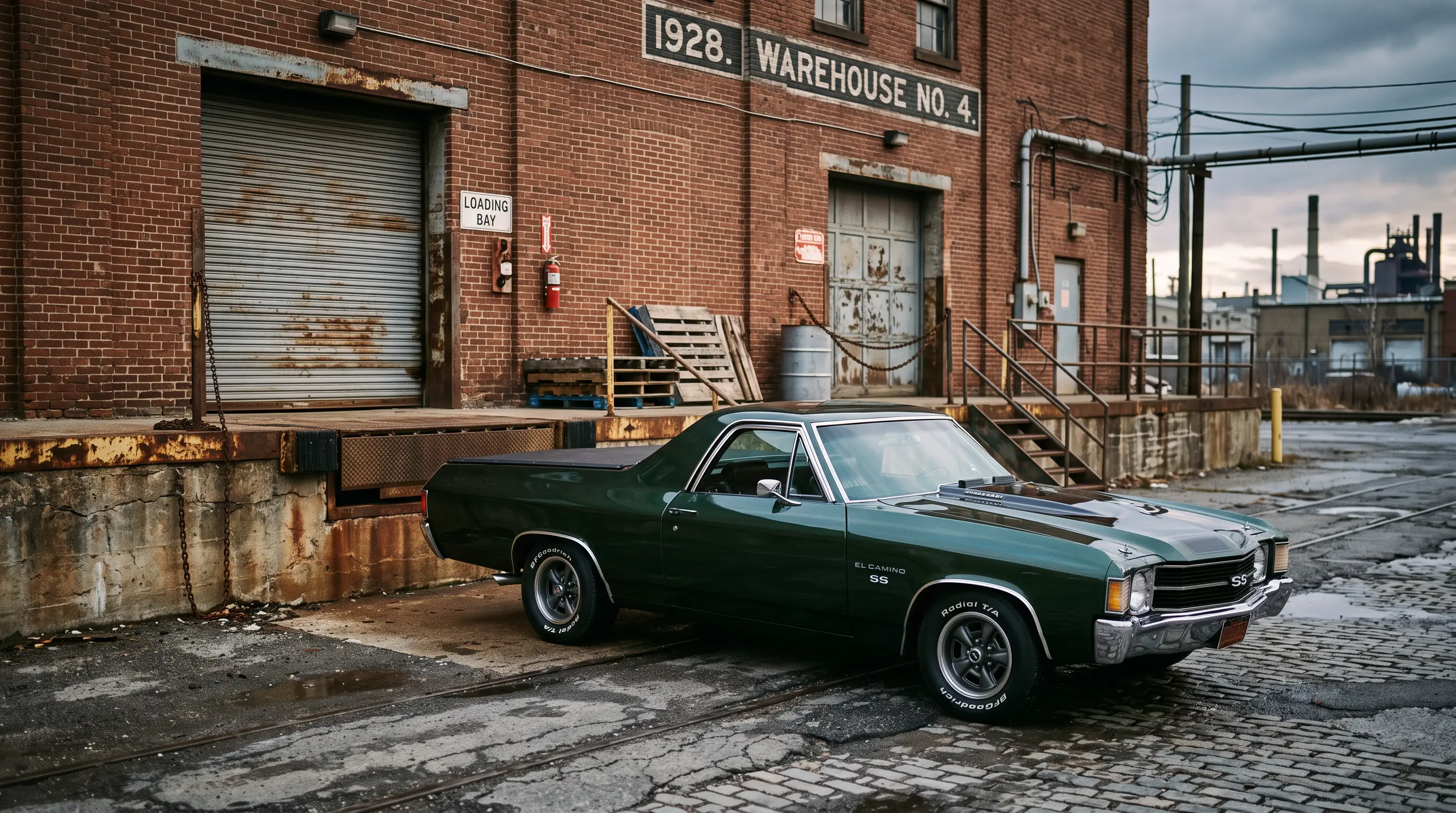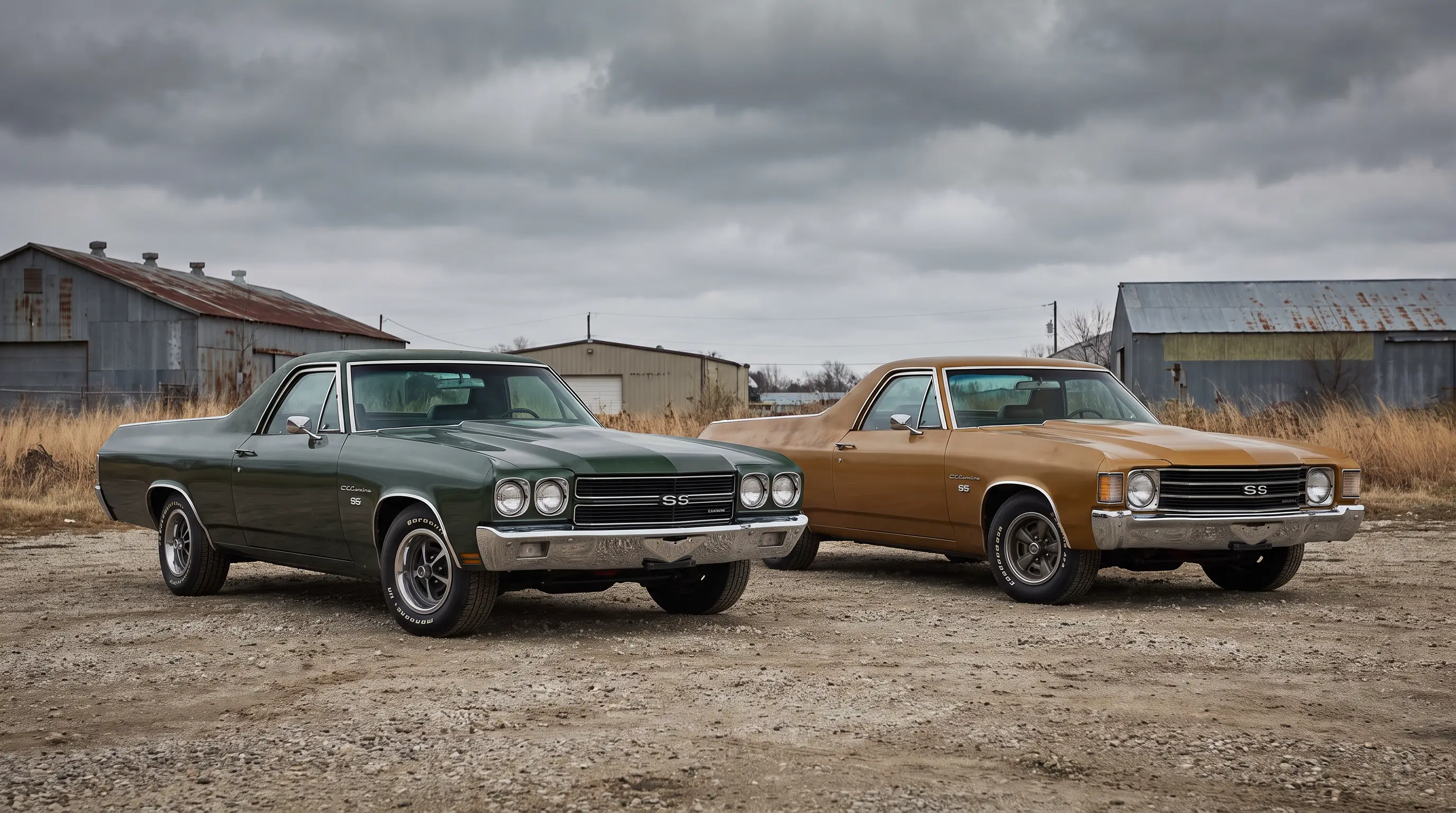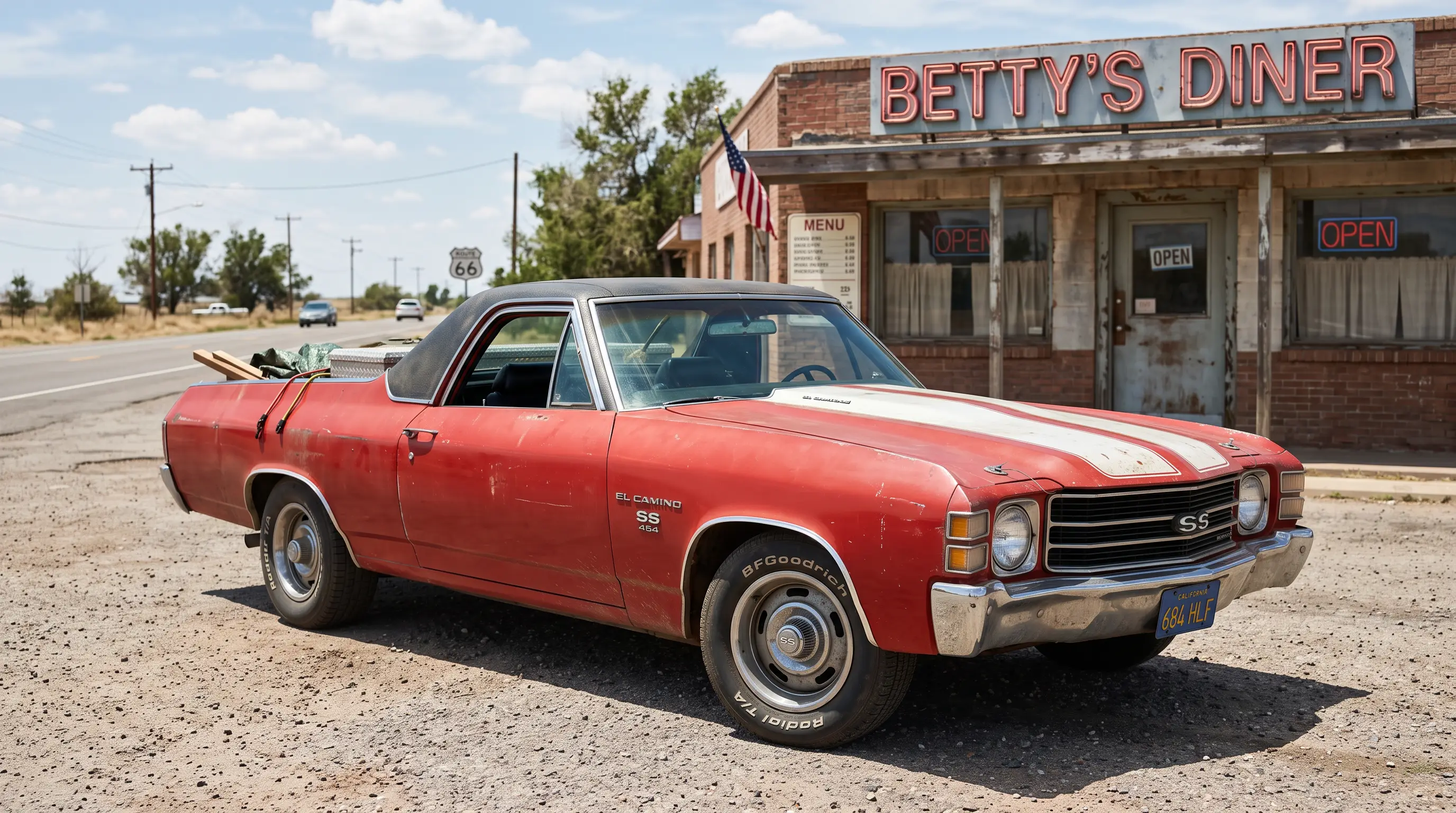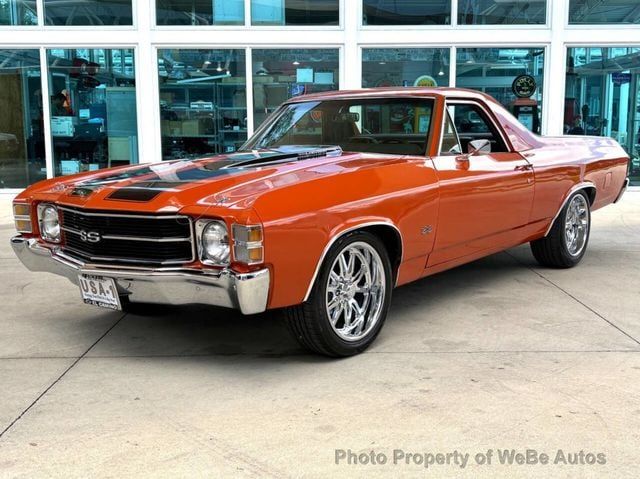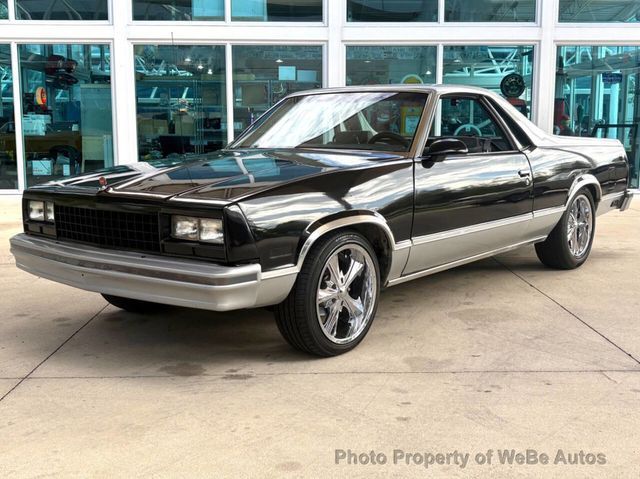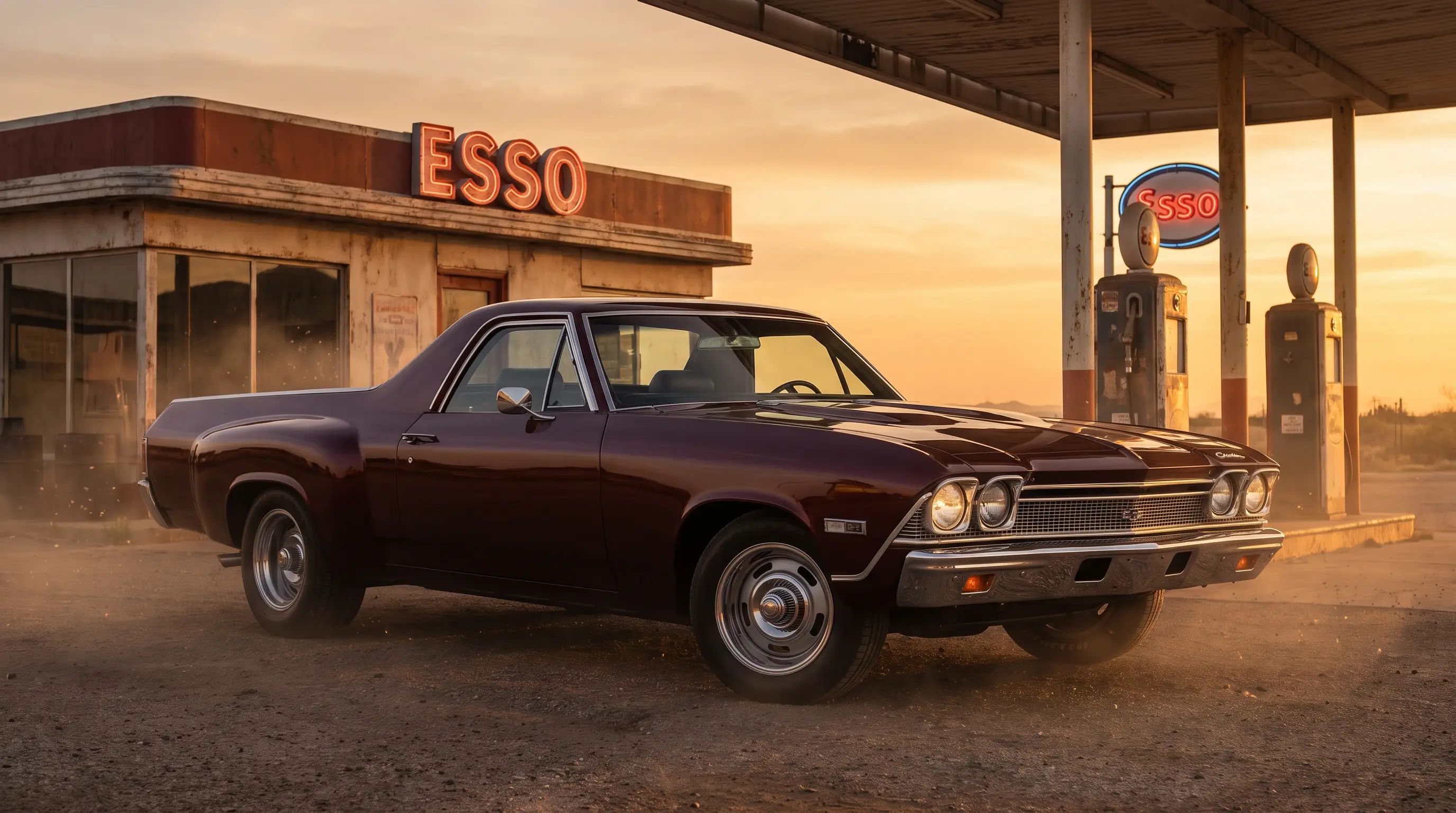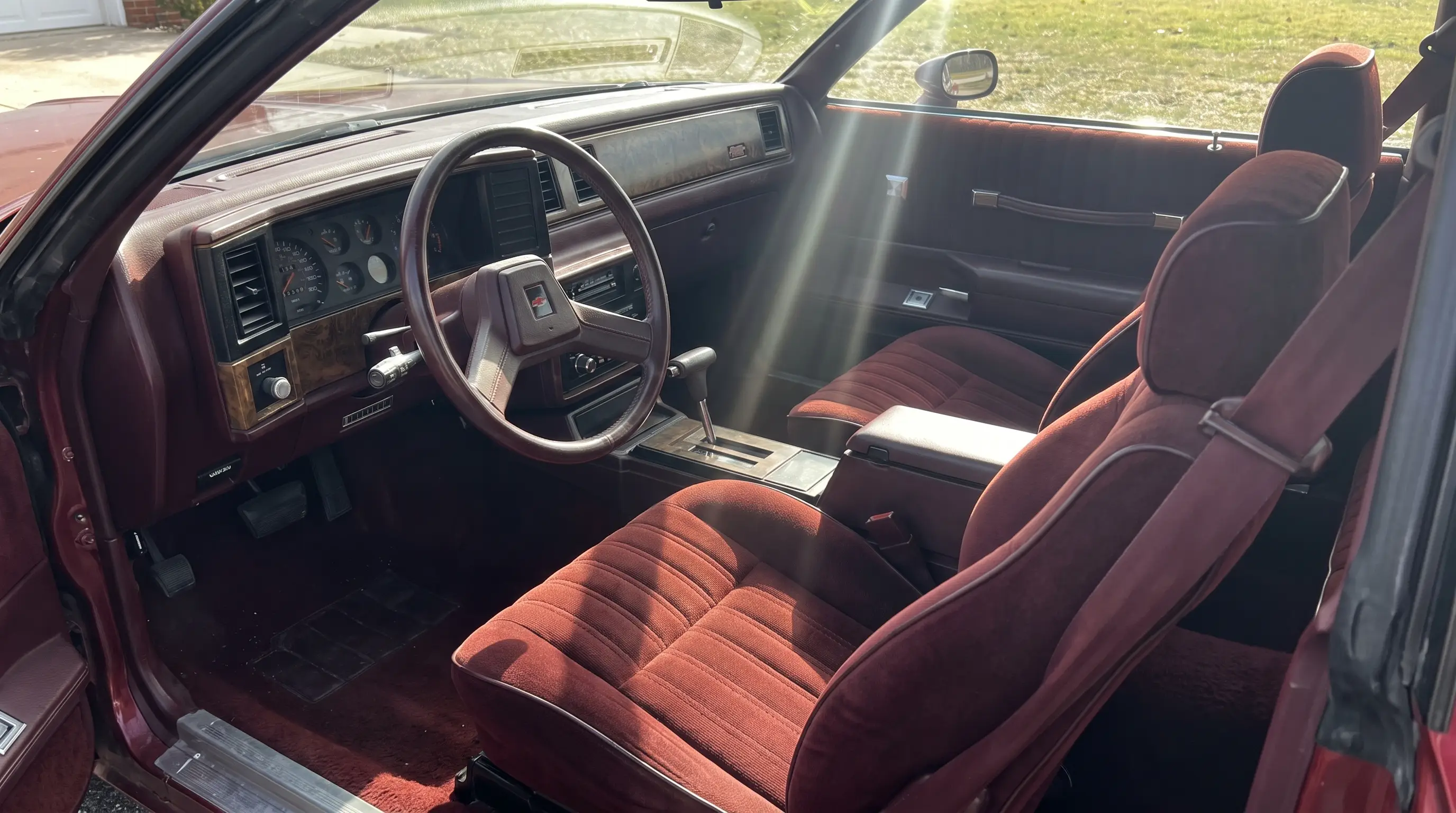
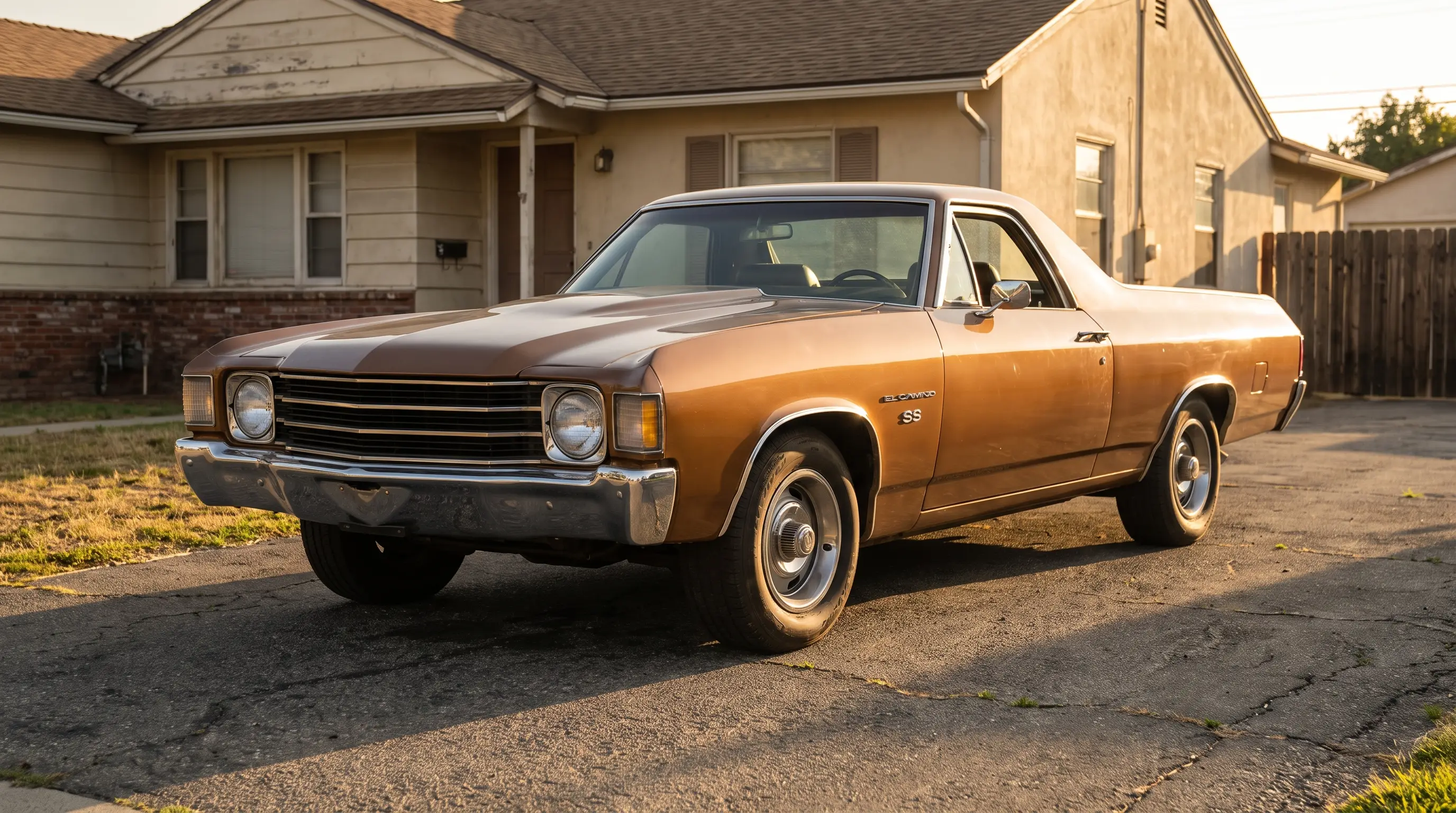
The 1972 El Camino sells at a discount to its 1970 sibling, and that discount does not fully match what the car actually is. Auction results consistently put a well-optioned 1970 SS 454 ahead of an equivalent 1972 on hammer price, though the exact spread varies sale to sale with condition and options, even though the 1972 carries a genuine, distinct claim of its own: it is the last year of its entire body generation. That gap between price and story is exactly what makes the 1972 a bittersweet buy, undervalued relative to its actual significance, priced instead almost entirely on a horsepower number that does not mean what most buyers assume it means.
What the numbers actually show
Pull recent sale results across major auction houses and a clear pattern emerges: buyers pay a premium for the higher gross horsepower figures of 1968-70 and for the quad-headlamp face those years wear, while 1972 examples in comparable condition trail behind by a noticeable margin. That gap holds even when the underlying mechanical package, an SS-optioned 454, is functionally similar between years once you correct for the gross-to-net rating change that hit the whole industry in 1972. In plain terms, the market is pricing a rating-methodology artifact as if it were a real performance gap, and that mispricing is the opportunity a value-conscious buyer can exploit.
Production numbers add another layer worth knowing before you shop, and they cut against the usual assumption. Chevrolet actually built more El Caminos in 1972, roughly 57,100, than it did in 1970, when total output ran around 47,700. So the discount here cannot be explained by 1972 being the scarcer overall car. What factory records do not break out is how many of either year's production carried the SS option specifically, so no reliable survivor count exists for that narrower slice. The bittersweet framing in the title rests on the horsepower-rating mispricing, not on total-production scarcity.
| Factor | 1970 | 1972 |
|---|---|---|
| Typical auction premium | Higher | Lower |
| Horsepower rating basis | Gross | Net |
| Generational significance | Near the muscle-era peak | Final year of the body style |
Why the discount exists in the first place
Market pricing on collector cars follows perception more than it follows a careful audit of production data, and the perception here is straightforward: a bigger number on a window sticker reads as a better car, full stop, regardless of what that number is actually measuring. Most casual buyers never learn the gross-to-net story, so they see 270 net horsepower next to 360 gross horsepower and conclude the 1972 lost a hundred horses somewhere along the way. That misreading has shaped auction results for decades, and it is slow to correct itself because most sale listings do not explain the rating change either.
Add the less dramatic single-headlamp face to that horsepower perception gap, and you get a car that looks less aggressive and sounds less powerful on paper than its immediate predecessor, even though neither difference reflects a real gap in what the car actually delivers on the road.
"Every mispricing in this hobby comes from buyers reacting to a number without asking what the number is actually measuring. The 1972 El Camino is a textbook case."
- David Mercer
How this compares to other undervalued muscle-era years
The 1972 is not the only example of a rating-driven discount in this era of American performance cars. Nearly every 1972 model across GM's intermediate lineup took a similar paper hit from the same gross-to-net switch, and several of those cars have already seen their discounts narrow as buyers caught up with the history. The El Camino has lagged that broader correction somewhat, partly because trucks and utility-bodied coupes generally draw a smaller, slower-moving collector base than two-door hardtops from the same era, which means price discovery here simply takes longer to catch up with the underlying facts.
That lag is itself part of the opportunity. A correction that has already happened in a more actively traded segment offers less room to move. A correction that has not yet happened in a thinner, slower market still has room to run, assuming the underlying facts eventually reach enough buyers to matter. Nothing about that assumption is guaranteed, and thin markets can also stay mispriced indefinitely if the buyer base never grows large enough to force a correction.
The buy case, plainly stated
For a buyer who wants genuine period-correct SS performance without paying the premium that 1970 and 1971 examples command, a documented 1972 is a reasonable buy today, provided the paperwork confirms the option codes and the car is not simply wearing reproduction badging over a base model. The end-of-generation argument, being the last car of this body style rather than one more year in an undifferentiated run, has not yet been fully priced in by the broader market, which is exactly the kind of gap value-focused buyers should pay attention to before it closes.
The case against buying is equally plain: if resale liquidity matters more to you than long-term appreciation potential, the market's current preference for 1970 and 1971 examples is a real fact you have to work against, not a mispricing you can count on correcting during your ownership window. Read read the background on the model year for the fuller context behind these numbers before you commit.
What to check before buying
Confirm the SS option codes against a factory build sheet or invoice rather than trusting badging alone, since reproduction trim has circulated long enough that badges prove very little by themselves. Compare any advertised horsepower figure against the correct net-versus-gross baseline for the specific year rather than assuming a bigger number always means a stronger engine. And weigh the car's genuine end-of-generation status as a real, if underpriced, part of its story rather than a footnote, because that status is not going to become less true as more of these cars are documented and understood correctly by the wider market.
Bottom line: buy a documented 1972 if you want the story and the end-of-generation significance at a fair price today, and go in with clear eyes if resale speed matters more than long-term value. Either way, start your search at find a classic El Camino and insist on paperwork before you write a check.
Timing the market correctly
Corrections like this one, driven by a growing awareness of a rating-system quirk rather than by any change in the car itself, tend to move slowly and then all at once, once a critical mass of buyers understands the underlying story well enough to change their bidding behavior. There is no reliable way to call the exact moment that shift happens, and buyers hoping to flip a 1972 for a quick profit should not count on a fast correction. The more durable case for buying now is simpler and less dependent on timing: you get genuine SS-era hardware and a real end-of-generation story, at a price that has not yet caught up with either fact. Whether the broader market ever fully closes that gap is a separate question from whether the car is worth owning on its own terms today.