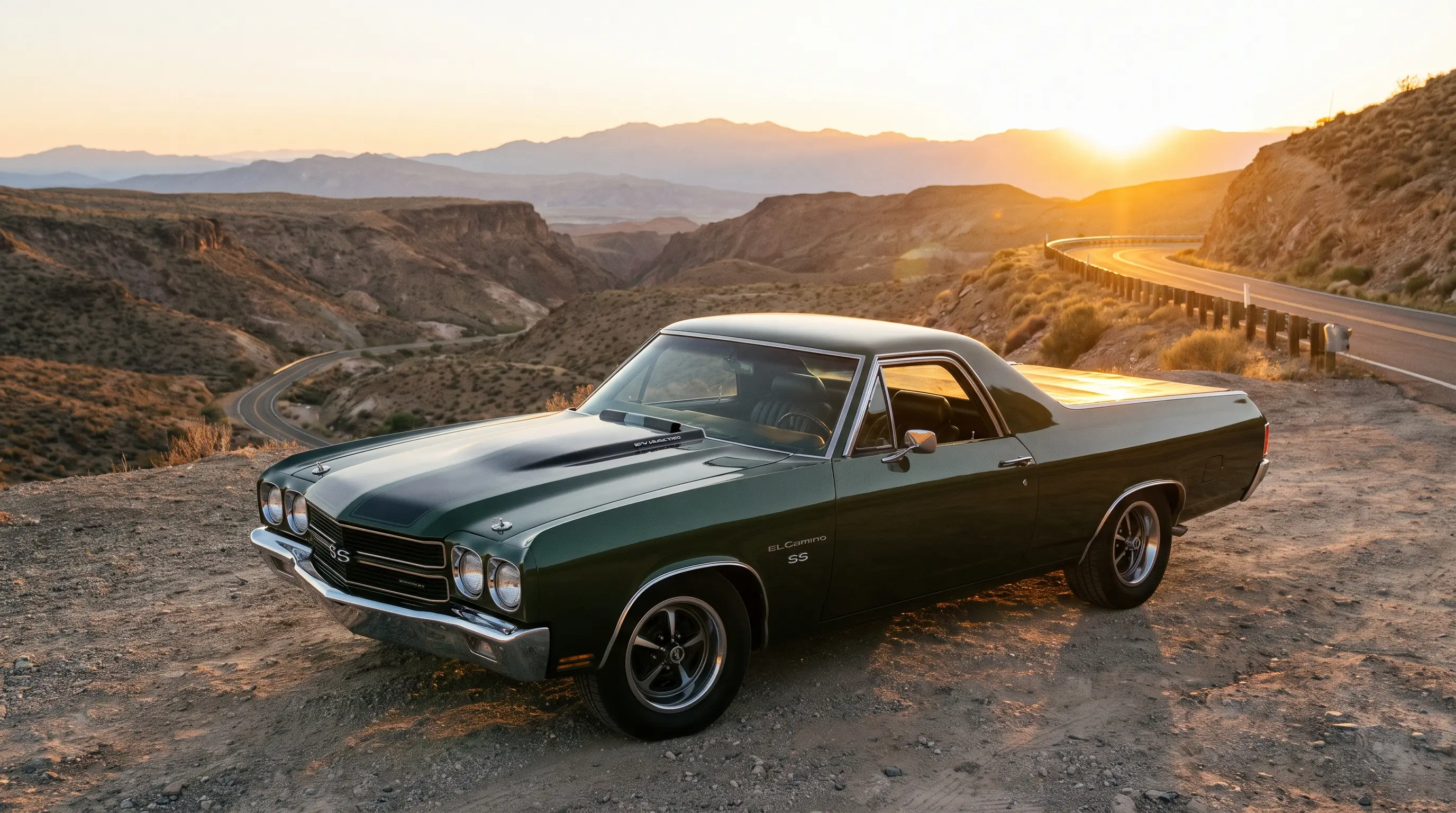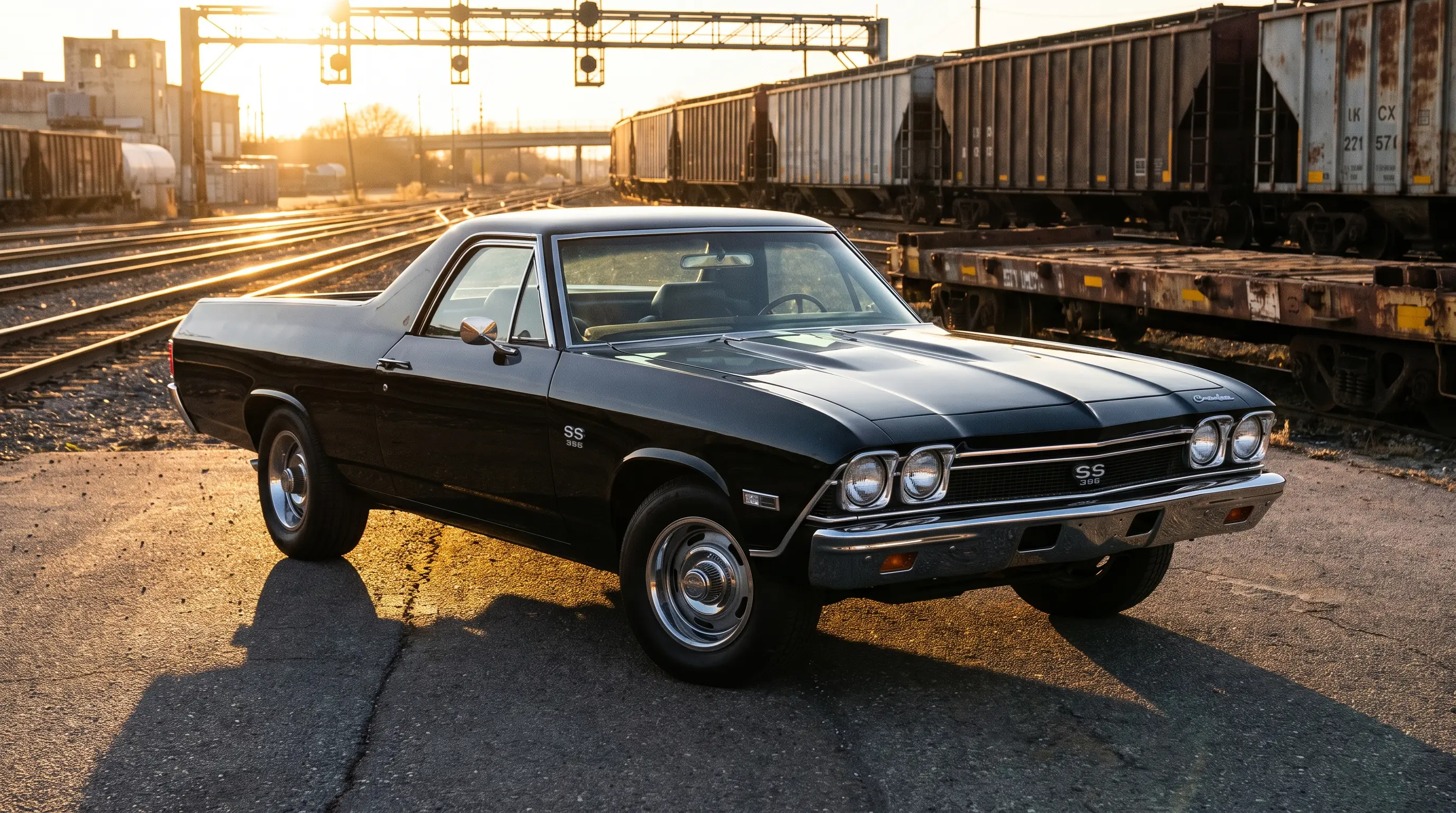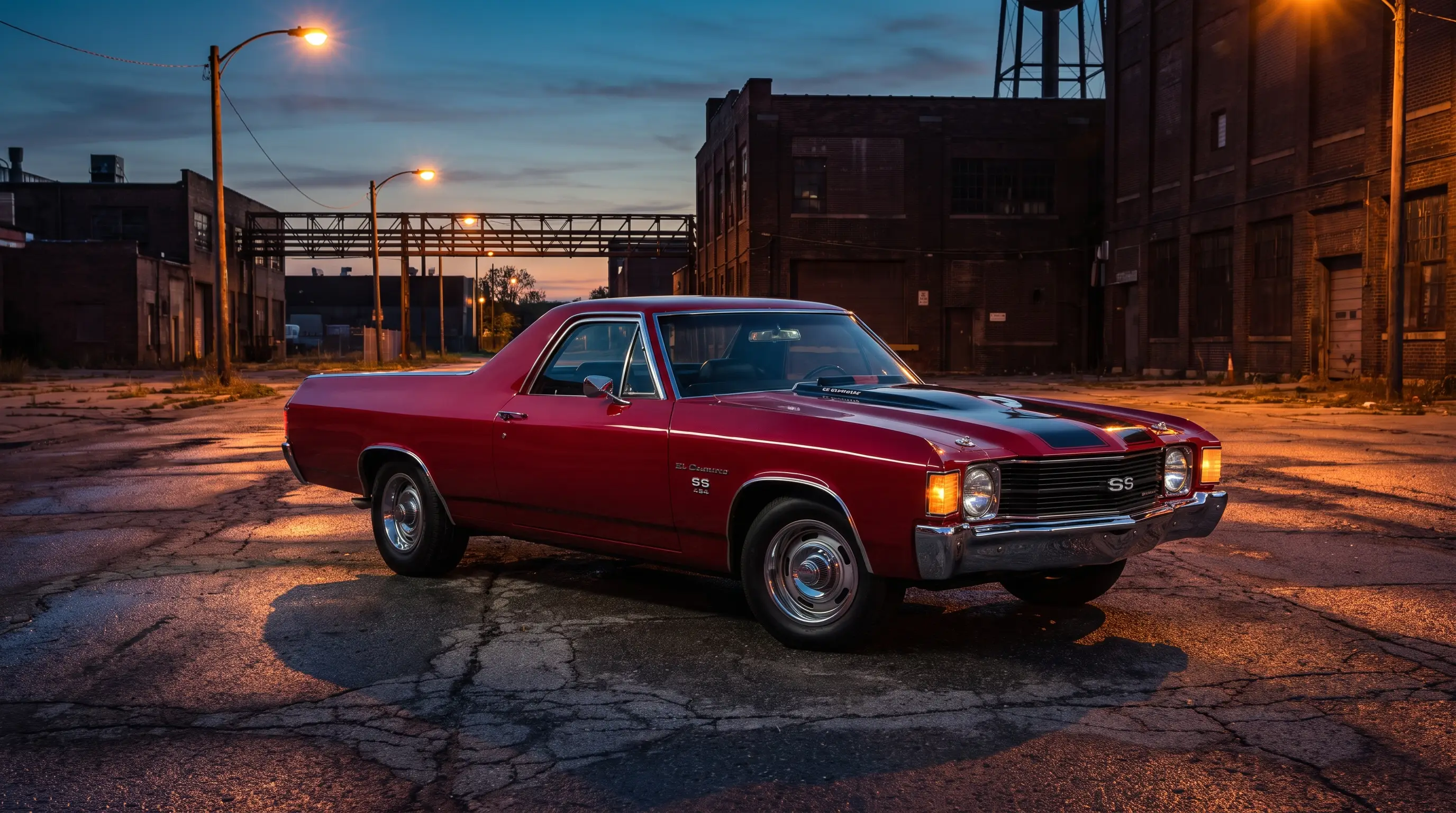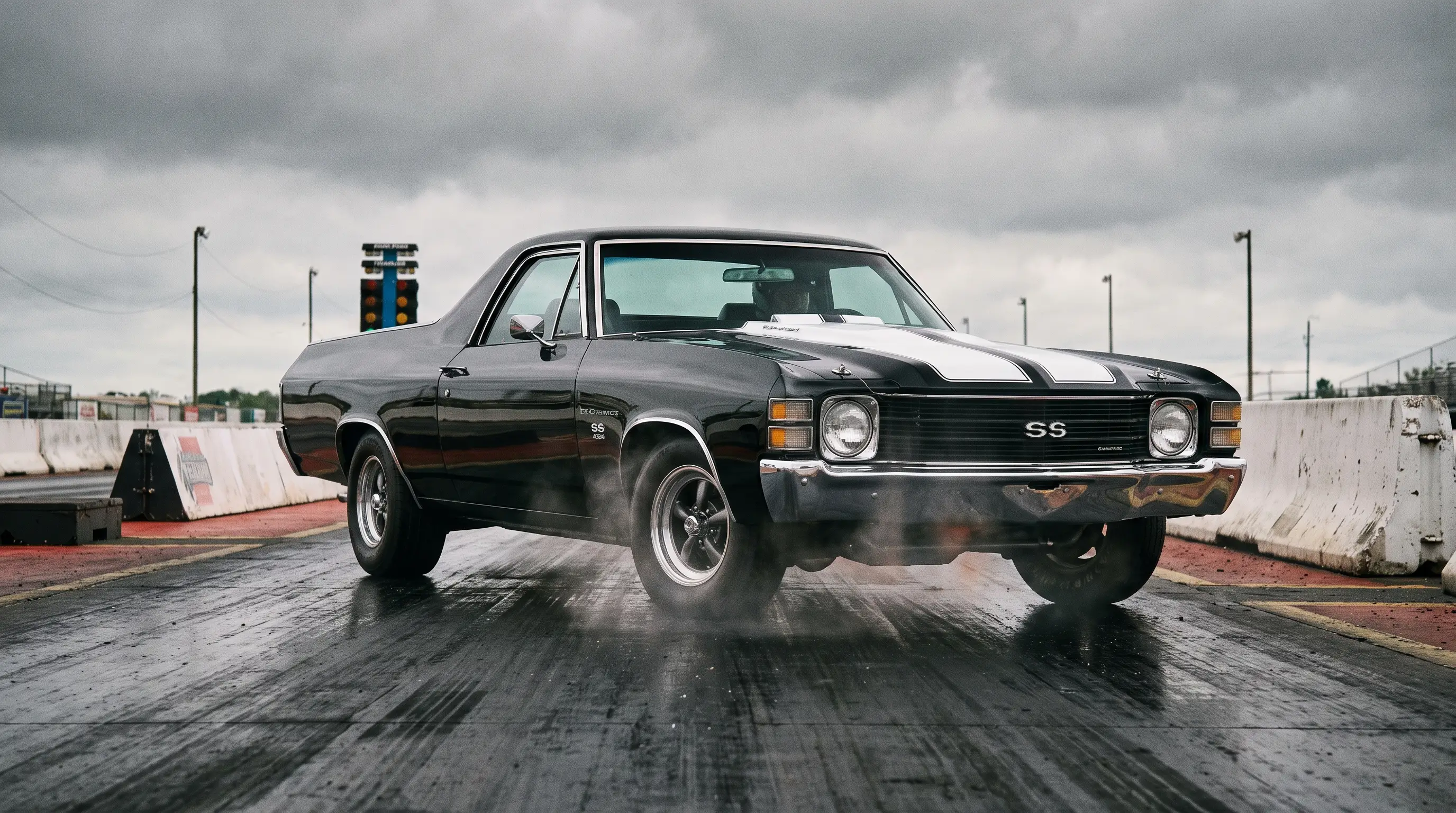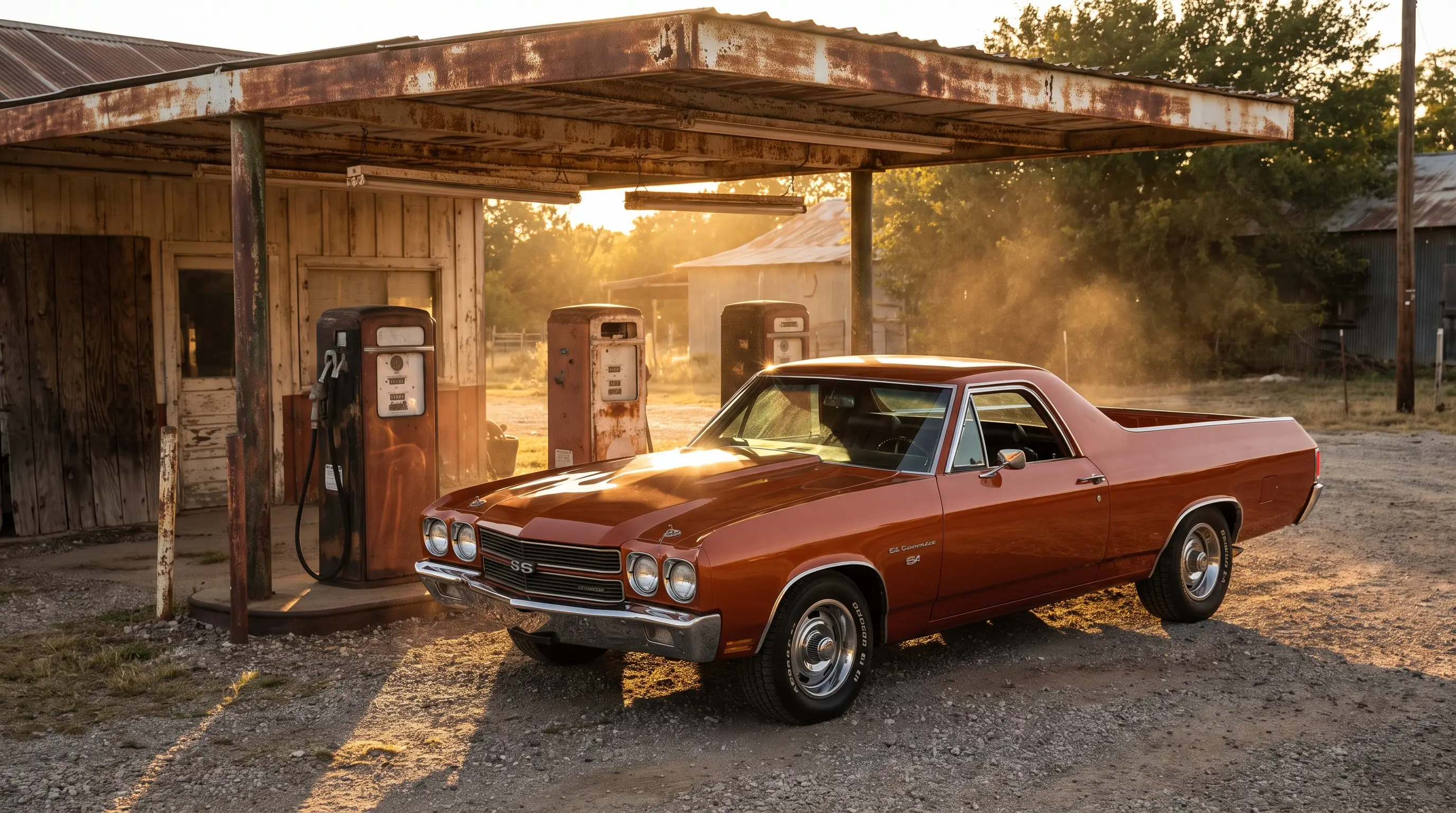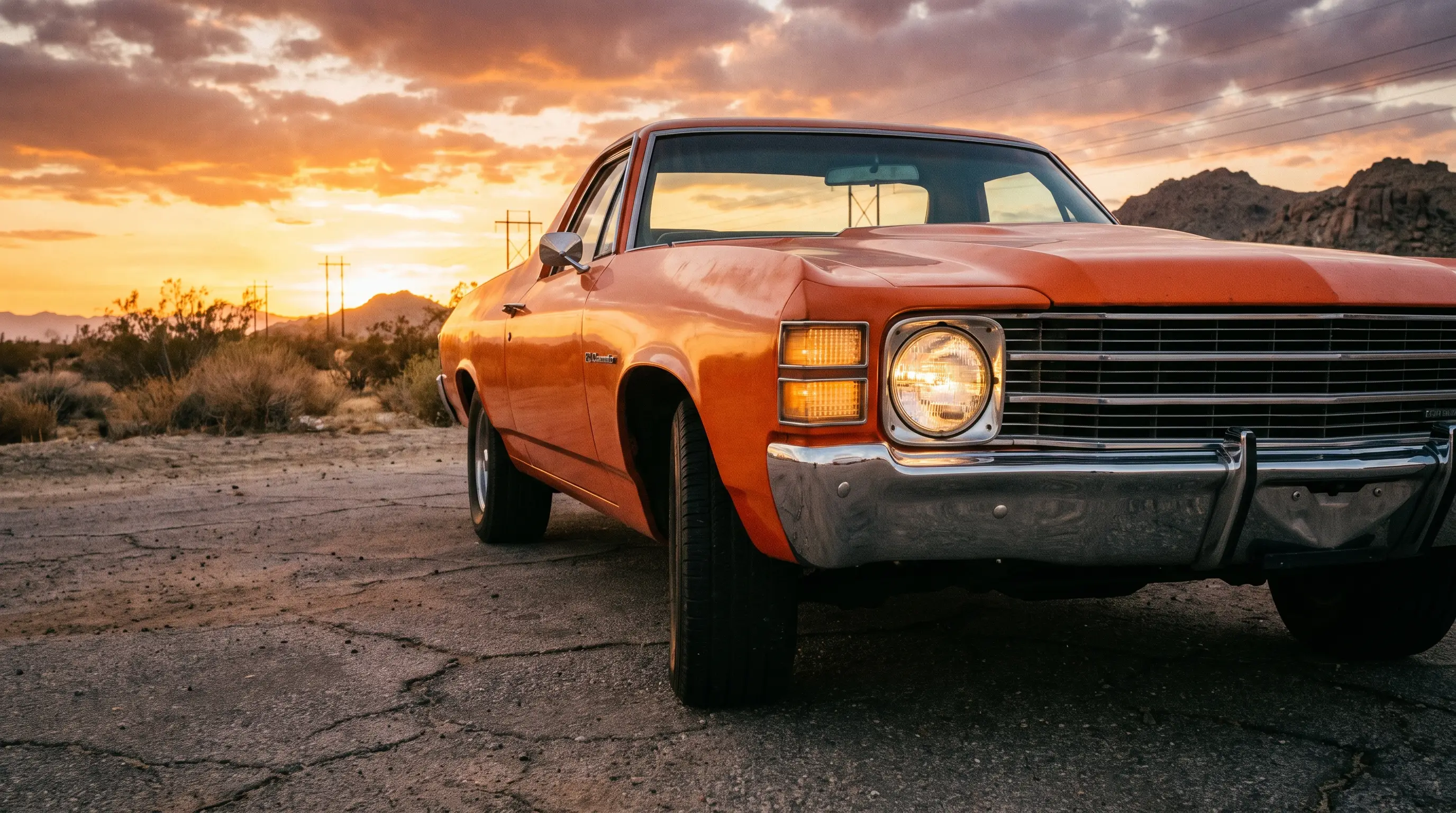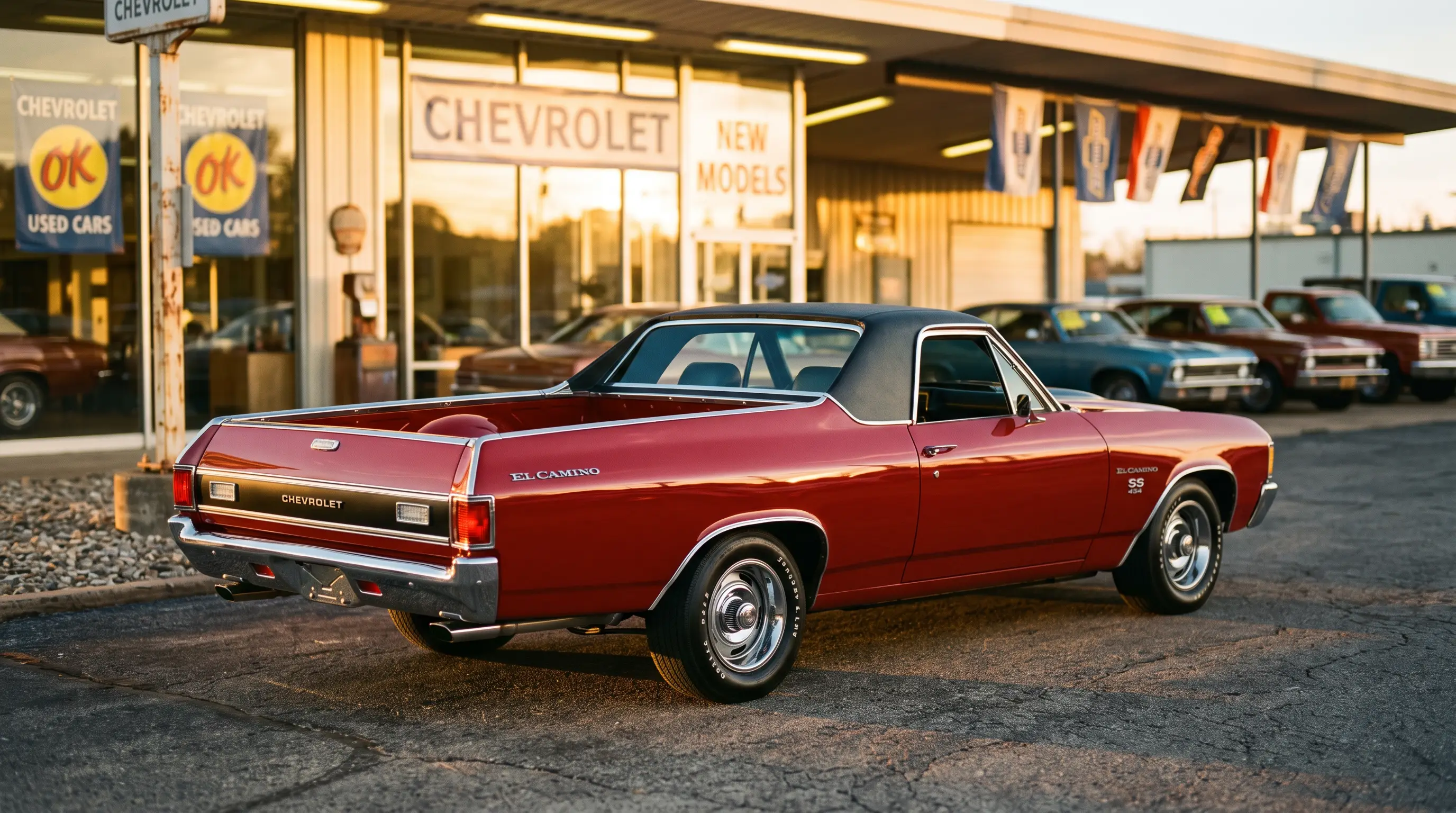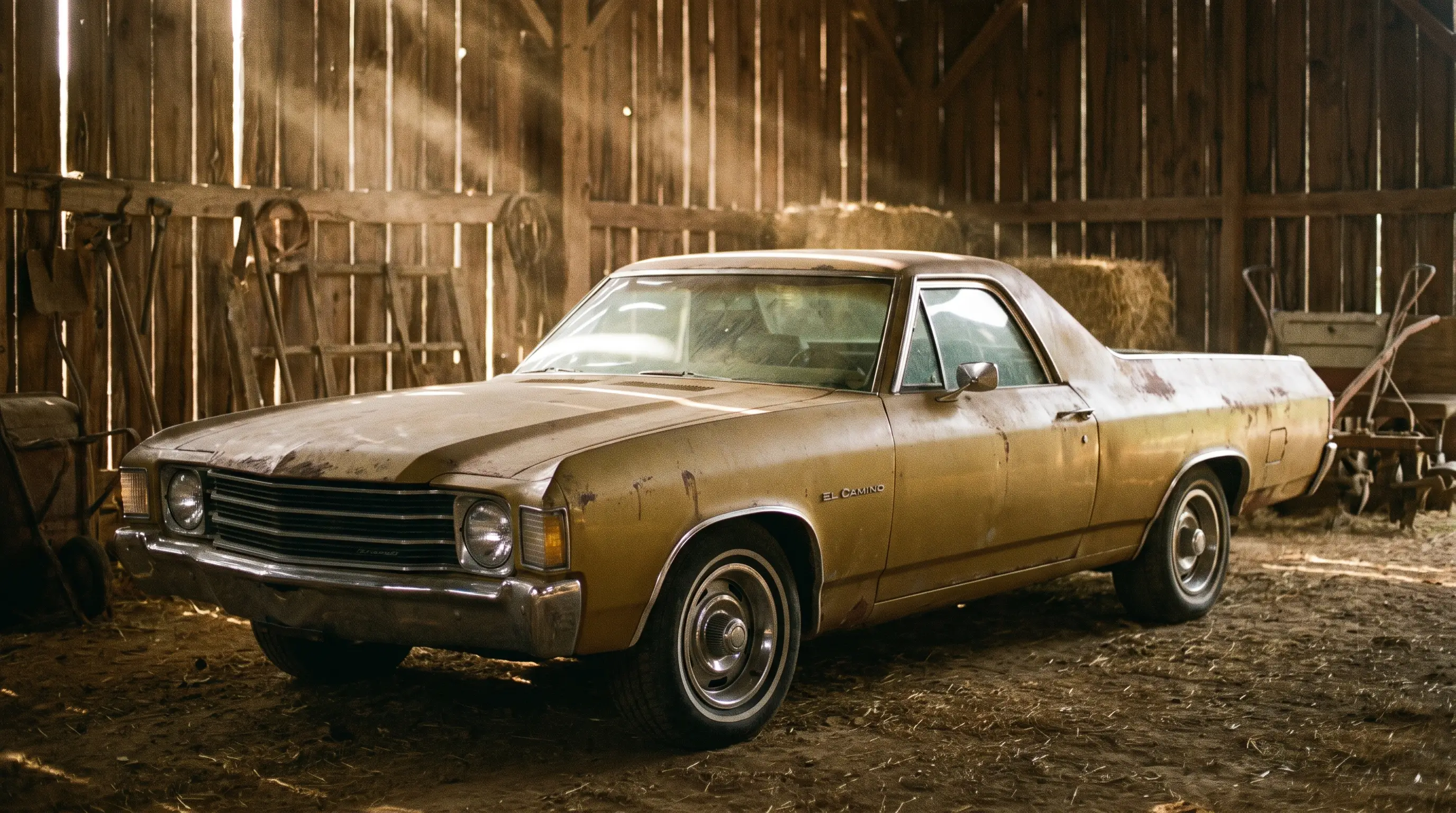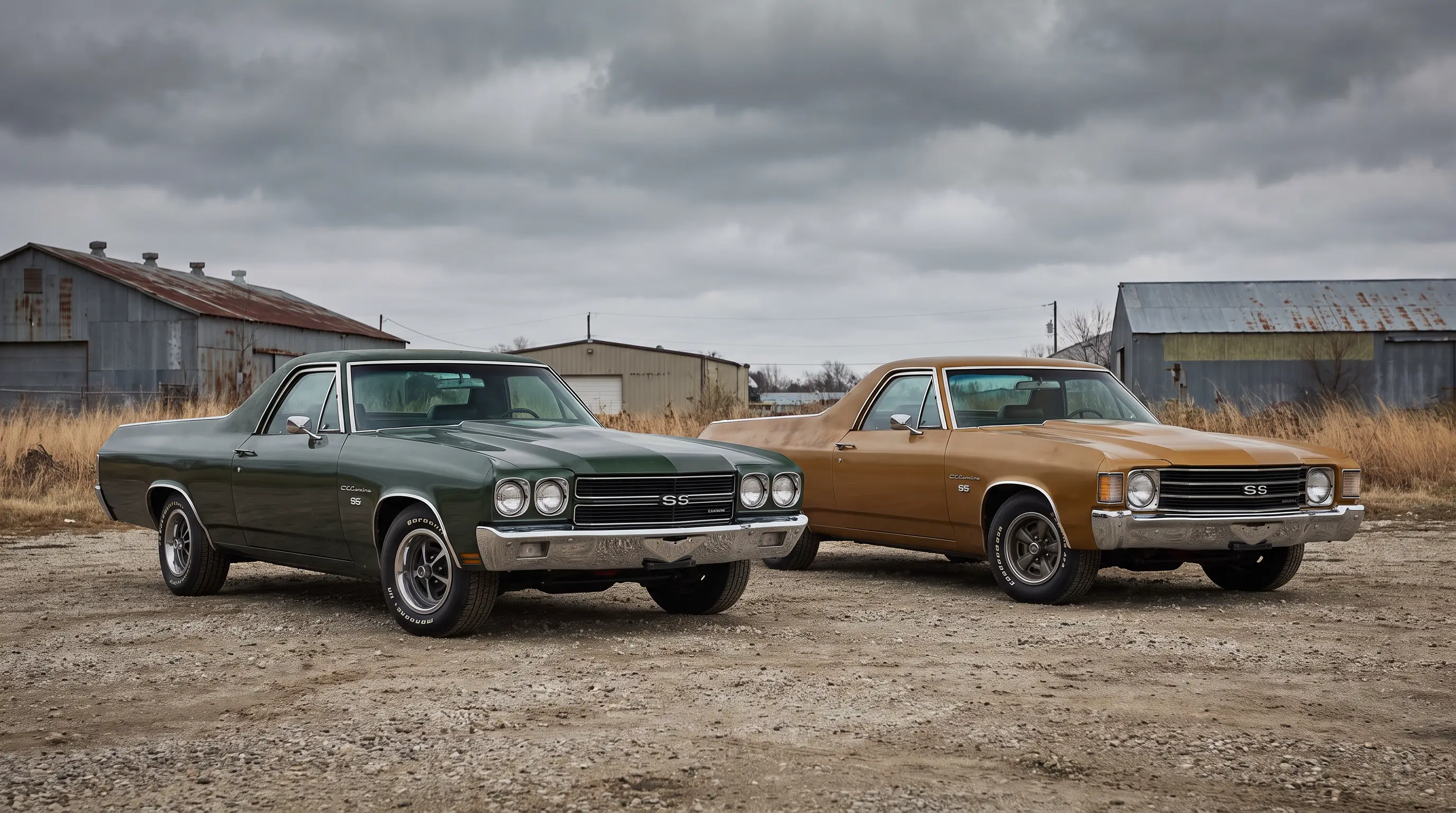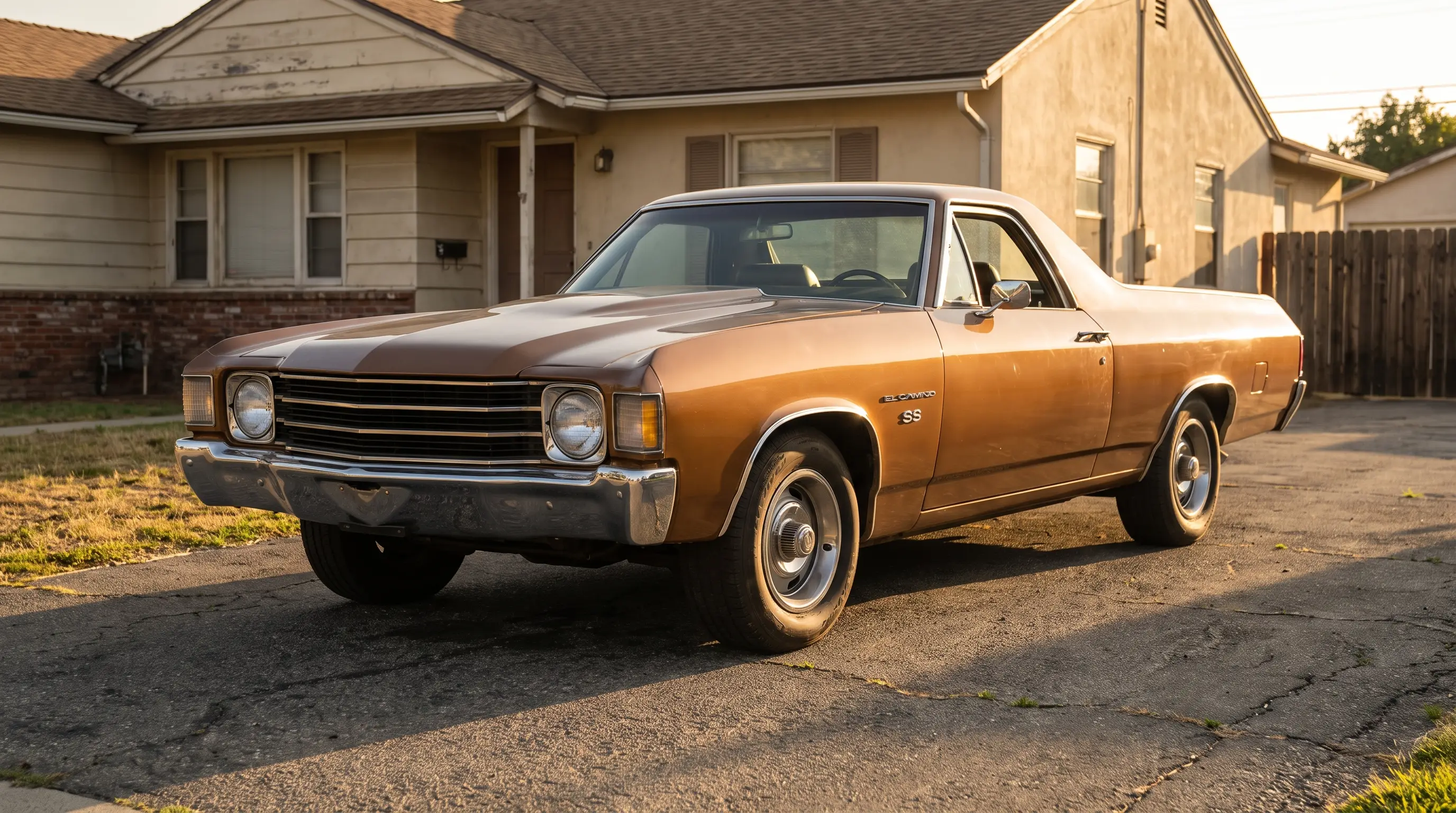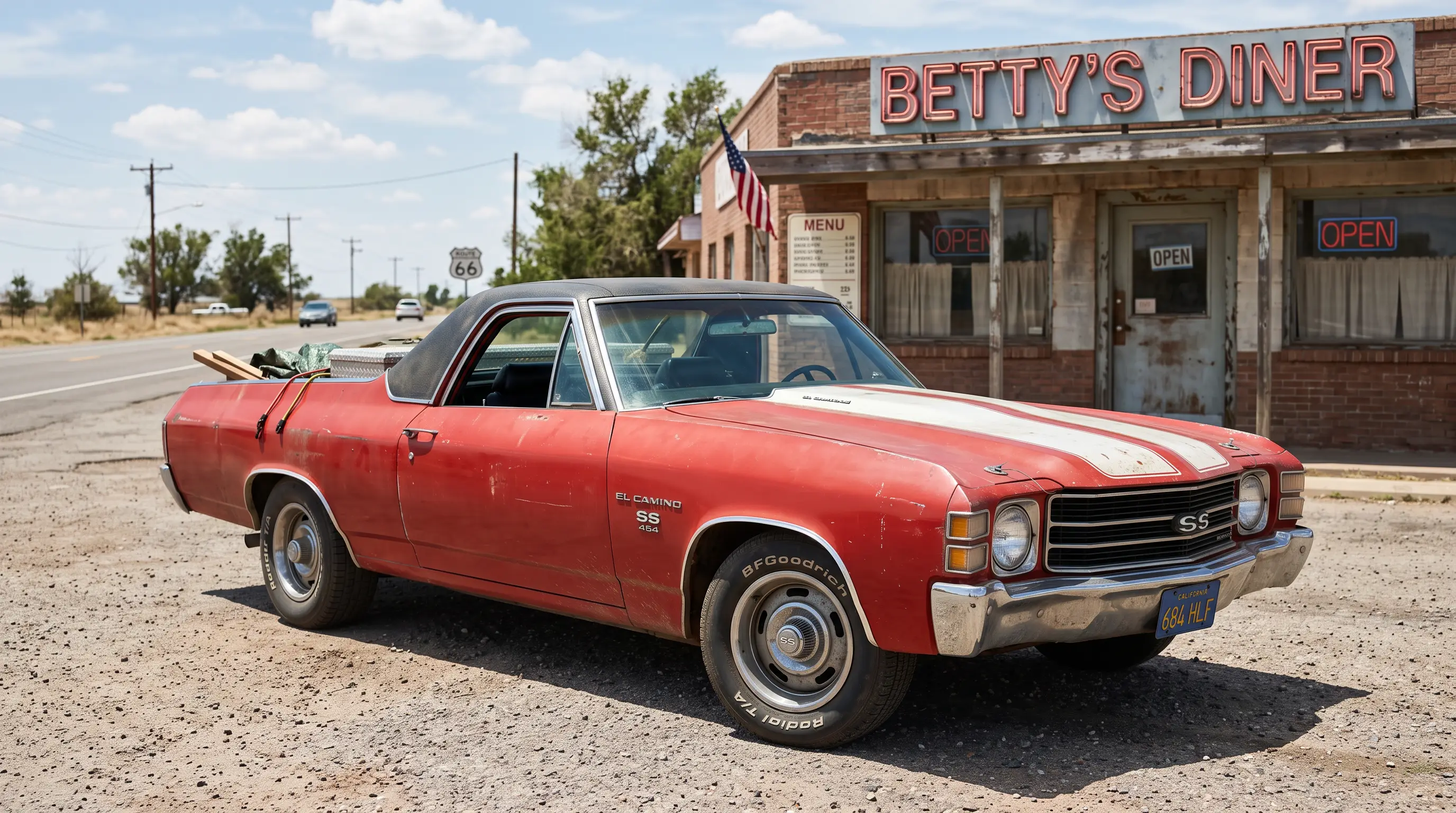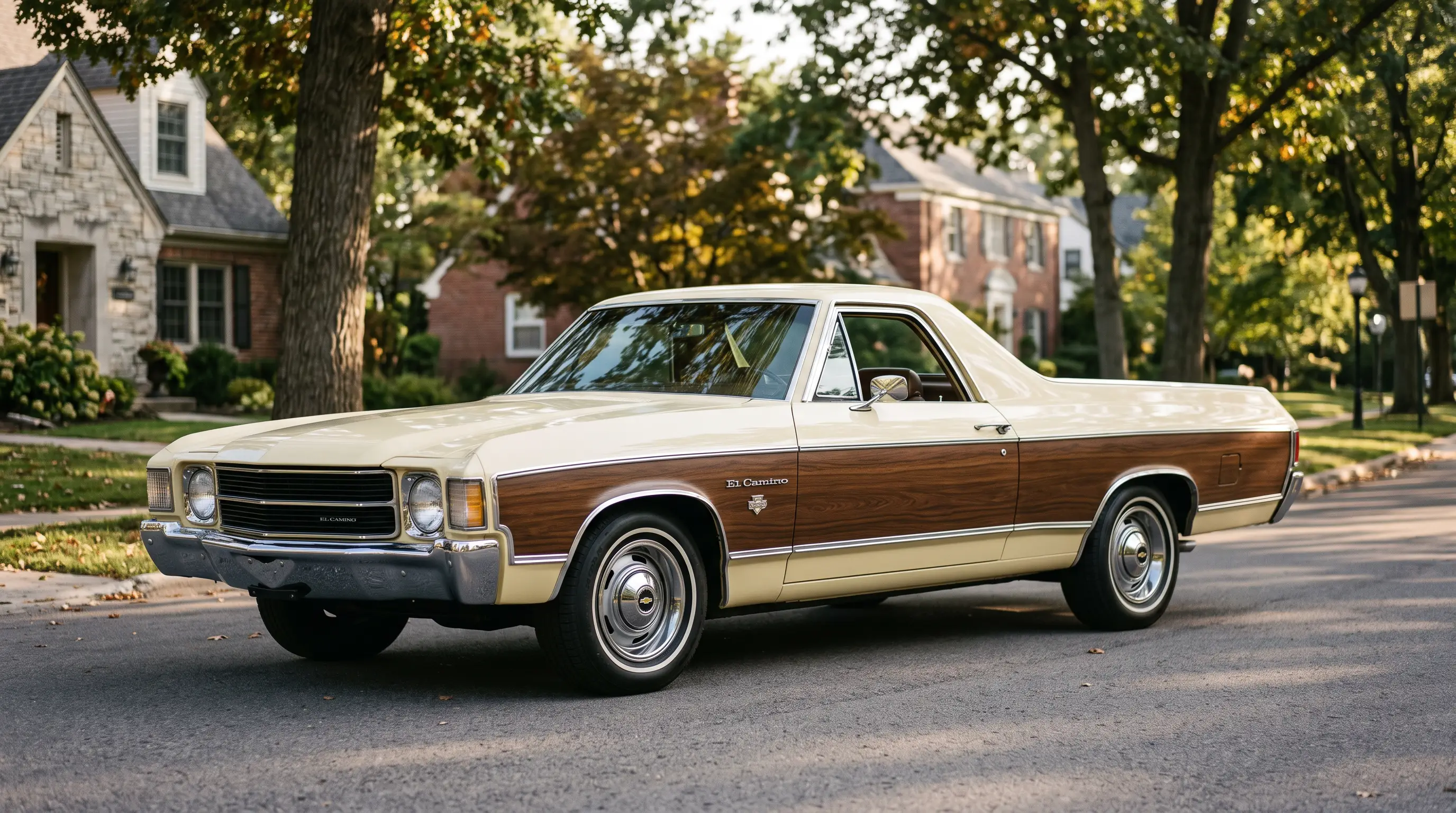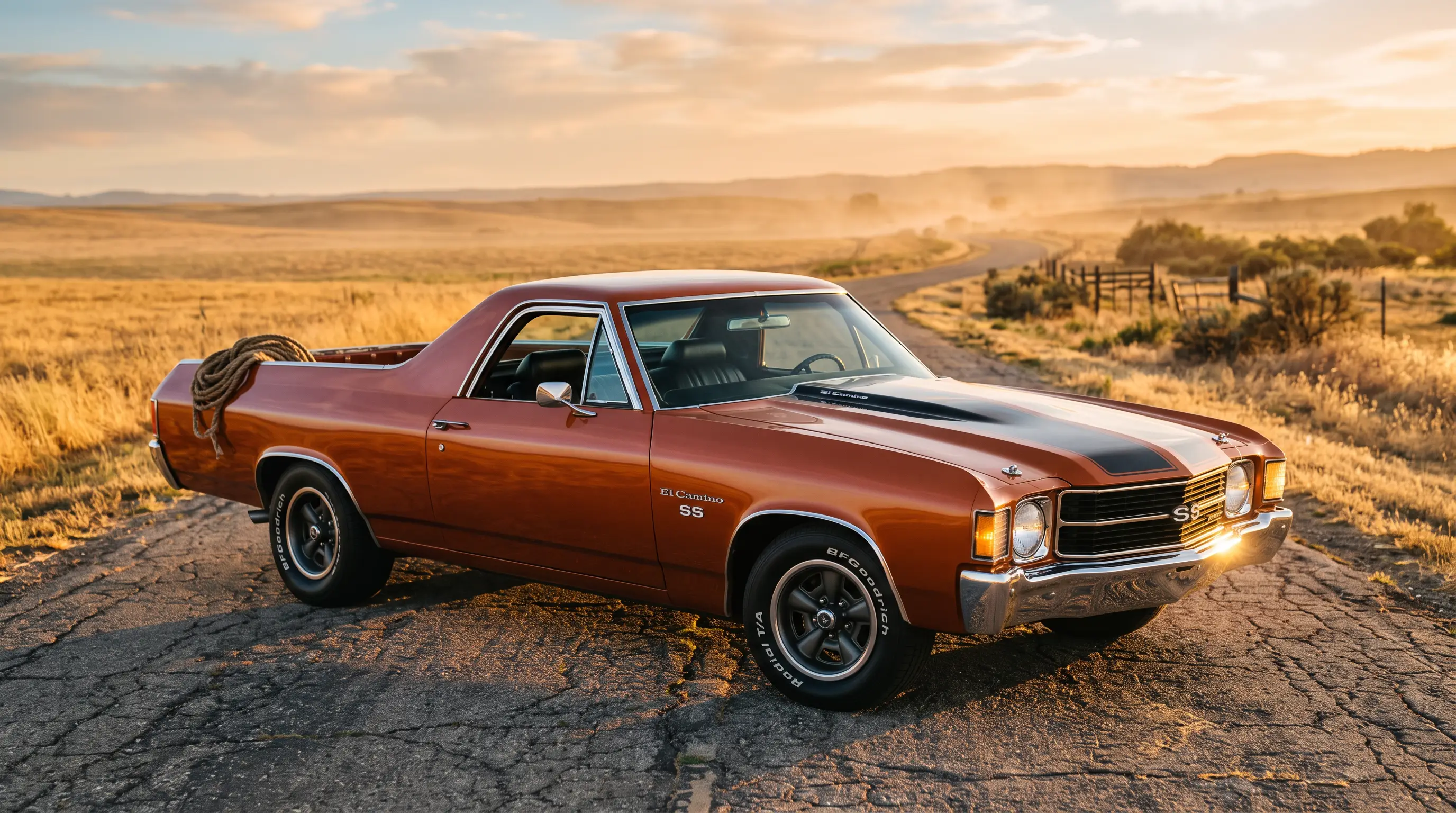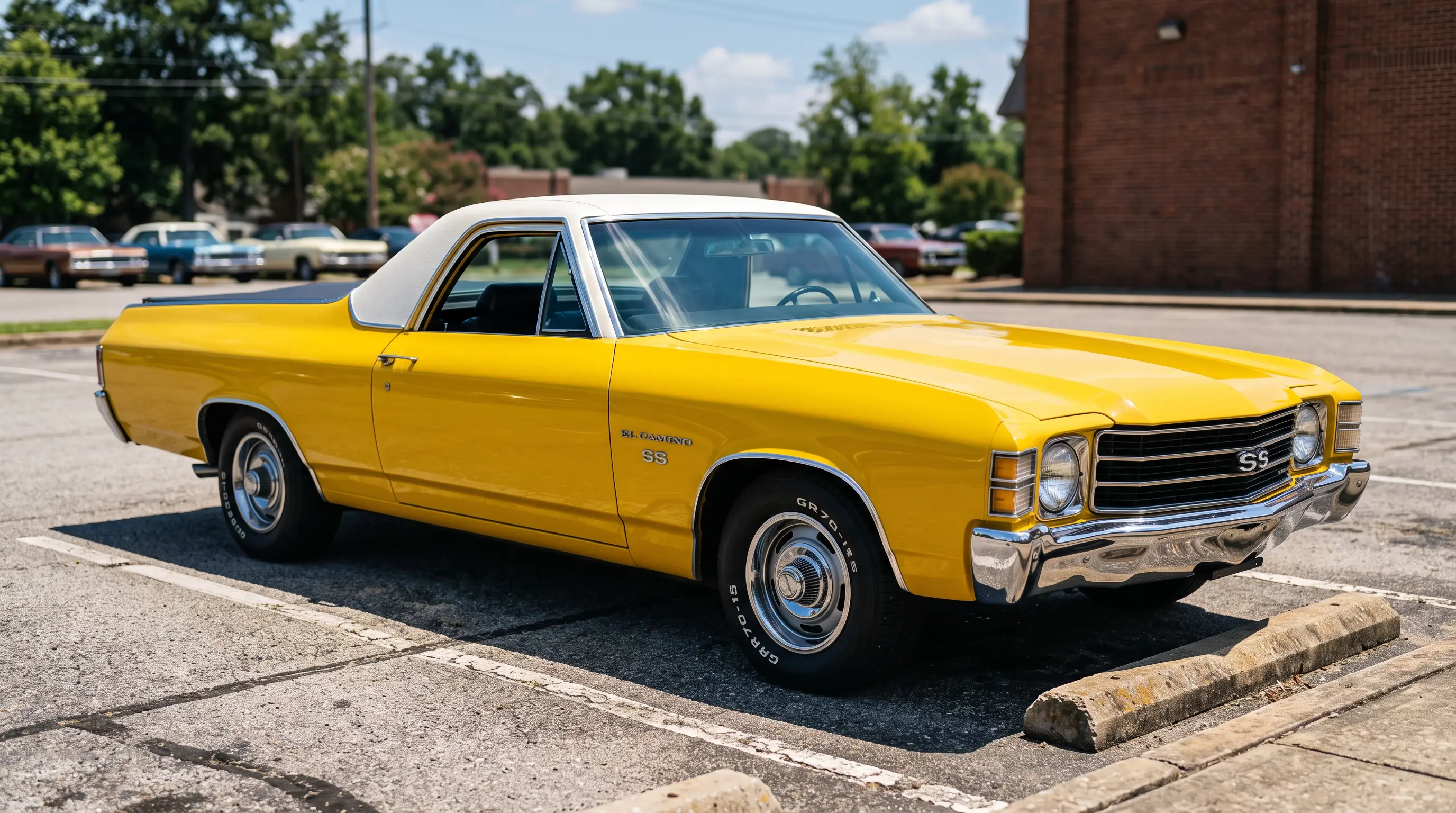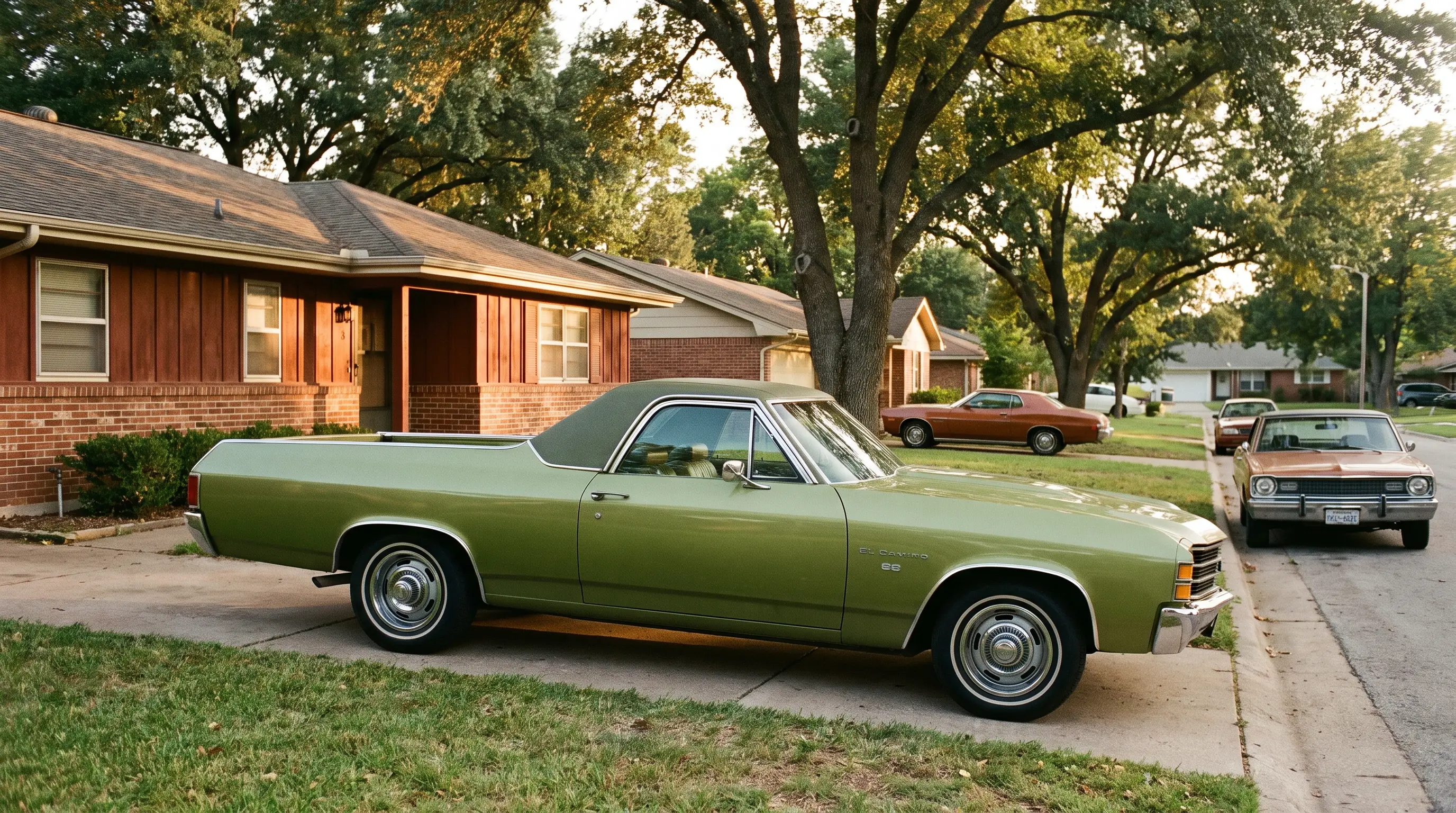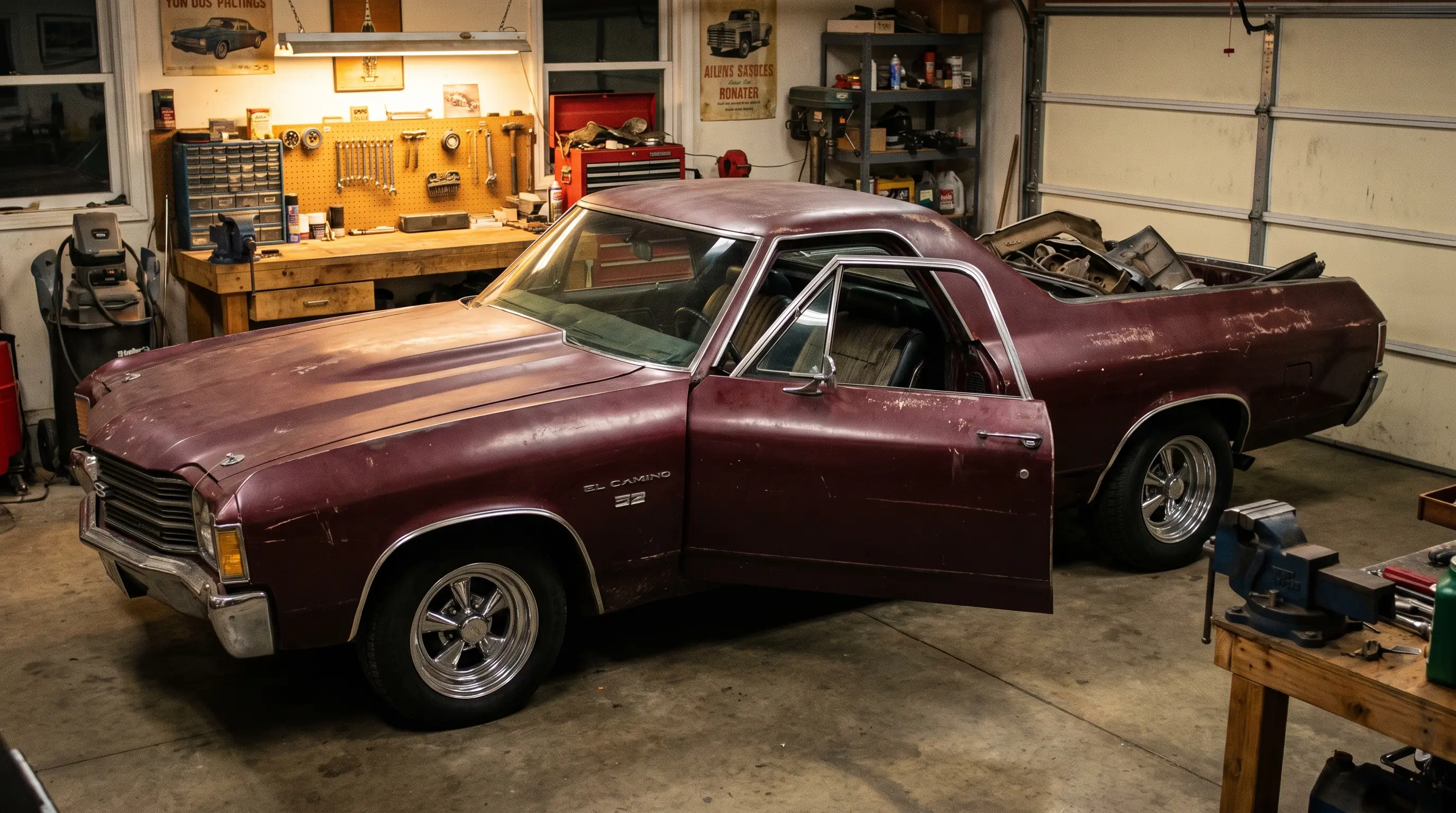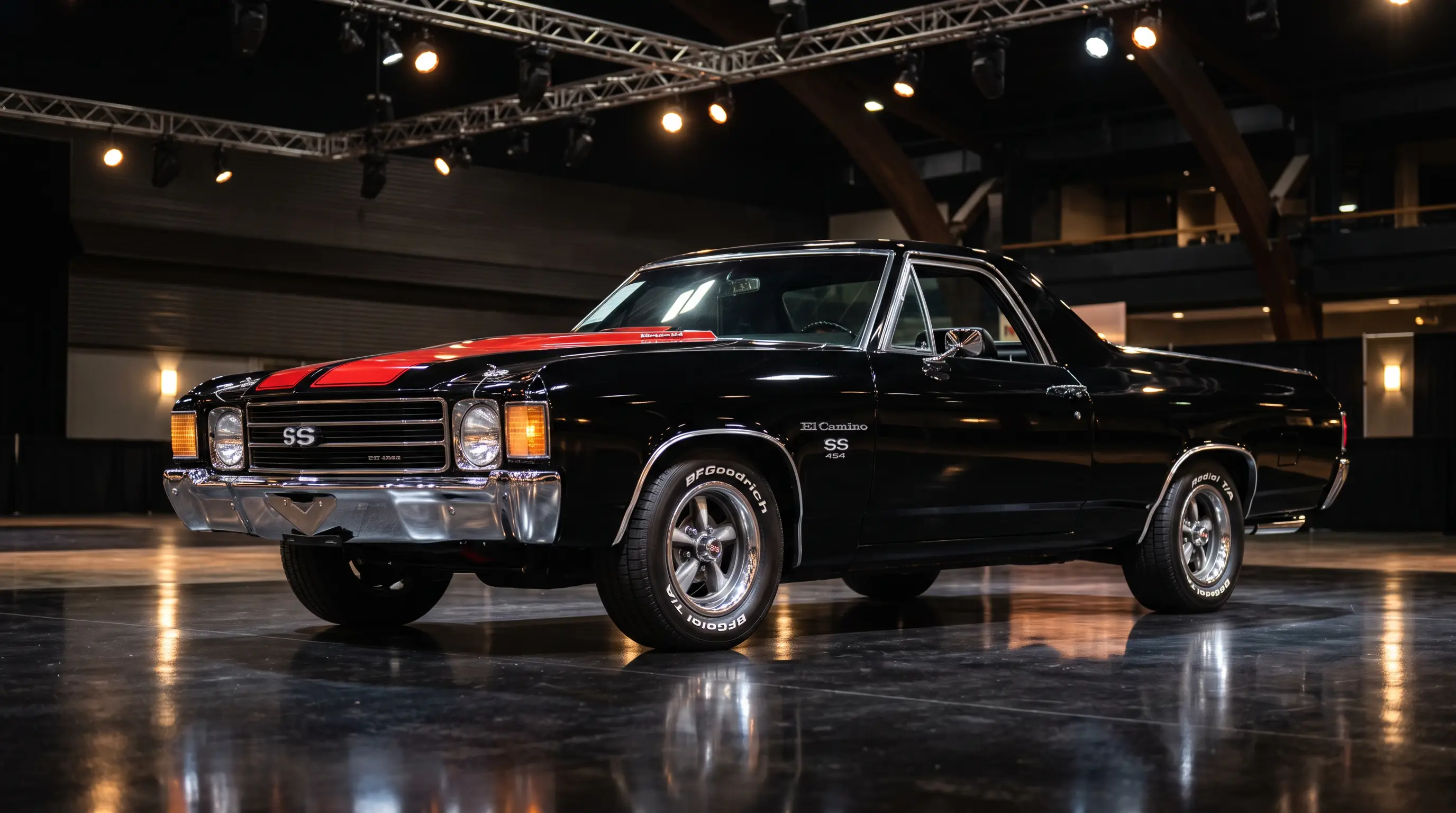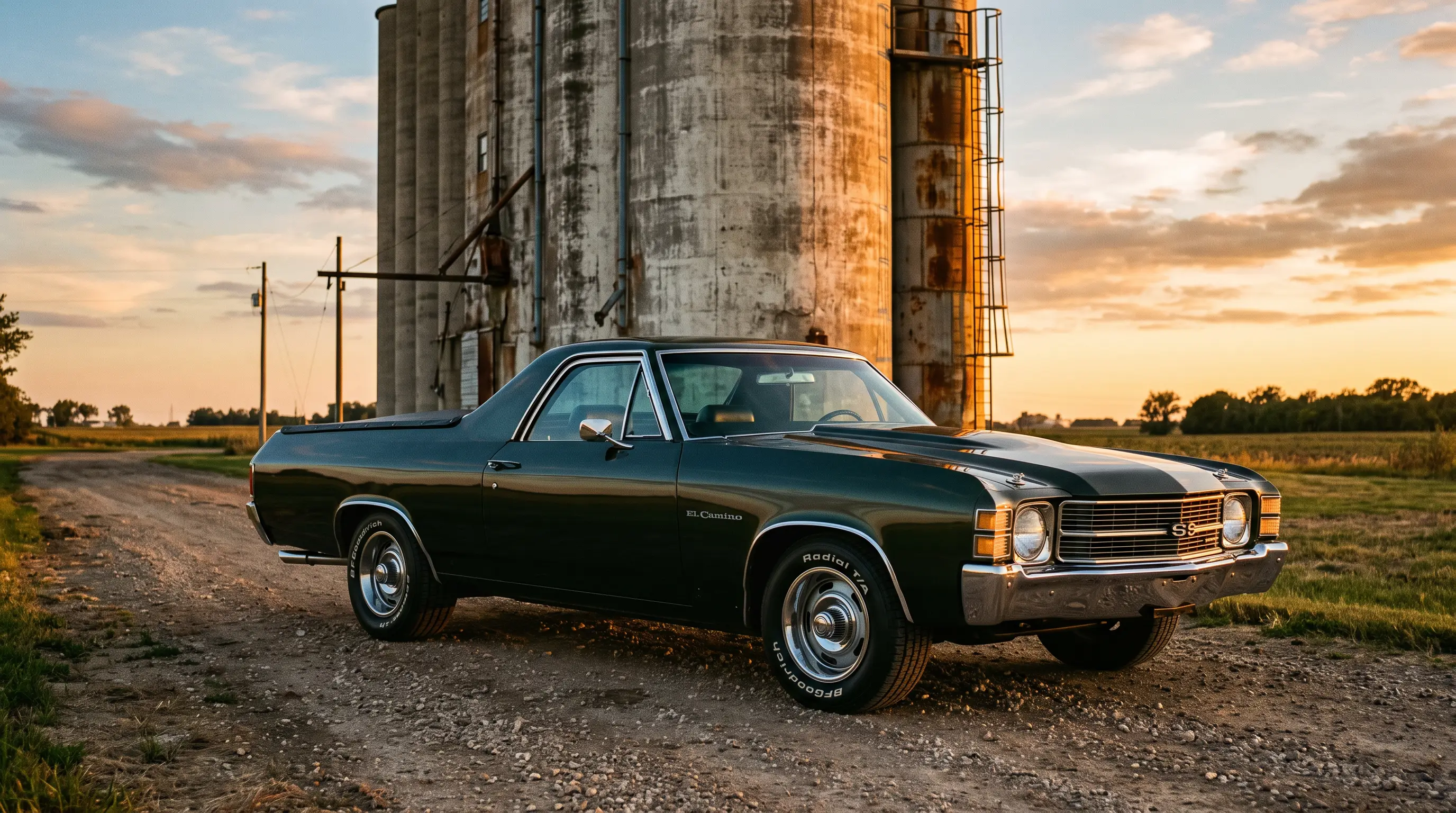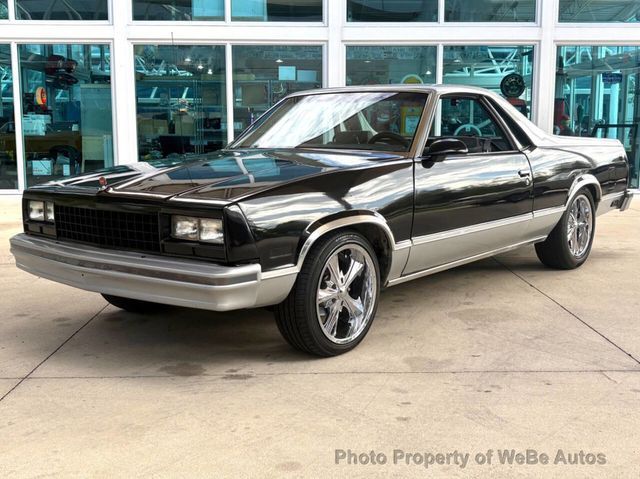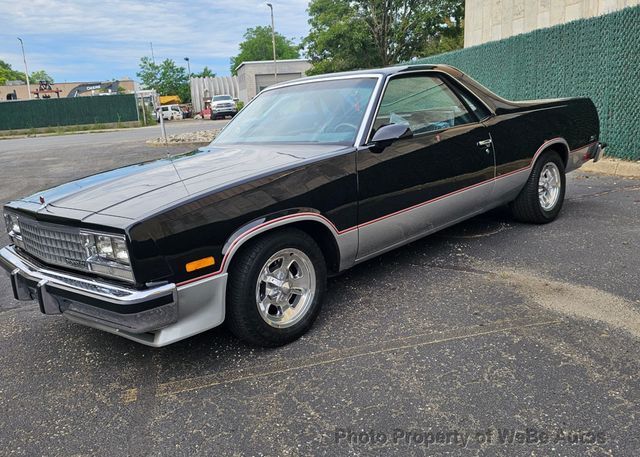
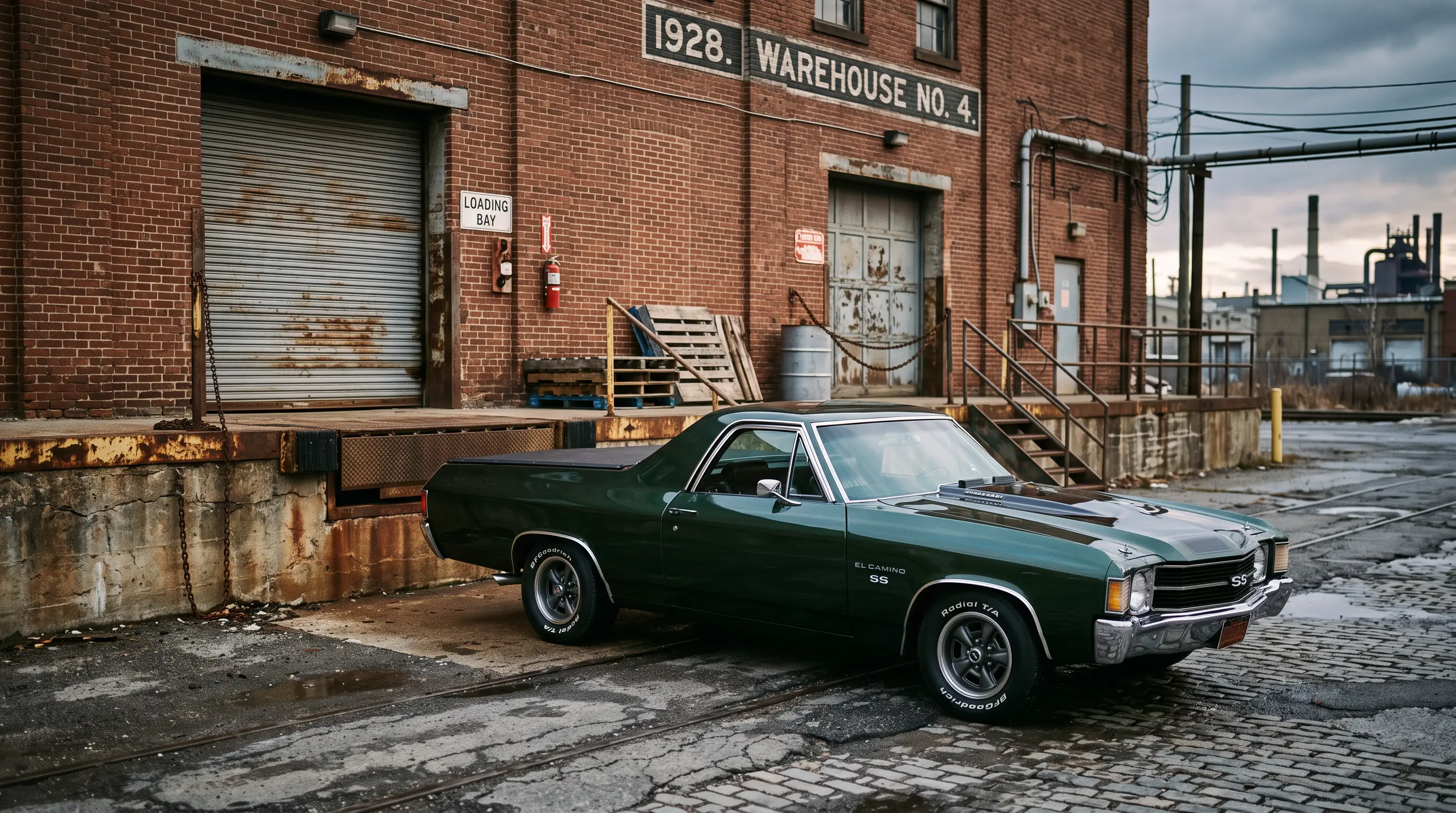
Everybody wants the 1970. I get it. The 1970 had the 450-horse LS6 and the numbers that look good on a T-shirt. But if you spend your weekends actually keeping these things running instead of polishing them for a lawn chair audience, the 1972 el camino starts to make a different kind of sense. It was the last of the good second-generation body, it still came with a big-block, and it ran on gas you could buy in 1975 without the engine falling apart. That last part matters more than the badge crowd wants to admit.
Here is the plain version. The A-body El Camino ran from 1968 through 1972 in that second-generation shape, and 1972 was the final year of it before Chevrolet swapped everything over to the heavier Colonnade body for 1973. So the 1972 is the end of a run that people who know these cars consider the sweet spot. Good looks, real engines, and a chassis that a normal person can work on in a normal garage without a lift and a second mortgage.
The year the numbers changed, not the engines
You have to understand what happened to the power ratings in 1972, because it confuses people who only read the brochures. For 1972 the whole industry switched from gross horsepower to SAE net horsepower. Gross was measured on a stand with no accessories bolted on. Net was measured with the alternator, the water pump, the full exhaust, and the air cleaner all doing their jobs, which is to say, the way the engine actually runs in the car. The net number is always lower. Not because the engine got weaker overnight, but because they finally started measuring it honest.
Chevrolet also dropped compression starting in 1971 so the engines would tolerate the lower-octane, lead-reduced fuel that was coming. That part was a real power loss, no argument. So the 1972 ratings look soft next to 1970. But a chunk of that gap on paper is just the measuring stick changing. A 1972 big-block El Camino is not the slug the numbers make it look like. It is a strong-running car that happens to have its power reported truthfully for once.
Here is a way to think about it that keeps you honest. Take a 1970 engine rated one way and a 1972 engine rated the other way, and you are comparing two different tests, not two different cars. It would be like weighing yourself on one scale in your boots and coat, then on another scale stripped down, and concluding you lost thirty pounds overnight. The 1972 got weighed stripped down. That is the whole trick. Once you know that, the brochure stops lying to you and you can judge the car on how it actually pulls, which on a 454 car is plenty. Anybody who tells you a 1972 big-block is slow has been reading numbers instead of driving cars.
What you could still order
The SS package was still on the sheet for 1972, and you could still get a big-block underneath it. The 454 was available, now in the LS5 form, and the 402 cubic-inch engine that Chevrolet stubbornly kept badging as a 396 was there too. Small-block V8s filled out the middle, and a six was still the base for the work-truck buyers who did not care about any of this. Transmissions ran from a three-speed up through the four-speed manual and the Turbo 400 automatic.
The point is that 1972 was not a stripped-out apology year. You could walk into a dealer and order a big-block, four-speed, bucket-seat El Camino that would embarrass most of what left the other dealers in town. It just would not brag about it on the window sticker the way the 1970 did. For the whole story of how the model got to this point and where it went afterward, there is more on the chevrolet el camino across the generations, and you can read more on the chevrolet el camino from the first full-size cars to the last G-body.
| Spec | 1972 El Camino detail |
|---|---|
| Generation | Second-gen A-body, final year |
| Rating system | SAE net, new for 1972 |
| Top engine | LS5 454 V8 |
| Mid big-block | 402 cid, still badged 396 |
| Transmissions | 3-speed, 4-speed manual, Turbo 400 auto |
| SS status | Option package, big-block available |
| What came next | Colonnade body for 1973 |
Why the wrench crowd likes this one
Let me tell you why the 1972 shows up in a lot of home garages and not as many auction catalogs. It is the same reliable A-body chassis Chevrolet built by the millions across the Chevelle, the Monte Carlo, and the El Camino, which means parts are everywhere and cheap. You are not hunting for unobtanium. The drivetrains are simple, the electrical is simple, and you can pull an engine in a weekend with a cherry picker and a buddy who owes you a favor.
Compare that to a documented 1970 LS6, which is a car people are afraid to drive because every mile knocks money off a six-figure investment. A 1972 you can actually use. You can load the bed, take it to the show, drive it home, and fix whatever rattles loose without needing a specialist and a loan officer. For a lot of us that is the whole appeal of owning an old car in the first place. If it just sits, you might as well hang a photo of it on the wall.
The other thing is the styling. The 1972 front end, with the single round headlamps and the specific grille, is a look a lot of people quietly prefer to the 1970. It is cleaner. Less shouting. If you came up in this era you might rate the 1968 through 1969 cars higher, and that is fair, there is more from this era worth your time. But the 1972 has its own following, and it has earned it.
What it is actually like to live with
A 1972 El Camino is about as friendly as an old vehicle gets, and that is not faint praise. The cab is roomy, the seat sits you upright like a truck, and you can see out of the thing, which is more than I can say for a lot of what passes for a classic these days. The bed is real. I have hauled a transmission, a couple of yard-sale finds, and more than one buddy's motorcycle in mine, and the car did not care. It is a working shape that happens to look good, not a show piece that panics at the sight of a cargo strap.
The drivetrains are honest. A small-block 350 car will run all day, sip gas by big-block standards, and never surprise you. A 454 car will drink more and grin wider. The Turbo 400 automatic is bulletproof and cheap to rebuild if it ever needs it, which it usually does not. The four-speed cars are more fun and a little more work, and the clutch traffic in a modern city gets old fast, so think about how you actually plan to use one before you chase a manual.
Parts are the quiet advantage nobody talks about enough. Because Chevrolet built these bodies and drivetrains by the millions, you can walk into most parts stores or hop on the phone with a vendor and get what you need without a treasure hunt. Brakes, suspension bushings, weatherstrip, trim, sheet metal, it is all out there and most of it is affordable. Try that with a low-production oddball and you will spend more time hunting parts than driving. The 1972 lets you drive.
Where the values sit and why
Straight talk on money. A 1972 big-block SS car with documentation trades below the 1970 SS454 and usually below the 1968 and 1969 SS396 cars too. That is not a knock. It is an opportunity if you actually want to drive one. The small-block and six-cylinder work cars sit lower still, and those are honestly a lot of fun for short money if you are not chasing the SS badge.
The reason the 1972 trails the 1970 comes down to two things buyers care about. Lower factory power ratings on paper, even though a bunch of that is the net-versus-gross change, and the general sense that 1970 was the peak and everything after was the comedown. Both of those are real market forces. Neither one tells you much about what the car is like to own. A clean, documented 1972 big-block El Camino is one of the better values in the whole classic Chevrolet world if driving matters to you more than bragging.
"I have owned the fancy ones and I have owned the honest ones, and the 1972 is the one I would keep. It is the last year of the good body, it will still spin the tires with a 454 in it, and I can fix anything on it with a socket set and a Saturday. You buy a 1970 to look at. You buy a 1972 to drive. I know which one I have more fun with, and it is not the one under the car cover."
- Mike Sullivan
What to check before you buy
Same warning as any A-body from this era. Rust is the enemy, and on an El Camino it hides in the bed floor, the lower quarters, the cab corners, and the frame where the body mounts sit. A car that spent forty years in a dry climate is worth chasing halfway across the country. A car that lived where they salt the roads will cost you more in body work than the whole car is worth, and it will keep costing you after you think you are done.
On an SS car, the badge does not prove the big-block. It never did. The 454 and the 402 were options, and anybody with a wrench can bolt SS trim onto a base car. Check the engine casting numbers, the casting dates, and any documentation the seller has before you pay SS money. A base V8 car sold honestly is a fine buy. A base V8 car sold as an SS at SS prices is a rip-off, and the difference is in the numbers stamped on the parts, not the letters on the fender.
When you are ready to look, go read the listings with a skeptical eye and a flashlight in your pocket for the in-person visit. You can find a classic El Camino without much trouble, but finding a straight, rust-free, honestly-described one takes patience. Take the patience. On these cars, a good body with a tired drivetrain beats a fresh drivetrain in a rusty body every single time, because you can rebuild an engine in your garage and you cannot rebuild a rotten frame there.