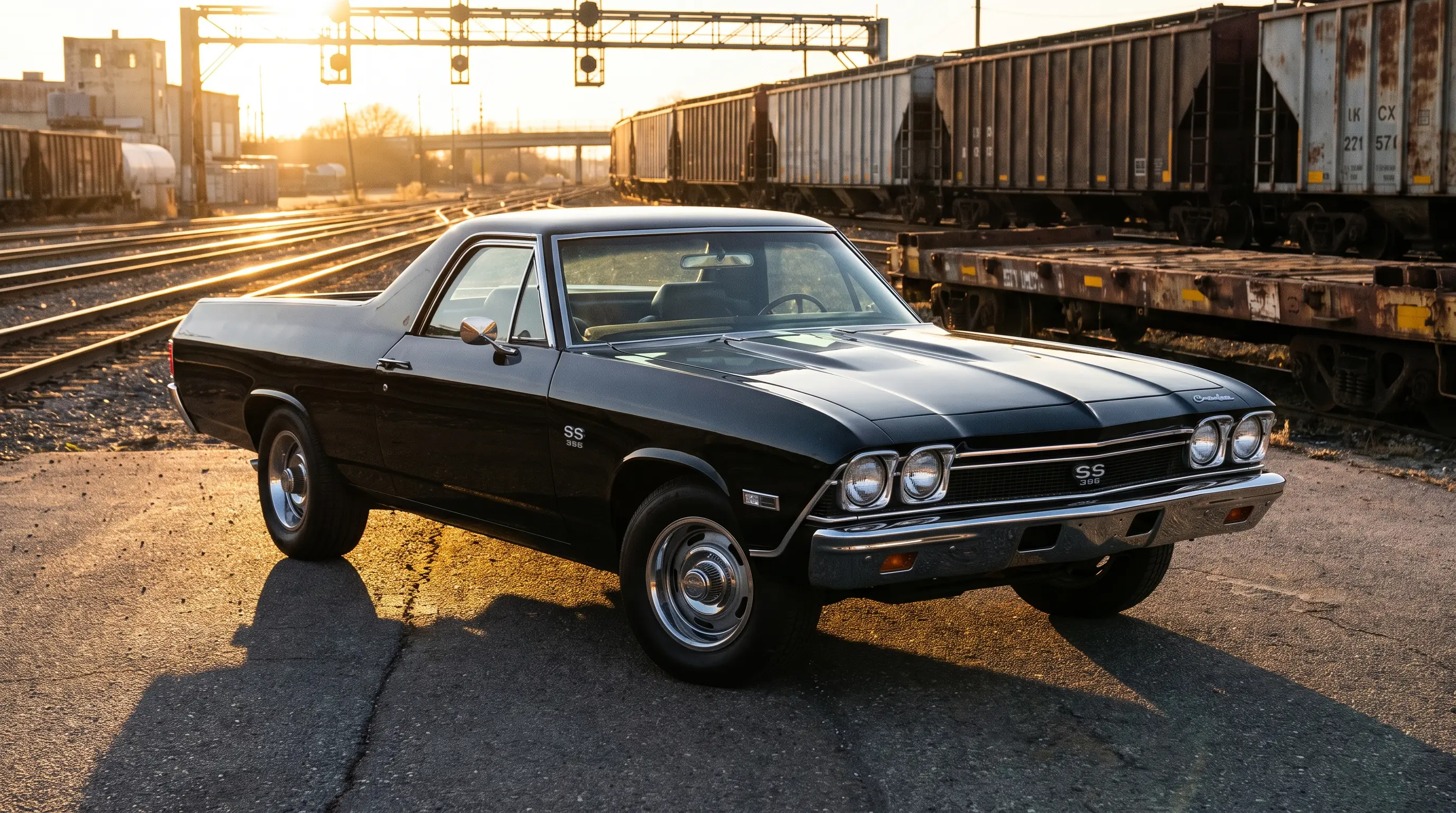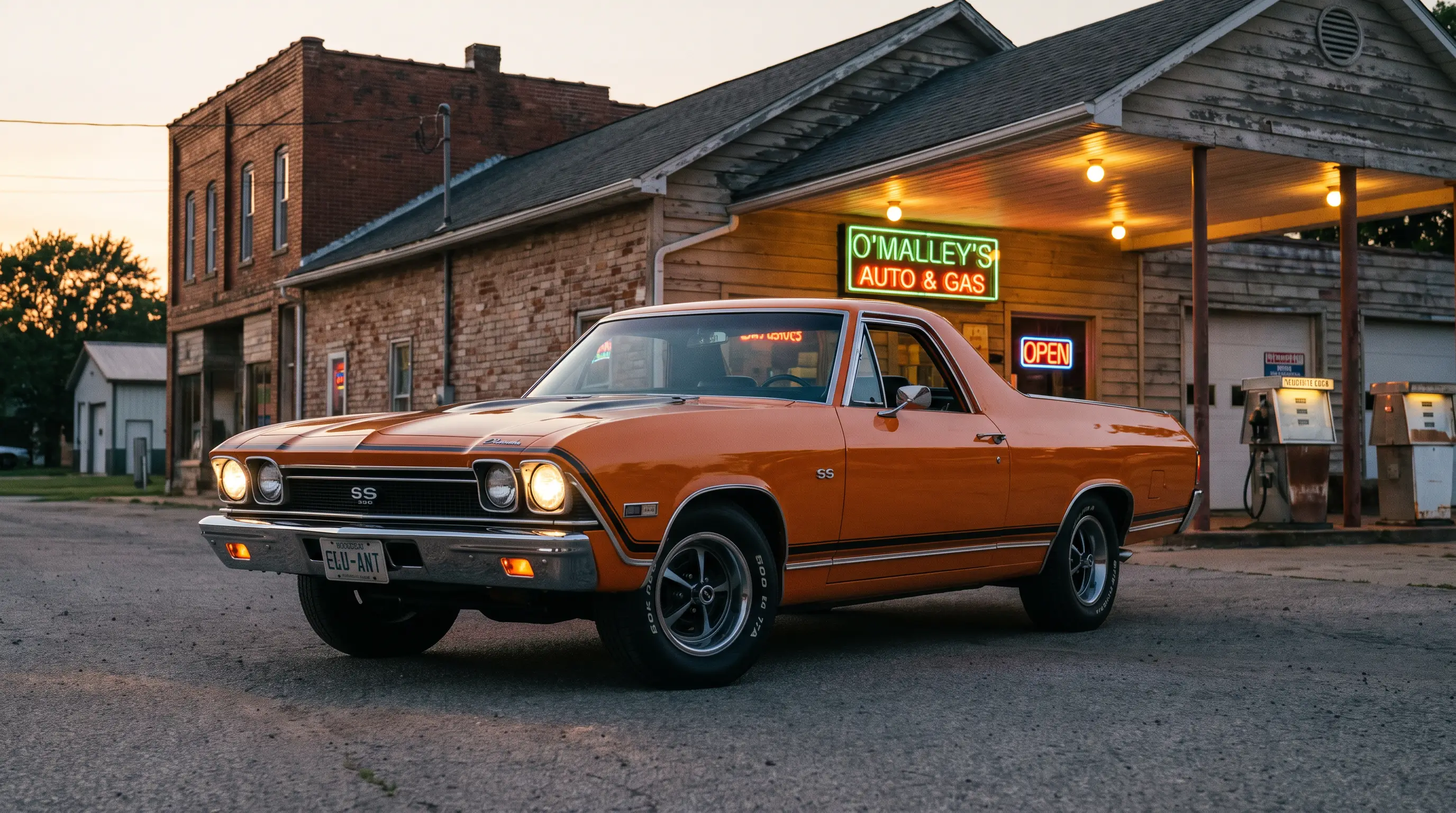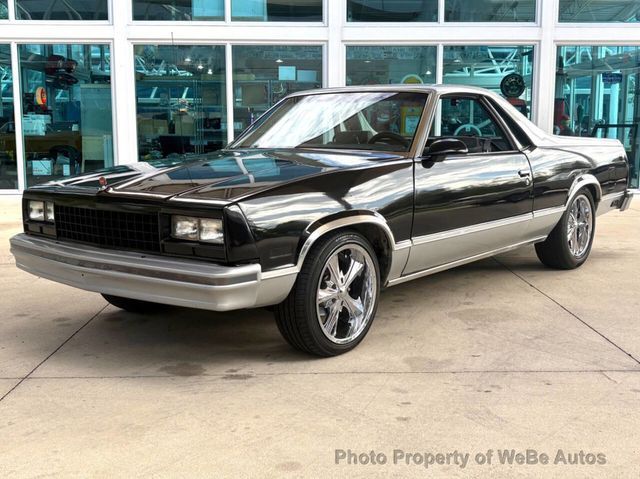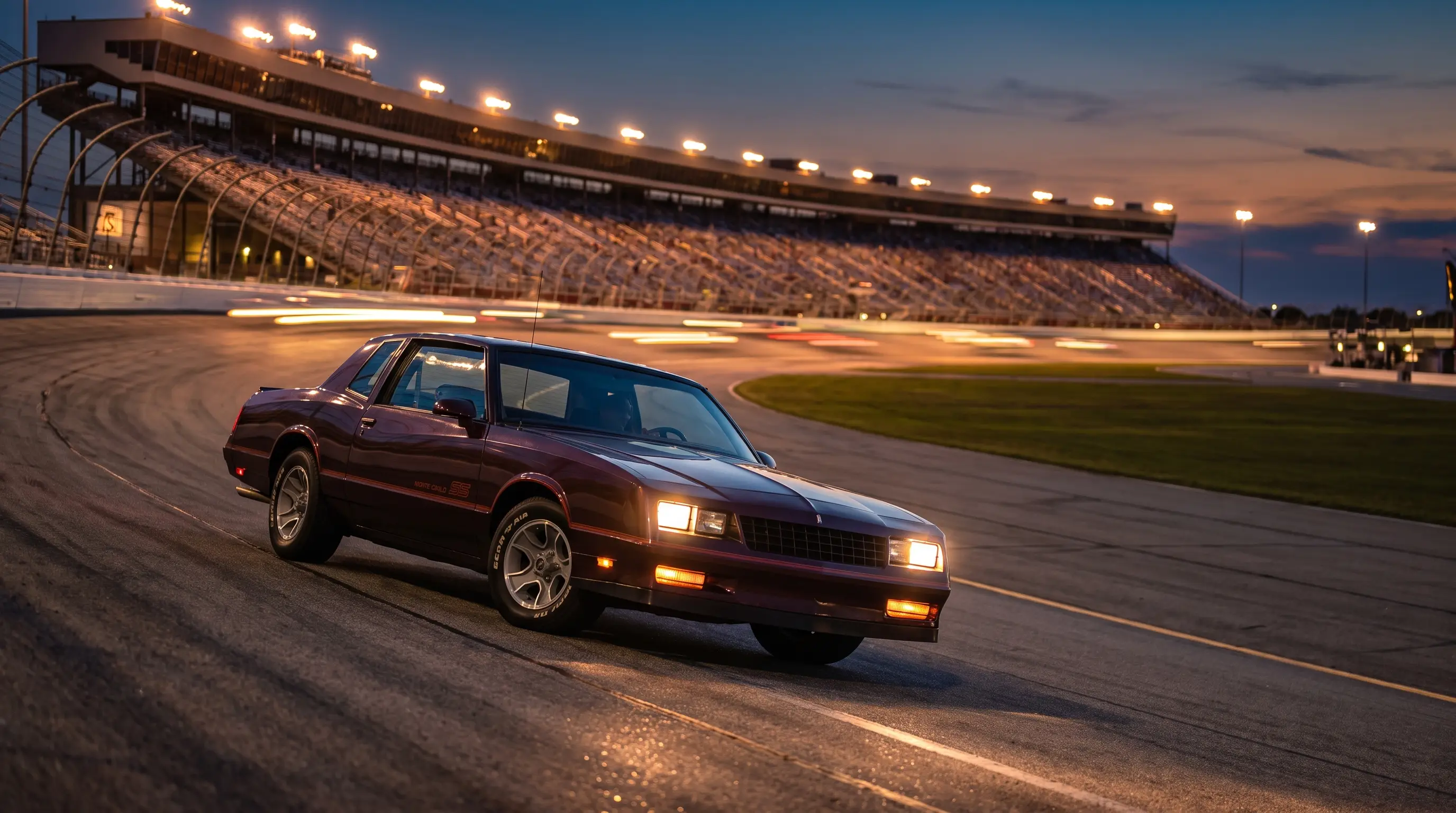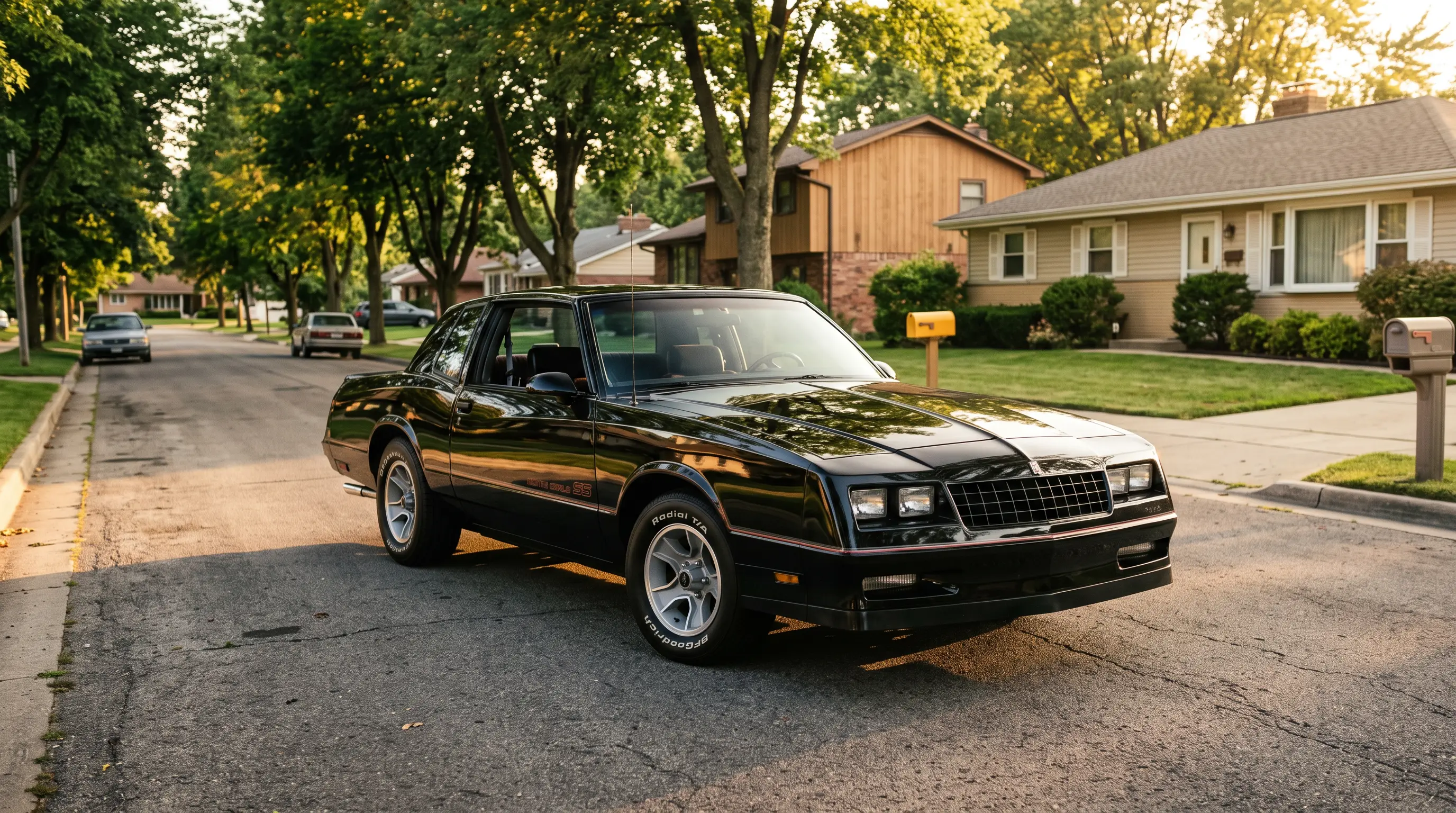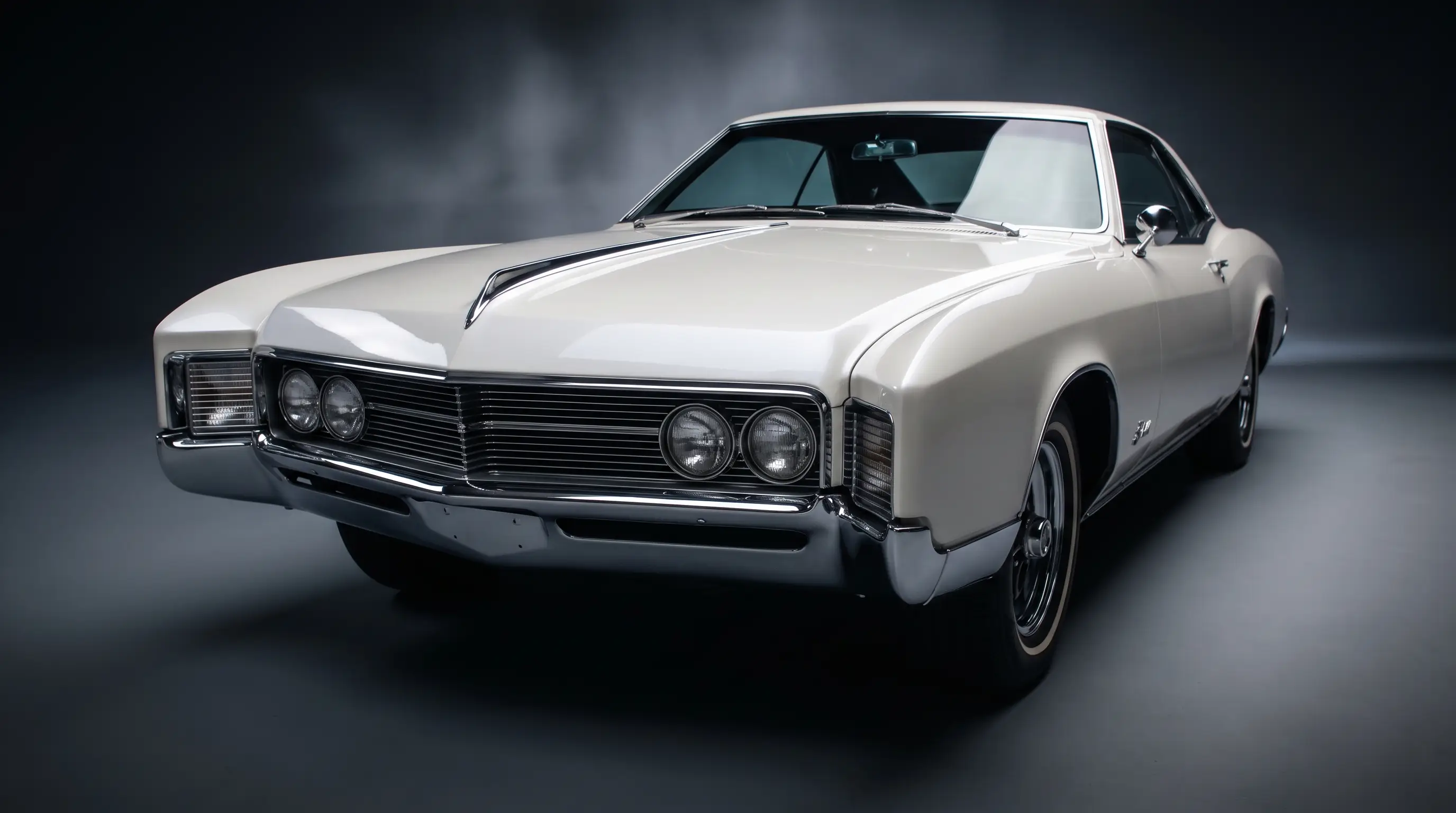
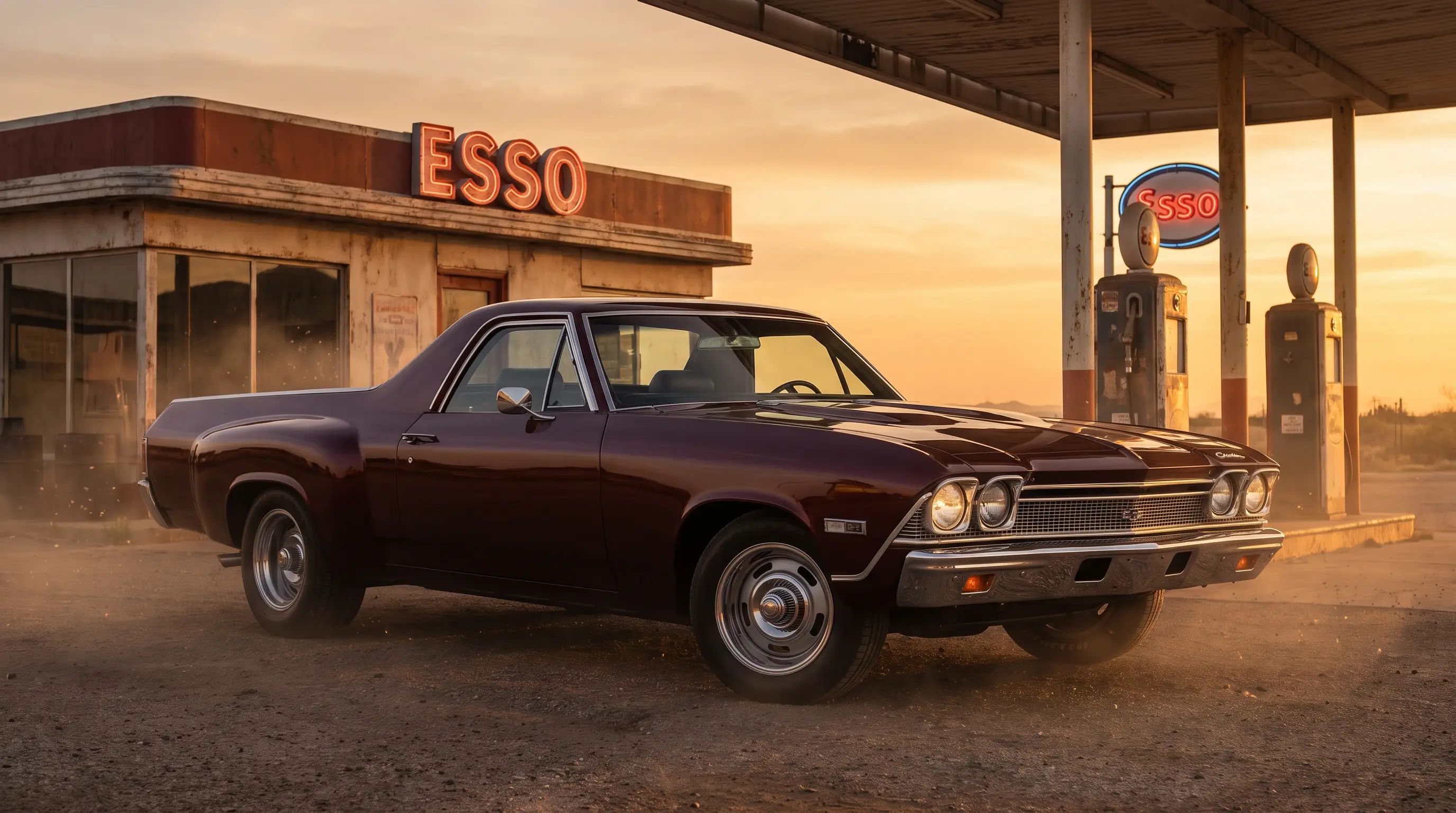
The 1968 El Camino did not arrive quietly. Chevrolet's redesigned A-body brought a shape nobody had seen on a Chevy truck-car before, and the phrase that stuck to it almost immediately was "Coke-bottle." Look at the car in profile and the reference makes sense: the fenders pinch in behind the front wheel opening, swell out over the rear haunch, then taper again toward the tailgate, the same pinch-and-swell rhythm as the glass bottle sitting in a diner cooler. It was not an accident of tooling. It was the whole design brief.
Where the shape actually came from
General Motors design studios under Bill Mitchell had been chasing a more sculptural, tension-filled body surface through the mid 1960s, and by 1968 the idea reached every intermediate in the lineup, Chevelle, Malibu, and the El Camino built on that same platform. The body was new from the cowl back, with a wheelbase that grew and a lower beltline that let the fender bulges read as muscle rather than decoration. Chevrolet's engineers were not chasing a gimmick. Pinching the body in at the doors and letting it flare at the wheel arches actually reduced the visual bulk of a fairly large car, which mattered on a vehicle that still had to look right doing truck duty.
Sarah Whitfield covers the proportion side of this redesign in more technical depth, and it is worth a look too if you want the wheelbase and track numbers behind why the shape reads the way it does.
How the El Camino wore it differently than the Chevelle
The Coke-bottle theme showed up across the whole A-body family, but the El Camino carried it with a longer rear deck and a cargo bed instead of a trunk, which changed how the curve resolved at the back. On the Chevelle coupe the swell tapers into a short deck and a nearly vertical tail panel. On the El Camino, the same fender line has to travel over the bed rails and meet the tailgate, and Chevrolet's stylists handled that transition by carrying the character line down the bed side rather than letting it die at the cab. The result is a car-truck that still reads as one continuous shape instead of a sedan front bolted to a pickup bed, which had been a real criticism of earlier generations.
The grille treatment on the SS-optioned cars added another layer to the front end's presence, though hidden headlights themselves were never part of the 1968 El Camino or Chevelle SS package, that concealed-headlamp option belonged to the full-size Caprice that year. The hide-away windshield wipers offered on SS and Concours-equipped A-bodies were the closest thing to a concealed feature these cars actually got up front.
The panels that made the look possible
Getting that fender swell to work on a vehicle that also needed a functional cargo bed took real tooling investment. The quarter panels, the front fenders, and the bed sides all had to share a single continuous surface language, which is part of why the 1968 redesign felt like a genuine reinvention rather than a trim refresh. Chevrolet was not simply putting a new nose on the old 1964-67 body. The cowl, the beltline height, and the door skins were all new, and every panel had to agree with the ones next to it or the Coke-bottle effect would have looked like a mistake instead of a signature.
If you want the full account of how this generation came together, read the background on the 1968 model year, including the mechanical changes that arrived alongside the new sheet metal.
Why the shape still reads well today
Fifty-plus years on, the 1968 El Camino's body still photographs better in three-quarter profile than head-on, and that is by design. The pinch behind the front wheel and the flare over the rear tire are meant to be seen in motion, catching light differently as the car passes. Collectors and show organizers tend to agree that this body, more than the boxier 1970s G-body that followed it later in the model's life, is the one people picture when they hear "classic El Camino." Whether that is nostalgia or genuinely superior design is a fair debate, but the fact that the coke bottle line is still the shorthand used to describe it says something about how well the studio did its job.
"Every panel on this body is arguing with the one next to it, and somehow they all agree. That is not an accident, that is a design team that had the tooling budget to do it right."
- Tom Ramirez
Reading the shape on a real car
If you are looking at a 1968 in person, the easiest way to see what the designers were doing is to stand at the rear quarter and sight down the beltline toward the headlights. The pinch in at the door and the swell over the rear wheel should form a visible wave, not a flat plane. Cars that have had poor quarter panel repair work, or replacement panels stamped to lower tolerances, often lose that wave and look subtly wrong even to someone who cannot articulate why. It is one of the more reliable ways to spot a car that has been through heavy rear-end bodywork without relying on paint match alone.
The 1968 redesign gave the El Camino a shape that did double duty, reading as a performance car from the side and a genuinely useful hauler from the back. That balance, more than any single spec, is why this generation still anchors most conversations about what the El Camino was for.
Sources and notes
- Chevrolet El Camino - Wikipedia
- Your definitive 1968-72 Chevelle SS buyer's guide - Hagerty Media
- 1968 Chevrolet Caprice With Hidden Headlights - GM Authority
- Curbside Classic: 1968 Chevrolet El Camino SS 396
- 1968-72 Chevrolet El Camino: 3rd Gen Guide and Specs - Motogallery
- 1968 El Camino Parts and Restoration Information - SS396.com
What buyers noticed at the dealership
Period road tests and dealer brochures leaned hard on the new profile because it was the easiest thing to sell without a spec sheet. A shopper cross-shopping a pickup and a personal car in 1968 could look at the El Camino sitting next to a Malibu coupe and see the family resemblance immediately, then look at it next to a full-size pickup and see how much lower and more finished it looked by comparison. That dual appeal, car-like from one angle and truck-capable from the other, was exactly what the Coke-bottle surfacing was built to communicate at a glance, before a salesman ever opened the hood or mentioned payload figures.
It also mattered for resale and public perception through the following decade. Owners of 1968 and 1969 models often reported that the shape aged well precisely because it was not built around a single trend, like tailfins had been a decade earlier, but around proportion and surface tension that read as timeless rather than dated. That is part of why this body style, more than the boxier generation that replaced it in the late 1970s, remains the reference point whenever someone pictures a classic El Camino in their head.
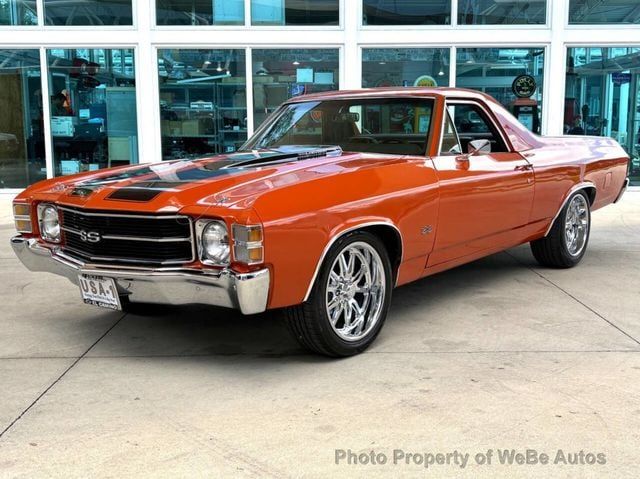
If you want to see how the shape looks on the market today, you can shop classic El Camino listings and compare a few in person before deciding which body lines speak to you.