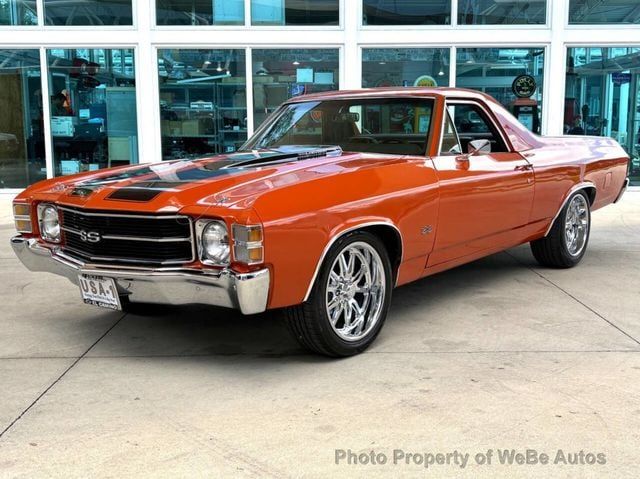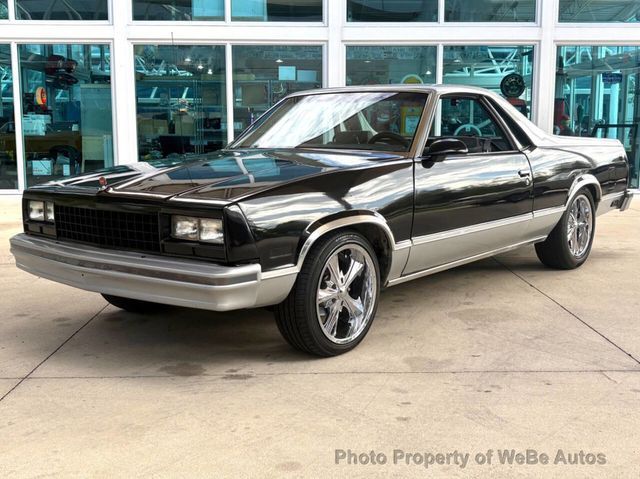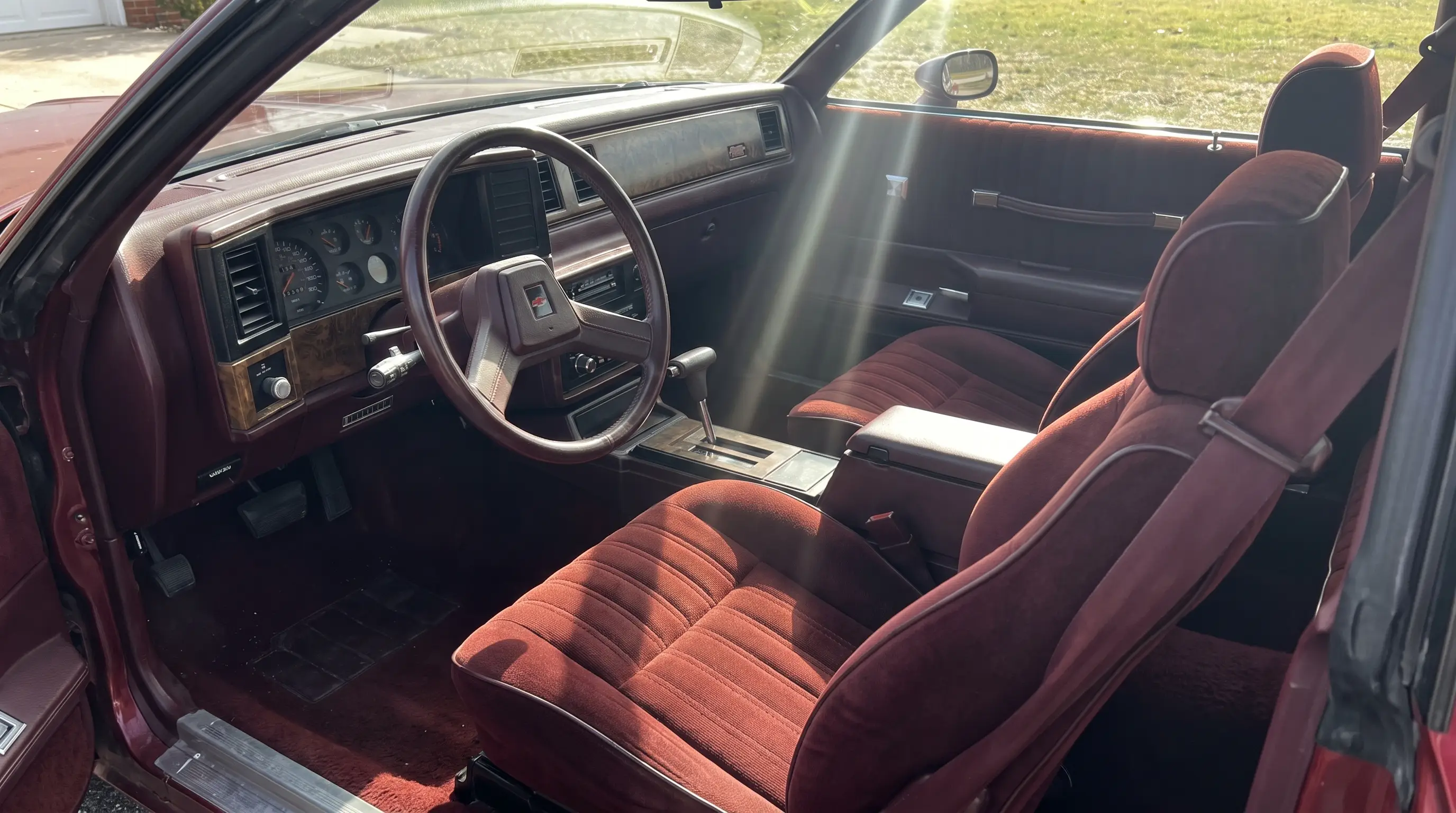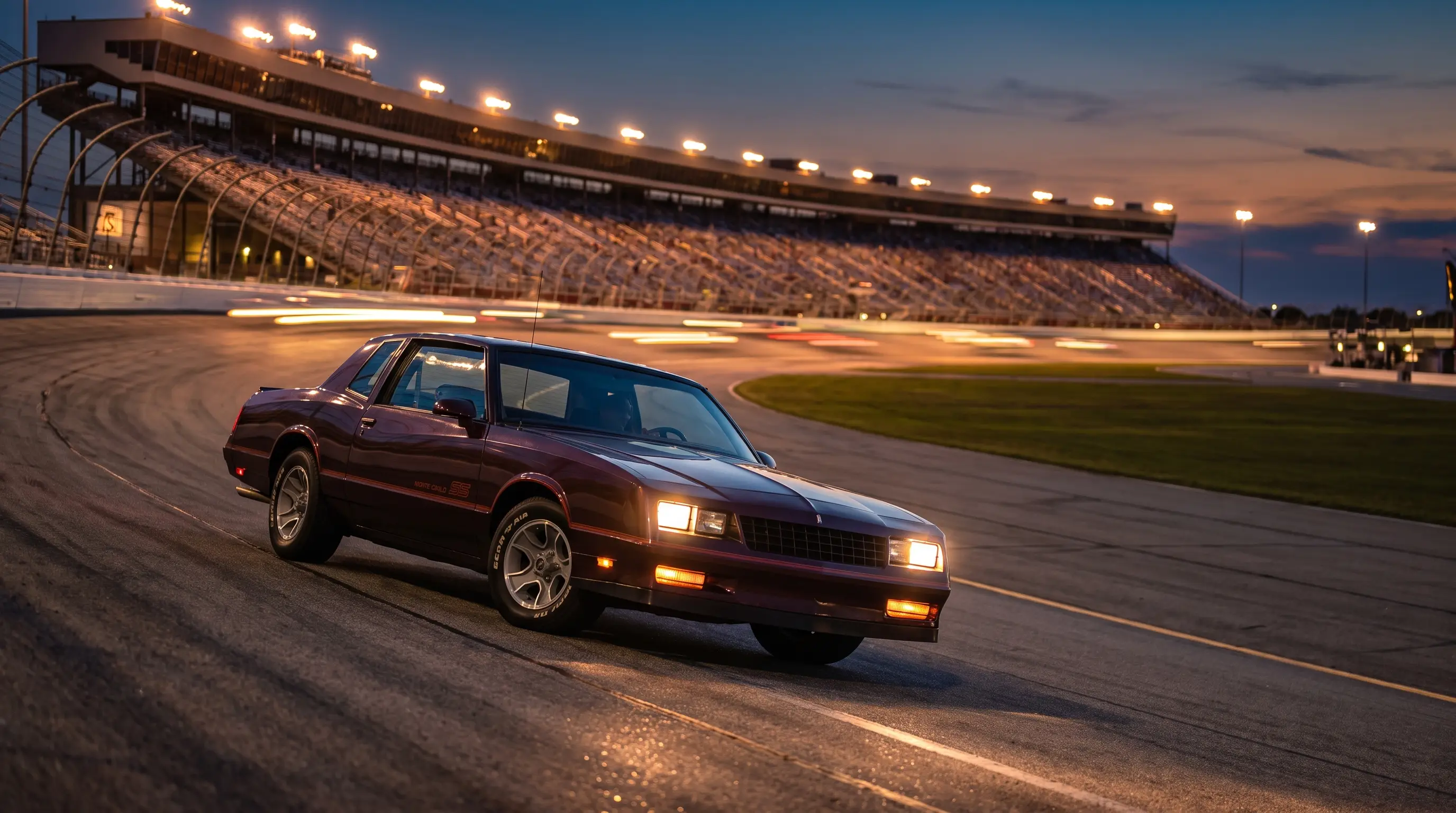
Buyers researching the Chevelle-based El Camino generation eventually run into the same question: how different is a 1972 really from a 1970, given both wear the same basic body style. The factory record answers that question with more nuance than a casual glance at a horsepower sticker suggests. The two model years share a platform and a general silhouette, but the changes between them touch styling, engine ratings, and the broader market context each car was built into, and treating them as interchangeable misses real distinctions a documented buyer should know.
Styling differences worth knowing
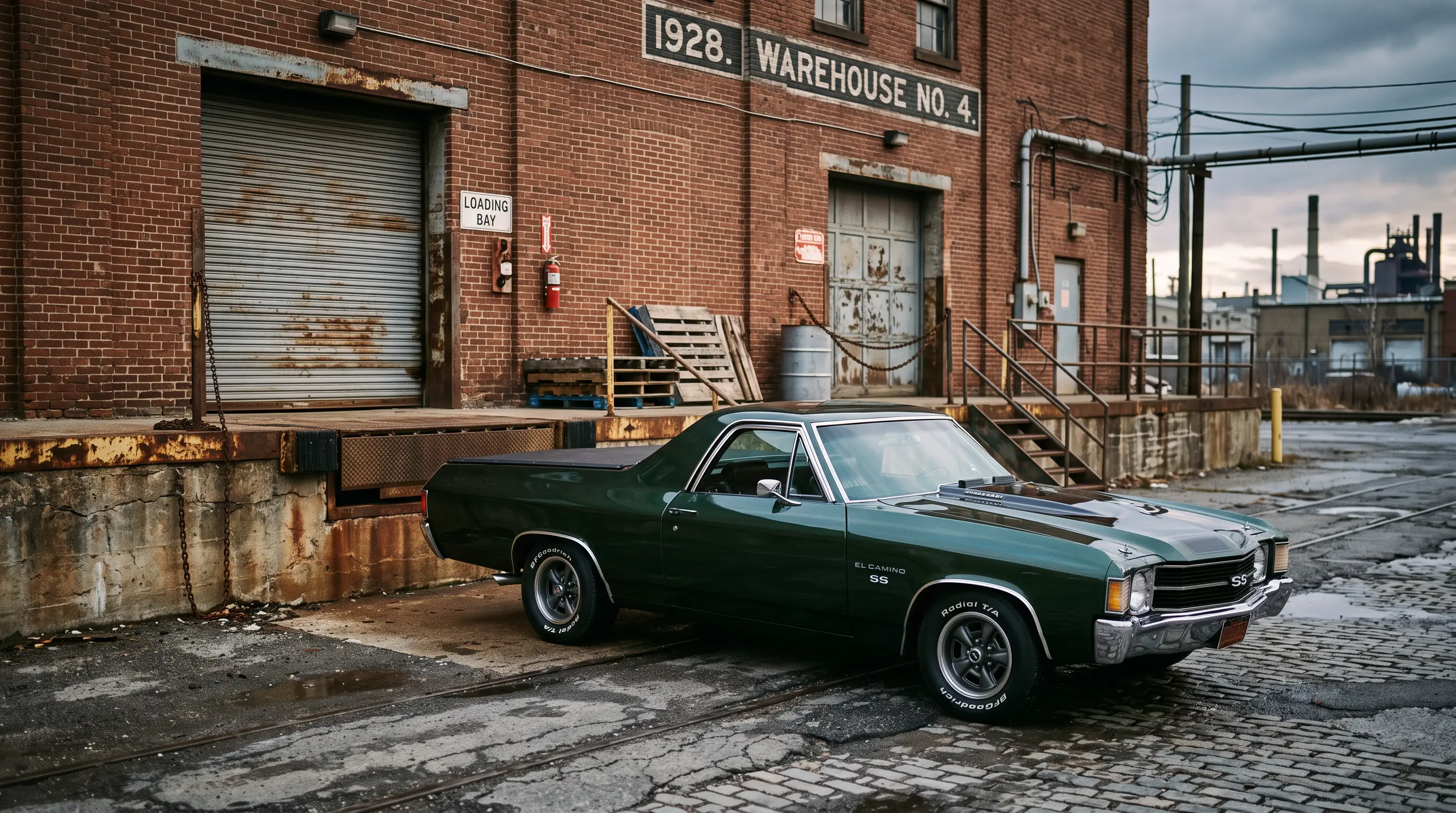
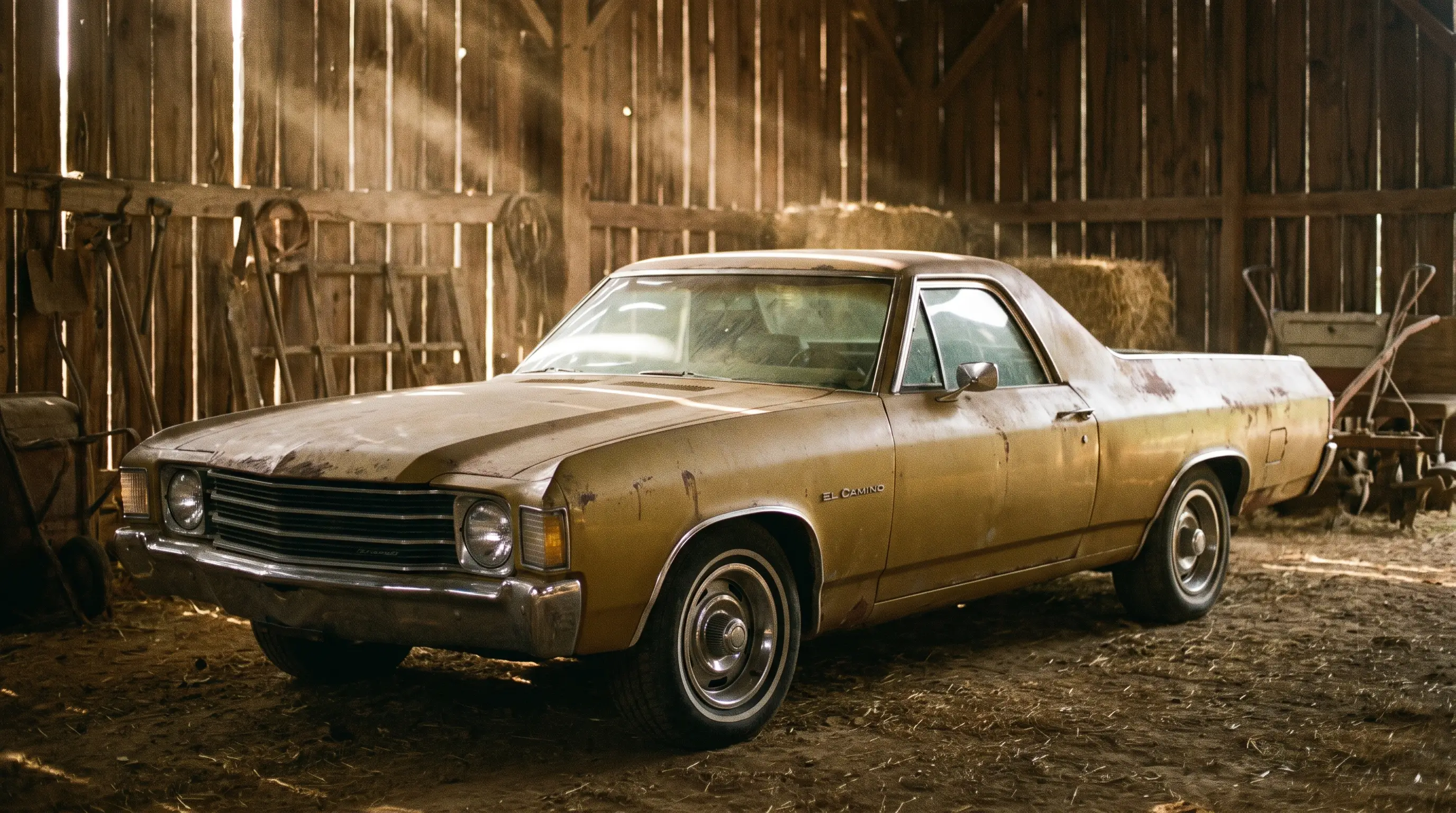
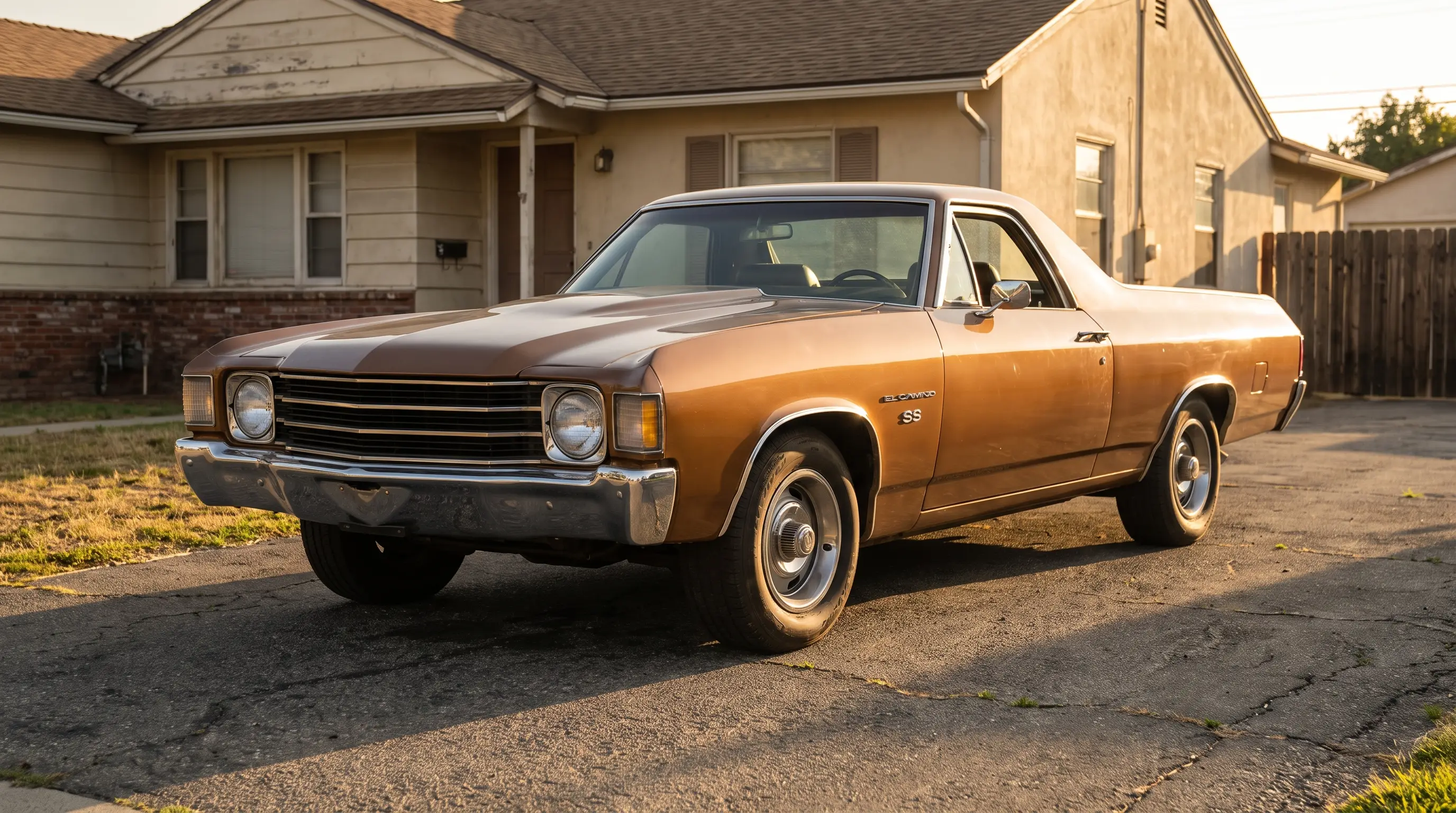
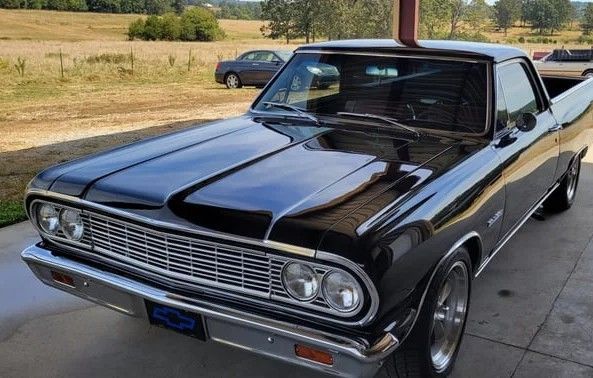
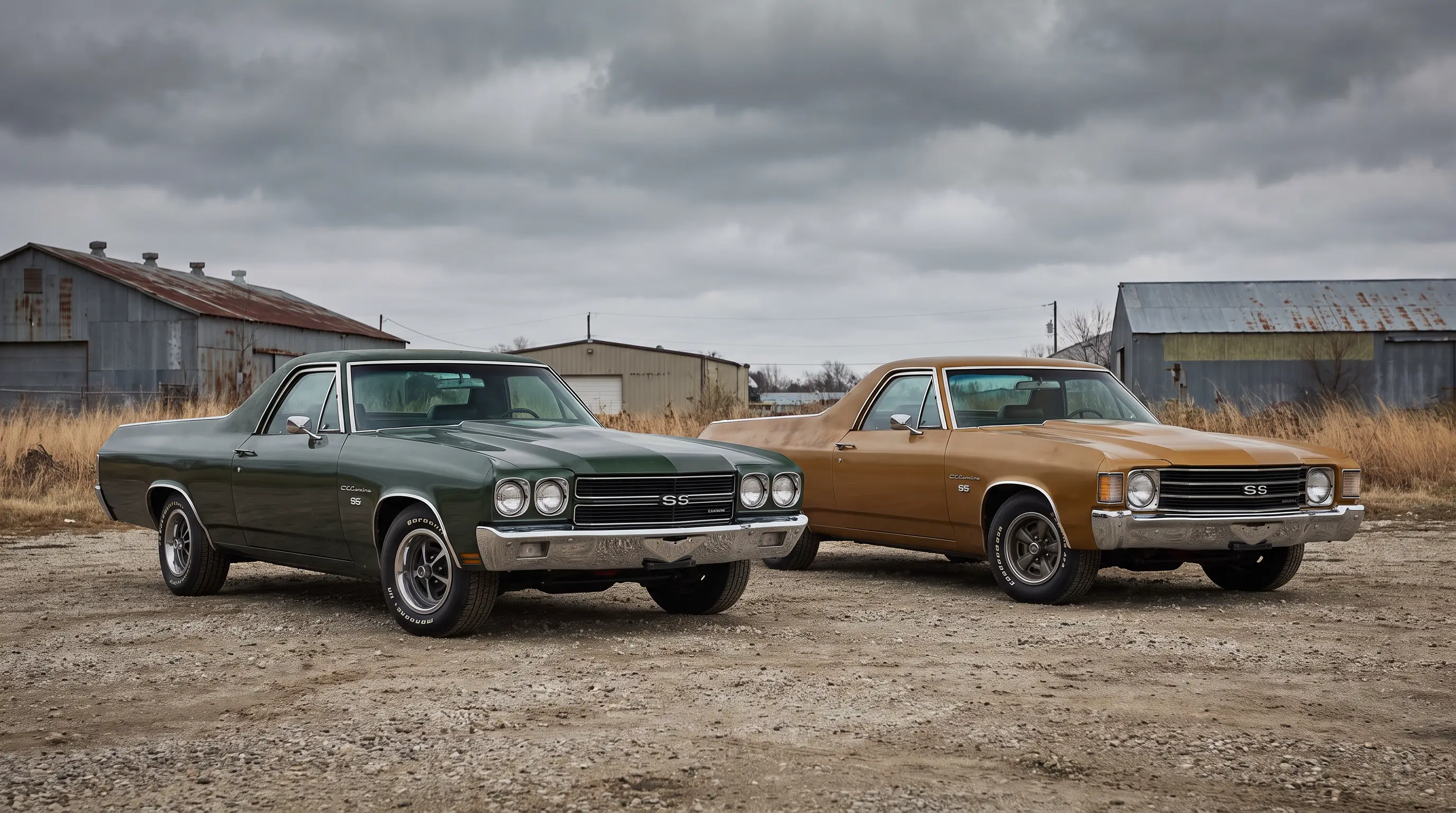
The 1970 El Camino wore the quad-headlamp face that became closely associated with the model's muscle-car reputation, a wide chrome-framed front end with four round lamps that gave the car an aggressive stance shared across GM's intermediate lineup that year. Chevrolet actually moved to a single-headlamp arrangement for the 1971 model year, and the 1972 simply carried that same cleaner, visually quieter front clip forward unchanged, a switch covered in detail in the single-headlight look piece on this generation. Beyond the face, both years share the same basic body structure, since the full redesign did not arrive until 1973, but the grille texture, taillamp lens design, and badging details all shifted enough between the two years that a knowledgeable buyer can date either car from a handful of exterior details alone.
The horsepower rating gap, explained
The most misleading difference on paper is the horsepower figure. A 1970 SS 454 carried a gross horsepower rating of 360 hp under RPO LS5, while the same basic engine family in a 1972 El Camino carried a net rating of 270 hp under the same RPO LS5 designation. That gap looks enormous until you account for the industry-wide 1972 switch from gross to net measurement, a change that dropped the published number for essentially every GM engine that year regardless of any real mechanical difference. Compression ratios did also drop across this period to accommodate lower-octane unleaded fuel, so there is a genuine performance difference layered under the rating-method change, just a smaller one than the raw numbers imply on their own.
Anyone comparing these two years purely by horsepower sticker is comparing two different measurement systems, not two engines with a real 100-horsepower gap between them. Torque figures held up more consistently across the switch and give a more honest sense of how the two years actually compare in real-world driving.
| Feature | 1970 | 1972 |
|---|---|---|
| Headlamp layout | Quad round lamps | Single lamp per side |
| 454 rating basis | Gross horsepower | Net horsepower |
| Position in generation | Near the peak of the muscle era | Final model year before 1973 redesign |
Options, trim, and production context
Trim offerings shifted modestly across these two years, with the Conquista package gaining ground in the early 1970s as a comfort-oriented alternative to the performance-focused SS option, a trend that continued into 1972. Total El Camino output actually rose slightly across this window, from roughly 47,700 units in 1970 to roughly 57,100 in 1972, though factory records do not break that total down by individual option package, so no reliable count exists of how many SS-optioned cars survive from either year specifically. Any claim that one year's SS population is meaningfully larger than the other's is not something the surviving production data can confirm.
Buyers deciding between the two years benefit from looking at documentation rather than assumption. A 1970 with desirable options is not automatically worth more than a well-documented 1972, and the horsepower sticker should never be the sole deciding factor given how much the rating method itself changed between the two years.
"People treat the 1970 as the real muscle car and the 1972 as the afterthought. The paperwork does not support that ranking nearly as cleanly as the horsepower stickers suggest it should."
- Tom Ramirez
How values have tracked between the two years
Auction results over the past decade show the 1970 commanding a modest but consistent premium over an equivalent 1972, driven largely by the bigger factory horsepower claim and the more dramatic quad-lamp face rather than by any structural rarity. That gap has narrowed somewhat as more buyers have learned the gross-to-net story and stopped penalizing 1972 examples purely for a rating method they did not choose. Condition and documentation still move the needle more than model year alone in either direction, and a rough 1970 with incomplete records will regularly sell for less than a well-documented, correctly optioned 1972.
Restoration cost differences between the two years are minor, since shared platform components mean most mechanical and trim parts interchange or come from the same reproduction suppliers regardless of which year you choose. The meaningful cost differences show up mainly in headlamp bezels, grille components, and other year-specific trim pieces that do not interchange between the quad-lamp and single-lamp faces.
Which year actually suits which buyer
A buyer chasing the loudest possible factory horsepower claim and the quad-lamp visual drama will lean toward 1970, and that preference is entirely reasonable given what that year represents in the model's history. A buyer more interested in the final chapter of a specific body style, or one who wants the quieter single-lamp face, has good reason to prefer the 1972 instead. Neither choice is objectively correct. They serve different collecting priorities, and our 1972 el camino retrospective lays out the fuller context for anyone leaning toward the later year, alongside a related story on how that year trades in today's market.
Whichever year you land on, insist on the documentation that actually separates a genuine example from a car simply wearing the right badges, and compare offerings directly when you look at El Caminos for sale now.
A note on parts and long-term ownership
Long-term ownership costs run close between the two years for anyone planning regular use rather than pure static collecting. Drivetrain parts, suspension components, and most interior trim are common across the whole 1968-72 generation, so neither year holds a meaningful advantage in day-to-day parts availability. The gap only opens up around the handful of year-specific exterior pieces already mentioned, and even there, the reproduction aftermarket has caught up enough that sourcing correct trim for either year is a solvable problem rather than a genuine obstacle to ownership.
For a buyer weighing these two years against each other with no strong preference either way, the honest advice is to let condition and documentation decide rather than the model year itself. A clean, well-documented example from either year outperforms a rough one from the "better" year on every measure that actually matters once the car is in your driveway, and that single rule matters more than any horsepower sticker or headlamp count ever will.