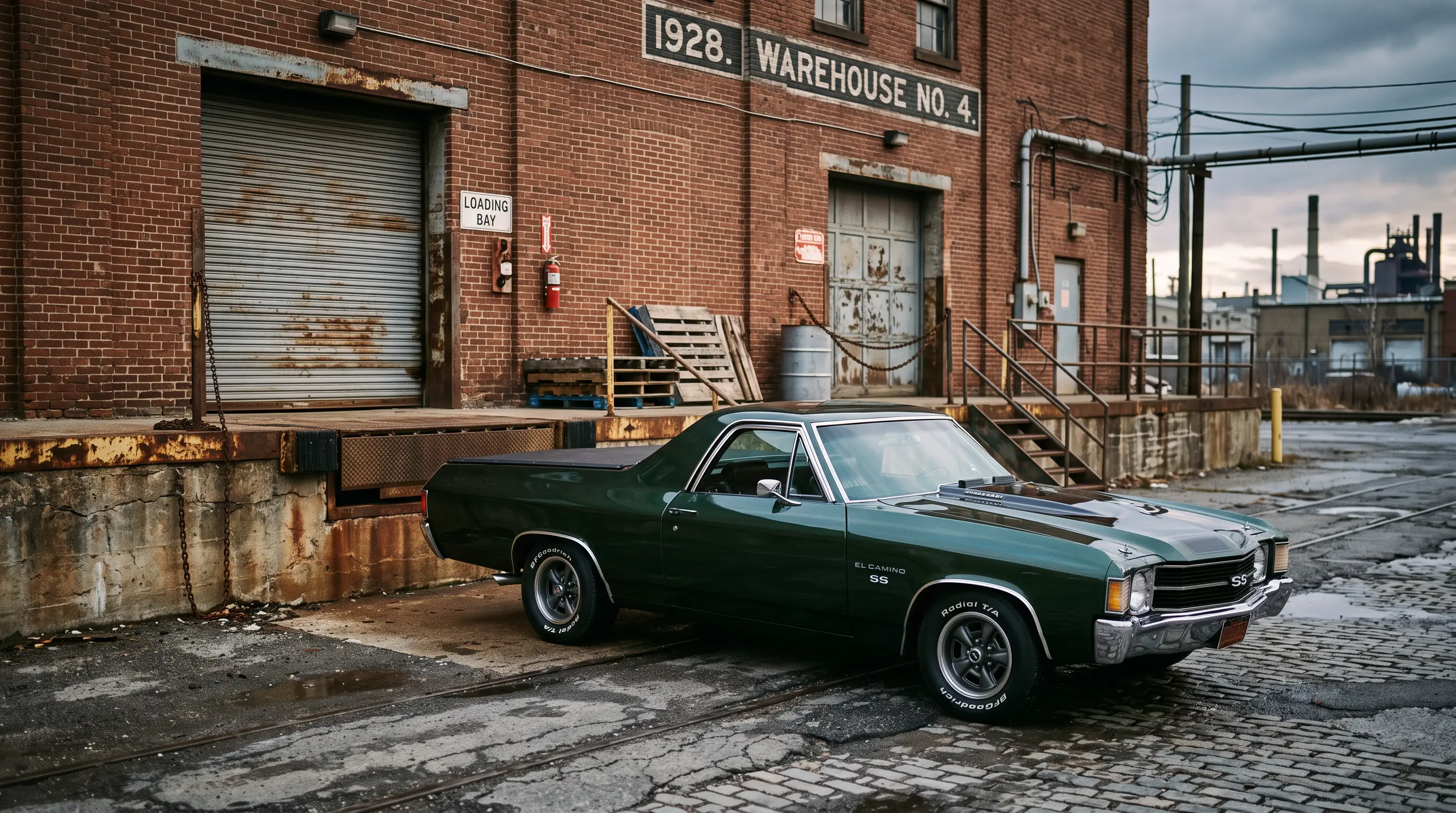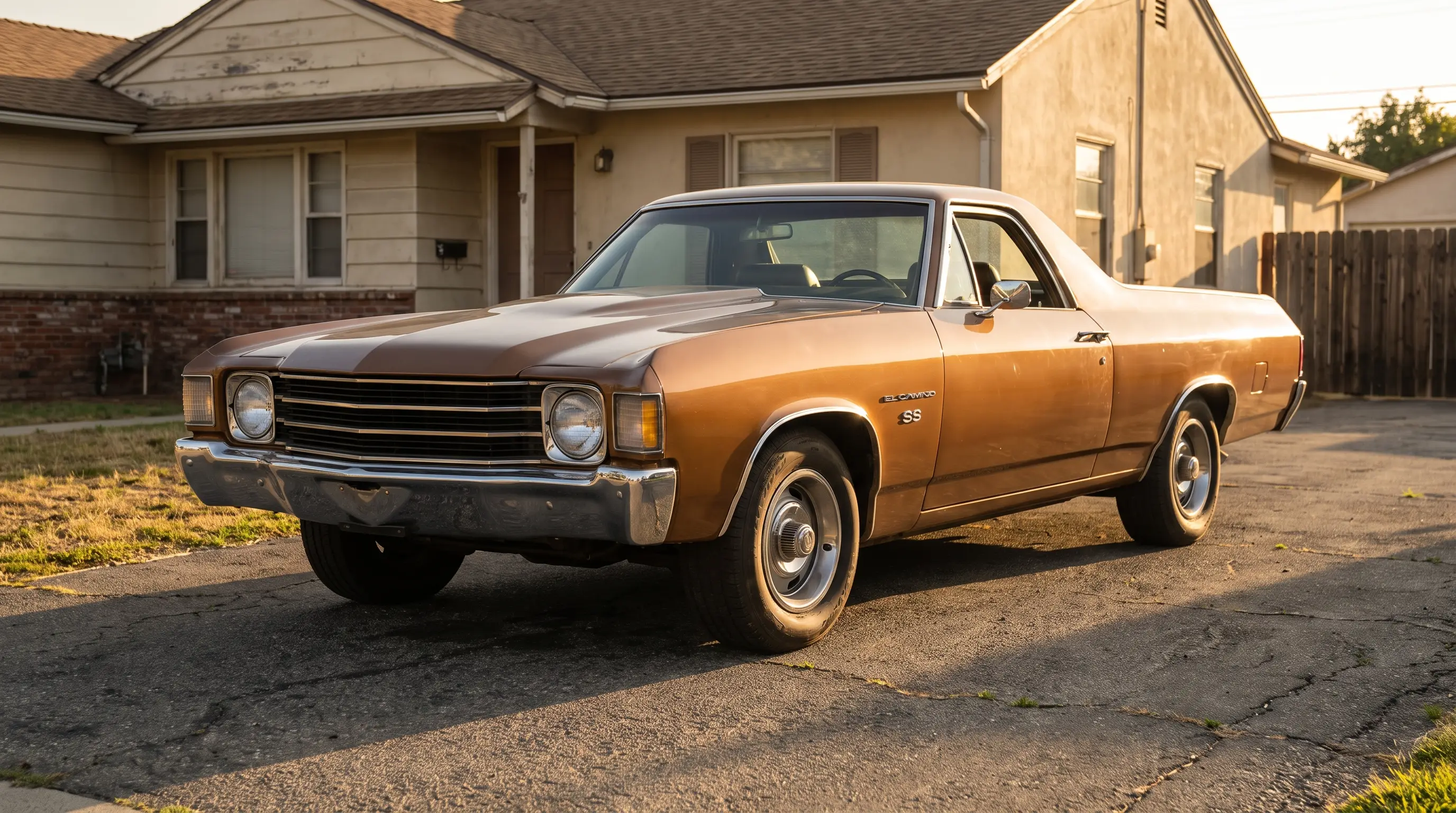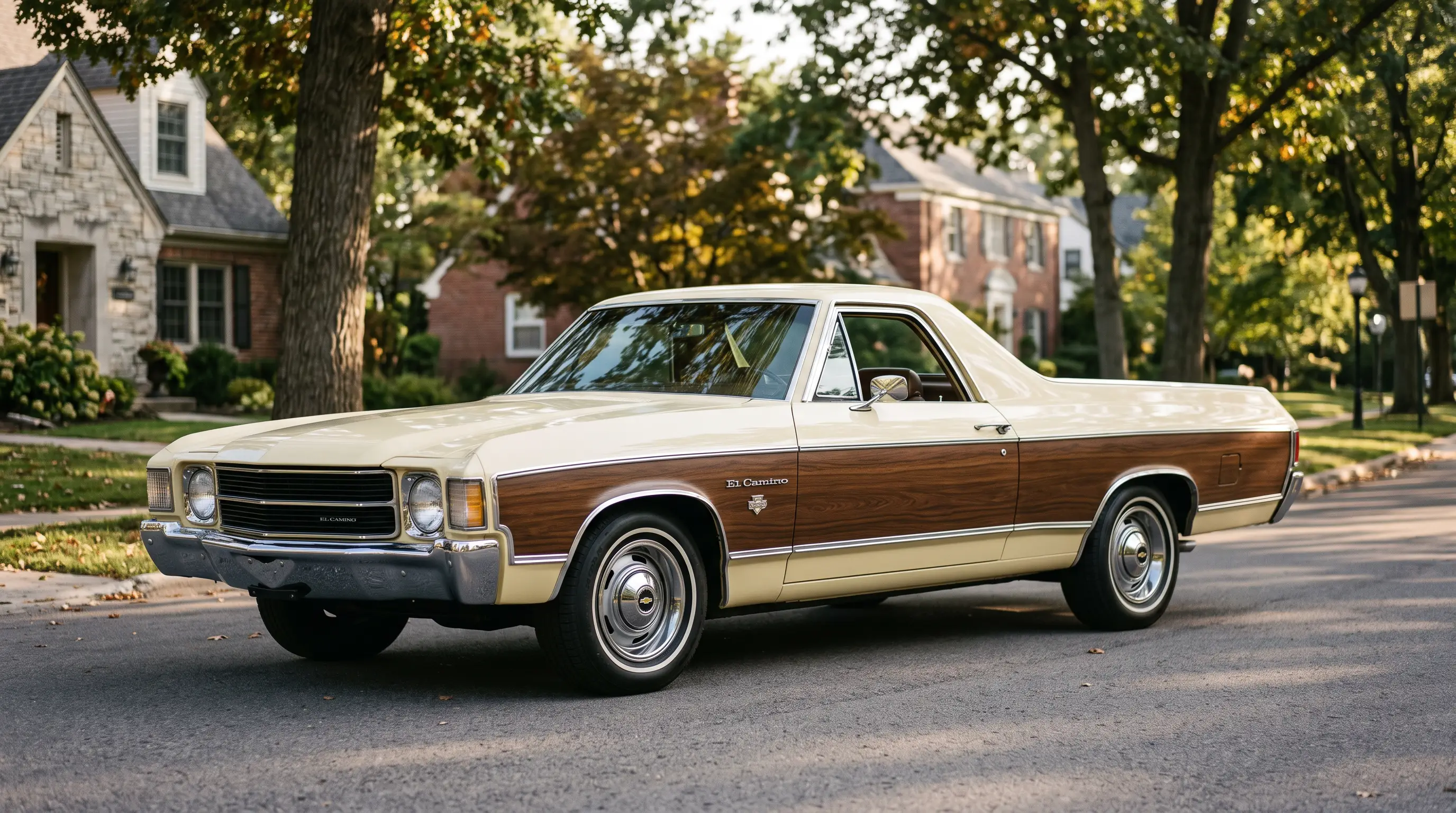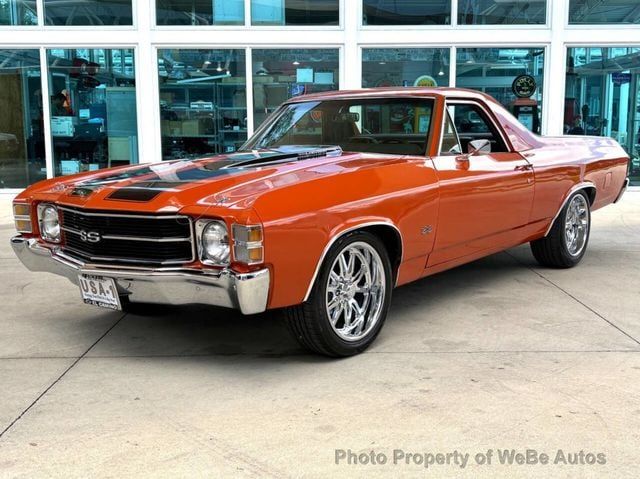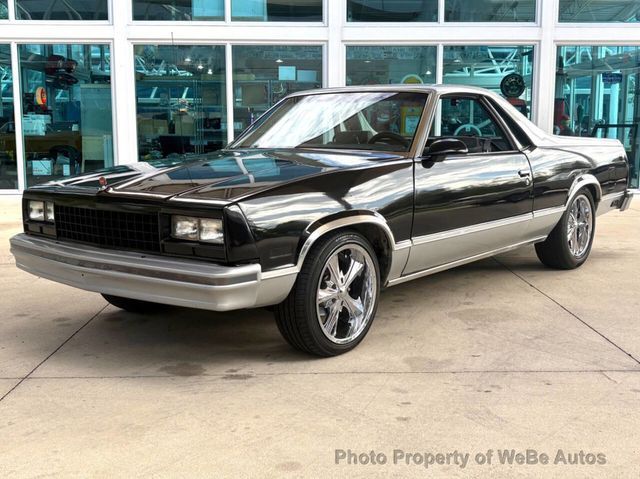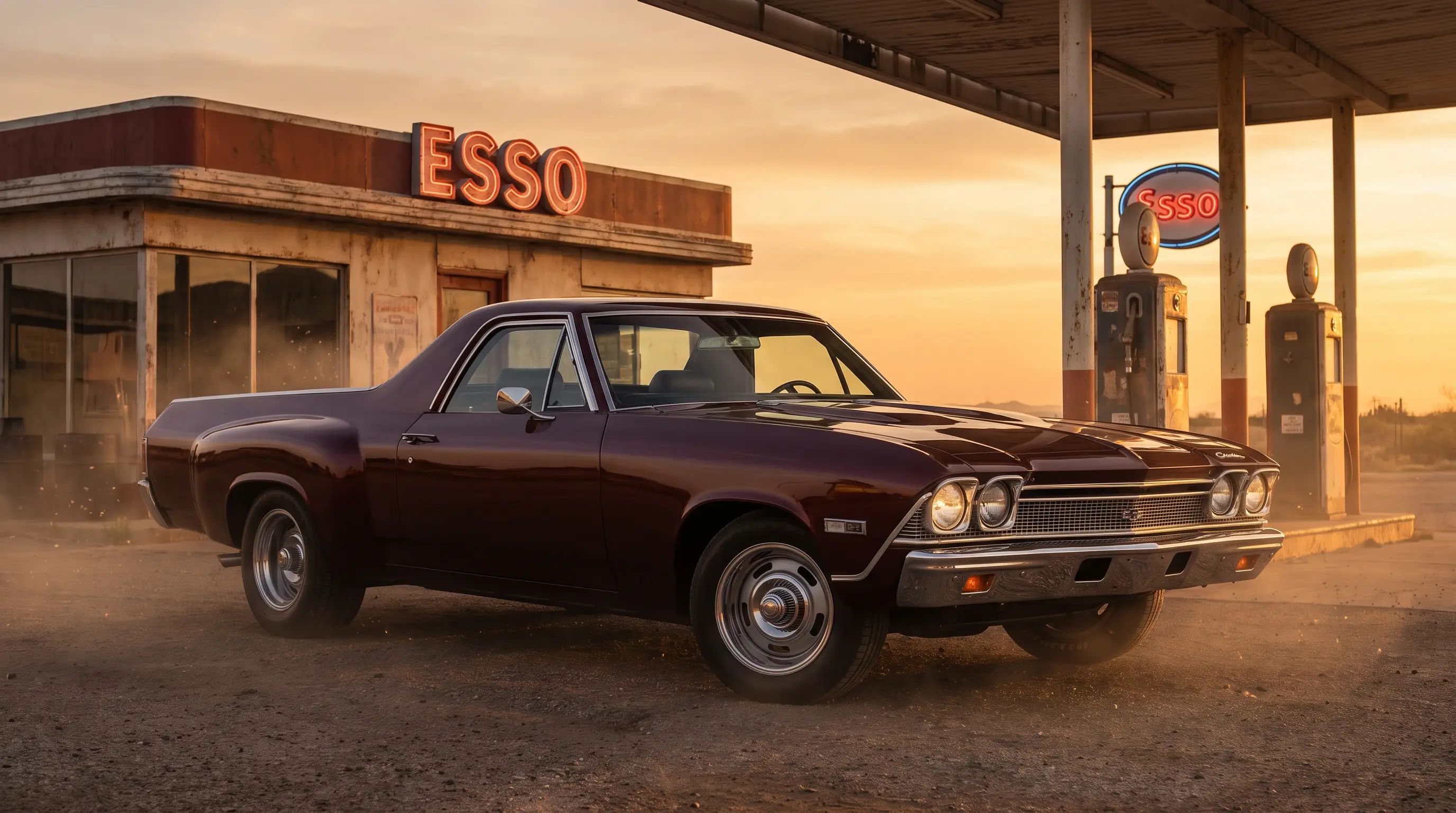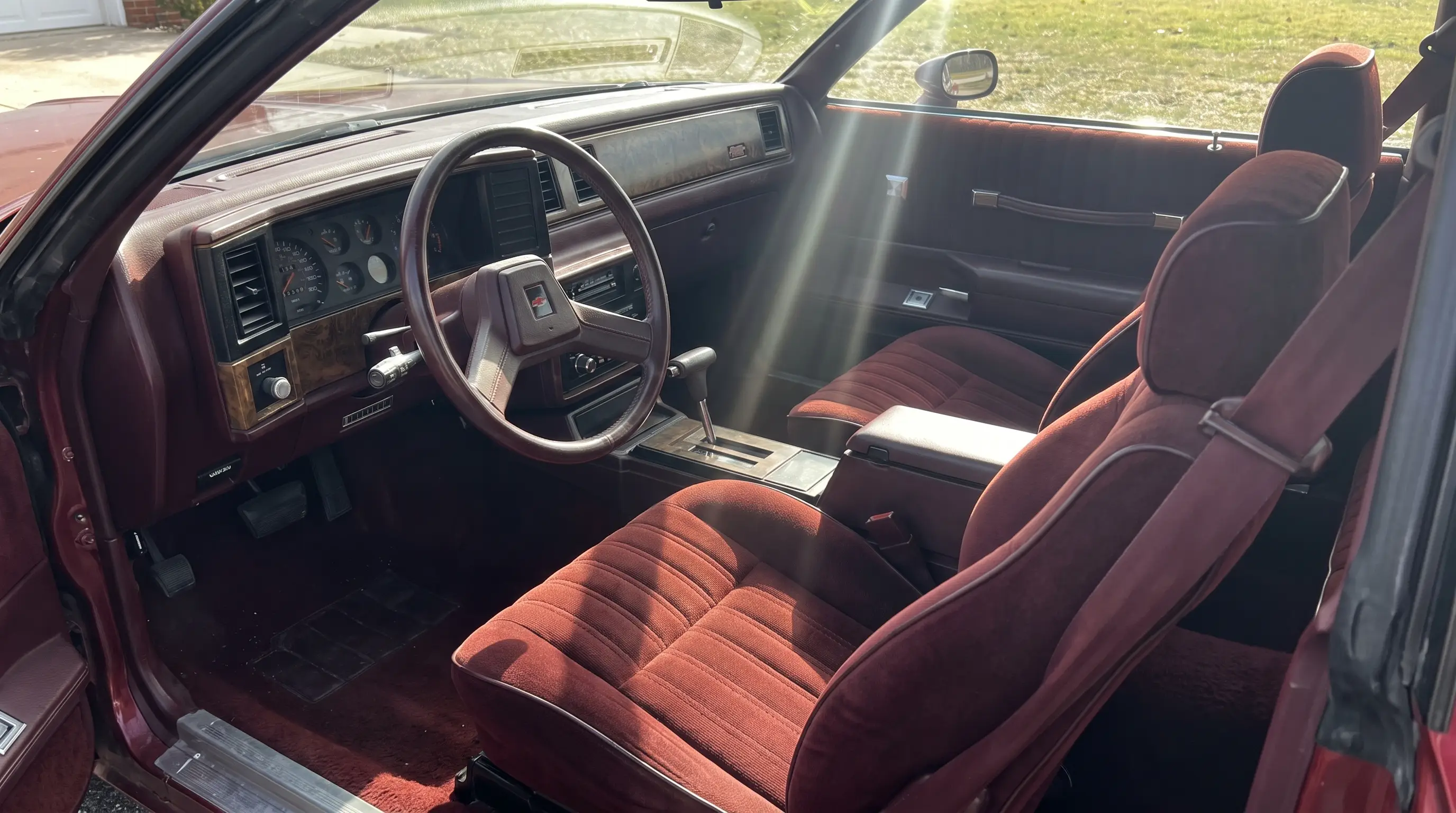
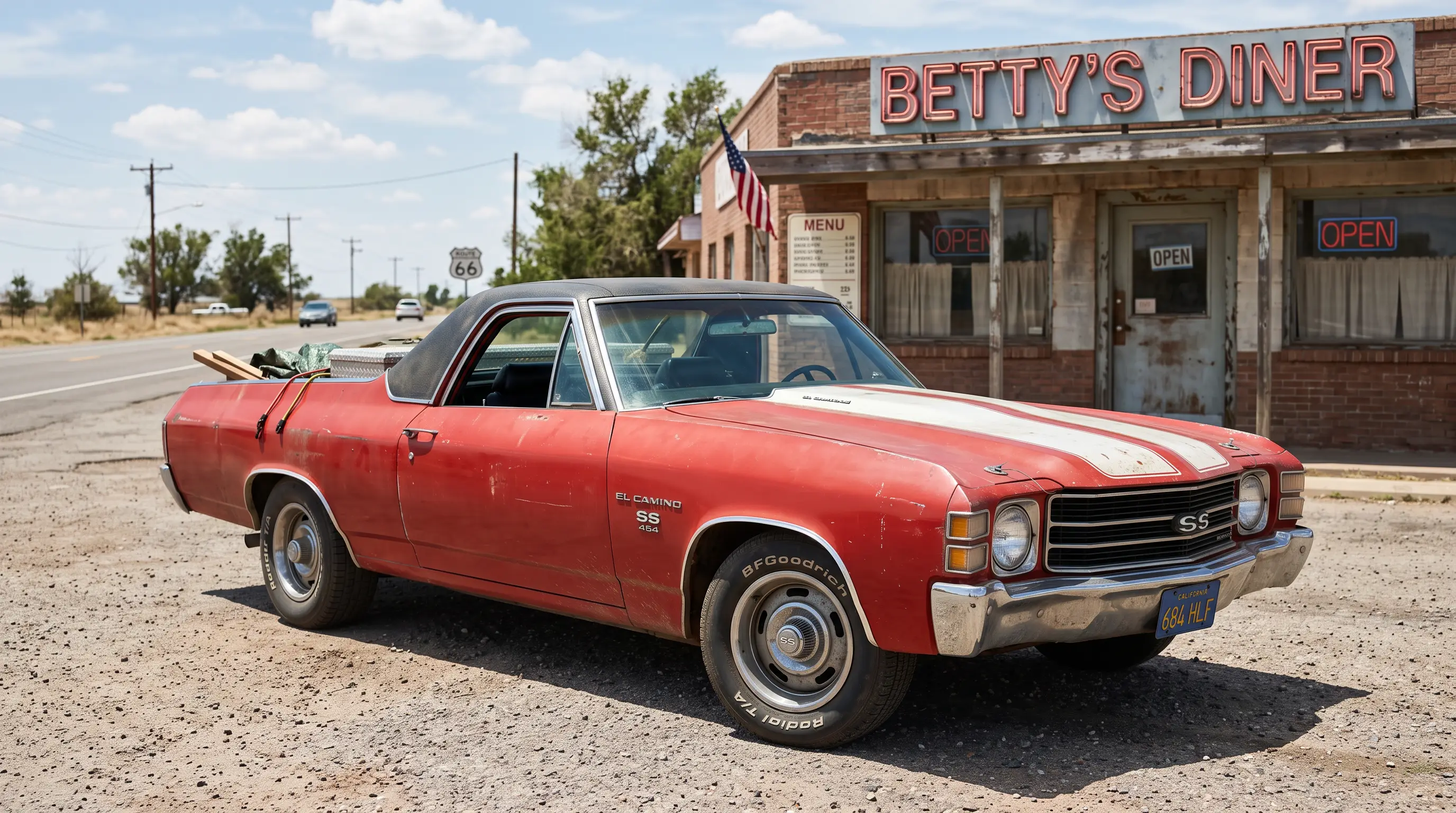
The 1972 El Camino was never marketed as a weekend toy. Chevrolet sold it as a car that hauled lumber on Saturday and carried a family to church on Sunday, a genuine dual-purpose vehicle at a time when most performance cars asked owners to choose between practicality and image. That dual identity is the real story behind the daily muscle hauler framing, and it explains why period owners bought these cars for reasons that had nothing to do with drag strip bragging rights, even when the SS option sat right there on the order sheet.
What "daily hauler" actually meant in 1972
Original owner accounts and period dealer materials describe a buyer who wanted a truck bed without giving up a car's ride and interior comforts, someone who needed to move tools, feed, or hardware during the week and still wanted something presentable for regular driving the rest of the time. The El Camino filled that gap in a way a full-size pickup of the era did not, riding on a car platform with a smoother ride and a more finished interior than the utilitarian trucks Chevrolet sold alongside it. That combination made the El Camino a genuine daily-use vehicle for a specific kind of owner, not a novelty bought purely for its looks.
1972 sat at an interesting point in that story, since it was the last year of the Chevelle-based generation before a heavier, more comfort-focused redesign arrived for 1973. Owners who bought a 1972 for daily use were getting the lighter, more agile version of the formula, one final season before the car itself changed character with the new body style.
The SS option in a working vehicle
Choosing the SS package on a car you planned to use for hauling and daily driving was not a contradiction in period, even though it reads that way to buyers today who assume performance options only made sense on cars kept purely for show or for the strip. A stiffer suspension and a stronger engine option served a practical owner just as well as a strictly recreational one, since a car that regularly carried loads in the bed benefited from the SS package's upgraded springs and shocks regardless of whether the owner ever raced it.
That practical case for the SS option gets lost in modern retellings that treat every SS-badged car as a pure performance build. Plenty of genuine period SS El Caminos spent their working lives exactly as advertised: driven to a job site, loaded with equipment, and driven home again, with the performance hardware along for the ride rather than the whole point of the purchase.
How this history shapes collector perception now
Cars that spent decades in genuine working use often carry more honest wear than garage-kept show cars, and that wear tells its own story about how the vehicle was actually valued by its original owner. A 1972 with honest bed scratches and a well-worn interior is not automatically a lesser find than a pristine example that never left a driveway. It is a different kind of documentation, evidence that the car did the job Chevrolet actually built it to do, rather than sitting untouched as a static investment from day one.
Collectors chasing pure originality sometimes prize an honestly used, working-history example over a suspiciously perfect one precisely because the wear pattern is harder to fake than a repainted panel. That preference has grown as more buyers push back against the idea that only pristine, never-driven cars deserve serious collector attention, a shift worth keeping in mind when comparing listings for shop classic El Camino listings.
| Use case | What buyers valued |
|---|---|
| Work and hauling | Bed capacity, ride comfort, suspension durability |
| Daily transportation | Car-like interior, smoother ride than a full-size truck |
| SS option buyers | Stronger engine and suspension for both work and weekend driving |
"Nobody bought an El Camino because they could not decide between a truck and a car. They bought it because they did not want to choose, and Chevrolet understood that better than most of the competition."
- Tom Ramirez
Who actually bought a 1972 for daily use
Period sales records and dealer accounts point toward a buyer profile that skewed broader than the muscle-car enthusiast image most people carry today. Tradesmen who needed a bed for tools but did not want to drive a full-size truck every day made up a meaningful share of buyers, as did small business owners who used the car as both a work vehicle and their primary personal transportation. Families in suburban and rural areas alike found the combination appealing for the same reason: one vehicle covering two jobs meant one insurance policy, one loan payment, and one parking spot instead of two.
This buyer profile matters for how you read a surviving 1972 today. A car with mismatched paint from repeated repair, honest mechanical wear, and a service history showing regular maintenance rather than pristine storage likely lived exactly the life its original buyer intended. That is a different, and in some ways more interesting, story than a garage queen bought new and driven only to the odd car show over five decades.
Reading a working-history car today
Anyone shopping a 1972 El Camino with clear evidence of genuine period work use should treat that history as a feature, not a flaw, provided the mechanical fundamentals and documentation still hold up. A bed liner worn from real cargo, an interior with honest fabric wear, and service records showing regular use all tell a coherent story about a car that lived the life it was built for. That story sits alongside, and arguably strengthens, the broader context covered in the whole picture of what this model year represented, both on the order sheet and in actual daily use across the country.
Why this matters more than a spec sheet
Focusing only on horsepower ratings and option codes misses what actually made the 1972 El Camino significant to the people who bought it new. It was a solution to a real problem, one vehicle instead of two, and that practical case sold cars just as effectively as any performance package did. Understanding the daily muscle hauler identity of this generation gives a fuller, more accurate picture of the car than a pure performance narrative ever could on its own, and it explains why so many surviving examples show genuine wear from genuine use rather than sitting as untouched showroom pieces for fifty years. The car earned its reputation one hauled load and one commute at a time, long before any of it became collector shorthand on an auction slide.