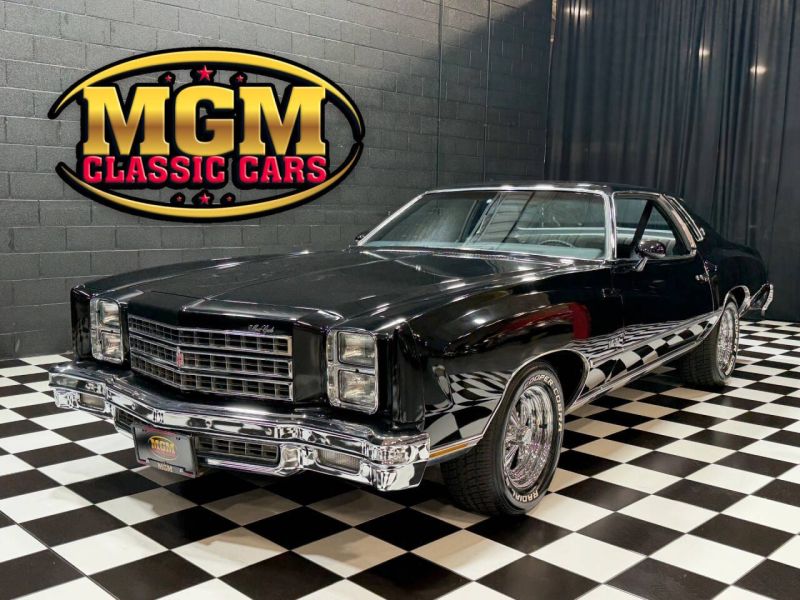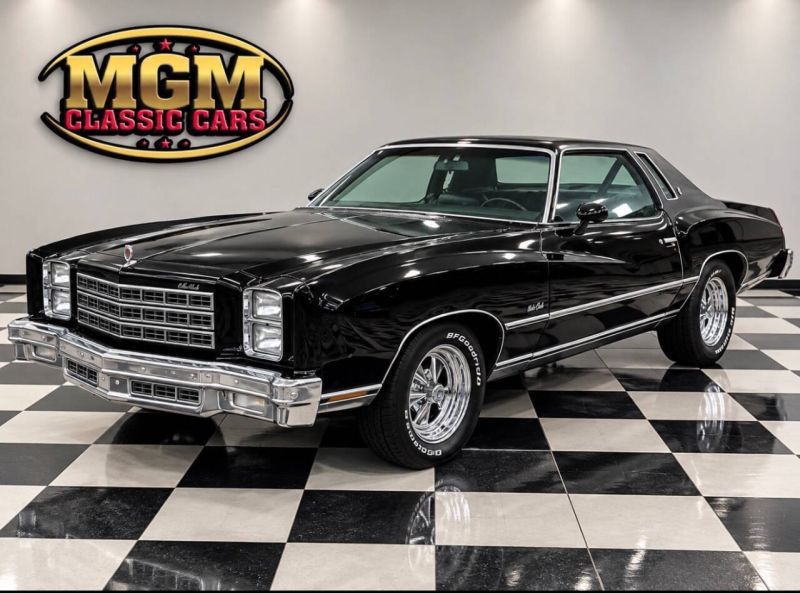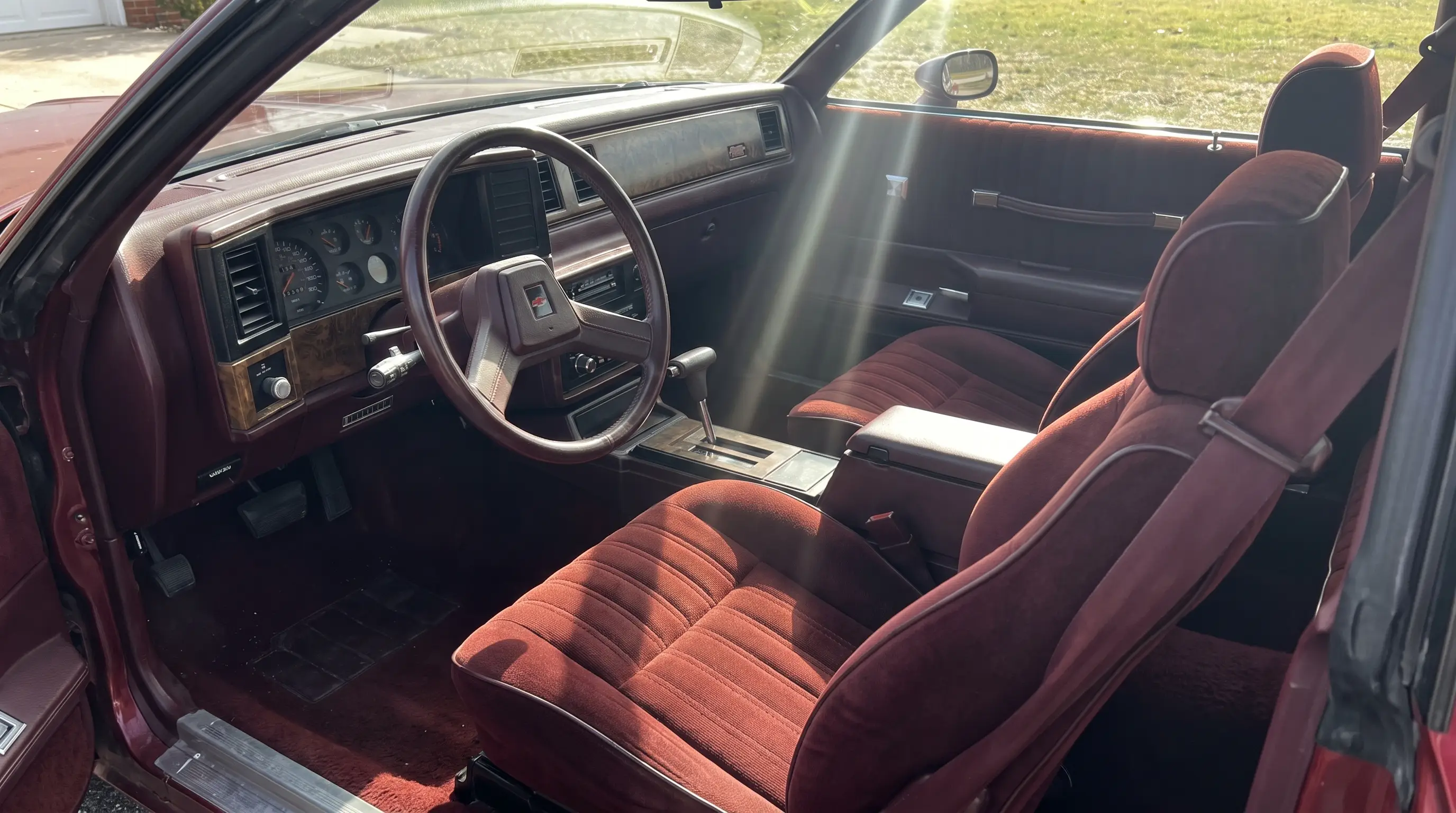
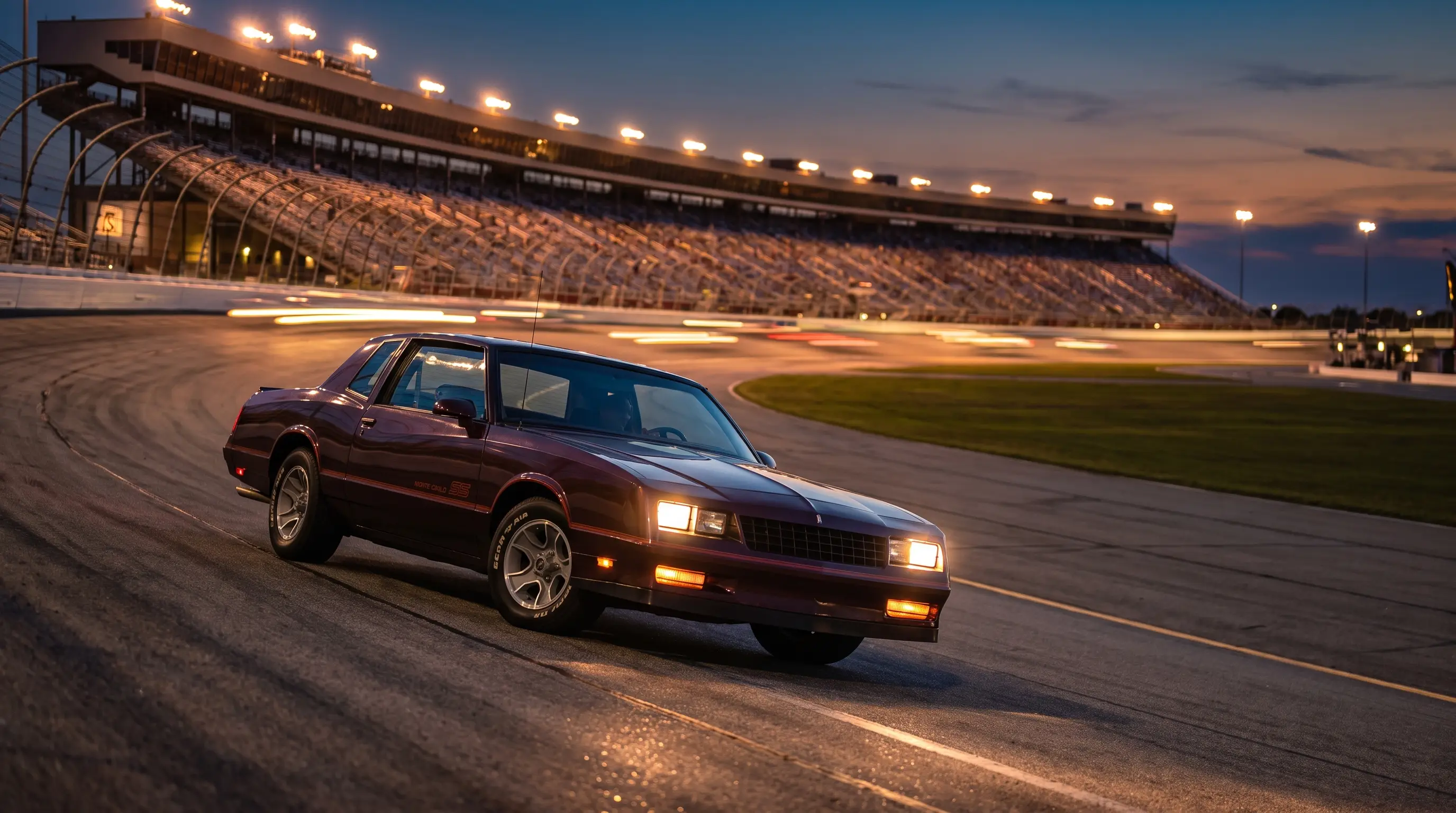
Every Monte Carlo SS club has a guy like Ronnie. He shows up to the summer cruise-in with a lawn chair, a cooler, and a story he has told a hundred times about the day his 1986 SS got mistaken for a race car outside a Hardee's in North Carolina. The kid at the drive-through window swore he had seen the same slope-backed roofline on television the Sunday before, at Talladega, doing over 200 miles an hour. Ronnie never corrected him. Why would he? For one glorious stretch of the 1980s, the family sedan parked in your driveway and the car thundering around a superspeedway actually did share a windshield angle, and that is the part of the Monte Carlo story people outside the hobby rarely hear.
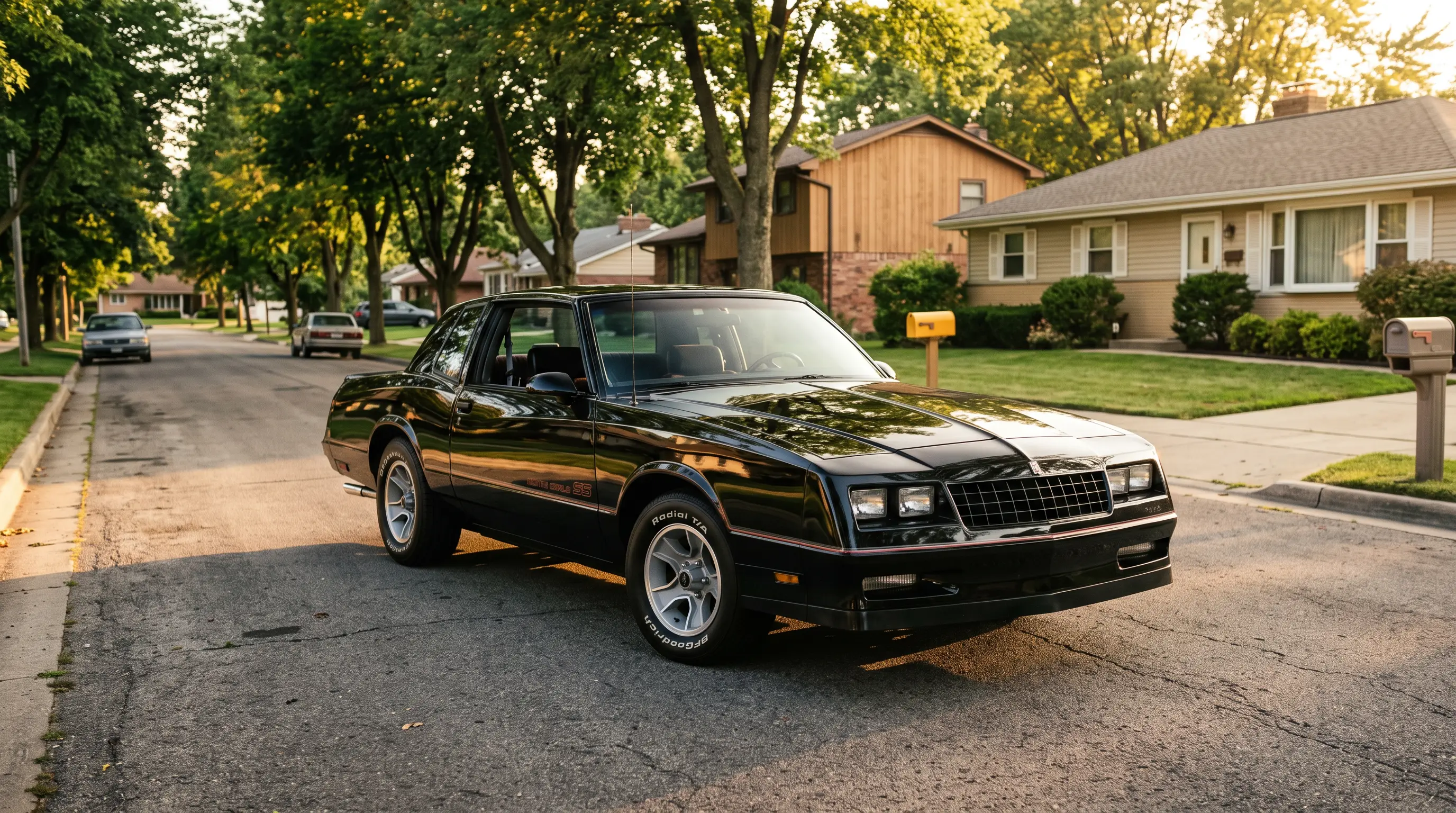
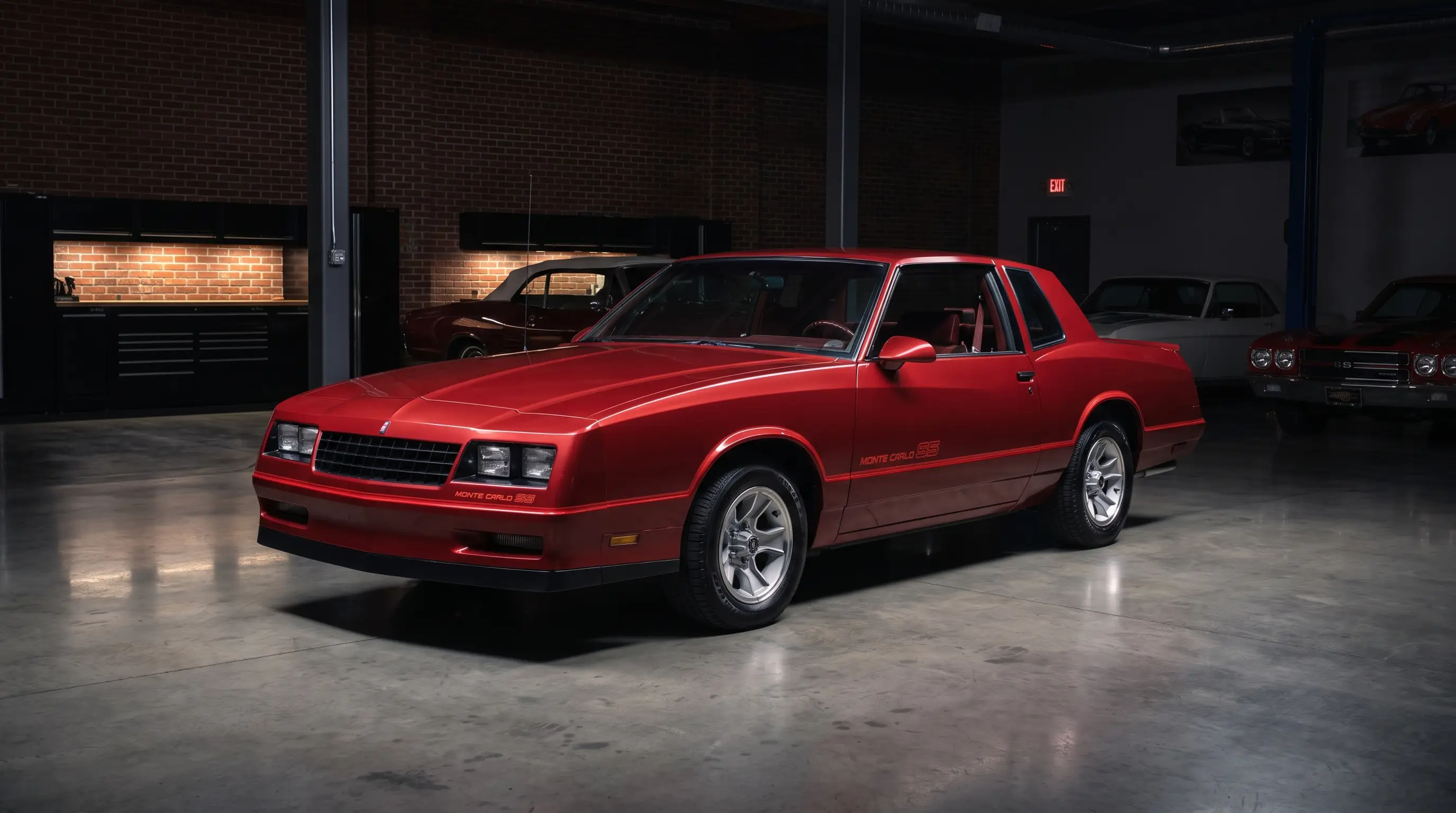
The connection between NASCAR and the street Monte Carlo SS did not start as a marketing gimmick dreamed up by an ad agency. It started as a problem Chevrolet had on the racetrack. By the mid-1980s, Ford's Thunderbird had a nose and roofline shaped by the wind tunnel, and at Daytona and Talladega that shape was worth real positions on the track. The notchback Monte Carlo SS, handsome as it was, punched a bigger hole in the air. Chevrolet teams were giving away speed on the two fastest ovals in the sport, and everybody in the garage area knew it.
A rulebook that forced a design decision
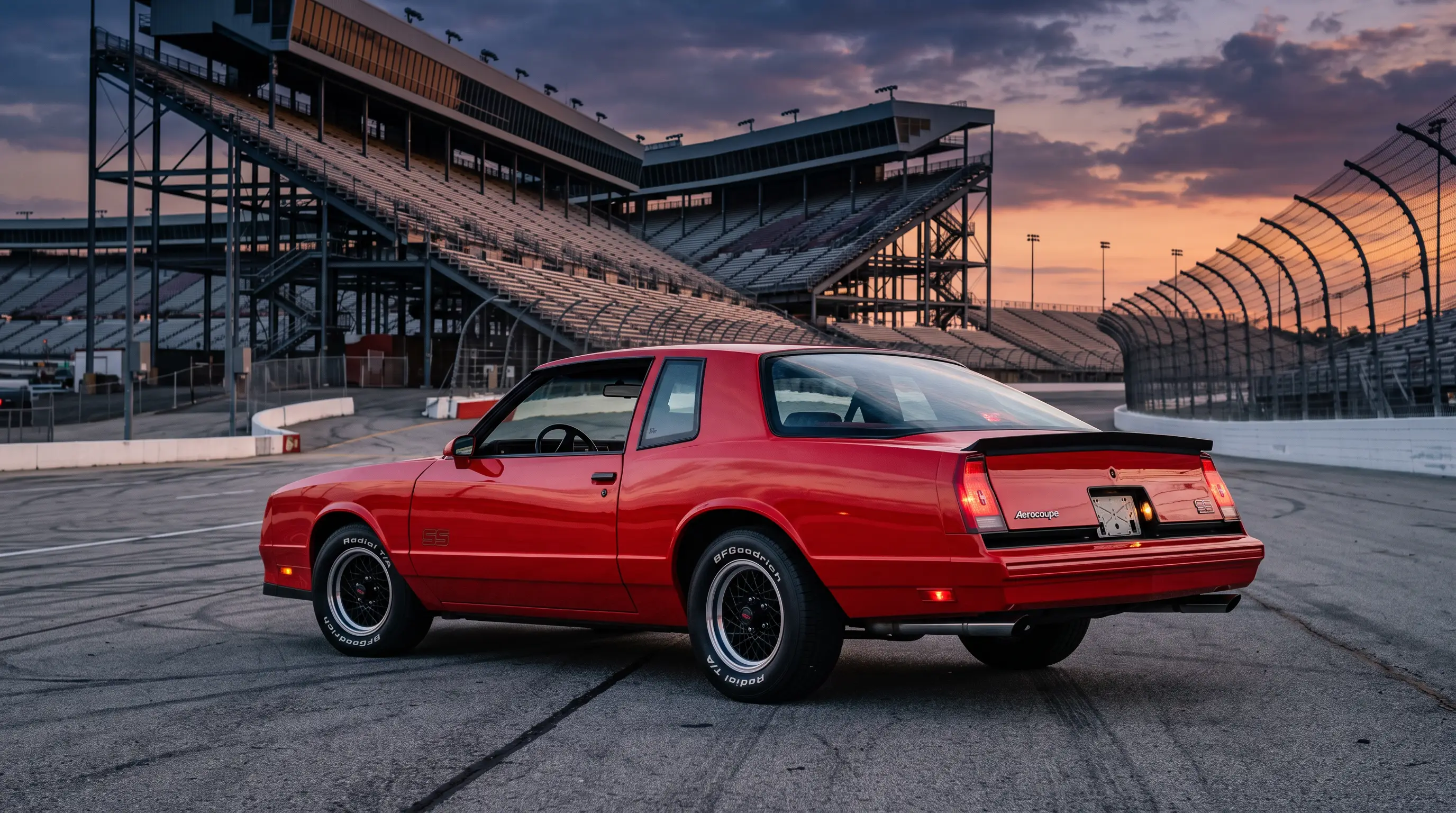
NASCAR in this era ran under a homologation principle that sounds almost quaint now: if you wanted to race a body style, a real version of it had to be sold to real customers. That rule is the entire reason the Aerocoupe exists. Chevrolet engineers took the standard SS notchback and reworked the rear glass into a fastback-style slope, extending the back window and reshaping the decklid to cut drag at speed. The changes look subtle in a parking lot. At 190 miles an hour they were not subtle at all.
Because the rule required street cars, not just race cars, Chevrolet built a limited run for 1986 dealers could actually sell, badged Aerocoupe, before expanding production for 1987. Wayne remembers the first time a club member showed up with a build sheet from a dealer in Ohio confirming his car was one of the early units. Half the room did not believe the sticker until somebody produced a magazine clipping from the same year. That is how this hobby works. Somebody always has the receipt.
"People assume the Aerocoupe was a trim package somebody invented for the showroom floor. It was the exact opposite. NASCAR wrote the rule, and Chevrolet built the car to satisfy it. The dealership was the afterthought, not the racetrack."
- Wayne Coburn
Who actually drove them on Sunday
Here is where club conversations get lively, because plenty of casual fans assume every big Chevrolet name in the mid-1980s was strapped into an Aerocoupe every weekend. The reality is more complicated. Dale Earnhardt ran Monte Carlo bodies through his championship seasons in this stretch, but on the short tracks and road courses the notchback body was still common, since the aero advantage mattered most on the superspeedways where sustained high speed made drag the deciding factor. It was at Daytona and Talladega where crews reached for the sloped rear glass, chasing every fraction of a second the shape could buy them.
That distinction matters to people restoring these cars today, because it changes how you talk about your SS at a show. An Aerocoupe owner is not claiming his car chased Earnhardt lap for lap at Martinsville. He is claiming a slice of the specific arms race that played out at the two fastest tracks on the circuit, where a rear window angle was worth actual positions.
The dealer lot version of a racing decision
Club old-timers tell the homologation story a certain way, and it usually starts with somebody's father or uncle who bought one new and had no idea what he was sitting in. He liked the color, liked the T-top option, liked that the salesman threw in floor mats. He did not know he had just bought the street legal cousin of a car built to solve a wind tunnel problem at Talladega. That gap between what the buyer thought he was purchasing and what the car actually represented is a big part of why the Aerocoupe carries the weight it does with collectors now. It is a factory hot rod hiding inside an ordinary showroom transaction.
Wayne has heard variations of this same anecdote from three different clubs in three different states, always with the same beat: the family did not grasp the significance until years later, usually when a stranger at a gas station recognized the roofline and started asking questions. The documentation, the build sheets, the magazine road tests from the period, those things eventually caught up with the story and confirmed what the roofline had been hinting at the whole time.
If you want to go past the club-meeting version of this history and see the full year-by-year account of how the SS came together and evolved, the 1986 monte carlo ss story lays it out in one place. And for the broader arc of the nameplate, from the first generation through the G-body years, the full story connects all of it together.
Why the story still gets retold at cruise-ins
Part of what keeps this connection alive in club culture is how visual it is. You do not need a stopwatch or a spec sheet to feel the aero story. You just look at the back window and compare it to a regular notchback parked two spots over, and the whole homologation argument makes itself. That kind of story travels well at a car show, where most people are working with their eyes and their memory of a Sunday afternoon race broadcast, not a shop manual.
It also explains why so many owners hunt down documentation with the enthusiasm of genealogists. A build sheet, a period magazine mention, a dealer invoice with the right RPO code circled, these things turn a nice old Chevrolet into a documented piece of a specific competitive moment. That is worth something at a show, and it is worth something to the person standing next to the car who grew up watching those races on a Sunday afternoon and remembers exactly what that roofline meant when it flashed by on the high banks.
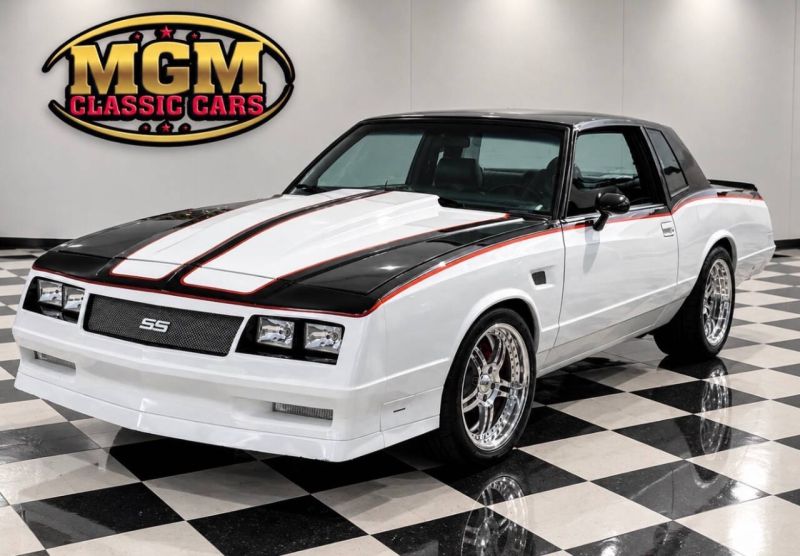
For anyone hunting one of these for their own driveway, there is a steady trickle of classic Monte Carlos on the market, notchbacks and Aerocoupes both, and the difference between the two is worth understanding before you write a check. One is a great looking eighties Chevrolet. The other is a piece of a genuine aerodynamic arms race, wearing the same badge.