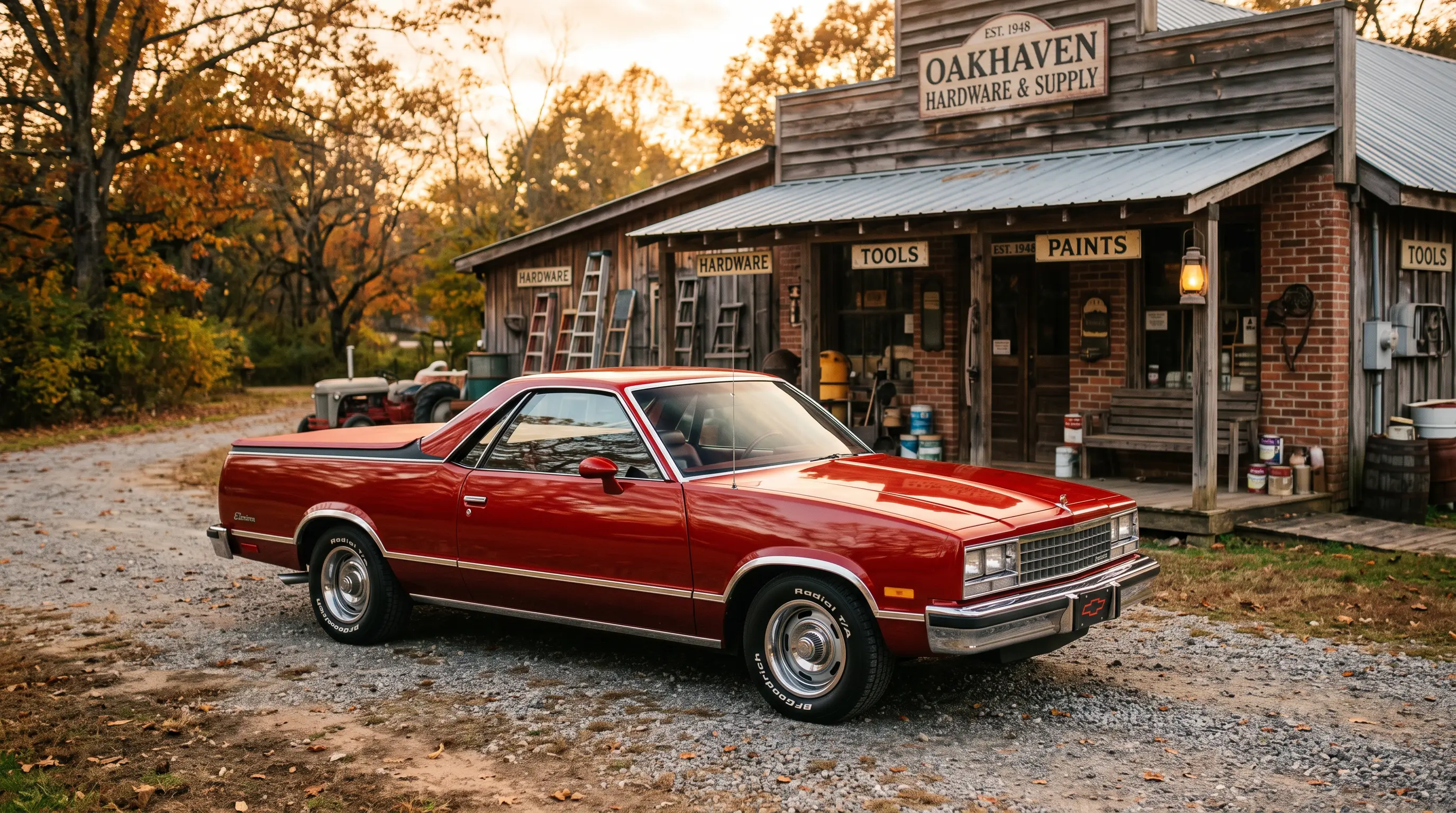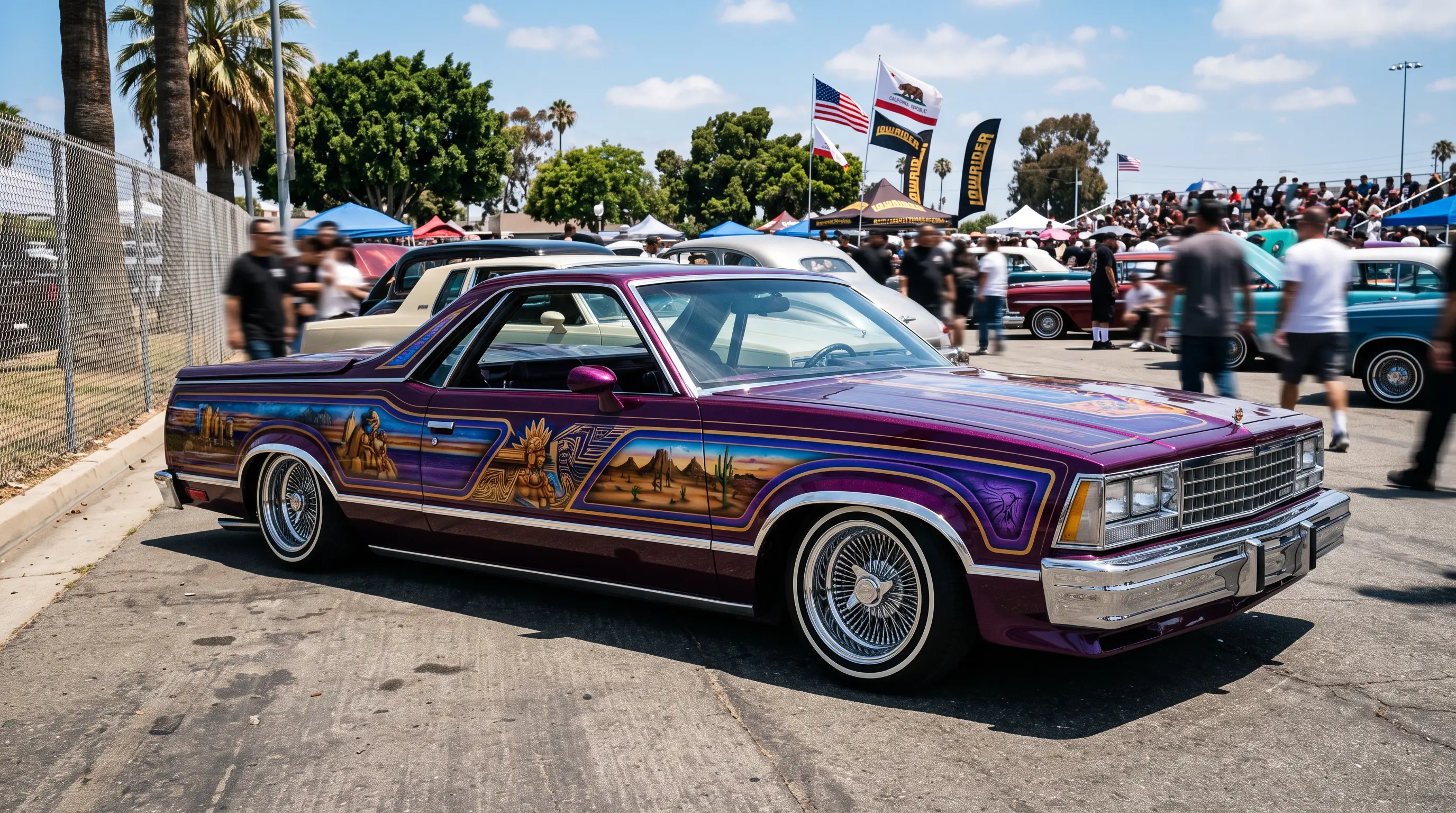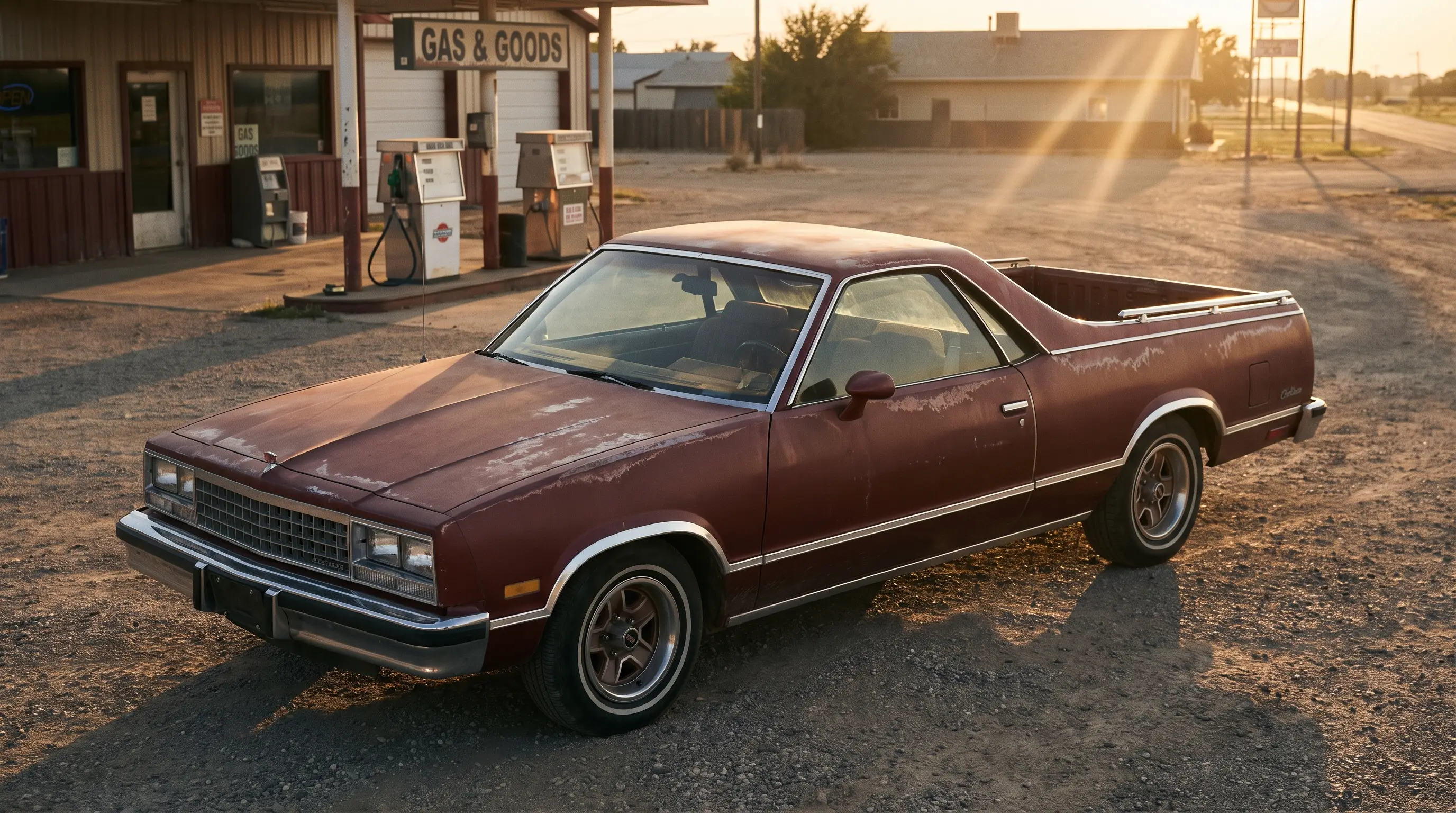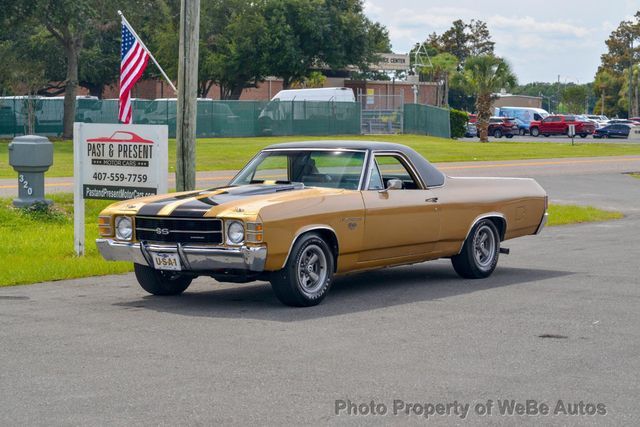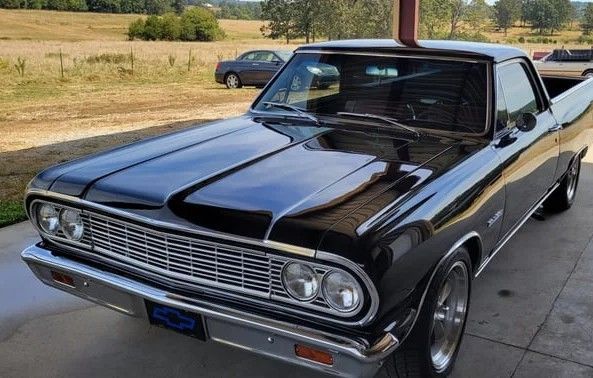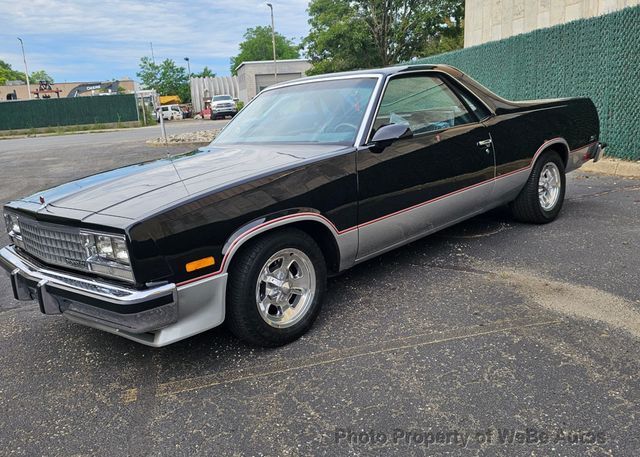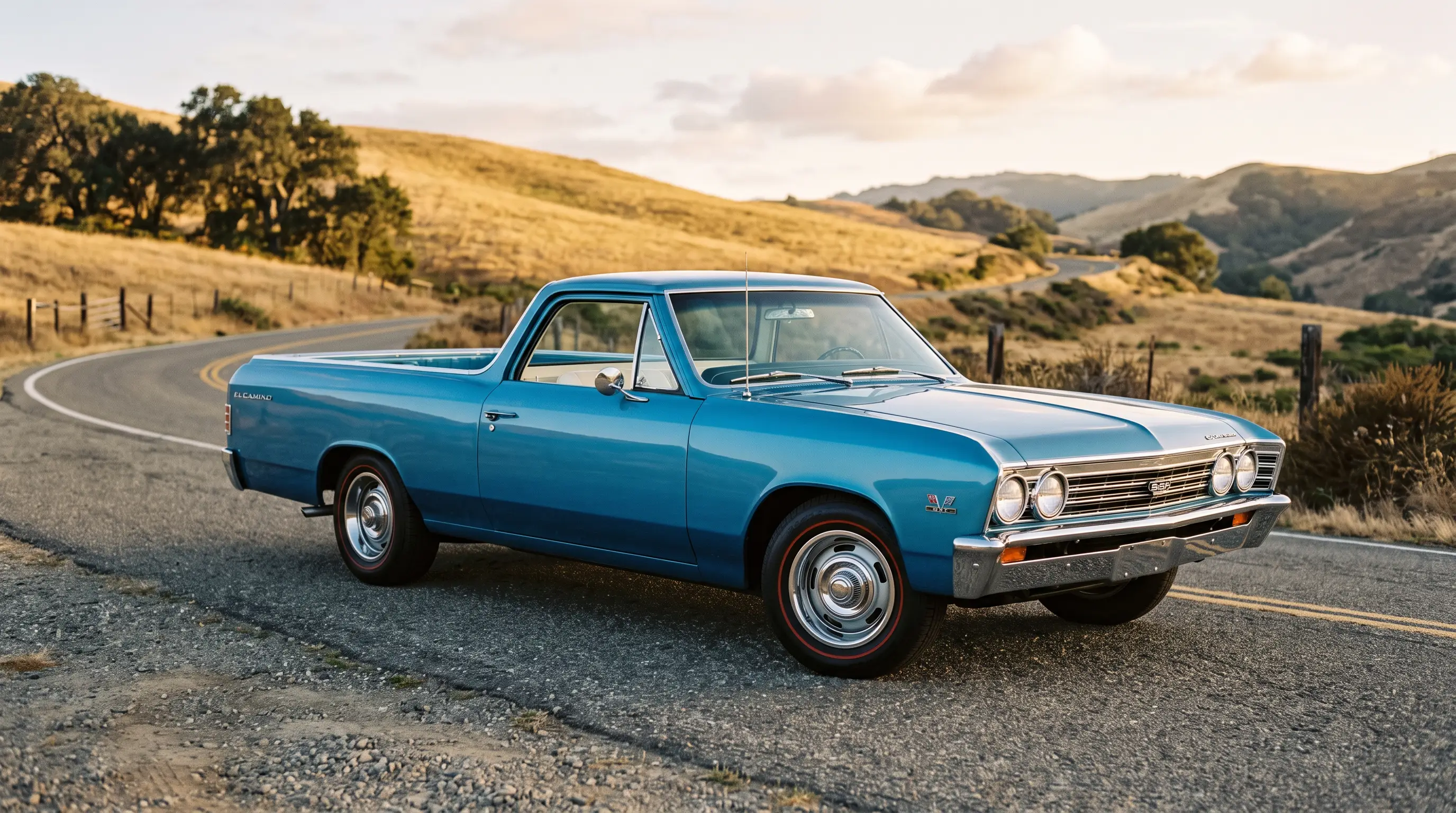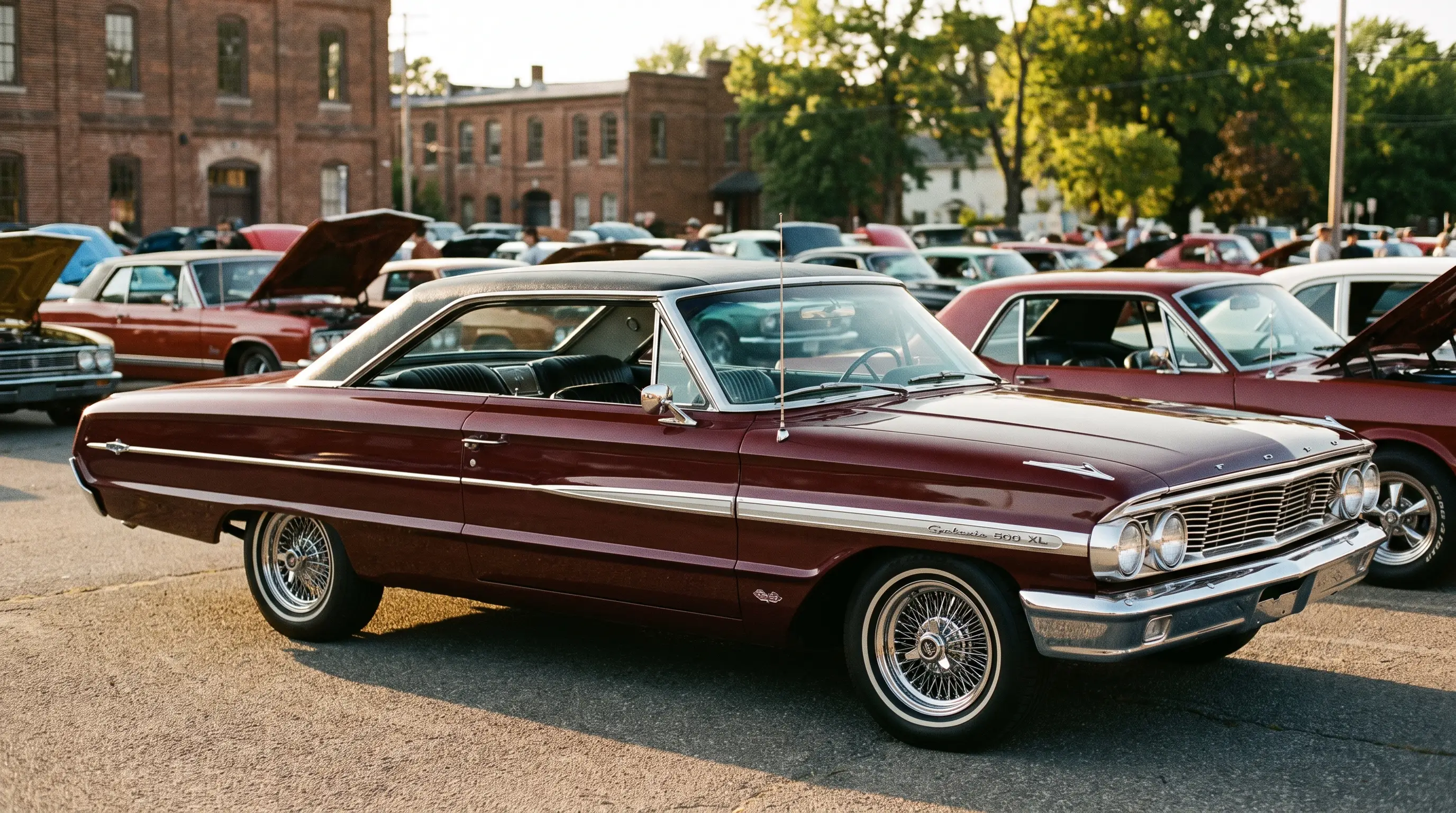
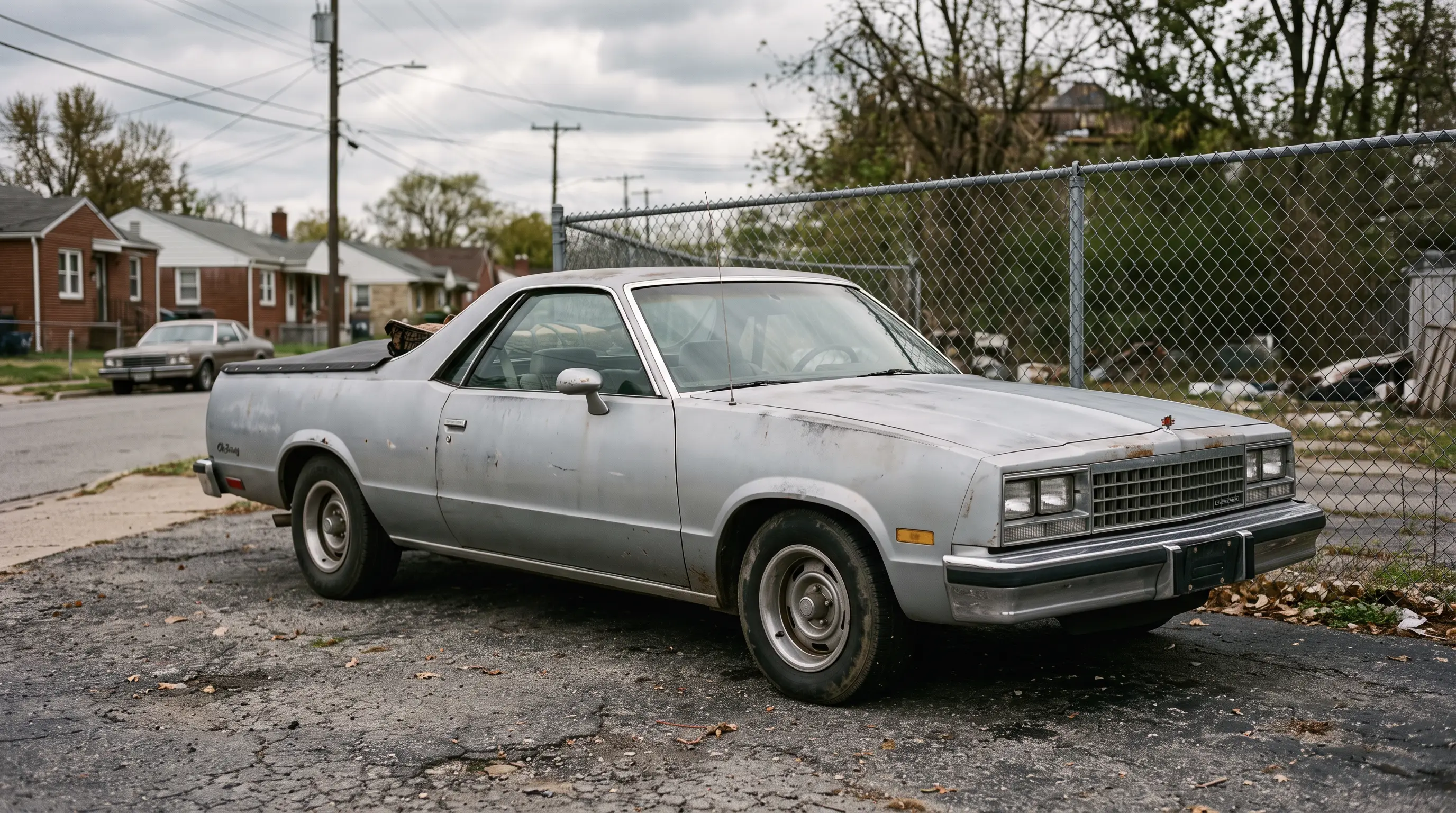
Color is culture as much as chemistry, and my aunt's El Camino was maroon, a deep, almost burgundy shade that caught the afternoon light in a way I still remember from the passenger seat, thirty-some years later. She bought it used in the late 1980s, already a few years old, and she never once mentioned the engine or the trim level. She talked about the color the way you might talk about a person's eyes. That is the thing about the 1985 El Camino that specification sheets never capture: the colors of that decade were doing emotional work the horsepower figures could not.
A palette built for a different kind of confidence
The 1980s produced a specific family of colors that feel, in retrospect, like a deliberate departure from everything that came before. Where the muscle era leaned on hot, aggressive shades meant to announce a car before it arrived, the 1980s palette turned inward. Maroons, silvers, deep blues, and the occasional two-tone combination pairing a dark body with a lighter lower panel or vice versa. These were not shy colors exactly, but they were colors built for restraint rather than spectacle, matching a decade that had traded the previous era's swagger for something quieter and more deliberate.
Silver in particular carried a kind of technological optimism that fit the moment. It was the color of a decade fascinated with computers and a certain vision of the future, and it showed up on everything from El Caminos to home appliances. On a G-body, silver had a way of emphasizing the car's flat, honest panels rather than hiding them, giving even a modestly equipped example a clean, almost architectural presence in a parking lot.
What the color choices tell us about the buyers
Color is never just aesthetic. It is a decision made by an actual person standing at a dealership, weighing options against a budget and a sense of who they wanted to be seen as. The person who chose maroon in 1985 was rarely chasing attention the way a buyer choosing a screaming orange muscle car in 1970 had been. They wanted something that read as tasteful, a touch conservative, appropriate for a vehicle that was going to spend as much time hauling lumber as it did anything else.
That restraint reflected something real about the era. The exuberance of the muscle years had given way to a decade shaped by fuel crises, economic uncertainty, and a general sense that showing off with a car was a little out of step with the times. The colors people chose for a practical vehicle like the El Camino followed that mood closely. Quiet confidence replaced loud statement, and the palette on dealer lots shifted accordingly.
Living memory versus the historical record
What strikes me, writing about this decades later, is how much color does the remembering that facts alone cannot. Ask someone about their family's 1985 El Camino and they will tell you the color before they tell you the engine size, almost every time. That is not a failure of memory. It is a recognition of what actually mattered to the person living with the car day to day. The specification sheet records a 305 cubic inch (5.0-liter) V8 rated at 150 horsepower, or the standard 4.3-liter V6 rated at 130 horsepower. The family photo album records a maroon car in a driveway, my aunt leaning against the fender, smiling at whoever held the camera.
The fuller mechanical and production history behind these cars, including the engine and trim details that the color choices sat on top of, is covered in 1985 el camino history, and it is worth reading if you want the complete picture rather than just the palette. There is also a related story covering how the car finished out its run in the years just after, which carries its own small shifts in color and trim as the platform wound down.
"Nobody remembers a horsepower figure the way they remember the exact shade of maroon their mother's car was. The color is where the memory actually lives."
- Nora Beckett
Why these colors are having a small revival
There is a quiet nostalgia now for exactly this palette, the muted maroons and silvers that a previous generation of collectors dismissed as boring next to a bright 1970 SS396. People who grew up around these colors, who associate them with a specific parent or grandparent or neighborhood, are the ones now shopping for a 1980s El Camino specifically in the shade they remember rather than whichever color happens to be for sale. That kind of memory-driven buying is different from the usual collector calculus of rarity and originality, and it is reshaping which examples get preserved.
If a particular shade means something to you the way maroon means something to me, the search for the right example is worth the patience it takes. There are usually a handful of El Caminos for sale now in something close to the original 1980s palette, and finding the right one feels less like a transaction and more like finding a very specific memory made solid again. My aunt sold hers years ago. I still notice every maroon G-body I pass on the highway, and I still, for just a second, look for her in the driver's seat.
The interiors matched the mood, too
Step inside a well-kept 1985 El Camino and the color story continues. Cloth interiors in muted tans, grays, and burgundies replaced the vinyl bench seats of the previous decade, another small signal of a car aiming for comfort and quiet dignity rather than sport. Dashboard trim leaned toward simple woodgrain appliques or matte black, nothing flashy, nothing meant to draw attention to itself. The whole cabin felt designed by someone who assumed the owner wanted to relax on the way to work, not perform for an audience that was not there.
That interior restraint is easy to overlook now, decades removed from the showroom floor, but it tells the same story the exterior colors tell. A generation of designers, working under real cost constraints and a changed cultural mood, built a cabin meant to feel calm rather than exciting. Sitting in a well-preserved example today, the effect still lands. It does not feel like a museum piece pretending to be exciting. It feels like a comfortable, honest room on wheels, exactly what it was designed to be.
Original interior color combinations are getting harder to find in good condition, since cloth wears and fades in ways paint does not always show as visibly. A car that still has its factory seats in the original shade, unfaded and unripped, is a small time capsule in its own right, arguably a better one than the paint, because interiors get replaced or reupholstered far more often than bodies get repainted to a different color entirely.