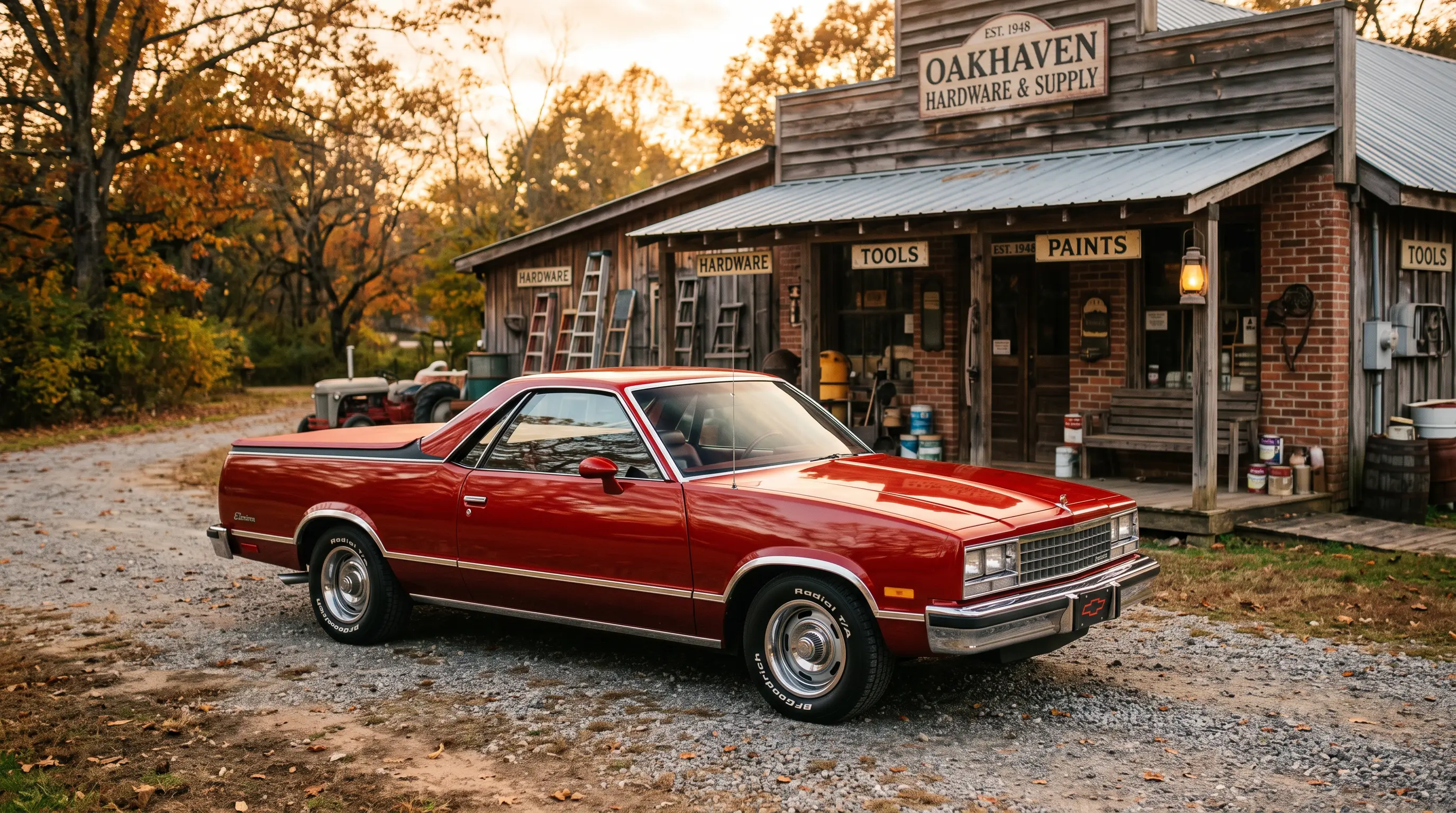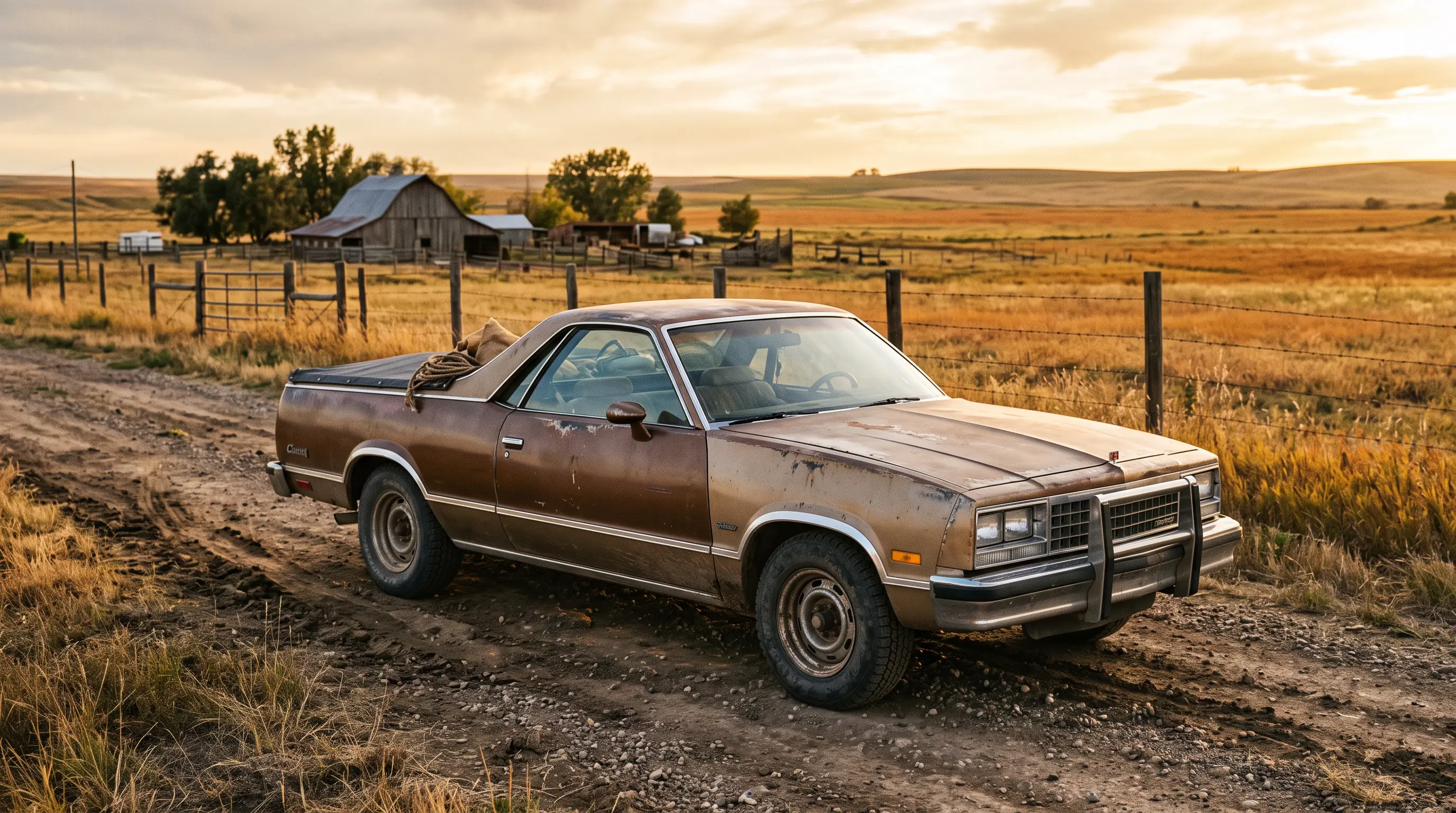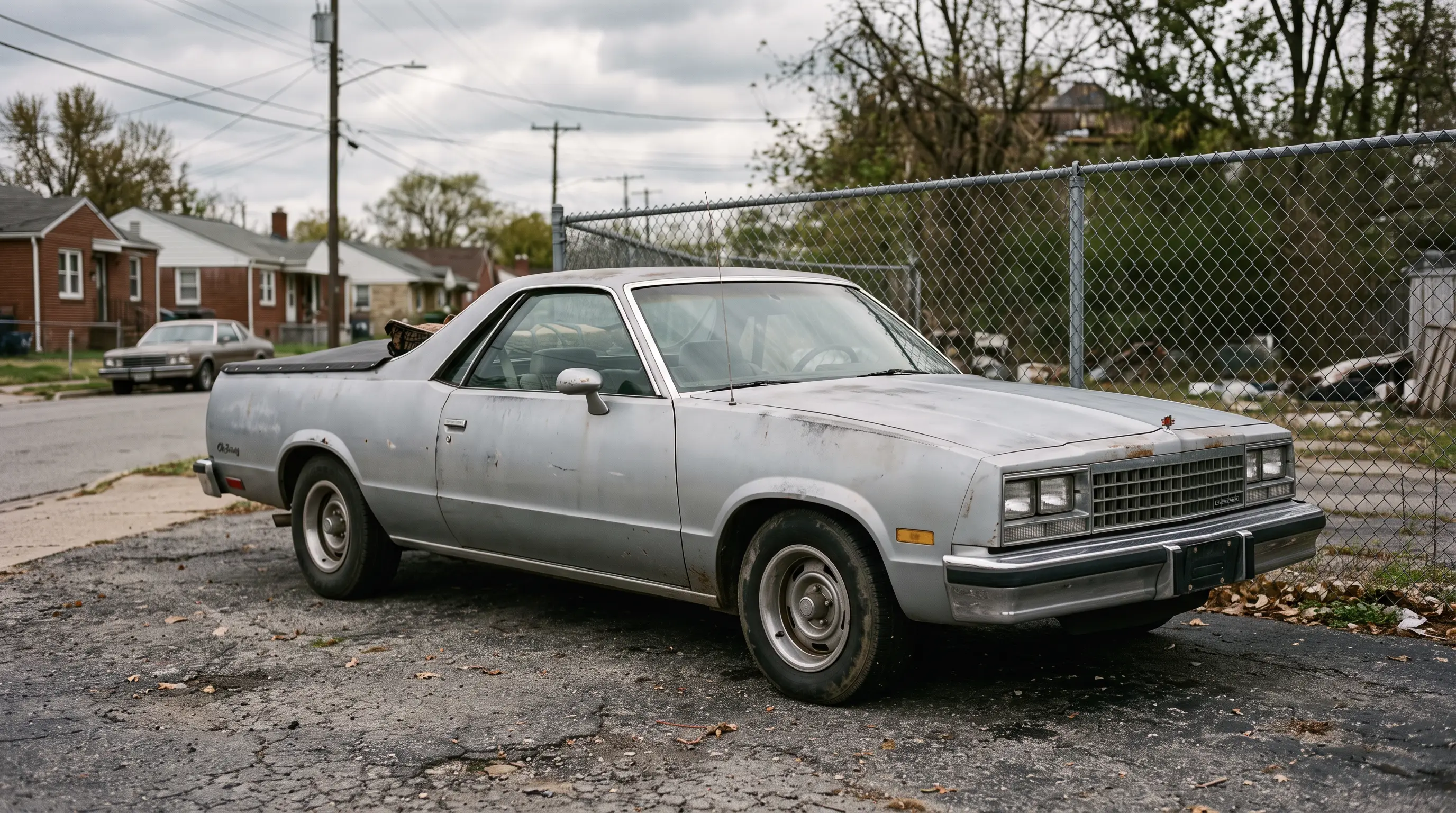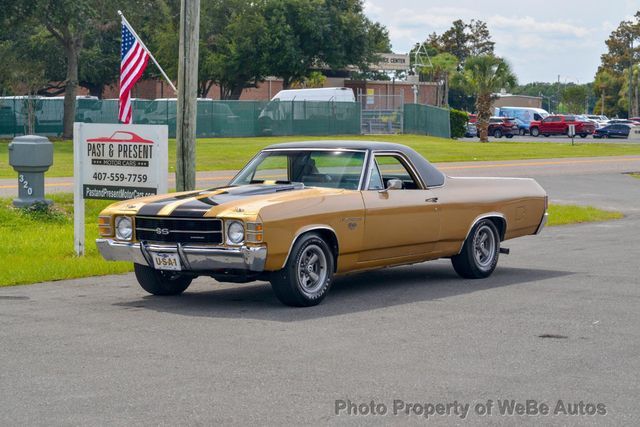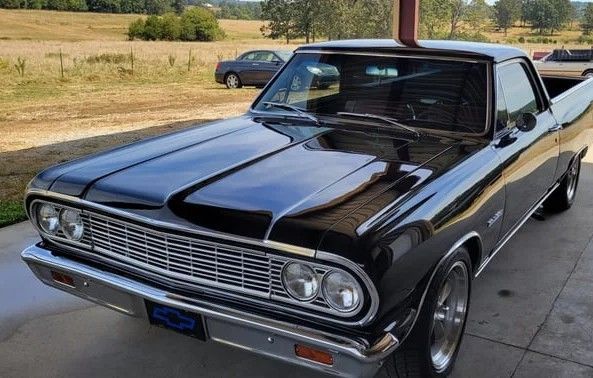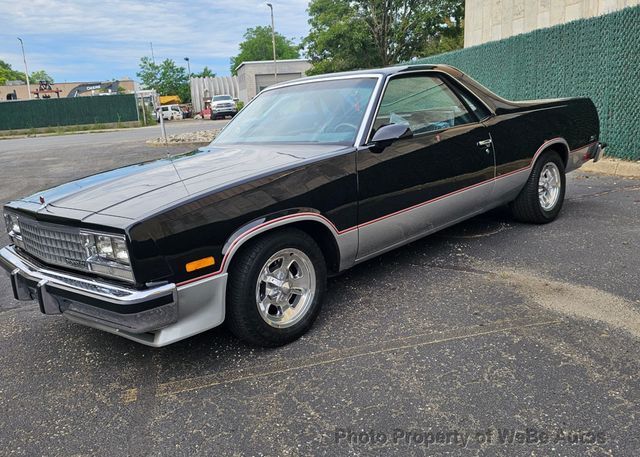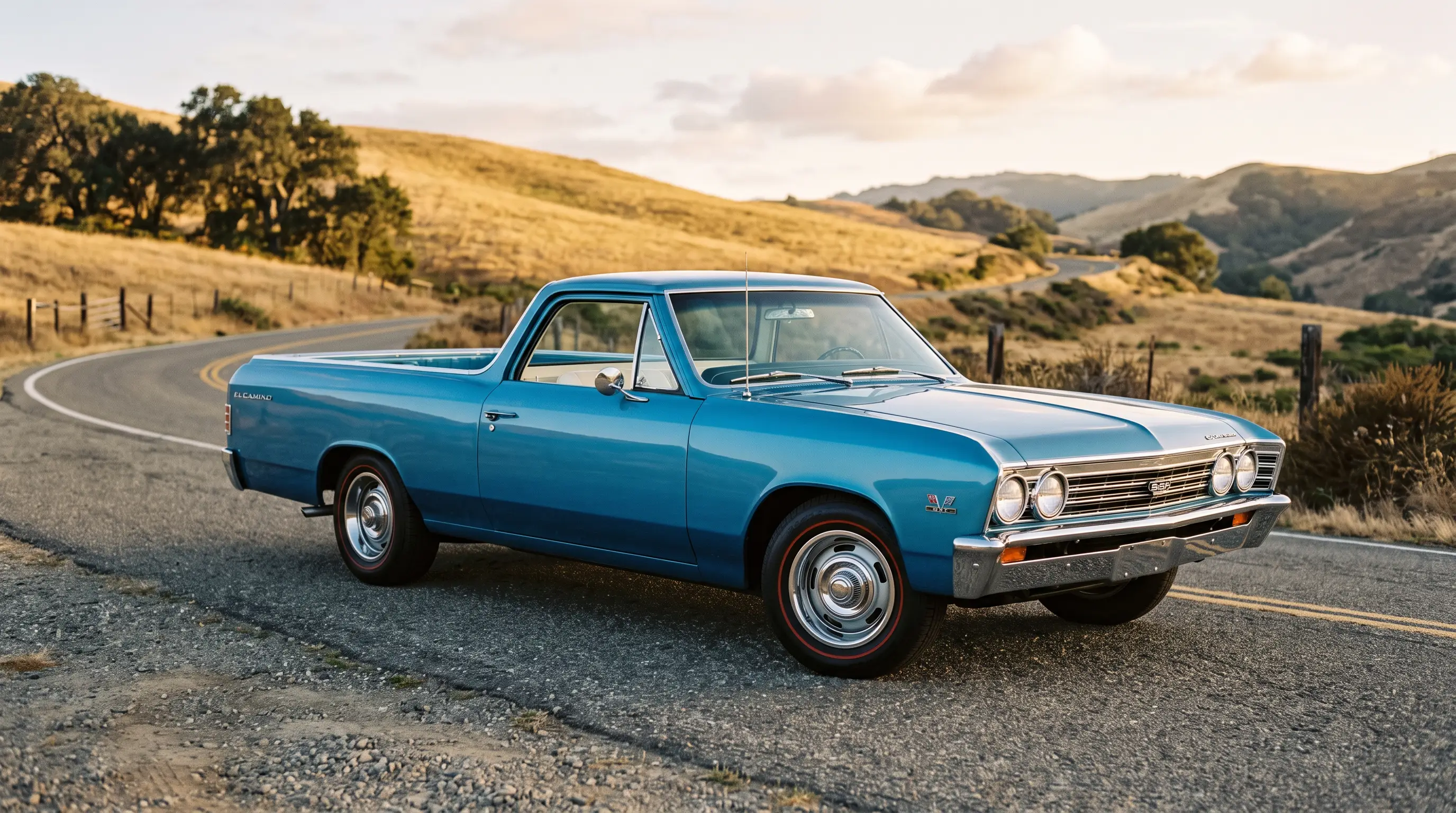
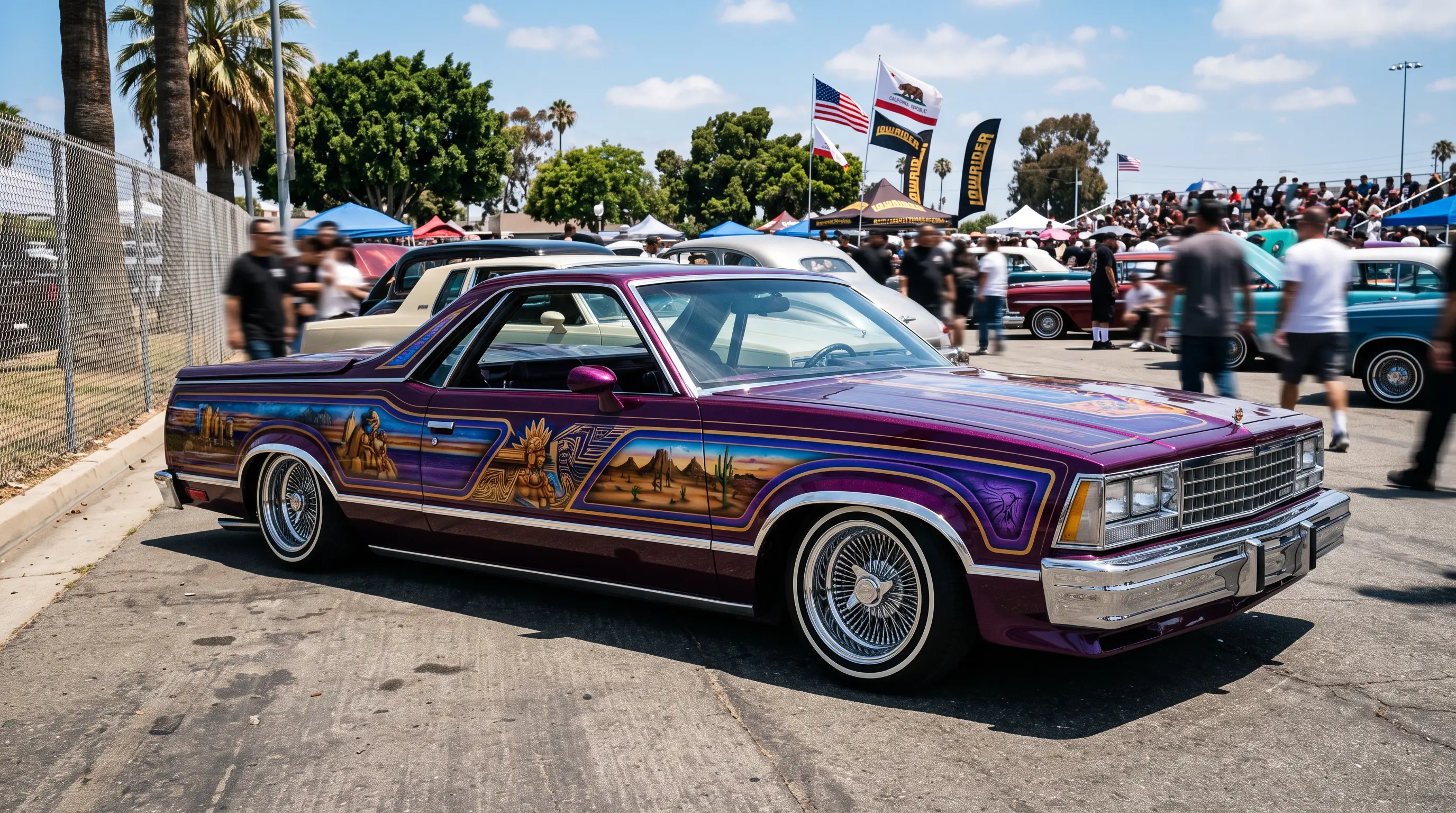
We did not grow up calling it a G-body. We called it an El Co, and half the guys on our block had one sitting on a jack in the driveway with the bed empty and a plan half-formed in their heads. The 1985 El Camino showed up in our neighborhood as a cheap used car first, and it became something else once we got our hands on it. That transformation, from overlooked family hauler to a canvas for real craft, is a story we tell better than anyone because we lived it.
Why this car, out of everything Detroit built
The G-body El Camino had two things going for it that mattered to us more than horsepower ever did. It was cheap, because nobody wanted these cars in the 1980s and 1990s the way they wanted the muscle-era originals, and it had proportions that worked. That long hood, the low beltline, the bed instead of a trunk, all of it gave a builder more surface to work with than a regular sedan. A lowrider needs room to breathe, room for the paint to tell a story across real panels, and the El Camino had that room in a way a compact coupe simply does not.
We were not the first to figure this out. The Regal and the Monte Carlo, its G-body cousins, got the same treatment from builders in other cities, and that shared platform meant we were all pulling from the same well of hydraulics knowledge, the same suspension geometry, the same basic bones. What made the El Camino stand apart was that bed. You could load it with a sound system, you could roll into a show with the tailgate down and the whole thing lit up, and nobody else on the block had quite that presence.
Paint, patience, and what the culture actually values
Outsiders sometimes think this is about chrome and hydraulics and leave it there. It is not. The best builds in our community are judged on patience first. A panel that took three years of layered candy paint and pinstriping earns more respect than a car somebody threw a wrap on over a weekend. We know the difference immediately, and so does everyone else who has put in the time. The 1985 El Camino, with its flat, honest panels, rewards that kind of patience because there is nowhere for sloppy work to hide.
Hydraulics culture grew out of necessity and defiance as much as style, a response to police harassment over cars sitting too low, and a way to make a statement without breaking the letter of the law by lifting the suspension back up at will. That history matters to us more than any spec sheet. A lowrider El Camino carries that story in its bones whether or not the current owner knows the details, and part of what we do, telling these stories at shows and in our own families, is making sure the history does not get flattened into just another paint job.
Community as much as craft
None of this happens alone. We learn from uncles, from the guy three streets over who has been doing bodywork since before we were born, from car clubs that pass down technique the way a family passes down a recipe. The 1985 El Camino, specifically, became a favorite in our circles partly because it was affordable enough that a young builder without deep pockets could get one running and start learning on it, making mistakes on a car that did not cost a fortune to buy in the first place.
That affordability is fading now, and we notice it every time we go looking for a clean donor car. The same qualities that made these cars overlooked for decades, the plain styling, the modest engines, the working-class reputation, are exactly what is bringing new attention to them now. We were building on these cars back when nobody else wanted them, and there is a particular satisfaction in watching the wider hobby catch up to what we already knew.
"People see a lowered El Camino at a show and they see the paint first. We see the years it took to get there, the family that helped, and the car it used to be before anybody touched it."
- Hector Morales
Respecting the history while building the future
Some builders keep everything period-correct to the 1980s scene that first embraced these cars. Others push the craft forward with modern paint technology and updated hydraulics systems that would have been unimaginable to the guys who started this movement. Both approaches have a place, as long as the respect for where the culture came from stays intact. That respect, more than any specific technique, is what separates a build with soul from one that is just copying a look without understanding it.
If you want the fuller mechanical and production background on the platform we have spent decades customizing, our complete history covers the factory side of the story in detail, the part that happened before any of us ever touched a can of paint. And if you are looking to start your own project, there are usually a few browse classic El Camino listings worth checking, because a solid, rust-free body is still the best foundation any build can start from, no matter how far you plan to take it from there.
We keep building because the story is not finished. Every clean 1985 El Camino that rolls into a show carries two histories at once, the one Chevrolet wrote in Detroit and the one our community wrote afterward with paint guns and patience. Both matter. We just happen to think ours is the more interesting half.
What we look for before we ever pick up a wrench
Every build starts with a walk around the car, not the paint gun. We check the floors first, because rust hiding under carpet has ended more projects than any budget shortfall. We check the trunk seams and the rockers, the places water sits after a rainstorm and nobody thinks to look. A donor car with solid metal underneath a rough exterior is worth ten times more to us than a shiny car with soft floors, because we know exactly how much time and money it takes to fix structure once it starts going.
We also look at how complete the car is. Missing trim on a G-body can take months to source, especially the pieces specific to a given trim level or model year, and a project stalls fast when everyone is waiting on a part that stopped being made decades ago. That is part of why we talk to each other so much before buying, calling around the community to ask who has a lead on a clean example before it ever hits a public listing. The best donor cars rarely make it to a website. They move through word of mouth first, the same way the knowledge to build them does.
None of this is a secret we are protective of. We want more people building these cars, not fewer, because a healthy scene needs new builders coming up learning the same patience the old heads taught us. The car matters, but the community around it matters just as much, and that is the part outsiders tend to miss when they only see the finished paint job at a show.