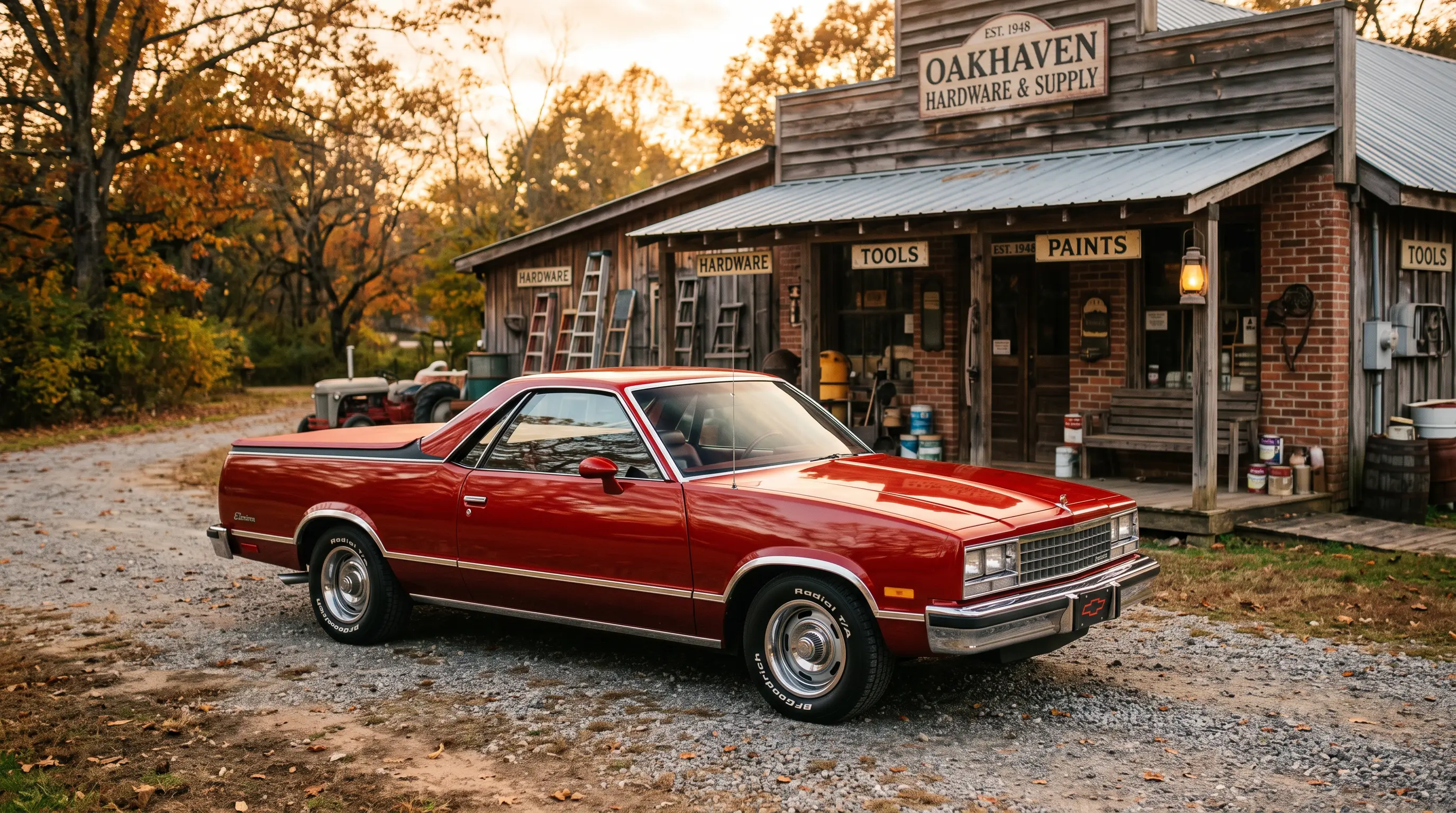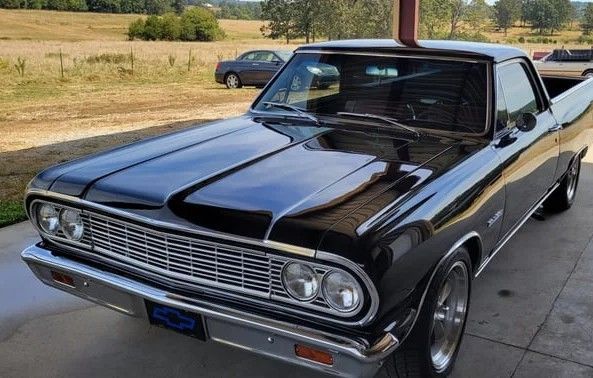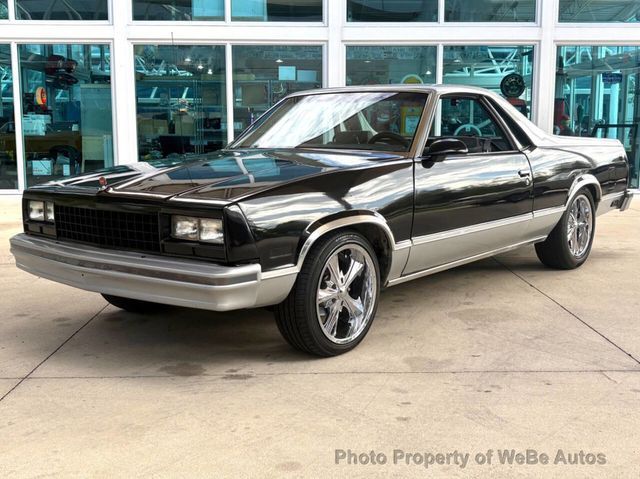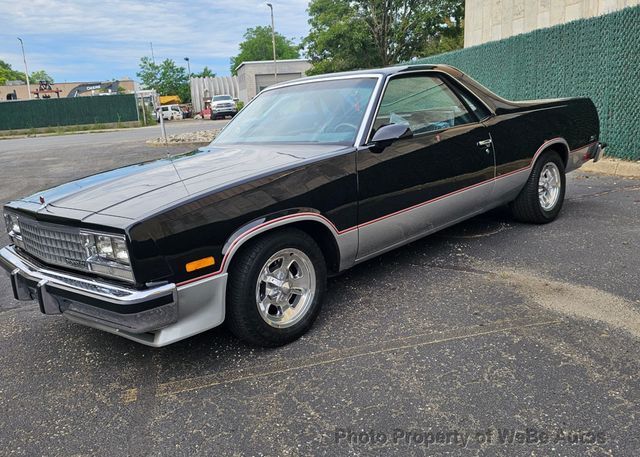
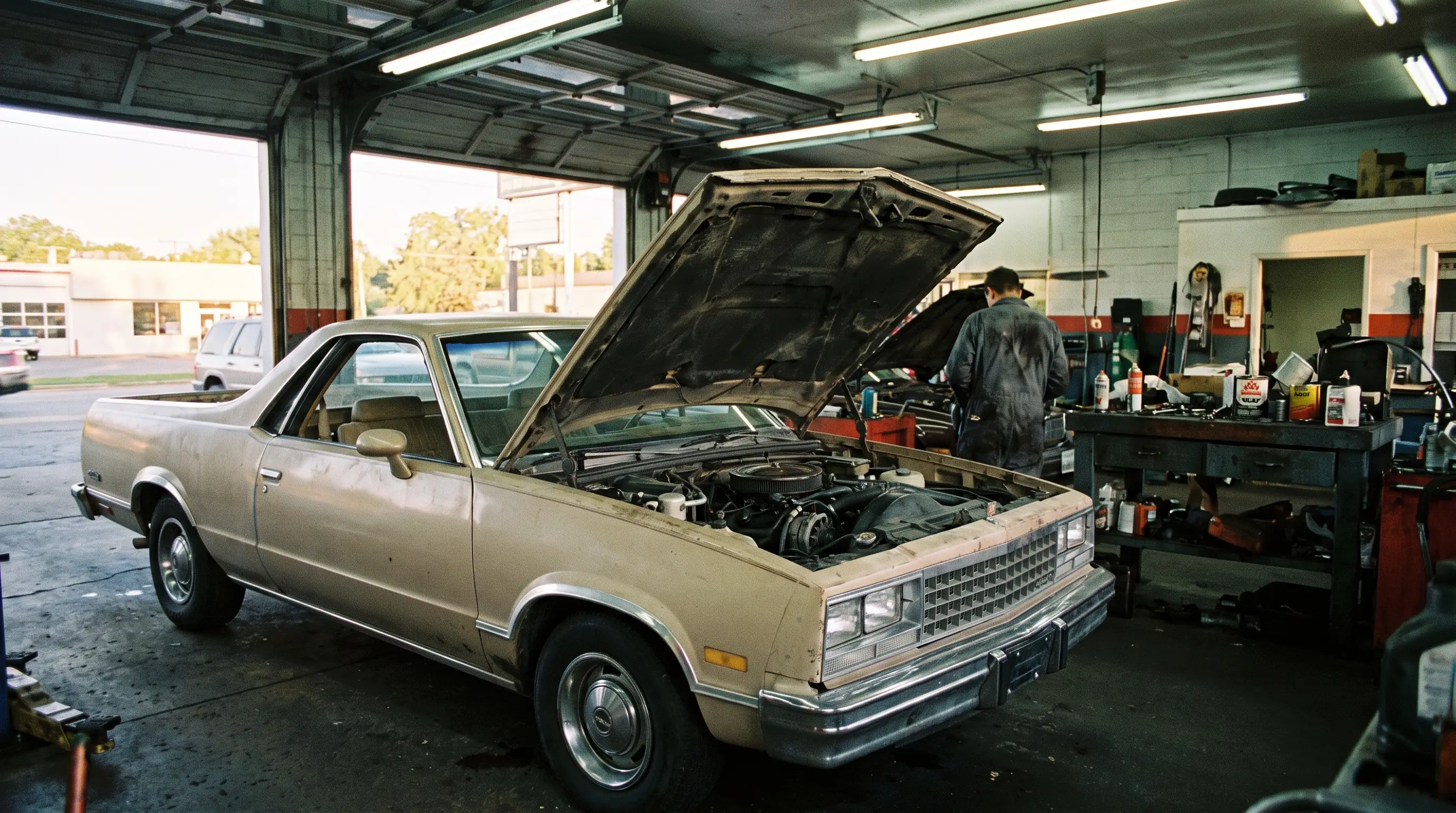
Ask most Chevrolet El Camino fans about diesel power and you will likely get a blank stare. The nameplate is remembered for big block SS engines and decal-clad G-body cruisers, not compression ignition, yet General Motors did in fact offer a diesel option across its mid-size lineup during the early 1980s fuel crisis years, and the El Camino was part of that experiment whether enthusiasts choose to remember it or not.
Why GM turned to diesel at all
The late 1970s and early 1980s fuel crises hit American automakers hard, and GM responded with an aggressive push toward diesel passenger car engines as a fuel economy solution. The Oldsmobile 350 cubic inch (5.7 liter) diesel V8, developed by converting an existing gasoline block architecture rather than designing a purpose-built diesel from scratch, became available across a wide range of GM's mid-size and full-size vehicles during this period, including the Malibu-based G-body lineup that the El Camino belonged to. On the El Camino specifically, the diesel, known internally by the LF9 engine code, was offered only for the 1983 and 1984 model years, rated at roughly 105 hp, with Chevrolet building 571 diesel-equipped El Caminos in 1983 and 98 in 1984. Buyers who wanted maximum fuel economy could order this engine in place of the standard gasoline V8 options during those two years.
The appeal on paper was significant. Diesel fuel economy figures ran meaningfully higher than comparable gasoline engines of the era, and with fuel prices spiking, that math mattered to a segment of buyers who used their El Camino for genuine work duty and drove enough miles to make the fuel savings add up over time.
Why the diesel experiment became a cautionary tale
The Oldsmobile diesel engine's reputation soured quickly and badly across the entire GM lineup that offered it. Converting a gasoline block design to diesel duty, rather than engineering a dedicated diesel architecture, created reliability problems that became widely known among owners and mechanics alike, including head bolt failures and issues traced to fuel and water separation systems never properly adapted for diesel service. Word of these problems spread through owner circles and dealership service departments, and the diesel option's reputation never recovered industry-wide, regardless of which specific GM nameplate carried the engine.
For the El Camino specifically, that reputation meant the diesel option, whatever its actual take rate among buyers, has become something of a footnote that collectors and historians mention mostly as a curiosity rather than something surviving examples get hunted down and restored around. our 1985 el camino retrospective covers the full range of engines Chevrolet offered during the G-body years, diesel included, alongside the more celebrated gasoline options.
What surviving diesel El Caminos mean today
Given the reliability reputation and the relatively low demand for the option even when new, surviving diesel-powered El Caminos are genuinely rare today, and most of the ones that remain were likely converted back to gasoline power at some point during their working life or simply scrapped once the diesel engine failed. That rarity creates an odd dynamic in the collector market: a surviving, documented diesel El Camino is unusual enough to interest a historian or completist, even though almost nobody is chasing one for driving enjoyment or investment potential the way they would chase a big block SS.
Owners considering a diesel example, if one happens to surface, should approach it as a curiosity and a conversation piece rather than a car bought for reliable daily use, given the well-documented mechanical issues these engines developed across GM's entire diesel-equipped lineup during this era. a related story covers a very different kind of El Camino modification from the same general period, one built around performance conversion rather than economy.
A footnote that still tells a real story
The diesel El Camino matters less as a car worth owning and more as evidence of how seriously Detroit took the fuel crisis threat during this stretch of the nameplate's history. Chevrolet and Oldsmobile were willing to put an unproven, ultimately troubled engine into a beloved nameplate because the economic pressure to offer better fuel economy outweighed the risk, a decision that reads very differently in hindsight than it did to the engineers making it at the time.
"Nobody at the factory set out to build a bad engine. They set out to solve a fuel crisis with the tools they had on hand, and sometimes those tools were not ready for the job."
- Tom Ramirez
How the diesel gamble compares to the gasoline options
Set beside the standard gasoline lineup, the diesel option's appeal and its problems both come into sharper focus. Buyers weighing the choice in the early 1980s were essentially trading a proven, if less efficient, gasoline V8 for a theoretically more economical but mechanically unproven alternative. The comparison below reflects the general character of each option as period buyers understood it, without claiming precision on figures that varied by year and specific configuration.
| Factor | Gasoline V8 (305 or 350) | Oldsmobile Diesel V8 |
|---|---|---|
| Fuel economy | Baseline | Meaningfully higher on paper |
| Reliability reputation | Well established | Poor, widely documented |
| Parts and service support today | Strong, widely available | Scarce, specialist knowledge required |
| Collector demand | Standard | Curiosity value only |
That table explains why so few diesel El Caminos survive in unmodified form. Owners facing costly diesel repairs frequently swapped in a gasoline engine rather than paying to fix the original, a practical decision at the time that had the side effect of erasing much of the diesel option's physical evidence from the surviving population of cars decades later.
A broader industry lesson tied to one small chapter
The diesel experiment across GM's lineup, El Camino included, became a textbook case study in what happens when a manufacturer rushes an unproven technology into production under competitive and regulatory pressure. Engineering programs at other companies studied the failure for years afterward, and the episode contributed to a broader industry caution around diesel passenger vehicles in the American market that lingered long after GM itself moved on to other fuel economy strategies.
Documenting a survivor properly
Anyone who believes they have found a genuine diesel El Camino should treat verification as seriously as they would with any rare factory option. Original build sheets, window stickers, or dealer invoices referencing the diesel option code carry far more weight than a seller's word alone, particularly given how easily a diesel-badged car could have had its original engine swapped out and replaced with a gasoline unit at some point, leaving only exterior badging as a misleading clue about what the car once carried under the hood.
Owners who do confirm a genuine diesel survivor face a real decision about preservation versus practicality. Keeping the original, troubled engine intact honors the car's documented history but risks ongoing reliability headaches, while converting to a gasoline drivetrain sacrifices originality in exchange for a car that can actually be driven and enjoyed with confidence.
If you come across a diesel-equipped El Camino, treat the find as a genuine rarity worth documenting even if it never becomes your daily driver. For the more common gasoline-powered examples that make up the bulk of the surviving fleet, there are always El Caminos for sale now worth comparing before you commit to a purchase.