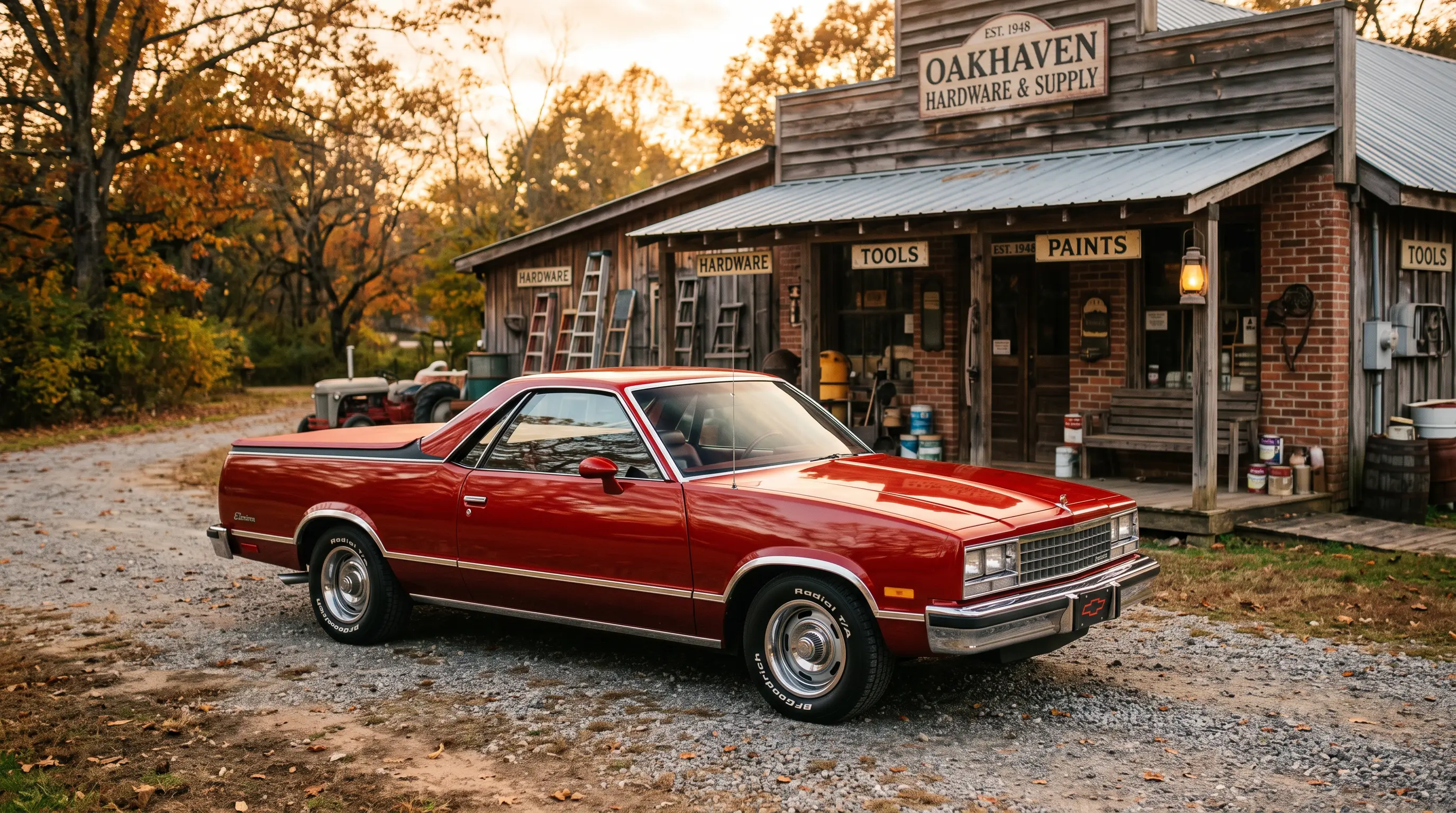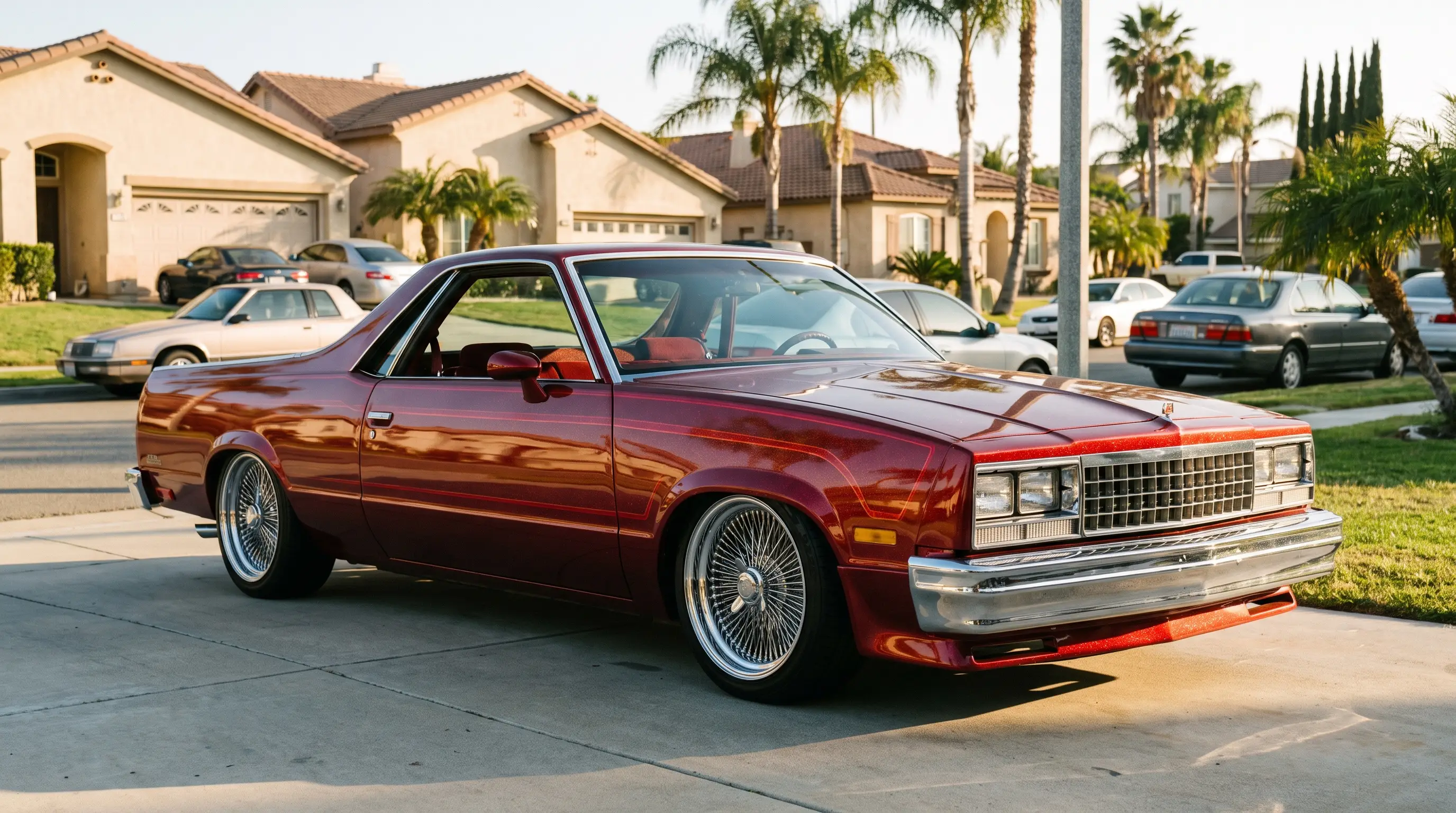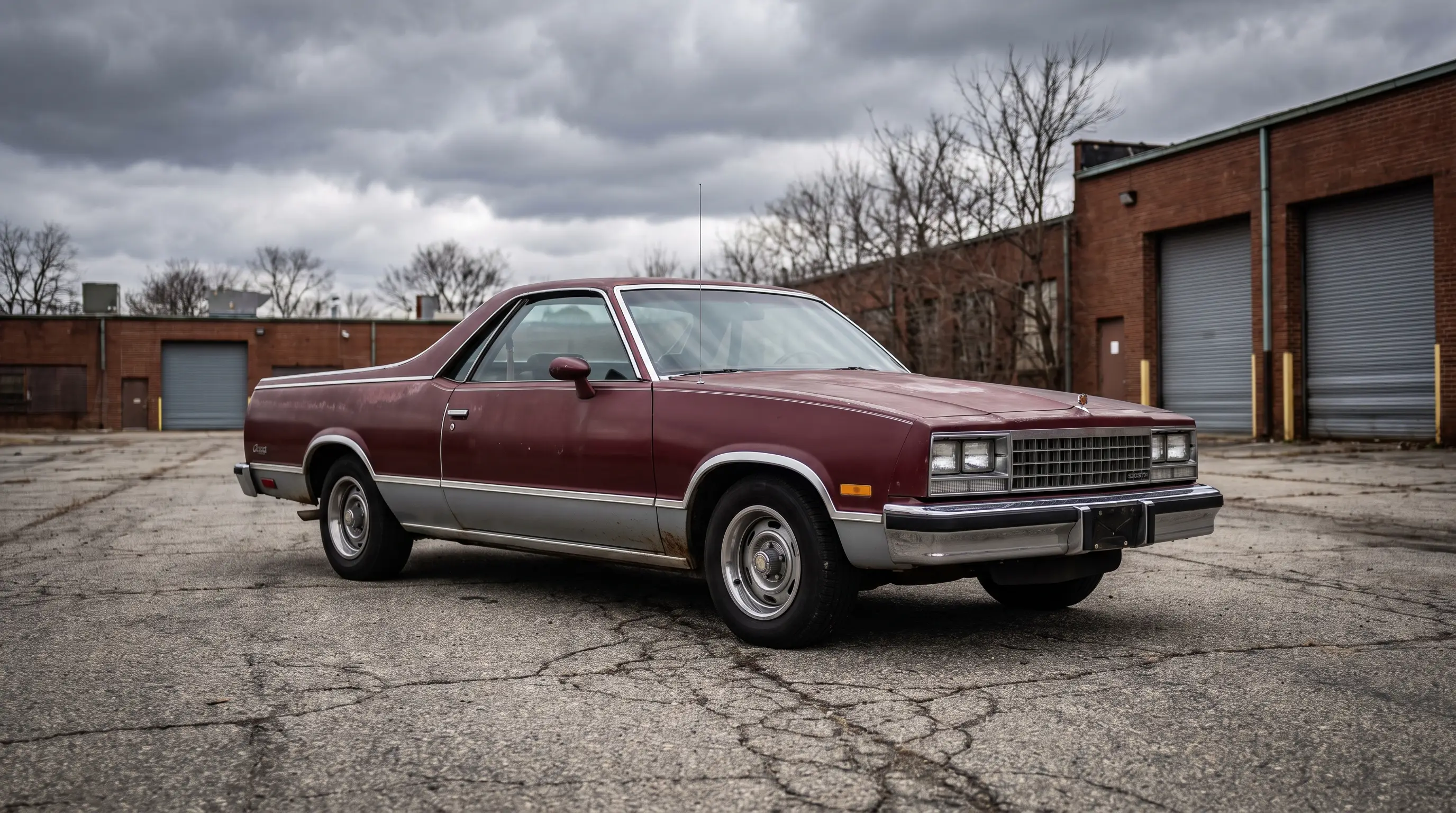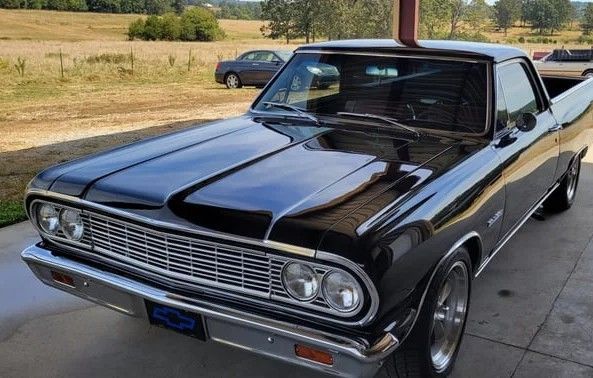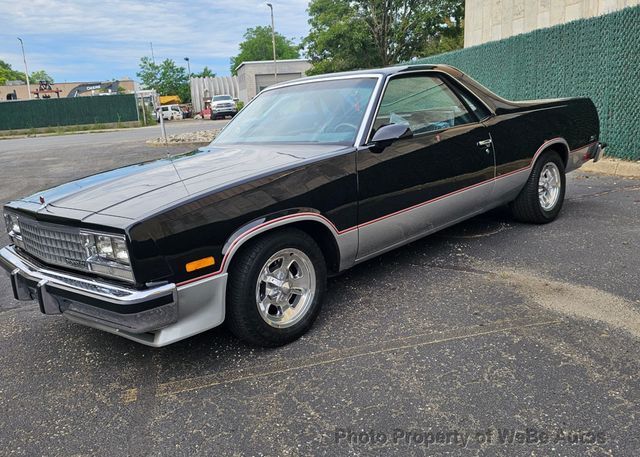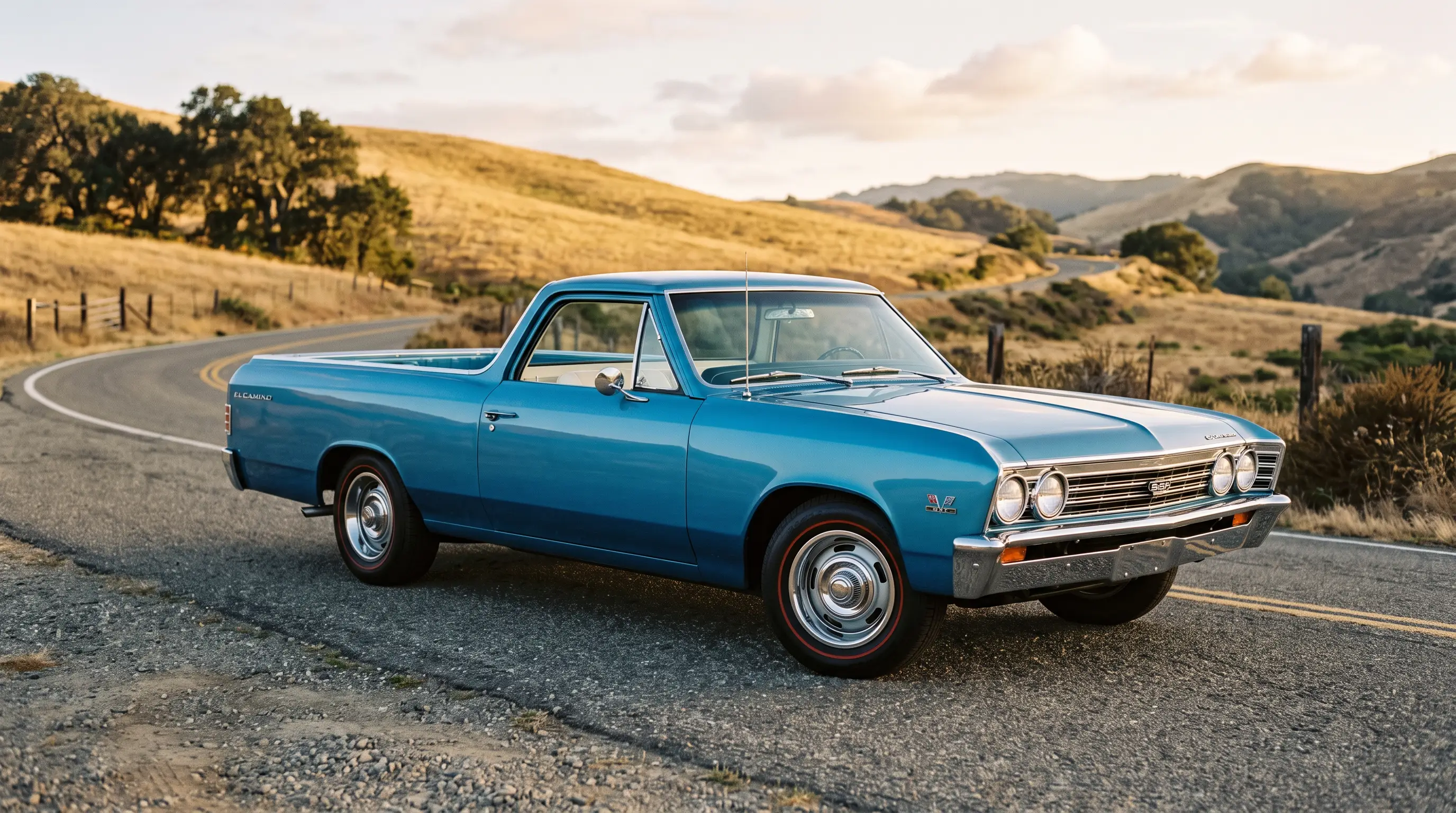
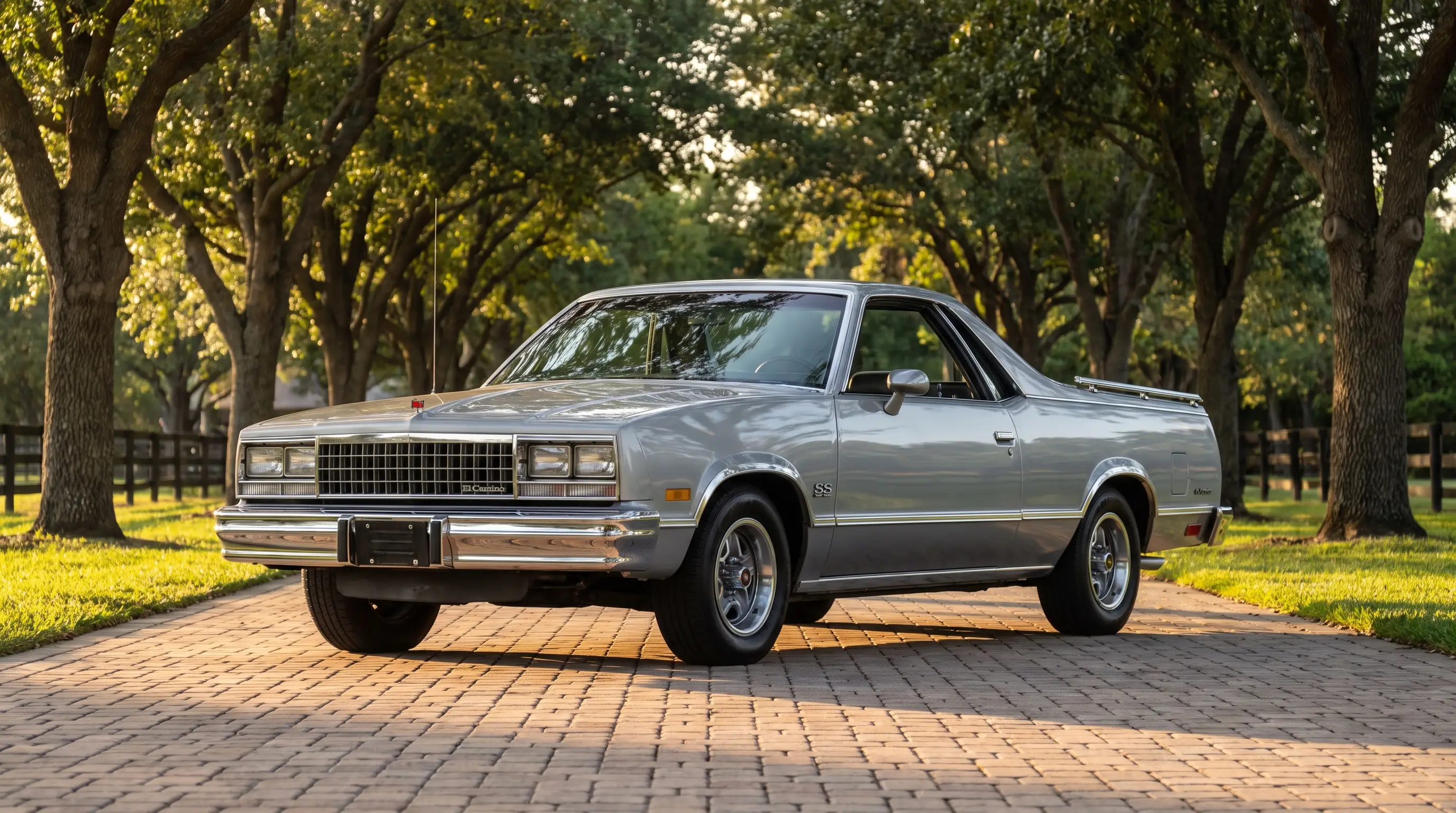
Ask any long time Chevrolet dealer about the El Camino and one thing tends to come up before horsepower figures or trim levels ever do: the owners never wanted to let go. El camino 1985 owner loyalty was not a marketing slogan invented after the fact, it was a documented pattern visible in dealer records, trade in data, and the sheer number of G-body El Caminos that stayed in single family ownership for a decade or longer, long after GM had quietly stopped promoting the model as anything special.
A truck that owners refused to trade in
By the mid 1980s the G-body El Camino was not a hot seller in the way a new Camaro or Monte Carlo SS could be. Sales numbers had settled into a steady, unglamorous rhythm. But dealer service departments across the country noticed something the sales charts did not capture well, these trucks kept coming back for oil changes and tune ups year after year, driven by the same owner who had bought them new. Trade in rates for the El Camino consistently lagged behind comparable GM models, not because the car held less resale value, but because fewer owners were willing to part with one at all.
Factory records from the period support what dealers observed anecdotally. Warranty and service registration cards, retained by Chevrolet zone offices, showed El Camino owners returning to the same dealership network at a higher rate than owners of the Malibu sedan built on the same platform. The car that GM positioned as a practical hybrid between a truck and a passenger vehicle had, without much fanfare, built one of the most loyal ownership bases in the entire GM lineup.
Why the El Camino earned that devotion
Part of the answer is simple utility. An El Camino owner in 1985 got a vehicle that could haul a load of lumber on Saturday and take the family to church on Sunday, all while riding on a comfortable, car based chassis rather than a stiff truck frame. That dual identity solved a real problem for a certain kind of buyer, often someone running a small business or living on a rural property, who did not want to own both a sedan and a pickup.
The other part of the answer is less practical and more emotional. Owning an El Camino meant owning something a little unusual, a car truck hybrid that provoked conversation at gas stations and family gatherings. That built in identity turned a functional vehicle into something closer to a personal statement, and personal statements are much harder to trade away than ordinary appliances.
| Factor | Effect on ownership pattern |
|---|---|
| Dual car and truck utility | Reduced need to own two separate vehicles |
| Stable G-body drivetrain by 1985 | Fewer surprises, easier long term maintenance |
| Regional club networks | Informal parts and knowledge sharing kept cars running |
| Distinct identity as a car truck hybrid | Owners treated the vehicle as a personal statement |
The 1985 model and its place in that story
By 1985 specifically, the El Camino had settled into a mature, well sorted form. The major G-body updates were behind it, the drivetrain lineup was stable, and buyers knew exactly what they were getting. That predictability mattered to an owner base that valued the car precisely because it did not change dramatically from year to year. A 1985 buyer who had already owned an earlier El Camino found a familiar experience waiting for them, and that continuity reinforced the loyalty rather than testing it.
Tom Ramirez has spent years working through Chevrolet's own production and service documentation to separate factory record from dealership folklore, and the paper trail on this particular point is unusually consistent. For readers who want the fuller factory record behind the 1985 model itself, our 1985 el camino retrospective lays out the production details that this loyalty pattern grew out of.
"Dealers do not lie about trade in rates, they do not have a reason to. When a zone office notes that one model keeps coming back for service years past a normal ownership cycle, that is not sentiment, that is a pattern in the paperwork."
- Tom Ramirez
Clubs, swap meets, and an informal support network
Long before online forums made it easy to find another owner of the same obscure vehicle, El Camino owners built their own version of that network through regional clubs and local swap meets. These groups formed less around any factory sponsored effort and more around simple necessity, an owner with a failing part needed another owner who happened to have one, or knew where to find one. That kind of mutual reliance builds loyalty of its own, separate from whatever affection an owner already had for the car itself.
By the time the 1985 model was several years old, this informal network had matured into something close to an institution in certain regions, particularly in the South and Southwest where the truck's utility made it especially common on ranches and small farms. Newsletters were mimeographed and mailed, parts were traded at gatherings that predated any organized car show circuit, and a culture of self reliance grew up around a car that Chevrolet itself was not actively promoting anymore. Owners were, in effect, keeping the model relevant through their own effort.
Loyalty that outlasted the nameplate
What makes this loyalty especially notable is that it persisted even as GM's attention drifted elsewhere. The El Camino was never the star of a Chevrolet product launch in the way the Camaro or Corvette was, and by the mid 1980s corporate marketing dollars were clearly flowing toward other nameplates. Yet the ownership base kept renewing its own commitment to the car independent of what Chevrolet's marketing department was doing. Owners formed regional clubs, traded parts and knowledge informally long before internet forums existed, and passed cars down within families rather than selling them into the open market.
That grassroots continuity is a large part of why so many G-body El Caminos, including plenty of 1985 examples, survive today in single or two owner history with documentation intact. A car that is loved rather than merely used tends to be kept, maintained, and eventually preserved, and the El Camino's owner base did exactly that for decades before the collector market caught up to what those owners already knew.
Anyone tracing that ownership pattern today, whether for research or for a purchase, is really tracing a decades long relationship between a specific kind of driver and a car that never tried too hard to impress anyone outside that relationship. For those ready to continue that tradition, there are El Caminos for sale now waiting for the next long term owner.