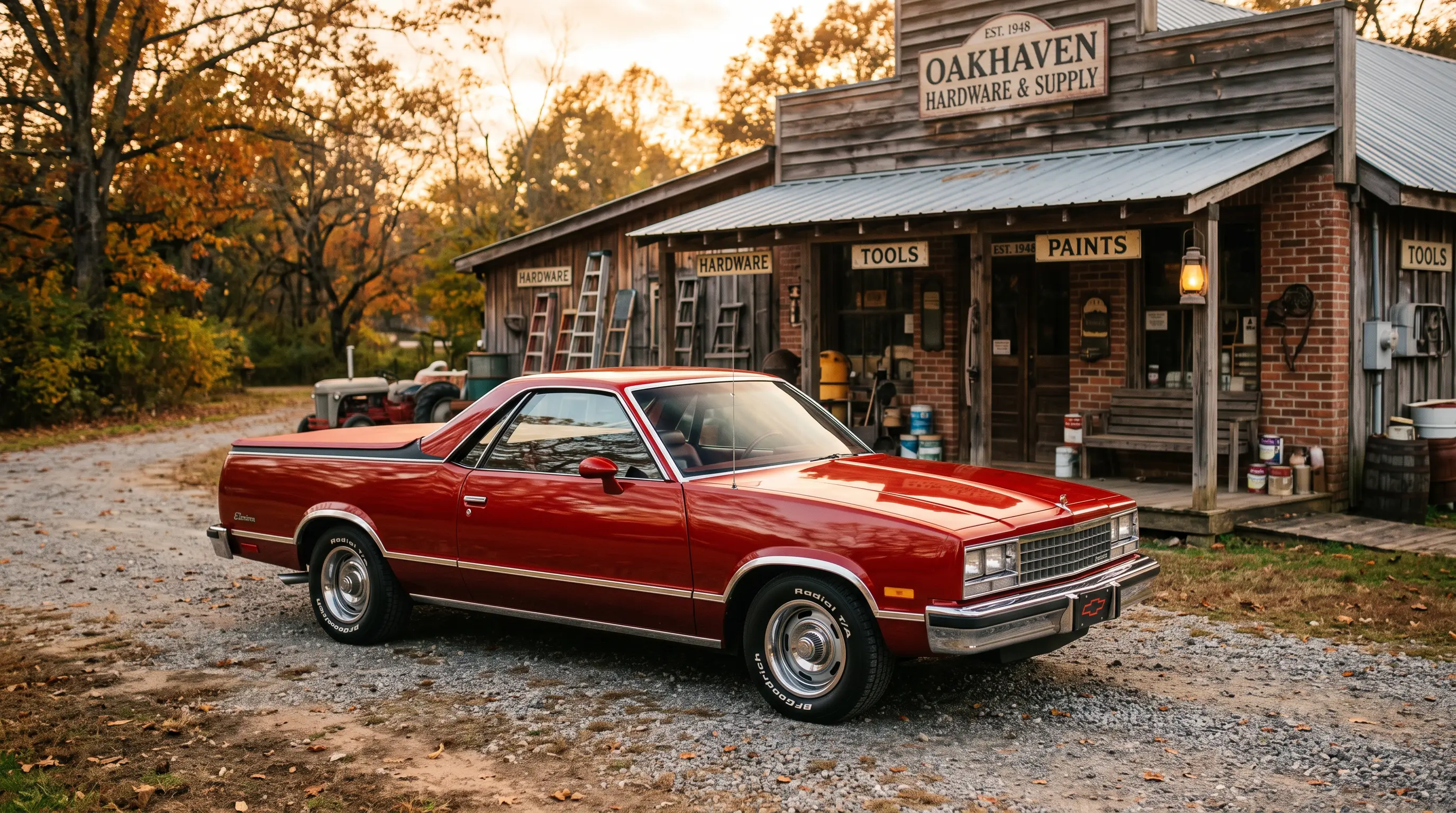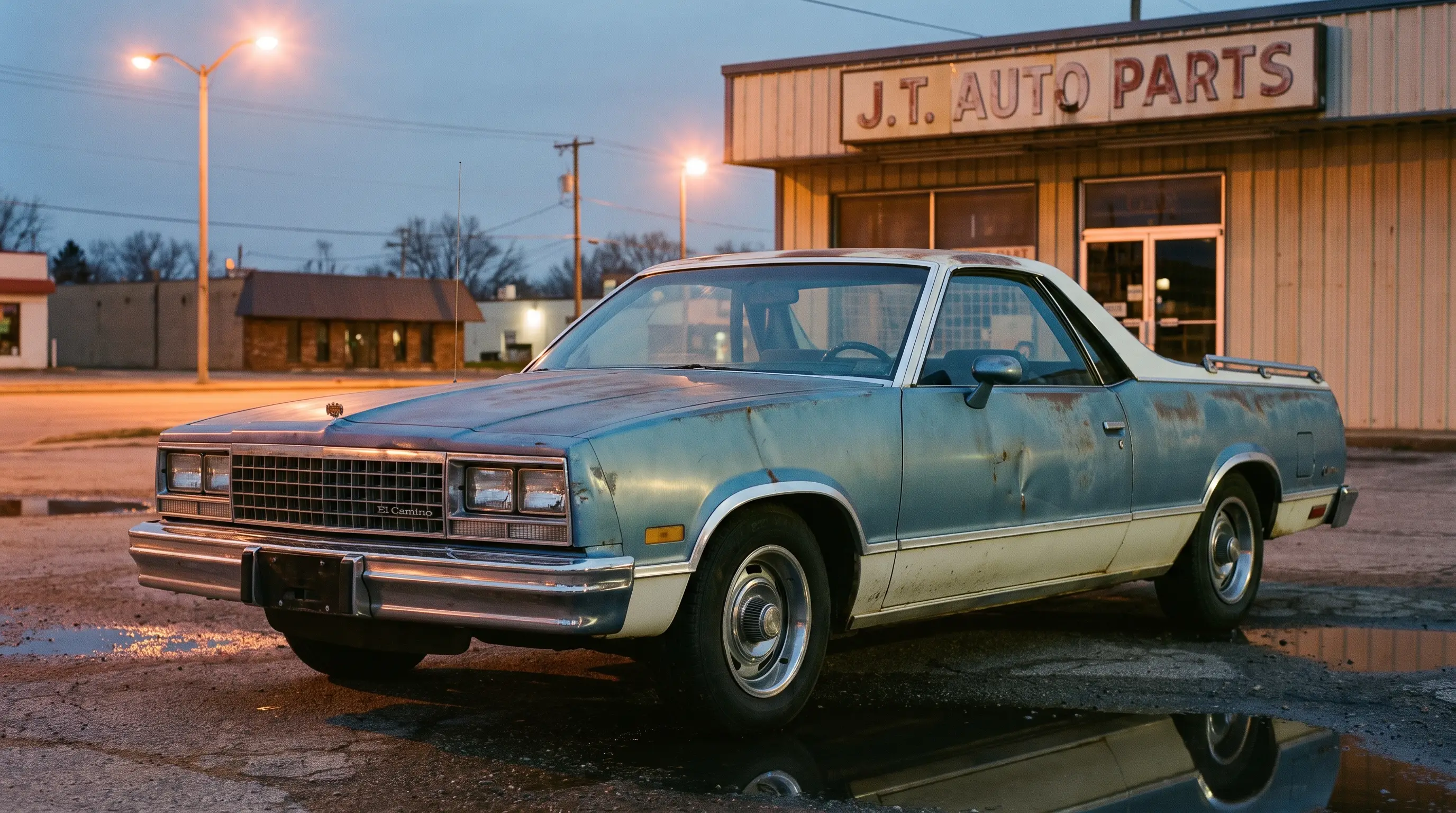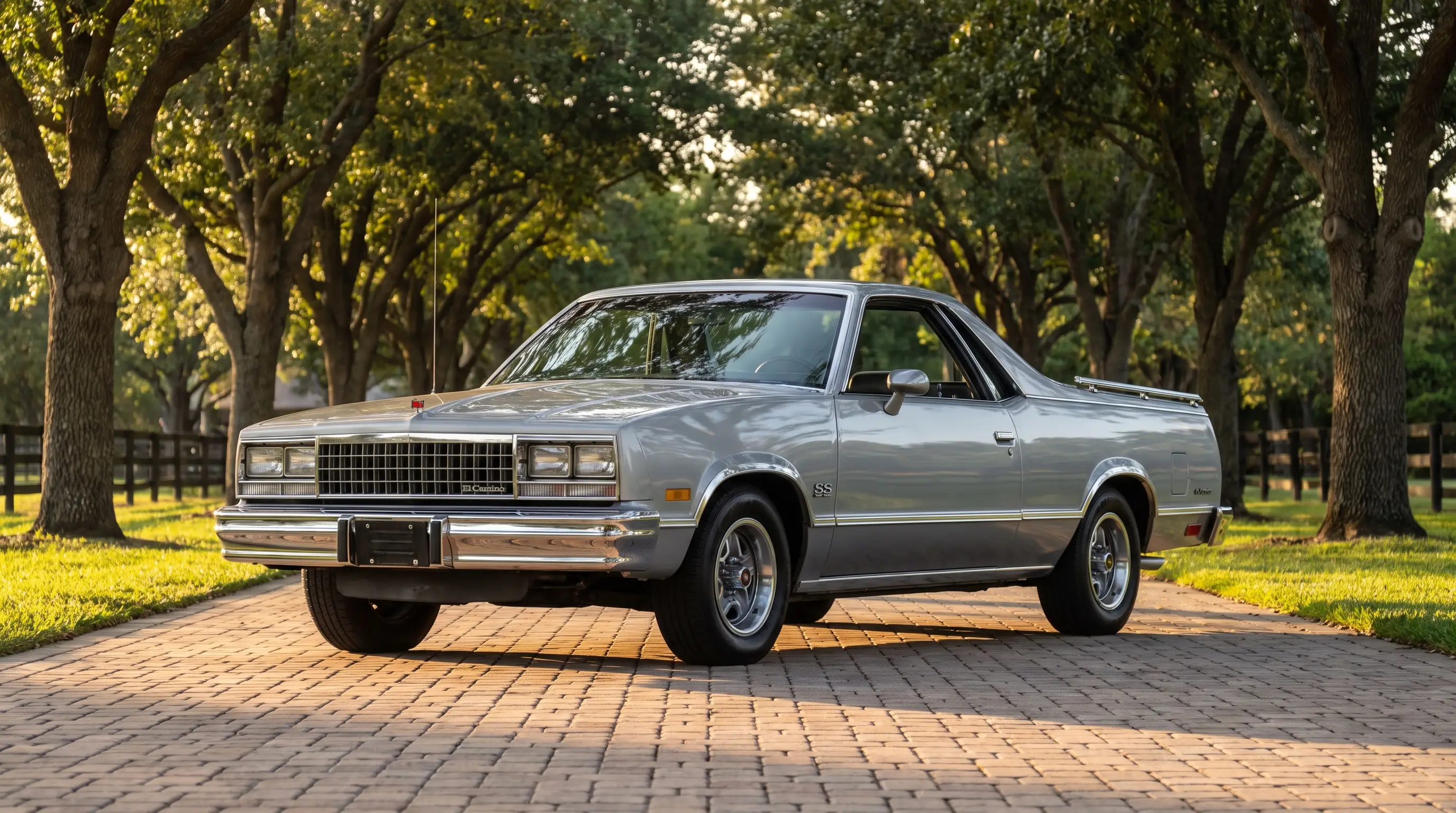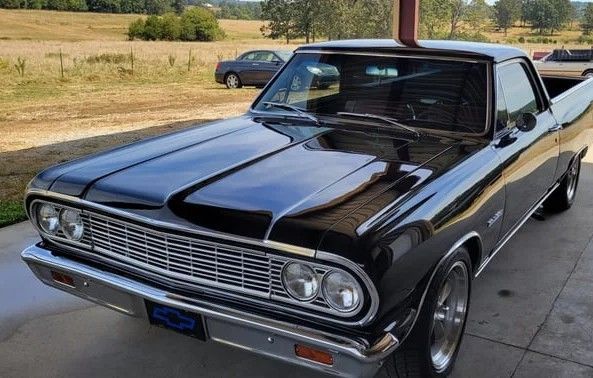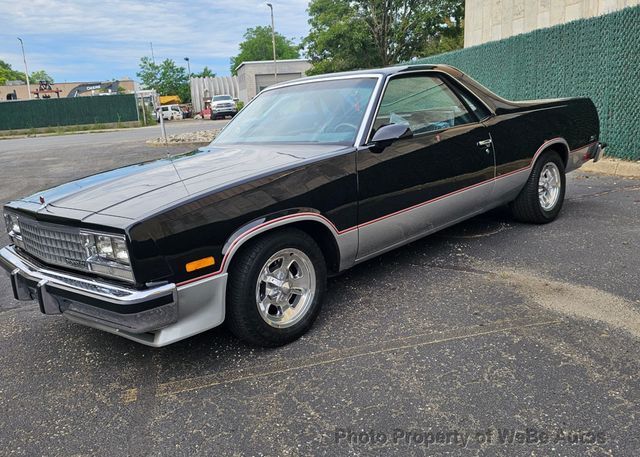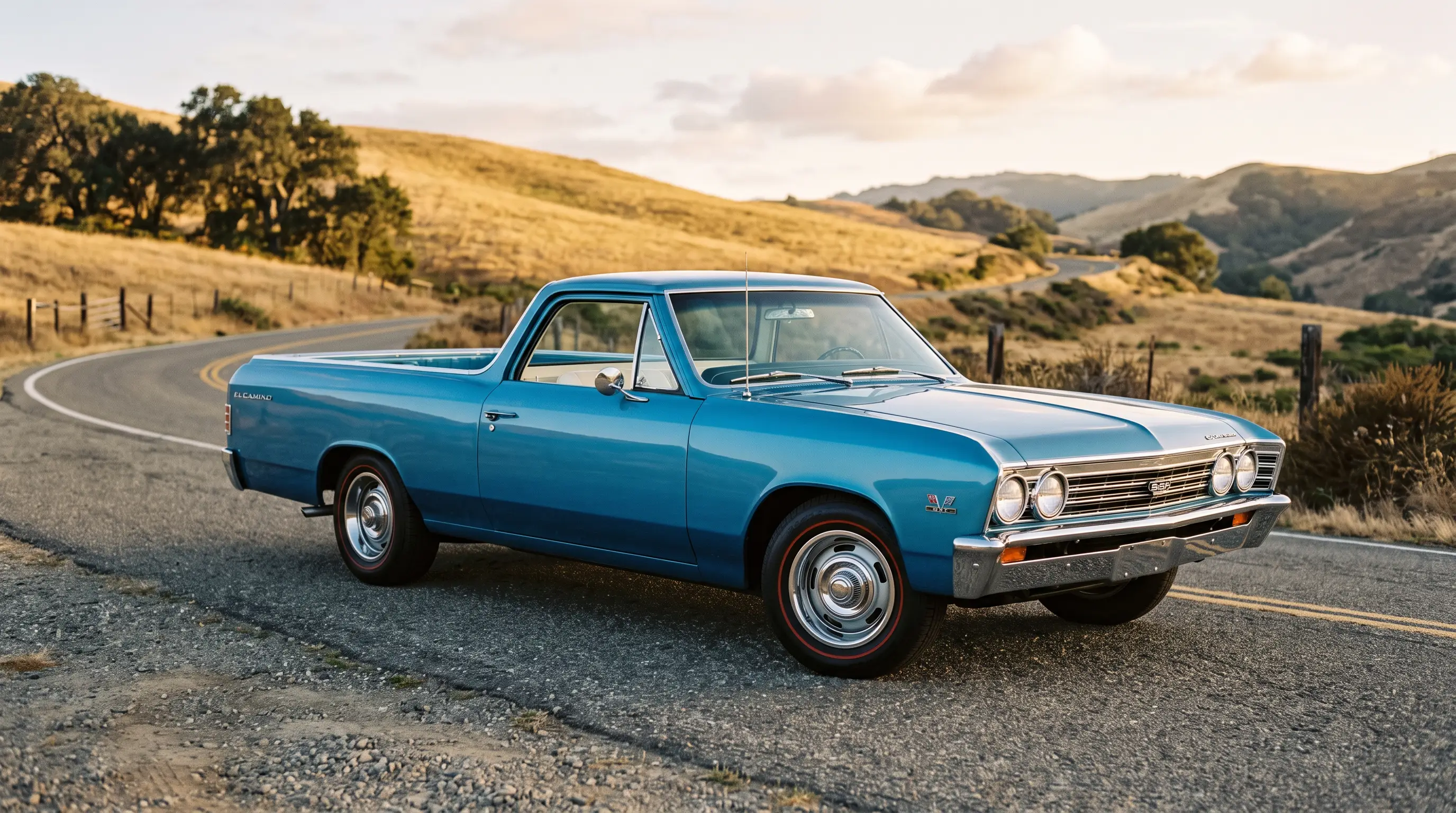
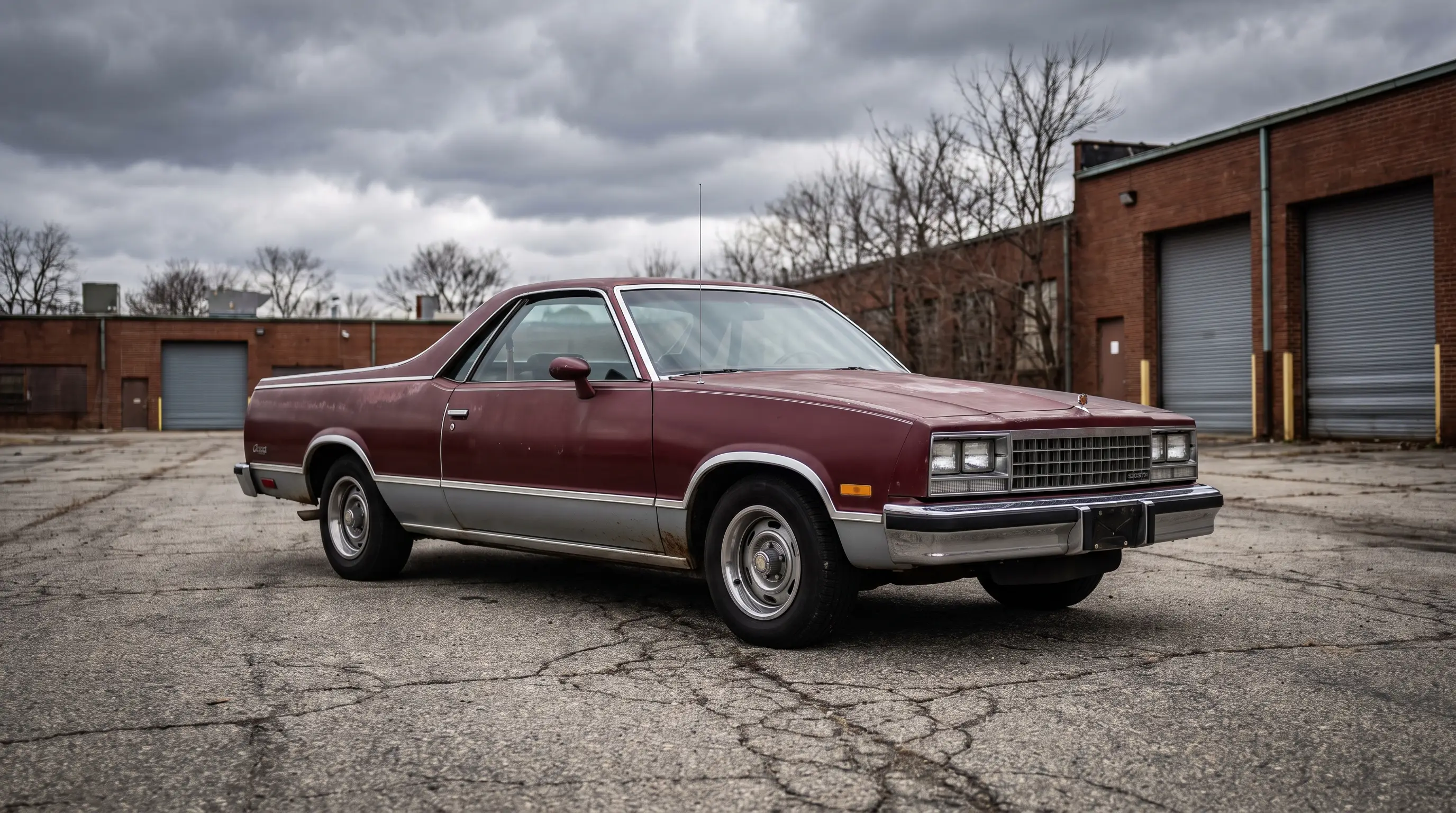
By the time the last body panel rolled off the line, the El Camino had already outlived most predictions made for it. The el camino 1985 end of the nameplate story is not really about a single dramatic decision, it is about a slow institutional drift, one that had been visible for years before Chevrolet finally let the model go in 1987, and the 1985 cars sit close to the center of that final chapter.
A platform running out of corporate support
By the mid 1980s the G-body platform that underpinned the El Camino, the Monte Carlo, and the Malibu was aging within GM's own product plan. Front wheel drive architecture was becoming the company's priority across nearly every mainstream segment, and rear wheel drive body on frame designs like the G-body were increasingly treated as legacy products rather than the future of the lineup. The El Camino, always a niche within a niche, felt this shift earlier and more acutely than its sedan siblings, since its market, a comparatively small group of buyers who genuinely wanted a car truck hybrid, was never large enough to justify major reinvestment.
By 1985 there was no serious internal push at Chevrolet to redesign the El Camino. The engineering budget that might have gone toward a next generation version instead flowed toward the compact S-10 pickup, a genuine truck that could better compete against the growing wave of small imported pickups reshaping that market. The El Camino, elegant as its packaging was, simply did not fit where GM's product planners believed the truck market was heading.
Sales numbers that told their own story
Production figures through the 1980s reflect this institutional drift plainly. The El Camino had never been a volume seller compared to the Monte Carlo or full size trucks, but its numbers by the middle of the decade had settled into a level that made continued investment hard to justify on a spreadsheet, even as a loyal ownership base kept individual cars on the road for years. GM's calculus was not that the car was unloved, it clearly was loved by the people who bought it, but that the segment itself was too small relative to the resources needed to keep developing it against a changing truck market.
Dealers reported steady, unspectacular sales through 1985 and into 1986, numbers that supported the car's continued production without ever suggesting an expansion. That kind of flat trajectory rarely survives a corporate portfolio review indefinitely, and the El Camino's review eventually concluded with cancellation rather than renewal.
Why 1985 matters to this ending
The 1985 model year sits close enough to the end that its buyers were, in effect, purchasing into a car whose future was already uncertain inside GM, even if that uncertainty was invisible from the dealership floor. Nothing about the 1985 El Camino's trim, engine lineup, or marketing signaled an impending cancellation. It was presented, sold, and driven as a normal, continuing product. That quiet normalcy is part of what makes the ending feel abrupt in retrospect, there was no farewell tour, no special final edition fanfare in 1985 itself, just a car doing exactly what it had always done for one more model year.
It is worth stressing that this was a business decision made in a period when GM was simultaneously managing dozens of similar product line reviews across its divisions, not a verdict on the El Camino's quality or the loyalty of its owners. The car had done exactly what Chevrolet asked of it for more than two decades across two distinct body generations, and its ending reflected a shift in the broader truck market far more than any failing in the product itself.
Sarah Whitfield has traced this closing chapter through dealer bulletins and production planning documents from the period, and one thing stands out clearly, GM's internal language never treated the El Camino's final years as a crisis. It was treated as a quiet wind down of a niche product, the kind of decision made in a product planning meeting rather than a press release. Readers who want the full arc that leads into this ending should look at where this started, the broader account of the 1985 model that this ending grew out of.
"Nobody at Chevrolet in 1985 was writing the El Camino's obituary. They were filling out a production schedule. The historical weight of the ending only became visible once the model actually stopped."
- Sarah Whitfield
What the final production years looked like on paper
Looking at the last three model years side by side helps explain why the ending felt gradual rather than sudden. Trim offerings simplified, engine choices narrowed toward the most cost effective and emissions compliant options, and marketing spend, already modest, contracted further. None of these were dramatic single year cuts, they were small, cumulative reductions of the kind that rarely make headlines but add up to a clear trajectory once viewed across a few consecutive years.
| Model year | Trend |
|---|---|
| 1985 | Stable trim lineup, steady but unspectacular sales |
| 1986 | Continued narrowing of engine and option choices |
| 1987 | Final production year, no replacement announced |
Seen this way, 1985 was less a warning sign and more a snapshot taken partway through an ending that had already begun quietly a few years earlier. The car itself gave no outward indication of that trajectory, which is exactly why so many buyers at the time had no reason to think of their purchase as anything other than a normal, ongoing model.
The legacy that followed the final cars
What makes the El Camino's ending unusual is how little it mattered to the collector market that followed. Rather than fading from memory the way many discontinued niche vehicles do, the El Camino's reputation only grew once production stopped, helped along by the same custom culture, lowrider community, and loyal ownership base that had kept the model relevant through its later years. Cancellation, in this case, did not mean obsolescence. It simply meant that no new El Caminos would join the ones already out there, which in turn made every surviving example, 1985 cars included, a little more significant by default.
Compared to the abrupt cancellations that ended some other niche nameplates of the era, the El Camino's exit was almost gentle, a car that simply stopped being built once its production run quietly concluded, rather than one pulled from the lineup mid cycle after a sudden sales collapse.
That dynamic is worth remembering for anyone evaluating a 1985 model today. These are not merely old work vehicles that happened to survive, they are among the final examples of a nameplate that GM chose to retire quietly rather than reinvent, and that history adds a layer of context that a simple used car listing rarely captures. Buyers curious about what survives from this closing era can find a classic El Camino and judge the final chapter of the model for themselves.