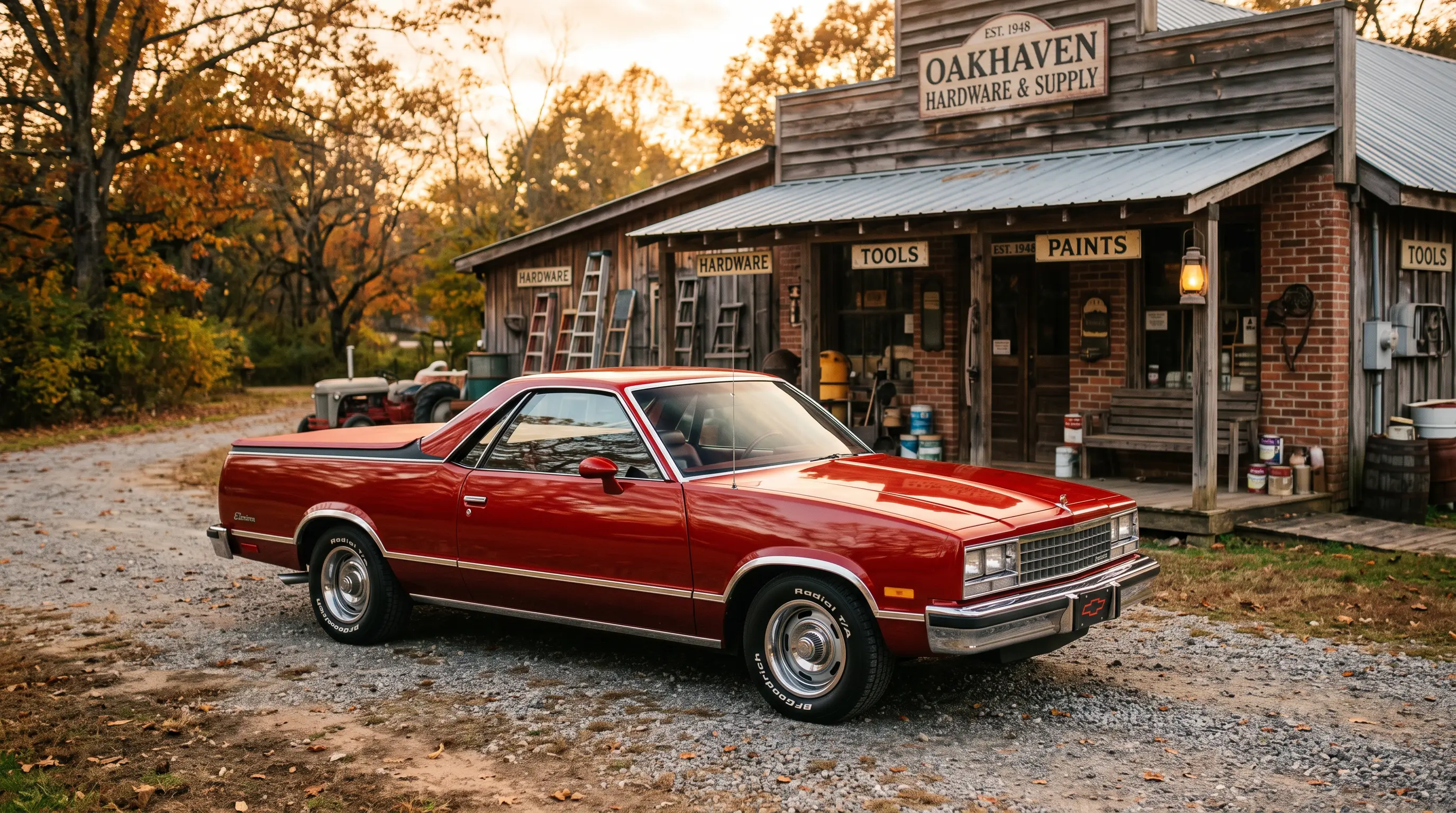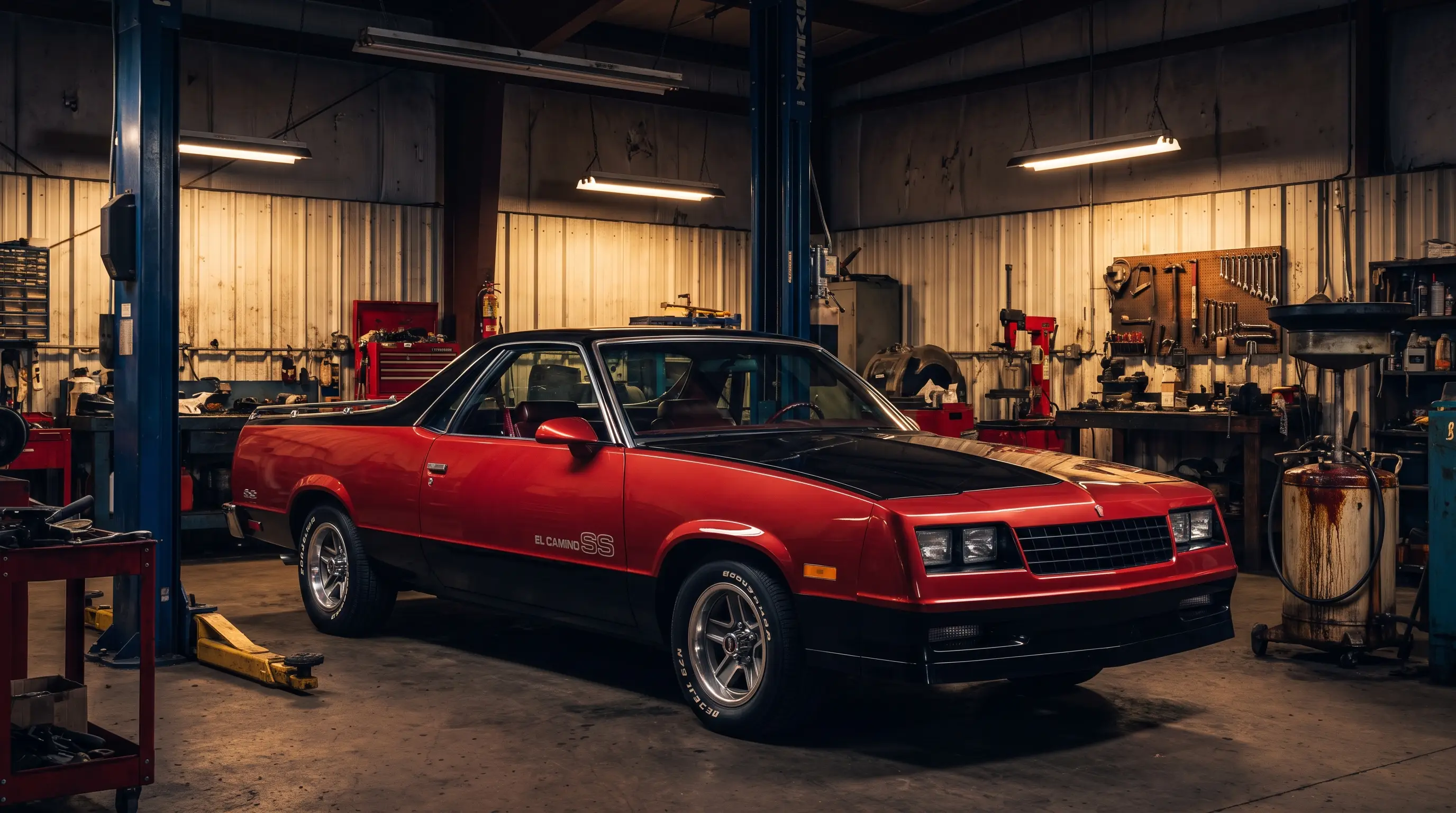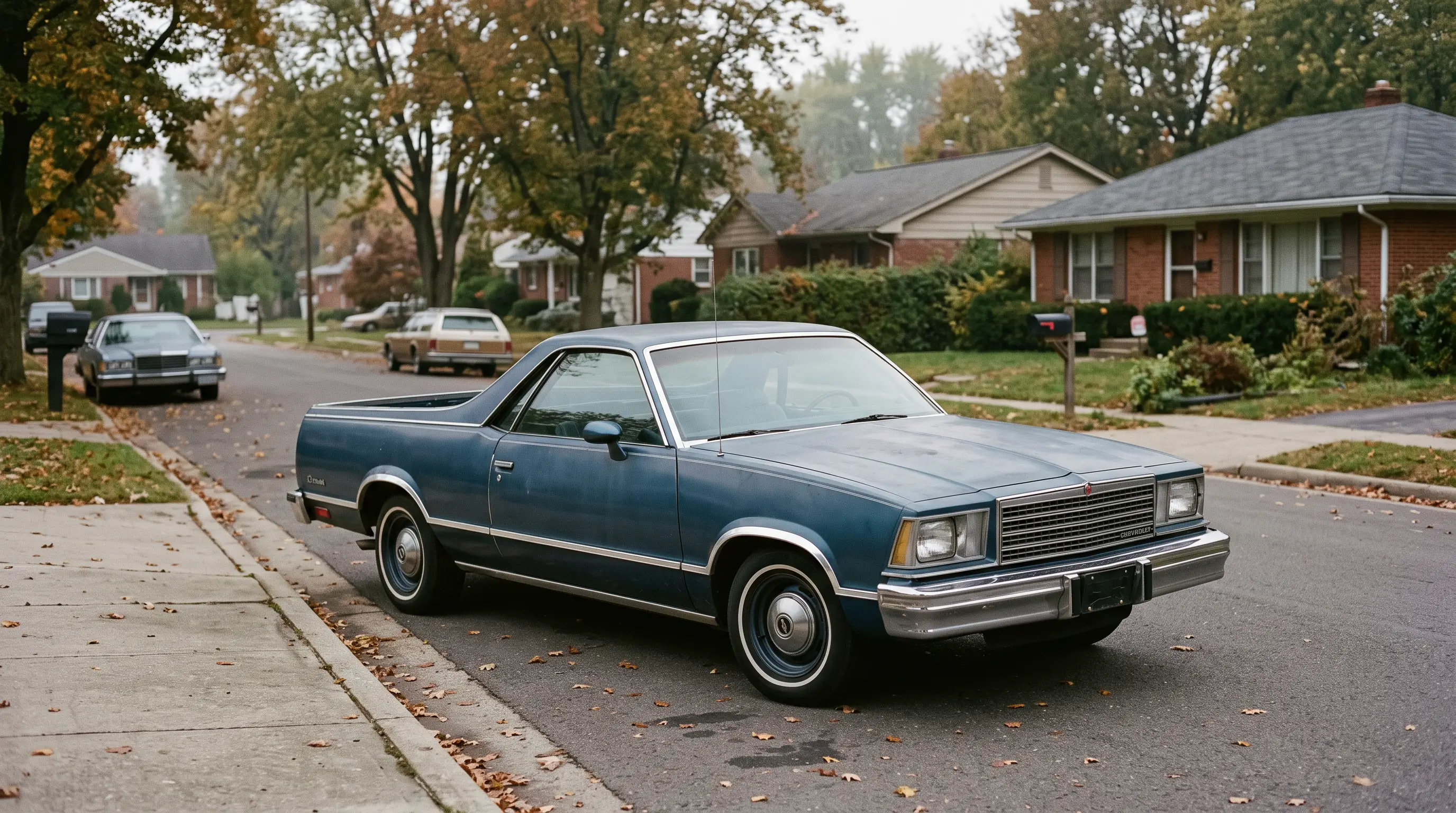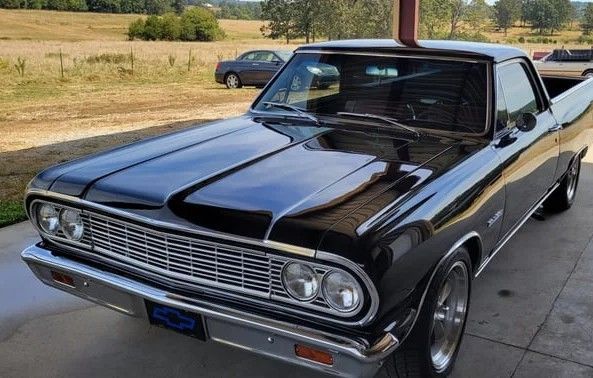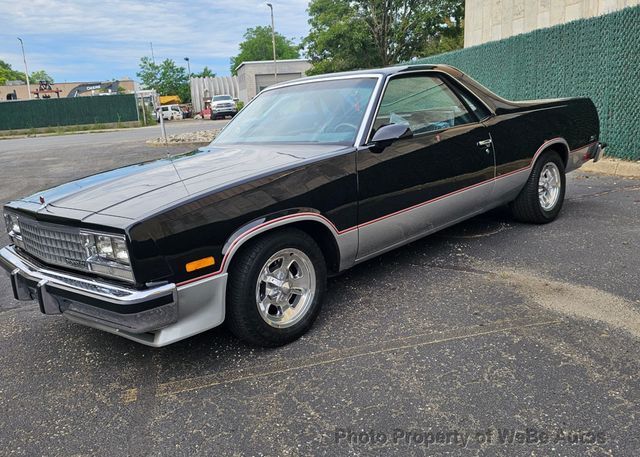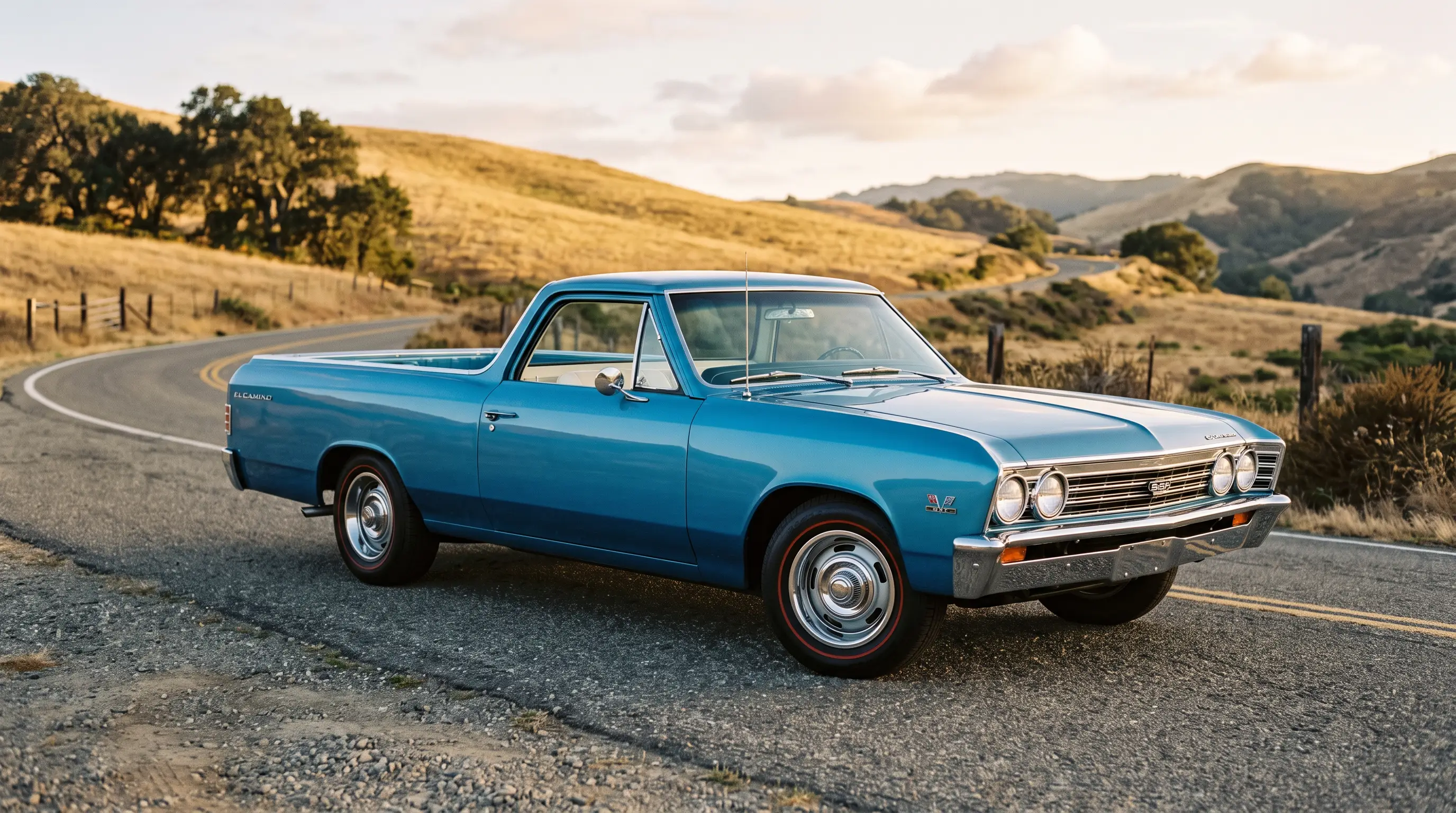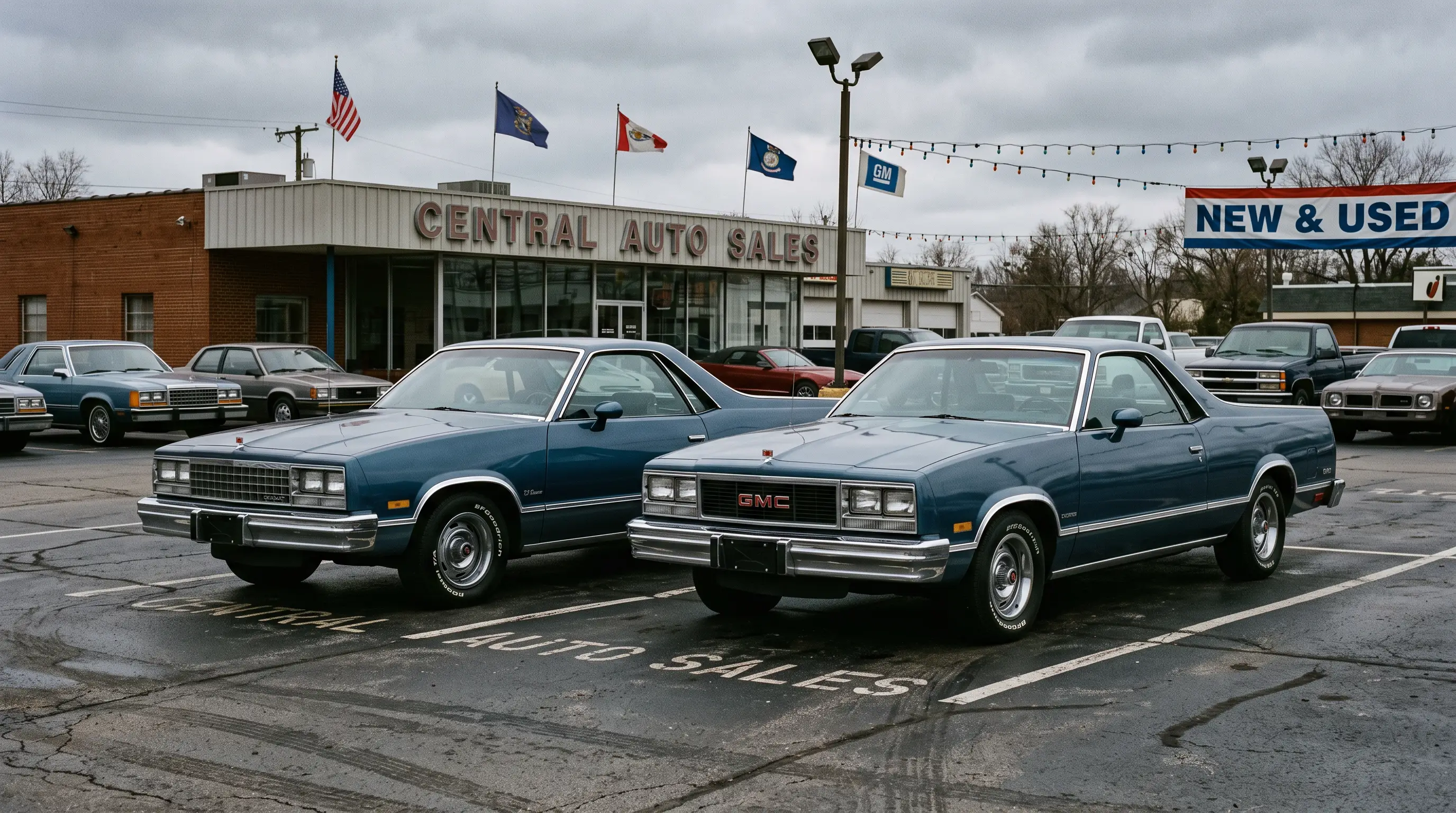
Park a 1985 Chevrolet El Camino next to its GMC sibling, the Caballero, and a casual observer might struggle to name the differences beyond the badges. That similarity was entirely intentional. General Motors built both trucks on the same G-body architecture and sold them through separate dealer networks, a corporate strategy that turned two nameplates into effectively one product wearing two names.
Why GMC had a twin of the El Camino at all
The Caballero existed because GM organized its brands around separate dealer networks, and GMC dealers needed a car-based utility vehicle in their lineup just as Chevrolet dealers did. Rather than engineering two distinct vehicles, GM took the Malibu-based G-body platform underneath the El Camino and rebadged it for GMC, a common practice across the corporation during this period that also produced twins like the Chevrolet Astro and GMC Safari or the Chevrolet C/K and GMC Sierra trucks. The Caballero name had actually existed on GMC's version of the El Camino concept going back to the 1964 model year, so by 1985 the badge engineering relationship was already a two-decade tradition rather than a new idea.
Mechanically, the two trucks shared engines, transmissions, frames, and nearly all structural components. A buyer choosing between a 305 cubic inch V8 El Camino and an equivalent Caballero was choosing based on badge, dealer relationship, and minor trim differences rather than any meaningful difference in what sat under the hood or how the truck actually performed.
What actually differed between the two badges
Differences between the El Camino and Caballero came down to grille design, badging, taillight treatment, and the specific trim and appearance packages each division chose to offer. Chevrolet had its SS package with its decal-driven muscle car heritage, while GMC positioned the Caballero somewhat differently within its own lineup, generally leaning less on performance nostalgia since GMC never carried the same muscle car badge history that Chevrolet's SS name carried. the whole picture of the 1985 El Camino explains the SS and appearance package lineup that gave the Chevrolet version its distinct personality within this shared platform.
Interior trim levels and options packages also varied slightly between the two nameplates, giving each division some ability to differentiate its version for its specific customer base, but the fundamental engineering underneath remained identical. Someone shopping strictly on mechanical merit had no real reason to prefer one over the other.
Why the Caballero sold in smaller numbers
The Caballero consistently sold in far smaller volumes than the El Camino throughout its production run, a pattern driven largely by GMC's smaller dealer network and different brand positioning within GM's overall structure. GMC built its identity more around trucks generally, and the Caballero, despite being mechanically identical to a genuine muscle car nameplate on the Chevrolet side, never captured the same cultural cachet that the El Camino built up over its own decades of SS badges and pop culture appearances.
That lower production volume has an interesting effect on today's collector market. Surviving Caballeros are genuinely scarcer than equivalent El Caminos, which appeals to a specific type of collector who wants rarity over recognition, someone willing to own the mechanically identical twin knowing fewer of them exist and fewer buyers are actively searching for one.
What this dual-badge history means for buyers
Understanding the El Camino and Caballero as mechanically identical twins matters for anyone shopping either nameplate, since parts, service information, and mechanical documentation often overlap directly between the two. A Caballero owner can frequently source drivetrain and chassis parts through El Camino channels and vice versa, a practical benefit that comes directly from the shared platform strategy GM pursued across its divisions during the G-body era.
The rarity gap also means Caballero values sometimes track differently than equivalent El Caminos, occasionally commanding a premium among specialist collectors specifically because fewer examples survive, even though the underlying truck offers nothing mechanically that the more common Chevrolet version does not also offer.
"Take the Chevrolet bowtie off an El Camino and put a GMC badge on instead, and you have built a Caballero. The engineering never cared which dealership sold the truck."
- Tom Ramirez
Tips for shopping either badge
Why the twin relationship still surprises people
Despite decades of documentation on GM's badge engineering practices, plenty of buyers still encounter a Caballero for the first time and assume it must be some kind of custom conversion or aftermarket rebadging rather than a genuine factory GMC product. That confusion speaks to how much less cultural visibility the Caballero built up compared to its Chevrolet sibling, even though GMC sold it through an entirely legitimate factory program for years. Understanding this relationship helps collectors avoid both overpaying for a supposedly unique custom vehicle and underpaying for what is, in fact, a legitimately scarce factory nameplate in its own right.
What the twin story teaches about the era
The El Camino and Caballero relationship, more than almost any other detail from this period, illustrates how corporate GM had become by the 1980s in its approach to product development. Engineering resources were pooled and shared across divisions in ways that would have seemed unusual decades earlier, when each GM brand carried a more distinct engineering identity. The car-truck hybrid concept itself survived into this era specifically because GM found a way to amortize its development cost across two dealer networks rather than one, a pragmatic calculation that had real consequences for how both nameplates were positioned, marketed, and ultimately remembered by the buyers who chose one badge over the other.
Both nameplates ended production together in 1987 as well, a shared conclusion that fits the shared story running through their entire existence. Neither Chevrolet nor GMC replaced the concept afterward, closing the book on the car-truck hybrid format for both divisions at essentially the same moment, one final piece of symmetry in a story built on symmetry from the very beginning.
Whichever badge appeals to you, the underlying G-body engineering rewards the same research approach. When you start comparing real examples, shop classic El Camino listings and use what you learn about trim levels and options to evaluate a Caballero with equal confidence.