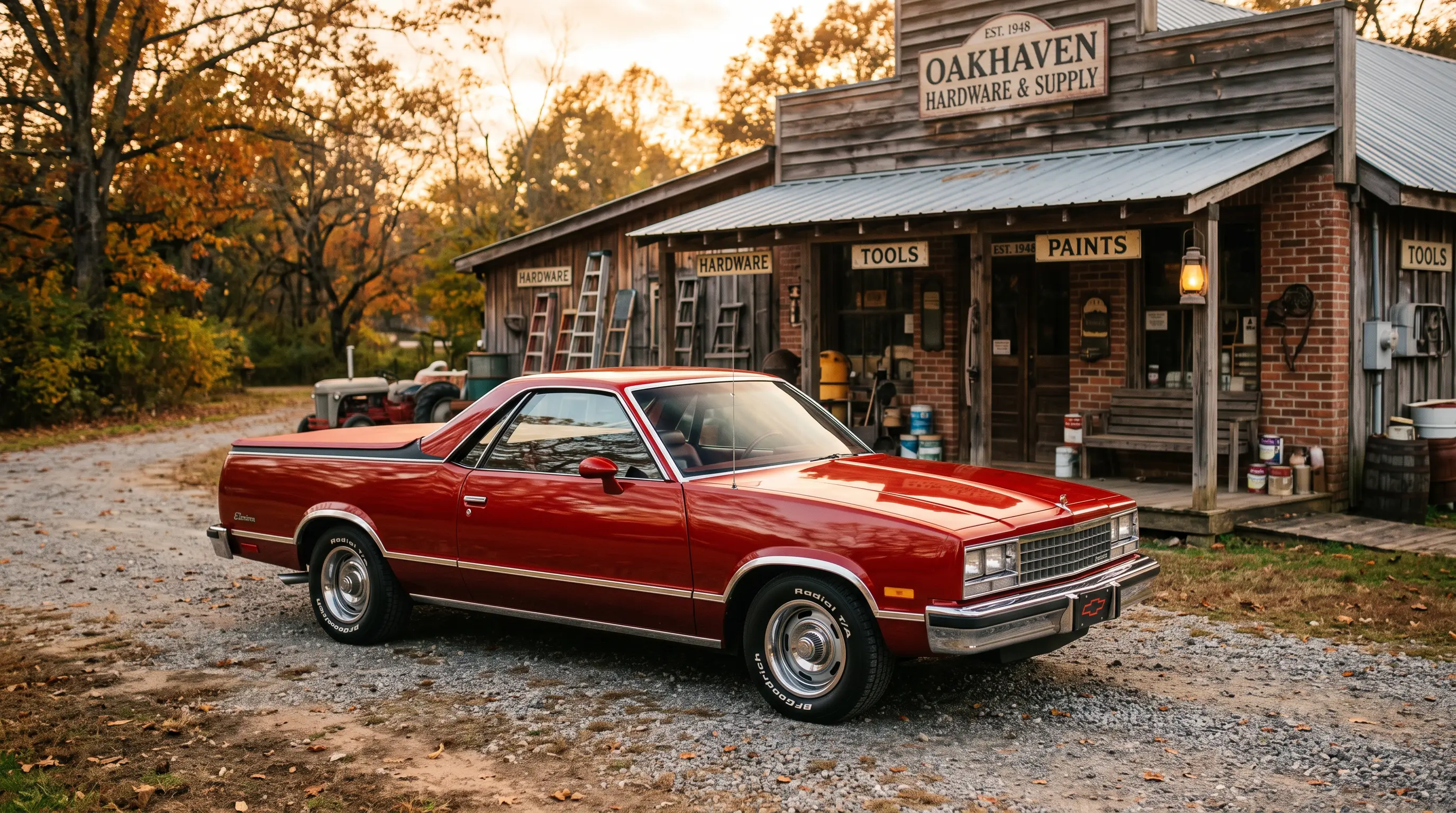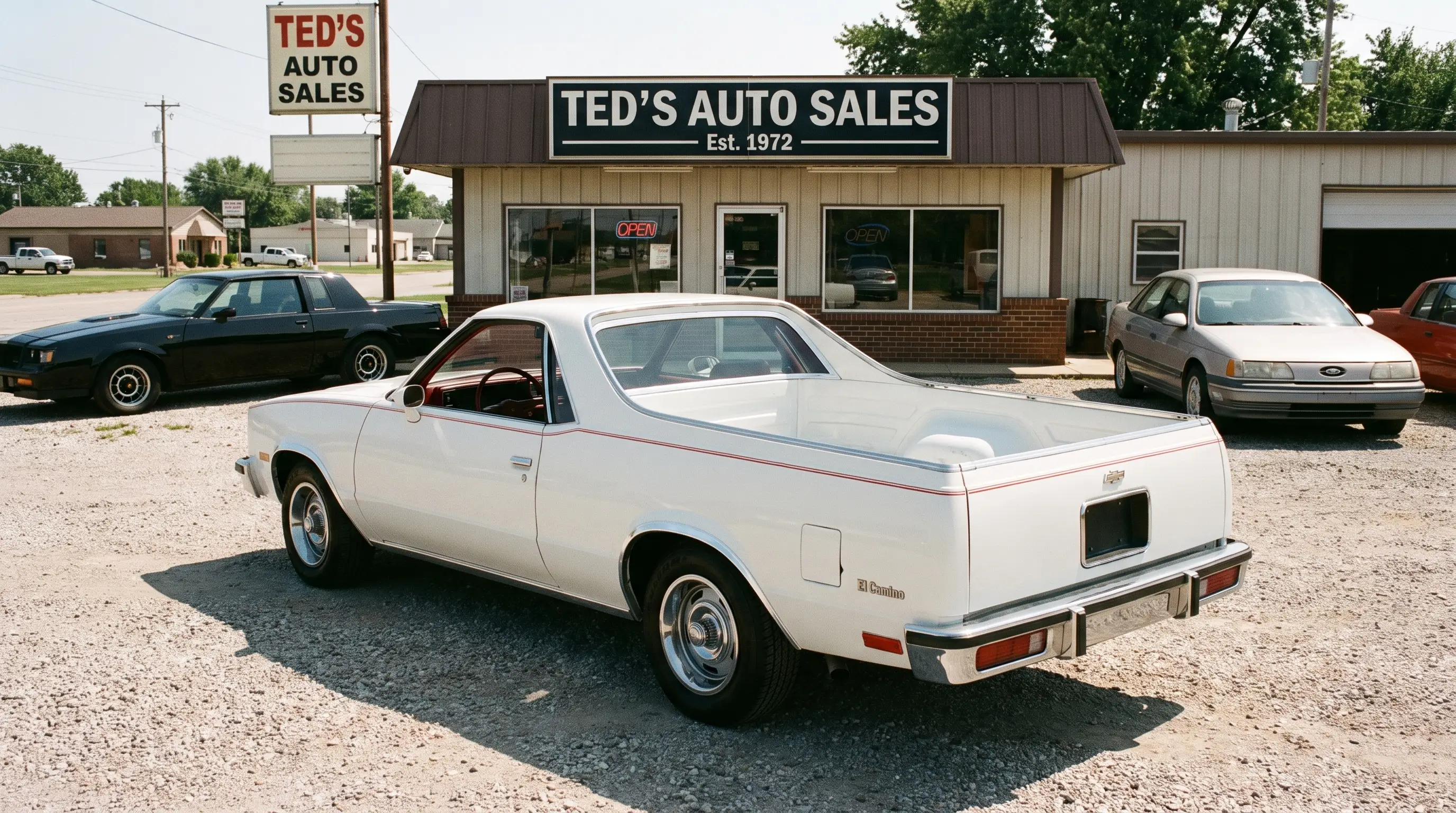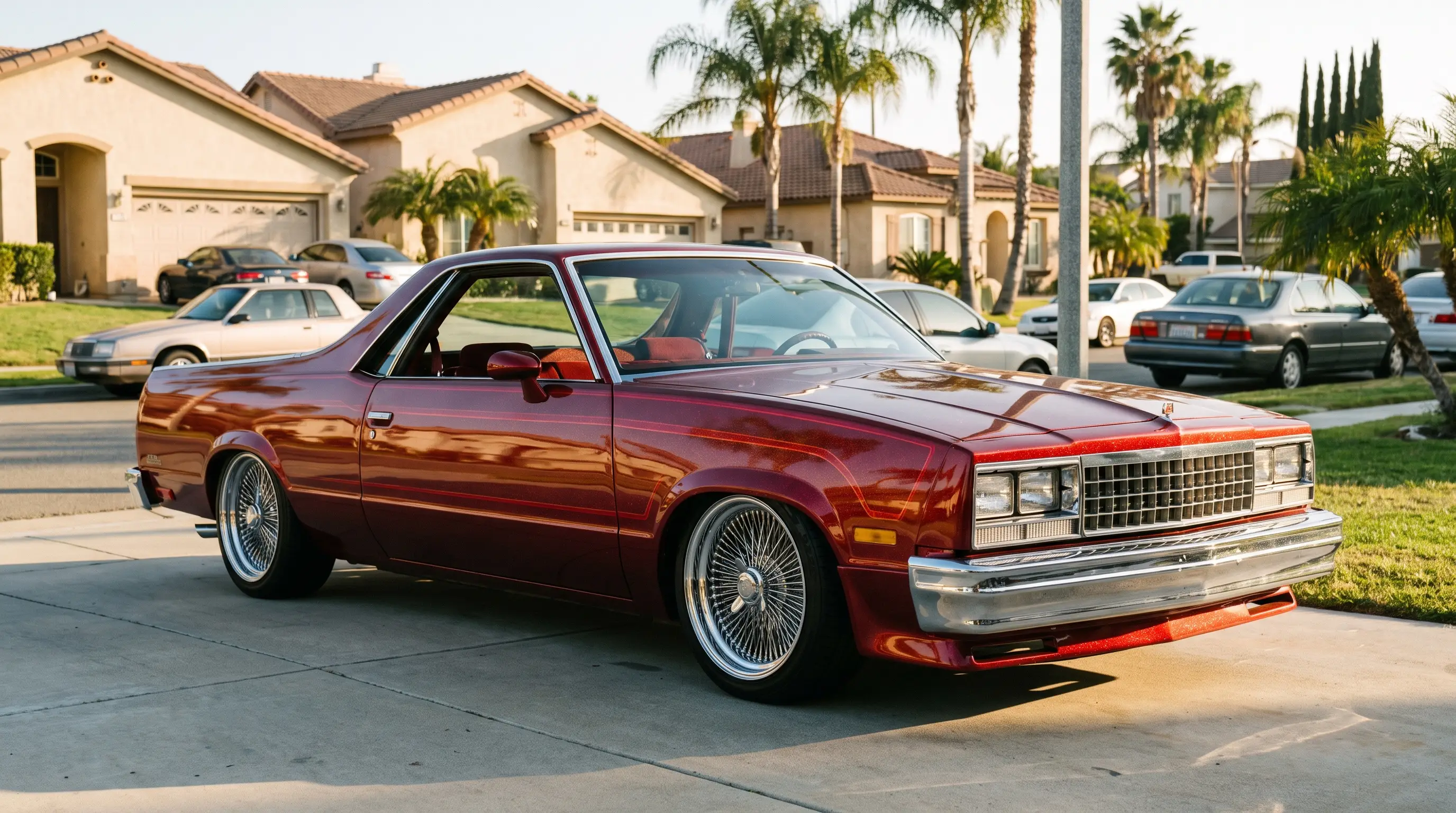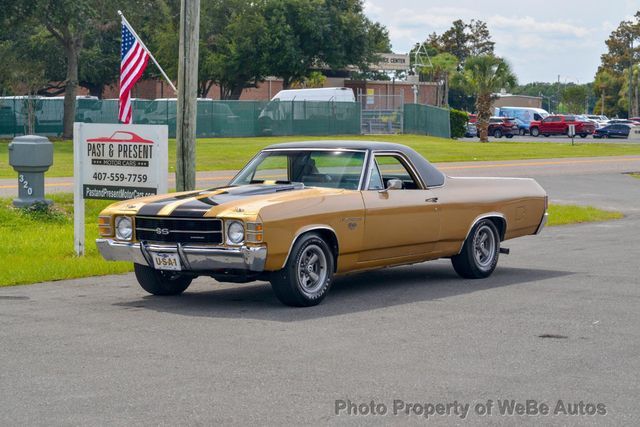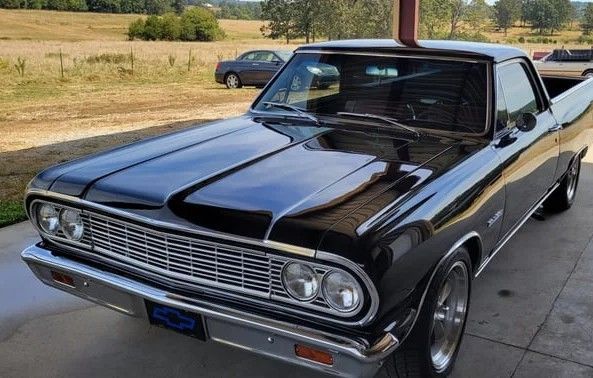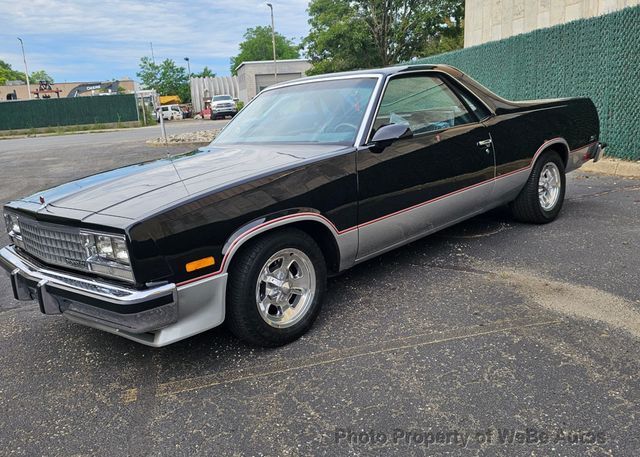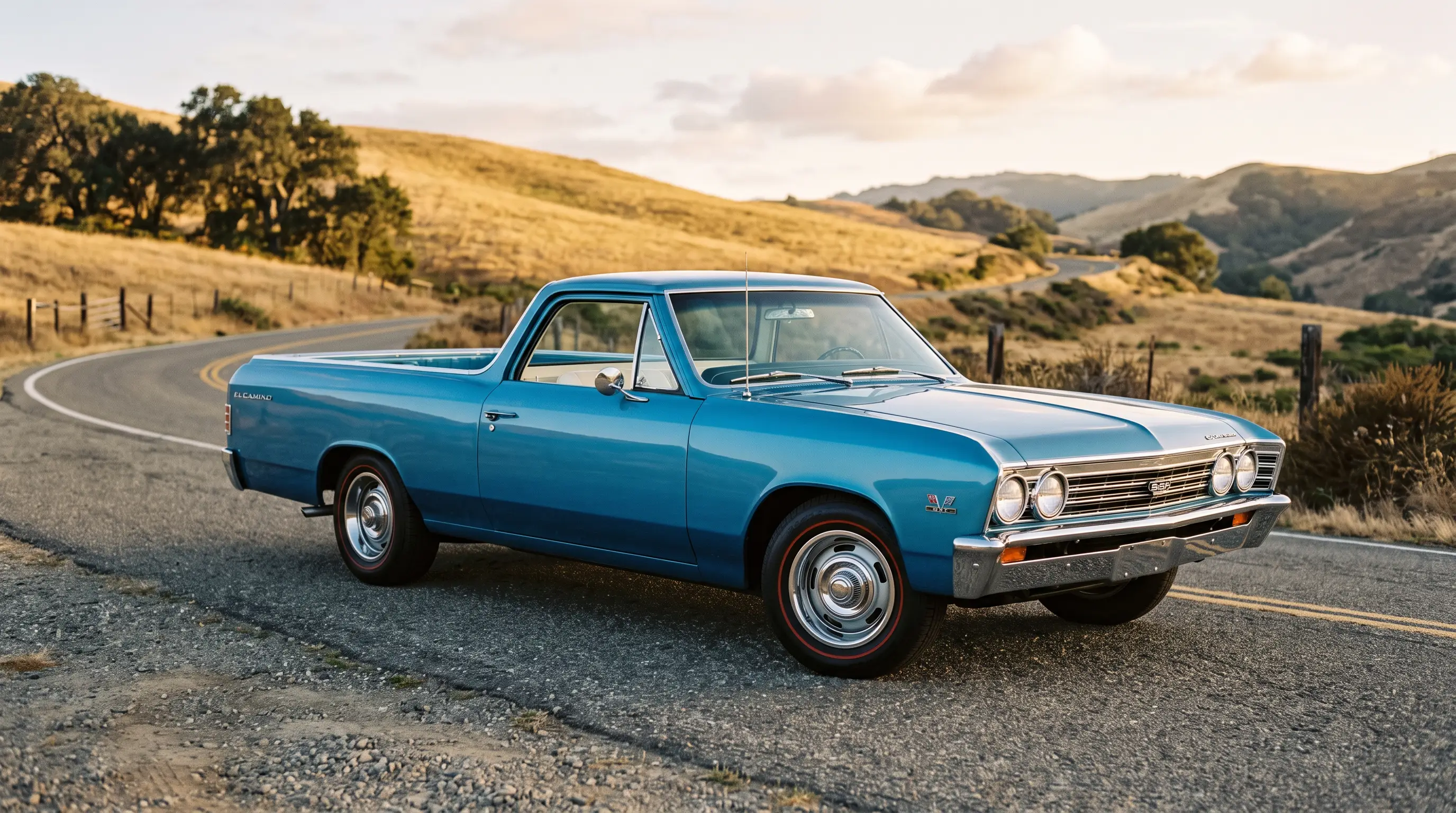
Ask ten El Camino owners to settle G-body vs muscle era and you will get an argument, not an answer. Some insist the nameplate only means anything between 1968 and 1972, the SS396 and SS454 years when the car genuinely competed on the drag strip. Others, myself included after years spent in factory records and production archives, think that narrow view leaves out most of the vehicle's actual history and most of what made it commercially successful in the first place.
The case the muscle-era loyalists make
Their argument is not unreasonable. The 1968 through 1972 El Caminos genuinely offered big-block performance, real SS credentials, and a design language that borrowed directly from the Chevelle SS, a car with unambiguous muscle car status. Production records from these years show engine options that could hold their own against dedicated performance cars of the era, headlined by the 1970 SS454, offered with a 360-horsepower LS5 big-block and, in a handful of documented cars, the rare 450-horsepower LS6, and enthusiast attention has followed that performance history for good reason.
For a certain kind of collector, that era represents the only period when the El Camino was unambiguously a performance vehicle rather than a working vehicle with a car's manners bolted onto it. I understand the appeal of that clean, simple story. It is a lot easier to tell than the messier truth of a nameplate that spent most of its production run being something quieter and more practical.
What the fuller factory record actually shows
Here is where I part ways with the muscle-only camp. Production numbers tell a clear story: the El Camino spent far more of its nearly three-decade run being a practical, moderately powered vehicle than it ever spent being a performance car. The G-body years alone, 1978 through 1987, account for a full decade of production, longer than the entire muscle era that gets all the magazine coverage. Treating that decade as a footnote misreads the nameplate's actual commercial and historical footprint.
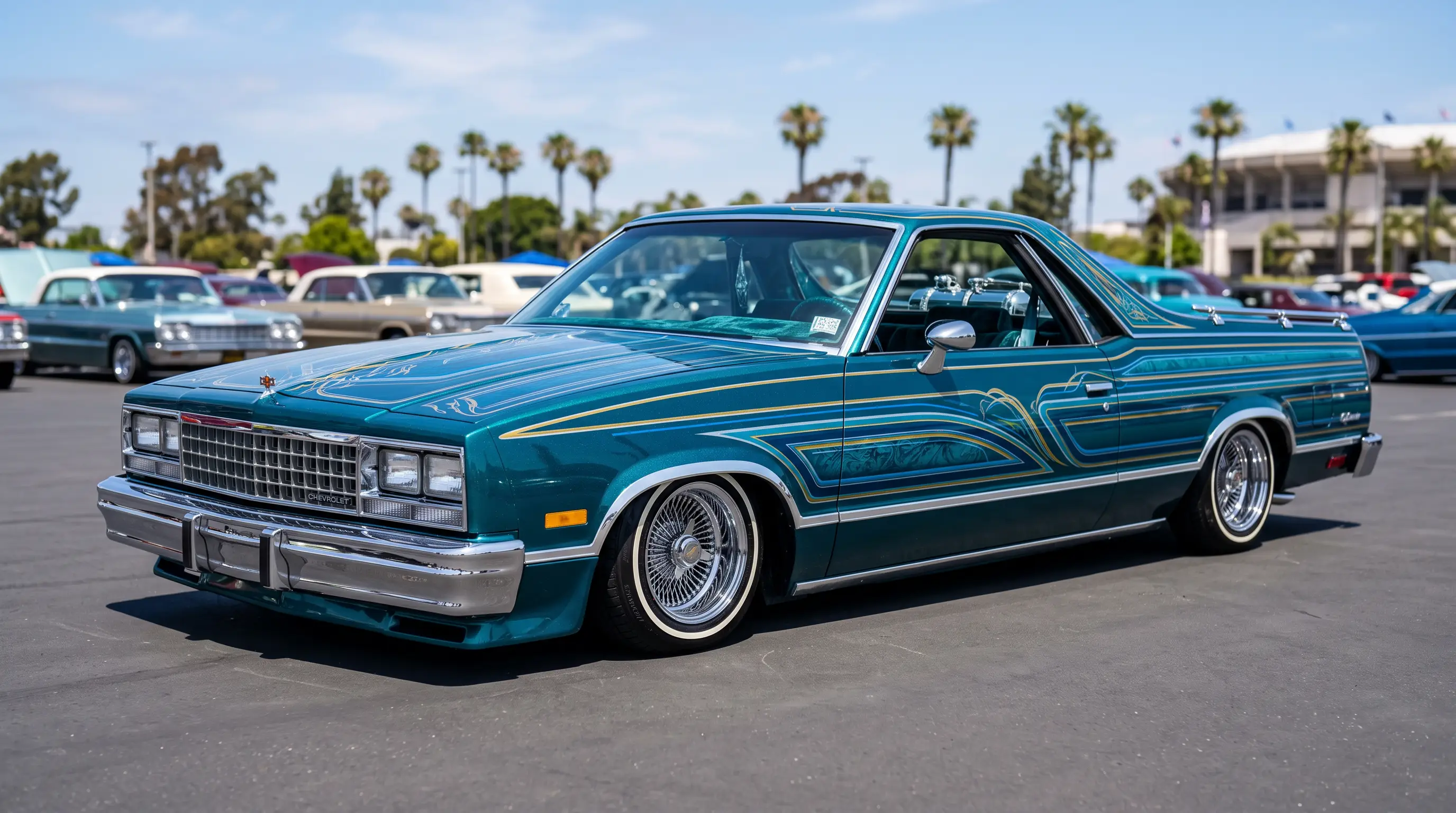
The G-body era, including the specific 1985 model year, represented Chevrolet solving a completely different problem than the one the 1970 SS396 addressed. Where the muscle era answered a demand for straight-line performance in a shrinking window before emissions rules closed that door, the G-body years answered a demand for an affordable, fuel-conscious, genuinely useful vehicle in a decade that had no patience left for excess. Both answers are legitimate responses to the market conditions of their moment, and dismissing one because it lacks the horsepower of the other misunderstands what each era was actually built to do.
Why this argument matters beyond nostalgia
This is not just an academic dispute among historians. How you frame the El Camino's identity affects real decisions, including which cars get preserved, which get parted out, and which get real money spent on restoration versus which get treated as disposable. A narrow, muscle-only definition of what counts as a real El Camino has, for decades, left G-body examples undervalued and under-documented, exactly the kind of gap that erases historical evidence before anyone thinks to preserve it properly.
I have spent enough time with factory paperwork from both eras to say plainly that the muscle-era cars are not more authentically El Camino than the G-body cars. They represent a different design brief, aimed at a different buyer, solving a different problem for Chevrolet's product lineup. Both are real chapters of the same production history, documented in the same factory archives, built by the same company under the same nameplate.
"A production run this long was never going to be one thing the whole way through. Treating only the loudest decade as the real story does a disservice to everything Chevrolet actually built under this name."
- Tom Ramirez
Where I actually land on the debate
My honest position, after years of research, is that both eras deserve serious documentation and serious respect, on their own terms rather than measured against each other. The muscle-era cars earn their reputation through genuine performance credentials. The G-body cars earn a different kind of respect through durability, practicality, and a decade of solid, honest engineering that kept the nameplate alive through a period when plenty of other rear-drive intermediates simply disappeared from the market entirely.
The complete production history across every generation, including both the muscle years and the G-body era this piece focuses on, is laid out in our complete history, and I would encourage anyone who only knows the SS396 side of the story to read it. If the custom and cultural side of the G-body story interests you as much as the factory record, keep exploring for the fuller picture of what happened to these cars after they left the showroom. And whichever era speaks to you more, there are usually a few classic El Camino for sale worth comparing, muscle or G-body, before you decide which chapter of this nameplate's history you actually want parked in your own driveway.
A note on how this argument usually gets settled badly
I see this debate resolved poorly, over and over, in the same way. Someone decides the muscle era is the only legitimate chapter, then works backward to justify that conclusion by dismissing every other era as somehow lesser, less authentic, less worth documenting properly. That is not historical analysis. It is a preference dressed up as a verdict, and it tends to do real damage to the record over time, because archives and private collections often follow enthusiast attention rather than leading it.
When a whole decade of production gets treated as unworthy of serious attention, the paperwork from that decade stops getting saved. Dealers do not think to keep invoices for a car nobody considers collectible. Owners do not think to preserve build sheets for a vehicle they view as disposable transportation. Three decades later, researchers like me are left trying to reconstruct a fuller picture from whatever scraps survived, and the G-body years suffer from exactly this kind of retroactive neglect. The muscle era does not have this problem, because enthusiasts recognized its value early and preserved documentation accordingly.
That asymmetry is not a reflection of which era actually mattered more to Chevrolet's business or to the nameplate's overall survival. It is a reflection of which era got the benefit of early enthusiasm. Correcting for that bias, taking the G-body years as seriously as the archives allow, is not an act of contrarianism. It is simply good historical practice, applied evenly across a production run that deserves the same rigor in every decade it covers, not just the ones that happen to be the most exciting to talk about at a car show.
So the next time someone tells you the real El Camino stopped existing after 1972, ask them what they think happened to the nameplate for the following fifteen years. The honest answer is that it kept being built, kept being sold, and kept doing exactly what Chevrolet designed it to do. That continuity, not just the loudest four years of it, is the actual history worth documenting.