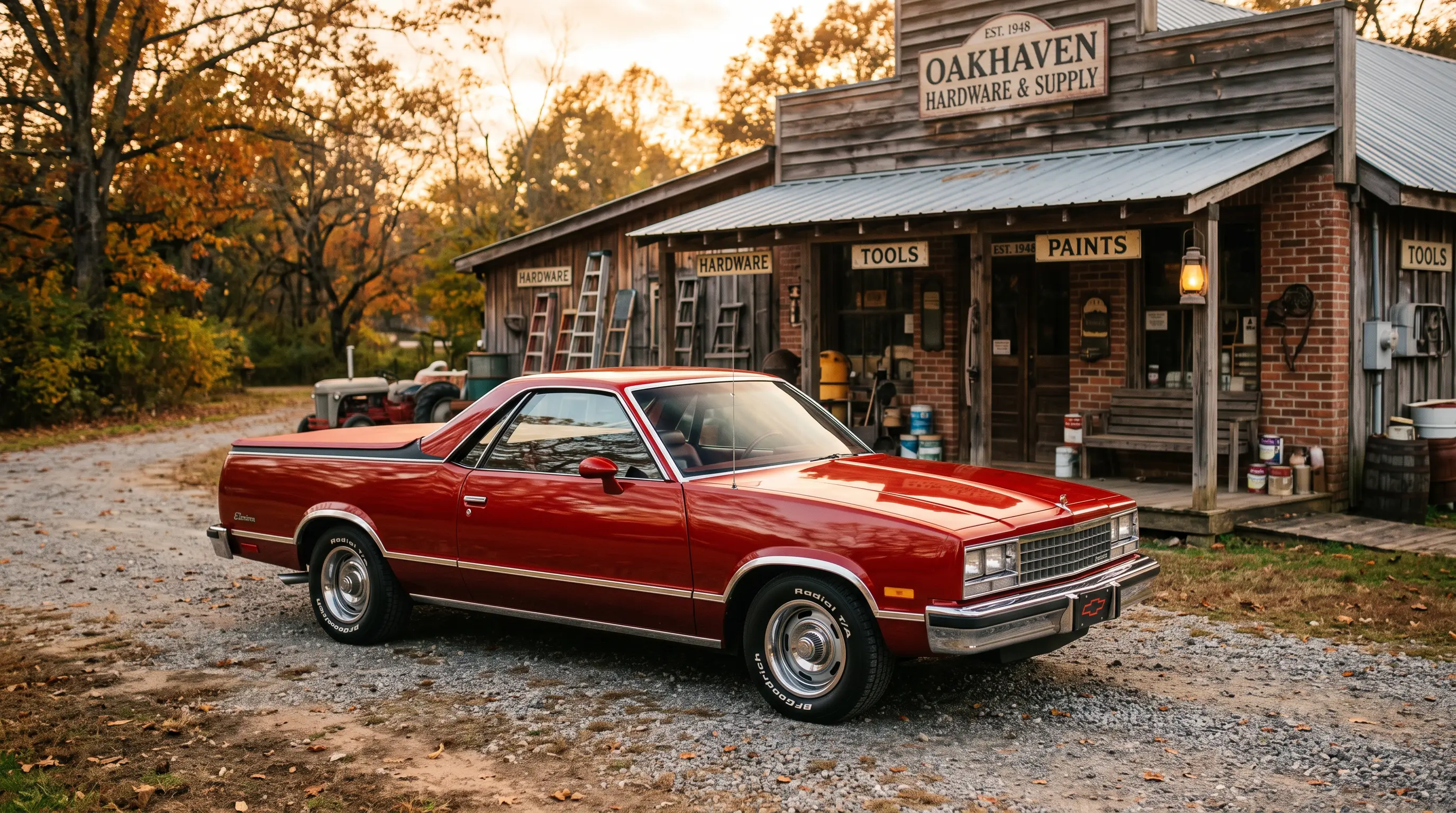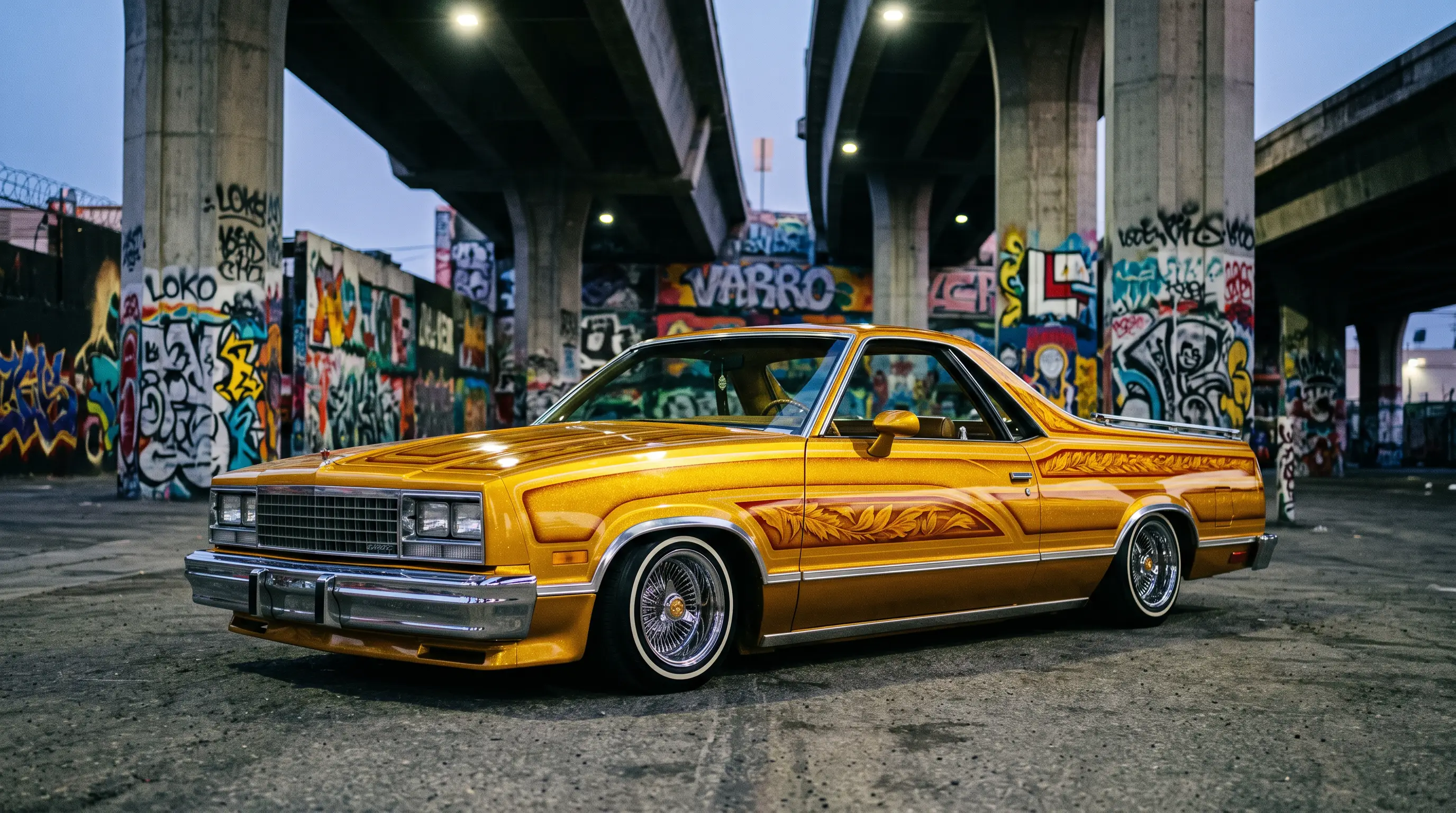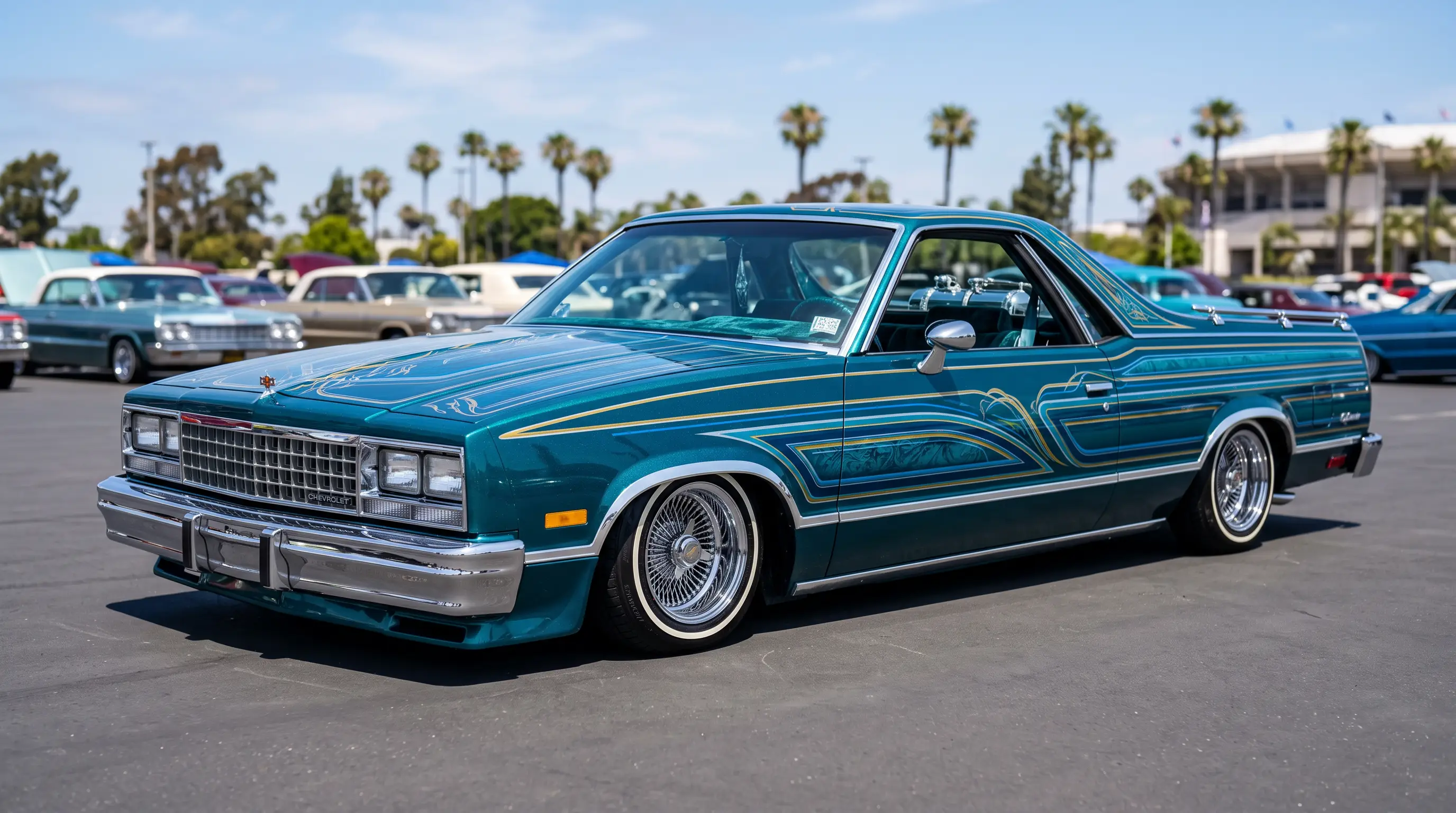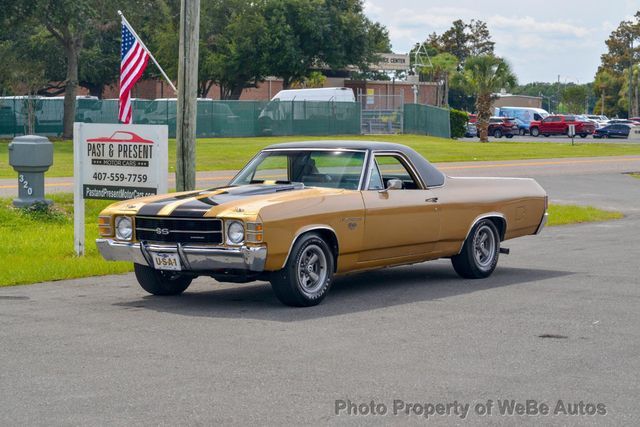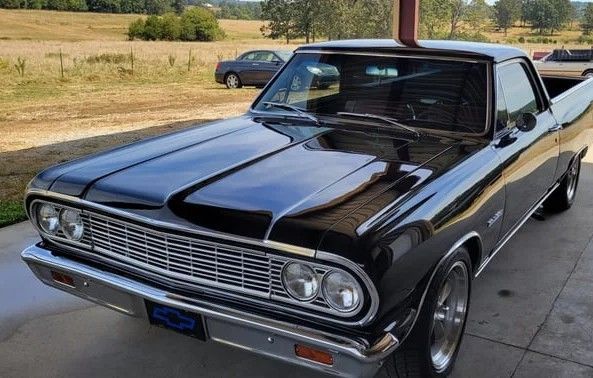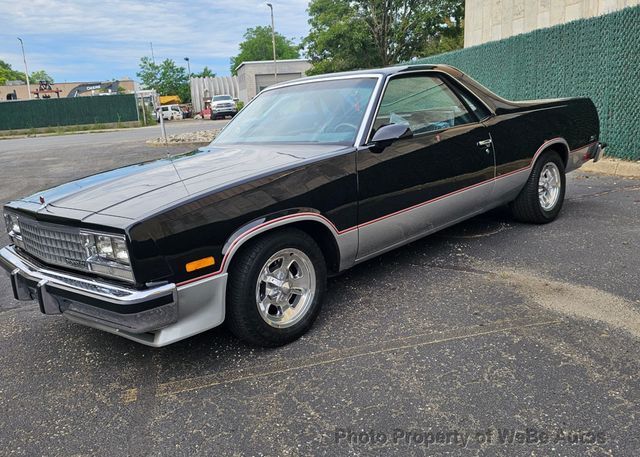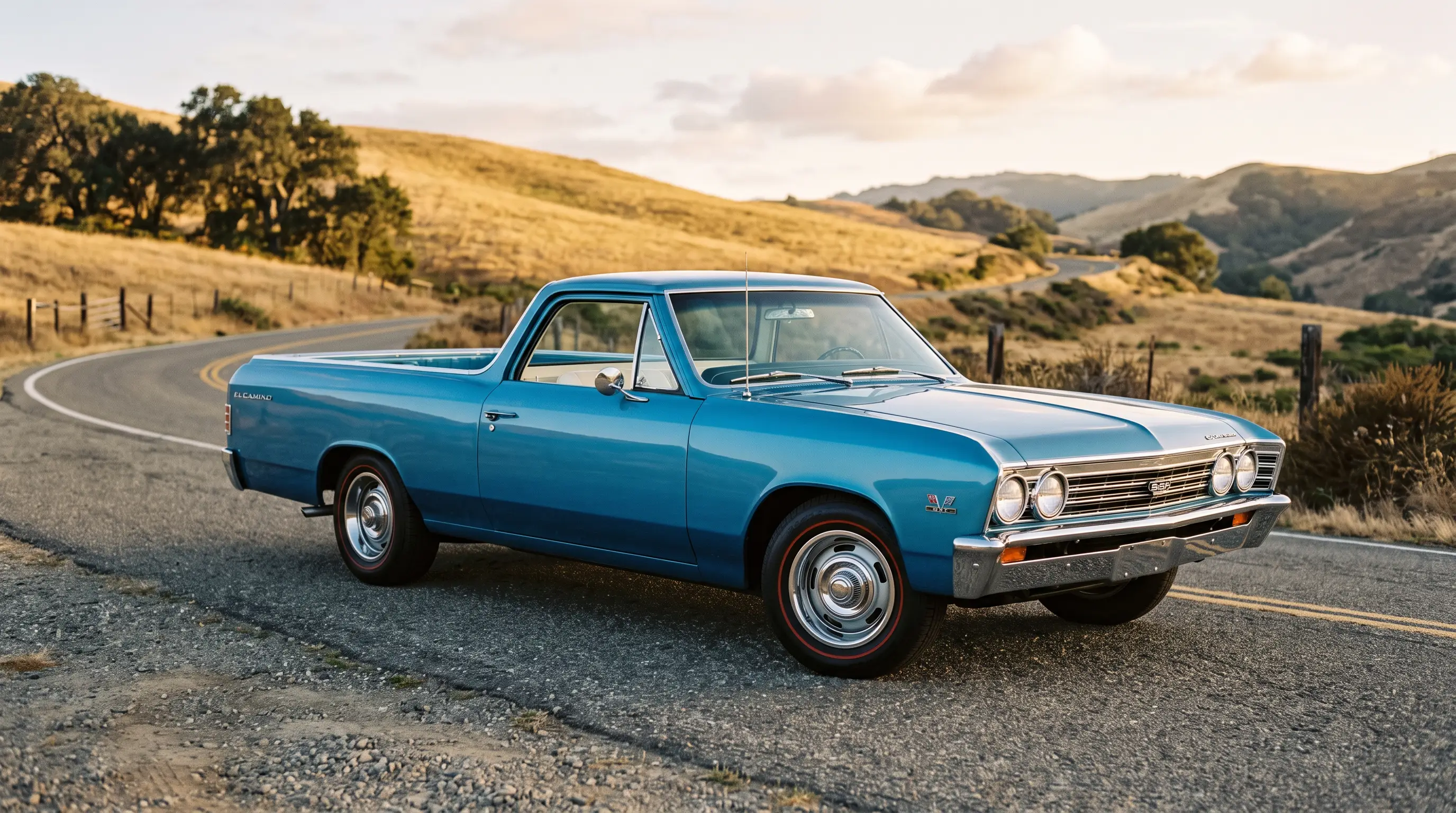
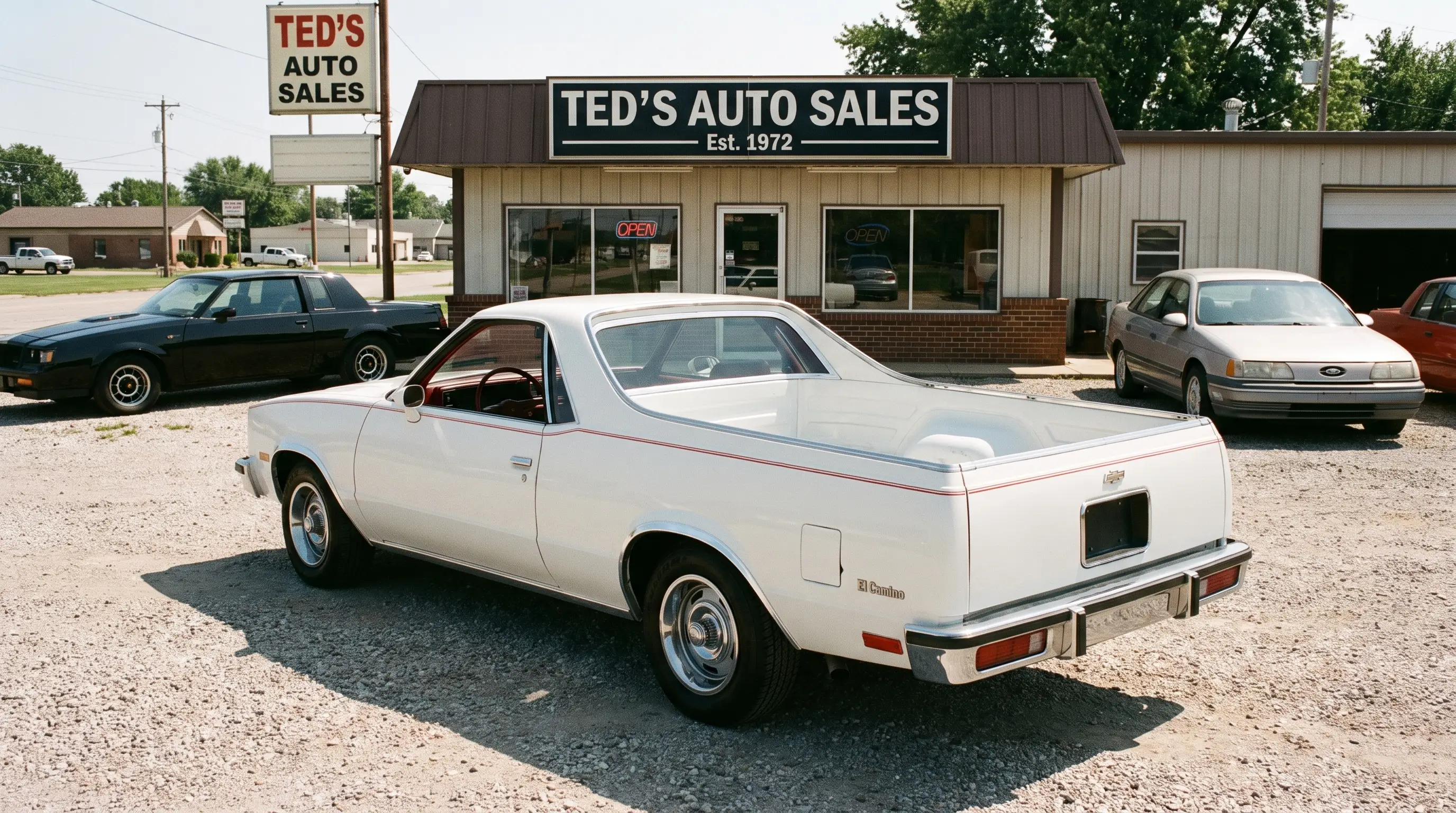
Look at auction results for G-body El Caminos over the past five years and a pattern shows up that most of the market has not priced in yet, and that pattern is the definition of an underrated collectible. While muscle-era El Caminos from 1968 through 1972 have climbed steadily into territory that puts them out of reach for a lot of first-time buyers, the 1978 through 1987 cars, including the 1985 model year specifically, remain available at a fraction of the cost. That gap is not going to hold forever, and the reasons why are worth walking through with actual numbers rather than nostalgia.
What the auction data actually shows
Muscle-era El Caminos, particularly SS396 and SS454 examples in good condition, now regularly clear five figures at major auctions, with well-documented cars reaching well into six figures and the rarest numbers-matching LS6 454 cars selling for anywhere from around $120,000 to close to $300,000 at Mecum in recent years. G-body examples from the 1980s, by contrast, are still trading in a range that a working buyer can realistically afford, with recent sales for clean 1985 to 1987 examples generally landing somewhere between about $5,000 and the high teens, and a well-optioned SS-trimmed final-year car occasionally reaching into the high twenties, still a fraction of muscle-era money.
That price gap exists for identifiable reasons, not because the G-body car is somehow a worse vehicle. It reflects a collector market that has historically rewarded horsepower and rarity above all else, and the mid-1980s El Camino offers neither in abundance. What it does offer is mechanical simplicity, a strong parts supply chain shared across the wider G-body family, and genuine daily usability, none of which the traditional collector calculus has weighted very heavily until fairly recently.
Why that calculus is starting to shift
Two forces are converging on this segment of the market right now. First, the buyers who grew up around these cars in the 1980s and 1990s are reaching the point in their earning lives where nostalgia purchases become realistic, and that demographic wave has already driven up prices for other previously overlooked eras across the collector car market. Second, the sheer affordability of entry into the G-body segment is attracting buyers who have been priced out of the muscle-era market entirely and are looking for a classic ownership experience without a six-figure commitment.
Both forces point the same direction: upward pressure on a segment that has been flat or slowly appreciating for years. I am not predicting the G-body El Camino will ever command muscle-era prices, and buyers should not treat this as a speculative play expecting outsized returns. What I am saying is that the current gap between muscle-era and G-body pricing looks wider than the actual difference in build quality, usability, and historical interest justifies, and gaps like that tend to narrow over time as more buyers do the same math.
My actual buy recommendation
For a buyer looking at this segment today, my recommendation is straightforward: buy the cleanest, most rust-free example you can find, and prioritize documentation over cosmetic extras like an aftermarket SS package. Since the SS treatment in this era was primarily an appearance package rather than a distinct performance drivetrain, paying a significant premium for SS badging on a G-body car does not track with the actual mechanical differentiation you are getting. A well-documented base car in excellent condition is, dollar for dollar, the smarter purchase than a rougher car dressed up with graphics.
Condition matters more in this segment than in almost any other part of the classic car market, because so little of the value proposition rests on rarity or performance specification. You are buying usability and a growing nostalgia premium, and both of those depend heavily on the car being in genuinely good shape rather than merely present.
"The math on these cars is simple. You are buying a usable classic below replacement cost for what the parts and labor to build one from scratch would run you, and that math rarely stays this favorable for long."
- David Mercer
The downside risks worth knowing about
No investment thesis is complete without the risks, and there are real ones here. The collector market's interest in this era is still relatively new and unproven at scale, meaning demand could plateau rather than continuing to climb if the current wave of nostalgia-driven buyers ages out without a following generation picking up the interest. Parts availability, while currently strong, depends on the wider G-body family remaining in active restoration, and that supply chain could thin over time as more cars get parted out rather than restored.
There is also the straightforward risk that comes with any car this age: rust and deferred maintenance can erase a price advantage fast if a buyer skips a proper inspection chasing a bargain. The segment's affordability is real, but it does not eliminate the basic diligence any classic car purchase requires.
For the fuller mechanical and production background behind this specific model year, more on the 1985 el camino covers the engineering and history side of the story, and the broader arc of the nameplate across every generation is laid out in our complete history. If the numbers here make sense to you, there are usually several classic El Caminos on the market worth comparing before you commit, and I would encourage doing exactly that comparison rather than buying the first clean example you find.
How this compares to other overlooked segments
The pattern here is not unique to the El Camino. Every collector car market goes through cycles where an earlier, more celebrated generation of a nameplate absorbs most of the attention and capital, while a later, less glamorous generation trades for a fraction of the price despite sharing much of the same engineering DNA. Buyers who got into other segments early, picking up overlooked model years before the wider market caught on, have generally done well as the price gap closed over subsequent years.
What makes the G-body El Camino a particularly interesting case within that pattern is the size of the gap relative to the size of the actual quality difference. In some segments, the earlier generation genuinely commands a premium for good reason, faster, rarer, better built. Here, the case for the premium is weaker than usual, resting mostly on rarity and reputation rather than any dramatic difference in what the car actually delivers to an owner day to day. That is exactly the kind of mispricing a patient buyer should want to find.
None of this is a guarantee. Markets can stay irrational, as the old line goes, longer than any individual buyer can stay patient, and there is no fixed timeline on when or whether this particular gap closes meaningfully. But for a buyer who wants a usable classic, likes the era, and is comfortable holding an asset that may or may not appreciate significantly, the current pricing on a clean 1985 El Camino looks like a reasonable bet by the numbers, not just a nostalgic one.