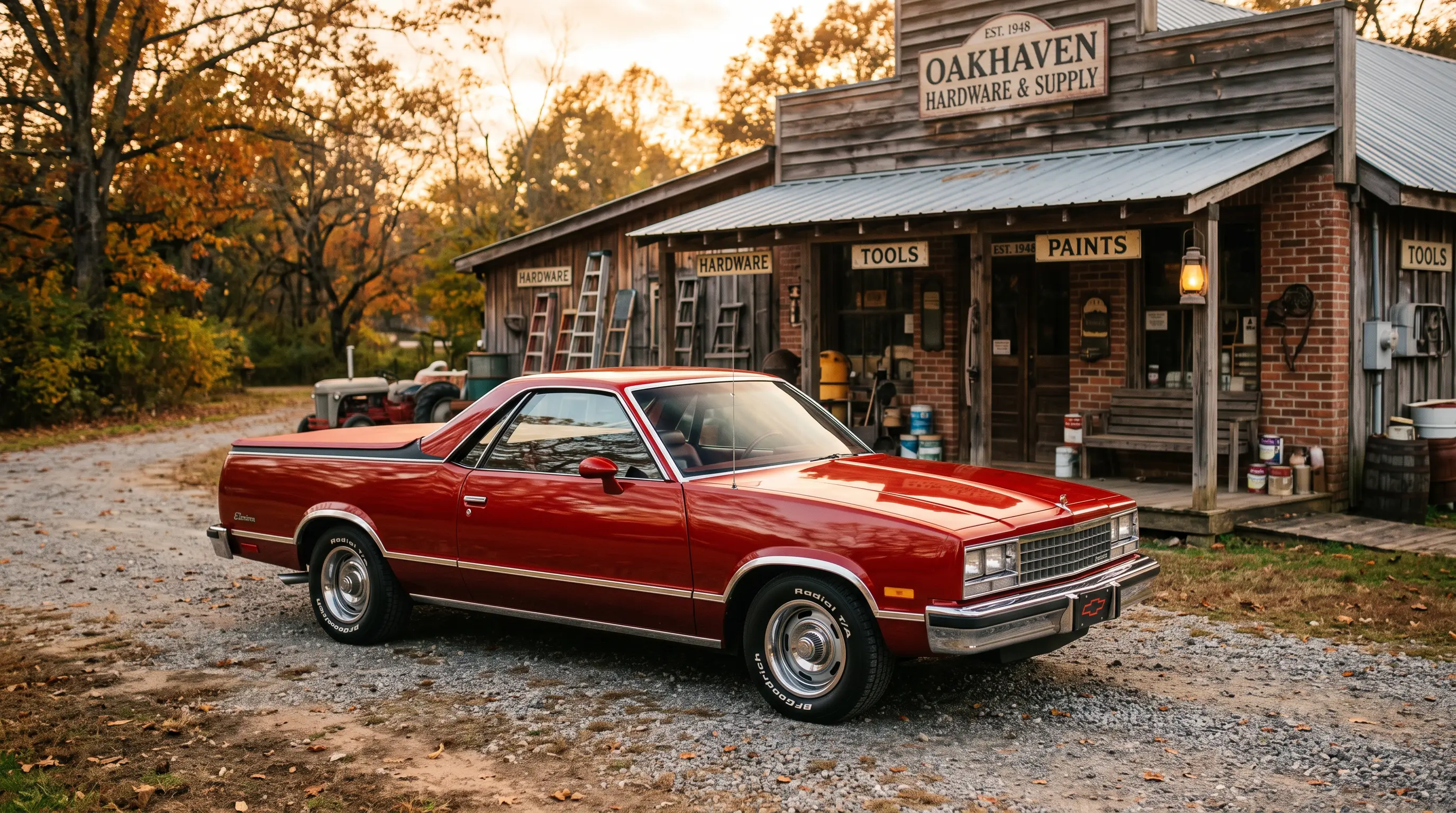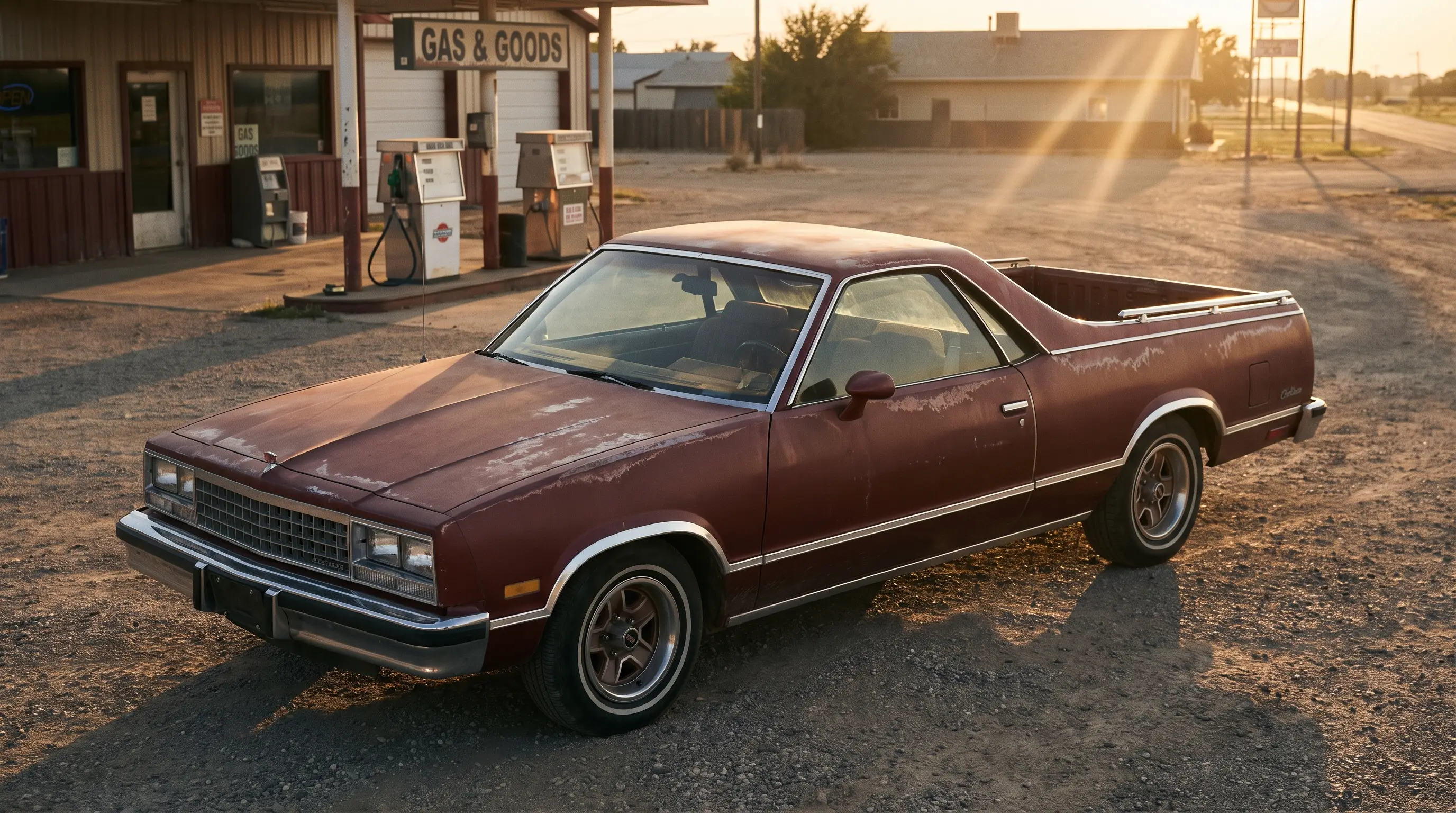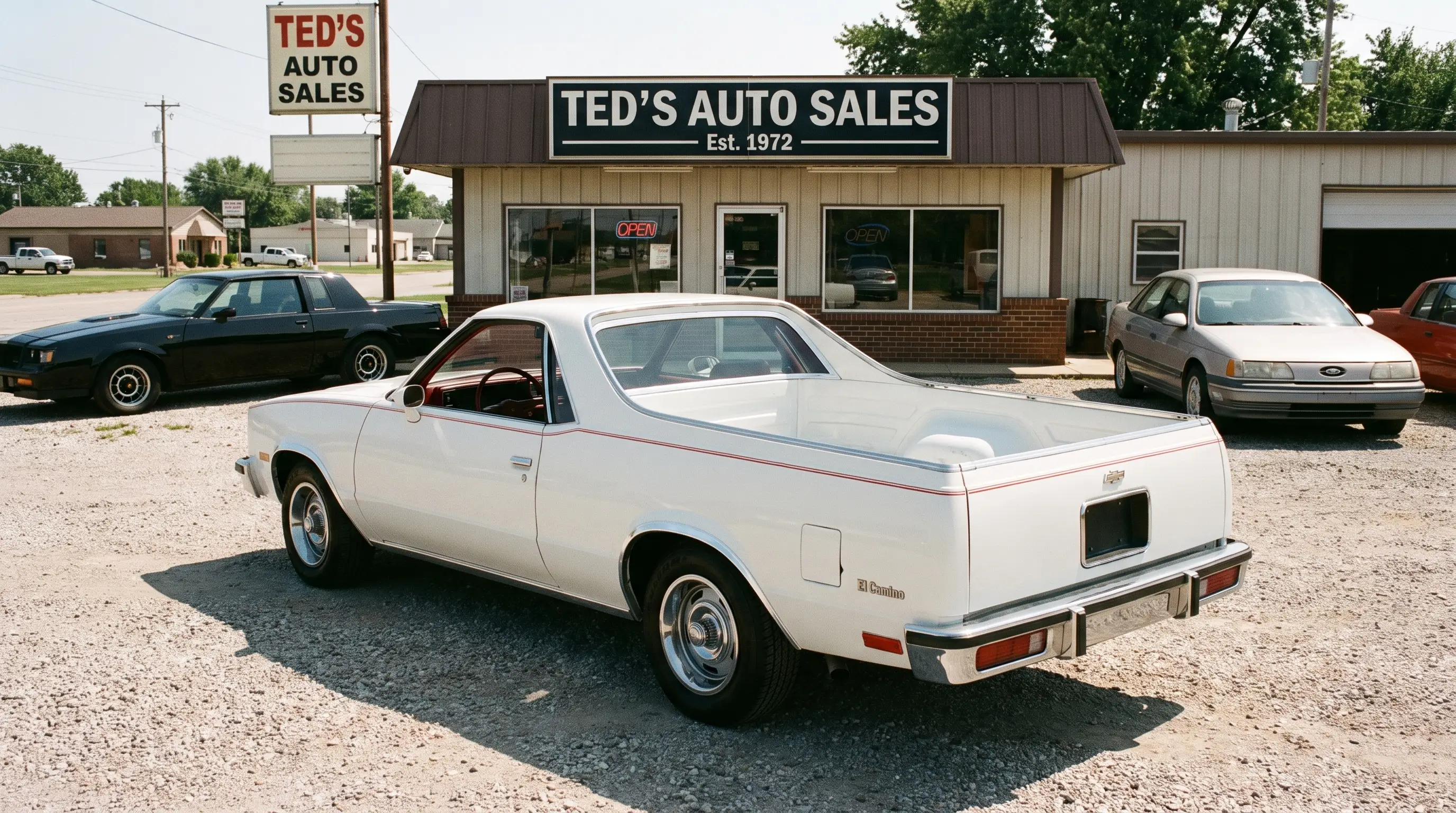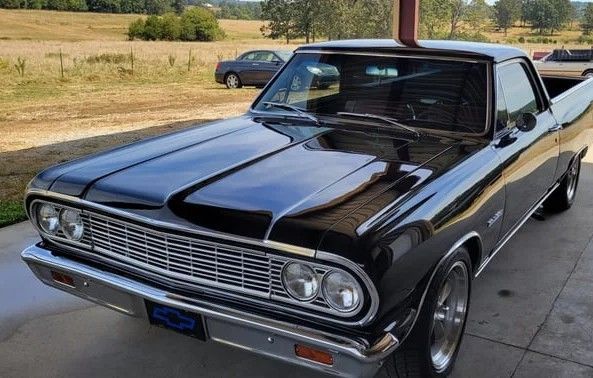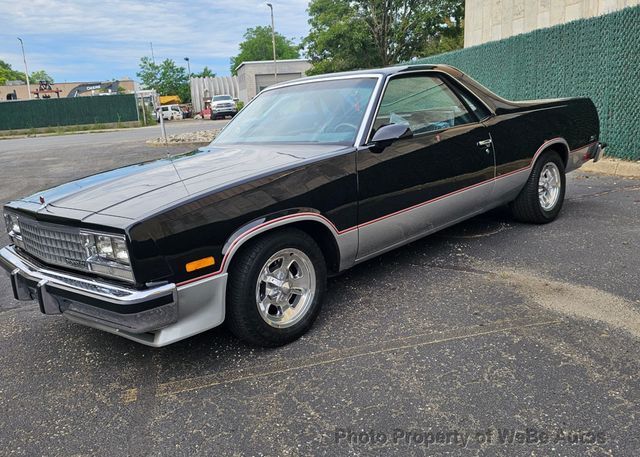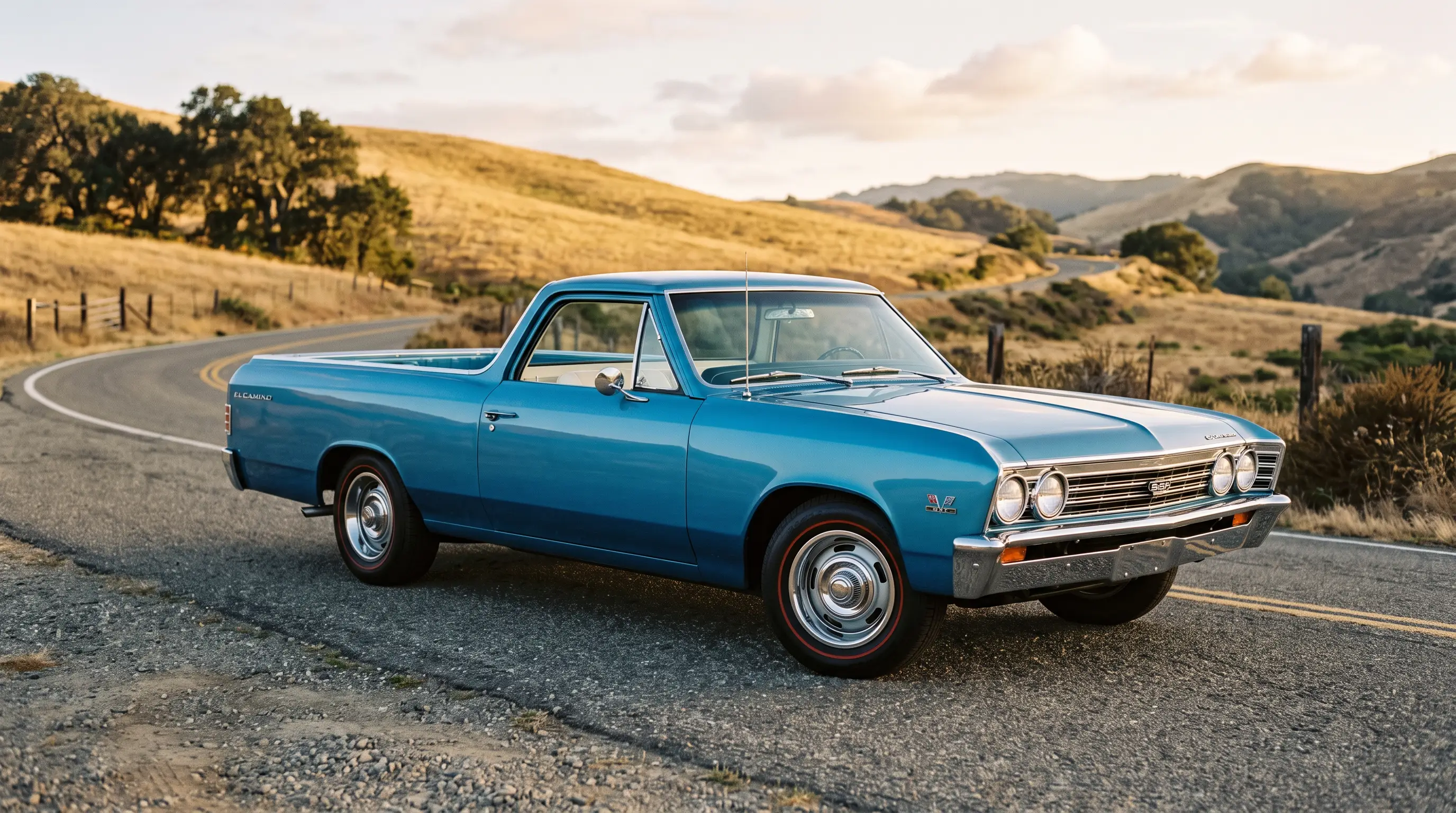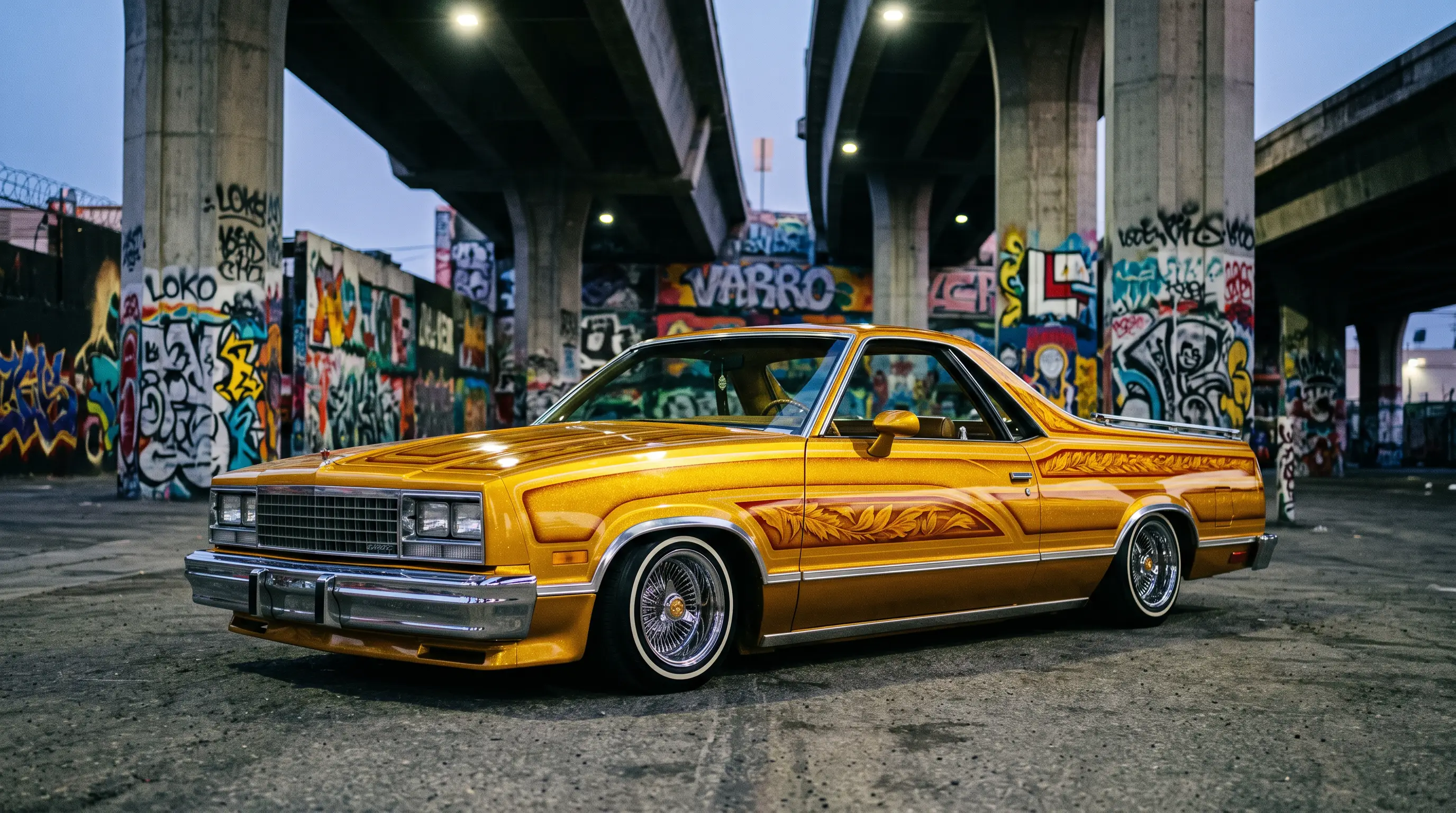
A car does not choose the culture that adopts it. The G-body El Camino, built as a practical rear-drive hauler for people who wanted a truck's utility with a car's manners, ended up carrying a second identity it never anticipated on the factory floor. By the late 1980s and into the 1990s, it had become part of the visual language of hip-hop and lowrider culture, appearing in music videos, on album covers, and rolling through the neighborhoods where that culture was actually lived rather than just performed for cameras.
How an overlooked car became a symbol
The El Camino's appeal to this scene followed a logic that had nothing to do with what Chevrolet's marketing department intended. It was affordable, because collectors had not yet decided to care about it the way they cared about the muscle-era originals. It had a long hood and flat panels that gave a builder real room to work, whether that meant hydraulics, paint, or both. And it carried a working-class honesty that resonated with communities who valued a car that told a real story rather than one manufactured by an advertising agency.
That resonance built slowly, through the actual practice of car clubs and neighborhood builders long before it reached a wider audience through music videos and film. By the time a lowered, candy-painted El Camino appeared on a screen, it was already carrying years of community history behind it, a fact that sometimes gets lost when the car is discussed purely as an aesthetic choice rather than as an object with its own social biography.
The music video years
Through the 1990s and into the 2000s, customized G-body vehicles including the El Camino became recurring visual shorthand in hip-hop culture, appearing alongside artists in videos that were reaching for a specific kind of authenticity rooted in West Coast car culture. The imagery worked because it was not invented for the camera. It was borrowed from a scene that had been building these cars in real garages for real reasons long before any director thought to point a lens at one.
That borrowing runs both directions, worth saying honestly. The wider visibility that music and film gave to lowrider culture introduced the aesthetic to audiences who had no direct connection to the neighborhoods and car clubs where it originated, and that exposure changed the culture even as it celebrated it, bringing new builders and new money into a scene that had grown up on limited budgets and deep patience. Some of that change has been good. Some of it has flattened a rich, specific history into a generic style choice available to anyone with the cash for a wrap job.
What the car actually meant to the people who built it
Strip away the music video imagery and talk to the people who actually built these cars in their own driveways, and the story is quieter and more personal than the screen version suggests. A lowered El Camino represented years of saved money, borrowed tools, and inherited knowledge passed from an uncle or a neighbor who had done it before. The finished car was a form of storytelling in its own right, each panel and each hydraulic setup a record of who taught you, what you sacrificed, and what your community valued enough to spend years perfecting.
That is a different kind of significance than the one a music video conveys in three minutes of screen time, and it is the one that actually matters if you want to understand why this specific car, out of every vehicle Detroit built in this period, became a cultural touchstone rather than just another used car nobody wanted.
"The camera found something that was already there. The community had been building these cars and telling these stories for years before anyone with a film crew showed up to notice."
- Nora Beckett
Where this story fits in the larger El Camino history
This cultural chapter sits alongside, rather than instead of, the factory history of the G-body years, which covers the engineering and production decisions that made this specific car available cheaply enough for a young builder to afford in the first place. That fuller account, where this started, gives the context for why the G-body existed at all, the downsizing, the modest engines, the practical intent, before culture reshaped what the car meant to the people who actually drove it.
The two stories, factory intent and cultural adoption, are not in tension. They are simply different chapters of the same object's life, and understanding both gives a fuller picture than either one alone. If the cultural history draws you toward wanting one of these cars yourself, there are usually a few shop classic El Camino listings worth a look, whether you are chasing the factory story, the custom scene, or, honestly, some combination of both that most owners end up caring about anyway.
A car that outgrew its own marketing
What makes this history worth telling carefully is how completely it inverts the usual relationship between a manufacturer and the meaning of its product. Chevrolet's engineers designed the G-body El Camino to solve a practical problem, fuel economy and cost, in a decade that had little patience for excess. Nobody in that design process was thinking about how the car would look lowered on hydraulics with a candy paint job catching studio lights in a music video fifteen years later. The car's second life was written entirely by the people who bought it used, not by anyone who built it new.
That gap between factory intent and cultural meaning is not unique to the El Camino, but it is unusually pronounced here, because the car's original identity was so deliberately modest. A muscle car arrives with built-in swagger the marketing department planned for. A practical G-body hauler arrives with none, which makes its later adoption by a culture built on style and self-expression a more genuine transformation rather than an extension of what the manufacturer already intended.
I think about that inversion whenever I see a beautifully finished lowrider El Camino at a show now, decades removed from either its factory origin or its music video moment. The car in front of me is neither the vehicle Chevrolet designed nor quite the symbol the videos captured. It is something the community itself made, patiently, panel by panel, and that authorship deserves to be part of how this car's story gets told, not an afterthought tacked onto the factory history.
Every time I write about a car like this, I come back to the same conclusion. The most interesting history is rarely the one a manufacturer intended to write. It is the one that happens afterward, in driveways and garages and community car shows, written by people the original engineers never imagined and never designed for, and that unplanned second chapter is very often the more honest one.