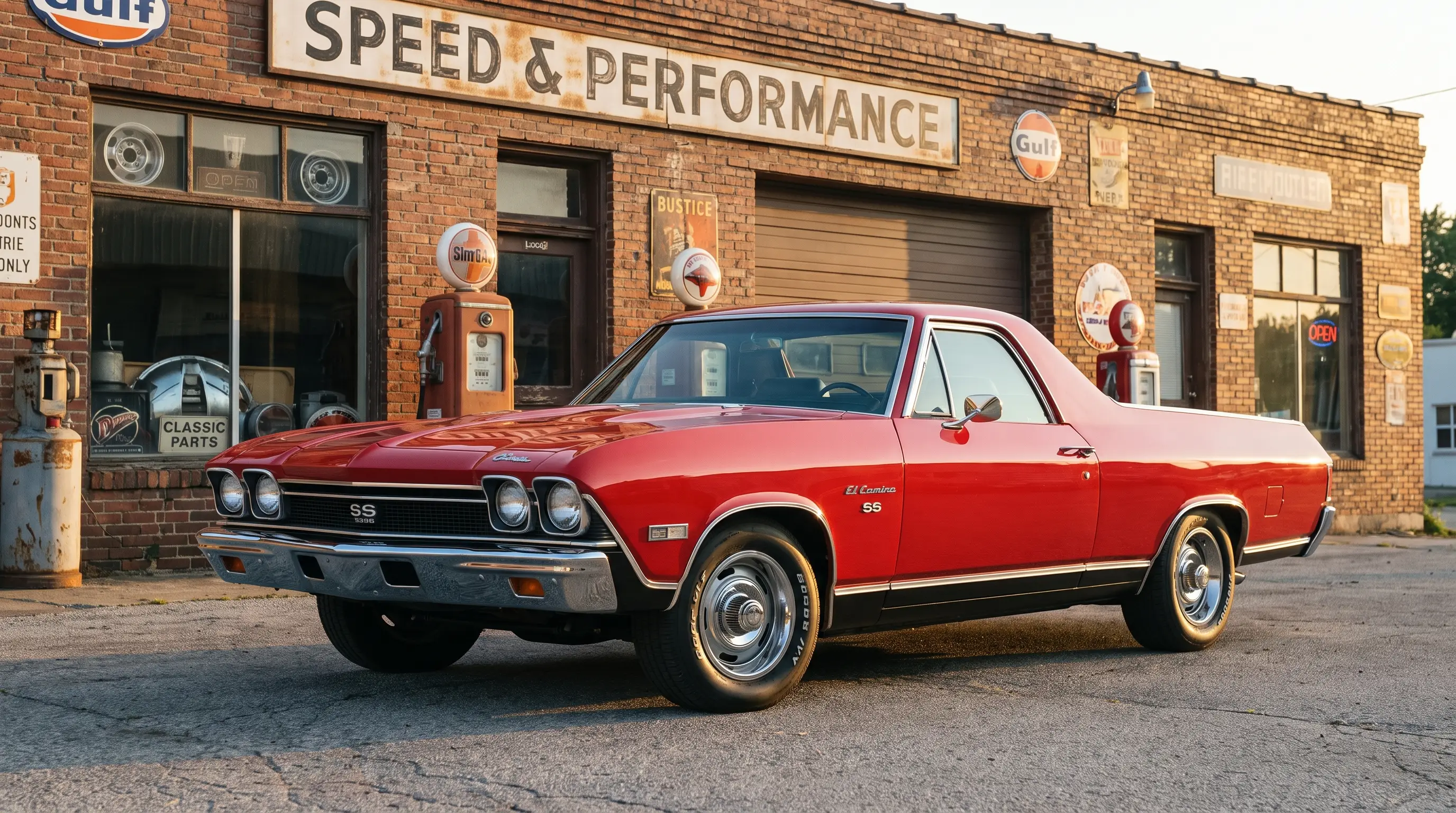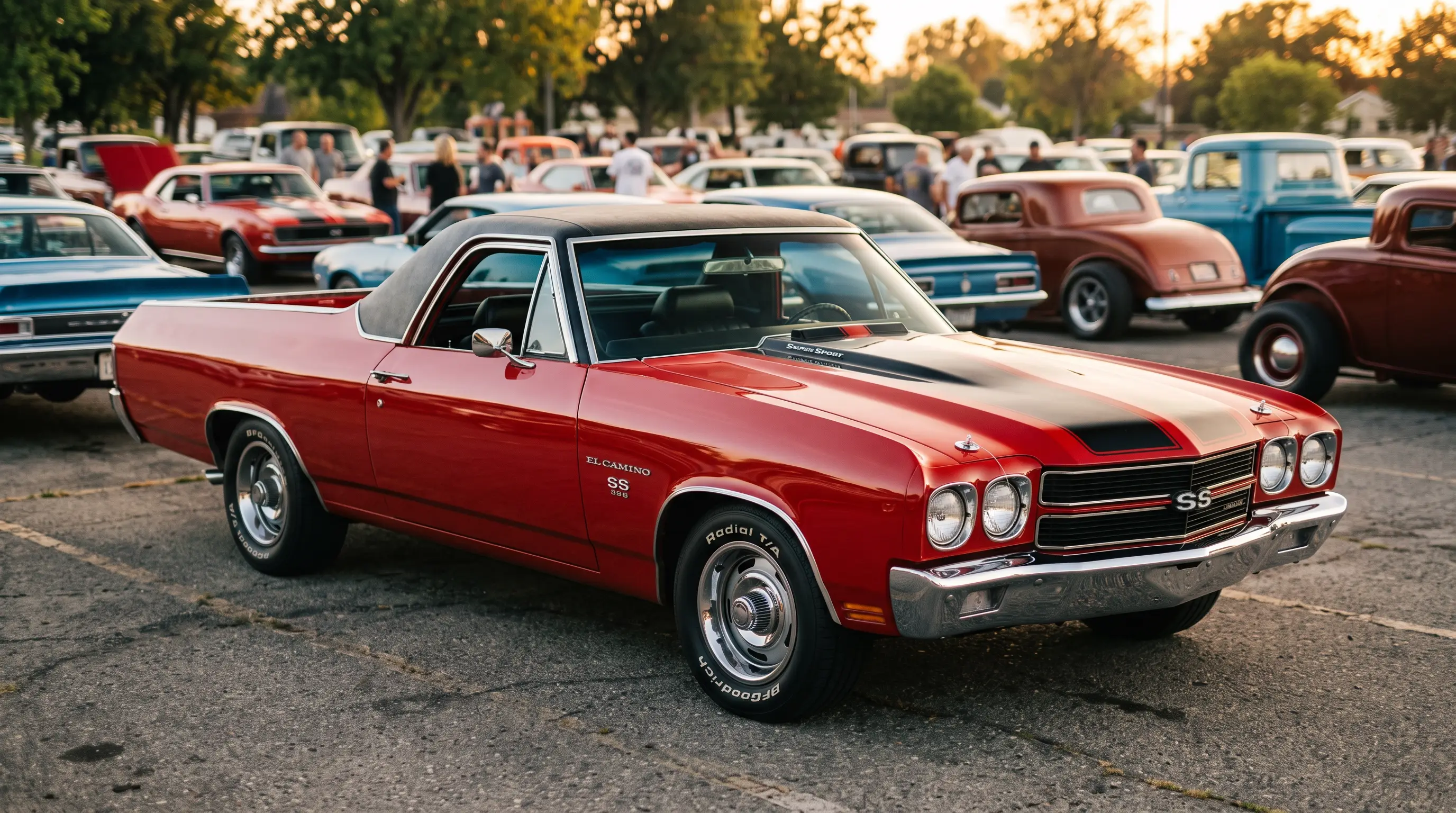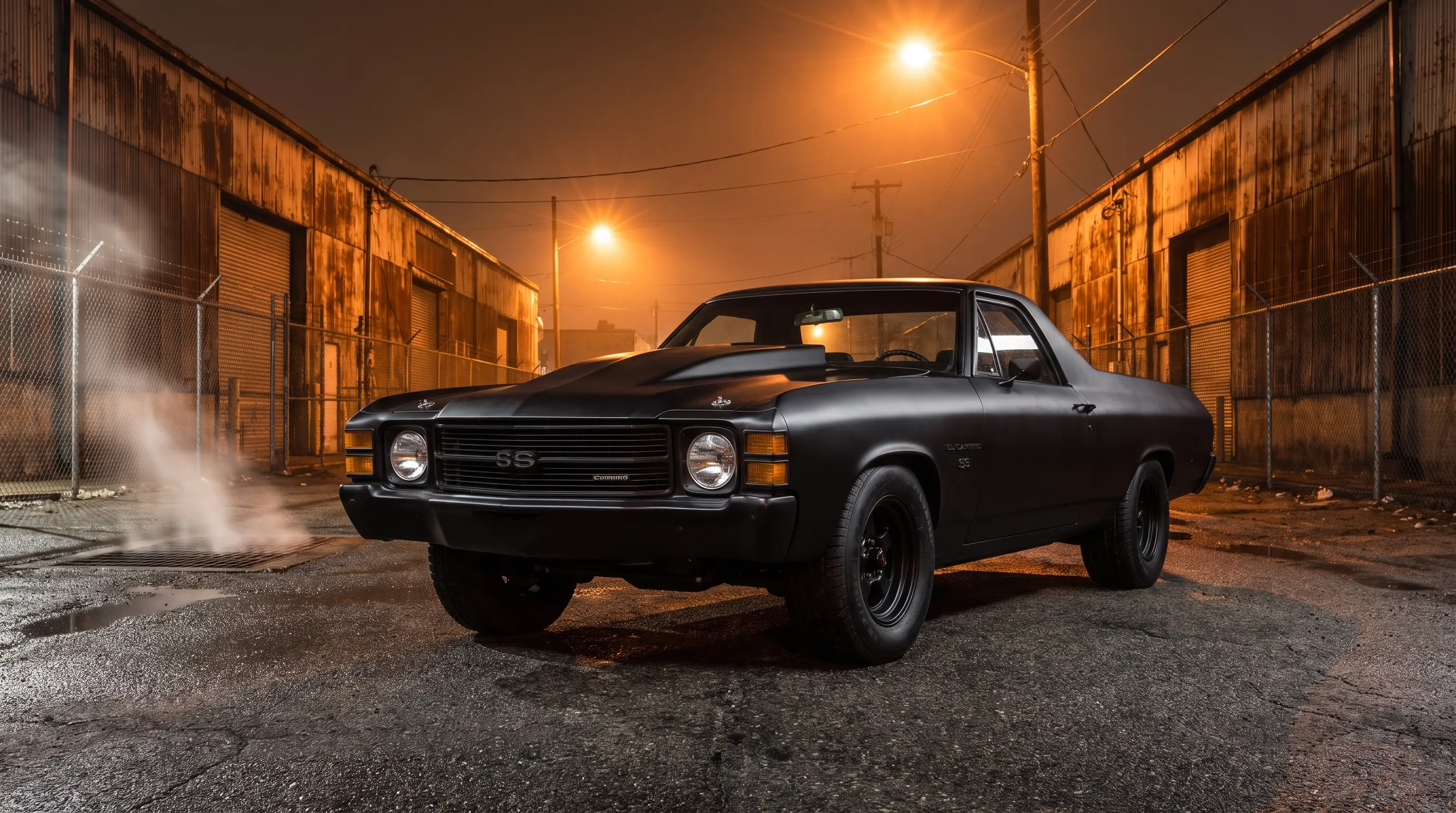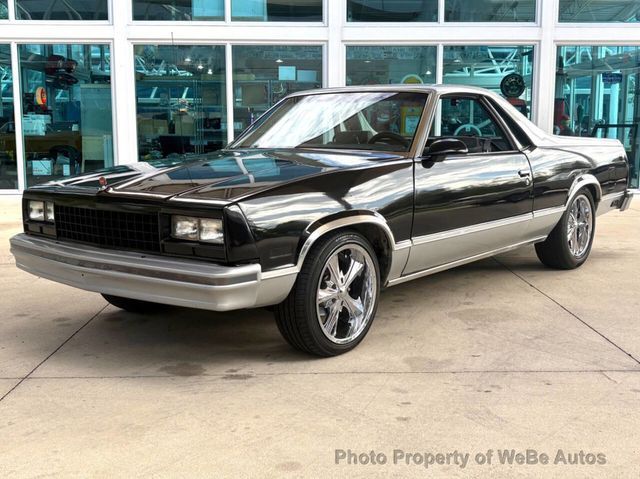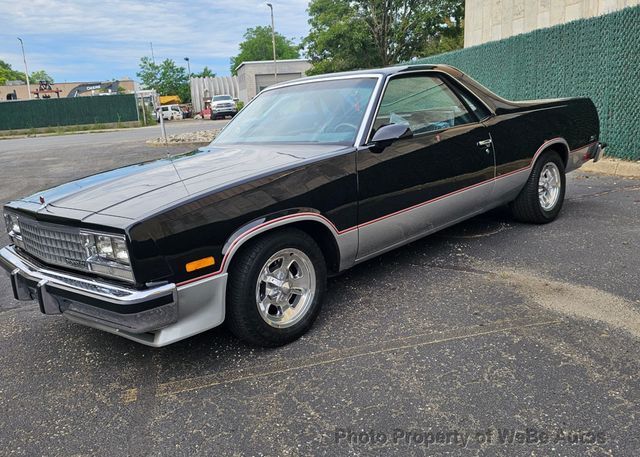
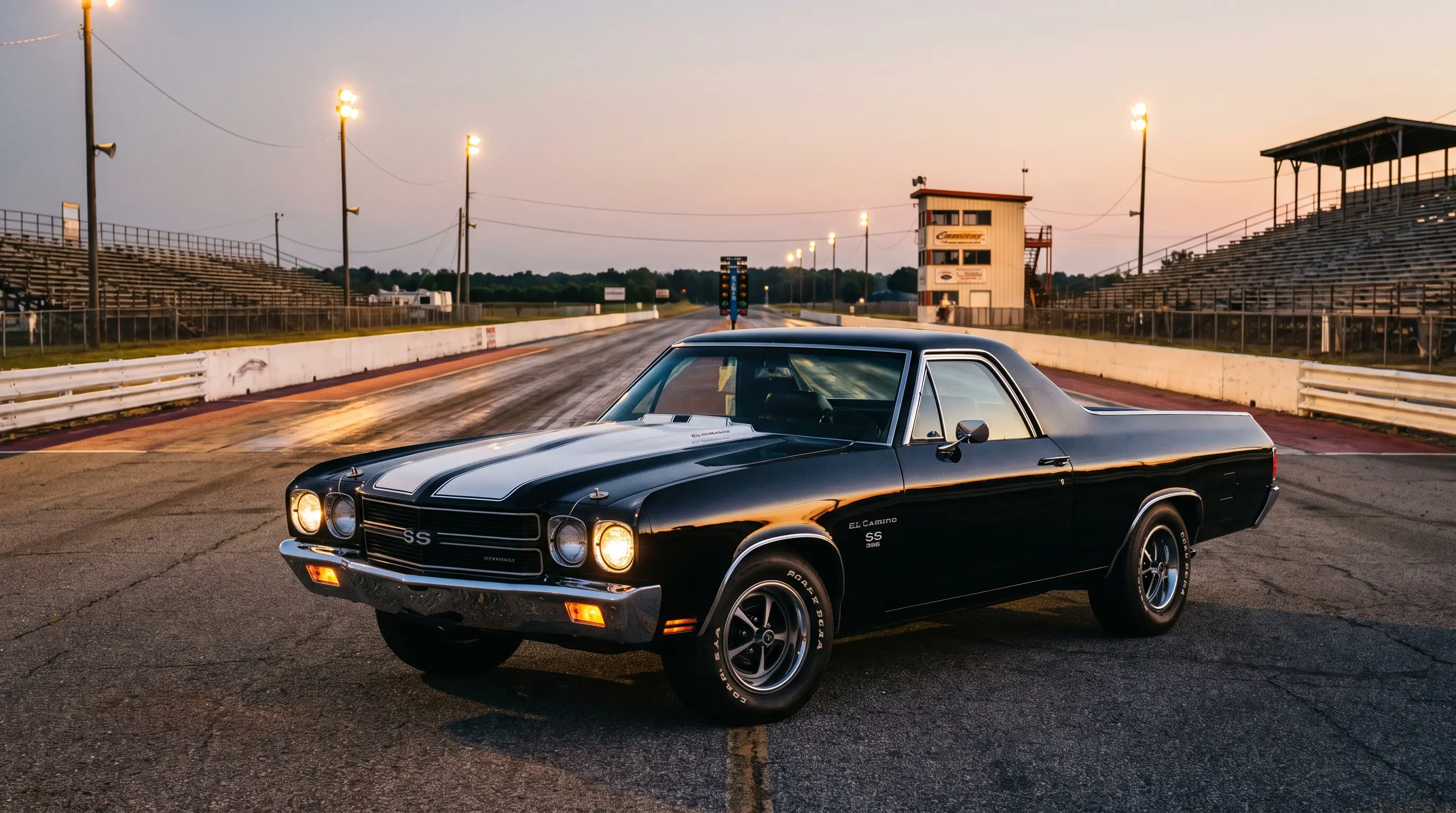
The El Camino SS 396 was never the biggest engine Chevrolet put in this truck. It was the one that made the badge matter in the first place. Before the 454 showed up and grabbed the headlines, the 396 did the actual work of proving a truck with a bed could hang with a real muscle car. That is the whole case for calling this its golden age, and the numbers back it up more than the nostalgia does.
The displacement number is a lie, technically
Here is the part most casual buyers skip past. By the time the SS396 badge reached its later years, the actual displacement under that badge had grown to 402 cubic inches, not 396. Chevrolet kept the SS396 name for marketing continuity even after the internal bore and stroke changes pushed real displacement higher. That bore increase landed with the 1970 model year, when a 0.030 inch larger bore took the engine family to 402 cubic inches while the fender badge kept reading 396. It is a small detail, but it matters if you are trying to match a badge to an actual number stamped on a block. Do not assume the name on the fender tells you the real displacement. Check the casting numbers.
Power numbers, and why they need context
Horsepower ratings on these engines varied by year and by exact configuration, and Chevrolet's own advertised numbers from this era should be read with some skepticism, since gross ratings from the late sixties do not translate directly to the net ratings used later. A period SS396 El Camino advertised gross horsepower that ran from 325 hp for the base engine up to 350 hp for the L34 and 375 hp for the solid-lifter L78, figures that held for 1968 and 1969 and carried over largely unchanged once the engine grew to 402 cubic inches for 1970, is not a truck you can directly compare to a modern engine with a similar sticker number. The testing methods were different. The context was different. Anyone quoting a single horsepower figure as gospel for this engine across its whole run is skipping a step.
| Factor | What it actually tells you |
|---|---|
| SS396 badge | Marketing continuity, not a guarantee of exact displacement |
| Gross horsepower rating | Period testing standard, not directly comparable to modern net figures |
| Casting numbers on the block | The actual way to confirm what engine is really installed |
| Production volume | Higher than the 454 years, which affects rarity and price |
Why "golden age" is the right label
Golden age does not mean biggest number. It means the widest window where the SS package made sense as a purchase for an ordinary buyer. The 396 era El Camino cost less to insure than the 454 that came after it, cost less to fuel, and still delivered enough performance to embarrass most sedans on the road. That is a better description of a golden age than raw peak output. A peak that only a small number of buyers could actually afford or justify is not a golden age. It is a headline.
More of these trucks were built and sold during the 396 years than during the shorter, more expensive 454 window that followed. That production reality shapes the collector market today. There are simply more surviving SS396 trucks to choose from, which keeps entry prices more reasonable than the rarer big block years, without meaningfully sacrificing the driving experience most buyers actually want.
"People ask me which engine was better, the 396 or the 454. Wrong question. Ask which one sold in higher numbers to buyers who actually drove it every week. That answer tells you more about the truck's real history."
- Dan Reeves
The hype gets ahead of the facts
A lot of casual writing on this truck treats every big block year as functionally interchangeable, one undifferentiated blur of muscle car performance. That is lazy. The 396 years and the 454 years had different price points, different insurance realities, and different buyers. Collapsing them into one story flatters neither engine and gets the history wrong. If you are shopping for one of these trucks and a seller cannot tell you which specific engine family is actually under the hood, treat that as a red flag rather than a detail to sort out later.
read the background if you want the full production history of the SS badge before deciding which era fits your budget and expectations. And if the bigger engine still calls to you after reading the real numbers, worth a look too covers what actually changed when Chevrolet moved up to the 454.
The bottom line
The SS396 El Camino earned its golden age label by being available, affordable relative to its performance, and produced in numbers that still support a healthy collector market today. It was not the biggest number Chevrolet ever put in this truck. It was the number that made the most sense for the most buyers, and that combination is exactly why it still anchors the badge's reputation decades later. If you want one, there are usually several worth comparing, and you can shop classic El Camino listings to see what is actually on the market right now rather than relying on a decal or a seller's word alone.
What actually costs money today
Condition and documentation move price far more than badge trivia does. A rough 396 truck with a suspect engine costs less than a documented one in similar cosmetic shape, and that gap is bigger than most buyers expect going in. Original build sheets add real money to a sale. A verified casting number matched to the correct year adds more confidence than any amount of fresh paint. None of this is complicated. It is just arithmetic that a lot of buyers skip because they get distracted by the badge on the fender instead of the paperwork in the folder.
Insurance and parts availability also favor the 396 over the 454 for a daily driver budget. Parts for the more common engine are easier to source and generally cost less, which matters if you actually plan to drive the truck rather than trailer it to shows. That is not a knock on the 454. It is just a different calculation, and buyers who pretend the two engines are interchangeable financially are setting themselves up for a surprise the first time a part needs replacing.
One more number worth remembering
Fuel economy on either big block is bad by any modern measure, and nobody buying one of these trucks should expect otherwise. But the 396 sips slightly less than the 454 under equivalent driving, a small difference that adds up over years of ownership. It is not a reason to choose one engine over the other on its own. It is one more piece of the honest math that separates a golden age reputation from marketing copy, and honest math is the only thing worth trusting when a badge on a fender is doing most of the talking.