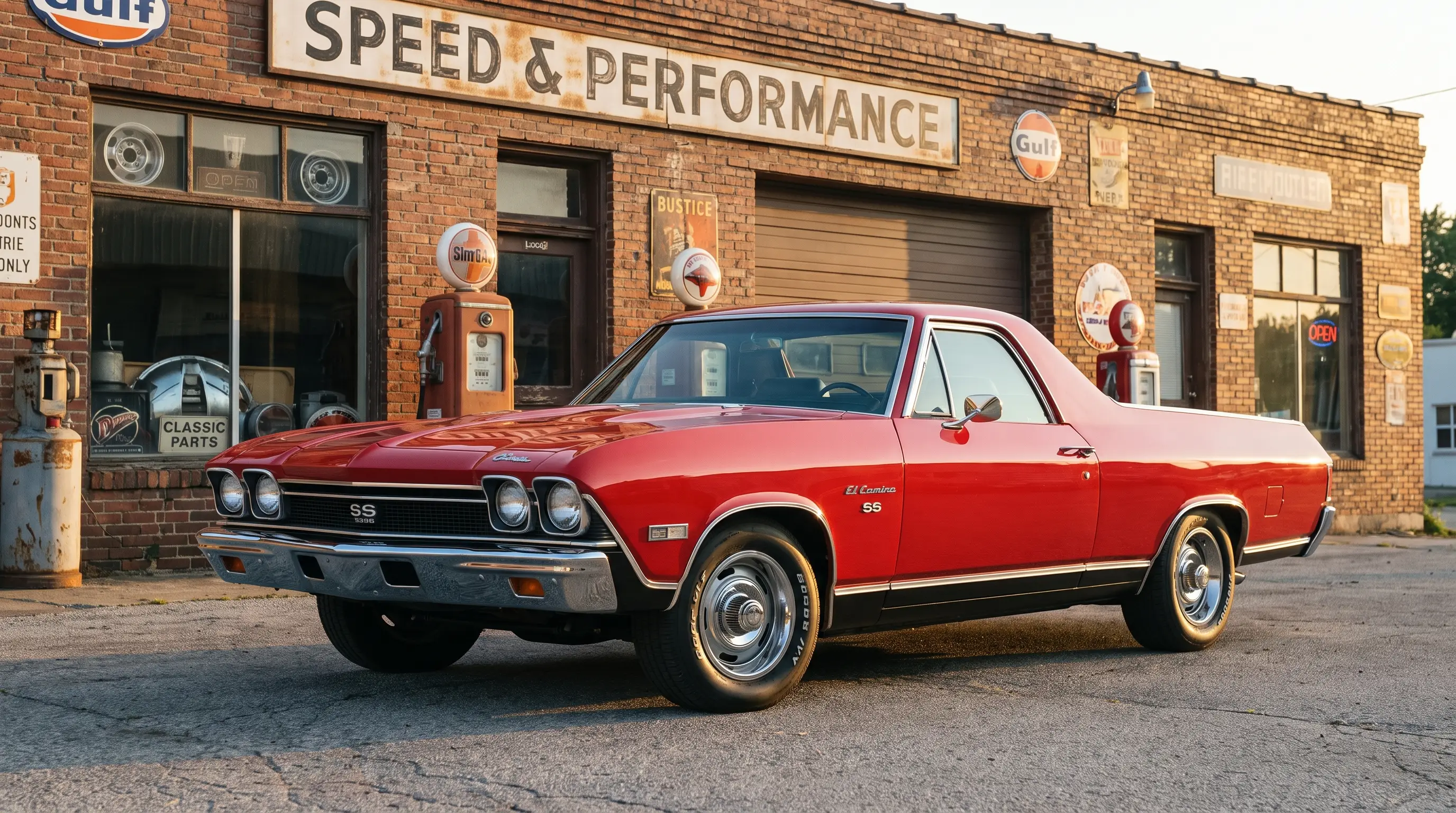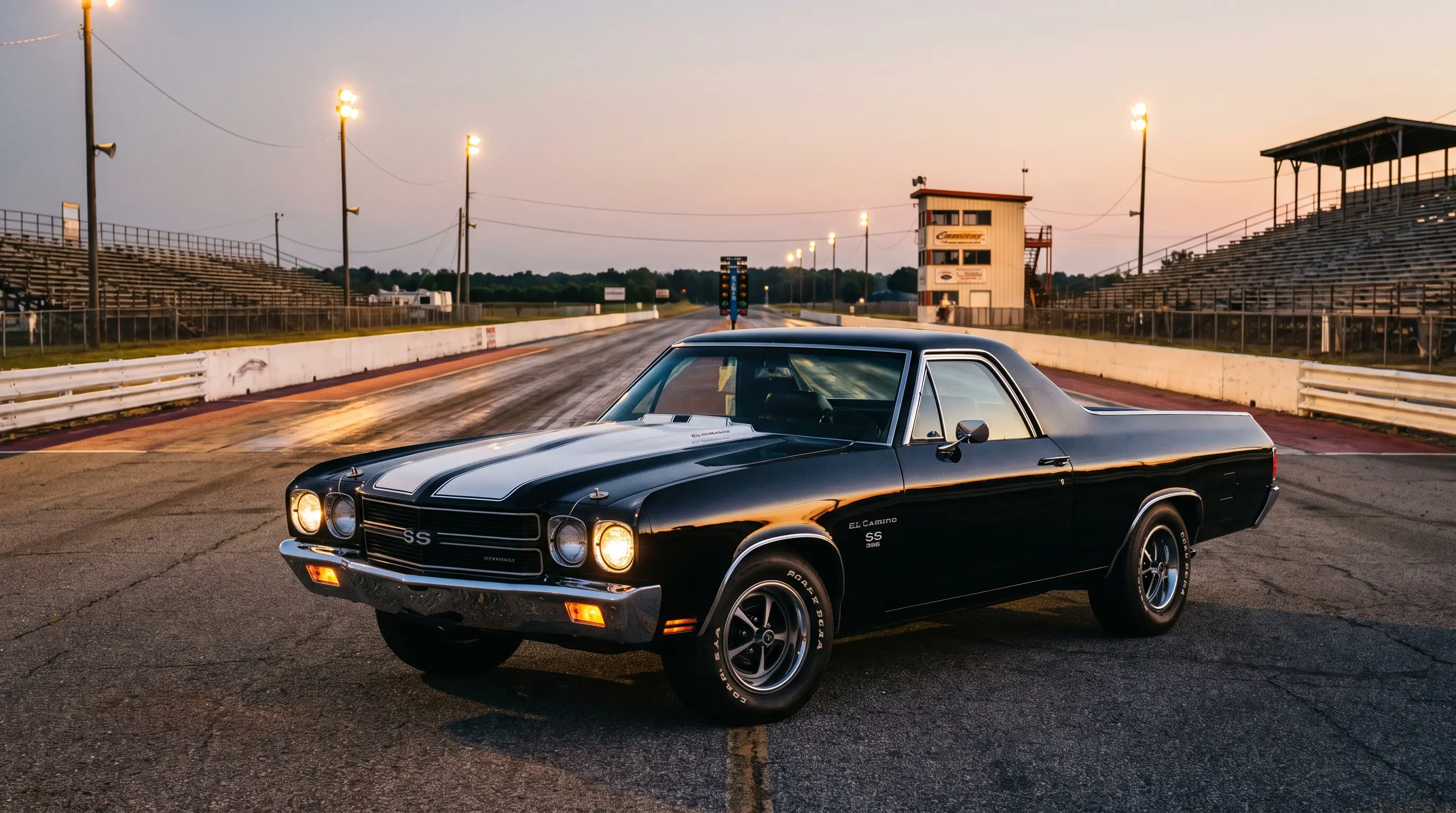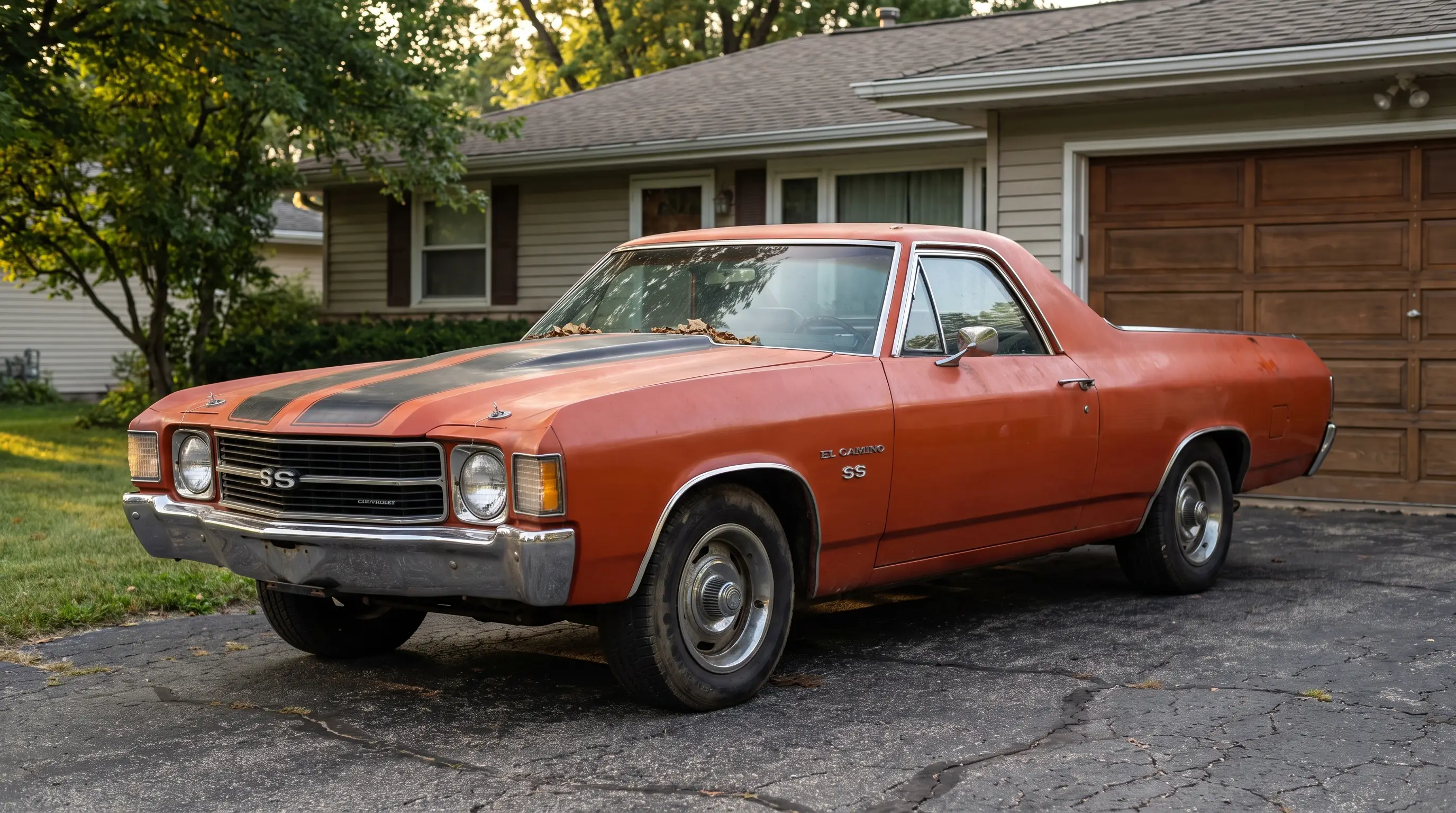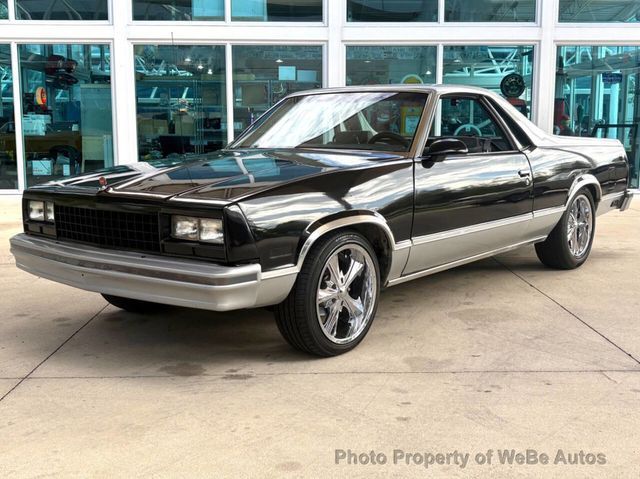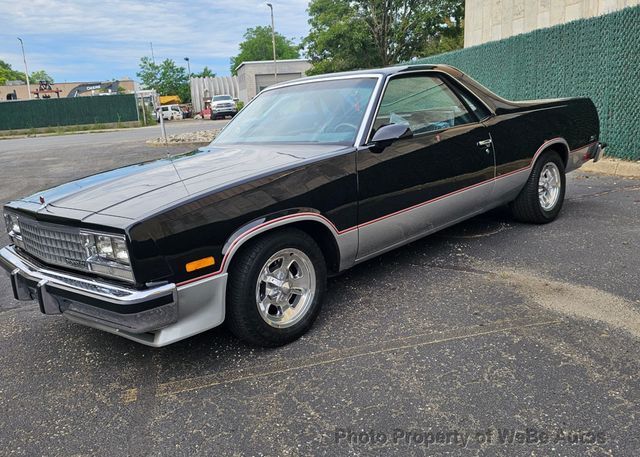
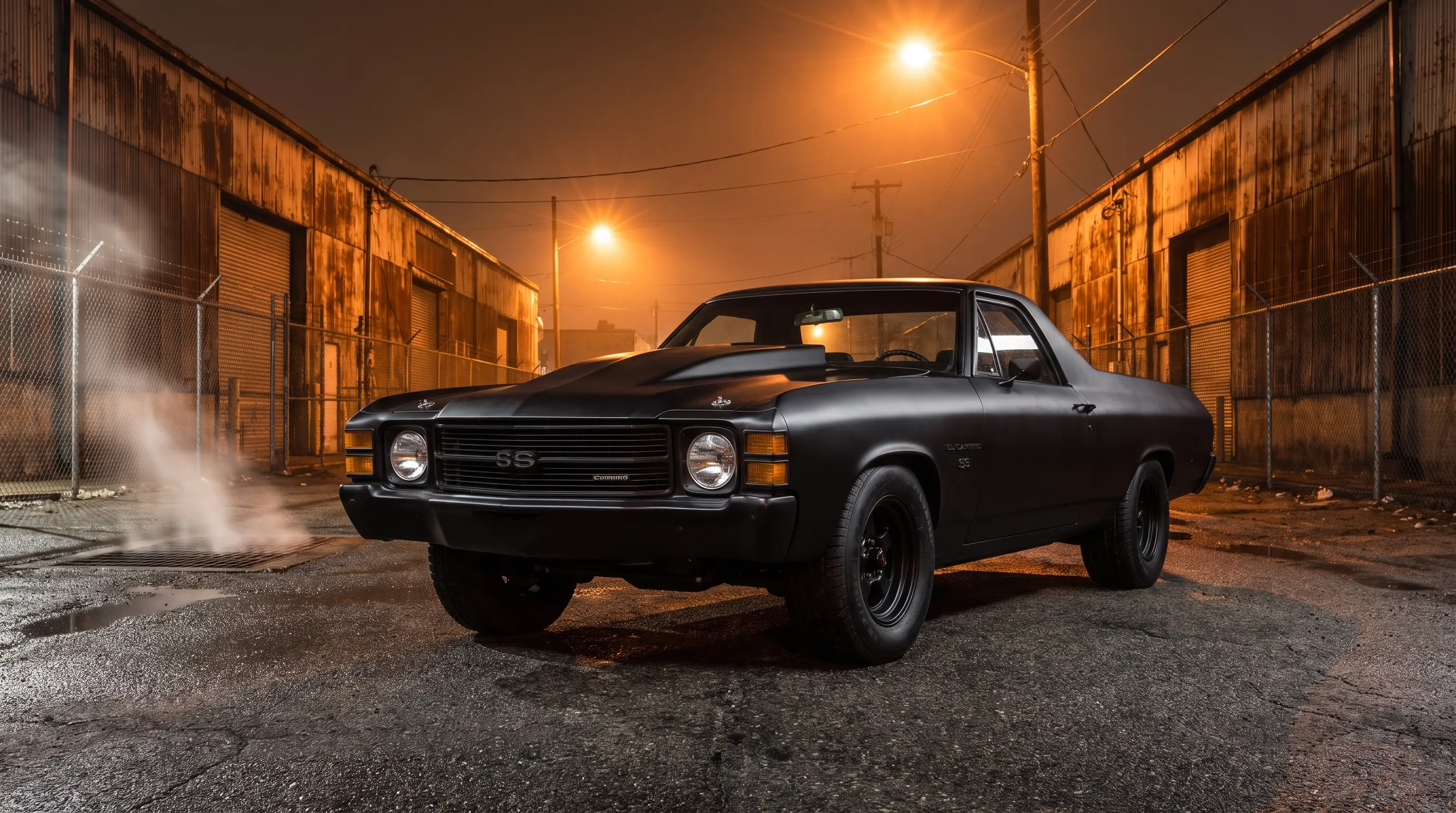
An engineer looking at the El Camino SS 454 program sees a straightforward physics problem dressed up as a marketing decision. Chevrolet had a mid-size body, a truck bed adding weight over the rear axle, and a customer base that wanted the same big block options available in the Chevelle coupe. The solution was to drop the 454 into the El Camino and let the numbers do the persuading. What followed were a few short years where this truck genuinely qualified as one of the quickest vehicles Chevrolet sold, and understanding why requires looking past the horsepower figure and at the actual system it was bolted into.
Two versions of the same engine, two very different trucks
The 454 came in more than one state of tune during its brief run in the El Camino SS, most notably the higher output LS6 and the more common LS5. These were not marginally different engines wearing different names for marketing purposes. They used different camshafts, different compression ratios, and different induction setups, which produced meaningfully different real world behavior, not just a different number on a spec sheet. Treating them as interchangeable, as a lot of casual writing on this era does, is an analytical error that leads buyers to overpay for one configuration while underestimating another.
| Configuration | What actually differed |
|---|---|
| LS6 454 | Higher compression, more aggressive cam, highest output rating of the two |
| LS5 454 | Lower compression, more streetable manners, still a genuine big block |
| Both configurations | Required the heavier duty SS suspension and cooling components to function reliably |
Exact horsepower figures for these engines are frequently cited with more confidence than the historical record actually supports, since period gross ratings and later corrected figures do not always agree cleanly. The LS5 was factory rated at 360 gross horsepower and the LS6 at 450 gross horsepower, and while the LS6 was a genuine factory option on the 1970 El Camino, documented survivors are rare enough that a careful buyer treats any single number quoted online as a starting point for further verification, not a settled fact.
The failure modes nobody advertises
Every engineering decision involves tradeoffs, and the 454 program in this truck is no exception. The added weight over the front axle changed the vehicle's handling balance compared to a small block truck, a tradeoff buyers accepted willingly at the time in exchange for straight line performance. Cooling system demands increased as well, and trucks that have not had their radiators properly serviced or upgraded over five decades of ownership are more prone to running hot under sustained load than casual sellers tend to disclose. None of this makes the 454 a bad engineering choice. It makes it a system with known limits, and buyers who understand those limits make better decisions than buyers who only know the horsepower headline.
Why "monster years" is the right frame, analytically
Calling this era the monster years is not just marketing language borrowed from period Chevrolet advertising. It is a reasonably accurate description of a vehicle that briefly exceeded the performance envelope its own body and chassis were originally designed around, then had that envelope reinforced just enough to keep the whole system functional. That is a genuinely interesting engineering story, arguably more interesting than the horsepower number itself, because it shows how a manufacturer solved a real problem under real constraints rather than simply bolting a bigger engine into an unmodified vehicle and hoping for the best.
"The number on the valve cover tells you what Chevrolet wanted to sell. The suspension components tell you what Chevrolet's engineers actually had to solve. I trust the second data set more."
- Emily Chen
What this means for a buyer today
A prospective buyer evaluating a 454 equipped El Camino SS should apply the same systematic skepticism an engineer would apply to any complex system with a long service history. Confirm the engine's identity against casting numbers rather than trusting a valve cover decal alone. Ask specifically whether the cooling system has been serviced or upgraded, since original components are now decades past their design life regardless of how well the truck has otherwise been maintained. Check whether the suspension still matches the correct SS specification, since a big block riding on a softened or worn suspension is a genuinely different and less capable vehicle than the one Chevrolet engineered, whatever the badges claim.
None of this is meant to discourage anyone from buying one of these trucks. It is meant to replace enthusiasm with verification, which tends to produce better outcomes for buyers regardless of what they are shopping for. For the full engineering and production history behind this specific era, more on the el camino ss lays out the details in one place, and where this started covers the broader model line the SS 454 grew out of.
The bottom line, stated plainly
The 454 equipped El Camino SS represents a genuine engineering achievement within the constraints of its era: a working vehicle turned into a legitimate performance machine through deliberate, documented changes to its supporting systems, not just a bigger engine dropped in and left to fend for itself. That is a more durable claim to fame than any single horsepower figure, and it holds up under scrutiny in a way that marketing copy rarely does. If the analysis has you convinced this is the era worth owning, there are usually several classic El Caminos on the market worth comparing against the criteria laid out here before making a decision.
Why the era was short, and what that means for supply
The 454 remained available in the El Camino SS for only a handful of model years before tightening emissions regulations and shifting compression ratios made the original tune impossible to replicate under new rules. That short production window is a straightforward supply constraint, and it explains a large part of why documented examples of this specific configuration command a real premium over the more common SS396 trucks that came before them. Fewer were built, fewer still survive with their original drivetrain intact, and the ones that do survive tend to be well known within the collector community simply because the population is small enough for that to happen.
This is worth stating plainly because it is sometimes lost in more romantic retellings of the era. The 454 did not disappear from the lineup because buyers stopped wanting it. It disappeared because the regulatory and insurance environment around it changed faster than the engineering could adapt within the constraints Chevrolet was willing to accept. That is an unglamorous explanation, but it is the accurate one, and understanding it helps explain both the scarcity and the price these trucks command today far better than any story about the engine simply being retired for being too powerful.
A note on maintenance history over time
Any 454 equipped El Camino SS still running today has, by definition, survived multiple owners, multiple maintenance regimes, and in most cases at least one gap in consistent care somewhere along the way. Evaluating one honestly means asking not just what the engine currently produces but what has been done to it and around it across five decades. A truck with a documented, continuous maintenance history is a fundamentally different proposition than one that surfaced after a long period of storage with an unclear service record, even if both trucks carry identical casting numbers and identical badges. Treat the paper trail as part of the engineering evaluation, not a separate concern from it.