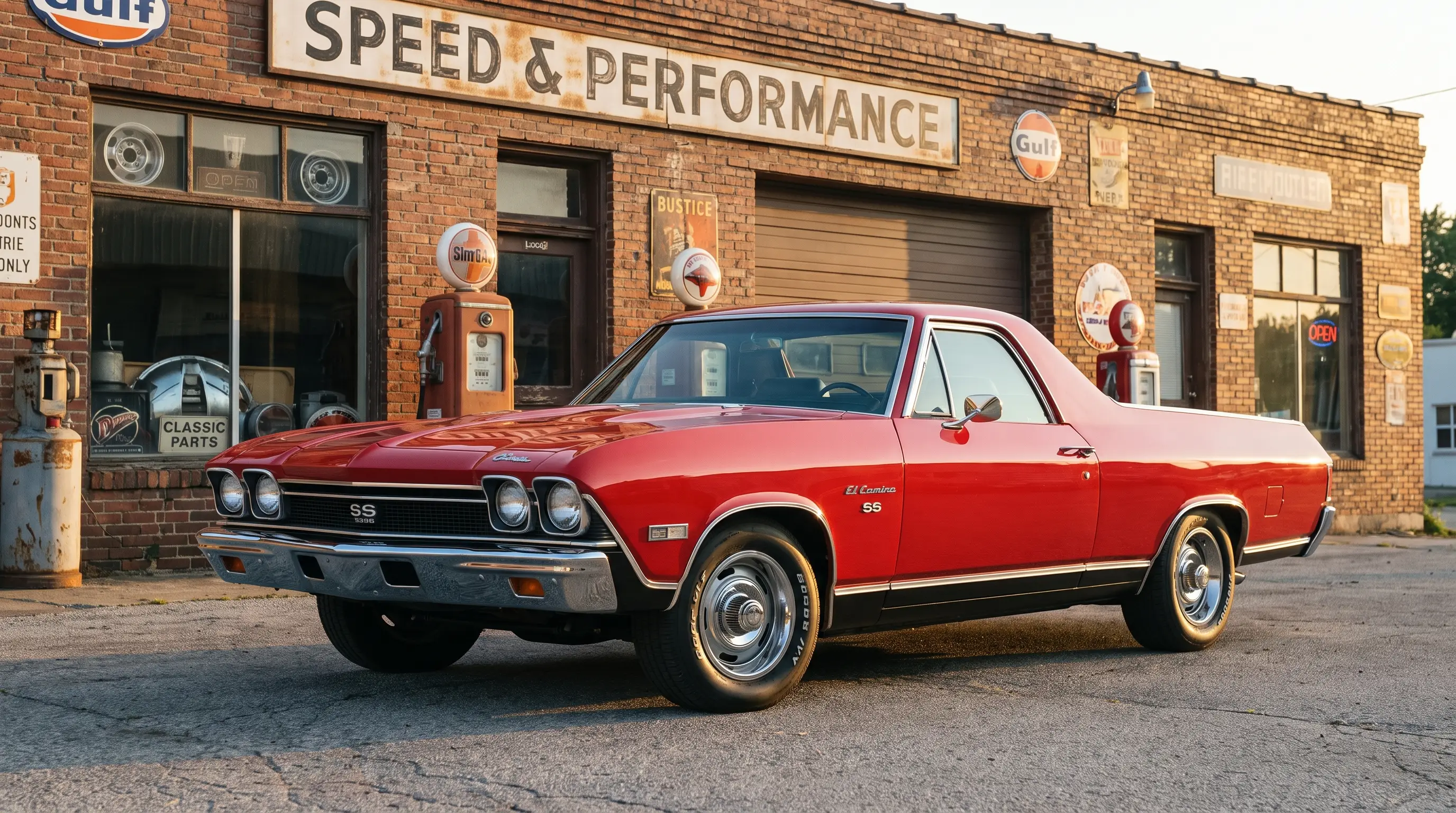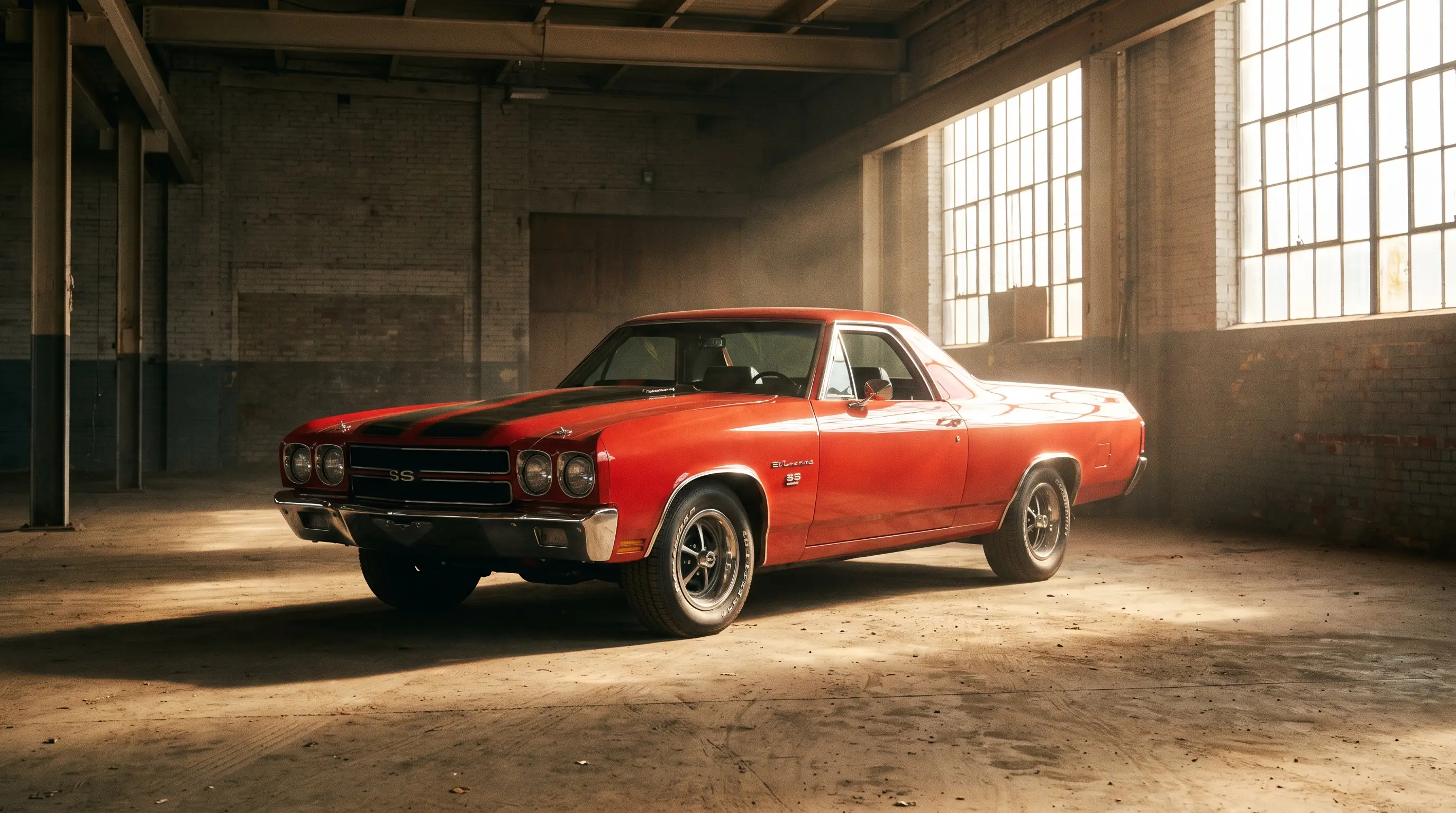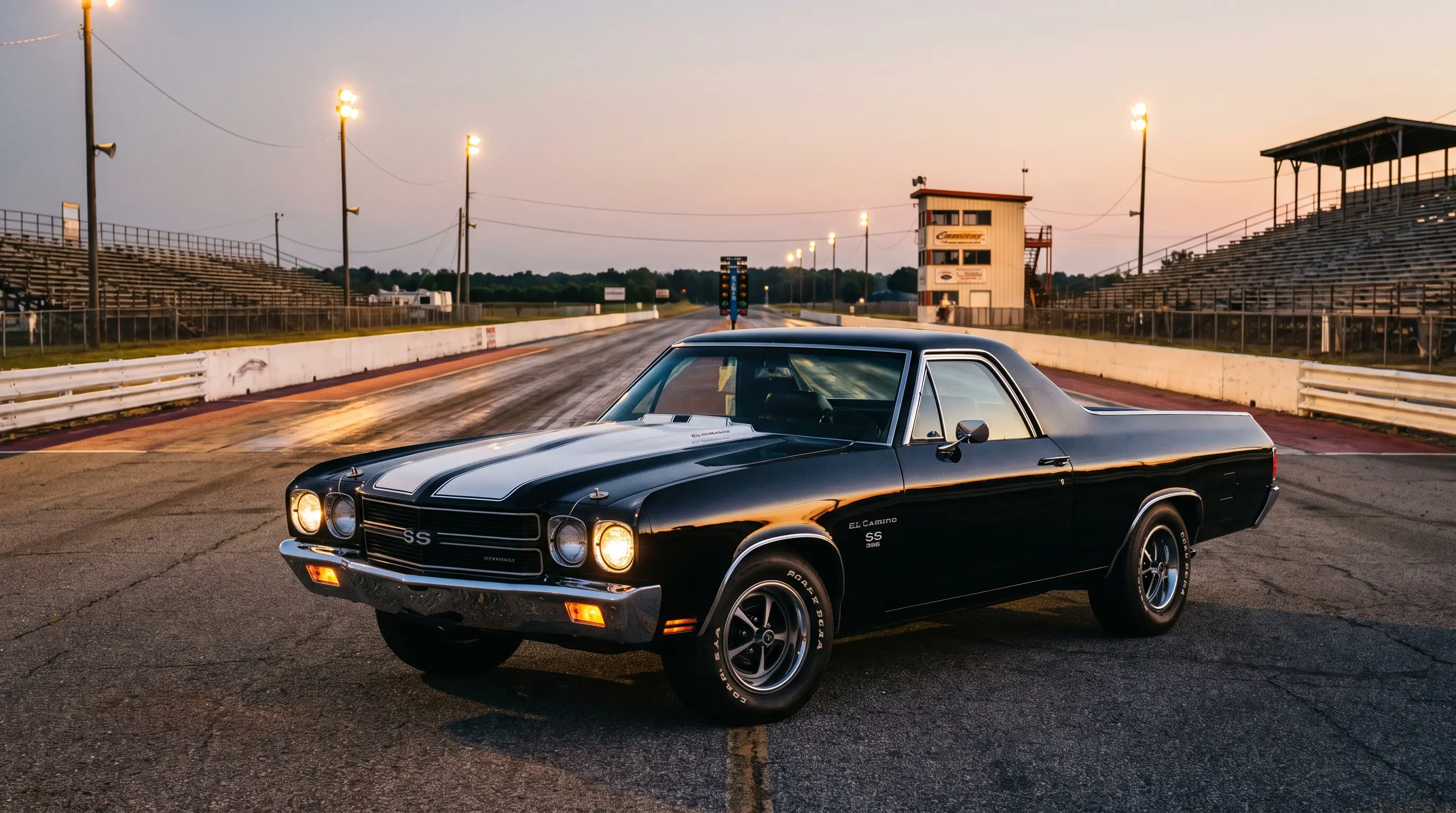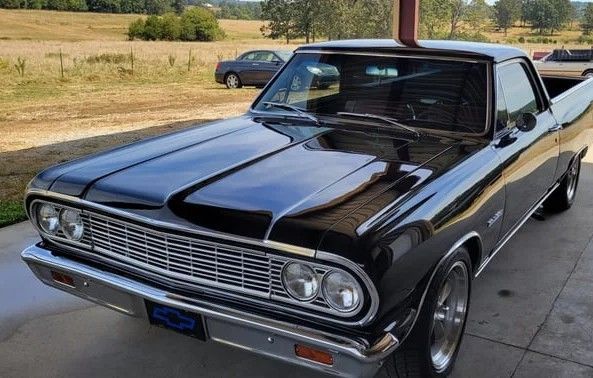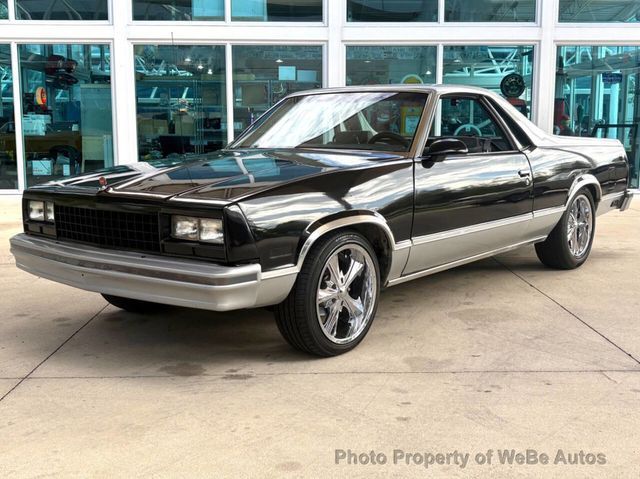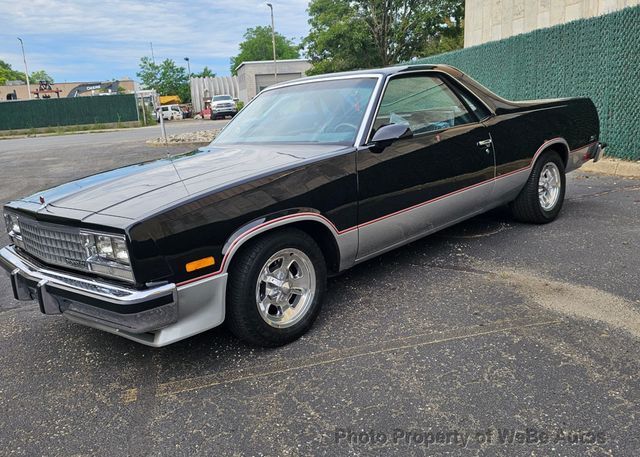
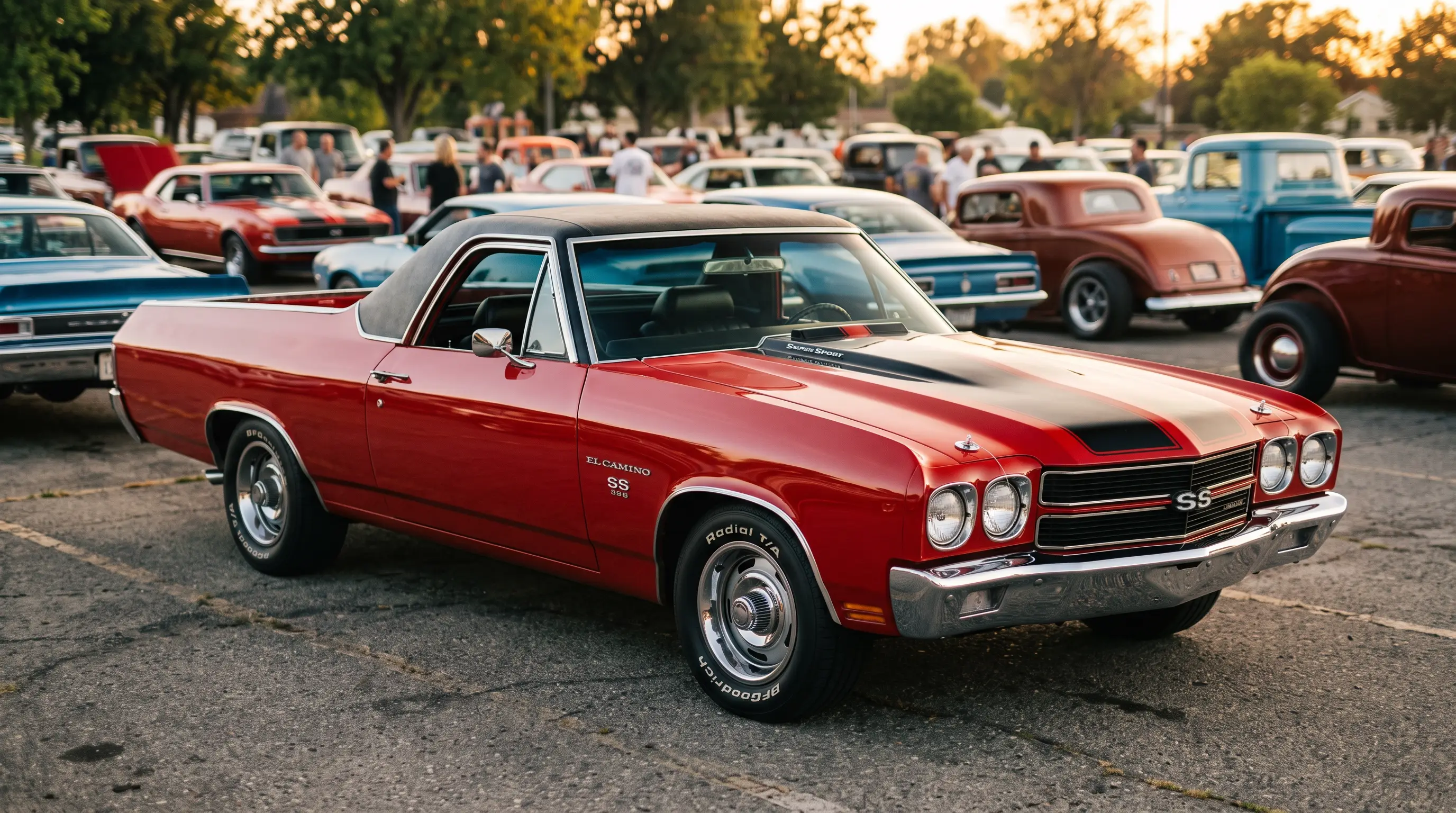
I have lost count of how many club meetings I have sat in where someone points at a parked El Camino and asks whether it is really an SS, and the answer takes longer to explain than anyone expects. The truck looks the part from thirty feet away. Up close, the badge tells you what it wants you to believe. What made an El Camino SS actually super was never just a decal, though plenty of trucks on the road today are wearing that decal without earning it, and figuring out the difference is half the fun of this hobby.
It started with the engine bay
The most honest answer to what made an SS super is the largest engine Chevrolet was willing to put between those fenders in a given year. Base El Caminos of the muscle era came with perfectly serviceable small blocks that got the job done without much drama. The SS package opened the door to big block options that turned the same body into something else entirely. That is the foundation everything else got built on top of, and it is the one piece of the SS identity that cannot be faked with a trim kit. An engine either has the displacement and the internals to back up the badge or it does not, and every serious buyer I know checks that first before caring about anything else on the truck.
Then the chassis had to keep up
A big engine bolted into a soft chassis is just a liability, and Chevrolet's engineers knew it. The SS package brought heavier duty springs, upgraded shocks, and a front sway bar that base trucks either lacked entirely or received in a much softer tune. None of this shows up in a photograph, which is exactly why it gets overlooked by buyers chasing the look without understanding the substance. A truck can wear every visual SS cue and still ride like a base model underneath if the suspension components were swapped out or simply worn out and replaced with whatever was cheapest at the time. Club members who have owned both configurations will tell you the difference is obvious the first time you push either truck hard into a corner.
The visual language did real work too
I do not want to undersell the trim, because it mattered for reasons beyond looks. The stripe packages, the specific wheels, the blacked out grille details, all of it signaled to other drivers and to dealers exactly what was under the hood without anyone needing to ask. That kind of visual shorthand mattered enormously in an era when buyers cross shopped multiple performance vehicles at a single lot, and a truck that looked fast sold faster than one that merely was fast but blended into the base lineup visually. Chevrolet understood that performance sells better when it is visible, and the SS trim package was built around that understanding as much as around any engineering requirement.
Documentation is the part nobody expects
Here is where my club meetings usually get interesting. Somebody brings out a folder, sometimes literally a manila folder that has been in a family for decades, with a build sheet or a cowl tag rubbing inside it, and the whole conversation shifts. All the engine talk and suspension talk in the world means less than a piece of paper confirming what a specific truck left the factory with. I have seen visually perfect SS clones lose an argument to a rough, unrestored truck the moment somebody produced the correct paperwork. That is not snobbery. It is just how this hobby actually works once you have been in it long enough to see the same disagreement play out a hundred times.
"Every club has that one member who shows up with a shoebox of paperwork nobody asked to see, right up until the moment somebody needs it, and then that shoebox is the most valuable thing at the meeting."
- Wayne Coburn
What the club consensus actually is
Ask around long enough and you will find most serious owners agree on a rough hierarchy: a documented big block with correct suspension and trim sits at the top, a documented small block SS with the correct trim sits comfortably below that but still counts as the genuine article, and a clone wearing SS badges on a base drivetrain sits in its own separate category, respected for the effort but never mistaken for the real thing. Nobody polices this hierarchy formally. It just emerges naturally from enough conversations at enough shows, the same way any community settles on shared standards over time.
What made the El Camino SS super, in the end, was never any single component. It was the combination of a real engine, a suspension built to handle it, trim that announced the difference honestly, and paperwork that could back the whole claim up when somebody finally asked. our complete history covers how that combination came together across the badge's full run, and if reading about it has you wanting to see one in person, there is usually a find a classic El Camino listing worth a look nearby.
That is the real club wisdom on this question, earned the slow way, one shoebox of paperwork at a time.
A story I keep telling at meetings
A member of ours, gone now but not forgotten by anyone who knew him, once bought what he was told was a real SS at a swap meet for what seemed like a fair price at the time. He drove that truck proudly for two summers before another member gently pointed out that the cowl tag did not match an SS configuration at all, and that whoever sold it to him had simply added the trim and badges to a base truck sometime in the past. He was upset for about a week. Then he did something that has stuck with the club ever since. He kept the truck exactly as it was, badges and all, but started introducing it honestly at shows as a tribute build rather than an original SS, and he became one of the most respected voices in our group precisely because he handled the correction with that kind of grace.
That story gets told to newer members more often than any technical explanation of suspension components or engine codes, because it captures something the specs alone cannot. What made an El Camino SS super was real and verifiable, built from actual engineering decisions Chevrolet made on purpose. But what makes this hobby worth sticking with long term is how the community handles the gap between what a truck claims to be and what it actually is, honestly and without pretending the difference does not matter.