
Three distinct generations wore the El Camino SS badge across nearly two decades of production, and each one tells a genuinely different story about what Chevrolet thought a Super Sport truck-car should be. El camino ss choosing your generation is not a question with a single correct answer, since the 1968-1972 A-body cars, the transitional 1973-1977 Colonnade years, and the 1978-1987 G-body trucks each represent a distinct engineering philosophy and a distinct collector experience. Understanding what separates them, in factory terms rather than nostalgia terms, makes the decision considerably easier.
Car Features
7 min read
Which El Camino SS Generation Speaks to You
Three generations wore the El Camino SS badge. Here is what factory documentation says about the tradeoffs between them.
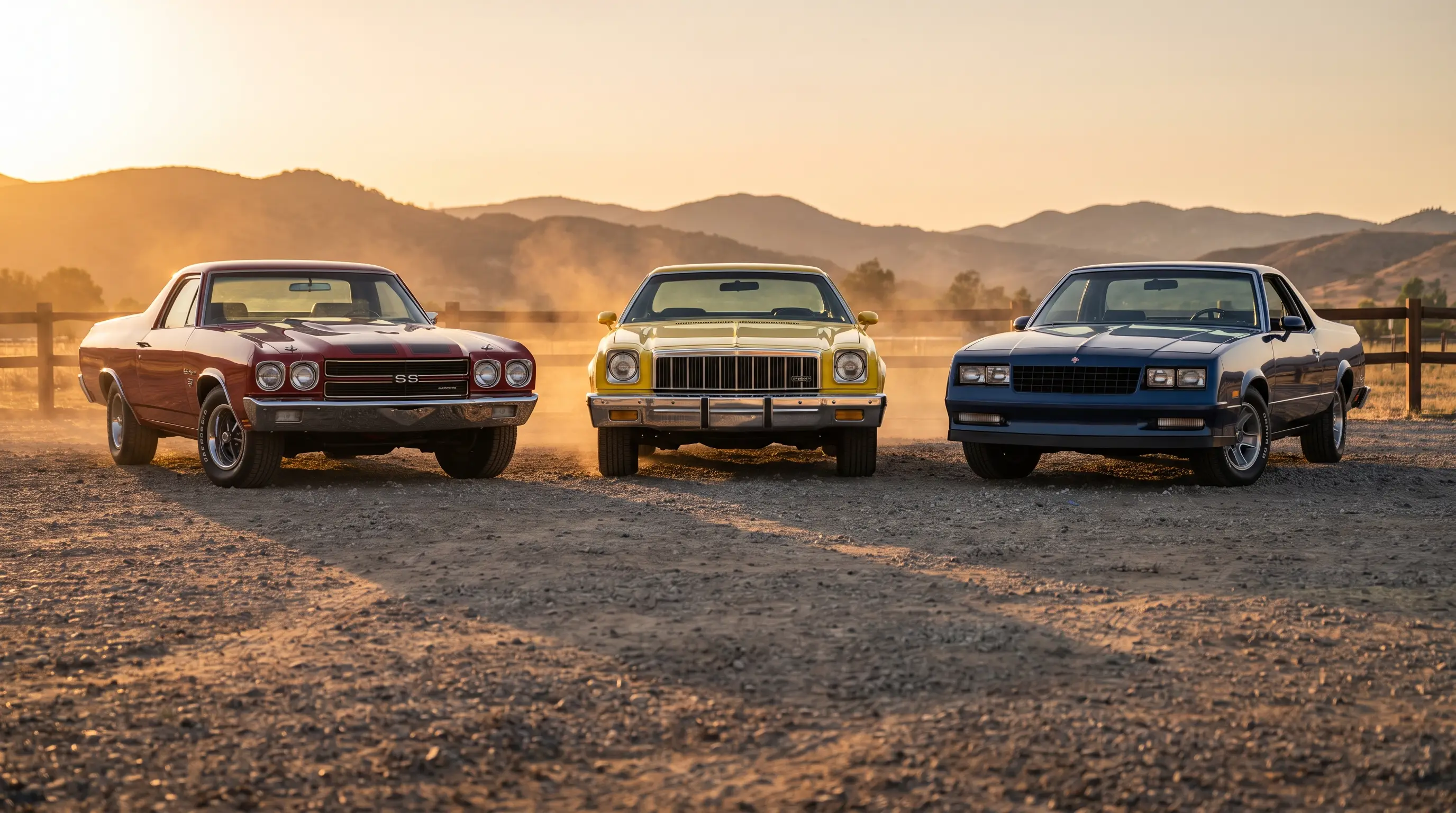
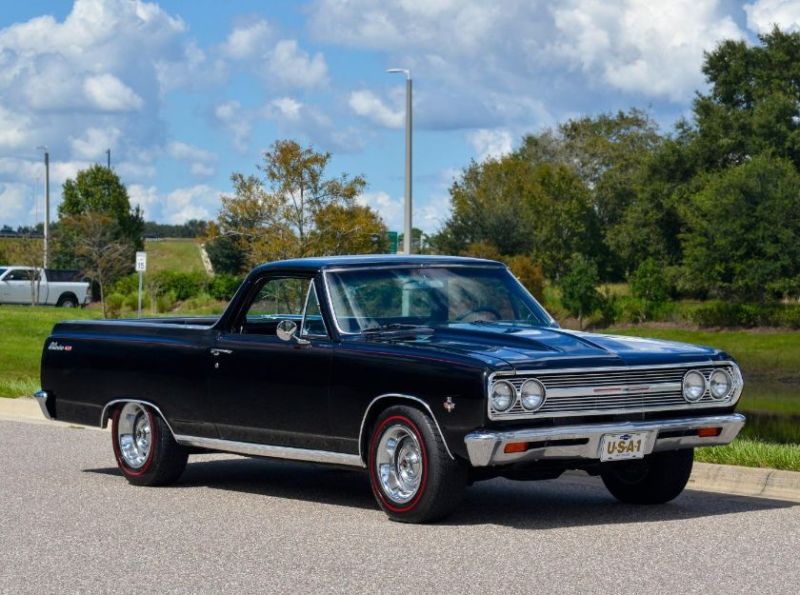
1968 to 1972: the big block generation
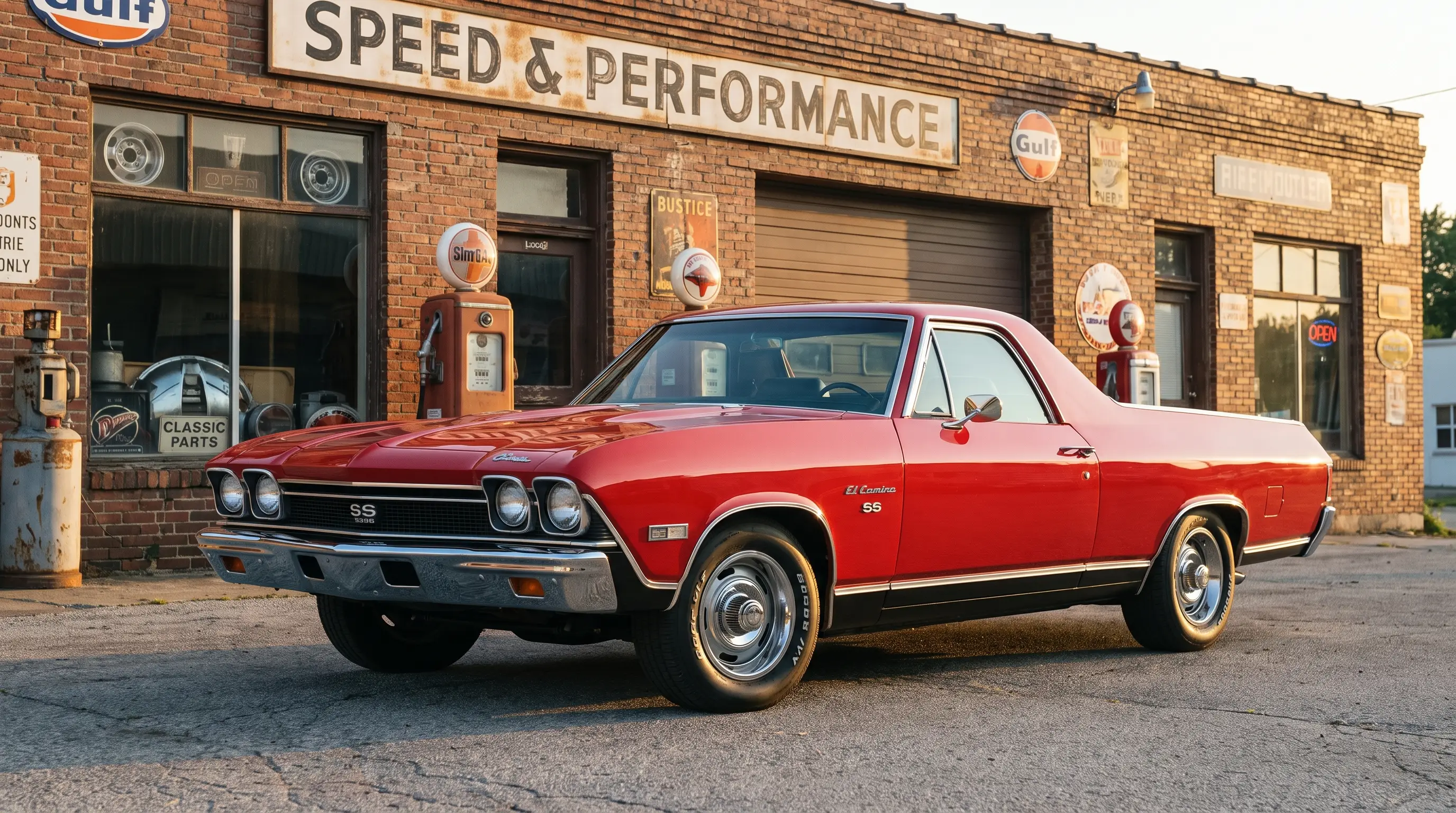
This is the era most people picture when they hear "El Camino SS," and for good factual reason. Chevrolet offered genuine big block power across these five model years, starting with the SS 396 in 1968 and peaking with the SS 454 option introduced in 1970. Factory documentation from this period shows a company treating the SS package as a legitimate performance engineering program, not merely a trim exercise, with real suspension upgrades, dual exhaust systems, and drivetrain components sized to handle the big block torque these cars produced.
The tradeoff is straightforward and well understood in the market today. These are the most desirable, most collected, and consequently most expensive of the three generations, particularly documented, numbers-matching examples from 1970. A buyer choosing this generation is choosing maximum historical significance and maximum resale liquidity, at maximum entry cost.
1973 to 1977: the transitional Colonnade years
Less discussed but factually significant, the Colonnade-era El Camino SS carried the badge through a period of genuine mechanical transition. Big block availability narrowed considerably during these years as Chevrolet responded to tightening emissions standards and the aftermath of the 1973 oil crisis, and factory paperwork from this window shows engine options shifting steadily toward smaller displacement small blocks even on SS-badged cars. This generation represents the hinge point between the classic muscle era and the appearance-focused decade that followed.
For a buyer, this generation offers a documented piece of automotive history at a meaningfully lower price than the 1968-1972 cars, since collector demand has historically favored the earlier big block years. That gap in demand is exactly what makes these transitional cars an interesting proposition for someone who values the story over the peak specification sheet.
1978 to 1987: the G-body generation
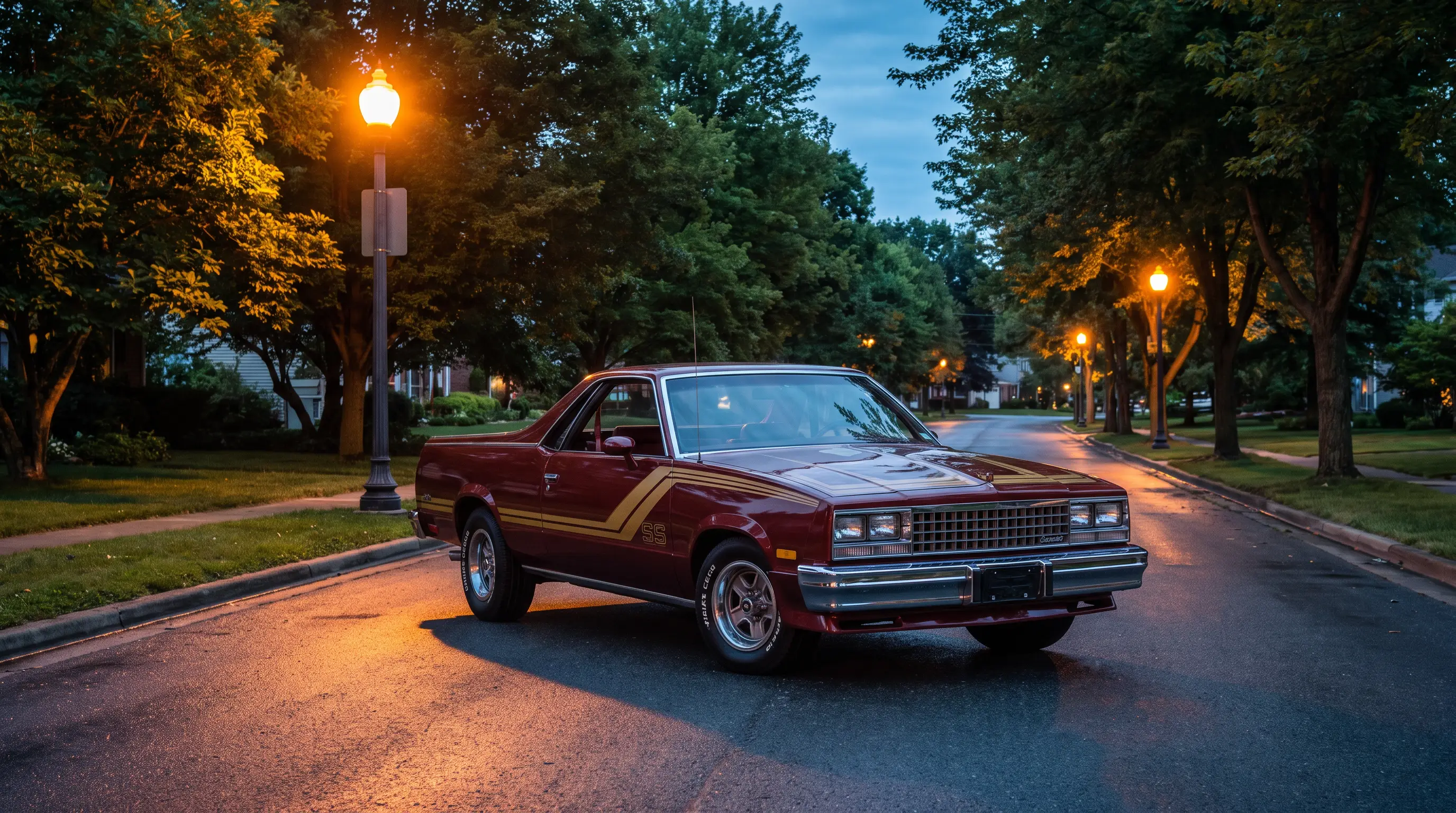
The final generation moved the SS badge onto Chevrolet's new G-body platform, shared with the Malibu and later the Monte Carlo SS, and settled into a small block-only identity for the remainder of production. Factory documentation from this era categorizes the SS package primarily as an appearance and trim option, a formal reflection of how the badge's engineering emphasis had shifted since the muscle car years. Horsepower figures across this generation typically sit in the 150 to 165 range depending on year and carburetor configuration, a fraction of the earlier big block peak.
What this generation offers instead is affordability, parts availability, and mechanical simplicity that makes ownership genuinely easy for a buyer without a specialist restoration budget. It is also, statistically, the rarest generation in terms of surviving clean examples, since these were largely treated as work vehicles rather than collector pieces during their working lives.
"I get asked constantly which generation is the 'right' one to own, and the honest factual answer is that it depends entirely on whether you're buying a piece of documented performance history or a piece of documented daily-use history. Both are real history. They're just different chapters."
- Tom Ramirez
What documentation to expect from each generation
Paperwork survival rates differ meaningfully across these three generations, and that affects what a buyer should realistically expect to find. Cars from the 1968-1972 window have been researched and documented most thoroughly by the hobby, simply because collector demand created decades of incentive to preserve and cross-reference build sheets, cowl tags, and factory invoices. A buyer shopping this generation has the best chance of finding a car with a genuinely verifiable history, though that same demand has also created a market for well-executed clones and re-created documentation, so verification through independent sources matters more here than in either later generation.
The Colonnade years suffer from comparatively thin documentation specifically because so few buyers historically cared enough to preserve paperwork for what was, at the time, considered a lesser SS. That thinness cuts both ways. It makes verified, fully documented examples from this generation genuinely rare and interesting, but it also means a buyer should expect fewer options if a fully paper-trailed car specifically is the goal. The G-body generation sits in between, with reasonably good survival of window stickers and dealer paperwork for cars that stayed with careful original owners, but with a much higher percentage of the surviving population having no meaningful documentation at all, a natural consequence of these cars living harder working lives.
Matching the generation to what you actually want
| Generation | Years | Best for |
|---|---|---|
| A-body big block | 1968-1972 | Maximum performance history and resale value |
| Colonnade transitional | 1973-1977 | Documented history at a lower entry cost |
| G-body small block | 1978-1987 | Affordable, simple ownership and daily use |
For the complete factory-documented history tying all three generations together into one continuous story, the full story covers the whole arc from the 1968 introduction to the final 1987 model year. And once a generation has your attention, there are usually a few examples worth reviewing among the classic El Camino for sale listings available right now.
One factual point worth adding before making a final decision: none of these three generations is objectively the "correct" El Camino SS to own, whatever certain corners of the hobby argue. Each one reflects a genuine, documented moment in Chevrolet's engineering priorities, shaped by the regulatory and economic pressures of its specific years. The 1968-1972 cars document what American performance engineering looked like at its least constrained. The Colonnade years document the industry's abrupt pivot under emissions and fuel economy pressure. The G-body years document how a badge and a market adapt when the original formula is no longer available to build. A collection built around understanding all three, rather than chasing only the most famous one, tells a more complete and more historically accurate story than any single generation could on its own.
Budget realistically before deciding. A documented 1970 SS 454 can command a price that would buy two or three excellent Colonnade or G-body examples, and that difference should factor into the decision as much as any preference for big block power. A first-time buyer with a modest budget and a genuine interest in the badge's full history is often better served starting with a Colonnade or G-body example, learning the platform, and working up to a big block A-body car later once the appetite and the budget both support it. There is no factual penalty for starting with what the market considers the "lesser" generation. There is only the ordinary tradeoff between what a car costs and what it can eventually be resold for, and that tradeoff is something every buyer has to weigh against their own goals rather than the hobby's general consensus.
Sources and notes
Related Reading
Have a
Chevrolet El Camino
for Sale?
Reach thousands of serious classic car collectors across the US.
Sell It Here →
Are You a Classic Car Dealer?
List your full inventory and connect with targeted classic car buyers.
Join as a Dealer →

About the author
Tom Ramirez
Corvette researcher and historian based in Bowling Green, Kentucky. Two decades documenting Corvette production history from original factory records.
Related Listings - Chevrolet El Camino
Comments
Be the first to comment on this article.