
Every collector car nameplate has a golden year everybody chases and a handful of quieter years everybody skips past on the way to it. For the El Camino SS, that golden year is 1970, home of the SS 454 and the biggest engine the badge ever carried. But spend enough time around this hobby and you start noticing the el camino ss underrated years, the ones sitting just outside the spotlight that actually make more sense for a real buyer trying to own one of these without competing for the single most famous model year Chevrolet ever built.
Car Features
6 min read
The Most Underrated El Camino SS Years
1970 gets all the attention, but a handful of quieter El Camino SS model years offer nearly the same car for a fraction of the price.
1968 and 1969: overshadowed by their own successor
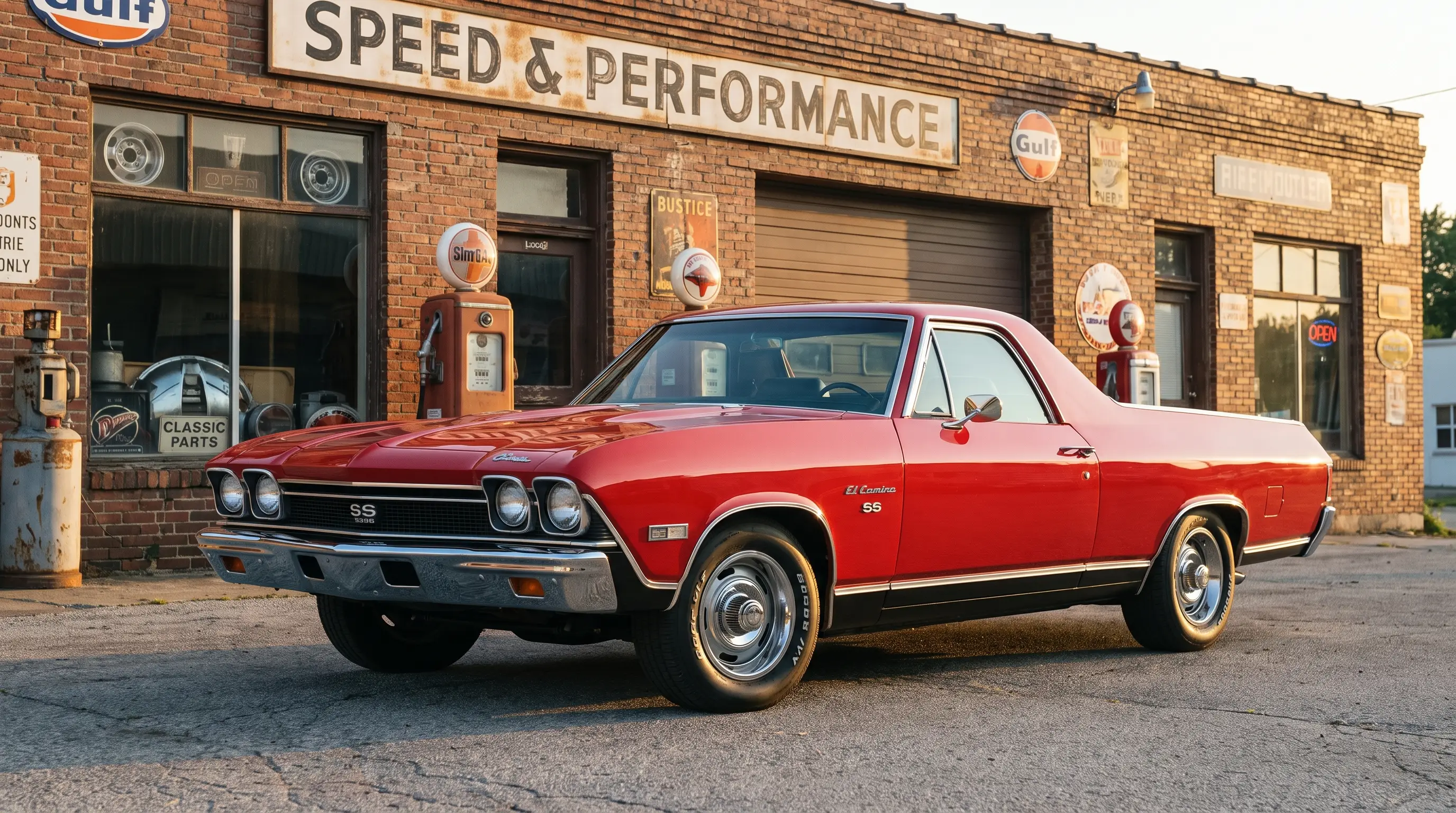
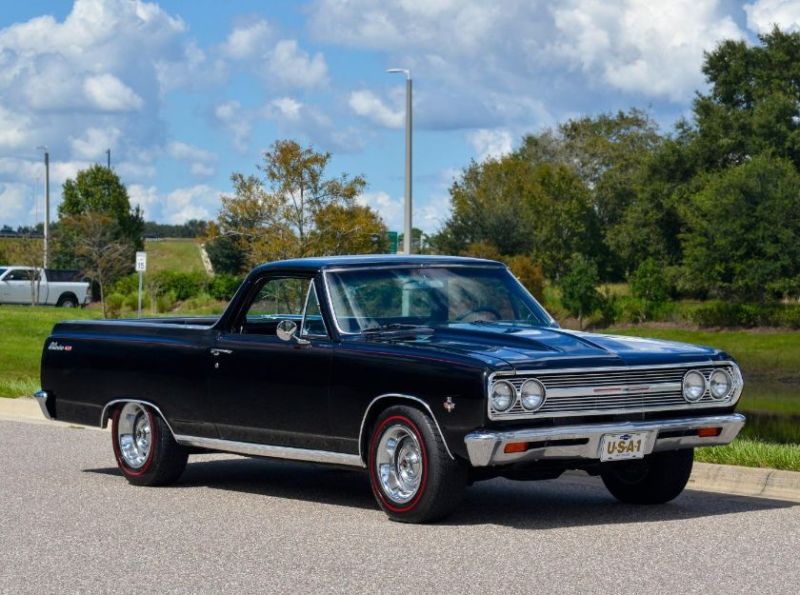
The first two years of the El Camino SS get treated almost as a warm-up act for 1970, which is not entirely fair to them. The 1968 and 1969 SS 396 models introduced the whole formula, the big block power, the suspension upgrades, the SS badging, and did it with styling that in some ways reads cleaner today than the slightly busier 1970 refresh. Because the market's attention gravitates so hard toward the 1970 SS 454, these earlier 396 cars often sell for meaningfully less despite offering nearly the same ownership experience, the same platform, and genuinely handsome, uncluttered styling that has aged well.
A buyer who wants the classic big block SS experience without paying the 1970 premium has a real option in these first two model years, and the styling argument alone is worth taking seriously rather than treating these cars as merely a stepping stone to something better that came later.
1971: the year everyone skips for the wrong reason
The 1971 model year gets dismissed quickly by buyers scanning spec sheets, since compression ratios dropped that year as Chevrolet prepared for unleaded fuel and emissions rules tightened across the board. On paper, a 1971 SS 454 looks like a step down from 1970. In practice, these cars are often better sorted mechanically, benefiting from a year of running changes and refinement that the freshly introduced 1970 big block option had not yet received. They are also considerably cheaper at auction, since the number chasers have already moved on to 1970 by the time they are shopping.
1978 and 1979: the first G-body years nobody wanted yet
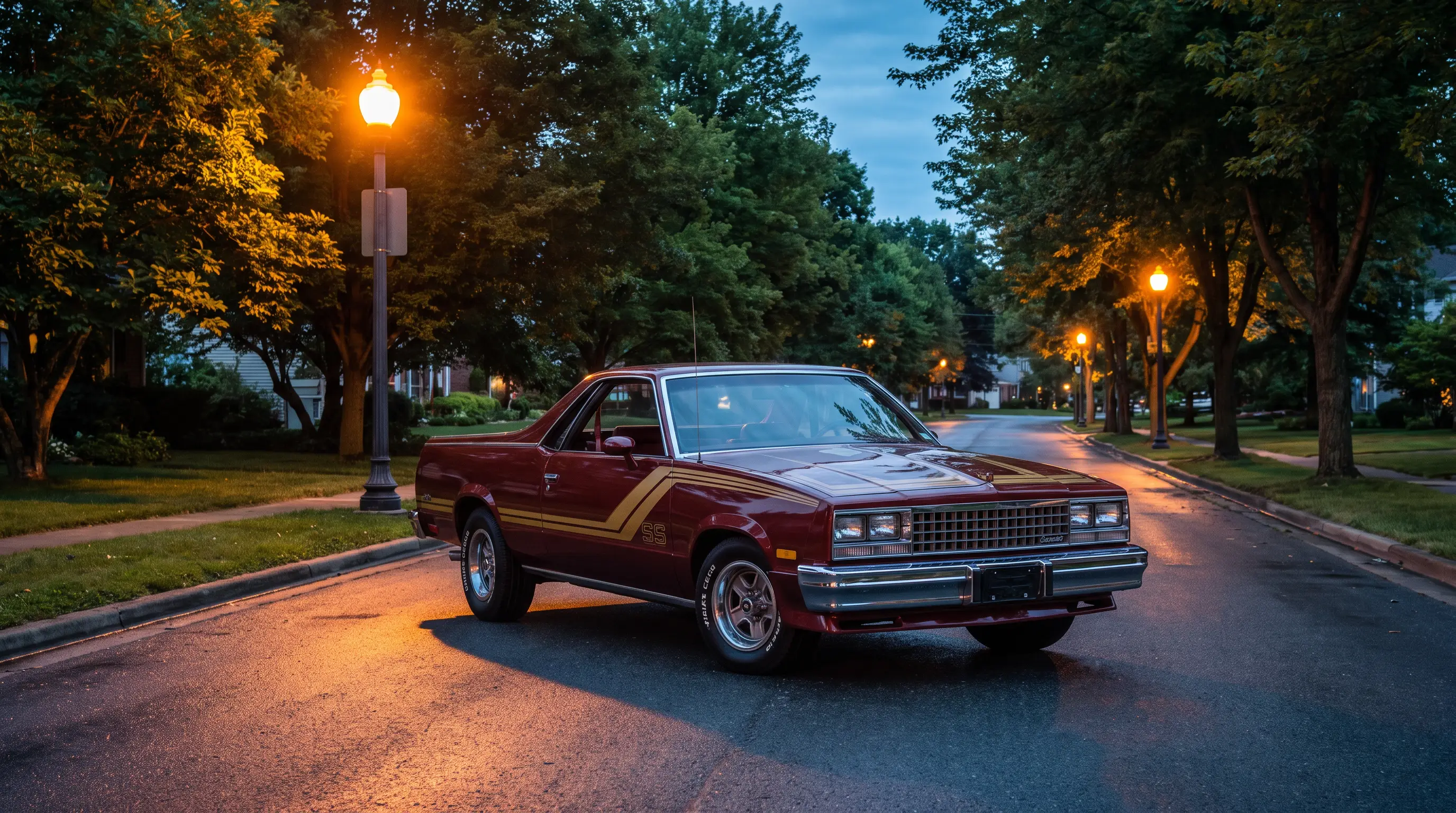
When the El Camino moved to the smaller G-body platform for 1978, longtime SS buyers largely shrugged. The downsized proportions felt like a step backward coming off a decade of big block A-body cars, and these first G-body SS years struggled to generate the same enthusiasm the earlier generation had earned. That lack of period enthusiasm means these cars are genuinely scarce and genuinely affordable today, a combination that rarely happens twice in the same nameplate's history. A buyer interested in the transition moment between the classic muscle era and the malaise-age G-body years will find this narrow window uniquely interesting, and uniquely underpriced.
"I always tell people chasing their first SS to skip the year everyone else wants and buy the year everyone else is ignoring. You get the same badge, most of the same experience, and you're not bidding against six other guys who watched the same auction special."
- Patrick Walsh
1984 to 1986: the middle child of the G-body run
If 1978 and 1979 were ignored for being unfamiliar, the middle years of the G-body run were ignored for the opposite reason: they felt too familiar, too much like an incremental update on a formula everyone already understood. By the middle of the decade, the SS package had settled into its stripe-and-trim identity, and buyers shopping this era tend to jump straight to the final 1986 and 1987 model years, chasing whatever mechanical refinements arrived last. That leaves 1984 and 1985 in an odd gap, mechanically nearly identical to the years that get more attention, priced lower simply because they lack the "last of the breed" marketing hook the final model years carry.
For a buyer who cares about the actual driving experience rather than being able to claim the very last year of production, this middle stretch of the G-body run offers essentially the same truck for less money, a detail that gets lost in a hobby that often prizes bookend years over the years sitting quietly in between them.
Why the quiet years deserve a second look
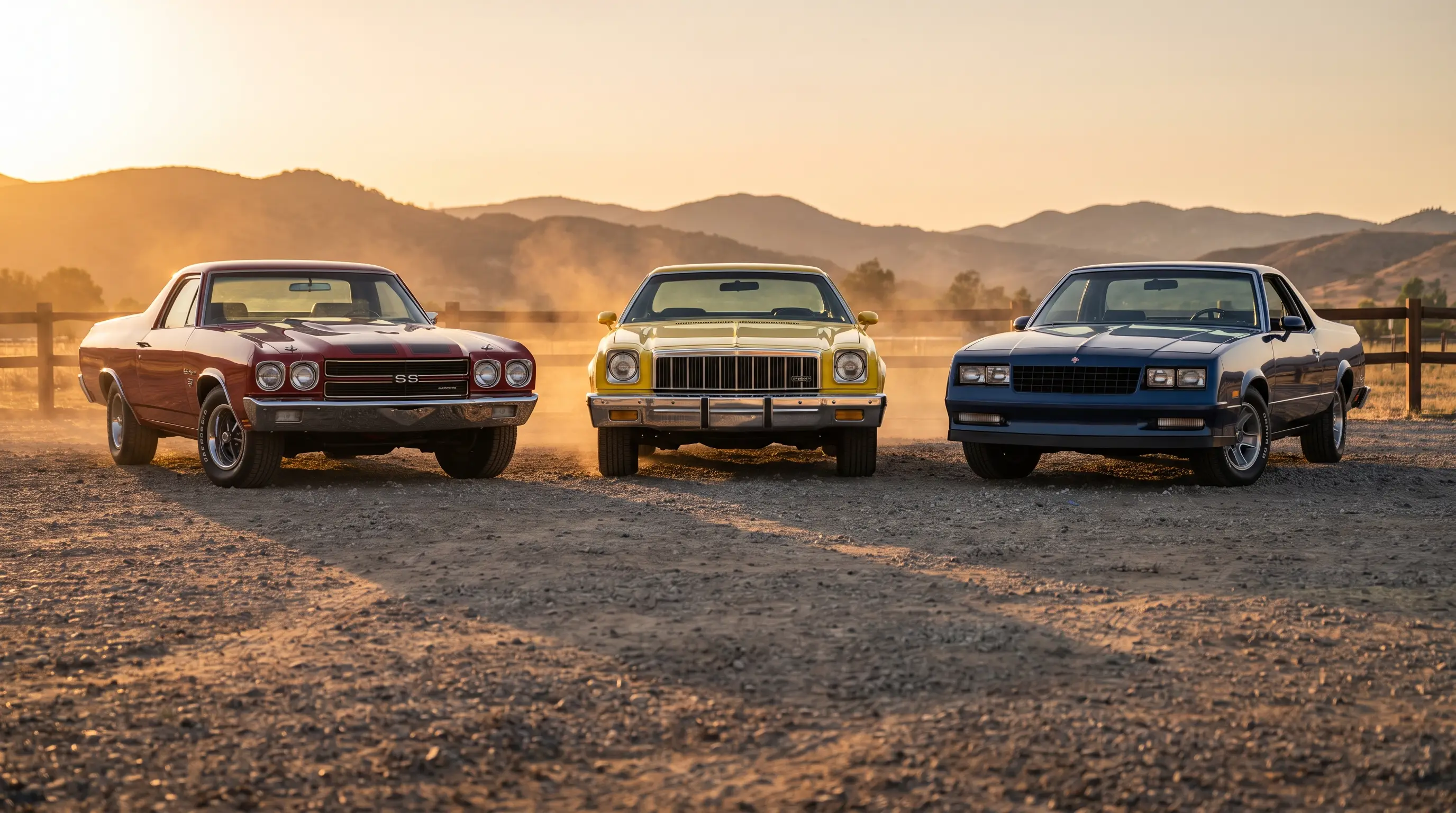
None of this is an argument that 1970 is overrated. It earned its reputation honestly, with the biggest engine and the strongest specs the SS badge ever carried. But a hobby that only values the single most famous year of any nameplate is a hobby that leaves a lot of genuinely good cars sitting unappreciated in driveways and back lots. The underrated years of the El Camino SS offer real value precisely because the crowd has not caught up to them yet, and that gap between reputation and actual quality is exactly where smart buyers find their best purchases.
For the complete story connecting every one of these model years into a single arc, from the 1968 introduction through the final G-body cars, the el camino ss story lays out the full history, and the broader El Camino nameplate's own origins get covered in the full story of how this truck-car came to exist in the first place. If any of these quieter years has caught your attention, there are usually a few worth reviewing among the classic El Caminos on the market right now.
There is also a practical case here beyond simple price. Cars from the underrated years tend to come with less restoration pressure attached, since owners and prior buyers were not treating them as trophies to be preserved under a cover in a climate-controlled garage. That means more of them were actually driven, maintained, and kept running as regular vehicles, which paradoxically can leave a better-sorted mechanical package than a numbers-matching showpiece that sat still for thirty years waiting for the right buyer. A car that got used tends to have had its problems found and fixed along the way. A car that got stored tends to have problems nobody has discovered yet. For a buyer who actually wants to drive an El Camino SS rather than trailer it to shows, that difference is worth more than any single model year's reputation.
None of this is a knock against chasing a 1970 SS 454 if that is genuinely the car you want and the budget allows for it. It remains, and probably always will remain, the single most desirable year this nameplate ever produced. But for buyers priced out of that particular chase, or simply more interested in a good story than a headline year, the underrated stretches of this history offer something the golden year cannot: a car bought on its own merits, not on the reputation everyone already agreed to before you walked into the deal.
Sources and notes
Related Reading
Have a
Chevrolet El Camino
for Sale?
Reach thousands of serious classic car collectors across the US.
Sell It Here →
Are You a Classic Car Dealer?
List your full inventory and connect with targeted classic car buyers.
Join as a Dealer →
#g-body
#El Camino SS
#muscle car value
#underrated classics
#model year comparison
#collector buying guide

About the author
Patrick Walsh
Automotive journalist covering classic car shows, events, and the enthusiast community across North America.
Related Listings - Chevrolet El Camino




Comments
Be the first to comment on this article.