
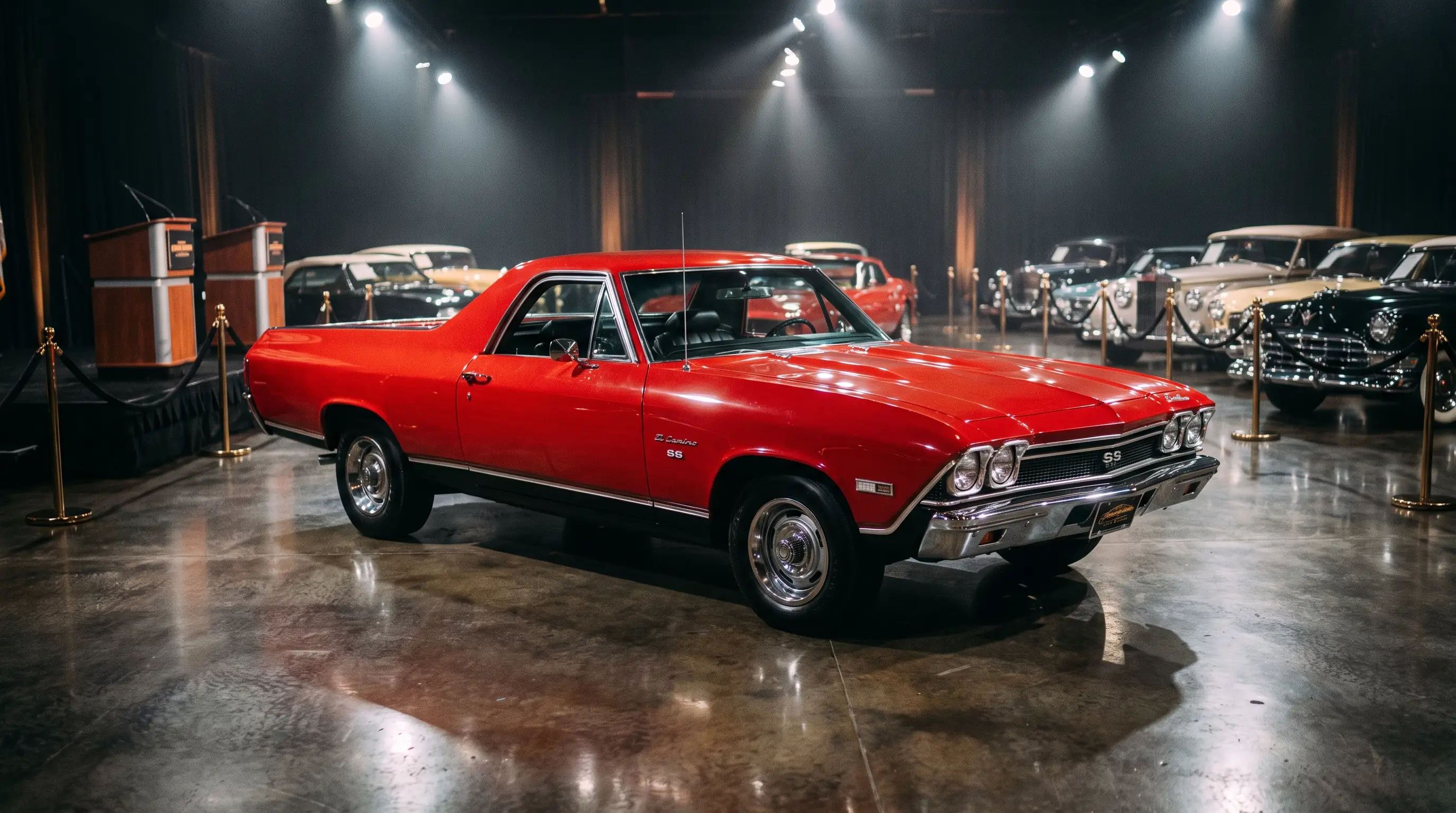
For roughly two decades after production ended, the El Camino SS was priced like a used truck, not a collectible. That has changed, and understanding the el camino ss collector market arc, how this nameplate moved from bargain-bin driver to genuine blue-chip collectible, tells you a lot about where the values are likely headed next. This is not a story about sudden hype. It is a story about a slow, steady re-rating that took roughly thirty years to fully play out.
Car Features
7 min read
How the El Camino SS Became a Blue-Chip Collectible
From bargain-bin used truck to six-figure auction star, the El Camino SS took thirty years to become a genuine blue-chip collectible.
The lost decades: 1990s bargain pricing
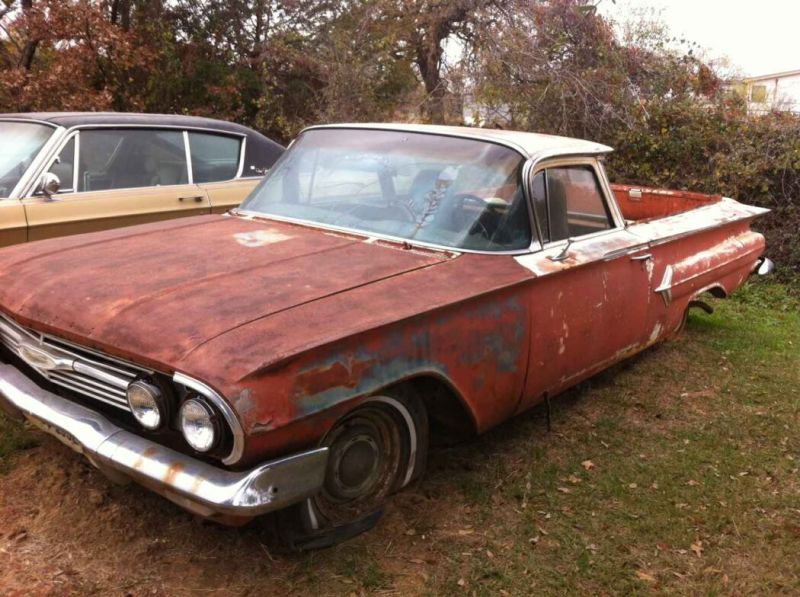
Through most of the 1990s, El Camino SS values, even the desirable 1970 SS 454 cars, traded well below comparable Chevelle SS prices for equivalent condition and documentation. The truck bed that made these cars practical when new made them harder to categorize as a collector item once the muscle car market began organizing itself around coupes and convertibles as the default desirable body styles. A clean SS 454 El Camino in this era could often be purchased for a fraction of what a comparable Chevelle SS 454 commanded, a gap that reflected the market's uncertainty about how to value a hybrid vehicle rather than any real difference in scarcity or performance.
The 2000s re-rating begins
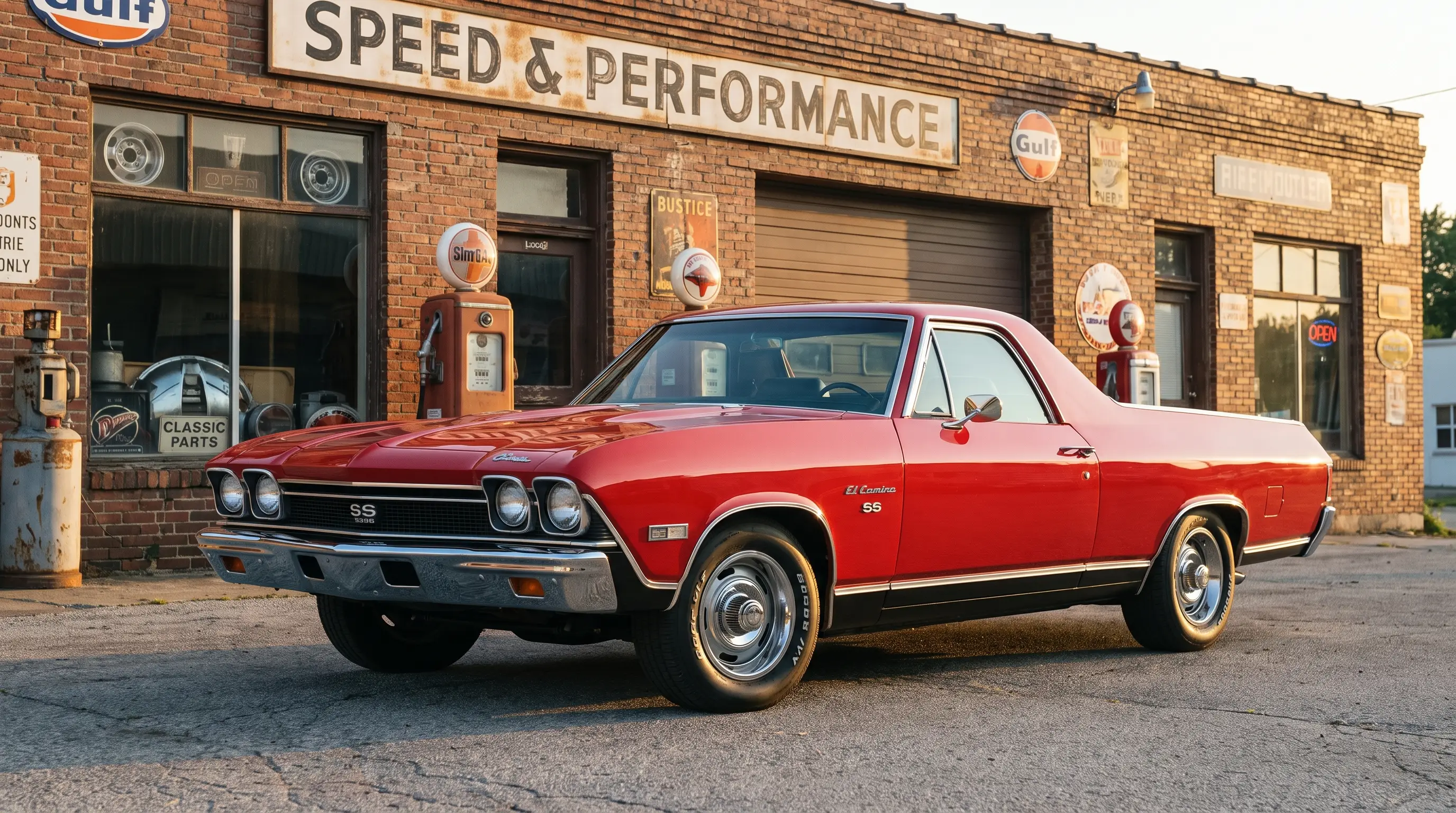
Values started moving in the early 2000s as the broader muscle car market experienced a well-documented boom, driven partly by baby boomer buyers with disposable income chasing cars from their youth. The El Camino SS participated in this rise, though it consistently lagged the pure coupe muscle cars in percentage gains during the earliest part of this boom. What changed the trajectory was a growing recognition among serious collectors that survivorship for these cars was actually worse than for their coupe siblings, since so many El Caminos had been used as actual work vehicles rather than preserved as show cars. Scarcity, once it became part of the conversation, started doing real work on the price.
The 2010s: blue-chip status arrives
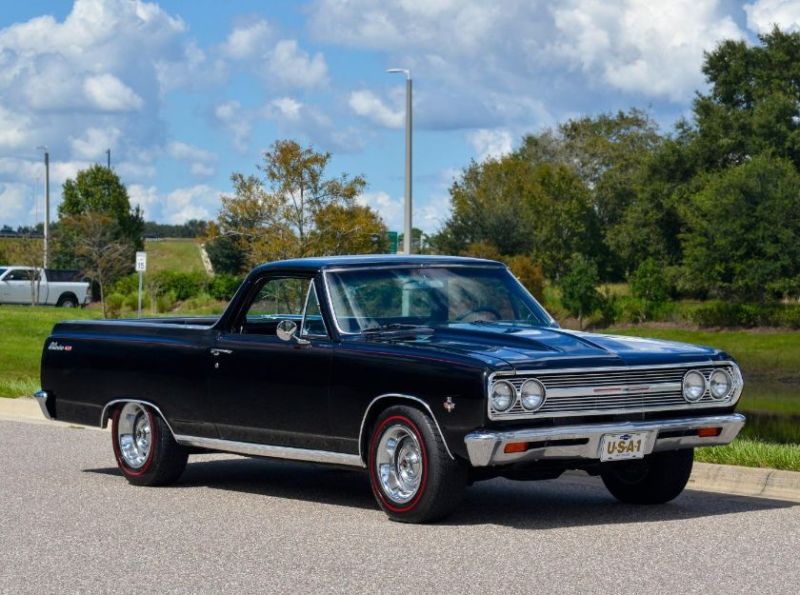
By the middle of the 2010s, top-tier documented SS 454 El Caminos were regularly crossing six figures at major auction houses, a threshold that would have seemed implausible to anyone shopping this nameplate in the 1990s. This decade is where the "blue-chip" label genuinely starts to apply, meaning these cars began behaving like a stable asset class rather than a speculative niche, with predictable demand from a broadening base of collectors who specifically sought out the El Camino's unusual truck-car identity rather than treating it as a lesser substitute for a Chevelle.
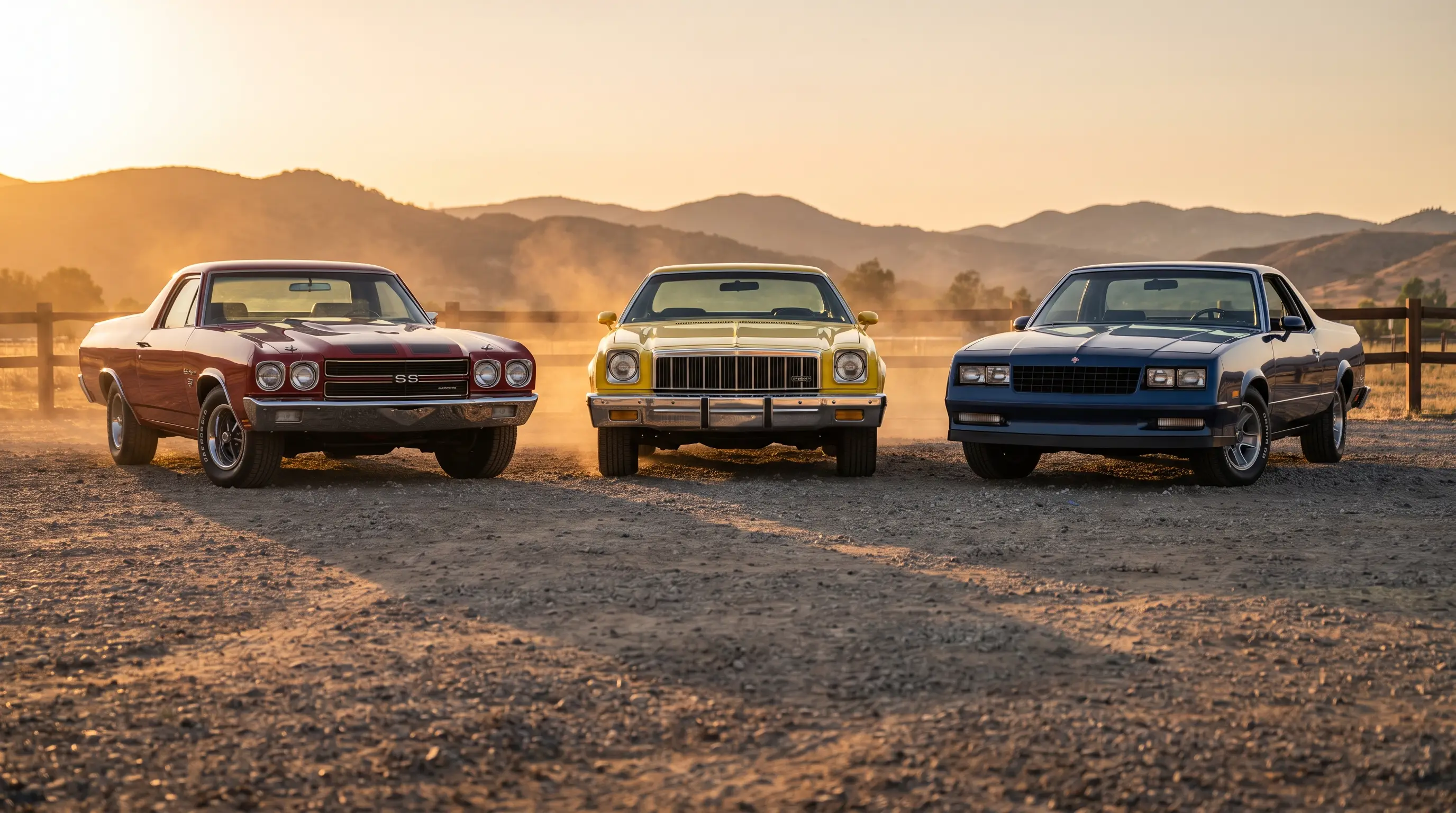
Lower-tier years and trims followed the same upward trajectory with a lag, as is typical in any collector market. The G-body small block SS trucks, essentially ignored by serious money through the 1990s and 2000s, started attracting real collector interest in the 2010s specifically because the big block A-body cars had become expensive enough to price out a meaningful segment of buyers who still wanted the badge.
"When a market has priced the best examples out of reach for most buyers, money does not leave the category. It moves down the model lineup looking for the next thing that still makes sense. That is exactly what happened with the G-body SS trucks, and it is a pattern worth watching for the next lineup down."
- David Mercer
What actually drove the re-rating
It is worth being precise about why this happened rather than treating it as generic nostalgia inflation, because the mechanism matters for predicting what comes next. Three factors did most of the work. First, survivorship. El Caminos were used as work vehicles at a higher rate than Chevelles, which meant fewer clean examples existed by the time the broader muscle car market matured, and thin supply against rising demand is the single most reliable price driver in any collector category. Second, documentation culture caught up. As build sheet research, cowl tag databases, and marque-specific clubs matured through the 2000s and 2010s, buyers gained the tools to confidently verify a genuine SS 454 versus a cloned or re-badged car, and that confidence supports higher prices because it removes risk from the transaction. Third, and least appreciated, the truck-car identity that once hurt values started helping them, as collectors increasingly sought out vehicles with a distinct story rather than one more coupe in an already crowded muscle car field.
None of these three factors is temporary hype. They are structural, which is exactly why the price gains have held rather than reversing the way genuinely speculative bubbles tend to when the enthusiasm fades.
Where the arc points next
| Era | Market behavior | Buy signal |
|---|---|---|
| 1990s | Undervalued relative to Chevelle SS | Historically the best entry point, largely missed |
| 2000s | Boom participation, lagging coupes | Solid entry, moderate appreciation |
| 2010s | Blue-chip status for documented big blocks | Late entry for A-body, early entry for G-body |
| Now | G-body SS gaining collector attention | Best remaining value opportunity |
My actual buy opinion, for what it is worth: documented A-body big block cars are no longer the value play, they are the established blue chip, and buying one now means paying full market price for a mature asset. The real opportunity sits with the G-body small block SS trucks following the same undervalued-to-recognized path the big block cars already completed. That is where a buyer today gets the early-entry advantage that A-body buyers already captured a decade ago.
For the full history behind why this nameplate took the specific path it did, from a genuine 1968 performance program through decades of shifting collector perception, our complete history covers the entire arc. And for anyone acting on the market thesis above, there are usually a few worth evaluating among the browse classic El Camino listings available right now.
One caution worth stating plainly. A rising market thesis for the G-body SS is not a guarantee, and it depends on the same conditions that drove the A-body re-rating actually repeating themselves, documentation infrastructure catching up, survivorship scarcity being recognized rather than dismissed, and a broadening pool of buyers willing to value a small block truck-car on its own terms rather than as a lesser alternative to something else. Those conditions look favorable right now, but collector markets do not move in straight lines, and a buyer should treat this as an informed thesis rather than a certainty. Buy the G-body SS because you want to own the history and drive the car, with the market upside as a reasonable expectation rather than the entire reason for the purchase. That approach has aged well for every generation of this nameplate so far, and there is no particular reason to expect it will stop working now, provided the buyer stays realistic about the difference between an informed thesis and a guaranteed outcome.
Sources and notes
Related Reading
Have a
Chevrolet El Camino
for Sale?
Reach thousands of serious classic car collectors across the US.
Sell It Here →
Are You a Classic Car Dealer?
List your full inventory and connect with targeted classic car buyers.
Join as a Dealer →

About the author
David Mercer
Classic car market analyst with two decades of experience tracking collector car valuations, auction results, and investment trends.
Related Listings - Chevrolet El Camino
Comments
Be the first to comment on this article.