A teenager standing at a Chevrolet dealership in the fall of 1967 would have looked at the new El Camino lineup and seen a truck bed bolted to a passenger car, which is exactly what it was. What that teenager could not have known was that the SS badge about to appear on that lineup would still mean something to buyers four decades later, long after the specific engines and body styles underneath it had changed multiple times over. The el camino ss complete story is really a story about a badge that kept finding new ways to matter, even as the industry around it shifted from muscle to malaise and back again.
1968: a badge borrowed from the coupe
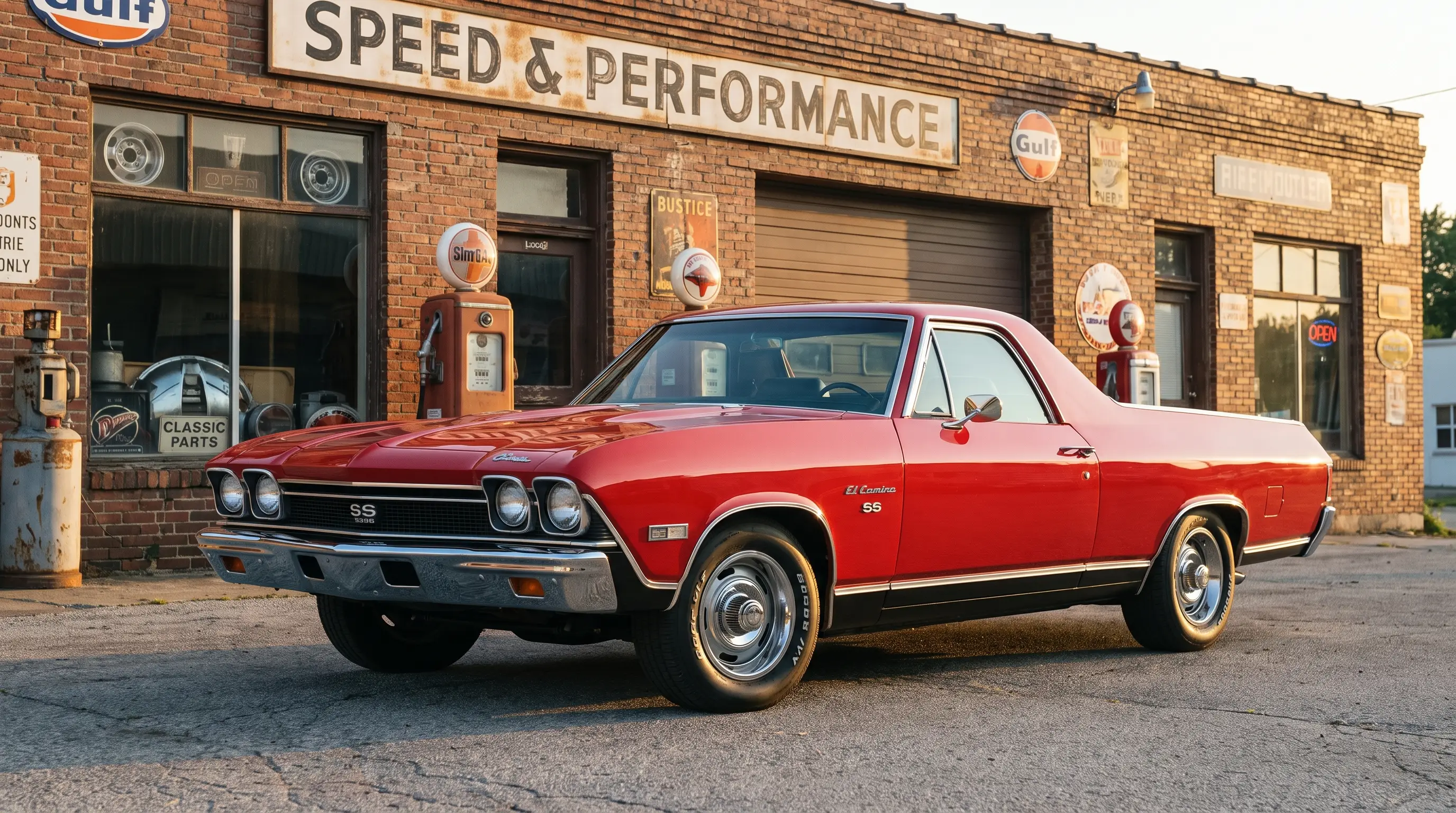
When the SS package first appeared on the El Camino for the 1968 model year, it arrived essentially as a transplant from the Chevelle SS, sharing the same big block availability and much of the same visual language. Chevrolet was not inventing something new so much as recognizing that El Camino buyers wanted the same performance option their Chevelle coupe counterparts already had. The pairing made sense. Both vehicles shared a platform, and a buyer who wanted the utility of a truck bed had no reason to accept less performance than a coupe buyer down the street.
That first SS El Camino set the template the rest of the line would follow for the next several years: a big block engine option, heavier duty suspension, and trim details that separated it visually from the base trucks sharing the same showroom floor.
1970: the high water mark
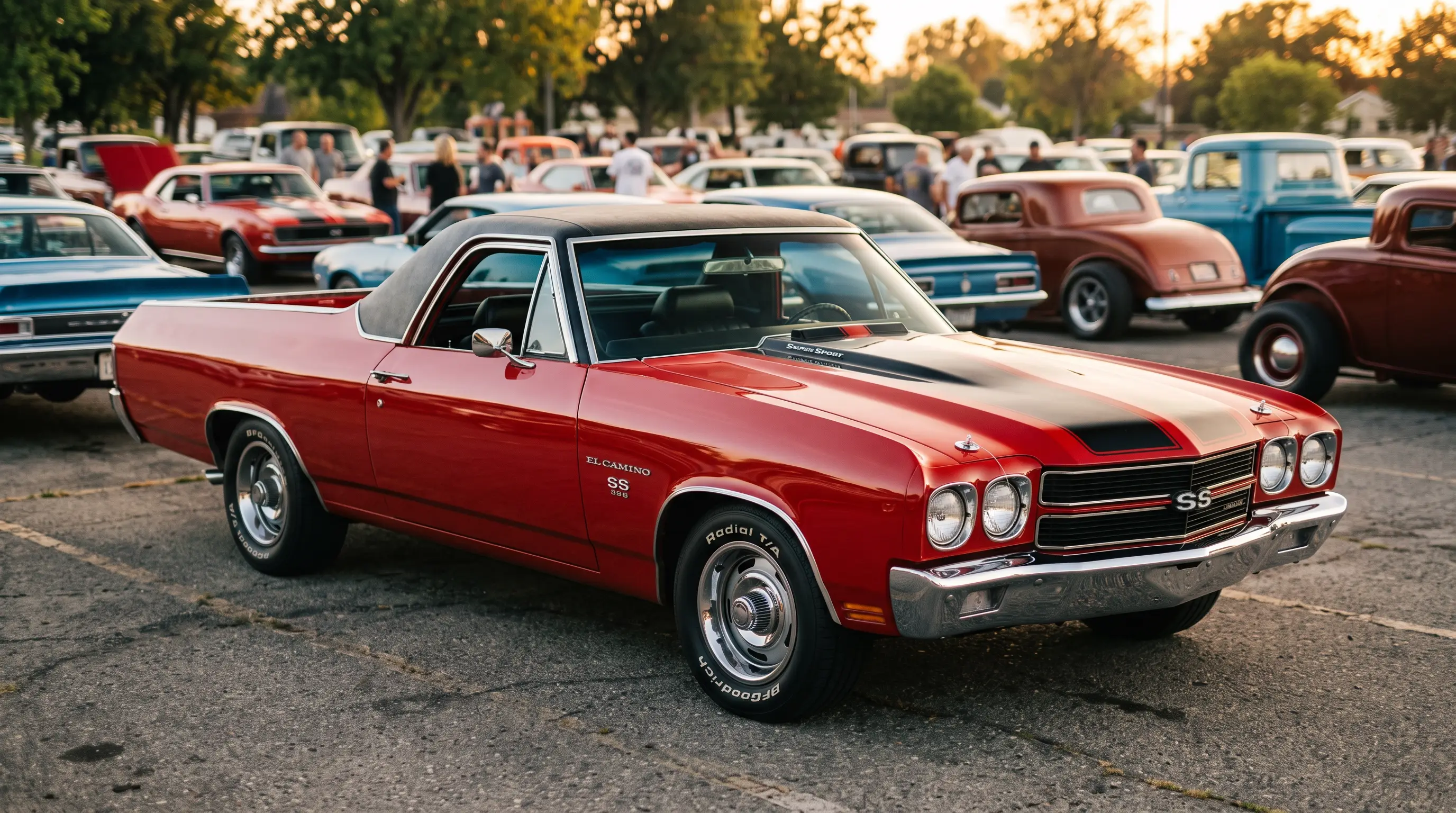
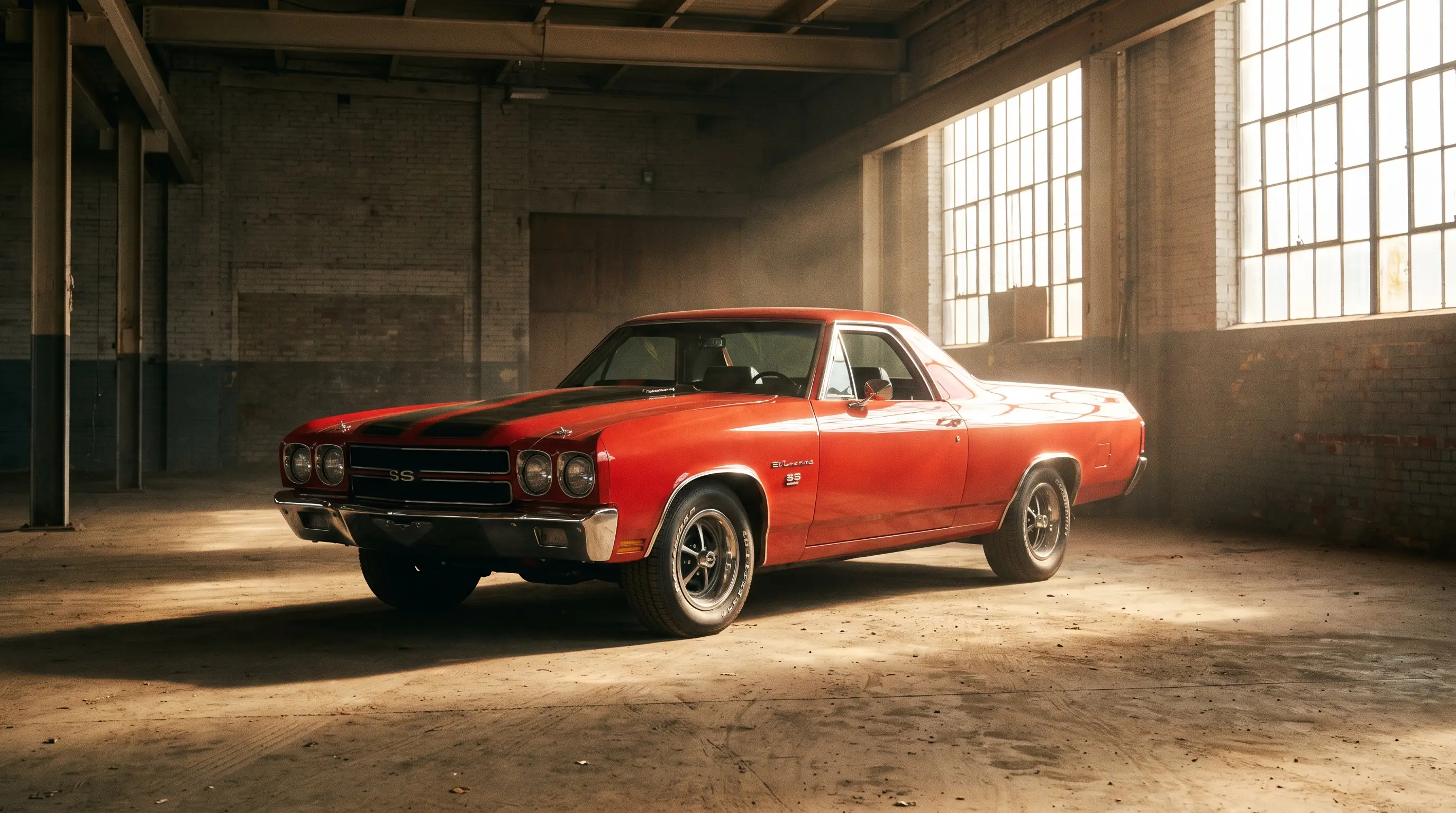
The 1970 model year is where most enthusiasts agree the SS El Camino reached its performance peak, with the LS6 454 option putting real muscle car numbers into a vehicle that could still legitimately haul a load of lumber the next morning. That duality, serious performance paired with genuine utility, is the core of the SS El Camino's appeal, and 1970 is the year it was expressed most completely. Buyers who wanted the fastest El Camino Chevrolet ever built pointed to this year specifically, and that reputation has only solidified with time.
The slow fade of the early seventies
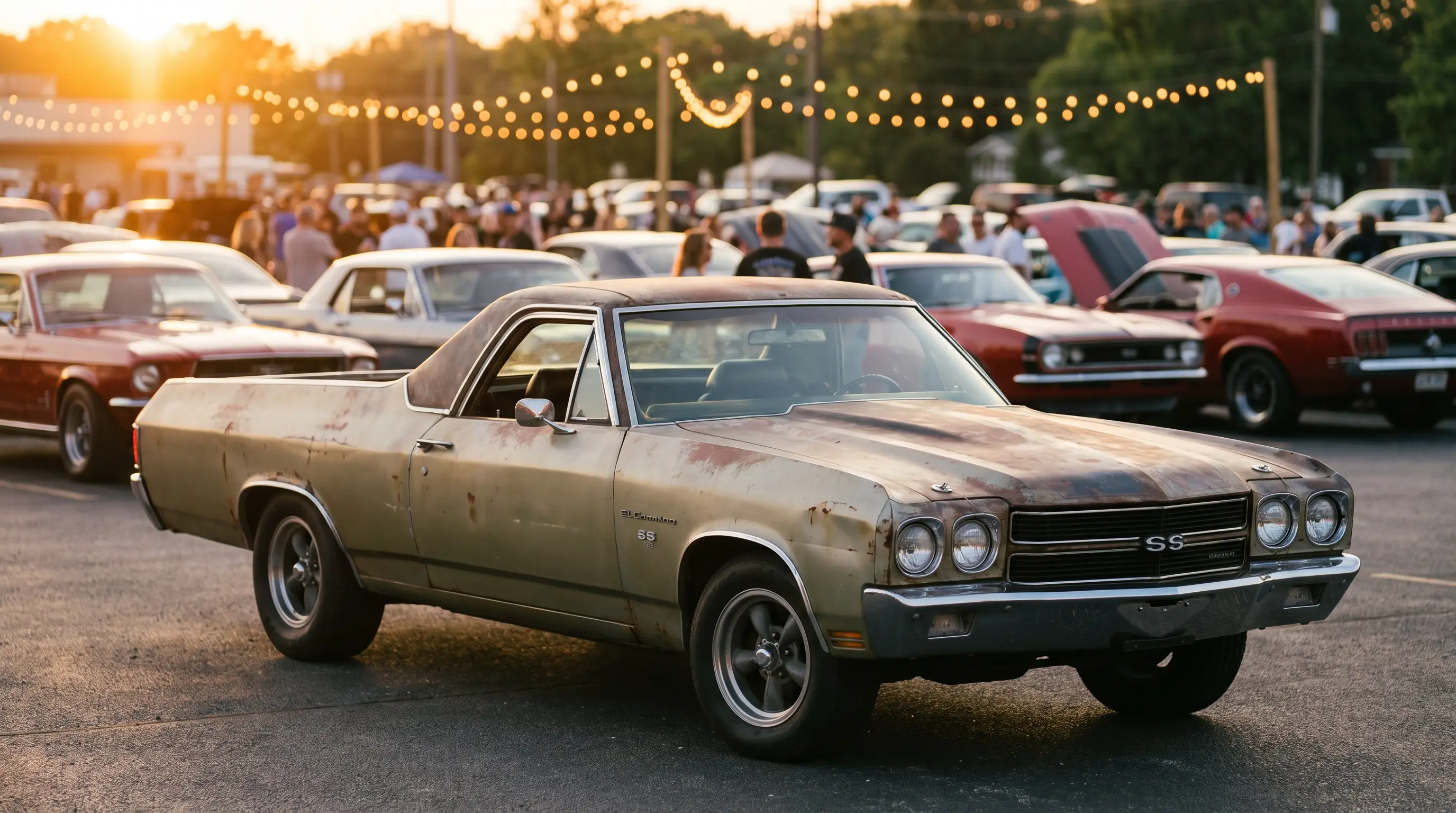
Insurance surcharges, tightening emissions rules, and falling compression ratios did to the El Camino SS what they did to nearly every muscle car nameplate by 1972: they quietly reduced the gap between the performance trim and the base truck. The SS badge did not disappear, but the engines wearing it produced meaningfully less power than they had just a few years earlier, and the buyers who had chased big block numbers in 1970 increasingly looked elsewhere. This period gets less attention from collectors today, but it is an important part of the badge's honest history. Not every year wearing the SS name was a high point, and pretending otherwise does a disservice to the truck's real story.
The G-body years and a different kind of survival
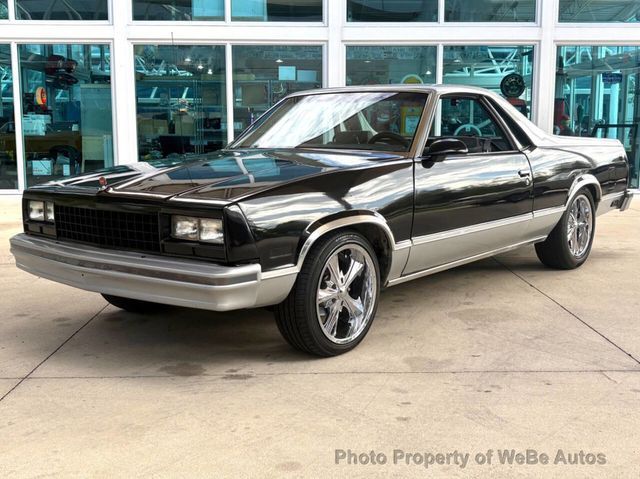
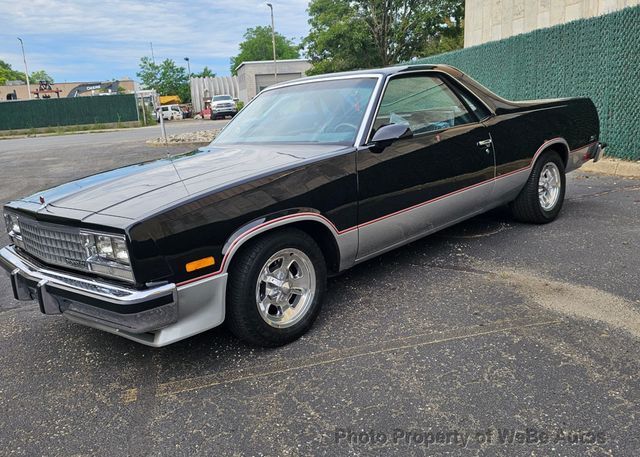
When Chevrolet redesigned the El Camino onto the smaller G-body platform for 1978, the truck lost the visual drama of its predecessor but kept finding ways to offer buyers a performance flavored option package, even as the broader industry moved away from big displacement engines entirely. Chevrolet offered the package, badged Super Sport under RPO Z15, on the G-body El Camino from 1978 through the end of production in 1987, and from 1983 onward a dealer-installed conversion built by Choo-Choo Customs of Chattanooga, Tennessee added a Monte Carlo SS-style front air dam to the trim. The badge's meaning shifted from outright muscle to a more modest sport appearance package, reflecting exactly where the American car industry was during those years. That the El Camino kept a performance oriented option at all through the fuel crisis era says something about how attached its buyers remained to the idea, even when the underlying numbers could not match what 1970 had delivered.
"Ask ten owners what year El Camino SS they would want and you will get ten different answers, and every one of them will be defensible. That is the mark of a badge that actually meant something across its whole run, not just at its peak."
- Patrick Walsh
Why the badge still matters
What makes the SS El Camino's full run worth telling as one continuous story rather than a series of disconnected model years is the consistency of the idea underneath it: a truck that refused to only be a truck. Whether that idea was expressed through a 454 in 1970 or a more modest appearance package a decade later, Chevrolet kept betting that buyers wanted their utility vehicle to also feel like something worth driving for its own sake. That bet paid off across four decades of production, and it is a big part of why the El Camino SS still draws crowds at shows populated mostly by coupes and sedans.
For the deeper mechanical history behind the badge's original and most celebrated years, el camino ss history covers the ground in more detail, and a related story digs into exactly what separated an SS from a standard El Camino in the eyes of Chevrolet's own engineers. If four decades of this badge has you looking for one to call your own, there are usually several El Caminos for sale now spanning that entire history, from the 1968 originals to the final G-body trucks.
What collectors argue about most
Spend an afternoon at any gathering of El Camino owners and the same debate eventually surfaces, usually somewhere near the coffee table. Does the SS badge mean the most in its first true muscle era years, when big block displacement and gross horsepower ratings defined the conversation, or does it mean more on a later, humbler truck that kept the spirit alive when nearly every other manufacturer had abandoned performance entirely. Neither camp is wrong, and the disagreement itself says something true about the badge. A nameplate that only mattered during its best years would not generate this much passionate argument decades after the fact. It is precisely because the SS badge tried to mean something in every era it appeared, good years and lean years alike, that owners still feel strongly enough to argue about it.
That argument, more than any single spec sheet, is the real measure of the badge's staying power. Muscle car nameplates that vanished the moment the numbers stopped being impressive do not inspire this kind of ongoing conversation. The El Camino SS earned its continued relevance by sticking around through the years that were not impressive, and by finding some way, however modest, to keep offering buyers a reason to want the performance trim over the base truck.
A badge built on continuity, not a single peak
Telling the complete story of the El Camino SS means resisting the temptation to treat 1970 as the whole story with an epilogue tacked on. The truck's real legacy is continuity across changing circumstances, a badge that adapted rather than disappeared when the broader market turned against big engines. That adaptability is worth as much respect from collectors as any single year's horsepower figure, and it explains why this particular truck still commands attention across its entire production run rather than just its most famous chapter.