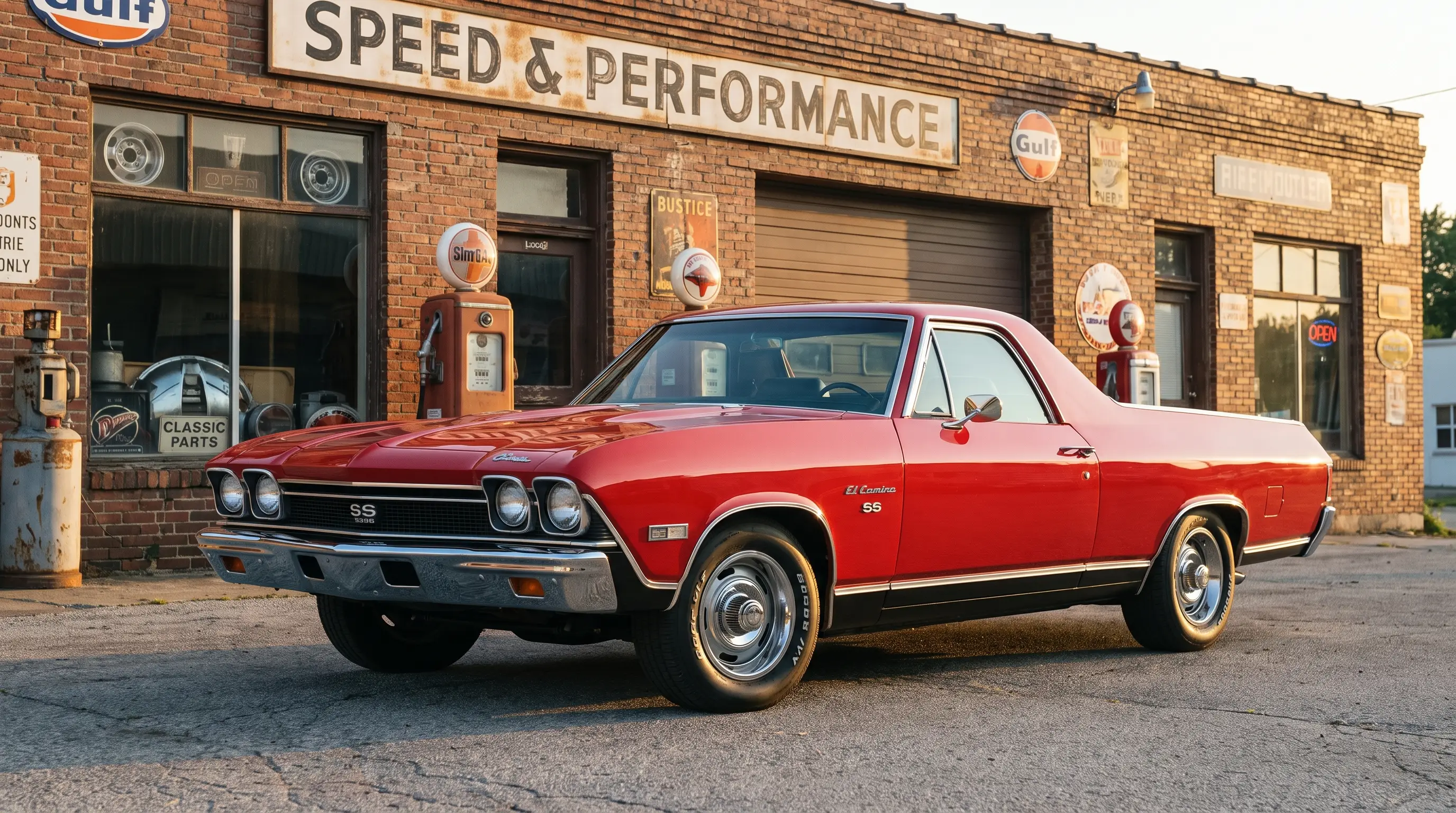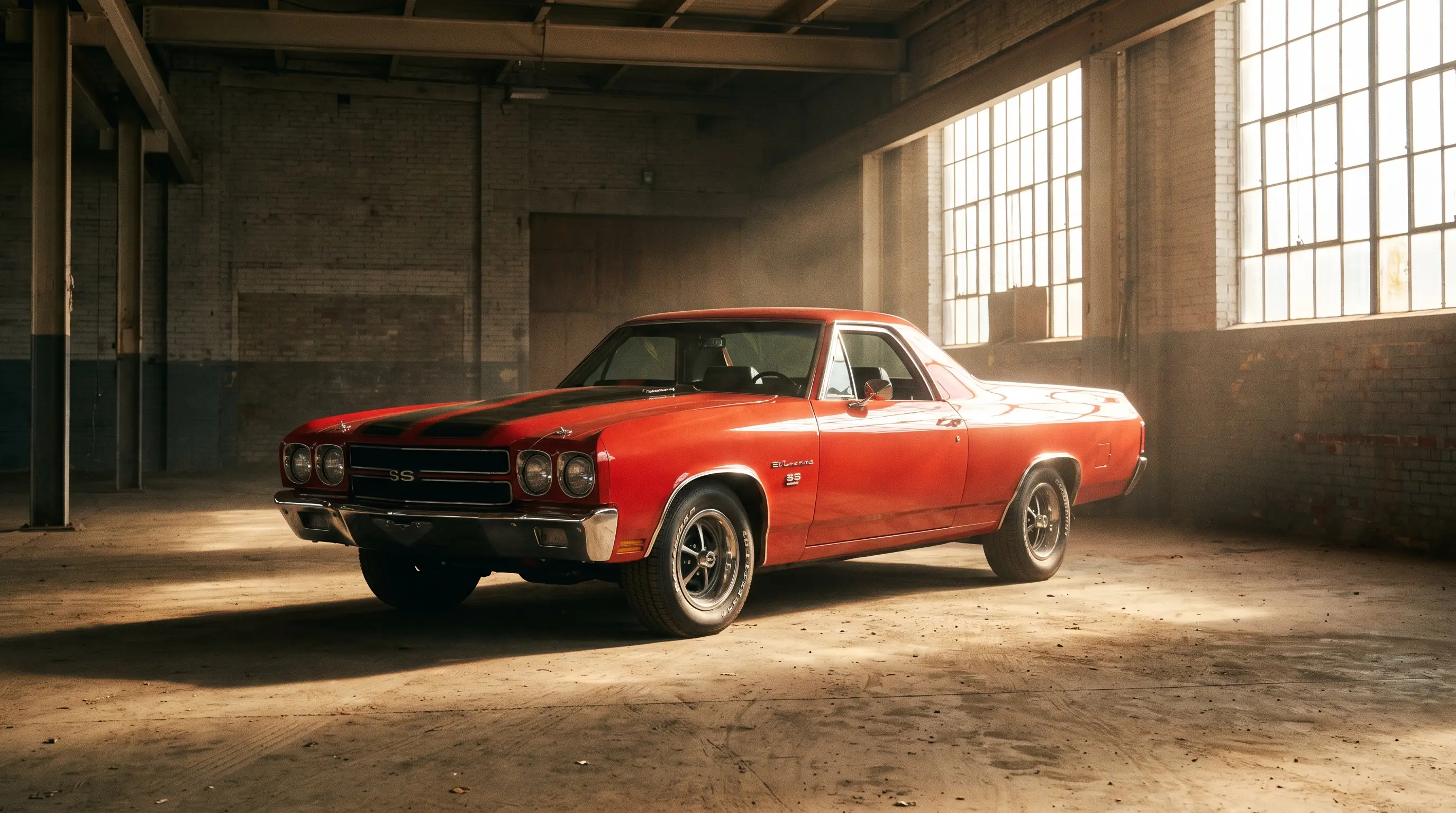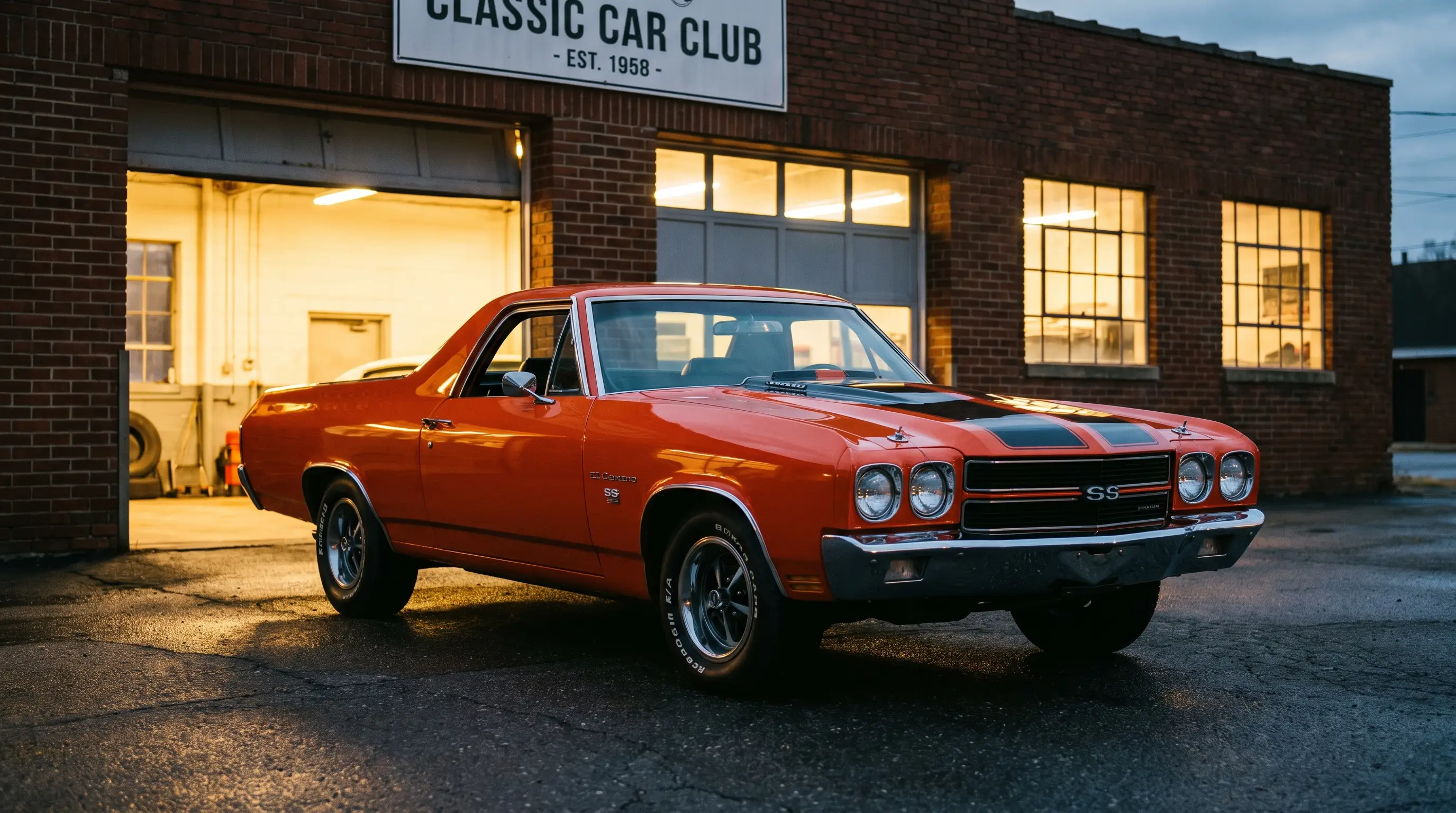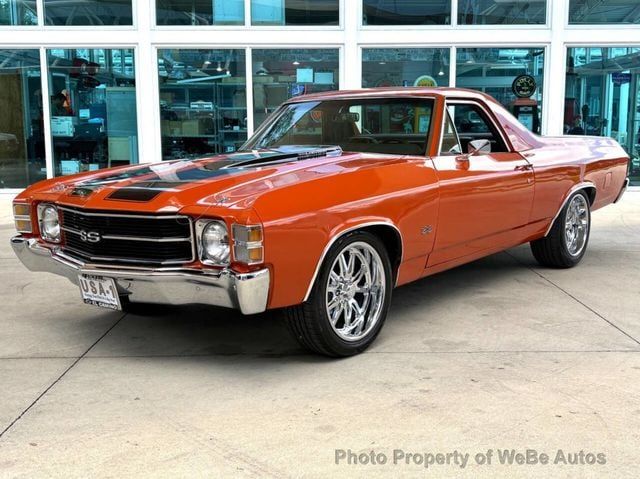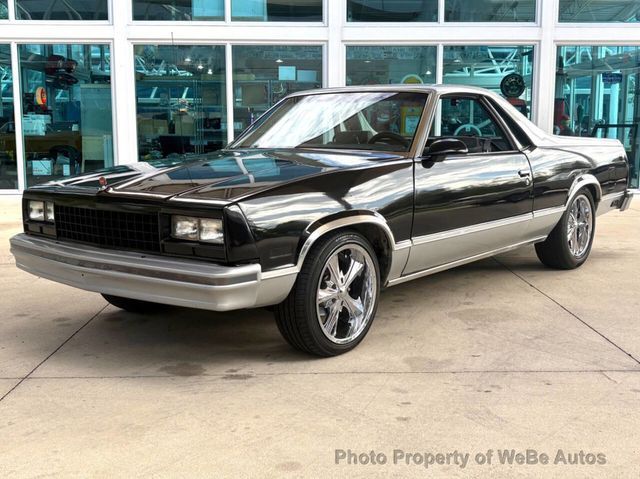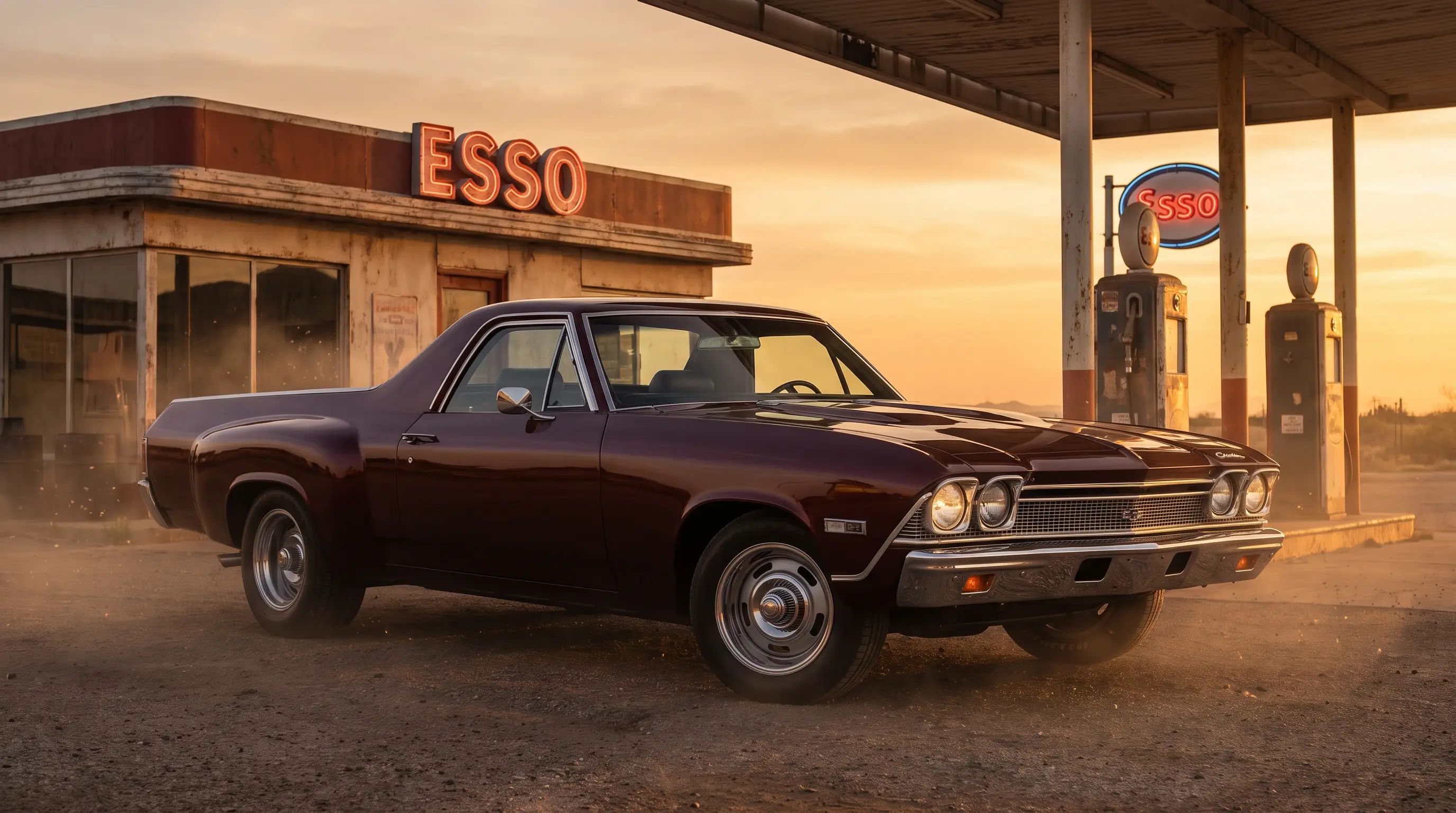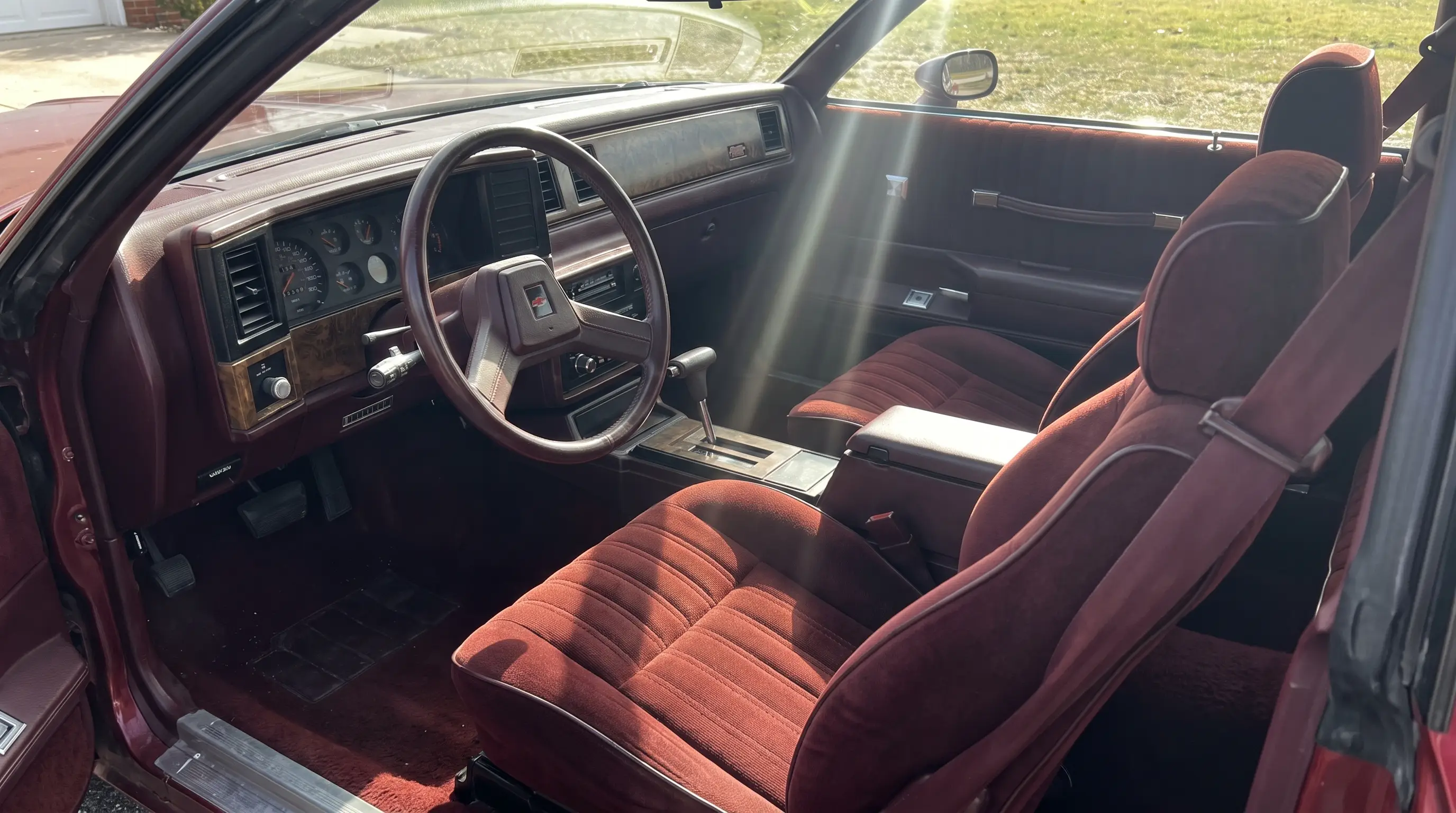
A restoration shop owner in Ohio told me something years ago that has stuck with me ever since: he can predict which project cars will get finished and which will sit half done in a corner for a decade, just by watching how the owner talks about the vehicle in the first conversation. The ones who talk about specs finish maybe half the time. The ones who talk about a person, a memory, a specific drive, almost always finish. Ask him about the el camino ss why it endures question directly and he will point you straight at that distinction, because in his experience nothing explains this car's staying power better than the stories attached to it.
It never stopped being useful
Plenty of muscle cars from the sixties and seventies survive today as garage queens, driven twice a year to a show and trailered everywhere else. The El Camino SS resists that fate more than most, because the bed makes it genuinely useful in a way a two door coupe never is. Owners haul things in these cars. They run errands in them. That regular use keeps the vehicle integrated into daily life rather than sealed away as a museum piece, and cars that get used tend to stay loved in a way that display pieces sometimes do not.
The contradiction people cannot stop thinking about
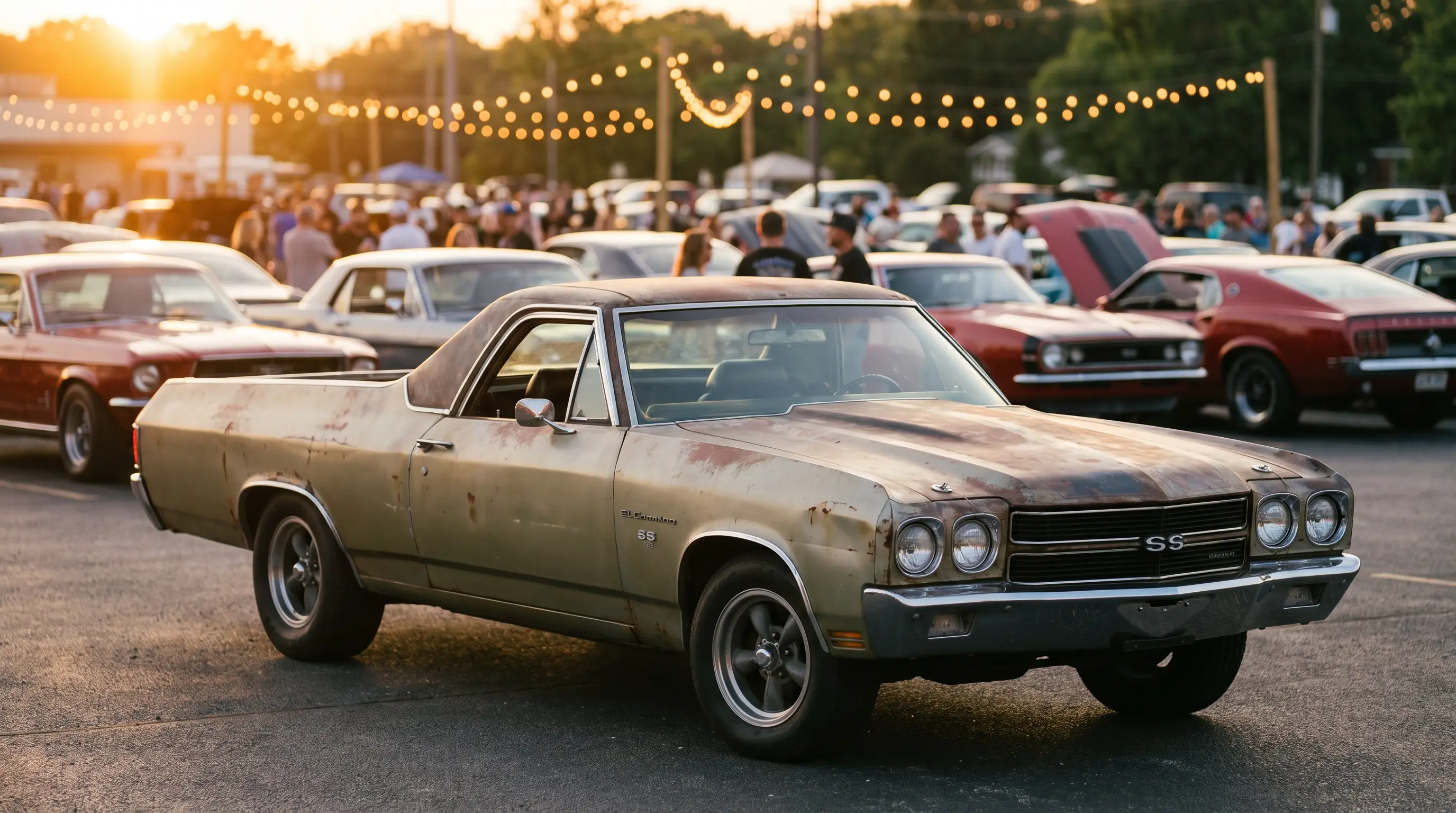
Every article about this car eventually lands on the same observation, because it is the true one: a muscle car with a truck bed should not work as well as it does, and the fact that it does keeps drawing people in. That contradiction is not a marketing angle invented after the fact. It was baked into the product from the start, and five decades later it still catches people off guard the first time they really look at one parked next to a standard Chevelle. The El Camino SS breaks an expectation, and breaking expectations well is rarer than most car companies manage even once.
Community keeps the flame lit better than nostalgia alone
Nostalgia fades on its own eventually, no matter how strong the original attachment. What actually sustains a model like this decade after decade is an active community of owners, clubs, and specialists who keep parts flowing, keep knowledge current, and keep new buyers coming in with somewhere to land once they own the car. The El Camino SS benefits from exactly that kind of infrastructure, built up over fifty years by people who never stopped caring about it even when the broader muscle car market cooled off through the eighties and nineties. That community effort matters as much to the car's endurance as anything Chevrolet's engineers did in 1968 or 1970. our el camino ss retrospective covers the full arc of how that reputation was built model year by model year.
New generations keep discovering it fresh
What surprises longtime owners most is how often younger buyers discover the El Camino SS on their own terms, not as a hand me down obligation but as a genuine preference over more conventional muscle car choices. Something about the shape and the contradiction it represents lands differently with people encountering it for the first time now than it did with the original buyers in 1970, and that fresh discovery cycle is a healthier sign for long term demand than nostalgia driven purchases from people simply replacing a car they owned decades ago.
"Every generation thinks it discovered this car, and honestly, they kind of did. The El Camino SS earns new fans on its own terms every single decade, and that's a rarer trick than most classics manage."
- Patrick Walsh
Design choices that still hold up
Part of why the El Camino SS ages well visually comes down to restraint that was not always intentional but reads as sophisticated today. The proportions Chevrolet settled on, a long hood, a short deck, a bed integrated cleanly rather than bolted on as an afterthought, avoid the busy detailing that dates a lot of other period vehicles. Compare a 1970 SS to some of its more heavily chromed contemporaries and the El Camino often looks less locked into its decade, which matters enormously when a design has to survive fifty years of changing taste rather than just one model cycle.
That restraint extends to the engine bay as well. The 396 and 454 big blocks that powered the SS package were never dressed up with excessive gadgetry, and their relative mechanical simplicity compared to later, more electronically dependent engines makes them approachable for a wider range of owners today, including people without a professional shop behind them. A car that a determined owner can actually maintain themselves tends to stay on the road longer than one that requires specialized diagnostic equipment nobody can find parts for anymore, and that practical maintainability is an underappreciated factor in why so many of these cars are still running rather than sitting derelict.
The market has not forgotten it either
Collector car values are a blunt instrument for measuring cultural relevance, but they are not nothing, and the El Camino SS has held its position reasonably well against broader muscle car market swings over the past two decades. It has never commanded Hemi Cuda money, and it probably never will, but it has also never collapsed the way some more speculative models did when investor interest cooled. That steadiness suggests a buyer base built more on genuine enthusiasm than short term speculation, which tends to be a healthier foundation for any collector vehicle's long term prospects.
The simplest explanation is usually the right one
Strip away the theories about marketing and contradiction and community, and the simplest answer to why this car endures is probably the truest one. It does something well that almost nothing else does, it looks good doing it, and it keeps rewarding the people who actually drive it rather than just park it. That combination does not require a complicated explanation, and it is exactly the kind of quality that keeps a model relevant long after the market moves on to newer things. If that combination sounds like something worth owning rather than just reading about, El Caminos for sale now is where to start looking.
Fifty years is a long time for any vehicle to stay culturally relevant without the benefit of a reboot, a reissue, or a nostalgia driven marketing campaign engineered by a modern manufacturer. The El Camino SS has managed it the harder way, through owners who kept driving it, communities who kept supporting it, and a design that simply refused to look dated. That is not luck. That is the kind of endurance that gets earned one decade at a time.