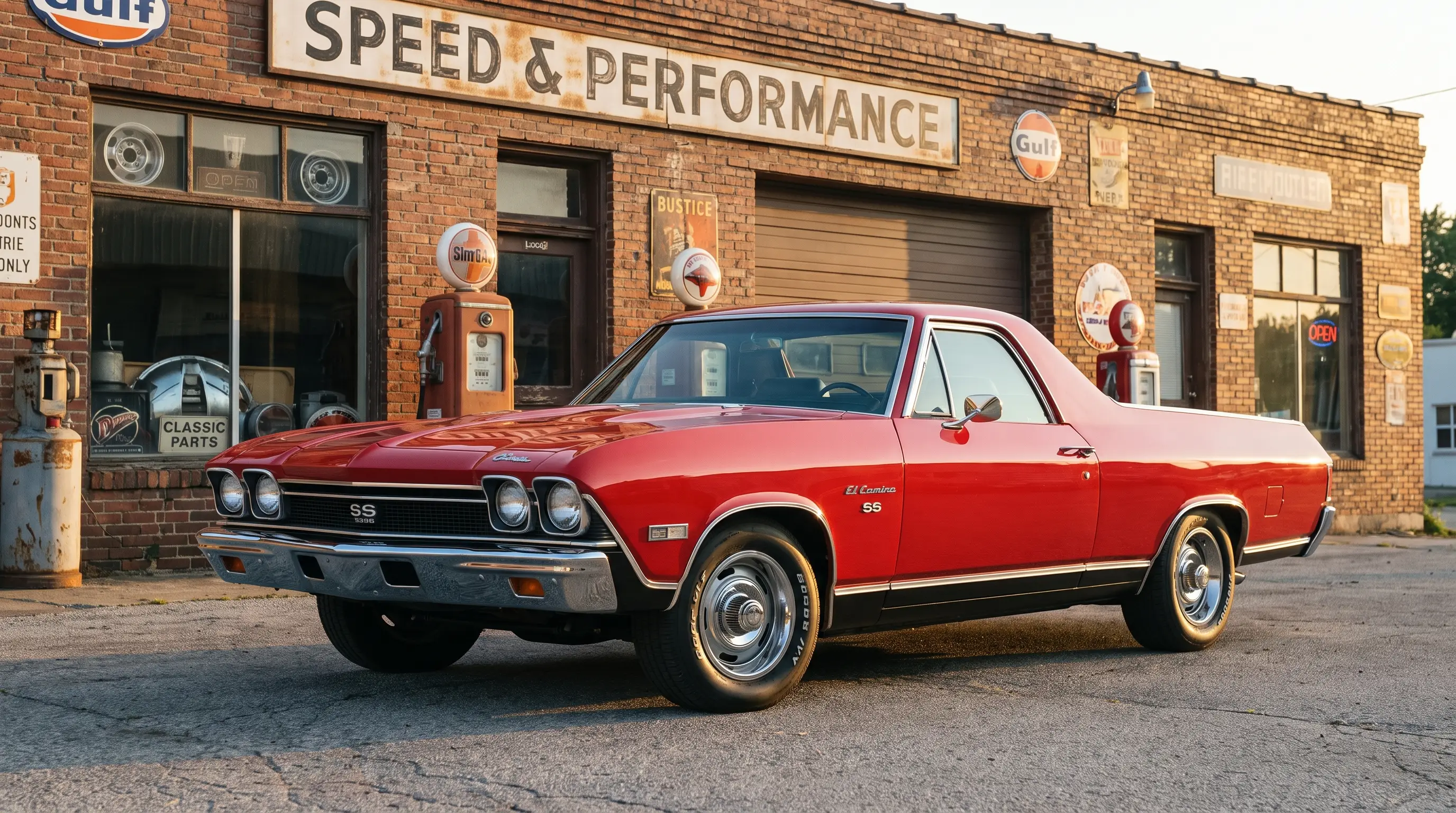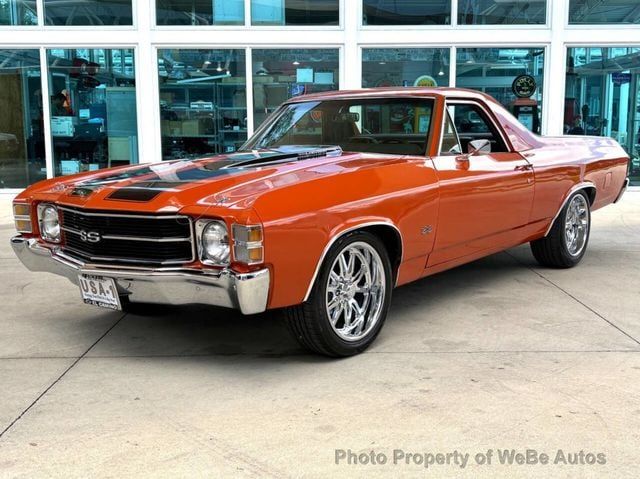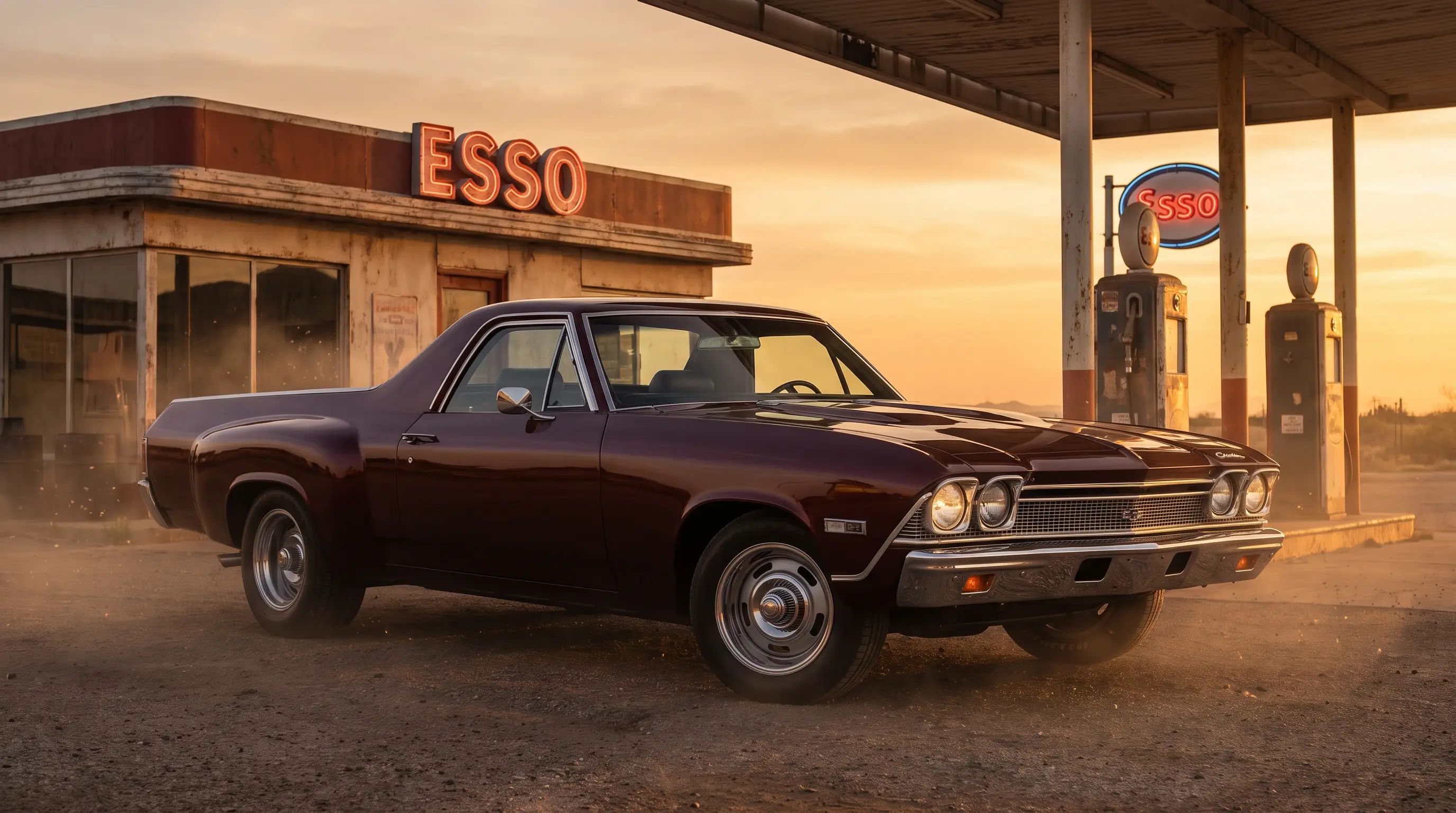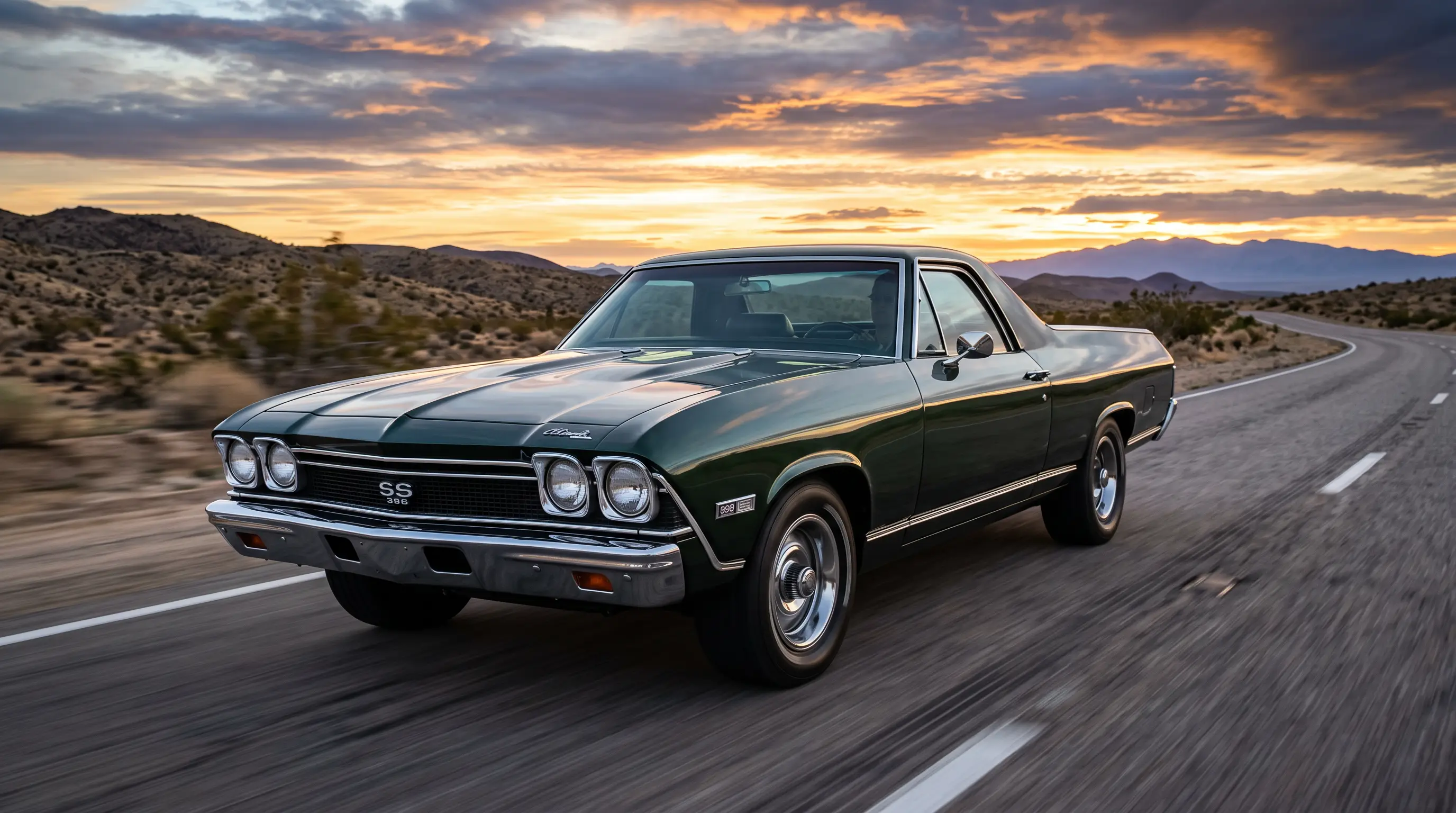
The record needs correcting on a point that gets repeated so often it has become accepted wisdom without anyone checking the source. The El Camino SS first super sport 1968 arrival is frequently described as Chevrolet simply badging an existing truck with Chevelle SS parts, a footnote treatment rather than a real product decision. The build sheets and dealer literature from that year tell a more deliberate story, and the misconception is worth untangling because it shapes how buyers value these cars today.
What actually happened in 1968
Chevrolet introduced the SS 396 option on the El Camino for the 1968 model year, aligning it with the second generation Chevelle platform the El Camino had shared since 1964. This was not a badge exercise. The SS package brought the 396 cubic inch big block engine, heavy duty suspension components, and the same F41 style handling upgrades that distinguished the Chevelle SS from its base siblings. Chevrolet's own regional zone literature from the period frames the El Camino SS as a legitimate performance option for buyers who wanted the utility of a coupe pickup without giving up the muscle car experience that had defined the mid sixties market.
Three engine configurations were available under the SS 396 designation that first year: the L35 at 325 horsepower, the L34 at 350 horsepower, and the solid lifter L78 at 375 horsepower, the top option and a special order item rarely found on surviving cars. These are period factory SAE gross ratings rather than dyno verified numbers by today's testing standards. Even the base configuration of the package outperformed anything previously offered in the El Camino lineup, which had been positioned more as a light hauler than a performance vehicle in its earlier full size years.
Why the timing matters
1968 sits in the middle of Detroit's most aggressive horsepower competition, and Chevrolet's decision to extend SS performance credentials to the El Camino reflects a broader strategy of spreading the Chevelle's engineering across every body style built on that platform. The El Camino had already been riding on the Chevelle chassis since the mid sixties, so extending the SS option required comparatively little engineering work, but it required a marketing commitment that Chevrolet had not previously made toward positioning a coupe utility as a genuine muscle car rather than a working vehicle with sporty trim.
| Item | 1968 SS 396 detail |
|---|---|
| Introduction | First model year of the SS package on the El Camino nameplate |
| Platform | Second generation Chevelle chassis, shared body architecture |
| Engine displacement | 396 cubic inches, multiple carburetion and cam options |
| Suspension | Heavy duty components shared with Chevelle SS specification |
Correcting a second misconception
A related myth holds that the 1968 SS El Camino sold poorly and was considered a commercial afterthought at the time. Production figures do not support that framing. While exact SS specific production numbers from 1968 are harder to isolate than later years due to how Chevrolet's internal reporting grouped body styles and options, regional dealer records and period sales literature suggest steady demand from buyers who wanted a dual purpose vehicle, not the niche curiosity later commentary sometimes implies. The model's continuation into 1969 and its expansion through the early seventies argues against the idea that Chevrolet viewed the first year SS as a failed experiment.
This distinction matters to collectors today because it affects how a 1968 SS should be evaluated against its reputation. It was not a rushed afterthought bolted onto an existing truck. It was a considered extension of Chevrolet's performance strategy onto a body style the company had already invested significant engineering into, and the surviving documentation from Chevrolet's own regional offices supports that reading far better than the secondhand folklore that has circulated in more casual coverage over the decades. our complete history traces how that first year decision shaped every SS model that followed through 1972.
"The paper trail from 1968 doesn't read like a company hedging a bet. It reads like Chevrolet extending a proven formula to a body style that had earned the investment, and the sales literature from that year backs that up better than most later retellings do."
- Tom Ramirez
How the option interacted with other 1968 choices
Buyers ordering the SS 396 package in 1968 were not locked into a single configuration, and the range of choices available is part of why so many surviving cars differ from one another in ways that confuse buyers today. Transmission options included a heavy duty three speed manual, an optional four speed, and Chevrolet's Turbo Hydra-Matic automatic, each paired with specific rear axle ratios depending on intended use. A buyer planning to tow or haul regularly might order a lower numerical rear gear for highway cruising, while a buyer chasing straight line performance would specify a higher numerical ratio. This flexibility means two 1968 SS 396 El Caminos can present very differently in terms of drivability while both being entirely correct and original, which is a detail some casual restorations get wrong when a shop assumes a single "correct" gearing without checking the actual build sheet.
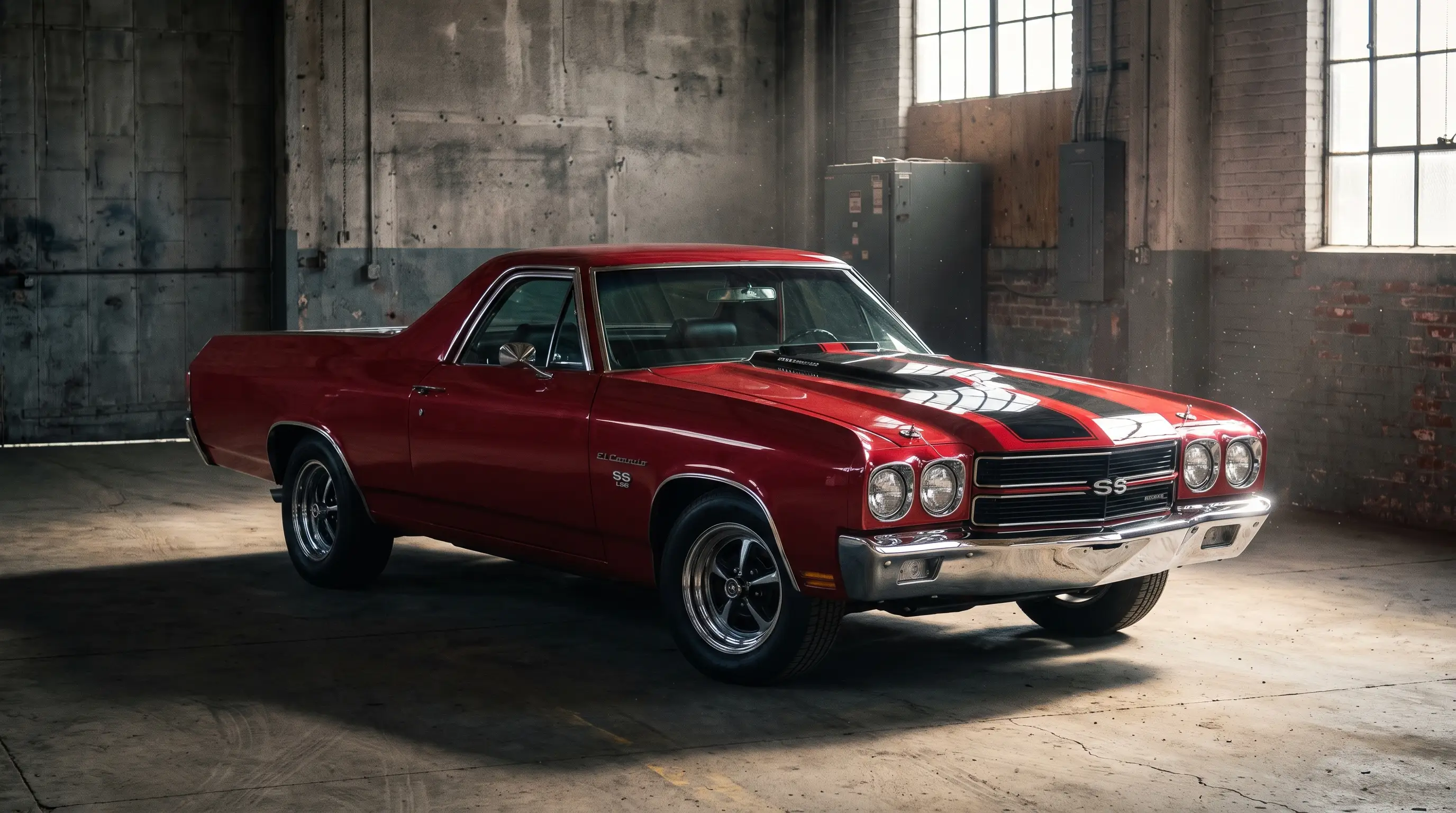
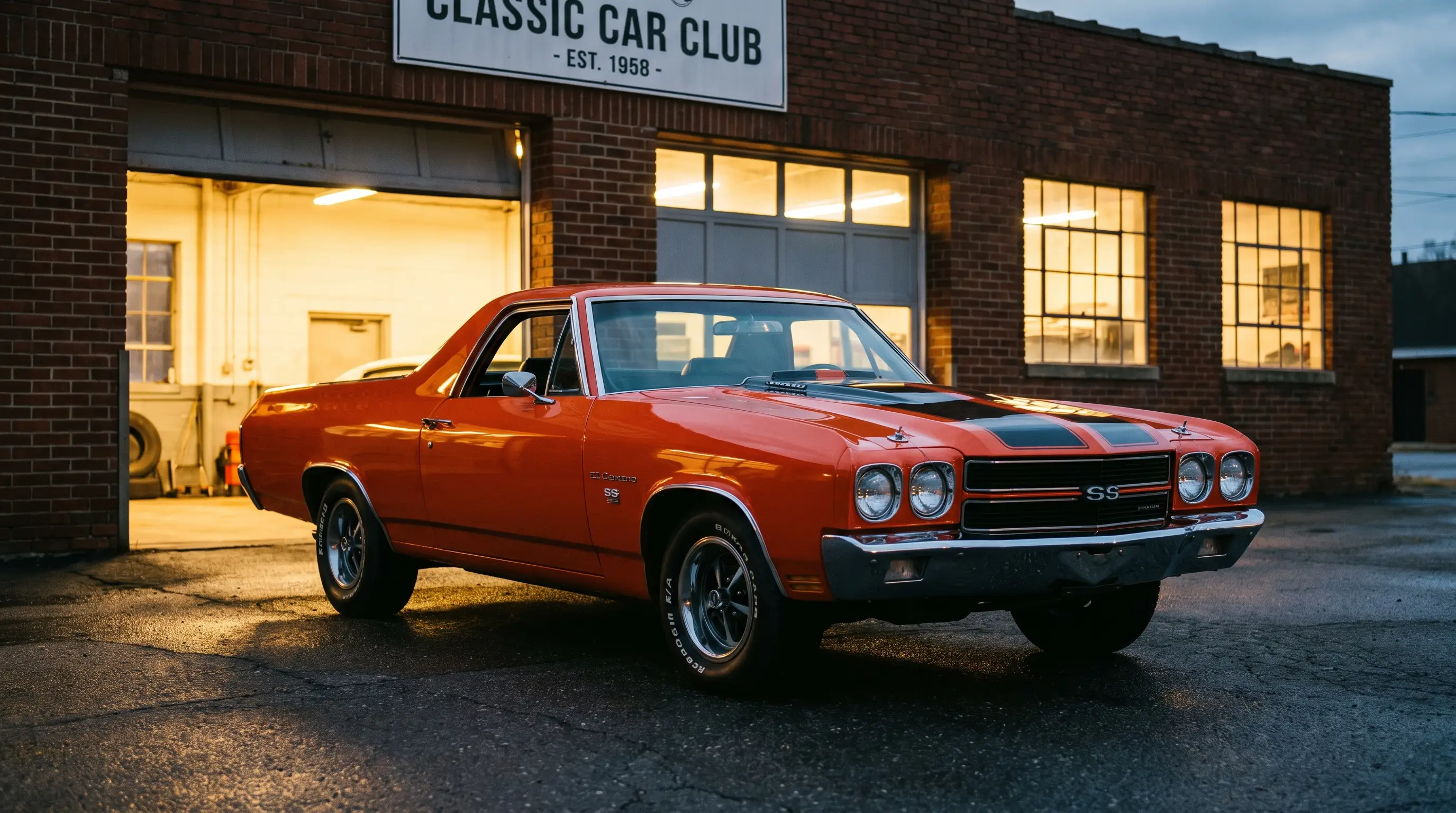
Exterior trim also varied more than later, more standardized SS years. Stripe packages were optional rather than universal in 1968, and some documented SS 396 cars left the factory without the exterior striping most people now associate with the model, relying instead on SS badging and the hood configuration to signal the option. Restorers unfamiliar with this variability sometimes add stripes to a car that was never meant to carry them, inadvertently making an original, correctly optioned car look less authentic to someone checking against photographs of stripe equipped examples from the same year.
What this means for buyers today
A documented 1968 SS 396 carries a specific kind of historical weight that later, more powerful model years do not fully replicate. It represents the first codified attempt to bring Chevelle level performance to the El Camino body, and that firstness has its own value independent of horsepower figures that would later be exceeded by the 1970 cars. Buyers researching a potential purchase should focus on verifying the original SS build documentation for that year specifically, since the option's introductory status means fewer surviving cars carry complete factory paperwork compared to the more heavily produced years that followed. keep exploring if you want to hear directly from people who own and maintain these early cars today, and classic El Camino for sale is the place to start if a documented first year SS is what you are after.
The lesson for any serious buyer is the same lesson that applies across this whole model line. Correct is not always what looks most dramatic in a photograph, and 1968 rewards research over assumption more than almost any other year in the SS lineup.