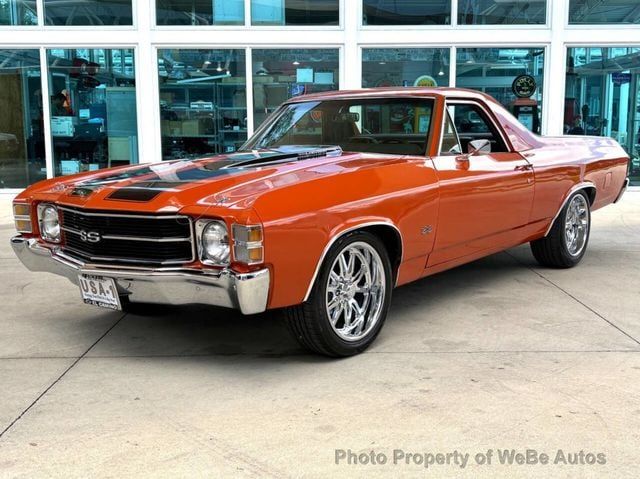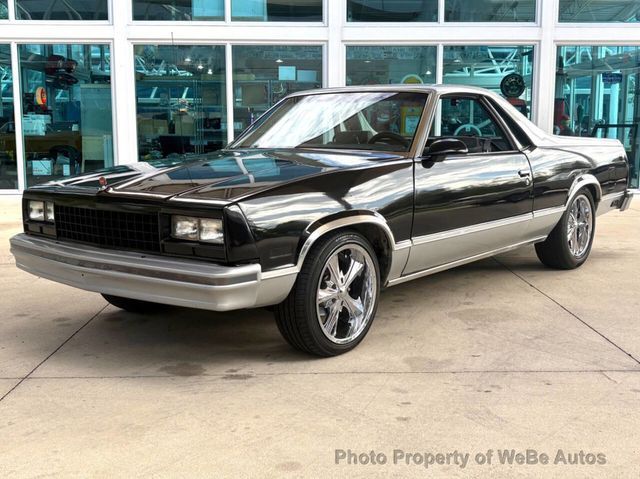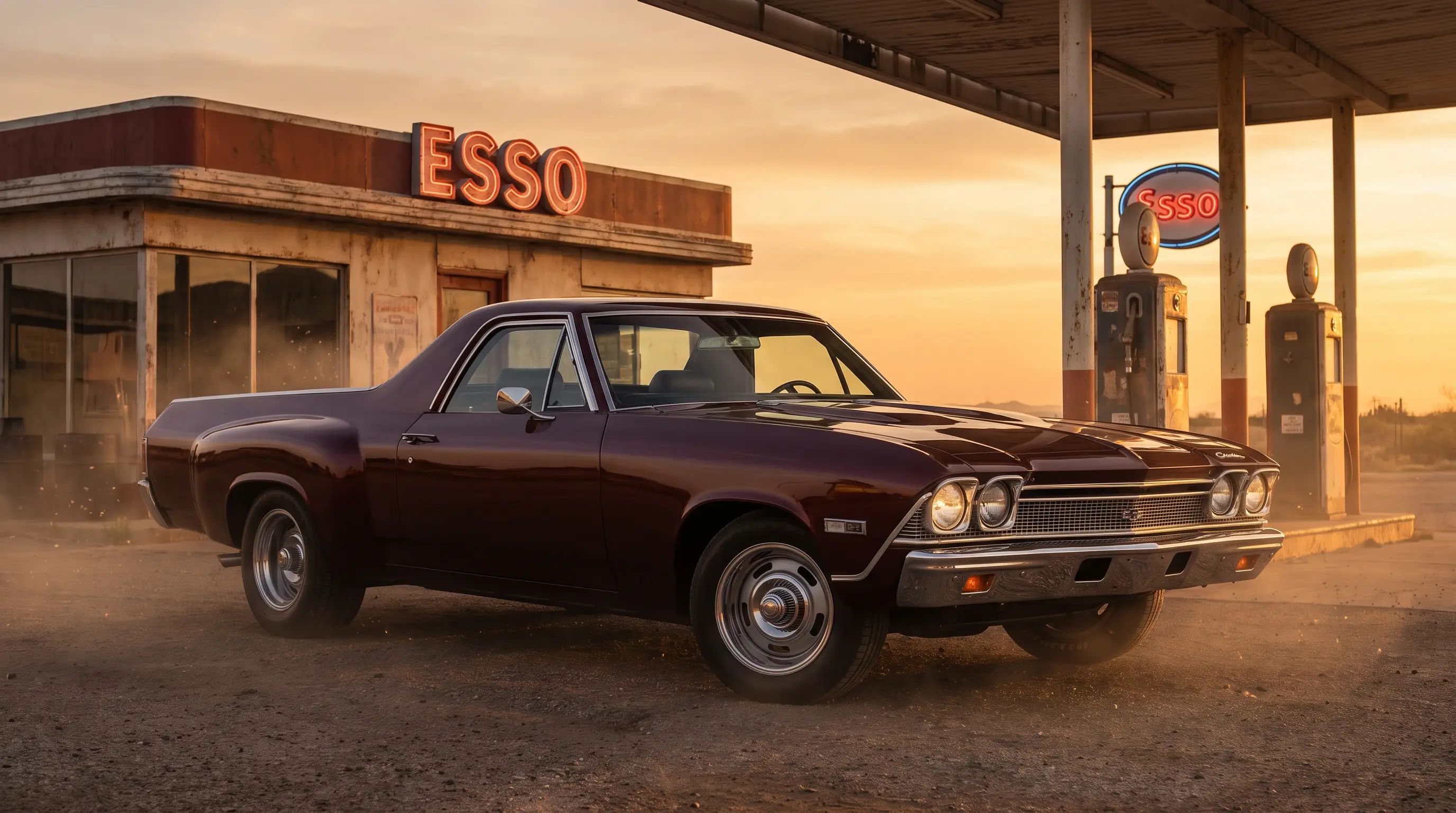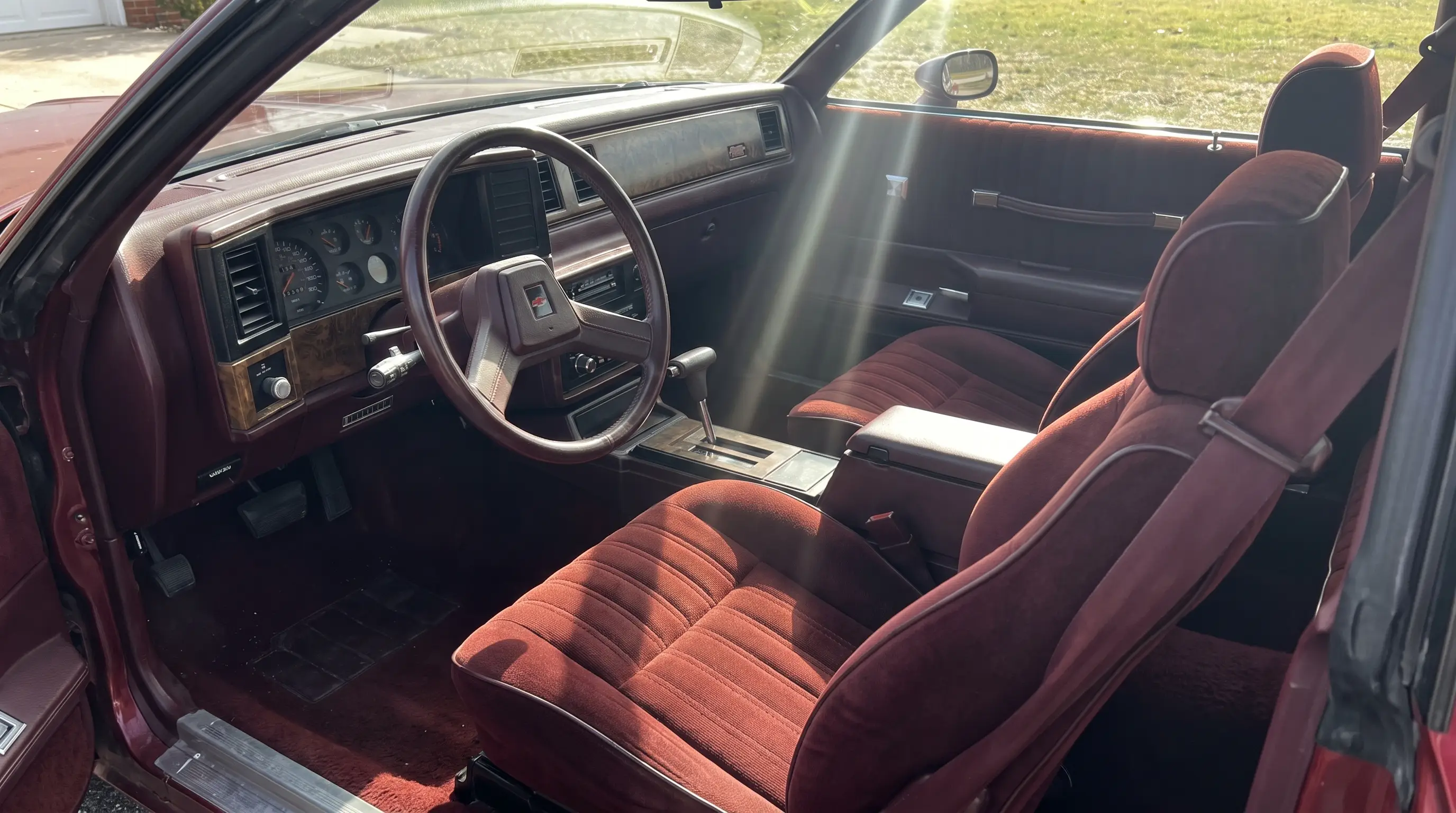
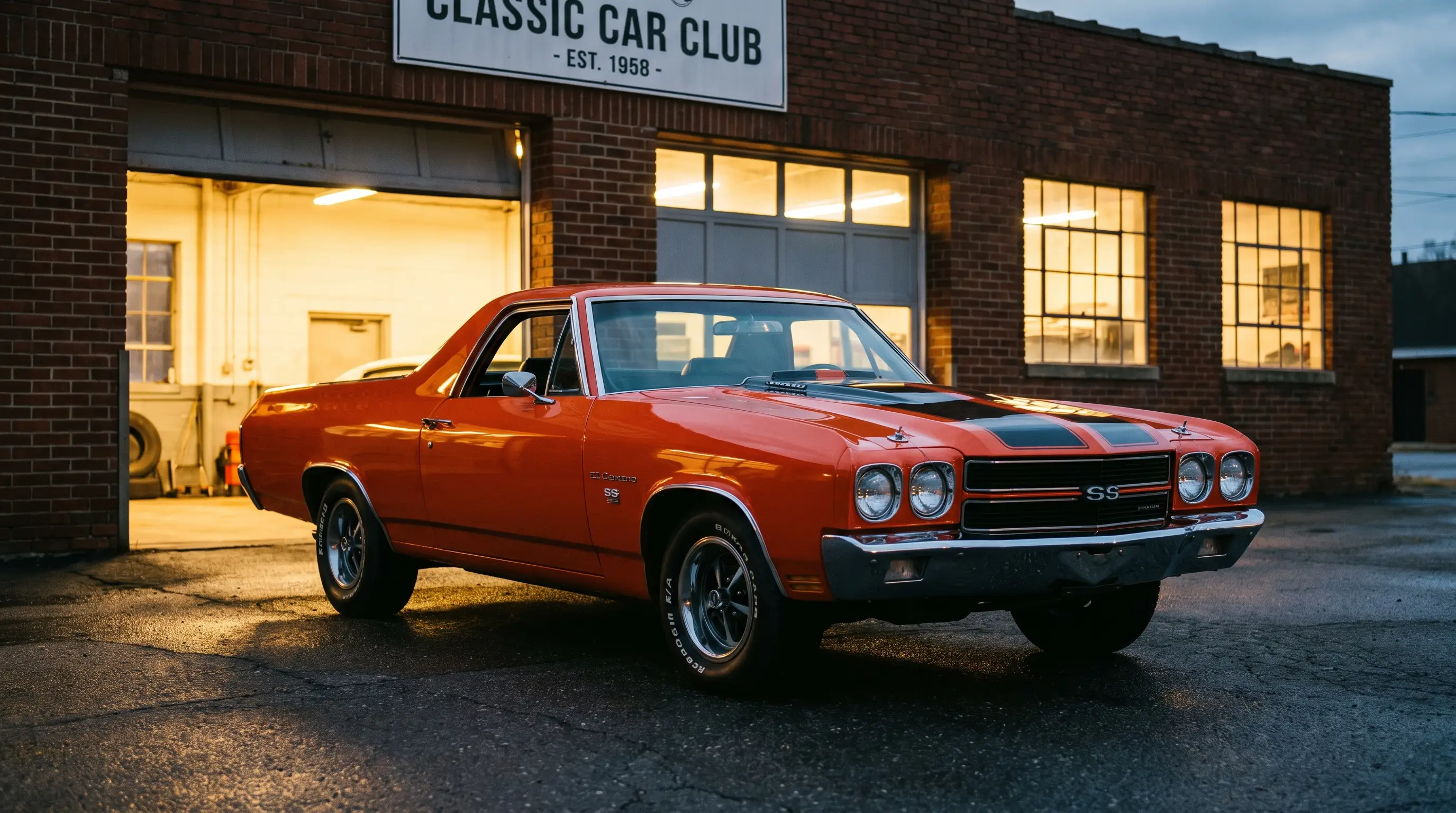
I have spent thirty years with my hands in engine bays that were not mine, and if you want to understand what actually holds a hobby together, forget the magazines and go stand in a parts store parking lot on a Saturday morning. The el camino ss owner community does most of its real work there, not on forums, though the forums help too. It is a network of people who will drop what they are doing to help a stranger find a correct cowl tag rivet, and that is worth more than any price guide.
How this group actually organizes itself
Unlike some muscle car followings that split hard between regions or engine displacements, SS owners tend to cluster around specific chapters of national Chevelle and El Camino clubs, since the two models share enough parts and history that the clubs rarely bother separating them. That overlap is a practical advantage. A Chevelle SS parts specialist can usually help an El Camino SS owner just as easily, because the drivetrains, much of the trim, and a good portion of the sheet metal are shared components between the two body styles built on the same platform.
What sets the El Camino crowd apart within those clubs is a slightly different temperament. Owners tend to talk less about numbers matching perfection and more about actually using the car, hauling something in the bed, taking it on a long drive rather than trailering it everywhere. That practical streak shapes the whole community, and it shows up in how members treat new owners who show up with a rough project car instead of a finished show piece.
The parts hunt is where the community proves itself
Anybody who has chased a correct SS specific part for one of these cars knows the reproduction market does not cover everything. Certain trim pieces, specific hardware, and some interior components simply are not being remade in enough quantity or quality to satisfy a strict restoration. When that happens, the community is the actual supply chain. Somebody in a regional club has a stash of NOS parts from a parts car bought decades ago. Somebody else knows which junkyard in another state still has a donor sitting in the back row. None of this shows up on a parts store shelf, and none of it works without owners who are willing to answer a stranger's message and actually help instead of hoarding what they know.
I have watched this play out more than once from the shop side. A customer needed a specific trim piece for a 1970 SS that had not been reproduced correctly by any of the usual suppliers. Three phone calls through a regional club network turned up a guy two states over with the exact part sitting in a box, willing to ship it for the cost of shipping plus a fair price, no markup for desperation. That is not something you find in a parts catalog. That is what the community actually is.
"You can buy every reproduction part in the catalog and still be stuck without the right guy on the phone. This community runs on people who answer their phone for a stranger, and that's worth more than any parts number."
- Mike Sullivan
New owners get absorbed fast, if they show up right
The fastest way into this group is showing up with an honest question and a willingness to listen before arguing. Owners who come in acting like they already know everything tend to get a cold reception, politely answered but not really welcomed. Owners who show up with a rusty project and admit they are in over their head usually find three or four people offering advice within the first hour of a club meeting. That dynamic has held steady for decades, and it is one of the better arguments for buying a real SS with a documented history rather than a mystery car with no paper trail, because the community tends to rally harder around a car it can help you understand. read the background on how these cars came together in the first place, since it comes up constantly in club conversations and helps a new owner ask better questions.
What the shows and meets actually look like
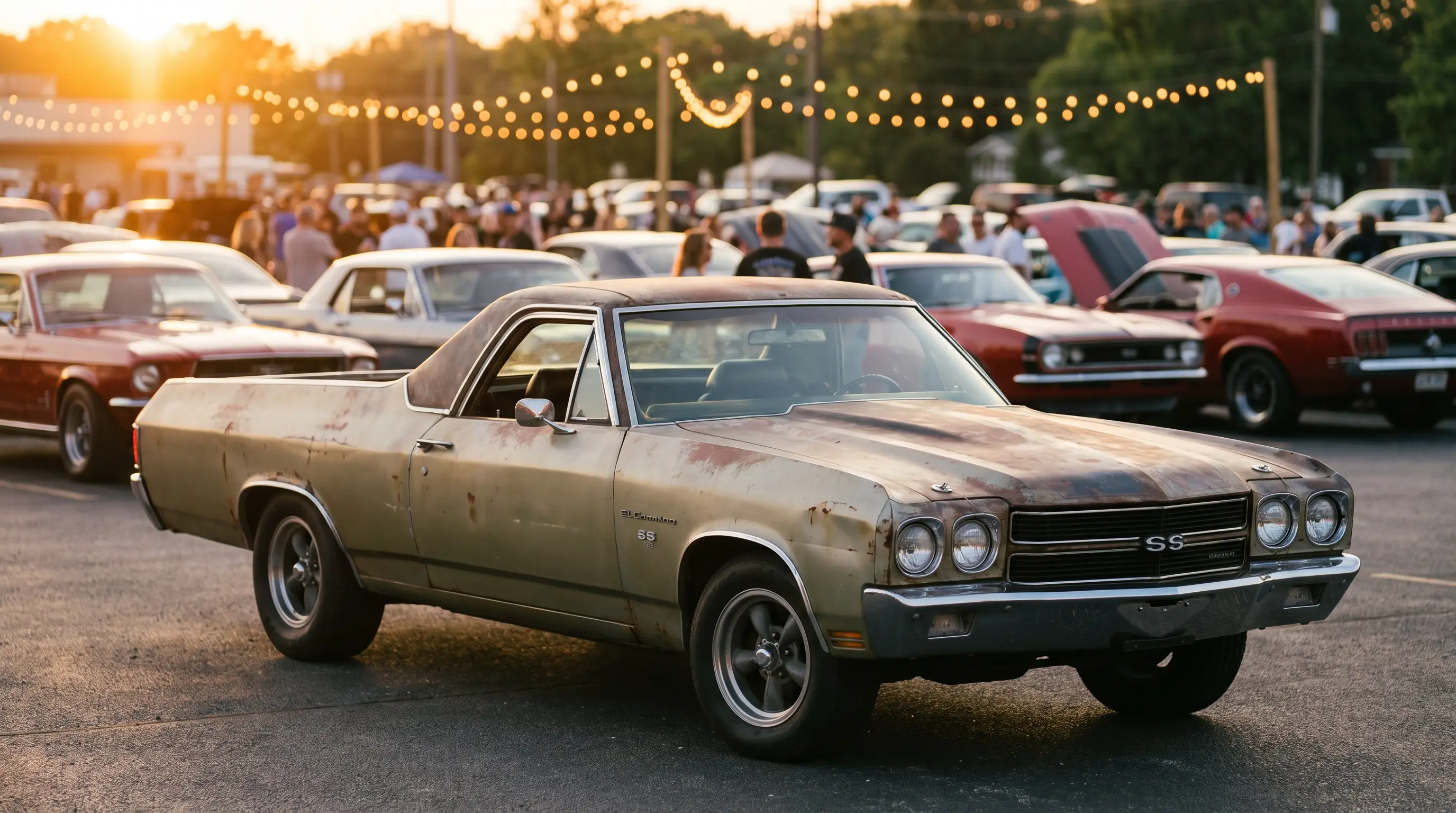
A typical regional meet is less formal than outsiders expect. Half the cars in the lot are drivers with honest wear, not trailer queens polished for judging. Conversation tends to circle around whatever somebody is currently fixing rather than whatever somebody recently won a trophy for, and that focus on the ongoing project keeps the group grounded in the actual work of keeping these cars running rather than treating them purely as static collectibles. Newer members sometimes arrive expecting a competitive, judgment heavy environment and are surprised to find the opposite, a group more interested in trading notes on a stubborn carburetor problem than comparing paint jobs.
National and regional shows still matter, and plenty of SS owners do chase awards at bigger events. But the day to day fabric of this community is built in smaller gatherings, informal driveway sessions, and online groups where somebody posts a photo of a part they cannot identify and gets four answers within the hour. That combination of formal club structure and informal mutual aid is what makes the group resilient. Clubs can fold or merge, regional chapters can shrink, but the informal network of owners helping owners tends to survive those organizational changes because it never depended on the organization in the first place.
What holds it together long term
Money is not what keeps this community running. Plenty of members have owned the same El Camino SS for decades without any intention of selling, and the club activity exists mostly for the sake of the activity itself, not for building resale value. That is a healthier foundation than a lot of collector car communities manage, and it is part of why the group tends to weather market swings better than segments of the hobby driven mainly by speculation. If you are looking to actually join that world rather than just read about it, browse classic El Camino listings and start with a car you can actually bring to a meeting, not one you are afraid to drive.
That last point is worth repeating for anyone new to the hobby. The El Camino SS was built to be driven hard and used well, and the community around it has always reflected that. Buy a car you plan to actually take to a meeting, put miles on it, and let people see it worked on rather than just polished, and you will find the doors into this group open a lot faster than any price guide or catalog could suggest.