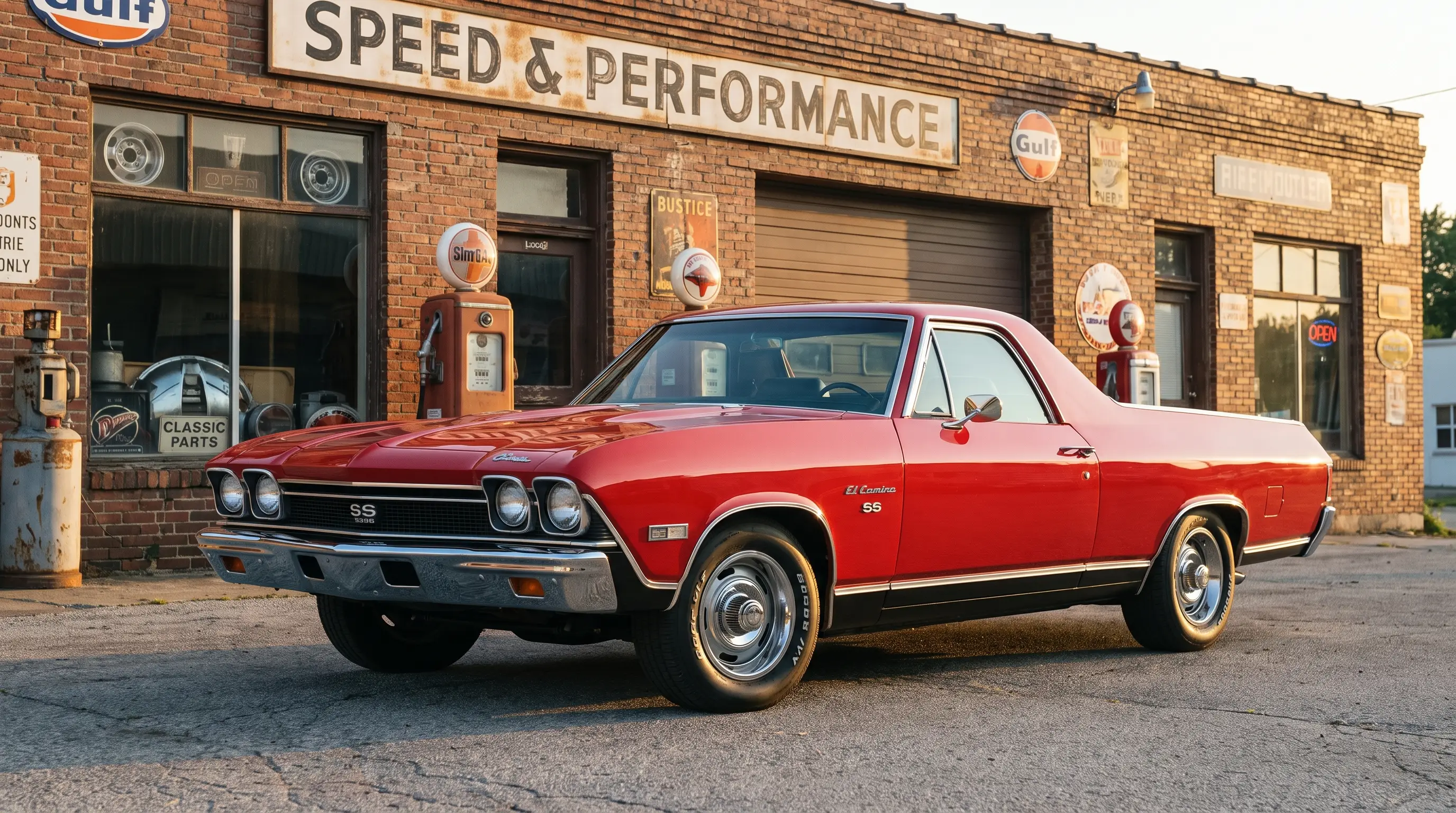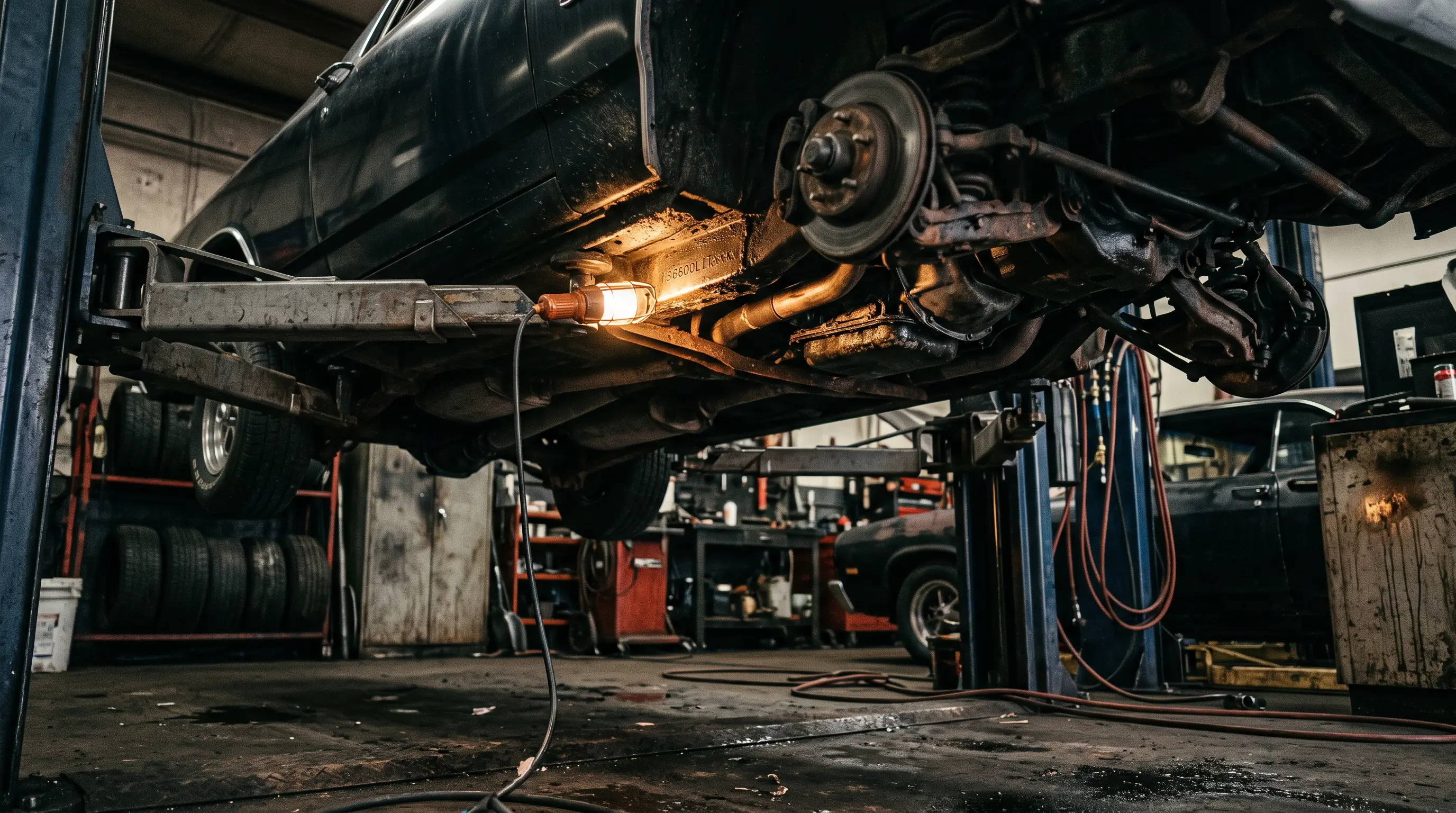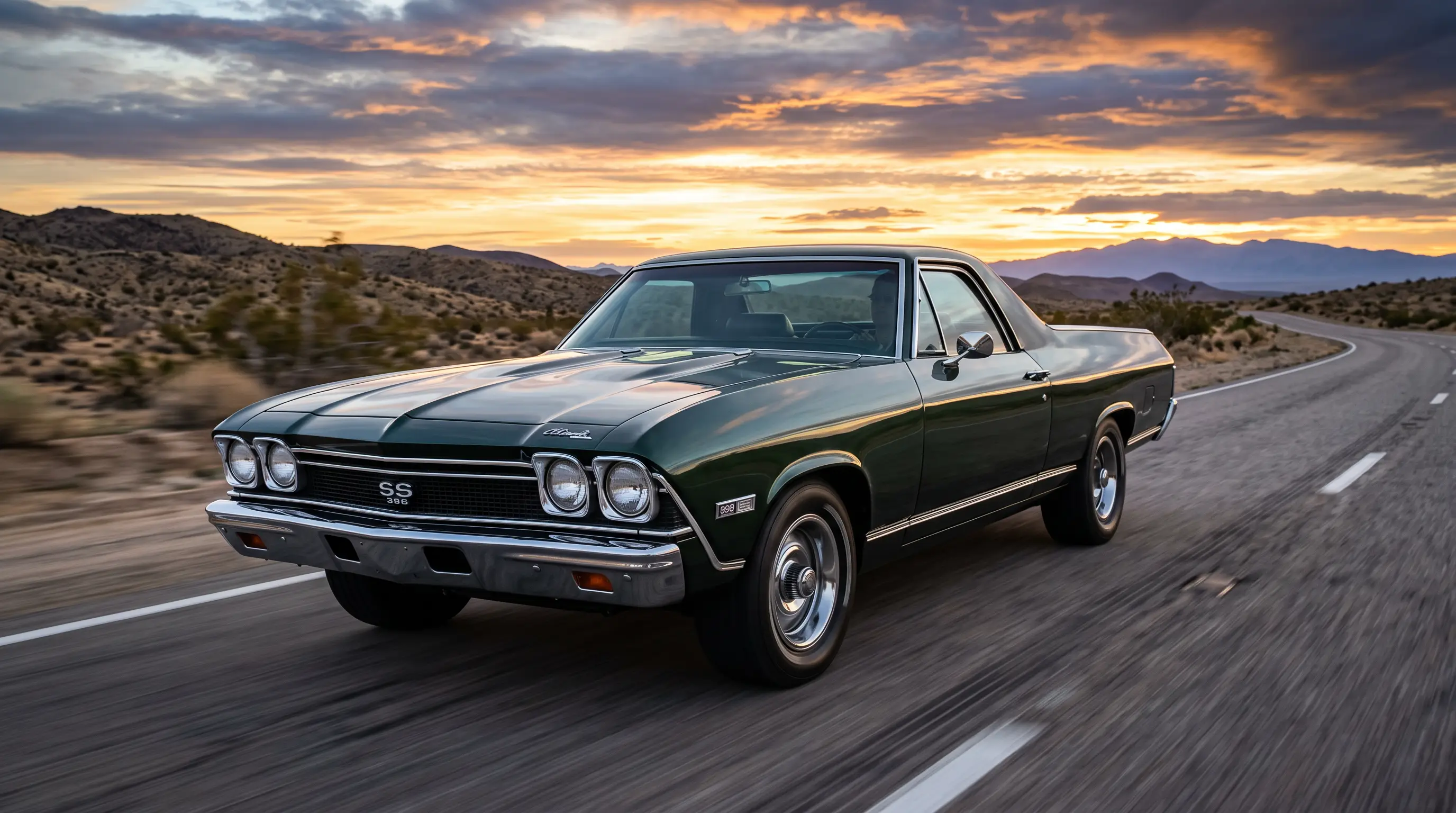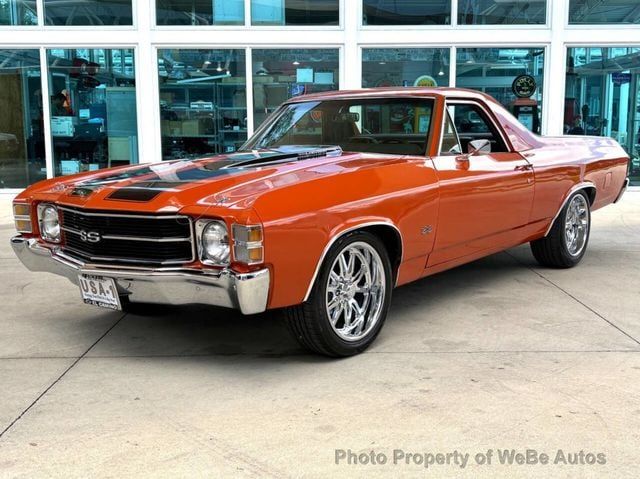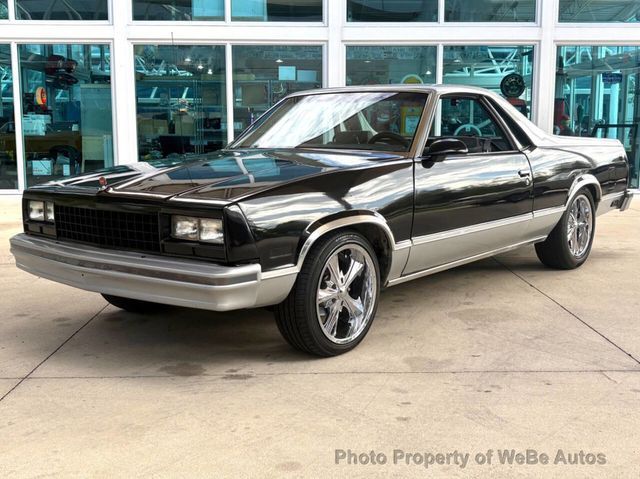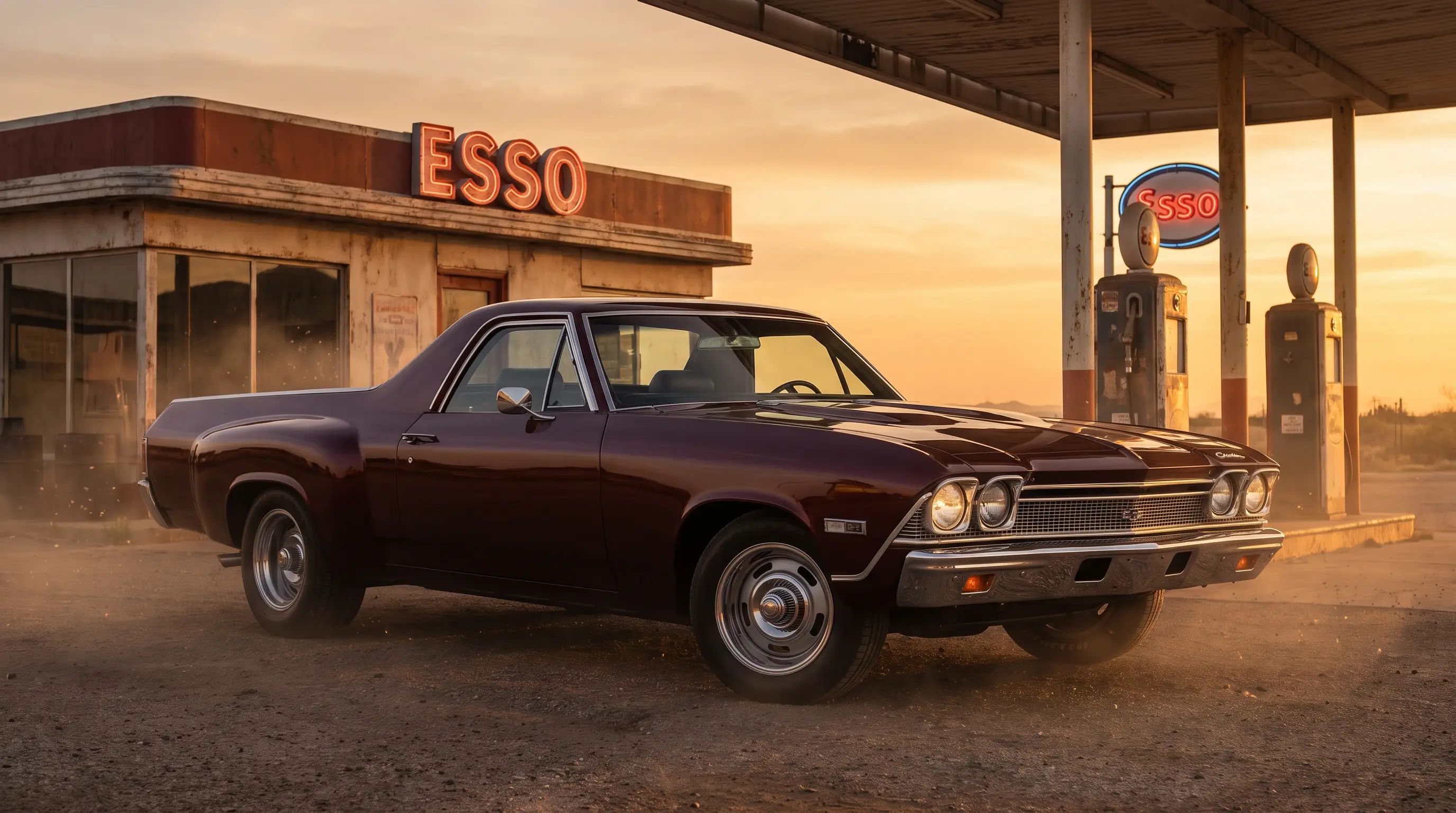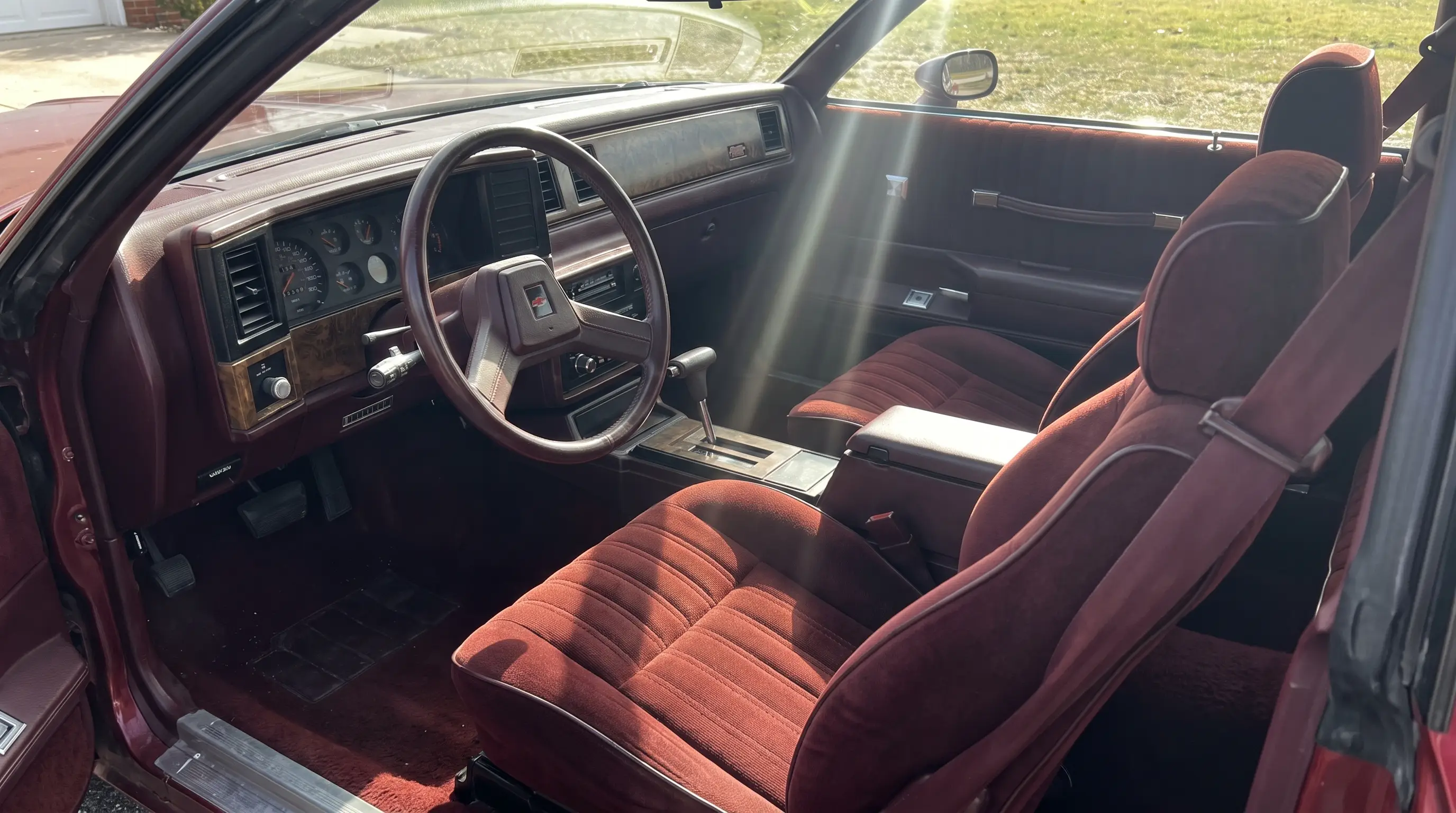
Ask a dozen serious collectors to name the El Camino SS models collectors chase hardest and you will get a dozen answers with maybe three cars in common. That is the nature of any el camino ss most wanted list. Rarity, engine choice, and personal nostalgia all pull in different directions, and the market has never fully agreed on a single hierarchy. What follows is not a definitive ranking so much as the cars that keep coming up, year after year, whenever this argument starts at a swap meet or an auction preview.
The 1970 SS 454 sits at the top for most buyers
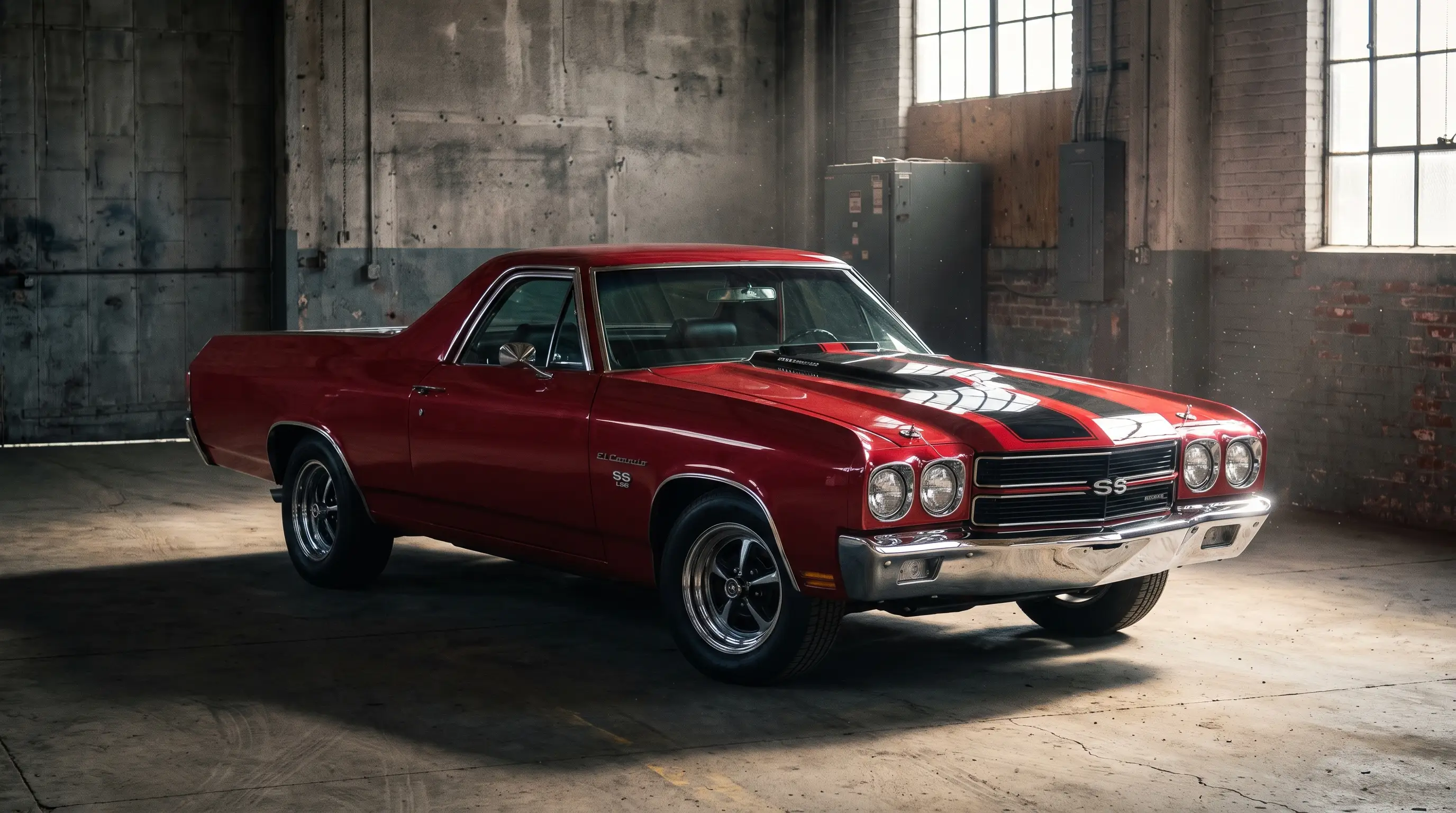
If there is a consensus pick, this is it. 1970 was the peak horsepower year across Chevrolet's muscle car lineup before insurance rates and emissions rules started squeezing the segment, and the El Camino SS got the same LS6 454 option that made the Chevelle SS famous that year. A documented LS6 car is the single hardest El Camino SS to find in genuine, unmolested condition, and prices reflect that scarcity every time one crosses an auction block with real paperwork behind it.
The first year 1968 cars carry historical weight
Collectors who care about firsts gravitate toward the 1968 SS 396, the model year that introduced the Super Sport package to the El Camino nameplate at all. It does not have the horsepower numbers of the 1970 cars, but it has the story, and story matters enormously in this hobby. Owners of documented 1968 SS models tend to describe them less as investments and more as artifacts, the car that started the whole lineage the rest of this list depends on.
| Model year | Why it is chased | Typical rarity signal |
|---|---|---|
| 1970 SS 454 LS6 | Peak factory horsepower, final year before decline | Documented LS6 build sheets are scarce |
| 1968 SS 396 | First year of the SS package on this nameplate | Early production and low survival rate |
| 1969 SS 396 | Refined styling year, strong driver demand | Common but well regarded among enthusiasts |
| 1971 SS 454 | Last year the 454 was rated in gross horsepower before net ratings arrived in 1972 | Fewer high option builds survive intact |
Why 1969 stays underrated and still sells well
The 1969 SS 396 rarely tops these lists, and that is arguably a mistake. It carries a cleaner facelift than the 1968 car in the eyes of many owners, better build quality as Chevrolet worked out early assembly issues, and it is genuinely more available today, which makes it the practical choice for a buyer who wants an authentic SS experience without competing against the handful of collectors chasing a 1970 LS6. Dealers who specialize in this era will tell you the 1969 moves steadily, without the price spikes and dips that hit the more famous years.
What actually drives demand beyond the spec sheet
Horsepower explains part of the hierarchy, but documentation explains more of it than most buyers expect. A 1969 SS 396 with a complete paper trail, original Protect-o-Plate, and a known ownership history will often outsell a 1970 454 with murky records and a repaint nobody can account for. Collectors chasing these cars are not simply chasing the biggest number under the hood. They are chasing certainty, because certainty is what protects the investment once the car changes hands again down the road. more on the el camino ss covers how these engine and trim combinations came together across the model's run, which is essential reading before chasing any single year too hard.
"Ask any serious collector which SS they want and you'll get a year, an engine code, and usually a strong opinion about why everyone else's favorite is overrated. That argument is half the fun of this hobby."
- Patrick Walsh
The overlooked contenders worth watching
Beyond the headline years, a handful of El Camino SS variants get quietly chased by a smaller but committed group of buyers who know something the broader market has not caught up to yet. Cowl induction cars from the early seventies, which added a functional hood scoop feeding cold air directly to the carburetor, appeal to buyers who want a factory performance feature that is rarer than the base SS package itself. Cars ordered with the M22 close ratio four speed manual, often called the rock crusher for its distinctive gear whine, draw a specific kind of enthusiast who values the driving experience over outright horsepower figures. These are not the cars that headline auction catalogs, but they are the ones that patient collectors quietly track for years before one finally comes up for sale.
Color combinations matter more to this hierarchy than most outside buyers assume. A 1970 SS 454 in a rare factory color with the correct stripe delete option, meaning the buyer originally ordered the performance package without the visual stripe kit, can command real attention from purists who see the stripe delete as a sleeper statement rather than a missing feature. These details rarely show up in a basic listing description, which is exactly why buyers who do their homework on option codes tend to find better deals than those relying on photographs and a seller's summary alone.
How regional demand shifts the picture
Geography changes this list more than people expect. In parts of the country with strong drag racing heritage, big block cars with documented factory performance options command a premium that outpaces national averages. In regions with a stronger cruise and show culture, cosmetic factors like color, stripe package, and interior condition can matter as much as the engine under the hood. A serious buyer benefits from understanding which market they are shopping in before assuming a national price guide reflects what a specific car will actually bring at a local sale.
Building your own priority list
The honest advice for a new buyer entering this market is to stop chasing somebody else's most wanted list and build a shorter one based on what you can actually verify and afford. A well documented 1969 or 1971 SS bought right will bring more genuine satisfaction than an aspirational 1970 454 purchased on thin paperwork and hope. For the full context on how the El Camino nameplate got to this point in the first place, our complete history is worth reading before you commit to any single year. When you are ready to start looking, classic El Caminos on the market is where the search should begin.
Whatever year ends up at the top of your own list, the underlying lesson holds across all of them. Rarity without documentation is just a story, and horsepower without a verifiable build sheet is just a claim somebody is making about a fifty year old car. The buyers who do best in this market are the ones who treat the most wanted list as a starting point for research, not a shopping list to satisfy on price alone.