
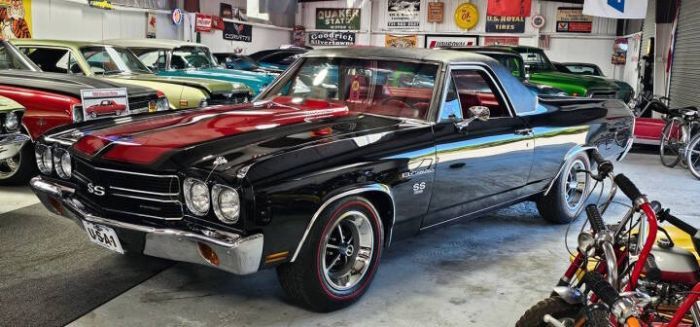
A man in Bakersfield keeps a photograph taped inside his tool cabinet: his father, twenty-six years old, leaning against a black 1970 El Camino SS with the desert behind him and a cigarette he never lit for the camera. Nobody in that photo is famous. The car is not signed by anyone. But the picture explains something that magazine features rarely capture, which is why the El Camino SS in pop culture keeps surfacing in places that have nothing to do with car culture at all. It shows up in songs, in movies nobody quite remembers the plot of, in family albums like this one, and in the background of television scenes where the writers wanted "working class, but proud of it" without saying a word.
Car Features
7 min read
The El Camino SS in Movies, Music and Memory
The El Camino SS in pop culture rarely gets the hero shot, but its long run through film, music and family photo albums explains why owners still feel it as personal rather than just historical.
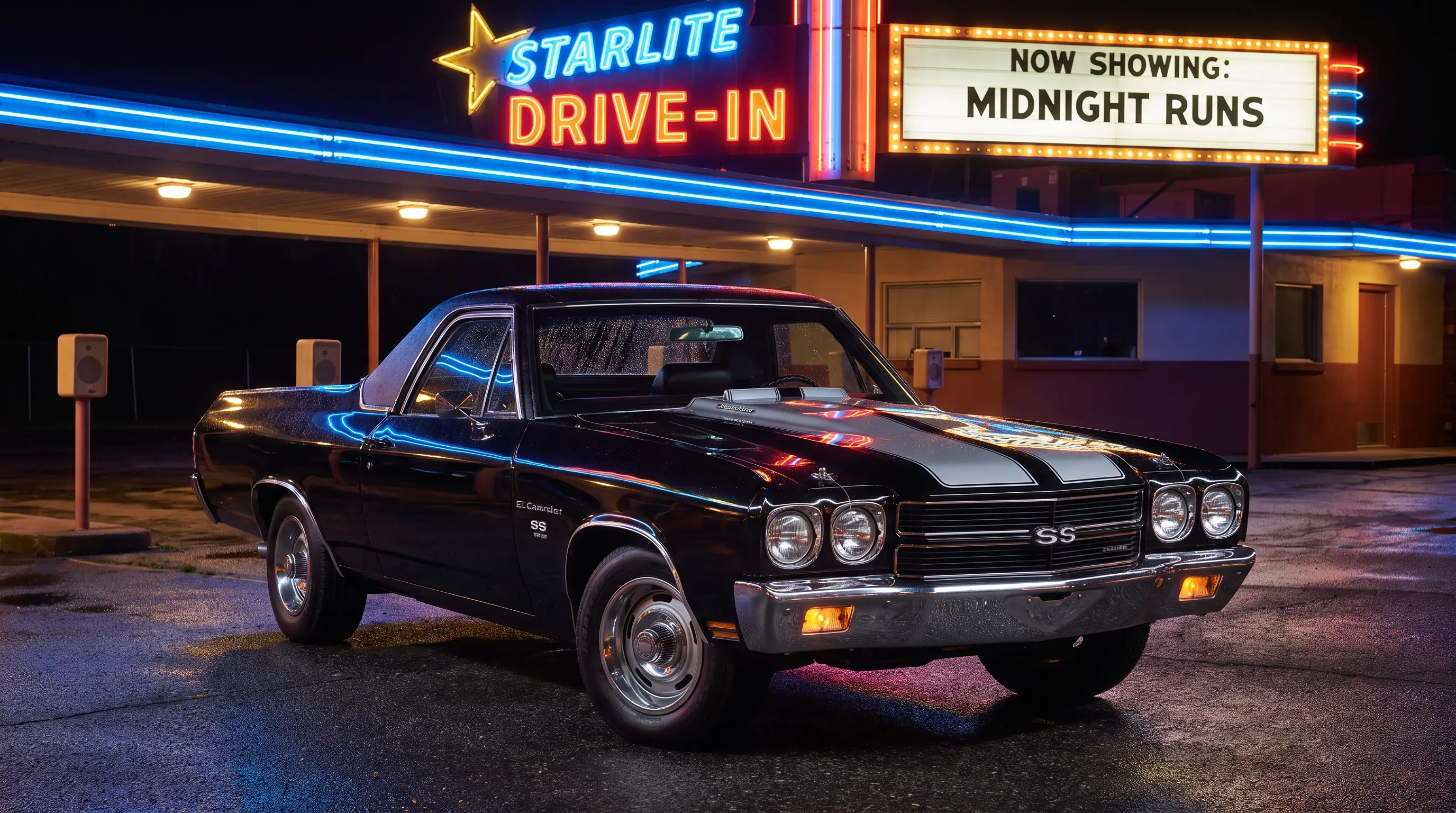
That is the strange durability of this vehicle. It was built to be useful, and somewhere along the way it became symbolic.
The screen never forgot it
The El Camino SS has never been the hero car in the way a Mustang or a Charger gets to be the hero car. It rarely gets the chase scene. What it gets instead is the quieter, more telling shot: parked outside a diner, idling at a stoplight next to a character who is supposed to read as competent and a little dangerous. Film and television crews reach for it when they want an actor to look like he built something with his hands, or like he might have. A muscle car with a bed on it does not read as vanity. It reads as a man who works and also happens to have taste, and that combination is harder to fake with a two door coupe.
Music videos leaned on the same instinct through the seventies and into the low rider era, especially on the West Coast, where the El Camino's bench seat and long lines made it a natural fit for slow, deliberate cruising shots. The car photographs like it is already moving even parked.
Why the shape kept getting cast
Part of the answer is proportion. The long hood, the short deck, the bed integrated so cleanly into the body that first time viewers sometimes ask whether it started life as a wagon. Part of the answer is contradiction, and contradiction is what directors and songwriters actually want. A muscle car should not have a truck bed. A truck should not have a 454 under the hood. The El Camino SS breaks a rule that most viewers cannot articulate but feel anyway, and that friction is what makes it memorable on screen even in a five second shot.
Memory does the rest
Screen time explains recognition. It does not explain devotion. That comes from ownership, and from the way a specific car attaches itself to a specific person's life story. Ask ten SS owners why they bought theirs and at least half will mention someone. A father who had one. A neighbor who let them sit in it as a kid. A photograph like the one in Bakersfield. The car becomes a stand in for the person, which is why so many owners talk about "keeping dad's car right" rather than "restoring a 1970 El Camino." If you want the full mechanical and production story behind that specific year, el camino ss history covers the numbers and the engineering decisions that made the SS what it was.
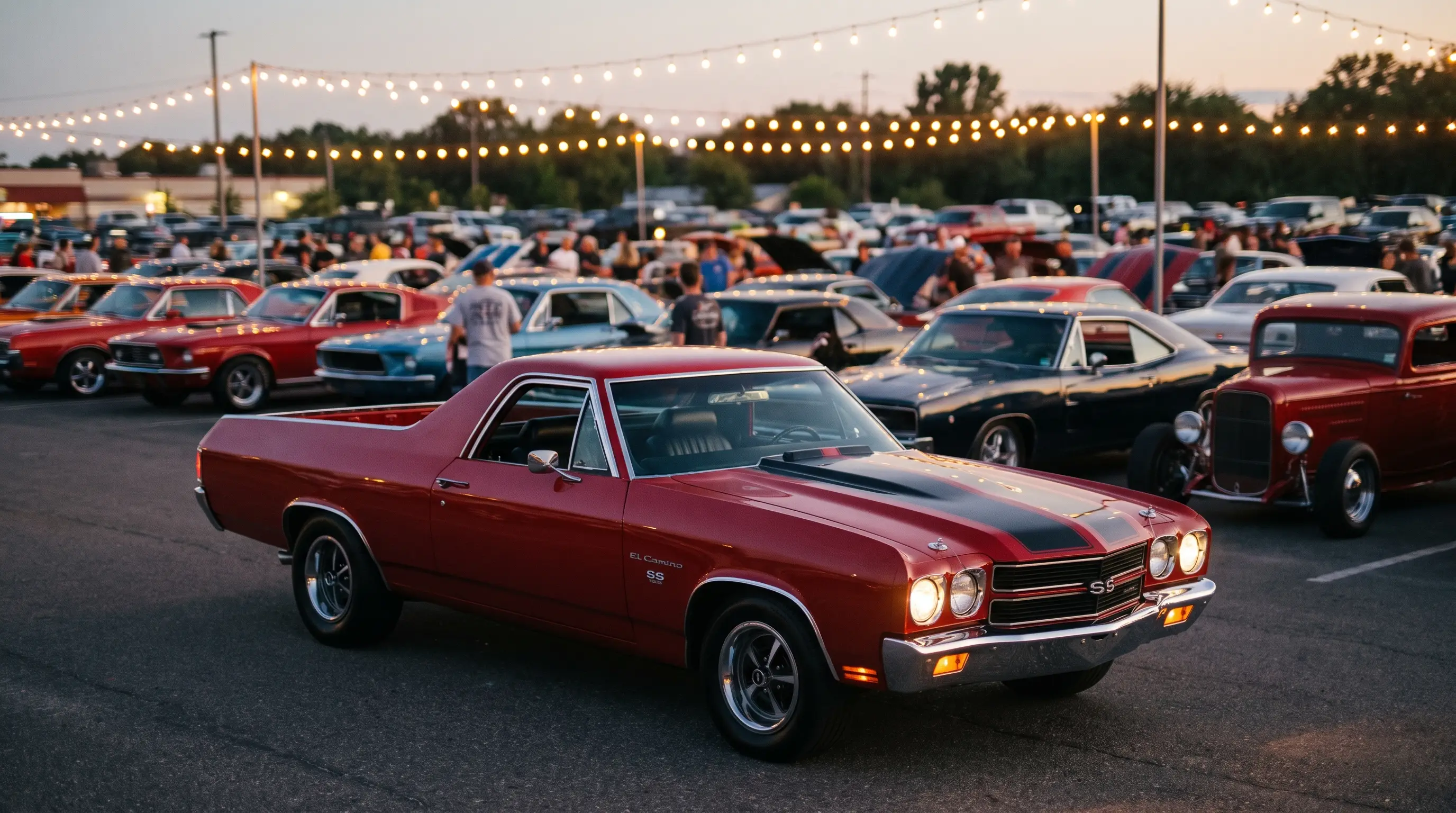
There is also the cruise night dimension, where the car is not remembered so much as re-performed every weekend. Owners bring their El Camino SS out under the same lights their fathers cruised under, park it nose out the same way, and let a new generation photograph it for reasons that have nothing to do with the movie or the song and everything to do with the fact that it still looks right doing it. a related story gets into that ritual in more detail.
Collectors chase the same feeling
None of this is lost on the market. Auction houses that catalog the El Camino SS lean hard on provenance language when a car has any connection to a known event, a known owner, or a documented build history, because buyers are not only purchasing sheet metal and a drivetrain. They are purchasing the right to say their car belongs to the same story that made the model famous in the first place. A clean, honest SS with paperwork sells faster than a flashier car with a mystery past, because the story is half the value.
"People don't fall for the El Camino SS because of a movie scene. They fall for it because it looks like somebody they loved, and once that connection is made, no amount of rust or bad paint is going to talk them out of buying it."
- Nora Beckett
The stereotype it never quite earned
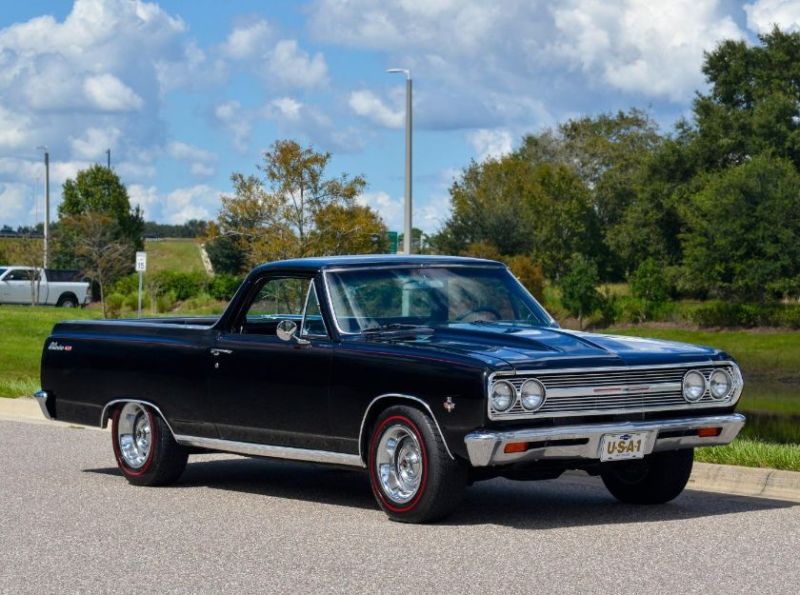
There is a version of the story where the El Camino SS gets reduced to a punchline, the butt of jokes about half truck, half car, all confusion. That reputation exists mostly among people who never drove one. Owners tend to shrug it off, because the joke misses the actual appeal. Nobody who has sat behind the wheel of a 1970 SS 454 thinks of it as a compromise. It is a full sized muscle car that happens to also haul a load of firewood or a motorcycle, and that combination made it genuinely useful in a way a Chevelle SS never was. The jokes say more about people's assumptions than about the car itself, and every owner interview on the subject eventually circles back to that point.
It also helps that the El Camino outlasted most of its muscle car siblings by well over a decade. The Chevelle SS effectively ended as a performance nameplate by the mid seventies. The El Camino kept going into the G body era of the eighties, carrying that reputation into music videos and films from a period when most other muscle cars had already been forgotten or crushed for scrap value. That longevity is part of why the SS shows up across such a wide span of decades on screen, from gritty seventies dramas to eighties television, without ever feeling like a prop pulled from the wrong era.
Still finding new audiences
Every few years a new wave of buyers discovers the El Camino SS through exactly the channels that built its reputation the first time: a scene in an old film they stumbled onto, a song their parents played, a photograph passed down. The car does not need a marketing campaign. It has five decades of accidental cameos and family garages doing that work for it, quietly, one memory at a time. For anyone who has watched one of those scenes and wanted to own the feeling rather than just the footage, El Caminos for sale now is where that search actually starts.
Sources and notes
Related Reading
Have a
Chevrolet El Camino
for Sale?
Reach thousands of serious classic car collectors across the US.
Sell It Here →
Selling a classic? Here's how: sell my classic car
Are You a Classic Car Dealer?
List your full inventory and connect with targeted classic car buyers.
Join as a Dealer →

About the author
Nora Beckett
Automotive features writer and photographer who tells the human stories behind the cars, from show fields to cross-country road trips.
Related Listings - Chevrolet El Camino
Comments
Be the first to comment on this article.