
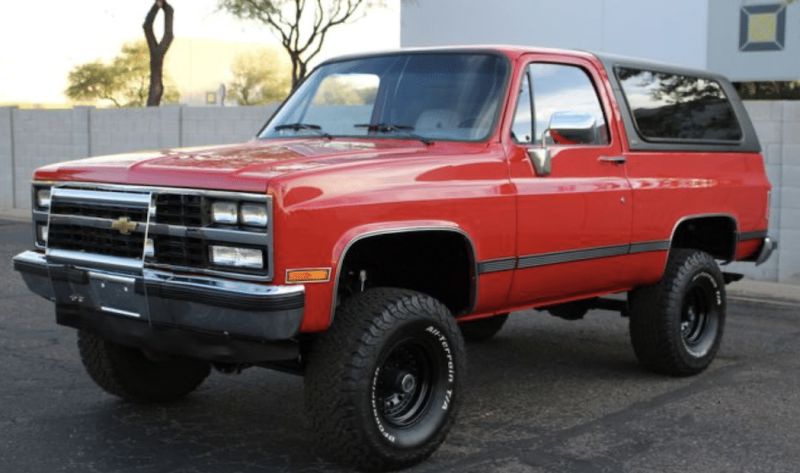
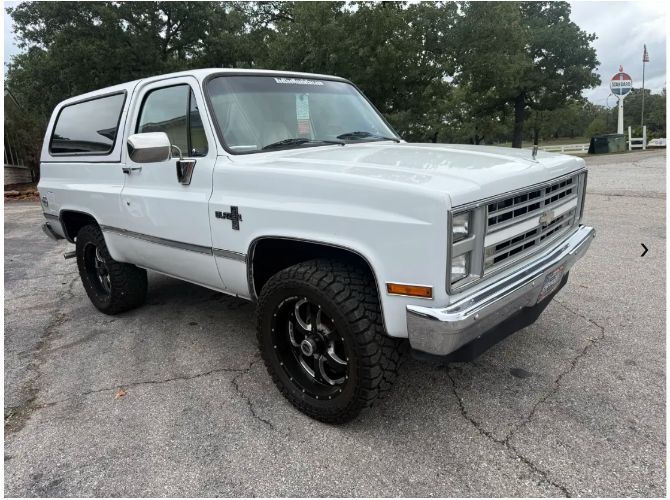
A k5 blazer 1969 restoration is rarely just a mechanical project, and anyone who has spent real time around this hobby knows it. It is an act of preservation aimed at a specific slice of American truck history, the removable-top era that Chevrolet built from 1969 through 1975 before moving to a fixed half-cab roof for 1976. Understanding why people commit years and real money to bringing one of these trucks back is less about the bolts and more about what the finished truck represents once the work is done.
Car Features
6 min read
Restoring a 1969 K5 Blazer as a Cultural Pursuit
A k5 blazer 1969 restoration is rarely just mechanical. It is an act of preservation tied to family history, documentation, and a community that keeps the record straight.
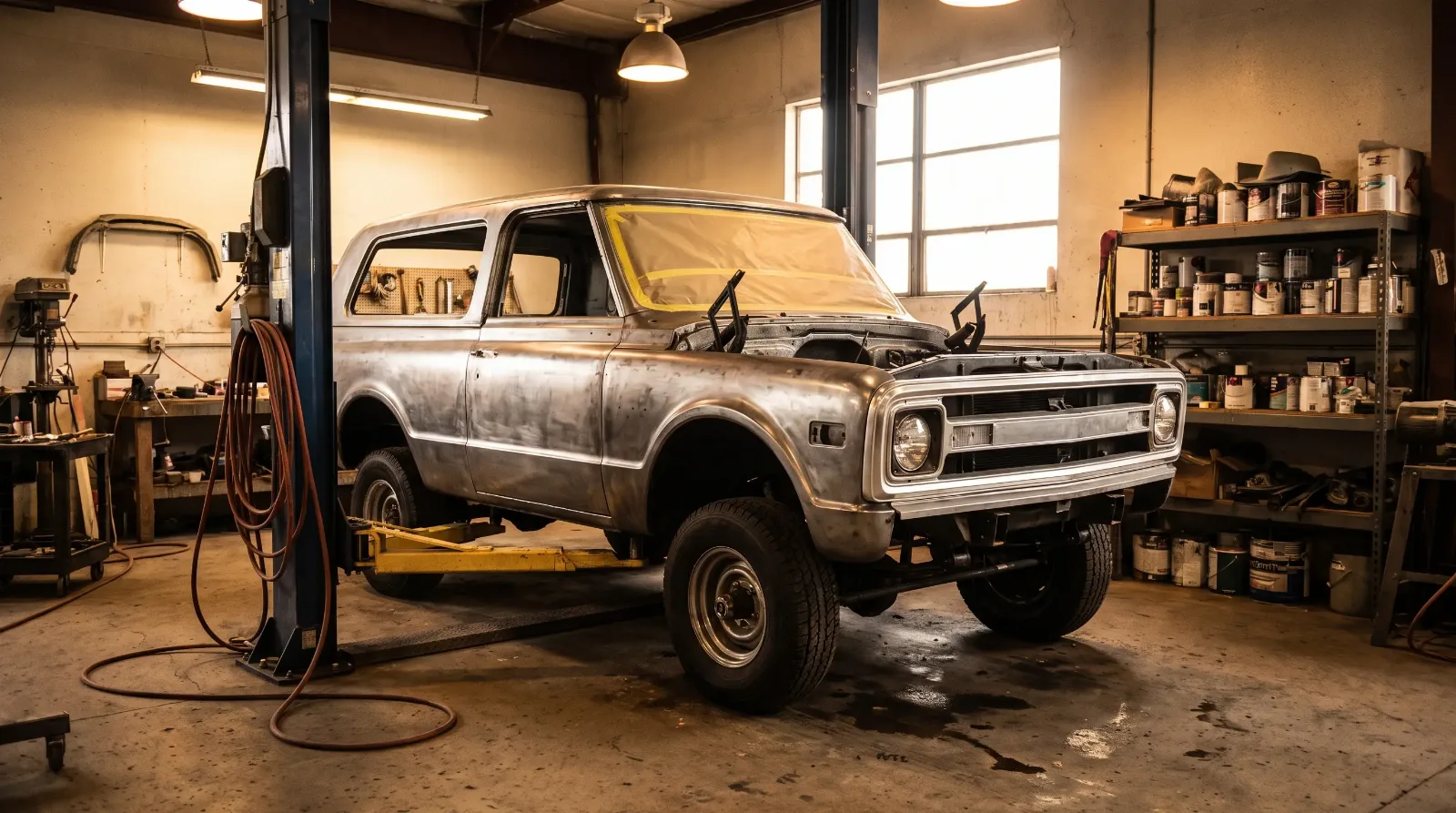
Why this particular truck draws restorers back
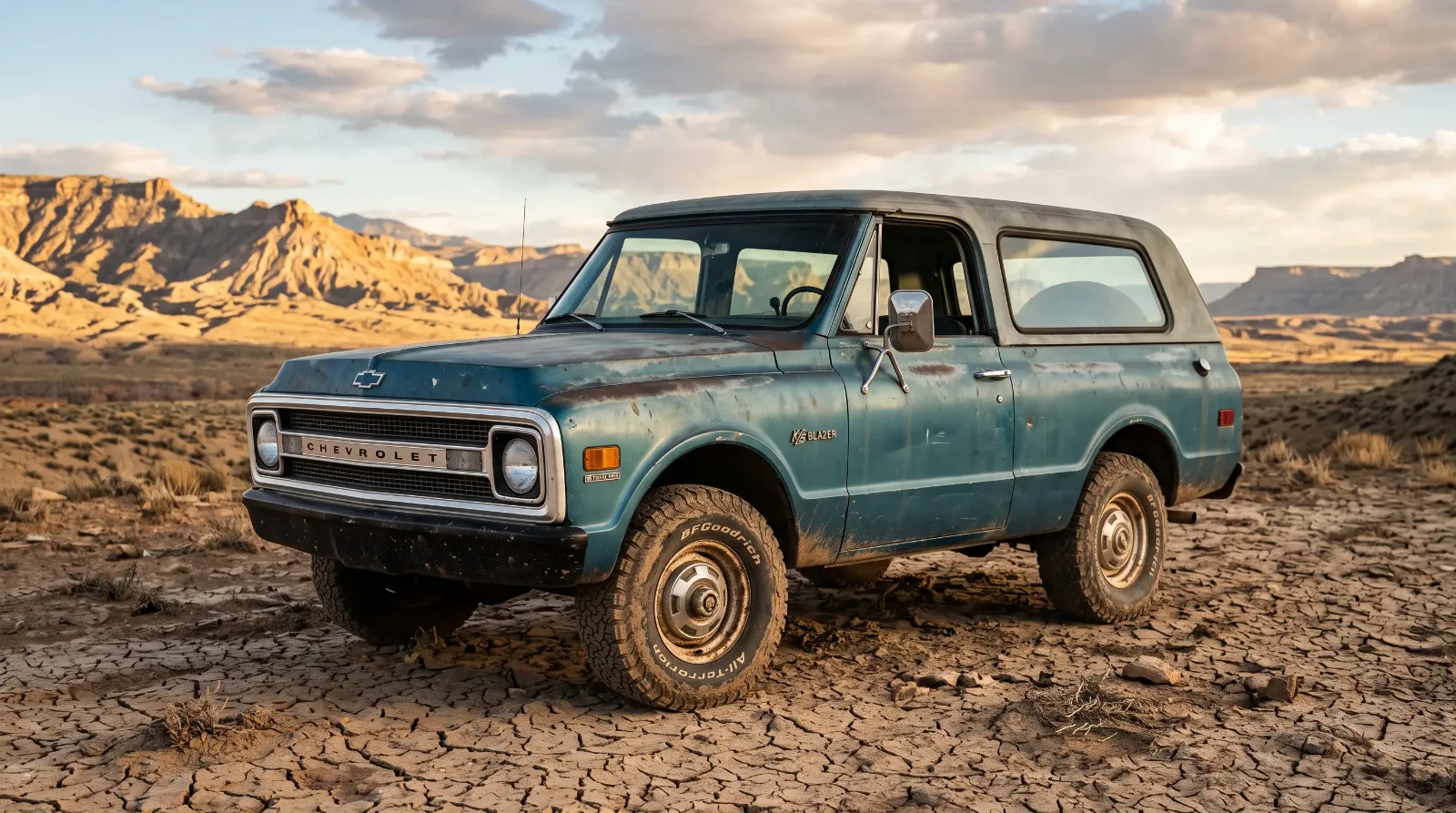
The 1969 through 1975 removable-top Blazer occupies a historical window that later Blazers never revisited. Chevrolet's decision to move to a fixed half-cab roof for 1976, made largely for rollover-safety reasons, means the earliest trucks carry a distinction the rest of the model's long production run does not share. For restorers drawn to firsts and to design choices a manufacturer later abandoned, that alone is enough to make a rough 1969 example worth pursuing over a cleaner, more common later-year truck.
There is also a generational element that shows up constantly in restoration circles. Many people bringing these trucks back are doing so because a parent or grandparent owned one, and the restoration becomes as much about reconnecting with that family history as it is about the vehicle itself. The truck becomes a vessel for a story that predates the current owner, and finishing the work often carries an emotional weight that a purely mechanical project would not.
What documentation adds beyond the paint and the parts
Serious restorers treat original documentation, build sheets, dealer invoices, period photographs, as inseparable from the physical work itself. A truck restored to visually match its original specification but lacking any paper trail tells an incomplete story next to one where every detail, down to the factory paint code, traces back to verifiable records. There is no single centralized public archive for original 1969 Blazer build sheets, so this work typically means combining GM dealer and title records, marque club and registry files, and family-held paperwork rather than pulling from one authoritative database. That documentation work is its own discipline within the hobby, closer to historical research than to mechanical labor, and the people who do it well often know more about a specific truck's factory configuration than the original selling dealer ever recorded.
The community that carries this work forward
What keeps this restoration culture alive is less any single collector and more the network around them, regional clubs, online forums built around specific model years, and swap meets where parts and knowledge change hands as often as money does. A first-time restorer working on a 1969 Blazer today benefits from decades of accumulated community knowledge about which reproduction parts fit correctly, which vendors are trustworthy, and which shortcuts inevitably cause problems down the road. That collective memory did not exist in any organized form even twenty years ago, and its growth tracks the broader rise of interest in this specific truck and era.
Read 1969 k5 blazer history and you will notice how often individual owner stories echo each other, a truck found in a field or a barn, a slow multi-year process of bringing it back, and eventually a finished vehicle that means as much for the process as for the result. That pattern repeats across enough restorations that it starts to feel like a defining feature of this specific corner of the hobby rather than a coincidence.
"Every serious restoration I have researched has a paper trail attached to it somewhere, and tracking that paper trail down is half the actual work. The truck tells you what happened to its body. The documents tell you what happened to its story."
- Tom Ramirez
What sets a serious restoration apart from a cosmetic refresh
Not every truck that gets called restored has actually earned the word in the way serious collectors use it. A cosmetic refresh, new paint over an untouched chassis, a reupholstered seat with no attention paid to matching factory patterns, produces a nicer-looking truck without meaningfully preserving anything historical about it. A genuine restoration in this community carries a different standard, one where research and documentation guide decisions as much as aesthetics do, and where a builder is willing to spend more time and money getting a detail right than a casual observer would ever notice was wrong in the first place.
That distinction shapes how these projects get discussed and valued within the hobby. A truck presented at a show with documentation supporting every major decision, from paint code to interior trim to drivetrain configuration, earns a different kind of respect than one that simply looks good from ten feet away. It is a slower, more demanding standard, and it is also the standard that keeps this restoration culture connected to genuine history rather than drifting into generic classic-truck aesthetics that could apply to any old vehicle regardless of its specific story.
Why the finished truck matters beyond its owner
A well-documented, carefully finished 1969 Blazer restoration does more than satisfy the person who did the work. It preserves a specific piece of Chevrolet's history for anyone who encounters the truck afterward, at a show, in a magazine feature, or simply parked at a gas station where a stranger stops to ask about it. Every properly restored example that survives makes it slightly easier for the next generation of researchers and enthusiasts to understand what this truck actually was, rather than relying on secondhand description and faded memory.
That preservation instinct connects naturally to a related story about the specific trucks that have earned reputations within the community for the quality and documentation of their restorations. And for anyone whose interest in this culture has grown into wanting a project of their own, K5 Blazers for sale now range from finished, show-ready examples to rough trucks still waiting for someone willing to take on exactly this kind of long, deliberate work.
What makes this culture worth paying attention to, even for people who will never turn a wrench themselves, is what it says about how a piece of ordinary industrial history becomes something worth protecting. Nobody in 1969 treated the Blazer as precious. It was a work truck, priced and marketed accordingly, expected to earn its keep and eventually wear out like any other vehicle of its era. The restoration culture that has grown up around it decades later is essentially a collective decision that this particular truck deserved better than that fate, that its specific engineering choices and its specific moment in Chevrolet's history were worth the considerable effort of keeping alive. That is not a small thing to say about a vehicle that started life as nothing more exalted than a tool.
Sources and notes
Related Reading
Have a
Chevrolet Blazer
for Sale?
Reach thousands of serious classic car collectors across the US.
Sell It Here →
Selling a classic? Here's how: the best sites to sell a classic car
Are You a Classic Car Dealer?
List your full inventory and connect with targeted classic car buyers.
Join as a Dealer →
#classic truck restoration
#K5 Blazer
#chevrolet blazer
#restoration culture
#1969 Blazer
#Blazer preservation

About the author
Tom Ramirez
Corvette researcher and historian based in Bowling Green, Kentucky. Two decades documenting Corvette production history from original factory records.
Related Listings - Chevrolet Blazer
Comments
Be the first to comment on this article.