
Strip the paint off a 1973 Ford Bronco and you can usually find the truth underneath, a factory color code stamped somewhere on the body that tells you exactly what Ford sprayed on the line before the truck ever left Michigan. I have pulled that code off more fenders than I can count, and it never fails to start an argument about what the "right" color for one of these trucks actually is. There isn't one right answer, but there is a right way to think about it.
Car Features
7 min read
The 1973 Bronco Color Chart and Its Favorites
A builder's take on the 1973 Ford Bronco's factory color palette, why the two-tone Sport look still sells fastest, and how to verify a truck's real original color.
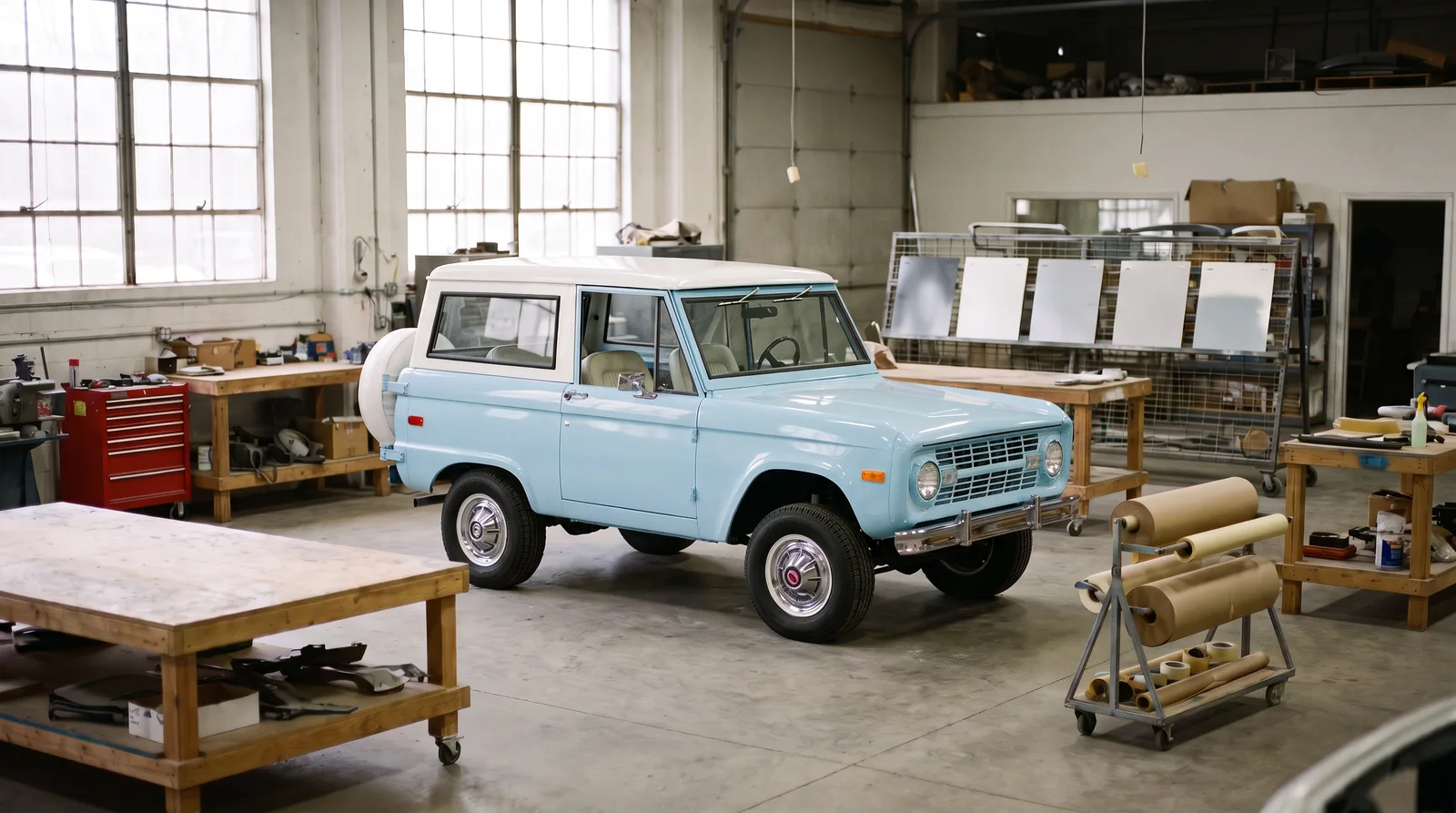
What Ford actually offered
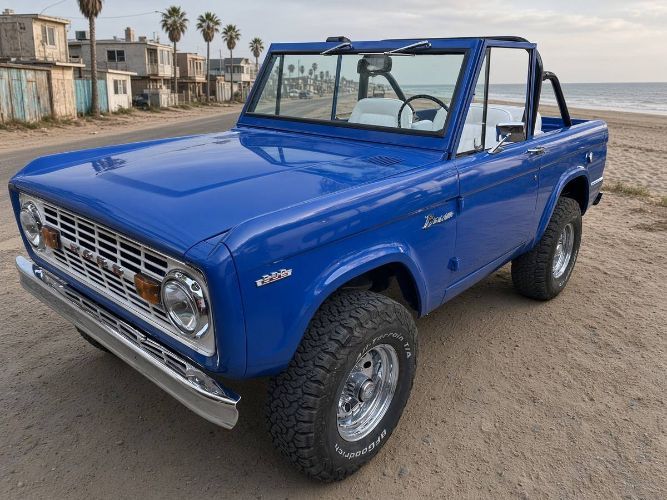
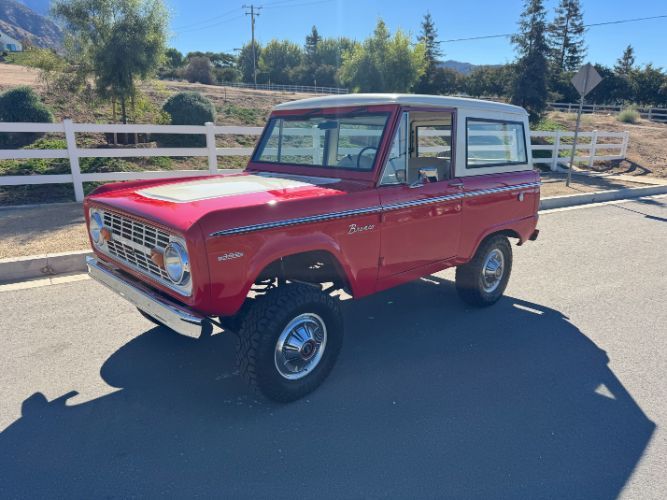
The 1973 Bronco came from the factory with a defined color palette, the kind of lineup you'd find printed on a dealer order sheet rather than something buyers customized freely. Earth tones dominated the era's automotive palette generally, and Ford's Bronco lineup reflected that, with greens, tans, and a handful of brighter options rounding out the sheet, including a serene Sequoia Brown Metallic alongside a bolder Poppy Red, with Wimbledon White remaining one of the most requested choices among today's collectors. Two-tone combinations were available for buyers who stepped up to the Sport trim, typically pairing a body color with a white or contrasting upper section that has become one of the most recognizable looks associated with this era of Bronco.
Any builder who has spent real time under these trucks knows the factory palette by the paint chips still visible under thirty coats of amateur respray, usually along the door jambs or inside the glovebox where sun and weather never got a chance to fade the original color.
Reading the plate instead of guessing
Every 1973 Bronco left the factory with a body tag carrying a paint code, and that code is the only honest answer to what color a specific truck was born wearing. I do not trust a seller's description of "original color" unless they can point to that tag or produce a matching build sheet. Too many trucks have been resprayed two or three times over five decades, and memory fades faster than lacquer does. A buyer chasing period correctness should learn to read that plate before trusting anything else about a listing.
This matters more than cosmetics alone. A truck wearing its documented original color, verified against the tag, carries real value to a certain kind of buyer that a beautifully resprayed truck in a non-factory shade simply cannot match, regardless of how good the paintwork looks in photographs.
| Color category | Typical use | Collector demand |
|---|---|---|
| Earth tone solids (greens, tans) | Base and mid trims | Steady, favored for authenticity |
| Bright solids (yellows, oranges) | Sport trim buyers | Strong, especially with two-tone roof |
| Two-tone Sport combinations | Upgraded Sport package trucks | Highest, most recognizable era look |
| Non-factory custom respray | Aftermarket, later ownership | Lower unless build quality offsets it |
How fifty years changes a color
Even an untouched original finish does not look today the way it looked rolling off the line in 1973. Paint fades unevenly depending on sun exposure, and a truck stored mostly outdoors in a sunny climate will show a noticeably different shade on its hood and roof compared to the less exposed lower body panels and door jambs. I use that fade pattern as another authenticity check, since a truck claiming to wear untouched original paint should show consistent, gradual fading rather than uniform color across every panel, which usually signals a repaint even when no other evidence points that way.
Single-stage enamel from this era, laid down with no clear coat at all, also behaved differently than modern basecoat and clearcoat systems, chalking and dulling in a specific way that experienced eyes learn to distinguish from a poor quality repaint attempting to mimic patina. Buyers unfamiliar with that distinction sometimes overpay for a truck represented as having original paint when what they are actually looking at is a older repaint that has simply had time to age and fade in its own right.
Why the two-tone Sport look still wins
Ask most builders which factory look sells fastest today and the answer comes back the same almost every time: a two-tone Sport truck with a white top over a strong body color. There's a reason that combination shows up on more restored trucks at shows than any single solid color does. It reads as the definitive early Bronco silhouette, the version most people picture when they think about this truck, and it photographs better than a solid color ever will under show lighting.
That popularity creates its own problem. I have seen plenty of trucks resprayed into a two-tone Sport look that never actually wore it from the factory, because the combination sells better than whatever plain color the truck originally carried. A careful buyer checks the body tag before assuming a sharp two-tone paint job reflects the truck's real history. For the full production and specification background behind these trucks, our coverage of where this started lays out what Ford actually built that year.
Original versus repaint, from a builder's chair
I'll be direct about where I land on this. A well-documented original color, even a plain earth tone that nobody would call exciting, is worth more to me on a numbers-matching build than a flashy repaint with no paper trail behind it. Poseur trucks, the ones dressed up in a popular color scheme with no factory history to back it, don't hold value the same way once a buyer starts asking real questions. Paint is the first thing anyone notices and the last thing that should decide a purchase.
That doesn't mean every repaint is a mistake. Plenty of owners choose a non-factory color deliberately, as a personal statement rather than an attempt to fake originality, and there's nothing wrong with that as long as the truck is represented honestly. The problem is misrepresentation, not repainting itself.
"Paint tells a story, but only if it's the truth. I've pulled panels off trucks where three different colors were stacked up under the top coat, and every layer was somebody's version of what they thought would sell."
- Jim Vasquez
Matching paint to interior and trim
Color choice on these trucks was rarely arbitrary from the factory. Ford paired specific exterior shades with coordinated interior upholstery and trim options, so a buyer ordering a particular body color often ended up with a matching or deliberately contrasting interior scheme rather than a random combination. That coordination is another detail worth checking against documentation, since a truck wearing a period-correct exterior color but an interior that never shipped alongside it is a signal that something has been changed somewhere along the line, whether through an interior swap, a partial restoration, or simple parts-bin substitution during a repair.
I always tell people restoring one of these trucks to resist the urge to mix and match purely on personal preference if the goal is a factory-correct build. It is tempting to pair a color you like with an interior shade you like better, but the two were specified together for a reason, and departing from that pairing changes the truck from a restoration into a personalization, which is a perfectly fine choice as long as it is made knowingly rather than by accident.
Shopping with color in mind
Anyone researching ford bronco 1973 color options before buying should treat the factory palette as a reference point, not a rulebook. Some buyers want strict originality and will pay for a documented color match. Others want the look of a period two-tone Sport truck regardless of what the tag says. Both are valid, as long as the seller is honest about which one is being sold. Buyers ready to start comparing trucks can shop classic Bronco listings and use the body tag, not the paint job alone, to judge what they're actually looking at.
Sources and notes
Related Reading
Have a
Ford Bronco
for Sale?
Reach thousands of serious classic car collectors across the US.
Sell It Here →
Selling a classic? Here's how: compare the places to sell classic cars
Are You a Classic Car Dealer?
List your full inventory and connect with targeted classic car buyers.
Join as a Dealer →

About the author
Jim Vasquez
Southern California hot rod and custom car builder with roots in the traditional kustom kulture scene.
Related Listings - Ford Bronco
Comments
Be the first to comment on this article.