
People ask me all the time whether an El Camino or a Ranchero makes more sense as something you actually drive, not just something you trailer to shows twice a year. I have owned both at different points, and I have wrenched on customer cars of both makes for longer than I care to admit. The honest answer is that the difference in daily livability is smaller than the cultural rivalry suggests, but it is not zero, and the details matter if you plan to put real miles on one of these things.
Car Features
7 min read
El Camino Versus Ranchero as an Everyday Classic
A mechanic who has owned both compares the El Camino and Ranchero as everyday classics, from ride quality to parts availability.
Ride, seating, and the basics of getting in and out
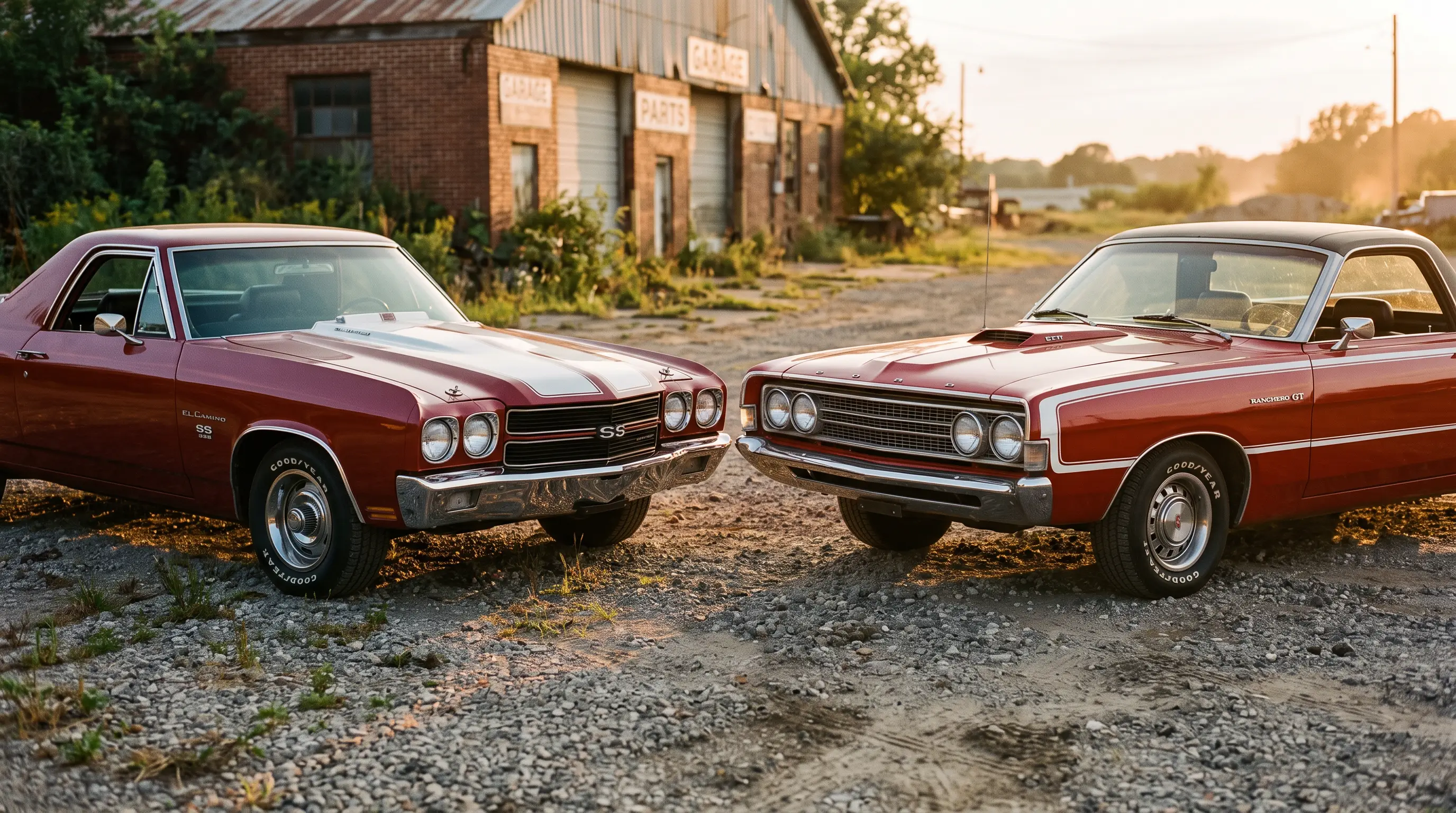
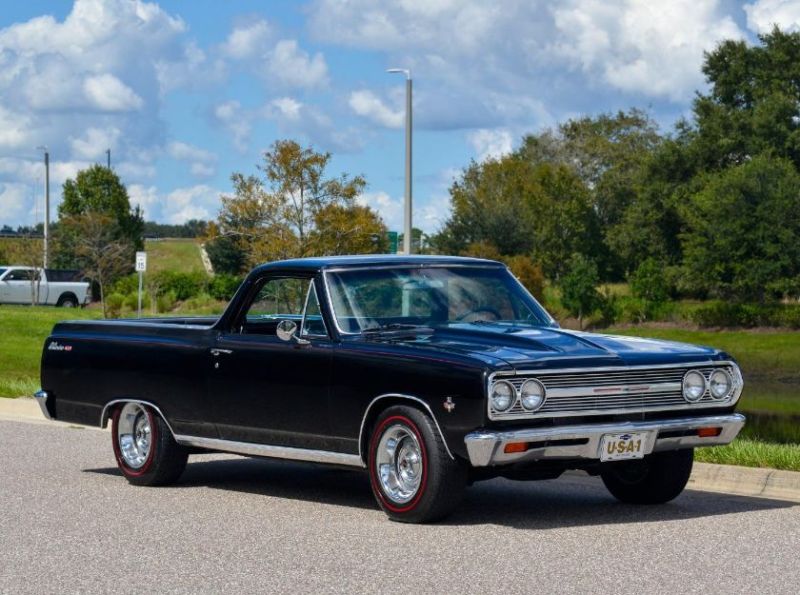
Both platforms started life as passenger cars with a bed grafted on, which means the ride quality on either one is closer to a sedan than a truck, and that is the whole appeal. The Chevelle-based El Camino, particularly from 1968 onward, has a slightly firmer, more planted feel that a lot of drivers describe as sportier, while the Fairlane and Torino-based Rancheros from the same era tend to ride a touch softer and more like a family car. Neither one is uncomfortable. If you have driven a period Chevelle or Torino sedan, you already know roughly what to expect behind the wheel of the cartruck version.
Bench seat versions of both cars are wide and comfortable for long highway stretches, and both offered bucket seat and console options in their performance trims if you want something that holds you in place better through a corner. Getting in and out is a non-issue on either one, no worse than any full-size or mid-size American coupe from the same decades. Read the background on how these platforms evolved generation to generation if you want to know which specific years share underpinnings with which sedans.
Hauling capacity, where the real differences show up
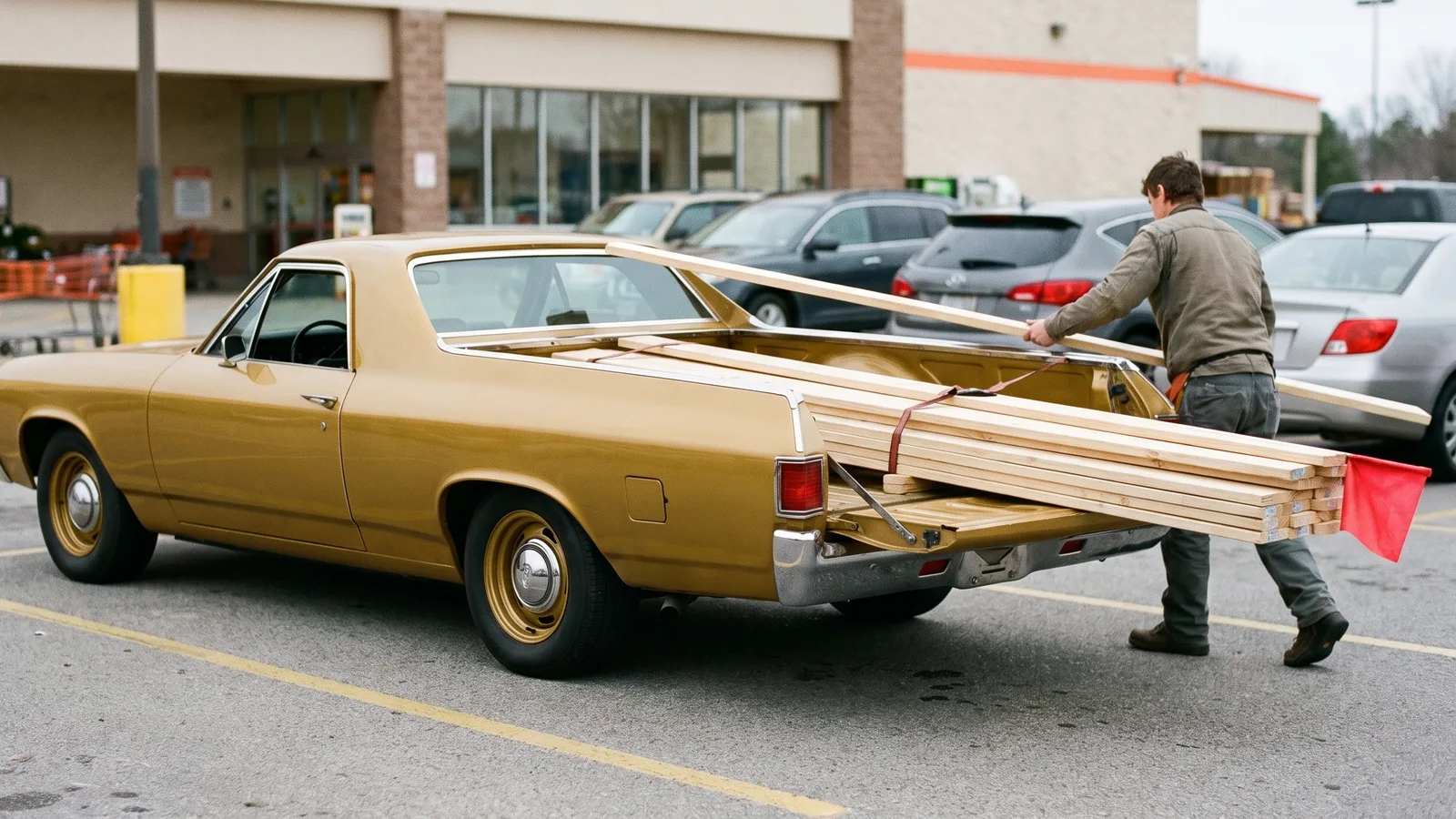
This is where owners start to have actual opinions instead of just brand preference. The El Camino's bed, especially on the Chevelle-based generations, tends to run slightly longer and a bit more square in shape, which makes it marginally easier to load bulky items like sheets of plywood or larger furniture. The Ranchero's bed, depending on the generation, can be a little shorter and shallower, which some owners find limiting for genuine hauling work but others find perfectly adequate for the kind of light loads these vehicles were actually designed to carry, tools, yard waste, a motorcycle, camping gear, that sort of thing.
Neither one is a substitute for a real pickup if you are hauling heavy loads regularly. Payload ratings on both were modest even when new, and decades of age have not made either one stronger. Treat both as light-duty haulers and you will be happy. Try to use either one like a modern half-ton truck and you will be disappointed, and possibly stranded on the side of the road with a bent leaf spring.
| Everyday factor | El Camino (Chevelle-era) | Ranchero (Fairlane/Torino-era) |
|---|---|---|
| Ride feel | Slightly firmer, sportier | Slightly softer, sedan-like |
| Bed shape | Longer, more square | Shorter, shallower on some years |
| Parts availability | Excellent, deep aftermarket | Good but narrower selection |
| Fuel economy (period big-block) | Poor, expect single digits to low teens mpg | Poor, expect single digits to low teens mpg |
Parts, service, and keeping it on the road
This is the category where the El Camino pulls ahead in any honest comparison, and it is not close. Because Chevrolet shared so much sheet metal and mechanical hardware with the Chevelle and Malibu, and because the El Camino stayed in production so much longer, reproduction parts for interior trim, weatherstripping, and body panels are widely available and reasonably priced across most model years. I can source a fender, a dash pad, or a set of tail light lenses for most El Camino years without much trouble.
Ranchero parts exist too, and mechanical components shared with the Fairlane and Torino are not hard to find. But trim pieces specific to the Ranchero itself, especially GT-specific badging, interior details, and certain bed-side stampings, get scarce fast, and prices on the rare stuff can be brutal when you do find them. If you are buying a project car with plans to actually finish it and drive it, factor that parts gap into your budget honestly before you commit.
"I have never had a customer regret buying an El Camino for parts reasons. I have had a couple regret a Ranchero project once they found out what a correct tailgate trim panel actually costs."
- Mike Sullivan
What actually breaks on both of them
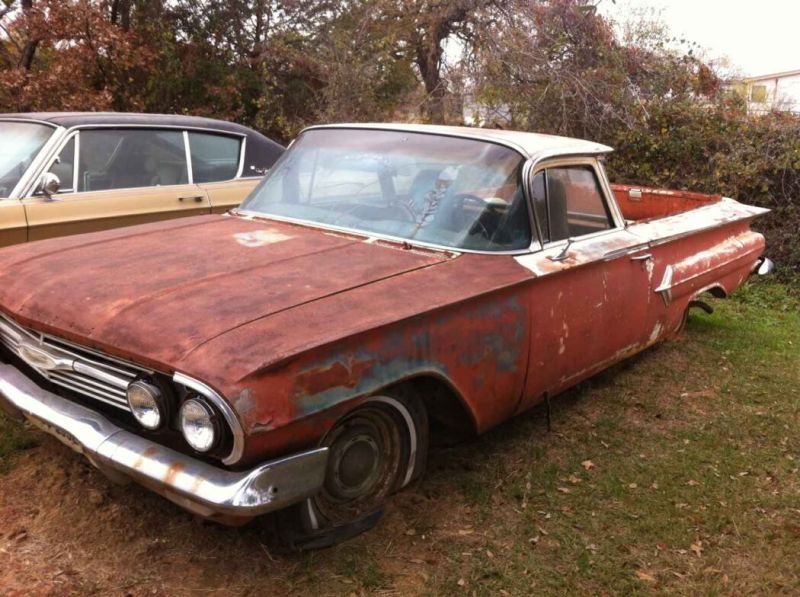
Age treats both platforms about the same, which makes sense given they were built with similar materials and manufacturing processes in the same era. Rust is the enemy on both. Bed floors, rocker panels, and lower fenders are the usual failure points on an El Camino, and the Ranchero suffers in almost identical spots along with some trouble around the tailgate hinges and lower quarter panels depending on the generation. Buy either one after a careful inspection of these areas, not a glance at the paint.
Mechanically, both are simple by modern standards, which is exactly why they make sense as daily classics in the first place. Carbureted engines, points or early electronic ignition depending on the year, drum or early disc brakes, and steering and suspension components that any competent shop can still service without special tools. Neither one demands a specialist to keep running. The bigger factor in day to day reliability is not the car itself, it is whether the specific example you buy has been sorted out by a previous owner who actually cared, or neglected by someone who let deferred maintenance pile up for a decade. That single variable matters more than which badge is on the tailgate.
My honest recommendation for daily driving
If daily usability and long-term ownership cost are your main concerns, buy the El Camino. The parts support alone makes ownership less stressful, and the bed shape gives you a bit more real-world flexibility for actual hauling. That is not a knock on the Ranchero, which is a genuinely pleasant car to drive and live with, it is just a practical acknowledgment that Chevrolet's longer production run and shared Chevelle parts bin built a better support ecosystem around its cartruck than Ford managed to sustain around its own.
If you already love the Ranchero for its own reasons, none of this should scare you off. Just go in with clear eyes about sourcing trim parts, budget a little extra for anything Ranchero-specific, and you will end up with a car that is just as pleasant to drive every day as its rival. If the El Camino side of this argument has you leaning that way, go browse classic El Camino listings and start comparing actual cars against this checklist before you decide.
Sources and notes
Related Reading

About the author
Mike Sullivan
Detroit-area muscle car enthusiast and restoration specialist with three decades of hands-on experience working on American iron.
Related Listings - Chevrolet El Camino



Comments
Be the first to comment on this article.