
The 1959 Cadillac Eldorado is the car everyone pictures when they think of American tailfin excess, but the production paperwork behind that image tells a tighter story than the styling suggests. Cadillac did not build the 1959 Eldorado as one car. It built three, under one nameplate, in numbers small enough that even serious collectors mix up which figure belongs to which body.
Car Features
6 min read
How Few 1959 Eldorados Were Actually Built
The 1959 Eldorado was really three different cars sharing one name, and the build numbers behind each one are smaller and messier than the popular story suggests.
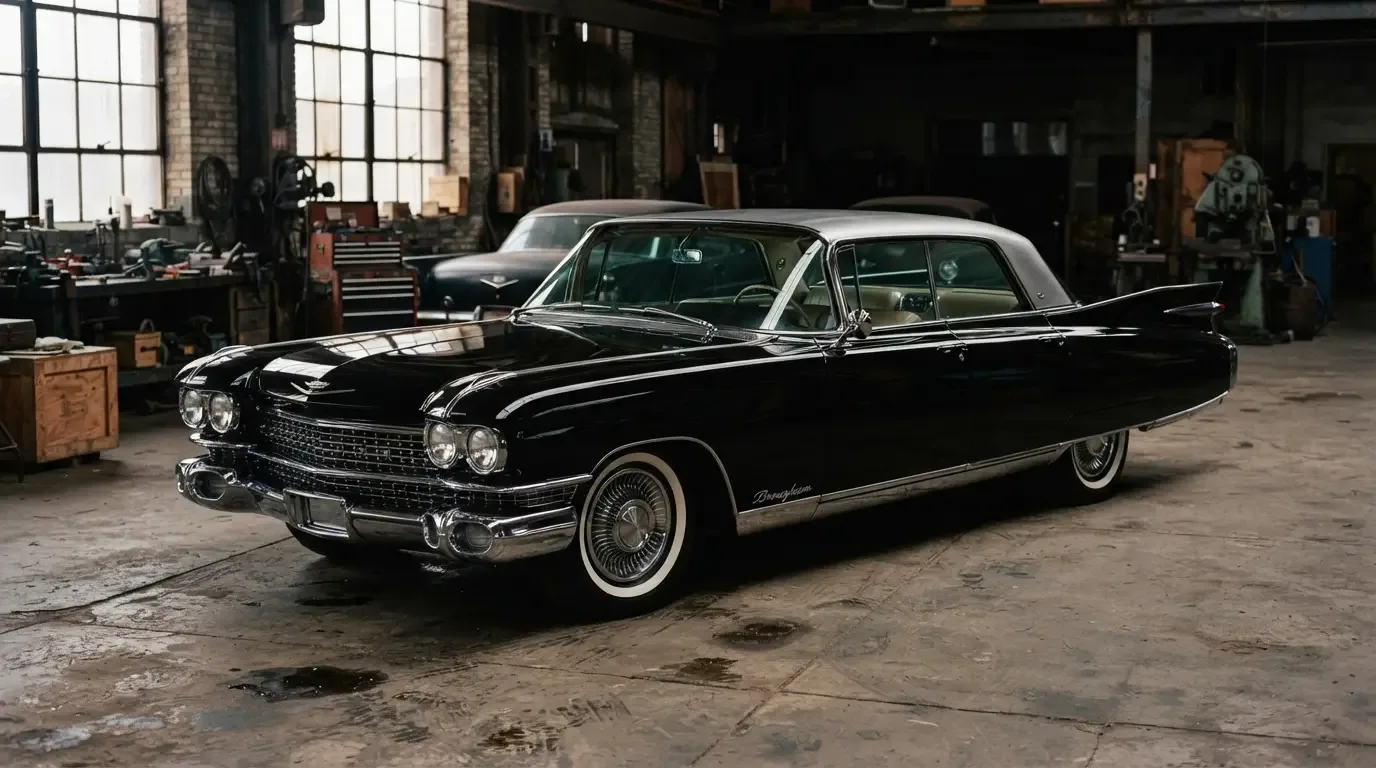
Three cars, one name
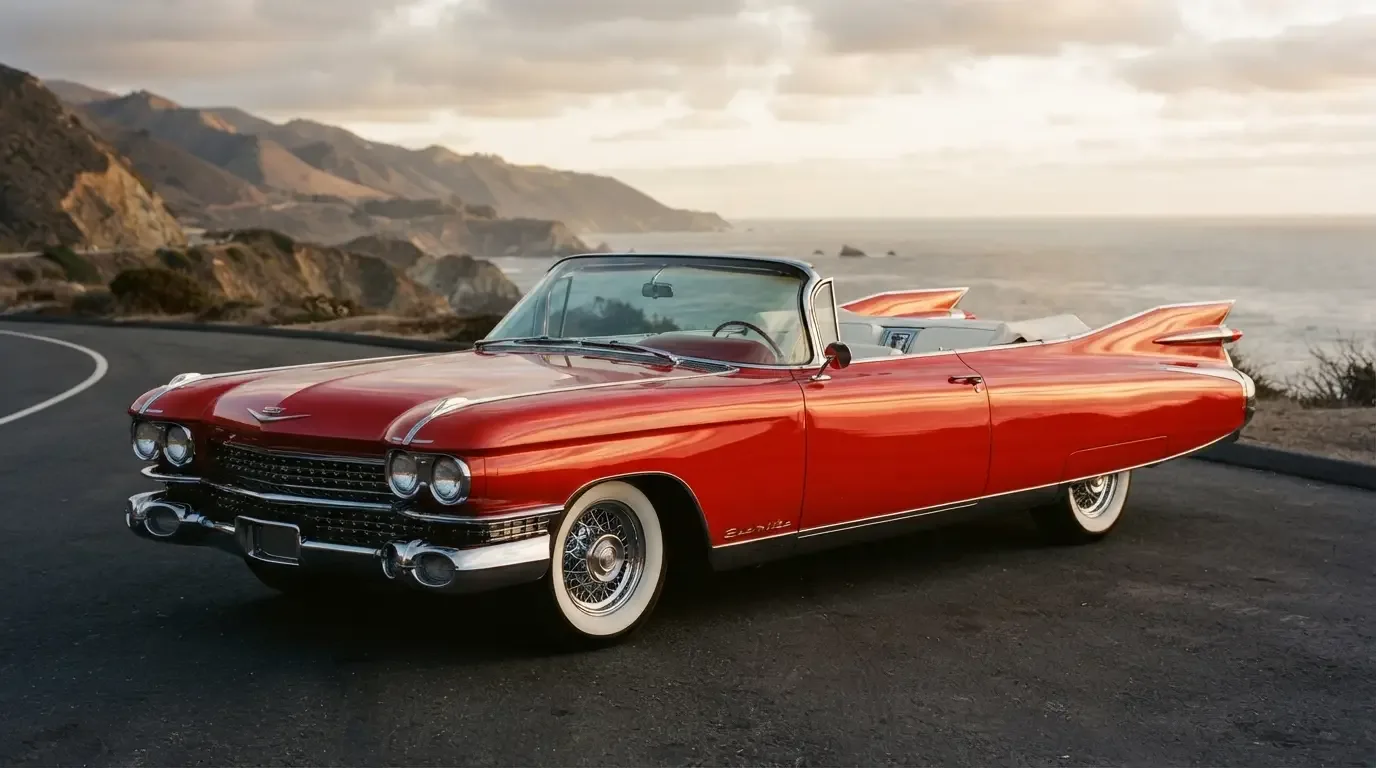
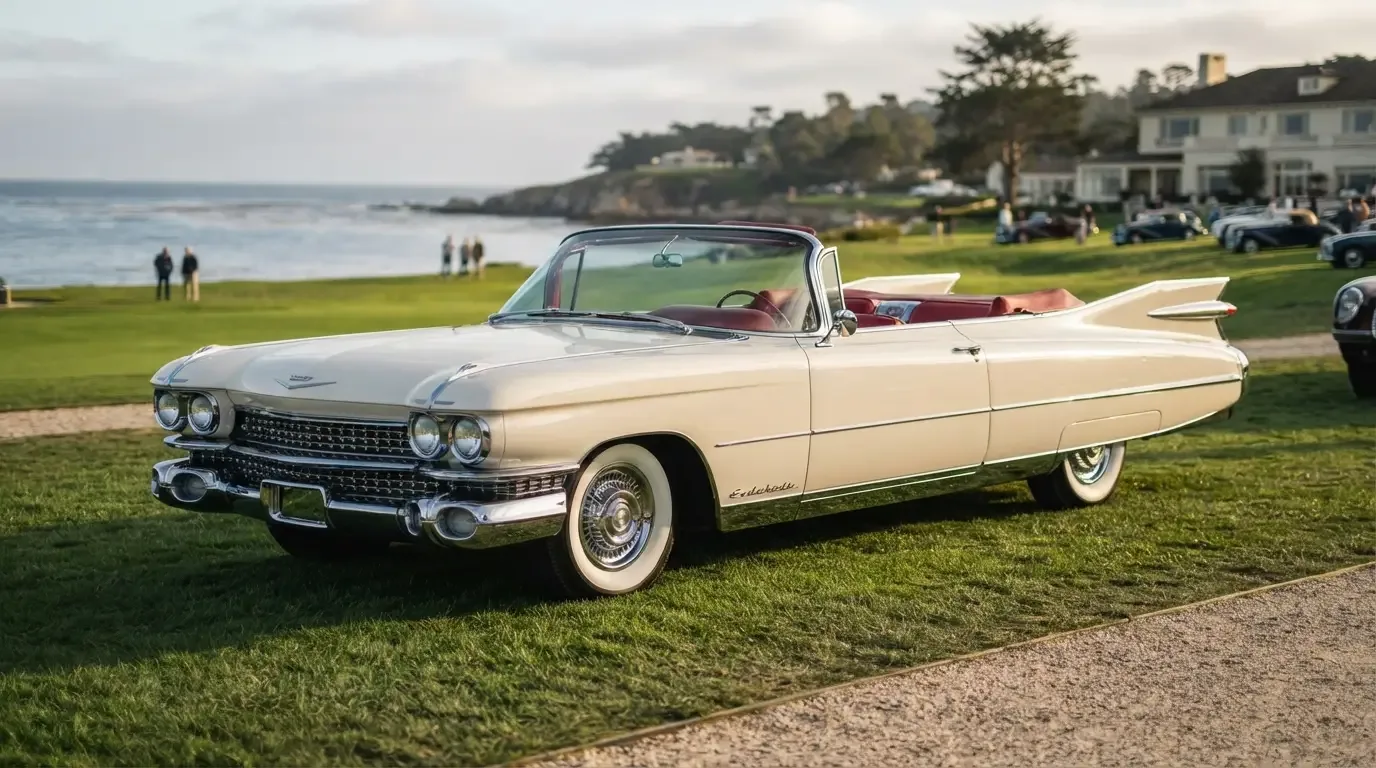
For 1959 the Eldorado line split into the Seville hardtop coupe, the Biarritz convertible, and the Eldorado Brougham, a four door hardtop built in Italy by Pininfarina on a stretched frame with a stainless steel roof. Buyers walking into a Cadillac showroom that year were choosing among three distinct cars that happened to share a name, a general shape, and almost nothing in build volume. The Seville and Biarritz were assembled at Cadillac's Detroit plant alongside the rest of the lineup. The Brougham was built an ocean away, shipped to the United States in small batches, and finished by hand in a way no other Cadillac of the era was.
The numbers, and why they get repeated wrong
Cadillac's total 1959 output topped 142,000 cars, which is the figure most casual histories quote when someone asks how many 1959 Cadillacs exist. That number is nearly useless for an Eldorado question, because Eldorado production was a rounding error against the full lineup. Biarritz convertible production for the year is generally cited around 1,320 units, the Seville hardtop around 975 units, and the Brougham at just 99 units. Add them together and the entire 1959 Eldorado program, across three separate bodies, comes in under 2,500 cars against a division that built well over 140,000.
Those production totals get repeated so often in enthusiast circles that they have started to drift, with some sources rounding the Brougham figure up to an even 100 and others quoting Biarritz numbers that do not match Cadillac's own build sheets. The safest approach for a buyer or historian is to treat any single source's number as an estimate and confirm it against a documented build record for the specific car in question, not the model year as a whole.
Why the Brougham skews everything
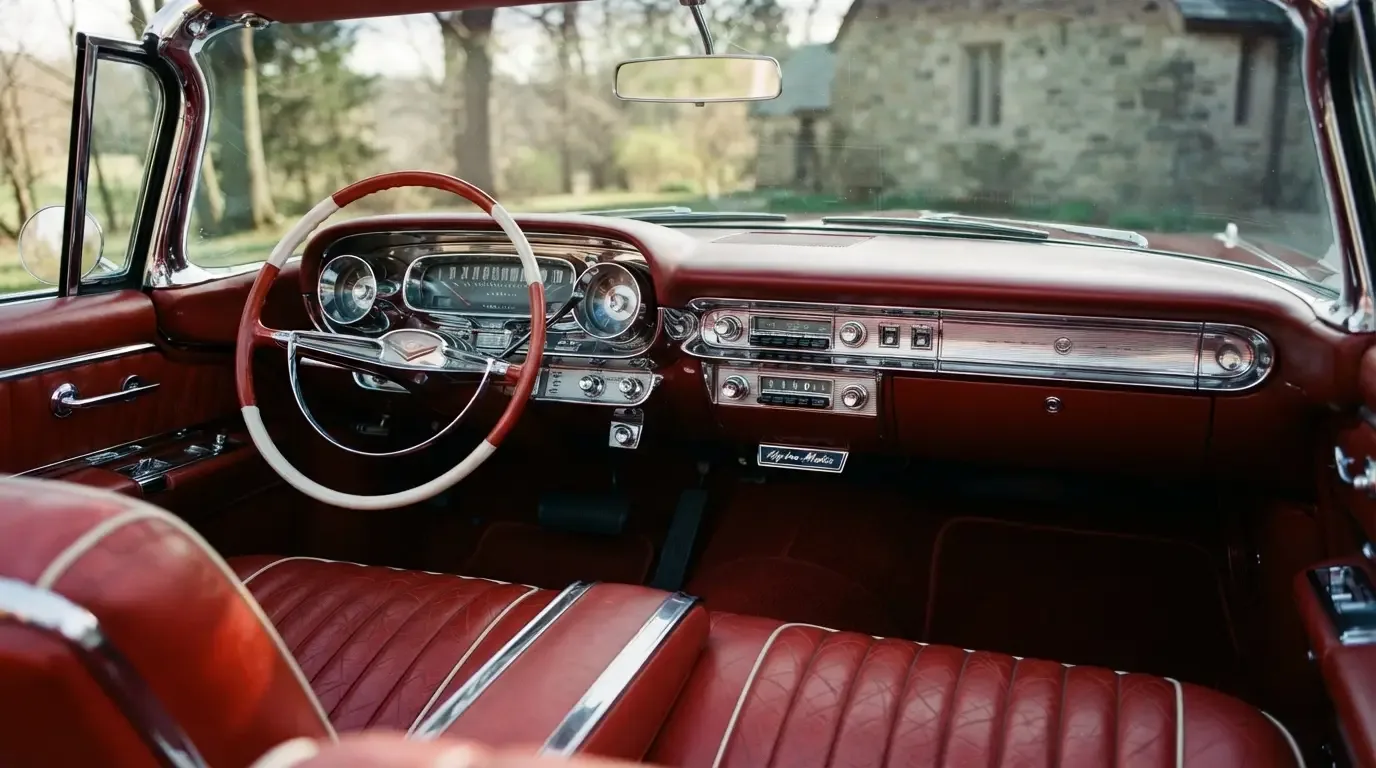
Because the Brougham was hand assembled overseas and finished with features no other American car offered that year, including air suspension and a magnetized cocktail set built into the console, it absorbs a disproportionate share of the attention any time someone discusses 1959 Eldorado production. That attention is deserved on its own terms, but it distorts the picture for buyers researching a Seville or Biarritz, who often assume their car shares the Brougham's rarity when it does not. A 1959 Biarritz convertible, at roughly thirteen times the Brougham's build count, is a genuinely scarce car by any normal standard. It is not, however, as scarce as the number most people remember, which is the Brougham's.
What the low numbers meant at the time
Cadillac never intended the Brougham to be a volume seller. It was priced well above a standard Eldorado, close to double in some configurations, and it functioned as a rolling demonstration of what the division could build when cost was not the primary constraint. Dealers ordered them in single digits per store, if they ordered them at all, and a customer who wanted one often had to wait behind a build queue that moved at Pininfarina's pace rather than Detroit's. The Seville and Biarritz, while far more common than the Brougham, were still positioned as the top of the standard Cadillac range, sitting above the Series 62 and De Ville in both price and equipment.
Comparing the three bodies at a glance
| Body style | Estimated 1959 production | Assembly location |
|---|---|---|
| Eldorado Seville hardtop | 975 units | Detroit |
| Eldorado Biarritz convertible | 1,320 units | Detroit |
| Eldorado Brougham | 99 units | Turin, Italy (Pininfarina) |
Laid out side by side like this, the gap between the Brougham and its Detroit built siblings looks smaller on paper than it feels in practice. A Seville or Biarritz owner today is far more likely to find a second example at a regional Cadillac meet than a Brougham owner is, and that day to day scarcity is really what collectors mean when they talk about the Brougham in a different breath from the rest of the range. The table also explains why insurance appraisers and auction houses treat the three bodies as effectively separate markets rather than one Eldorado category, since the supply available to buyers differs by an order of magnitude between the cheapest and rarest of the three.
Reading a build sheet correctly
Anyone trying to verify a specific car's place in that production run should start with the body tag and the trim plate rather than trusting a seller's description of "one of only" a given number. Cadillac's own recordkeeping from the era survives in incomplete form, and the widely quoted production totals for 1959 cadillac eldorado production come from a mix of factory summaries and later research by marque historians, not a single authoritative ledger. That gap is exactly why a documented, numbers matching example commands a premium over one with a plausible but unverified story attached to it.
"People treat the 1959 Eldorado production numbers like they came off a single clean spreadsheet. They didn't. What survives is a patchwork, and the patchwork still points to one conclusion: these were rare cars the day they left the assembly line, long before anyone thought to call them collectible."
- Tom Ramirez
The bigger picture inside a big year
What makes 1959 unusual is the contrast between the year's reputation and its actual scale. It is remembered as the high water mark of American fin styling, discussed constantly, photographed relentlessly, and referenced in nearly every retrospective on 1950s Detroit design. Yet the car most associated with that reputation, the Eldorado in its various forms, represented a sliver of the model year's total production. That contrast is worth keeping in mind for anyone researching the full story of how the 1959 Eldorado came together, since the styling narrative and the production narrative pull in different directions. The car photographed everywhere was, in raw build numbers, one of the rarest things Cadillac made that year.
For collectors weighing a 1959 Eldorado today, whether Seville, Biarritz, or Brougham, the production story is not a footnote. It is the reason the cars command the prices and attention they do, and it is the reason documentation matters more here than on almost any other Cadillac of the decade. A buyer who wants to see how that rarity translates into today's market, or who simply wants to look at a classic Eldorado for sale, is stepping into a niche where the paperwork behind the car often matters as much as the car itself.
Sources and notes
Related Reading
Have a
Cadillac Eldorado
for Sale?
Reach thousands of serious classic car collectors across the US.
Sell It Here →
Are You a Classic Car Dealer?
List your full inventory and connect with targeted classic car buyers.
Join as a Dealer →
#Production History
#1959 Cadillac
#Cadillac Eldorado
#Eldorado Brougham
#Pininfarina
#Cadillac Seville

About the author
Tom Ramirez
Corvette researcher and historian based in Bowling Green, Kentucky. Two decades documenting Corvette production history from original factory records.
Related Listings - Cadillac Eldorado




Comments
Be the first to comment on this article.