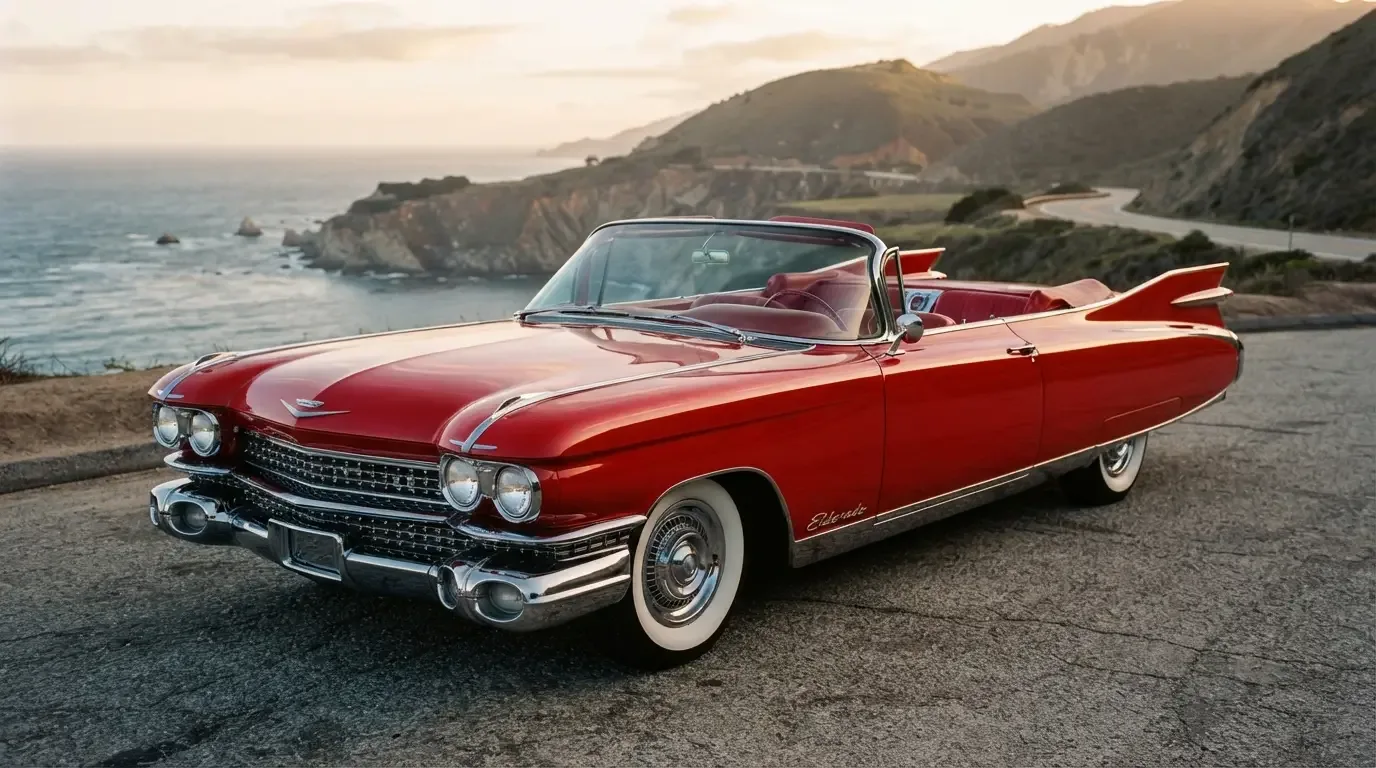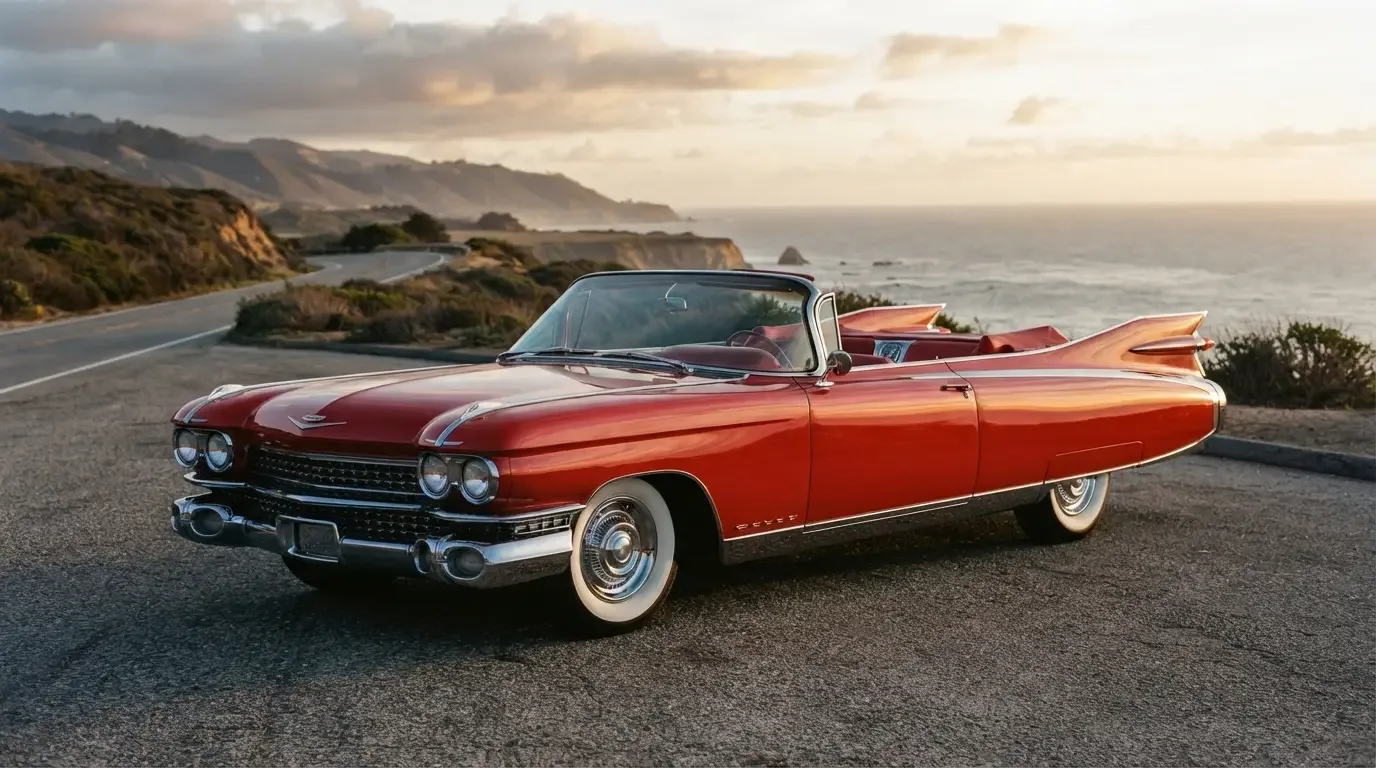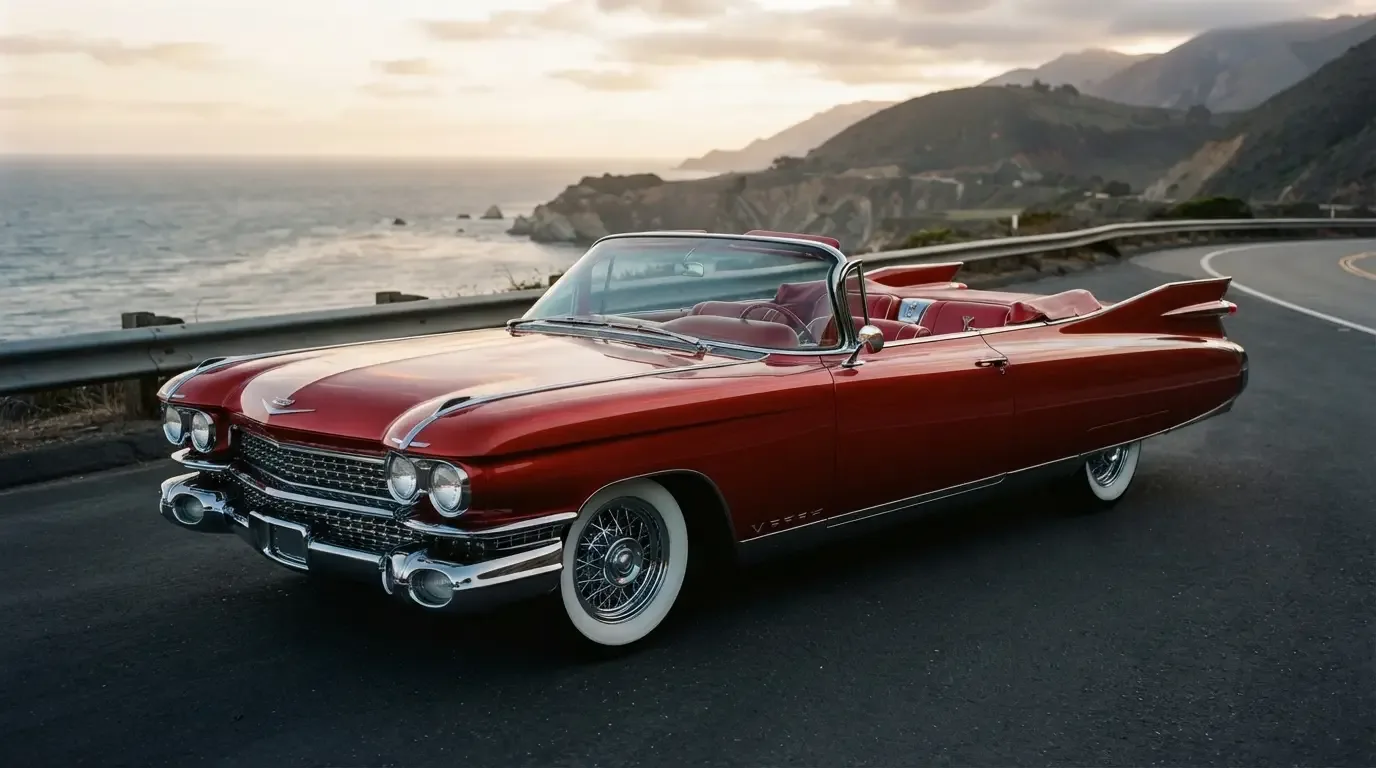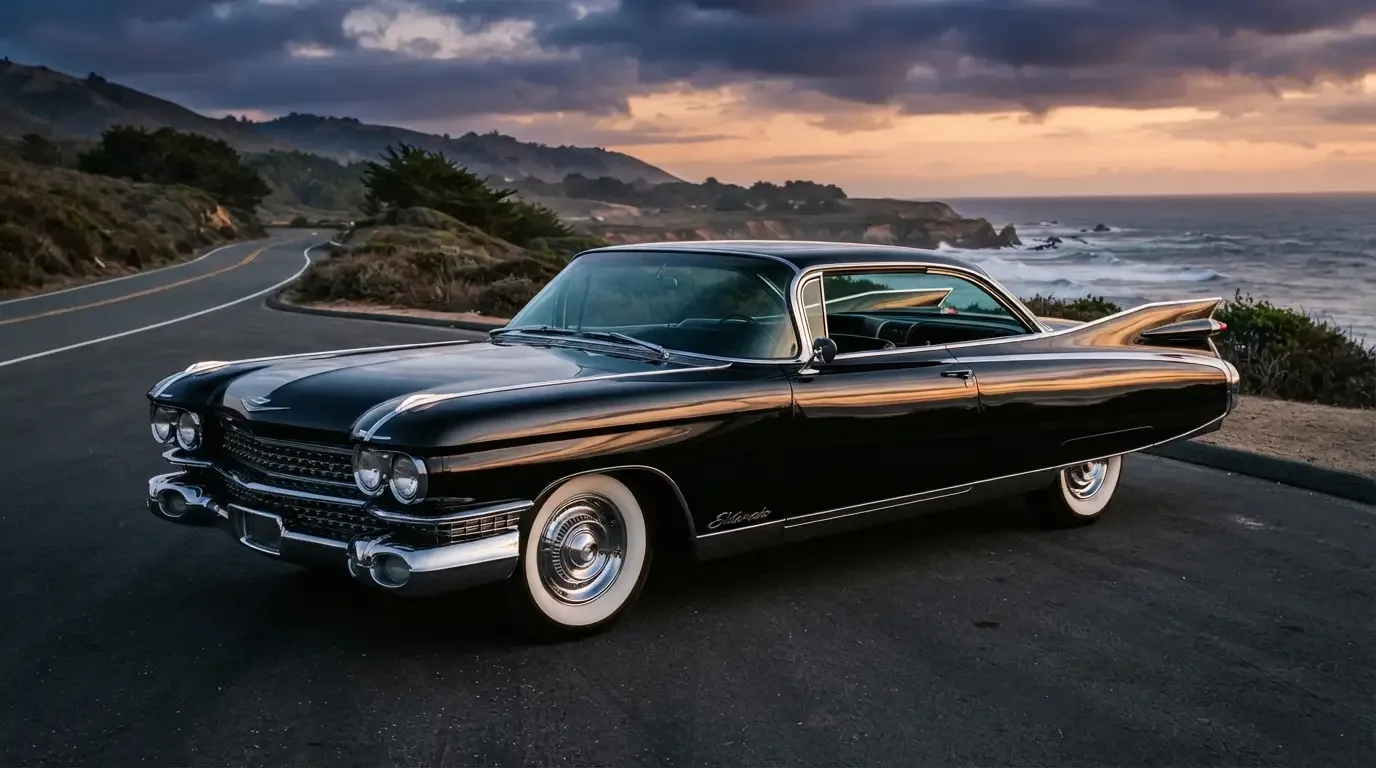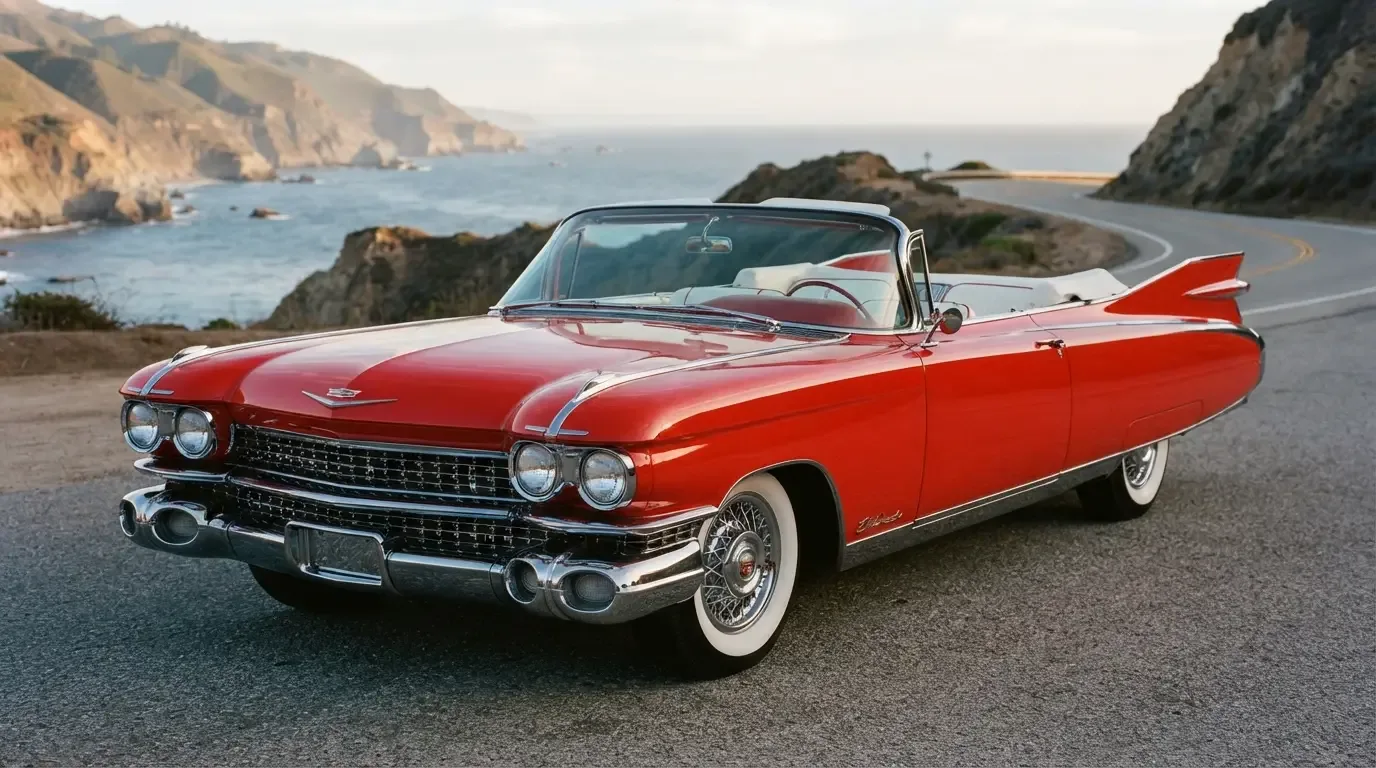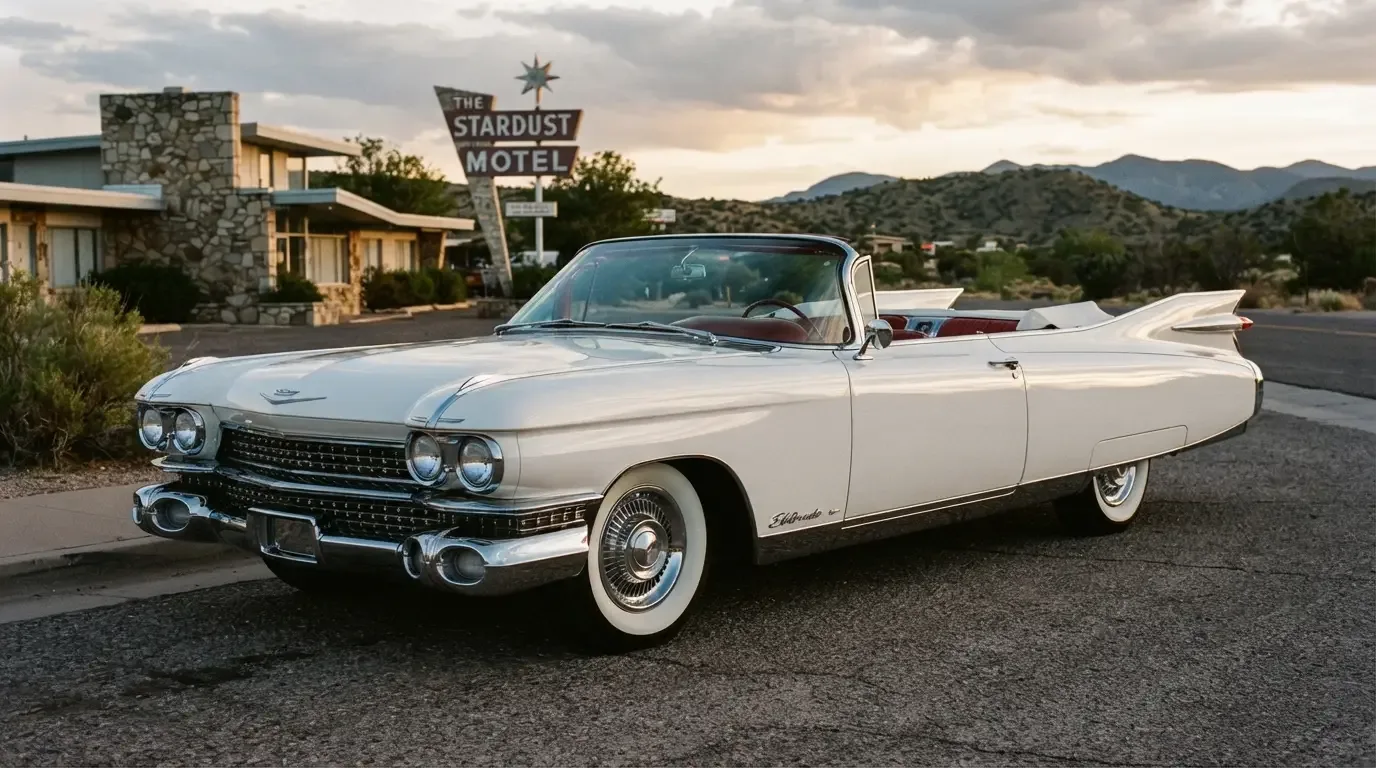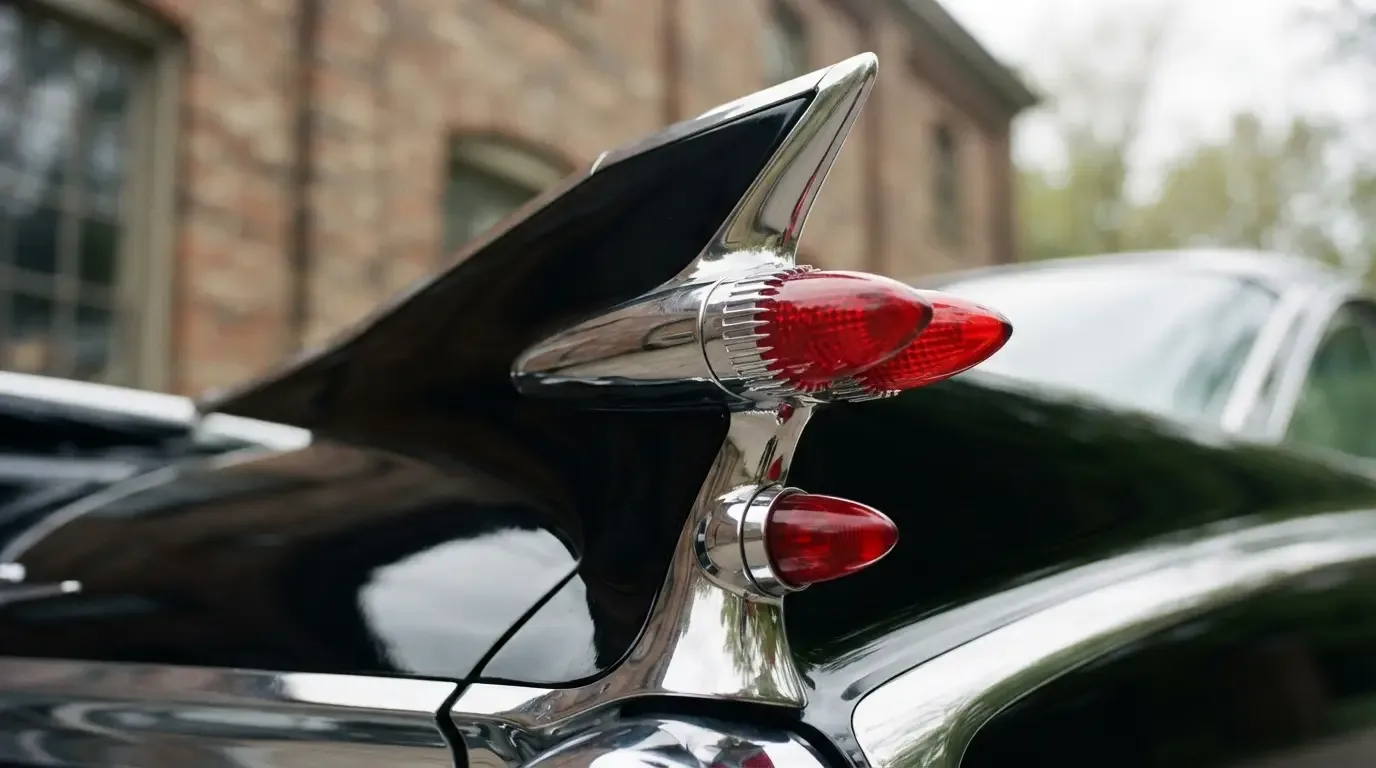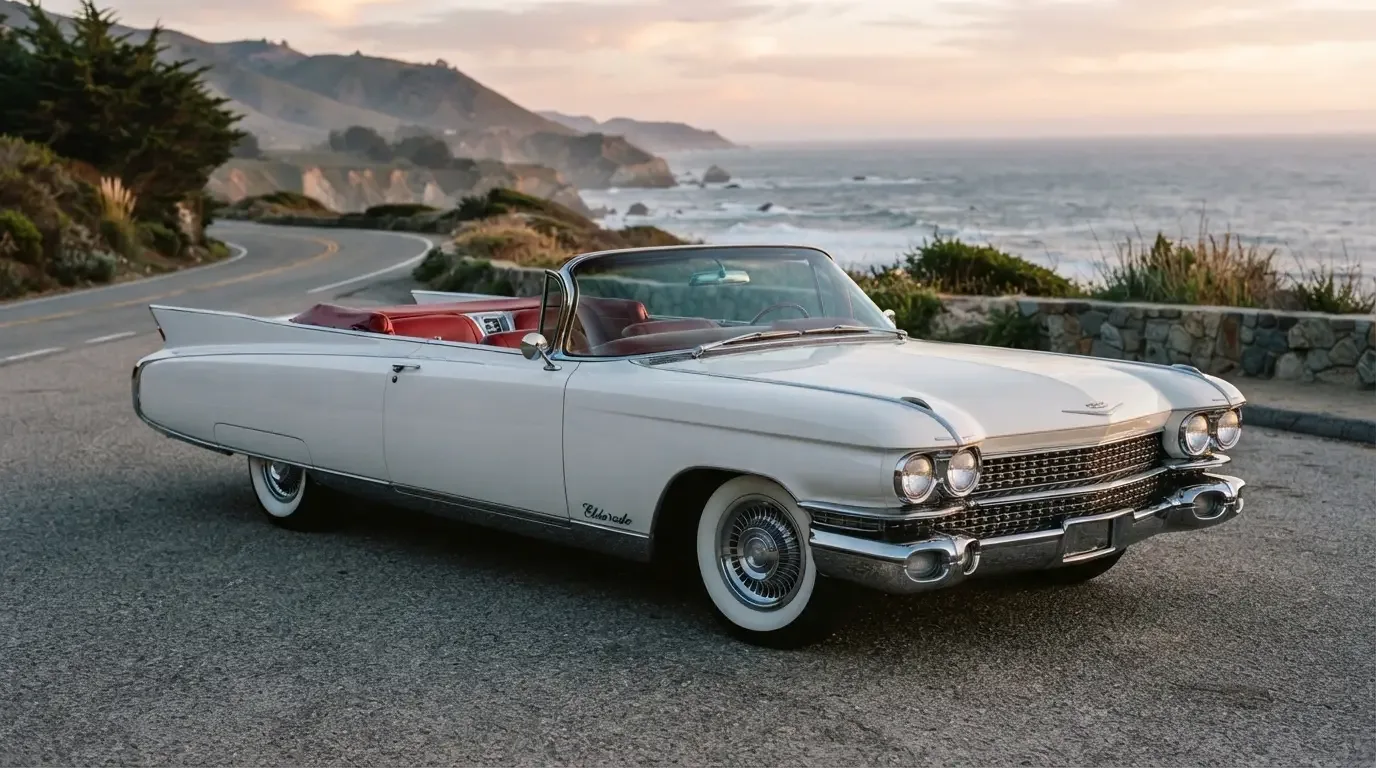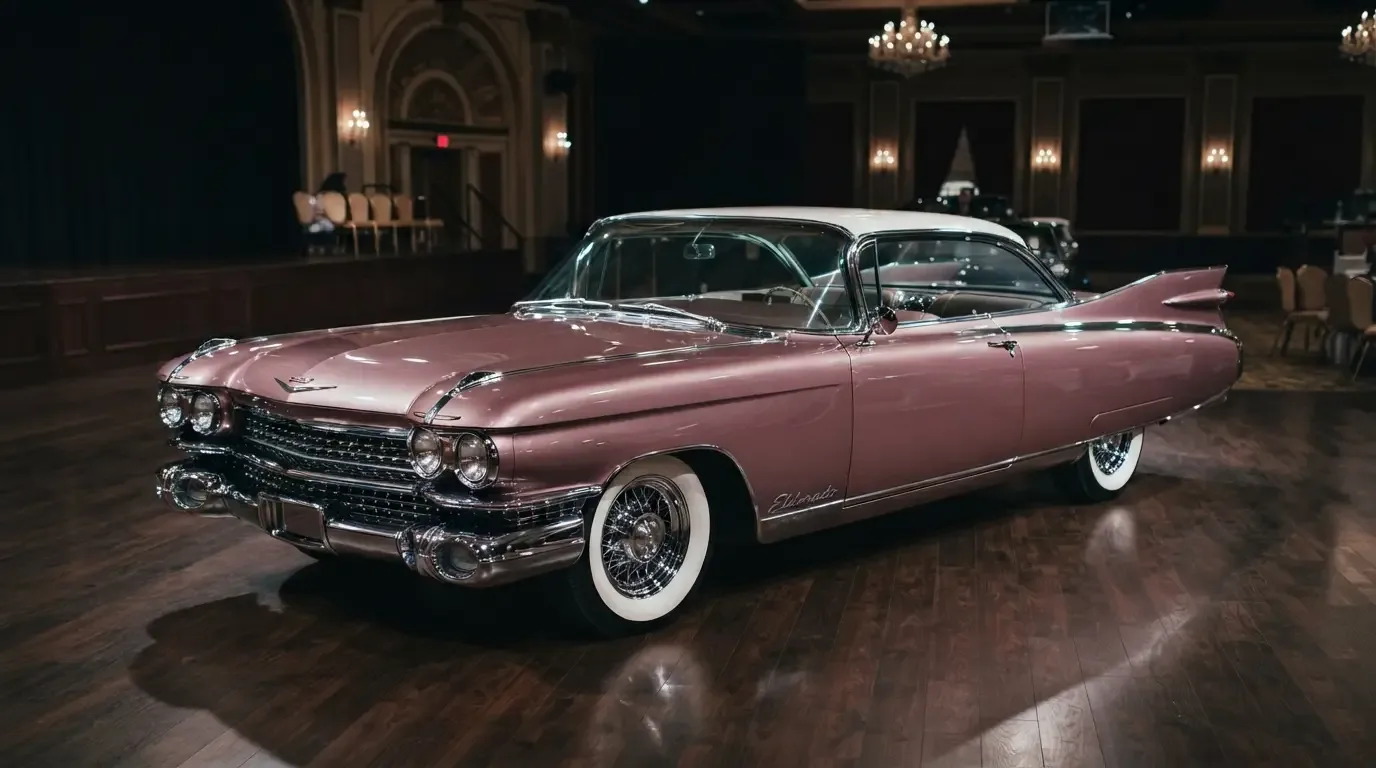
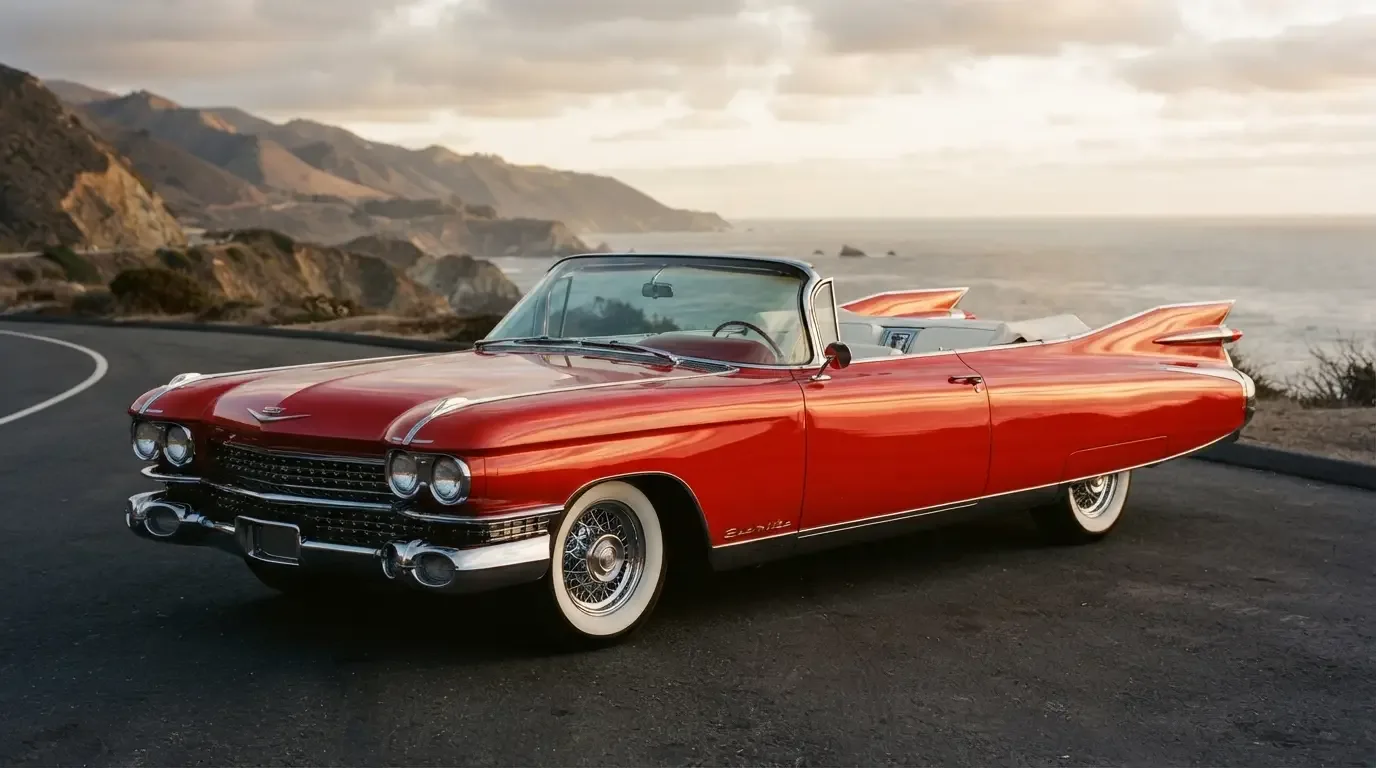
The 1959 Cadillac Eldorado is the car everybody points to when they talk about tailfins, and for once the reputation is earned. I have spent enough years around bodywork to know the difference between a shape that was styled and a shape that was sculpted, and the 1959 belongs in the second group. Those fins are not a gimmick bolted onto a sedan. They are the whole architecture of the car, and everything from the doglegged windshield to the twin bullet taillights is built to serve that rear silhouette. Love it or hate it, this is the most committed piece of sheet metal Detroit ever signed off on.
What makes the 1959 worth talking about is not just the height of the fins, though they are the tallest the industry ever produced. It is how completely the design followed through. A lot of period cars look good from one angle and fall apart from another. This one holds together because the people who shaped it were not hedging.
Why the fins got that big
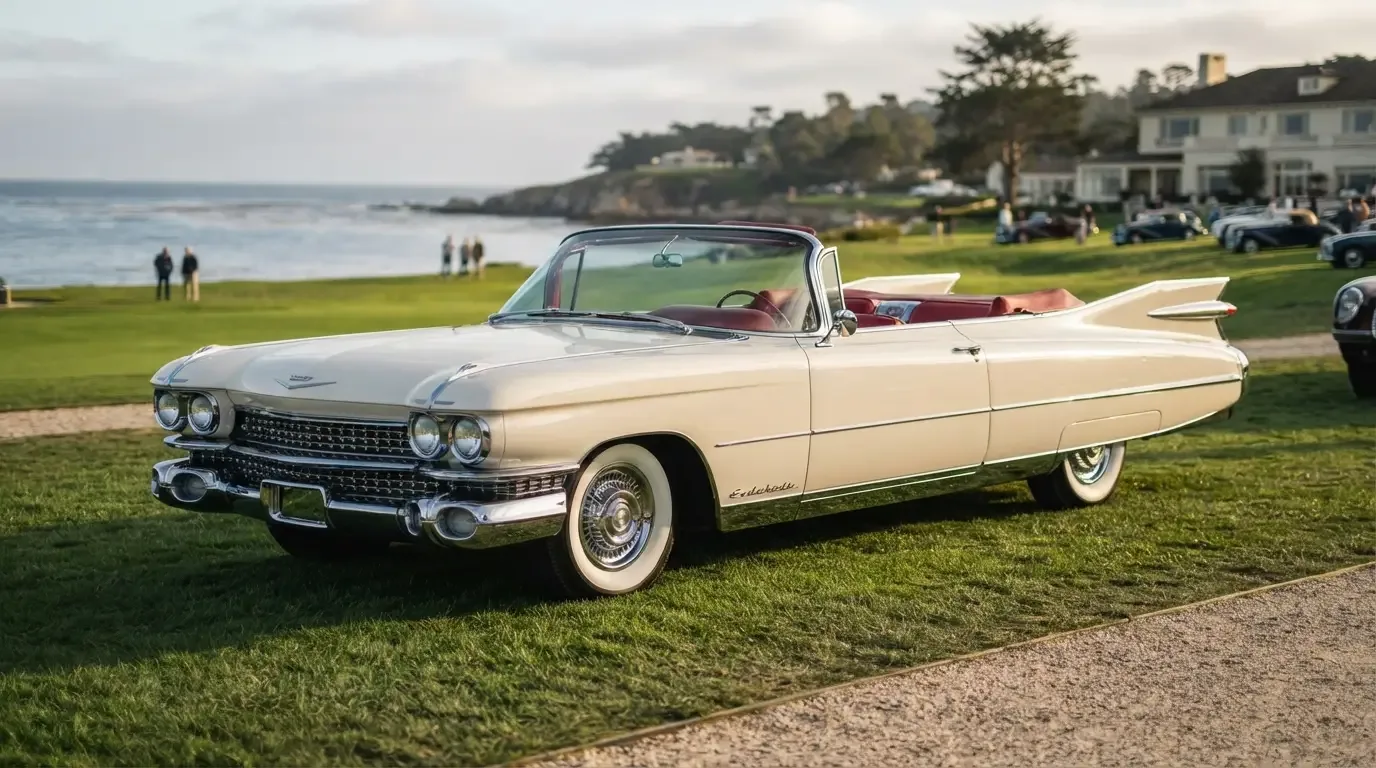
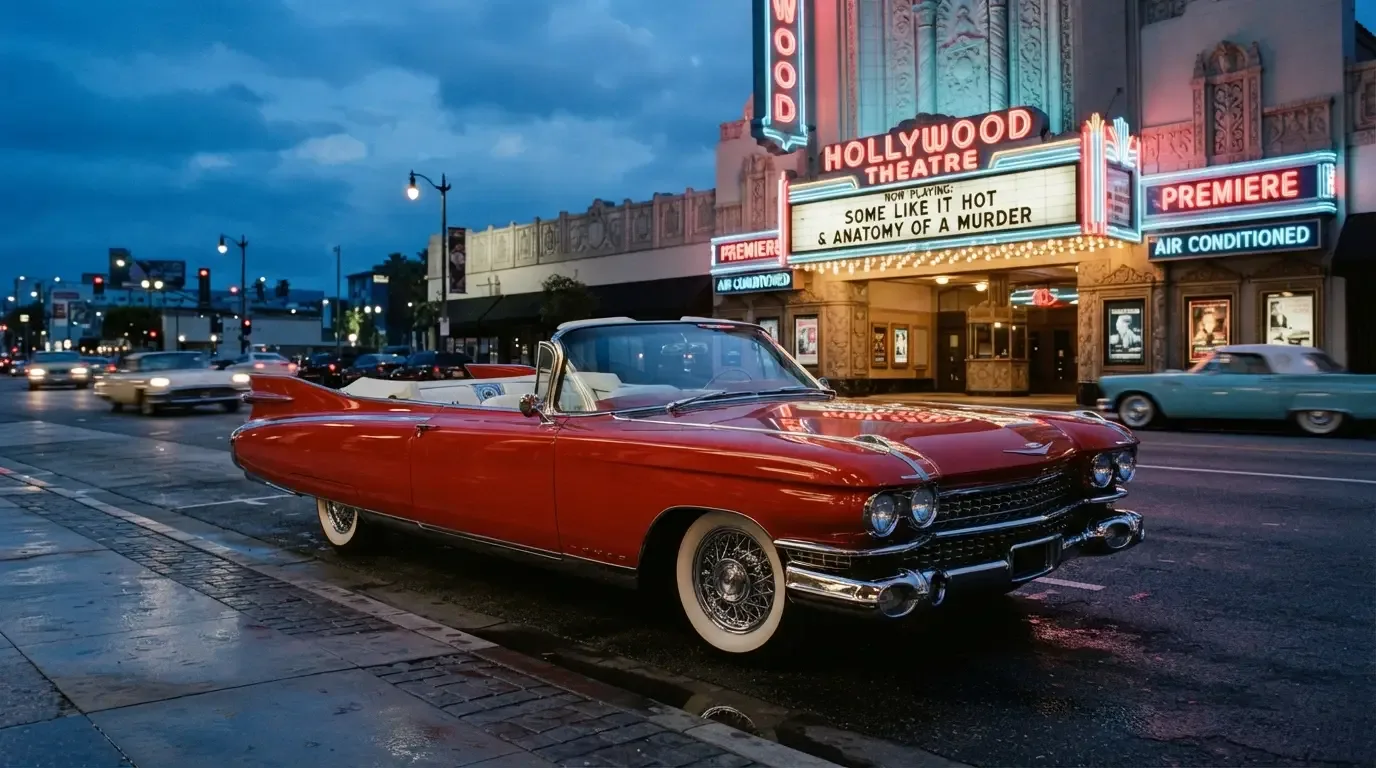
The tailfin had been climbing on Cadillacs since the late 1940s, when the division borrowed the idea from aircraft styling. By the end of the decade the fin had become a competition between American brands, each one trying to out-reach the last. The 1959 Cadillac represents the moment that race hit its ceiling. The fins on this car stand taller than anything before or after, capped by a pair of pointed taillights set one above the other in each blade.
From a body man's point of view, what impresses me is that the panels actually work. The rear quarters flow up into the fin without the awkward welded-on look you see on lesser attempts at the same trend. The line starts back at the front door and carries all the way to the tip. That is hard to do in steel, and it is the kind of thing you only appreciate when you have tried to make two panels meet cleanly. Cadillac got it right, and that is why the shape has aged into an icon instead of a punchline.
The Biarritz and the Seville
For 1959 the Eldorado came in two flavors, and knowing the difference separates the people who actually know these cars from the ones who just like the fins. The Biarritz was the convertible. The Seville was the two-door hardtop. Both carried the Eldorado's distinct rear treatment and interior trim, and both sat above the regular Cadillac range in price and content.
The convertible is the one everybody wants, and I understand why. Top down, the fins have nothing behind them to break the line, and the whole rear deck reads as one continuous gesture. But the Seville hardtop is the quiet pick for anyone who cares about the roofline, because the pillarless design gives you that clean side glass with no post in the way. Both are period-correct expressions of the same idea. Neither is a poseur car. They just answer the question differently.
What was under the hood
The 1959 Eldorado carried Cadillac's 390 cubic inch V8. In Eldorado form it wore a triple two-barrel carburetor setup, and the factory rated it at 345 horsepower, which put the Eldorado above the standard Cadillac engine of the year. That was a serious output for a luxury car built to cruise rather than race.
I will be honest about what that engine was for. Nobody bought a 1959 Eldorado to run it hard. This was a car built to move a lot of weight down a wide road in absolute quiet, and the triple-carb V8 did that without breaking a sweat. The power was there to make the car feel effortless, not to chase a stopwatch. That is a different design brief than a muscle car, and judging the 1959 by drag times misses the whole point of what Cadillac was selling.
Colors and the culture around them
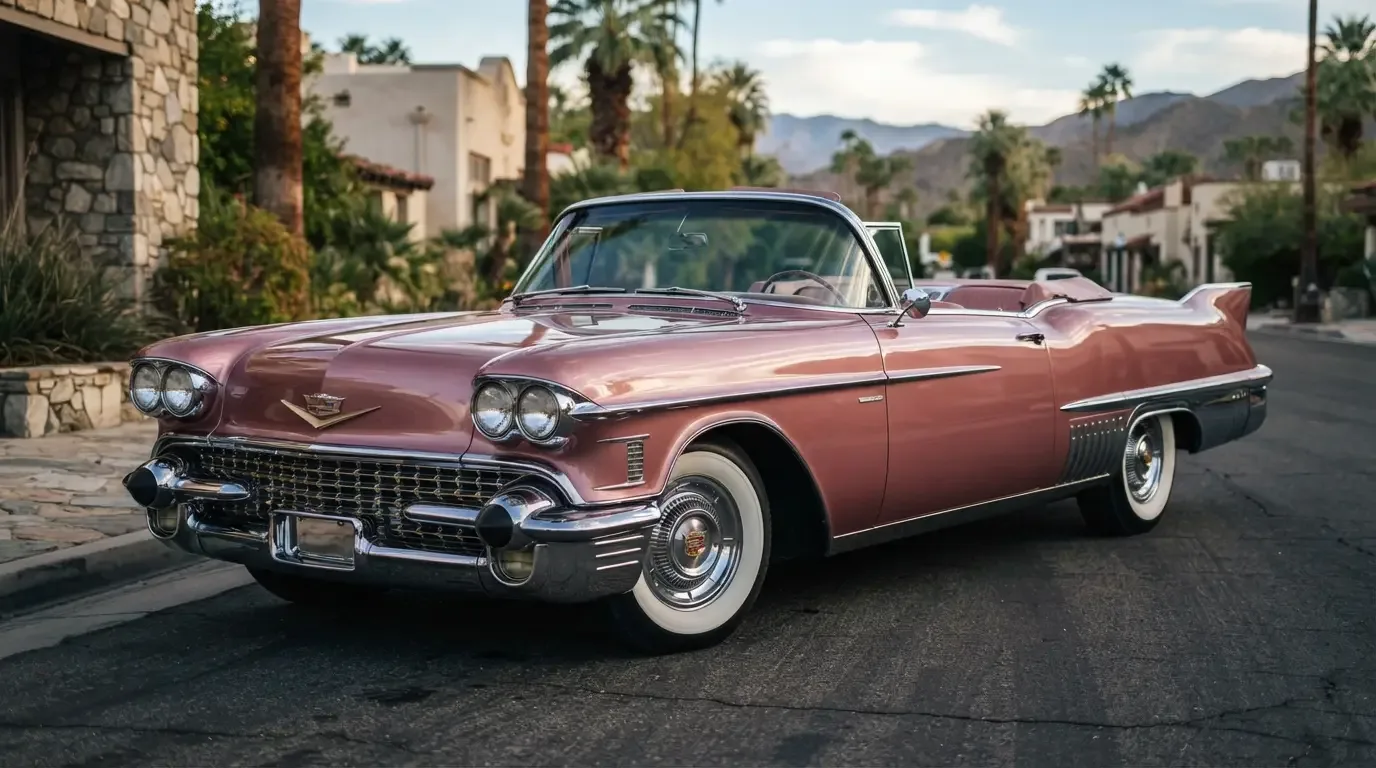
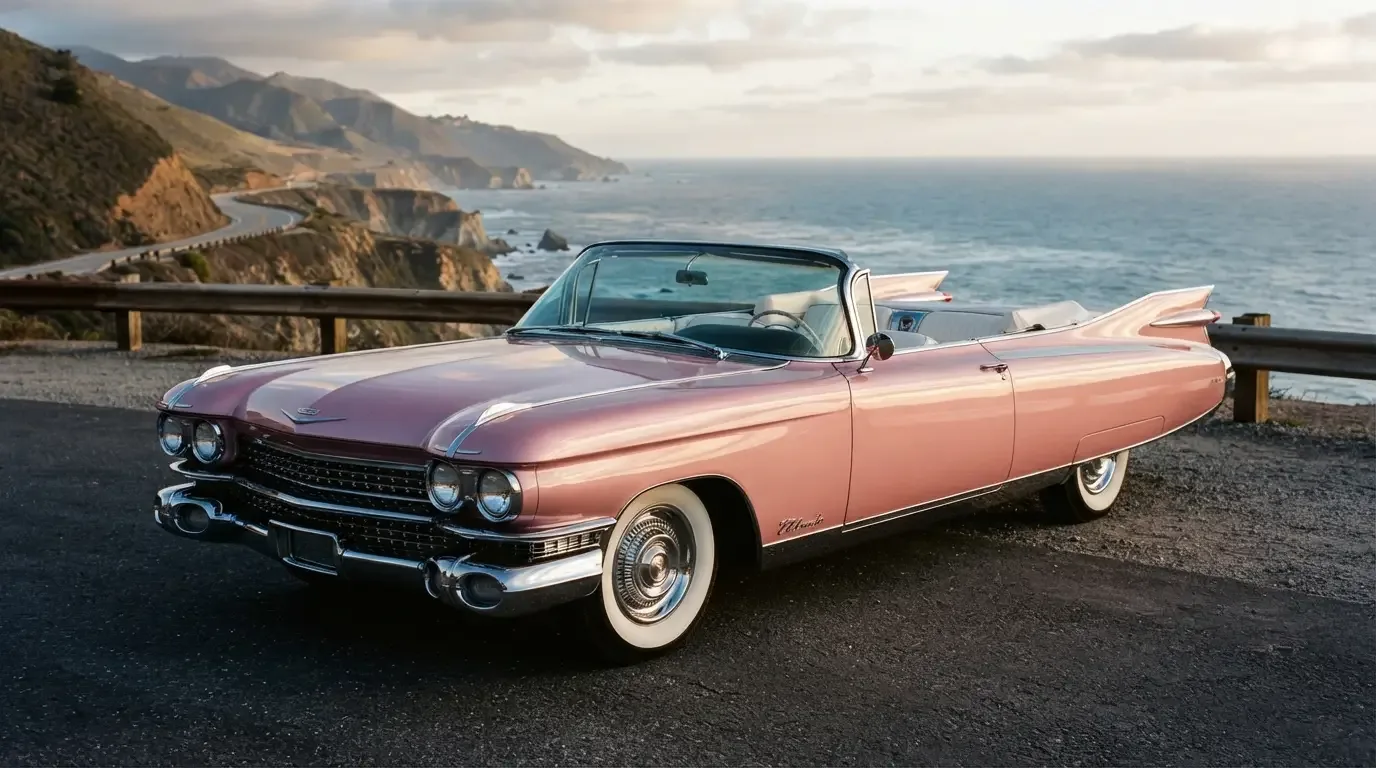
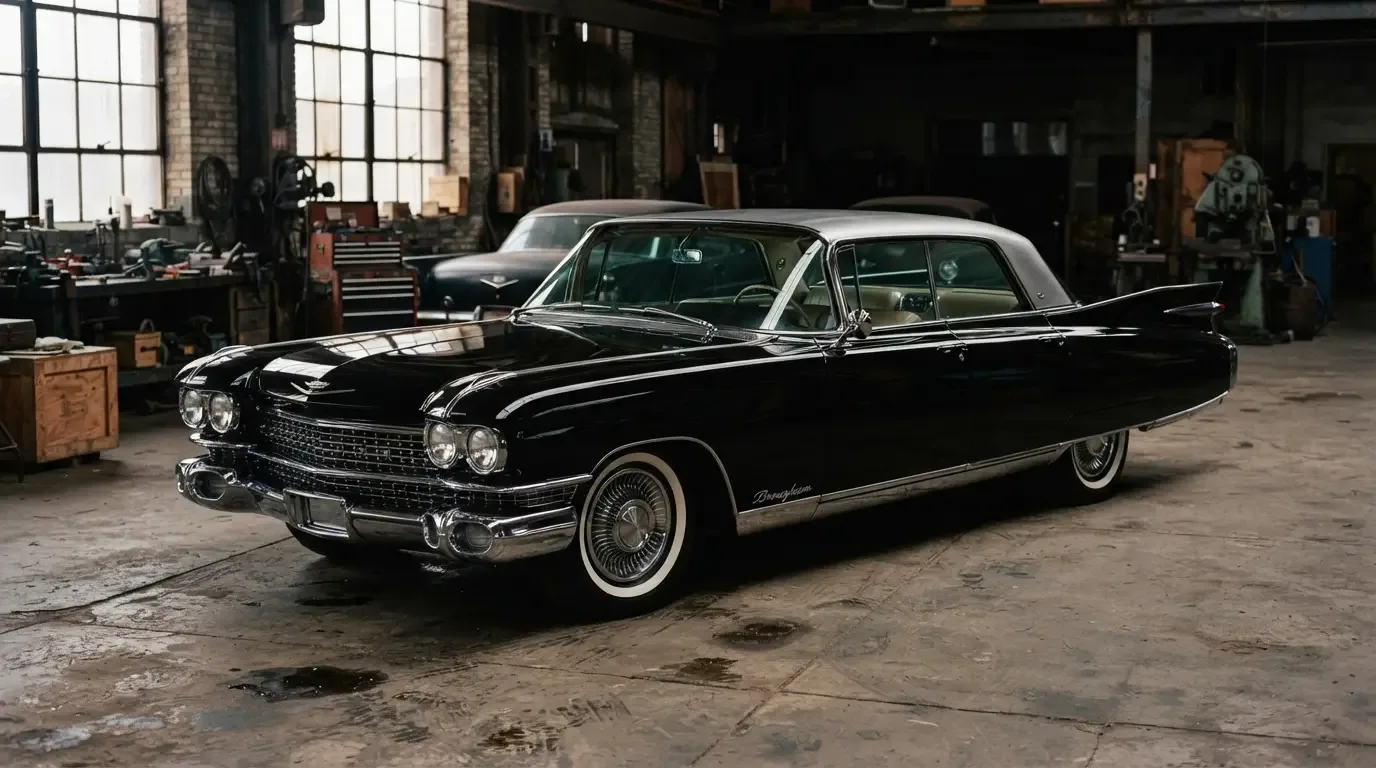
Paint is where I spend most of my working life, so this is the part I care about. The 1959 Eldorado left the factory in a palette that reads like a period document all on its own. There were deep blacks that made the chrome pop, soft pastels that suited the space-age styling, and a few metallics that catch light in a way modern base-clear jobs struggle to copy.
The colors were part of the sell. A 1959 Eldorado in the right period shade is a statement about taste and money in a way that a plain sedan never was. When I see one restored in a correct factory color, it looks like it belongs to its decade. When I see one sprayed in some modern custom hue, it can look sharp, but it stops being a 1959 Eldorado in the honest sense and becomes something else. That is a choice every owner makes, and I respect it either way, but the factory colors are the ones that tell the truth about the car.
The interior and the details that dated it
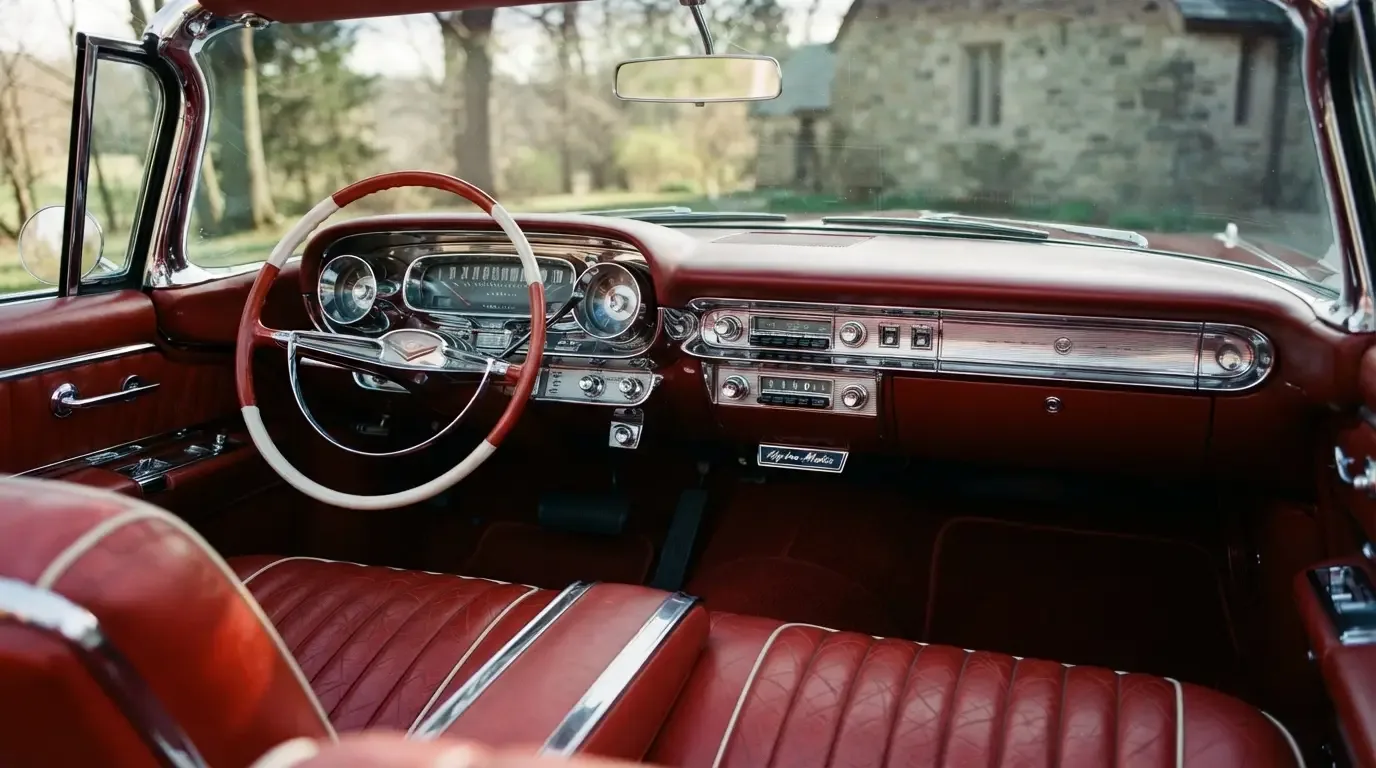
Open the door on a 1959 Eldorado and the inside matches the ambition of the outside. The dash is wide and low, trimmed with chrome and set with round gauges, and the whole cabin was designed to feel like a lounge more than a driver's compartment. This was the top Cadillac short of the hand-built Brougham, and the fittings reflected that. Special upholstery, power accessories, and interior brightwork all came standard on the Eldorado when they were extras elsewhere.
From where I sit, the interior is also one of the harder things to get right on a restoration. The materials and patterns were specific to the year, and a cabin done in the correct trim reads as authentic in a way that a generic redo never does. I have seen beautiful exteriors let down by an interior that was close but not correct, and to anyone who knows the car it stands out immediately. The 1959 was a fully considered design inside and out, and honoring that means respecting the details in the cabin as much as the fins.
What owners look for now
Among the people who chase these cars, the 1959 Eldorado sits at the top of the want list for the whole tailfin era. The convertible commands the most attention, but a correct Seville hardtop has its own following. What separates a real prize from a merely nice example usually comes down to originality, correct factory finishes, and the presence of the distinctive Eldorado trim rather than standard Cadillac pieces swapped in over the years.
The trouble is that the 1959 is exactly the kind of car that gets built up from lesser starting points, because the value gap between an Eldorado and a standard Cadillac of the year is wide. That makes documentation and honest presentation matter as much here as the paint and chrome. A genuine 1959 Eldorado, correct and honest, is one of the defining American cars of its decade, and the market treats it accordingly.
Where the 1959 sits in the model's story
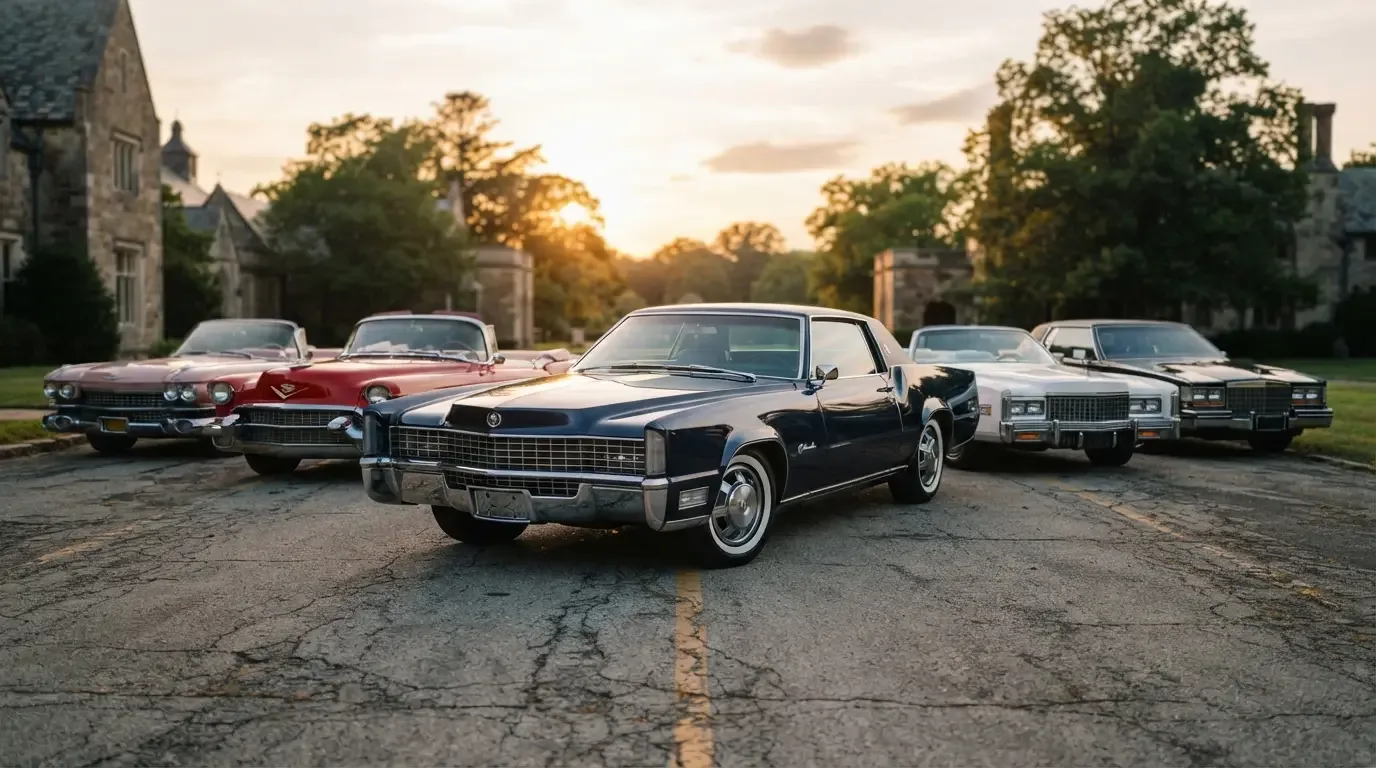
The 1959 did not come out of nowhere and it did not last. The fin had been growing for years, and once it peaked here it started coming down almost immediately. The 1960 car already looks calmer, and within a few seasons the whole industry had moved on from the tailfin as a design language. That makes 1959 a single high point rather than a plateau, which is exactly why it gets the attention it does.
You can read the 1959 as the end of one chapter in a much longer book. The Eldorado went on to reinvent itself completely, first as a front-drive coupe and later as a downsized luxury car, and none of those later versions looked anything like this. For the full arc, the the cadillac eldorado story puts this year in the context of everything that came before and after it.
"You can fake a lot of things on an old car, but you cannot fake the way those 1959 fins carry the line from the door all the way to the tip. That took real work, and it still shows."
- Jim Vasquez
Why it still matters
The 1959 Cadillac Eldorado earns its status because it committed all the way to an idea that everyone else was only flirting with. The fins are tall, the taillights are theatrical, and the whole car is unapologetic about what it is. That kind of confidence is rare in production sheet metal, and it is the reason this car sits at the top of so many lists.
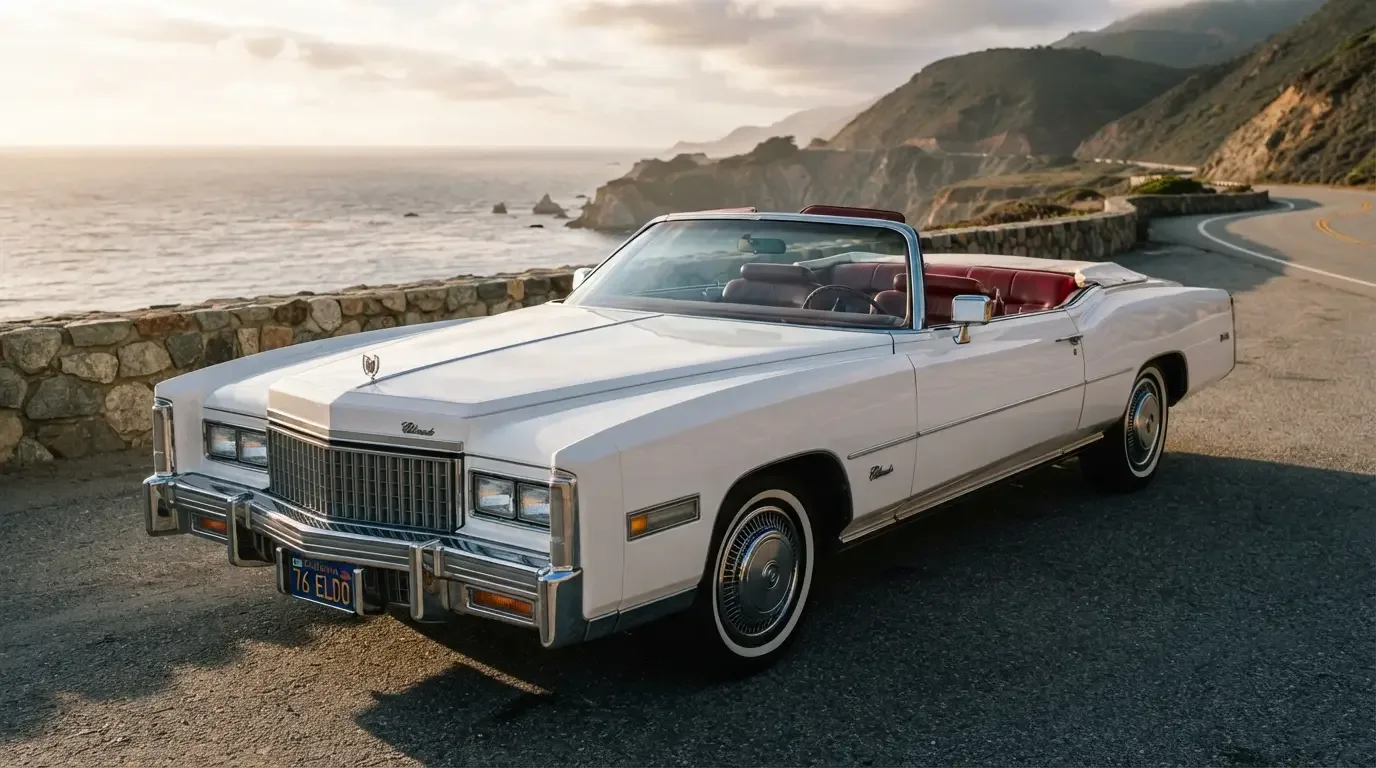
If the 1959 pulls you in, it is worth knowing it is not the only Eldorado that rewards a close look. The 1976 convertible carries a very different story but is worth the same kind of attention, and I would call it another one worth knowing for anyone working through the model's history. And if you are the kind of person who wants to own one rather than just read about it, you can browse classic browse classic Eldorado listings and see what the market is asking for a genuine example today.
Fifty years from now people will still recognize a 1959 Eldorado from across a parking lot. Not many cars from any decade can claim that, and it is the fins, done right, that make it possible.