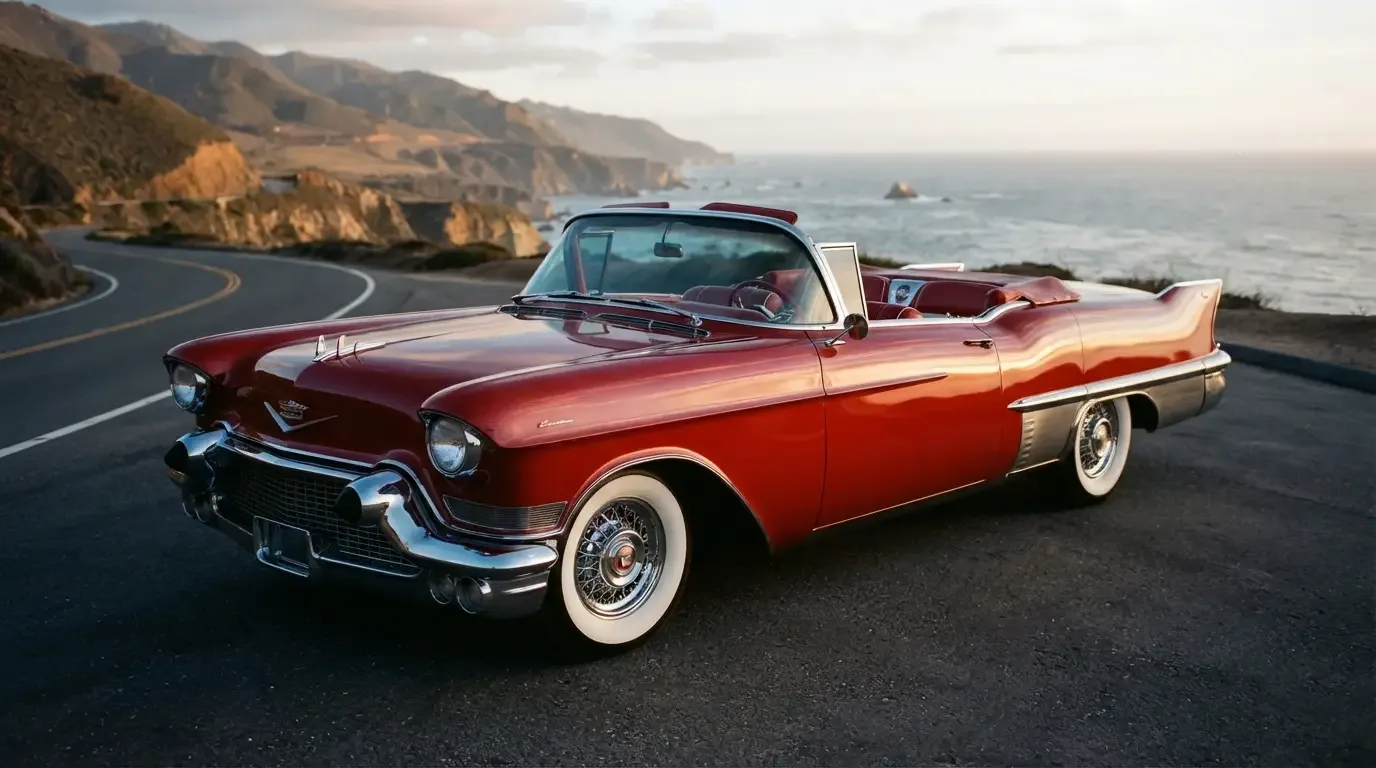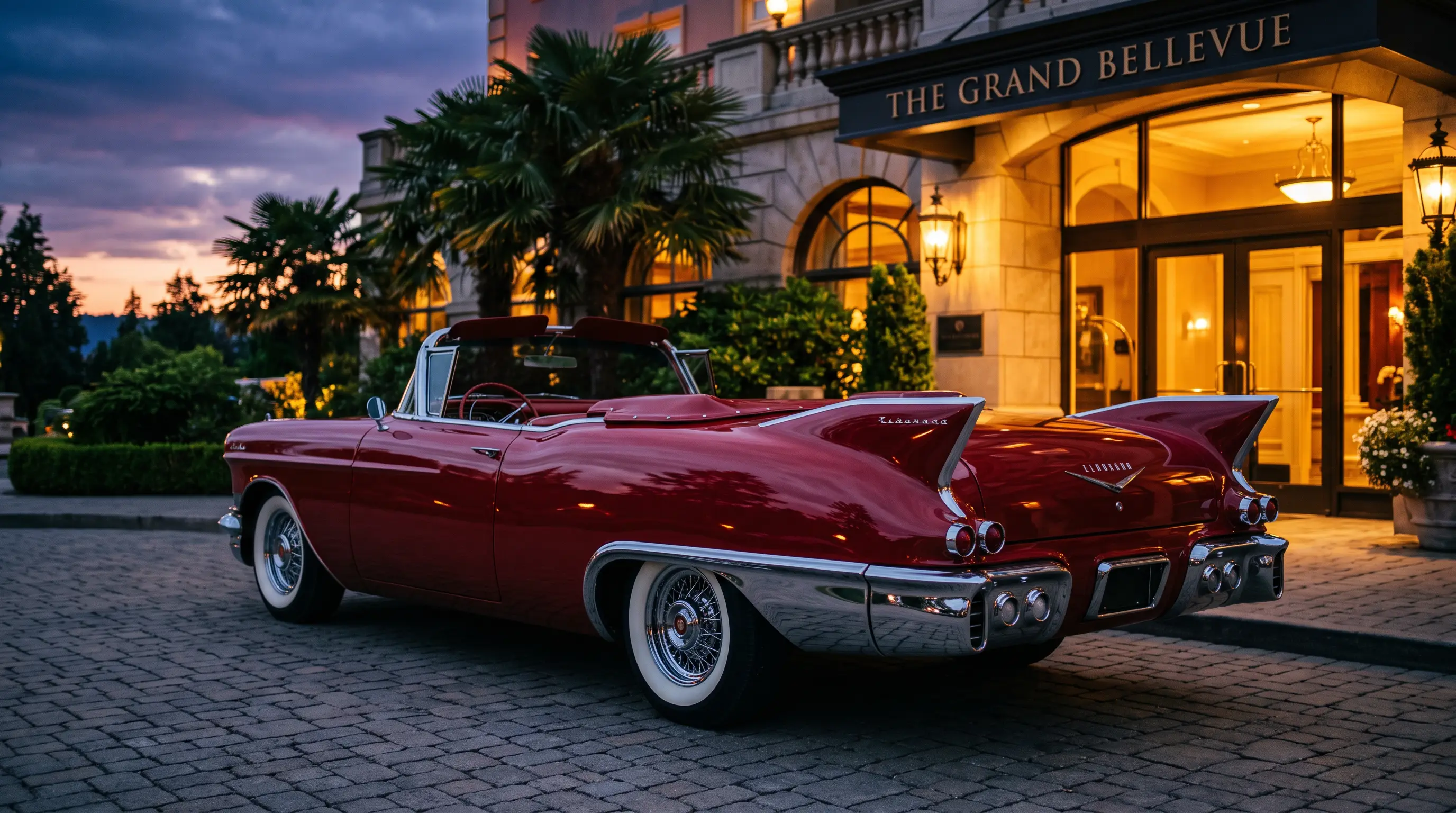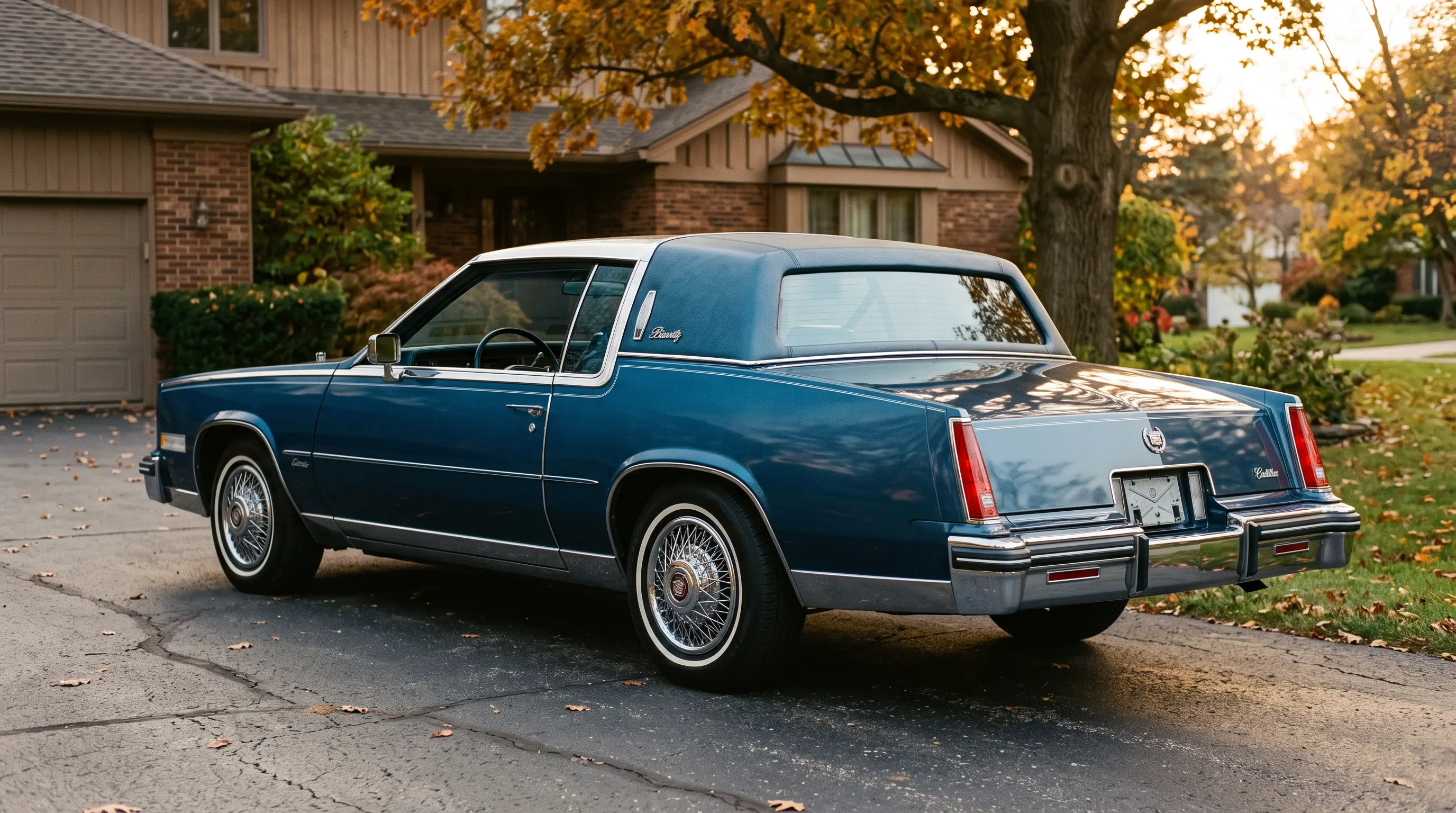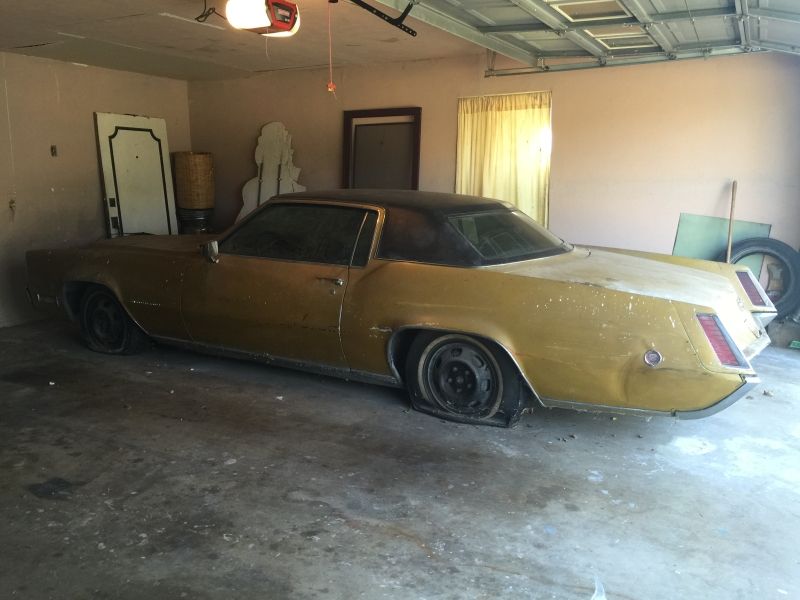
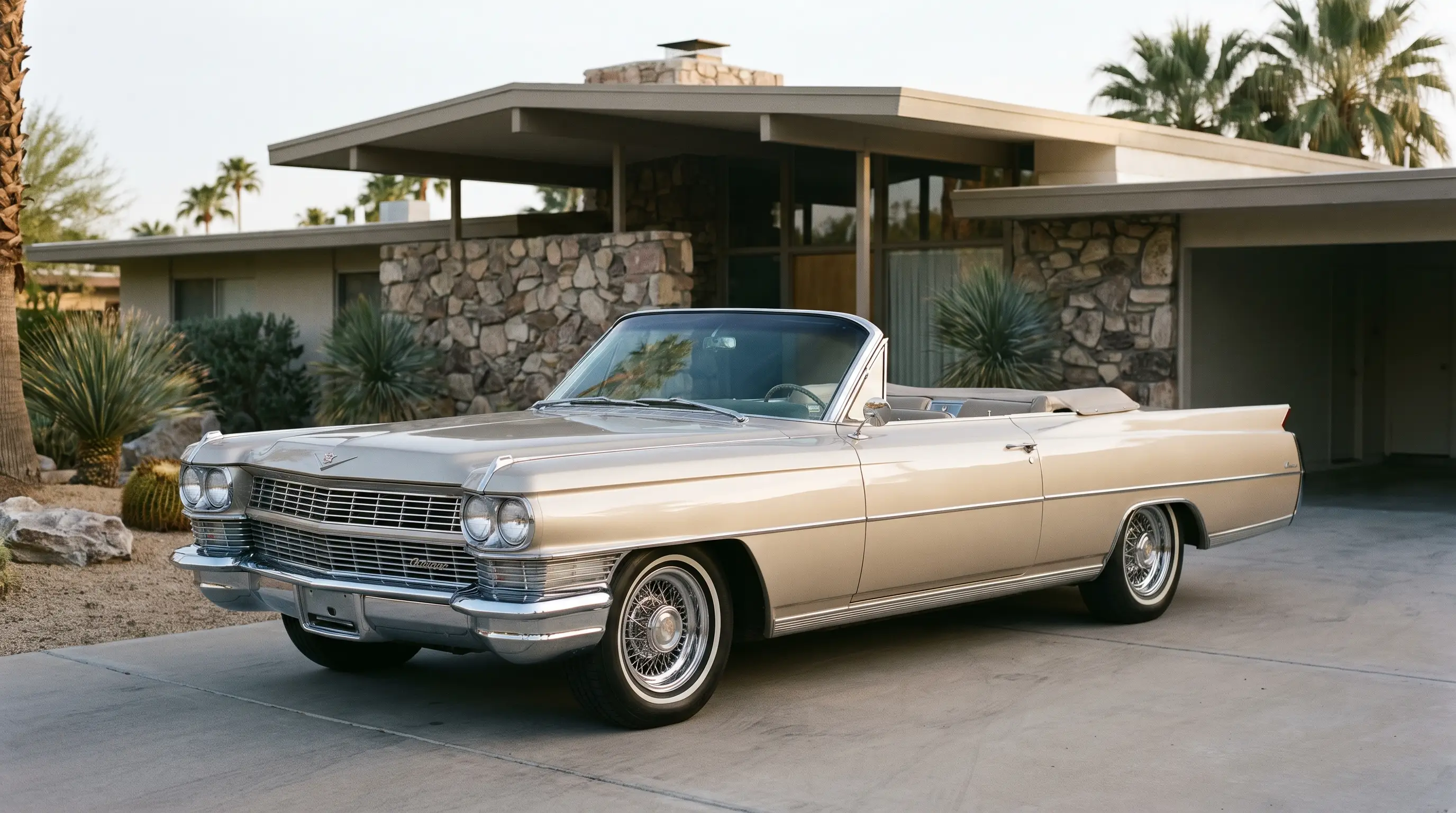
Our club president brought his 1964 Cadillac Eldorado Biarritz convertible to a cruise-in last summer, and within twenty minutes he had three separate people ask if it was actually a Sixty Special that had been customized, because so few casual enthusiasts remember the Eldorado still existed as a rear-drive convertible in the mid-1960s. It absolutely did, and it is one of the last of its kind before Cadillac reinvented the whole car three years later.
The last of the classic rear-drive Eldorados
By 1964, the Eldorado had settled into a quieter role than its flashy 1950s origins. Cadillac still built it as the top convertible in the lineup, still badged it Biarritz, and still loaded it with more standard equipment than a regular Series 62 convertible, but the tailfins had been tamed considerably from a decade earlier and the styling had grown cleaner and more restrained across the whole industry. The 1964 Biarritz carried Cadillac's 429 cubic inch V8, rated around 340 horsepower, paired with the Turbo Hydra-Matic transmission that had replaced the older Hydra-Matic unit that same year.
What made this specific model year notable inside the club is that it represents the tail end of the traditional Eldorado formula, a big rear-drive convertible built on a stretched Cadillac frame. Cadillac kept building rear-drive Eldorados for two more years after 1964, through 1966, before the whole car changed direction completely in 1967 with the switch to front-wheel drive. If you want the full backstory on how the Biarritz badge came to exist in the first place, where this started covers that 1956 origin point in detail.
| Spec | 1964 Eldorado Biarritz |
|---|---|
| Engine | 429 cid V8 |
| Output | 340 hp |
| Transmission | Turbo Hydra-Matic |
| Body style | Two-door convertible |
Why club members hold it in higher regard than the sales figures suggest
Sales figures for the Eldorado in the mid-1960s were modest compared to the volume Cadillac's other convertibles moved, and that relative rarity has made 1964 examples a genuine point of pride among owners who have one. It is not the flashiest year, and it does not carry the marketing weight of the 1976 last convertible story, but among people who actually know Cadillac history, the 1964 Biarritz is respected as a well-engineered, well-built car from a period when American luxury manufacturing was near its peak.
"Nobody at a car show mistakes a 1964 for a flashy year, and that is exactly why the people who own one tend to know their history a little better than average. You do not end up with this car by accident."
- Wayne Coburn
Driving one today
The 429 cubic inch V8 gives the car more usable torque than its 1950s predecessors, and the Turbo Hydra-Matic transmission shifts smoother than the earlier gearboxes it replaced. Power steering and power brakes were standard, which makes the car far easier to drive in modern traffic than people expect from something this large. It still floats over bumps the way a full-size 1960s Cadillac should, and the ride quality remains one of the best arguments for owning one of these over a modern car with objectively better numbers on paper.
Rust in the lower quarter panels and frame rails is the most common structural concern our members flag when inspecting a potential purchase, since these cars were driven as daily transportation for years before becoming collectibles, and many spent time in climates that were not kind to steel. A thorough underbody inspection matters more on a 1964 Eldorado than a cosmetic once-over of the interior and paint.
Finding one worth owning
These cars do not come up for sale as often as the more famous 1950s and 1970s Eldorados, which means patience matters if you are set on a 1964 specifically. Club members generally recommend widening your search radius rather than settling for a rough example close to home. If you are ready to start looking, classic Eldorado for sale listings are worth checking regularly, since a well-kept 1964 Biarritz tends to sell quickly once word gets out among people who actually understand what they are looking at.
The interior details that set 1964 apart
Step inside a 1964 Biarritz and the first thing that stands out is how far Cadillac had pushed cabin comfort by this point in the decade. Six-way power seats, a padded dash, and door panels finished in a combination of leather and brushed trim were all standard on this convertible, at a time when many competitors still treated those features as costly options. The instrument cluster carries a clean, symmetrical layout that ages well compared to some of the busier dashboards Detroit was producing just a few years earlier.
Our club has a running joke that you can always tell a 1964 owner because they will bring up the automatic climate control system unprompted within the first five minutes of conversation. It genuinely was ahead of its time, one of the first widely available systems that could hold a set cabin temperature without constant driver adjustment, and the fact that many of these systems still function on surviving cars today says something about how well Cadillac engineered them originally.
Why this year gets overlooked and why that is a mistake
The 1964 Eldorado sits in an awkward spot for casual collectors. It came after the era most people associate with wild tailfins and before the era most people associate with the dramatic front-drive redesign, so it does not have an obvious hook the way the 1959 or 1967 cars do. Club members who actually own one will tell you that gap in recognition is exactly what makes it a smart purchase for a buyer who wants genuine 1960s Cadillac engineering without paying the premium that attaches to the more famous model years.
It is a car built at the tail end of an era Cadillac had spent a decade perfecting, refined rather than flashy, and increasingly appreciated by people who take the time to actually drive one rather than just look at photographs. That is about as good a recommendation as any car in this hobby can get.
Bring one to a show and expect a slower crowd than the fin cars draw, but a more knowledgeable one. The people who stop to talk about a 1964 Biarritz usually already know a fair amount about Cadillac history, and those tend to be the better conversations anyway, the kind that keep this hobby worth showing up for year after year.