Auction results for the 1957 Cadillac Eldorado Biarritz consistently outperform its 1956 predecessor, and the gap is wide enough that it deserves a closer look at what actually changed in a single model year. If you are researching a purchase or trying to understand why one nearly identical convertible sells for meaningfully more than another, the 1957 update explains most of it.
What Cadillac changed for 1957
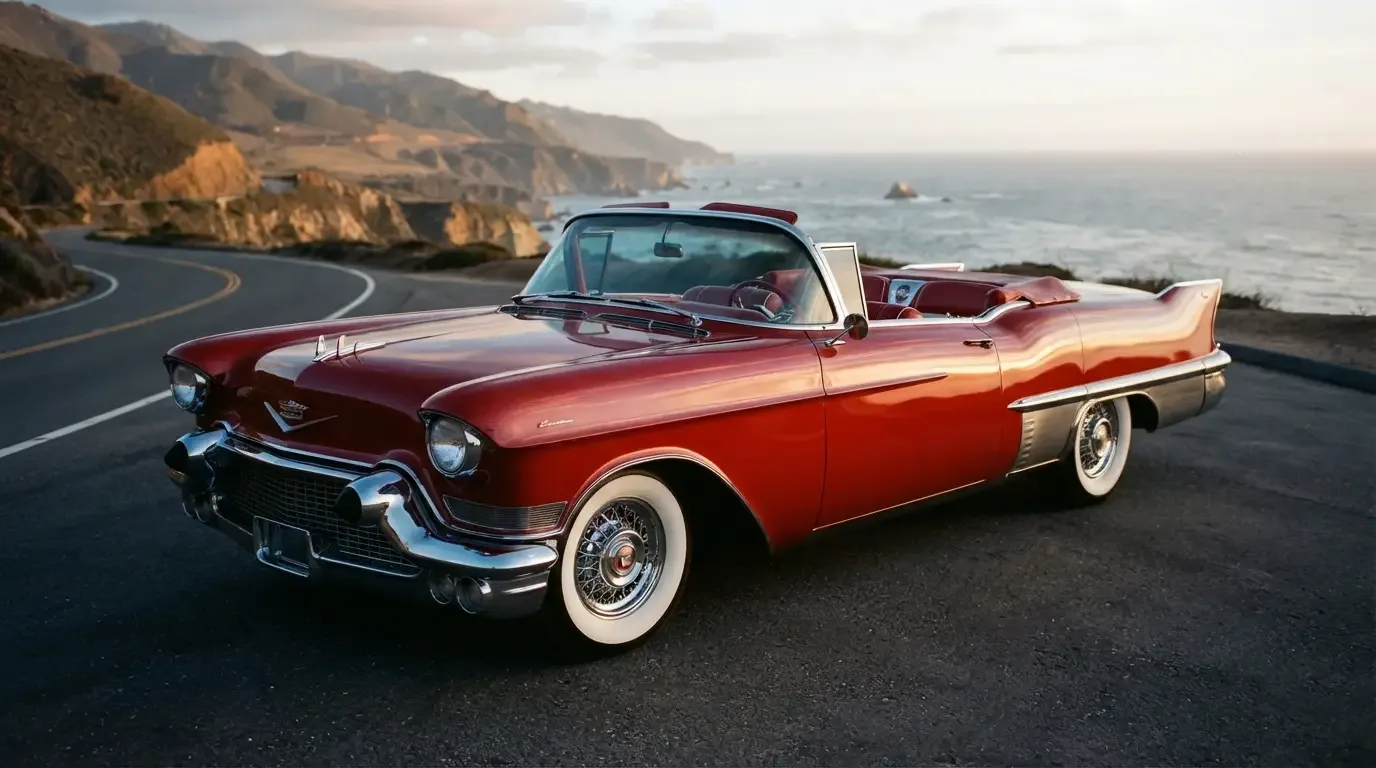
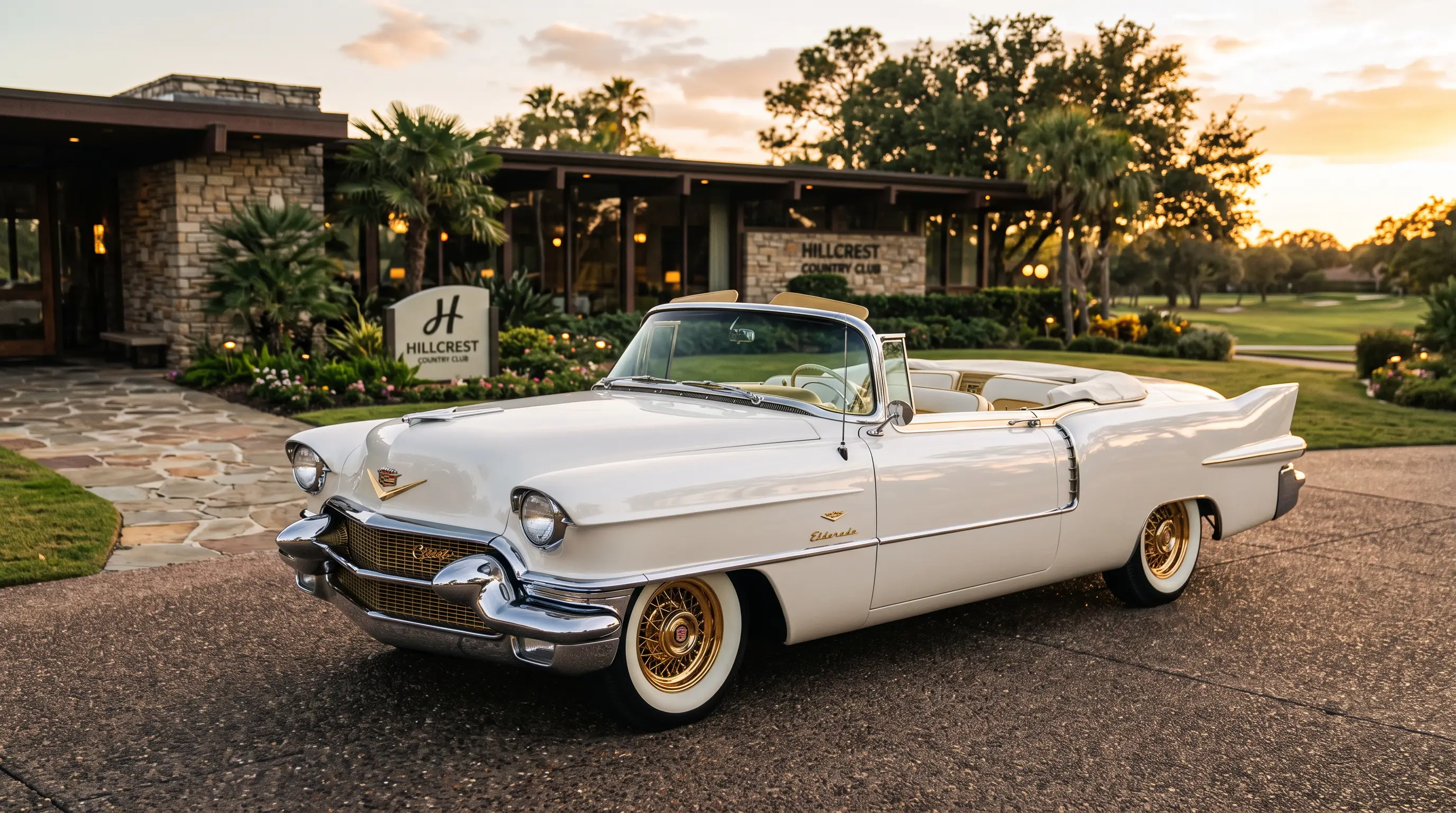
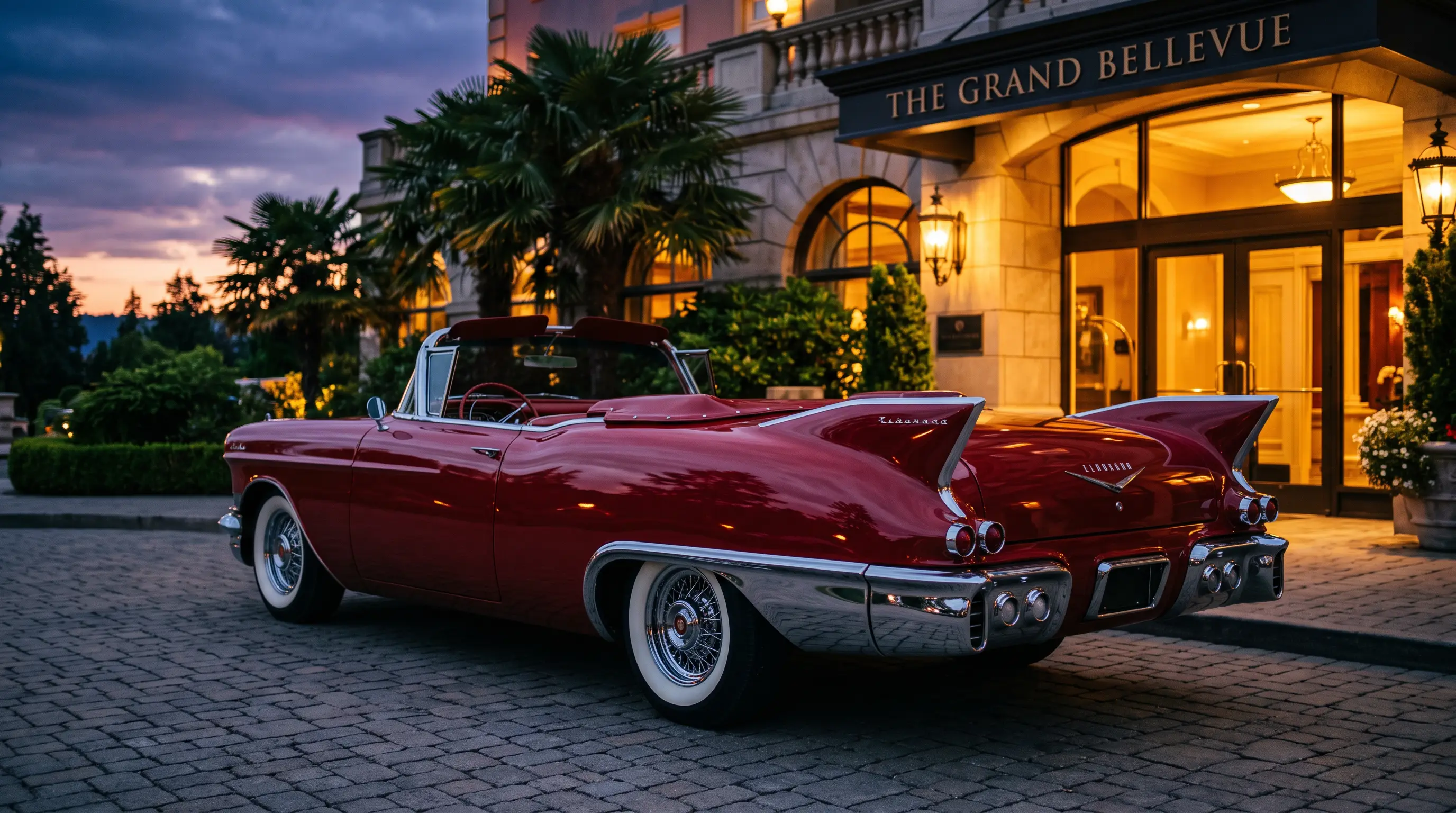
The Eldorado Biarritz received a full restyle for 1957, with a lower roofline, quad headlights among the first on a domestic production car, and a cleaner, less fussy interpretation of the tailfin theme that had defined the 1956 model. Cadillac also introduced the Eldorado Brougham that year as a separate ultra-premium four-door model with a stainless steel roof, which pulled some of the attention away from the Biarritz convertible but did not slow its sales. For collectors, the 1957 represents a meaningful design step forward from the car that came before it, and the market has consistently rewarded that.
Mechanically, the Biarritz carried a 365 cubic inch V8 rated at 325 horsepower for 1957, a step up from the prior year, with dual four-barrel Carter carburetors standard equipment on every Eldorado, not an extra-cost option. Air suspension became available as well, a genuinely advanced feature for the period, though it is also the single component most likely to have been converted to conventional coil springs by the time a car reaches the market today.
| Spec | 1957 Eldorado Biarritz |
|---|---|
| Engine | 365 cid V8 |
| Output | 325 hp |
| Notable option | Air suspension |
| Headlights | Quad headlight design |
How the numbers translate to today's market
Documented 1957 Biarritz convertibles with original air suspension components intact, or with a well-documented conversion, tend to trade at a premium over cars that have lost that history entirely. Buyers researching this specific model should read more on the cadillac eldorado biarritz for the full arc of how the badge evolved, since understanding where 1957 sits in that timeline helps explain the pricing you will see at auction.
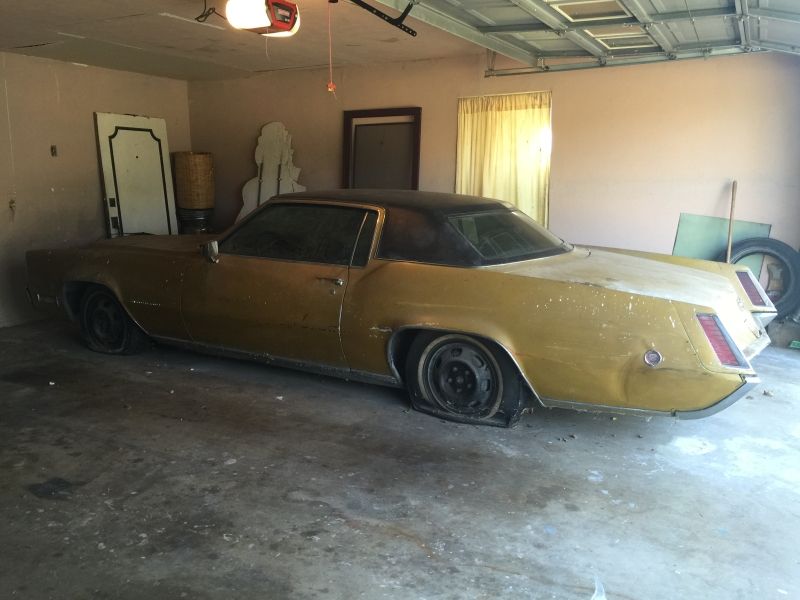
Condition still dominates the pricing conversation more than any single spec. A rough 1957 Biarritz with tired paint and a non-functional top will sell for a fraction of a well-sorted example, regardless of how desirable the model year is on paper. What the 1957 update does is raise the ceiling. The best examples of this year bring noticeably more than the best examples of 1956, even though the underlying platform is closely related.
"The 1957 restyle is the kind of one-year jump that actually shows up in the sales data, not just in enthusiast opinion. Quad headlights and a cleaner roofline moved real money at auction, and they still do."
- David Mercer
Where the story begins matters too
For buyers who want to understand the full arc of the Eldorado nameplate before narrowing in on a single model year, where this started traces the car back to its 1953 introduction as a limited-run halo convertible. That earlier chapter explains why Cadillac was willing to keep investing in dramatic yearly updates like the 1957 restyle, since the Eldorado had already proven it could justify a premium price tag among Cadillac's wealthiest buyers.
My advice for anyone shopping this specific model year is to prioritize documentation of the air suspension system above almost anything else on the spec sheet. A car with verifiable original components, even if they need servicing, tends to hold value better than a converted example, and the price gap between the two categories has widened rather than narrowed over the past several market cycles. Buyers researching current asking prices can browse classic Eldorados on the market to see how this plays out on cars listed for sale right now.
Buying advice specific to this year
Beyond the suspension question, inspect the quad headlight housings and trim carefully, since replacement parts specific to the 1957 restyle are harder to source than parts shared across multiple Eldorado years. Interior trim colors offered for 1957 also differed from 1956, so verify that any reupholstered interior matches a documented factory color rather than an approximation, since judges and serious buyers alike will notice the difference immediately.
Production numbers and what they mean for scarcity
Cadillac built the Eldorado Biarritz convertible in relatively limited numbers for 1957, well under the volume of a standard Series 62 convertible, which is part of why surviving examples still draw strong bidding whenever a genuinely clean one comes to market. Scarcity alone does not set a price, buyers care just as much about condition, but low production combined with high original cost means the population of cars that were maintained carefully by wealthy first owners is larger, proportionally, than you would find with a more mass-market convertible from the same period.
That combination, low volume plus a buyer base that could afford proper upkeep, has helped the survival rate of well-kept 1957 Biarritz convertibles stay higher than you might expect for a car approaching seventy years old. It is not unusual to find examples with a documented ownership chain running back two or three owners total, which is rare for a mainstream car of the same age and nearly unheard of outside the luxury segment.
Comparing 1957 against the years around it
Buyers occasionally ask whether they should target 1957 specifically or simply buy the cleanest Biarritz they can find regardless of year. My honest take as an analyst is that condition should always win over model year when the price difference is significant, but if two cars are priced similarly, 1957 has the stronger long-term data behind it compared to 1956, and it predates some of the complexity that came with the Brougham-adjacent options offered in 1958. It sits at a genuine sweet spot in the design cycle, new enough to have the quad headlight styling collectors respond to, but simple enough mechanically that a competent independent shop can service it without hunting for Brougham-specific parts.
None of this should discourage anyone from buying a 1956 or 1958 car they love. The data supports 1957 as a strong choice, not the only correct one. Collector car buying should still start with the individual car's condition and documentation before it starts with a spreadsheet of average auction results.
The bottom line for buyers
If I had to summarize the 1957 Eldorado Biarritz opportunity in one sentence, it would be this. You are buying a car with a stronger design story than 1956, simpler ownership than 1958, and a track record at auction that has been consistent rather than volatile across multiple market cycles. That combination of factors is unusual in the collector world, where hype often outruns fundamentals. Here, the data and the enthusiasm actually point the same direction, which is about as close to a clean recommendation as this hobby gets.