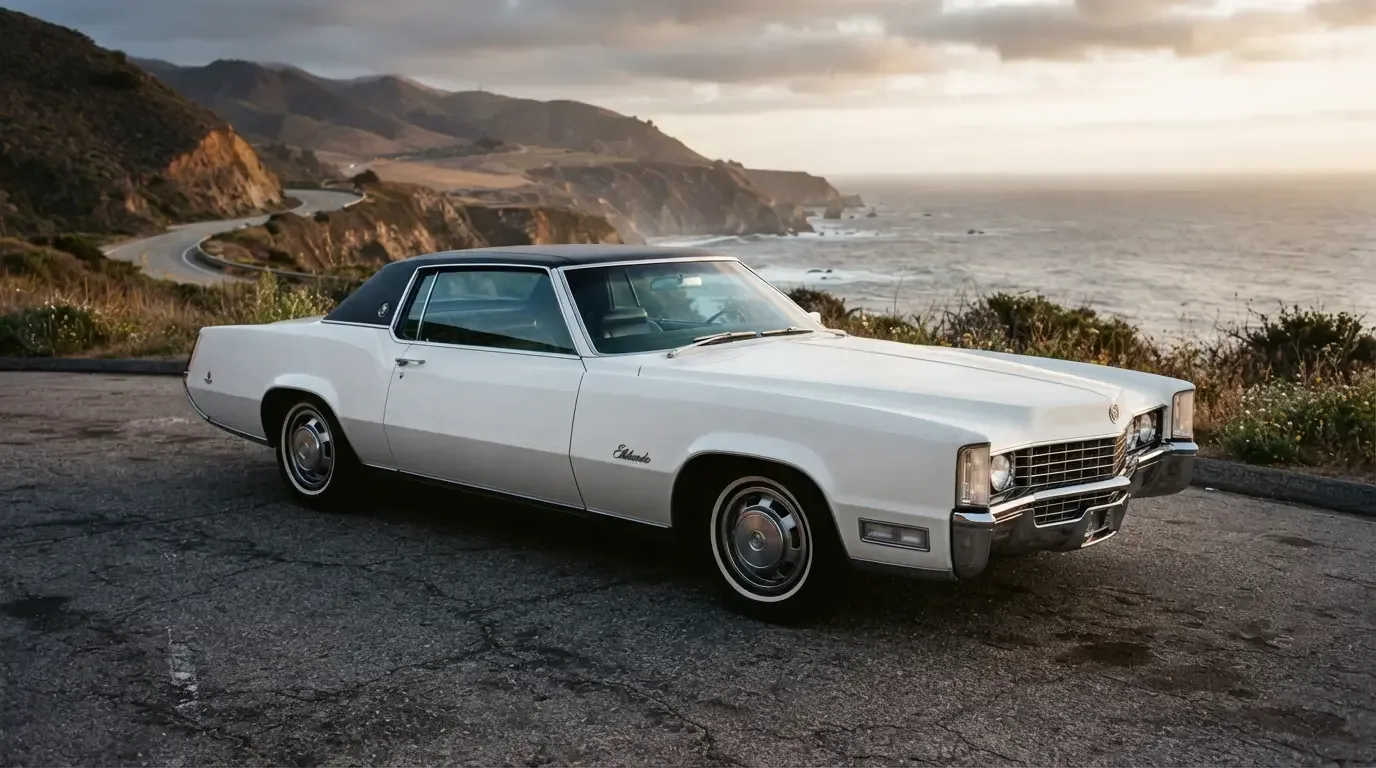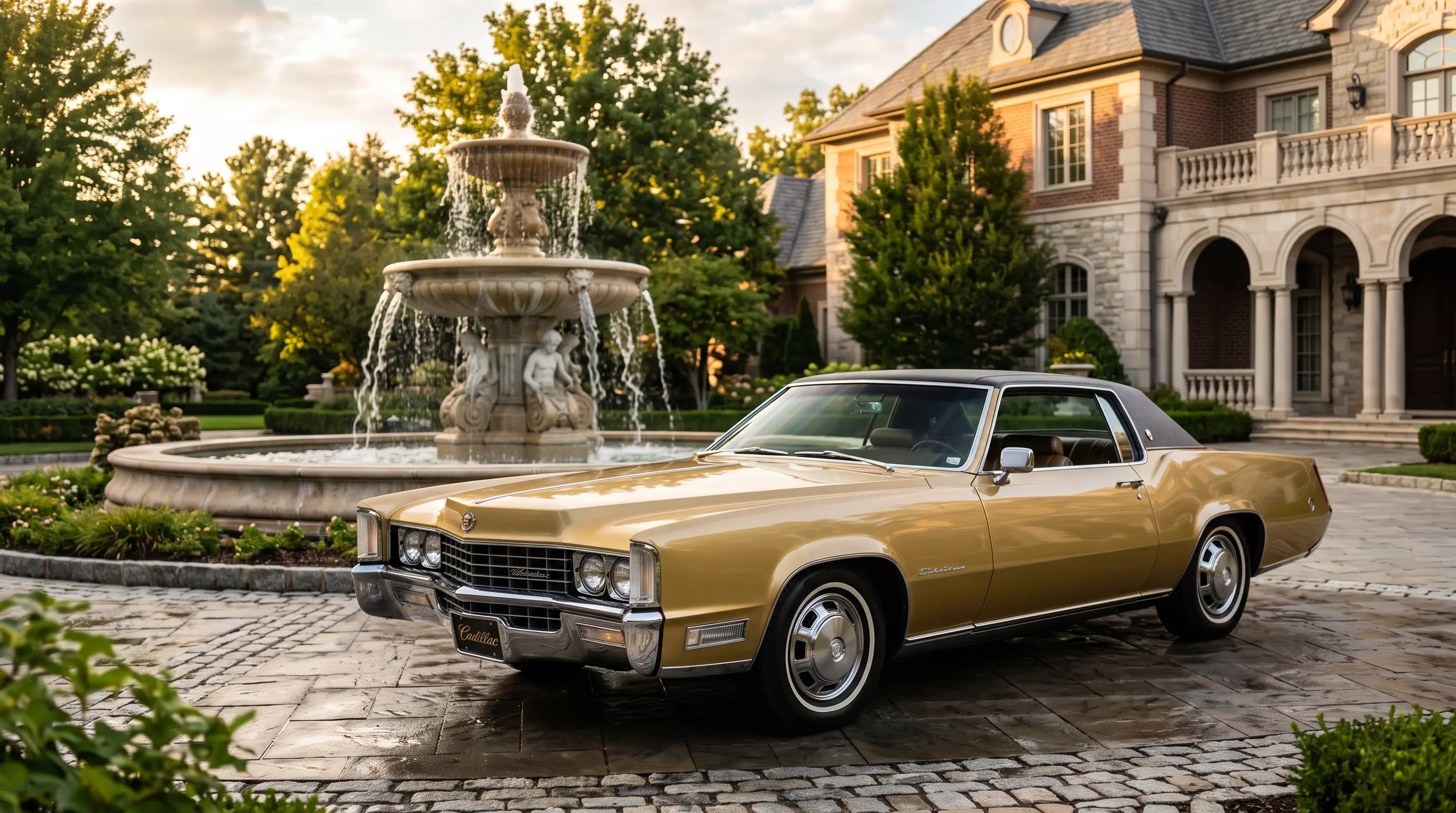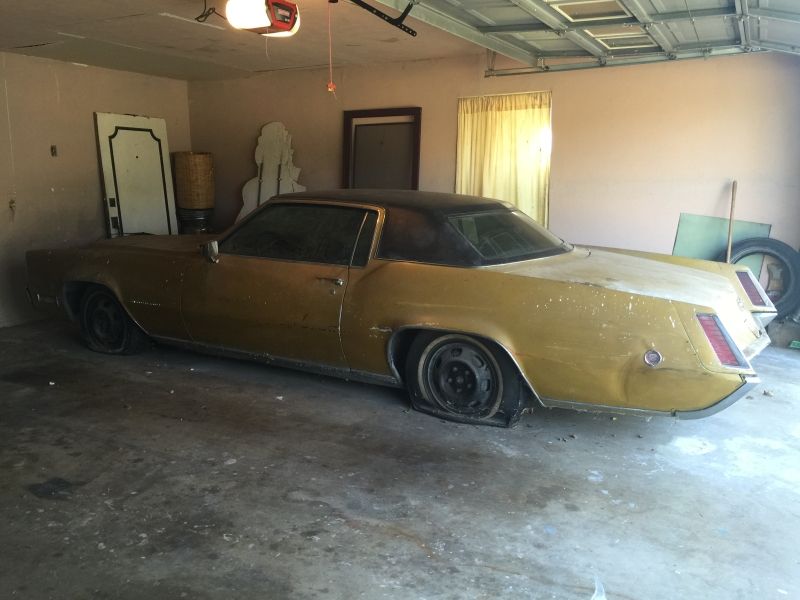
Production numbers get repeated so often across enthusiast forums and auction listings that they take on an authority they do not always deserve. Anyone researching 1967 through 1970 Eldorado production figures quickly runs into the same handful of numbers copied from site to site, and it is worth separating what is well documented from what is simply widely repeated before treating any of it as settled fact.
Why production figures matter for this generation
The front-wheel-drive Eldorado launched in 1967 as a genuine gamble for Cadillac, a mechanically distinct coupe built on shared architecture with the Oldsmobile Toronado but positioned and priced well above it. Production volume in the years that followed tells us how quickly the market accepted that gamble, and tracking the year-over-year trend matters more than fixating on any single figure in isolation. A generation that grew its production numbers through its run signals a car that found its audience. A generation that shrank tells a different story entirely.
For the 1967 through 1970 Eldorado, the broad trend commonly cited across secondary sources shows growth from the launch year through the middle of the run, with 1967 volume, the introductory year, sitting below the years that followed as dealers and buyers alike got their first look at the new front-drive coupe. The figures most consistently cited are 17,930 units for 1967, 24,528 for 1968, 23,333 for 1969, and 23,842 for 1970, a pattern that shows a strong jump after the launch year followed by output settling into a narrower band for the rest of the run. Even these commonly cited totals are worth treating with some caution, since they trace back to secondary compilations rather than a single published factory ledger, and a researcher chasing precision on a specific year should still confirm against club or factory sources before building an argument on the exact digit.
Where reliable figures actually come from
Cadillac's own factory production records, where they survive and are accessible, remain the gold standard for this kind of research, followed by contemporary trade publications from the automotive press of the period, which typically reported model-year sales and production figures shortly after each season closed. Cadillac club archives, particularly those maintained by long-running national organizations with access to dealer and factory documentation, are generally more reliable than individual enthusiast websites that may simply be recirculating a number first published decades ago without a clear citation trail.
A serious researcher chasing an exact figure for, say, 1969 production specifically should treat any number without a clear primary source as a working estimate rather than a fact to build an argument on, and should note where each figure came from so the next person doing this same research does not have to start over from nothing. This matters more than it might seem, because production figures get used constantly to argue about relative rarity between model years, and an unsourced number repeated confidently enough starts to function as established fact even when nobody can point to where it originally came from.
"I've traced more than one widely cited Eldorado production figure back to a single 1970s enthusiast newsletter with no stated source of its own. That doesn't make the number wrong, but it does mean it deserves the same scrutiny as any other unverified claim, not blind repetition."
- Tom Ramirez
What production numbers reveal about rarity
Rarity within this generation is not purely a function of total production volume. Body style is a factor too, since this generation was offered exclusively as a two-door coupe with no convertible variant, unlike earlier Eldorado generations that famously included open-top models prized by collectors today. Color and trim combinations add another layer, since a Firemist paint code paired with a less common interior trim can make an otherwise ordinary production-year car genuinely scarce in that exact configuration, regardless of how many total units Cadillac built that year.
Engine displacement offers one more wrinkle specific to this generation. The 1967 launch cars carried a 429 cubic inch V8, 1968 and 1969 models switched to a 472 cubic inch unit, and 1970 models moved up again to the larger 500 cubic inch V8, meaning collectors specifically chasing one displacement over the other are narrowing the pool to a single model year or two rather than splitting the generation neatly in half.
How Cadillac's own dealer network shaped the numbers
It is worth remembering that production figures do not exist in a vacuum. They reflect decisions made by Cadillac's sales and planning staff about how aggressively to build toward projected demand, decisions informed by dealer orders placed months before a given model year's cars ever reached a showroom floor. A strong launch year for the front-drive Eldorado in 1967 would have given Cadillac's planners real confidence heading into 1968 and 1969, likely supporting the production growth commonly described across secondary sources, while any softening in later years would have shown up first in dealer order patterns before it ever reached a factory production report.
This is part of why club archives and dealer records, where they survive, tend to be more valuable to a careful researcher than a single published production total. A dealer invoice or regional sales report can show not just how many cars Cadillac built in a given year, but where they sold and in what configuration, information that a bare national production figure simply cannot provide on its own. Anyone doing serious work on this generation's history benefits from treating production totals as one data point among several rather than the entire story.
Researching your own car's place in the numbers
For anyone trying to place a specific car within this production story, the cowl tag and factory build sheet remain more useful than any published aggregate figure, since they document that individual car's exact configuration rather than a generation-wide estimate. 1967 cadillac eldorado history covers the broader engineering and market context this production run grew out of, useful background before diving into unit-specific research. For a deeper look at what these production patterns mean for value today, a related story picks up the collecting side of this same generation.
Buyers who want to see how production-era rarity plays out in current pricing can look at Eldorados for sale now, where listing descriptions and asking prices often reflect, whether accurately or not, exactly the kind of rarity claims this article encourages readers to verify rather than accept at face value.
The honest summary is this: the broad production trend for the 1967 through 1970 Eldorado is reasonably well understood, growth through the middle years of the run on a platform that proved its market appeal quickly, but precise year-by-year figures deserve more skepticism than the enthusiast community typically gives them, and any serious research or purchase decision should treat unsourced numbers as a starting point for verification, not a conclusion. That habit of verification, more than any single confirmed figure, is what separates useful historical research on this generation from the kind of repeated folklore that eventually gets mistaken for documented fact simply because enough people have written it down the same way.