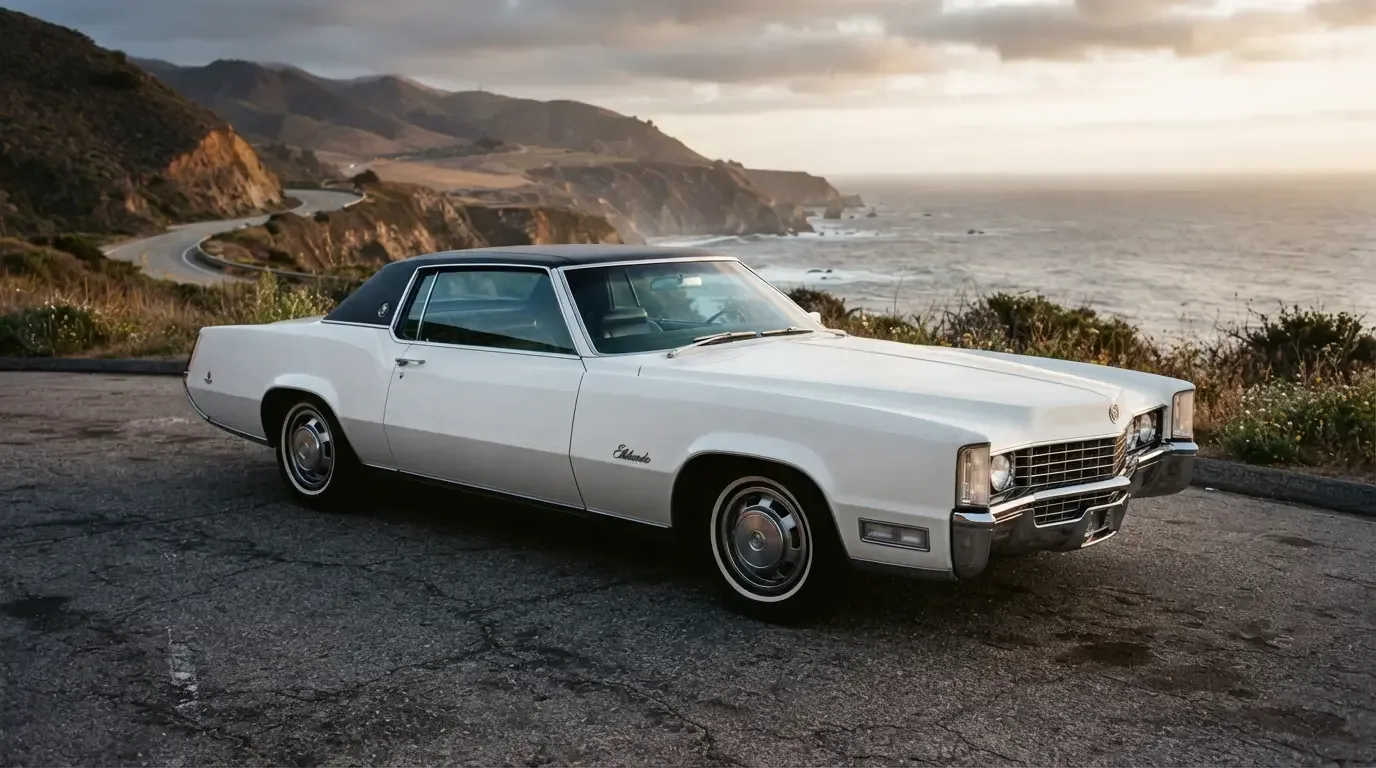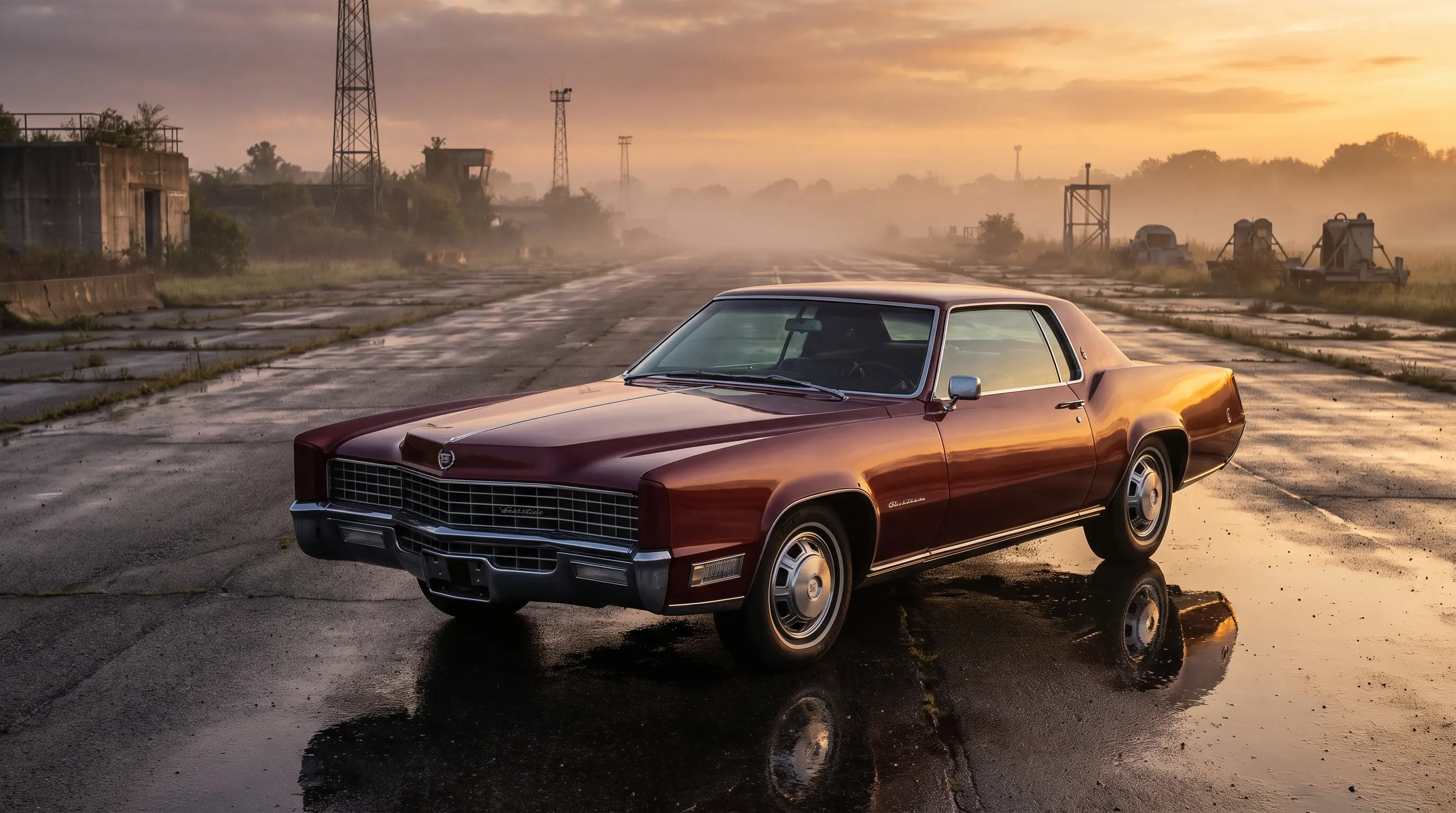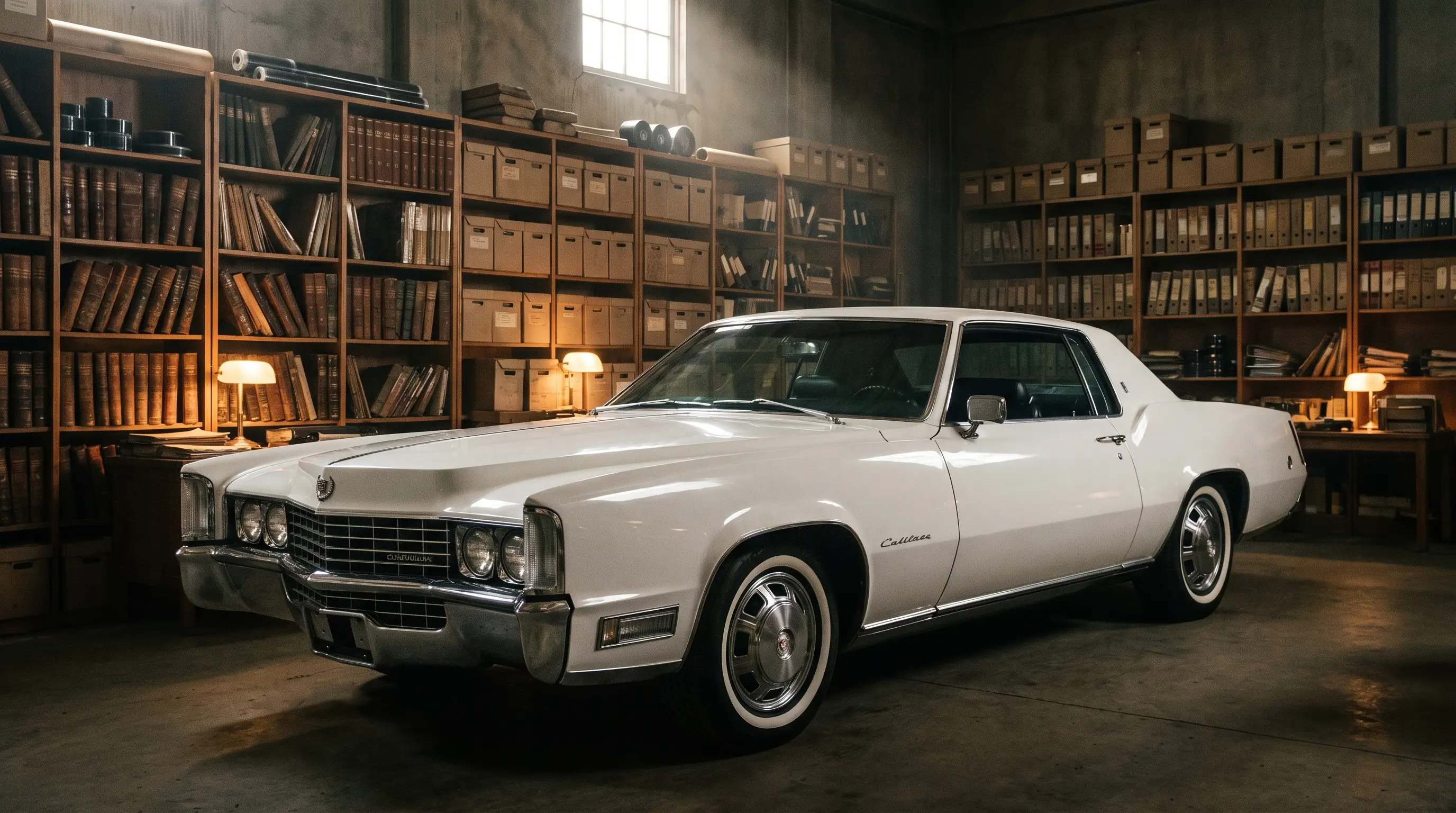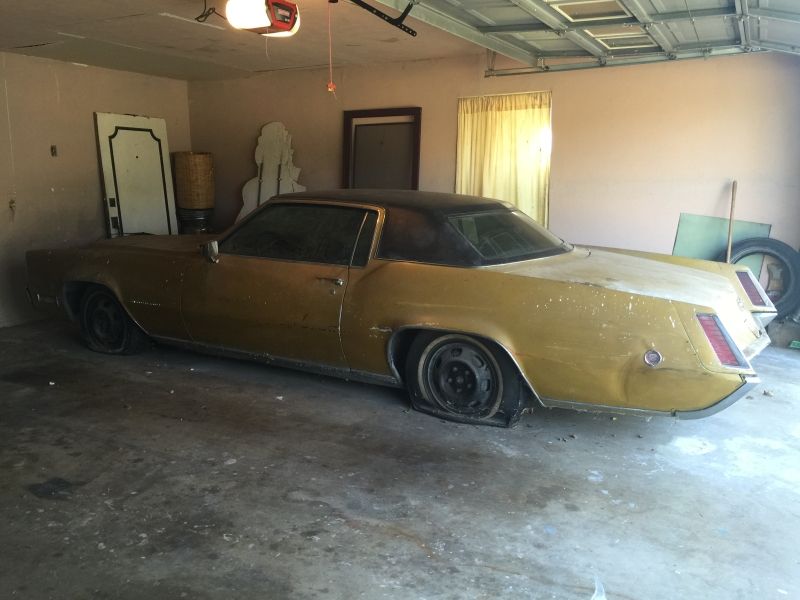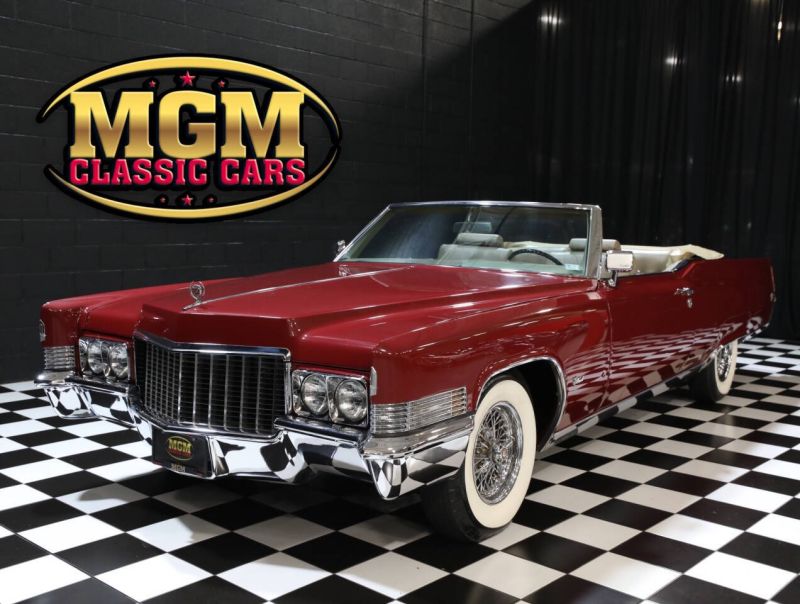
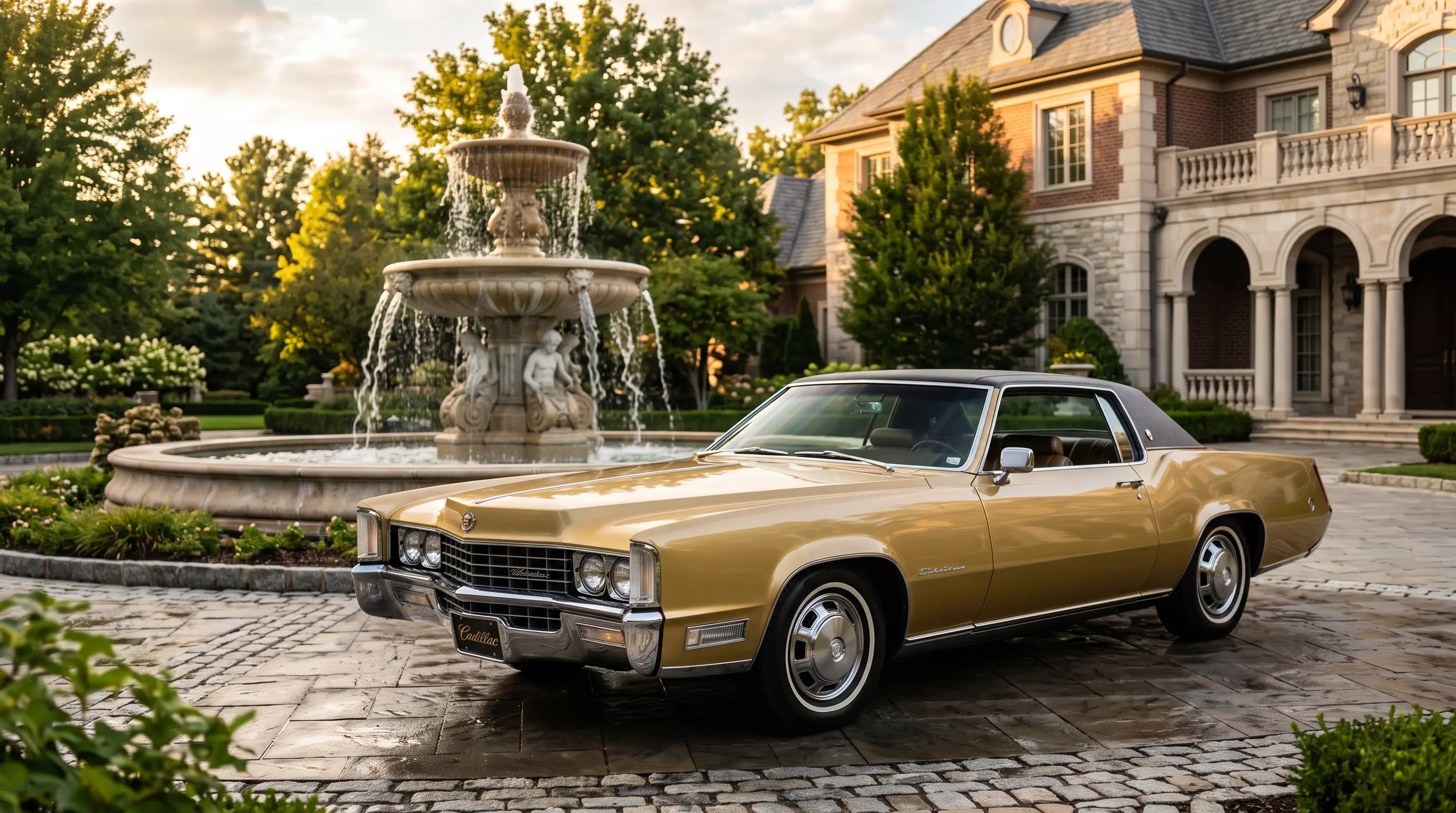
Collectors looking at the 1967 through 1970 Eldorado today are buying into a car that occupies a specific, defensible position in the classic Cadillac market, distinct enough mechanically to command real interest, common enough in absolute numbers that prices have not run away from buyers the way they have for more limited early Eldorado convertibles. Understanding where this generation sits in that spectrum is the first step toward a sensible purchase decision.
Where this generation sits in the market
Front-wheel drive is the single biggest factor separating this generation's value from a contemporary rear-drive Cadillac, and the market consistently reflects that distinction in auction results and private sale prices. A clean 1967 through 1970 Eldorado routinely draws a premium over an equivalent-condition Series 62 or Calais from the same years, evidence that buyers are paying specifically for the mechanical story, not just the badge or the styling. That said, this generation still sits below the earlier Eldorado convertibles from the 1950s and early 1960s in outright collector value, since those cars combine open-top rarity with the nameplate's original halo-car status in a way the front-drive coupes, offered exclusively as closed cars, cannot replicate.
Condition remains the dominant factor in any specific transaction, more consequential than model year within the generation in most cases. A well-documented, rust-free 1968 in original paint will typically outsell a rougher 1970 with the larger 500 V8, even though the later engine carries its own collector interest, because buyers consistently prioritize originality and structural soundness over incremental mechanical specification differences within this generation.
What drives a premium within the generation
A handful of factors reliably push a specific car above the generation's baseline value. Documented originality, meaning a matching cowl tag, verifiable factory paint and trim codes, and a clear ownership history, matters more to serious buyers than almost anything else, since it removes the uncertainty that surrounds so many decades-old cars with incomplete records. Firemist and other less common factory color and trim combinations add measurable interest for buyers specifically chasing rarity within the generation rather than just a driver-quality example. Low, verifiable original mileage adds a premium as well, though buyers should treat any low-mileage claim with appropriate skepticism absent supporting documentation such as period service records or a continuous ownership chain.
Mechanical condition of the front-wheel-drive system itself deserves specific scrutiny during any pre-purchase evaluation, since a neglected system is more costly and more difficult to bring back to full health than a comparable rear-drive Cadillac's simpler, more universally understood drivetrain.
"The buyers who do well with this generation are the ones who treat documentation as equal in importance to cosmetic condition. I've seen a car with an average paint job outsell a glossy repaint simply because the average car came with a complete, verifiable history and the glossy one came with none."
- David Mercer
Realistic expectations for buyers
Anyone entering this market should expect a meaningful range of asking prices even among cars in broadly similar cosmetic condition, driven by the documentation and originality factors above as much as by anything visible in a set of listing photographs. A car marketed heavily on styling and color without much said about paperwork or mechanical history deserves closer questioning before an offer, not automatic disqualification, but genuine scrutiny, since the absence of documentation is information in itself and should factor into any final offer a buyer makes. Sellers who welcome detailed questions about cowl tags, build sheets, and service records are, in my experience, consistently more trustworthy counterparties than sellers who deflect those same questions.
Budget for a specialist pre-purchase inspection focused specifically on the front-wheel-drive system's condition, not just a generic classic car once-over, given how much that single component differentiates this generation from other Cadillacs of the same era and how costly it can be to properly restore if neglected. That inspection cost is small relative to the price of the car itself, and it is consistently the best money a serious buyer can spend before signing anything.
Comparing model years within the run
Within the generation itself, the market does not treat every model year identically. The 1967 launch car draws particular interest from buyers who want the purest expression of the original design, unobscured by the running changes that arrived in subsequent seasons, and that first-year status carries a mild premium among buyers focused specifically on originality of concept rather than mechanical refinement. The 1970 car, by contrast, appeals to a different kind of buyer, one drawn to the larger 500 cubic inch V8 and the final, most developed version of this body style before Cadillac moved to a new generation in 1971. The 1968 and 1969 cars, sitting between those two poles, tend to trade at a modest discount to both bookend years, not because anything is wrong with them, but simply because they lack a comparably distinct story to tell a buyer choosing between several otherwise similar options.
None of these year-to-year differences are large enough to override the more important factors of condition and documentation discussed above. A pristine, well-documented 1968 will still outsell a rough, undocumented 1967 or 1970 in almost every real transaction. But when two cars are genuinely comparable in condition and paperwork, model year within the generation becomes a real, if secondary, factor in the final price a buyer is willing to pay.
The long view on value
My assessment for buyers weighing this generation against alternatives: the front-drive Eldorado remains a reasonably accessible entry point into serious Cadillac collecting, offering genuine mechanical distinctiveness at a price still well below the marque's most exclusive early convertibles. The whole picture of how this generation came together helps explain why the market values it the way it does, and that context is worth understanding before making a purchase decision rather than after.
For buyers ready to start comparing actual cars, the smartest first step is still to go find a classic Eldorado and request documentation on several candidates before narrowing the search, since price alone rarely tells the full story on a car this dependent on paperwork and originality for its true value.
This is not a generation I would tell anyone to buy purely as a speculative investment. It is a generation I would tell someone to buy because they want to drive and own a genuinely distinctive piece of Cadillac engineering, with the reasonable expectation that a well-documented, well-maintained example will hold its value at minimum, and likely appreciate modestly, as broader interest in front-wheel-drive American classics continues to grow. That combination, genuine driving pleasure paired with a defensible long-term value case, is about as good an argument as any collector car segment can offer, and it is why I keep recommending this generation to buyers who ask me where to start.