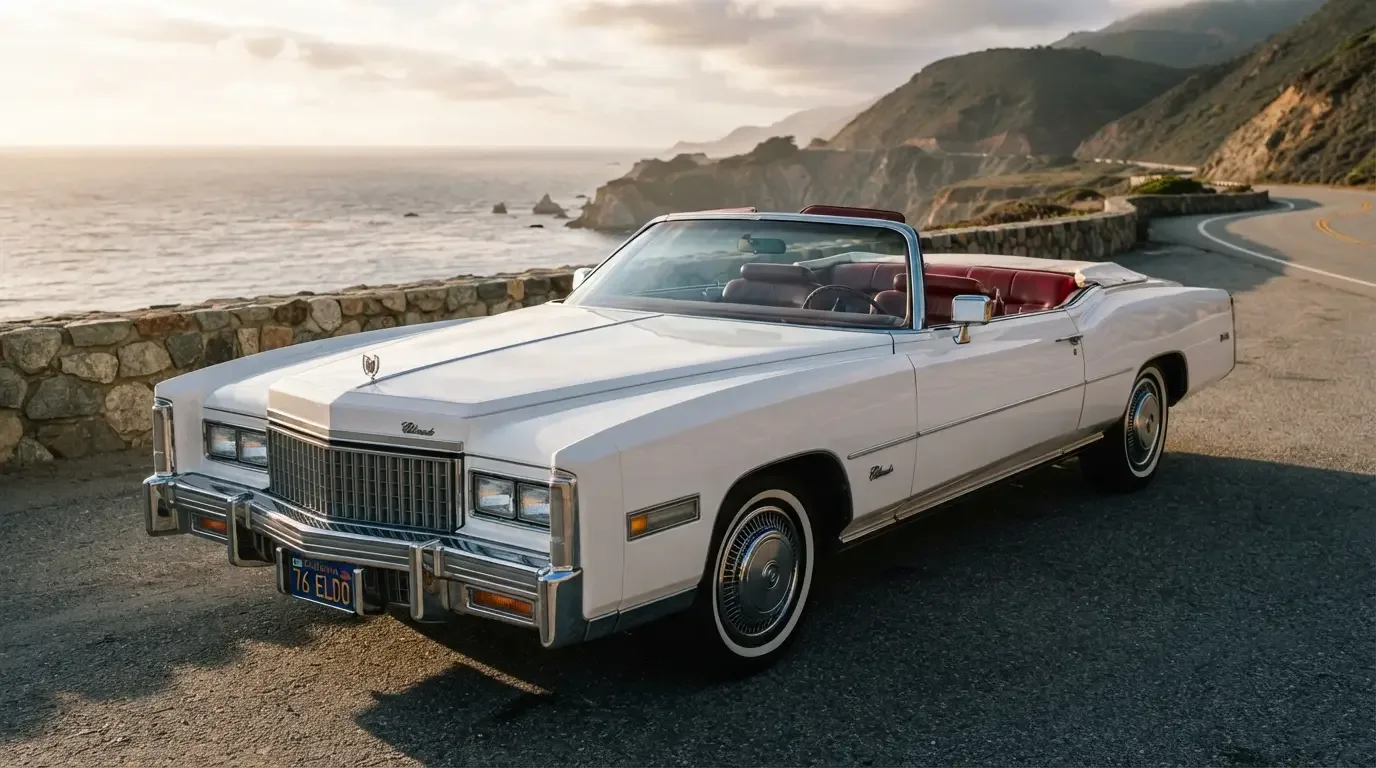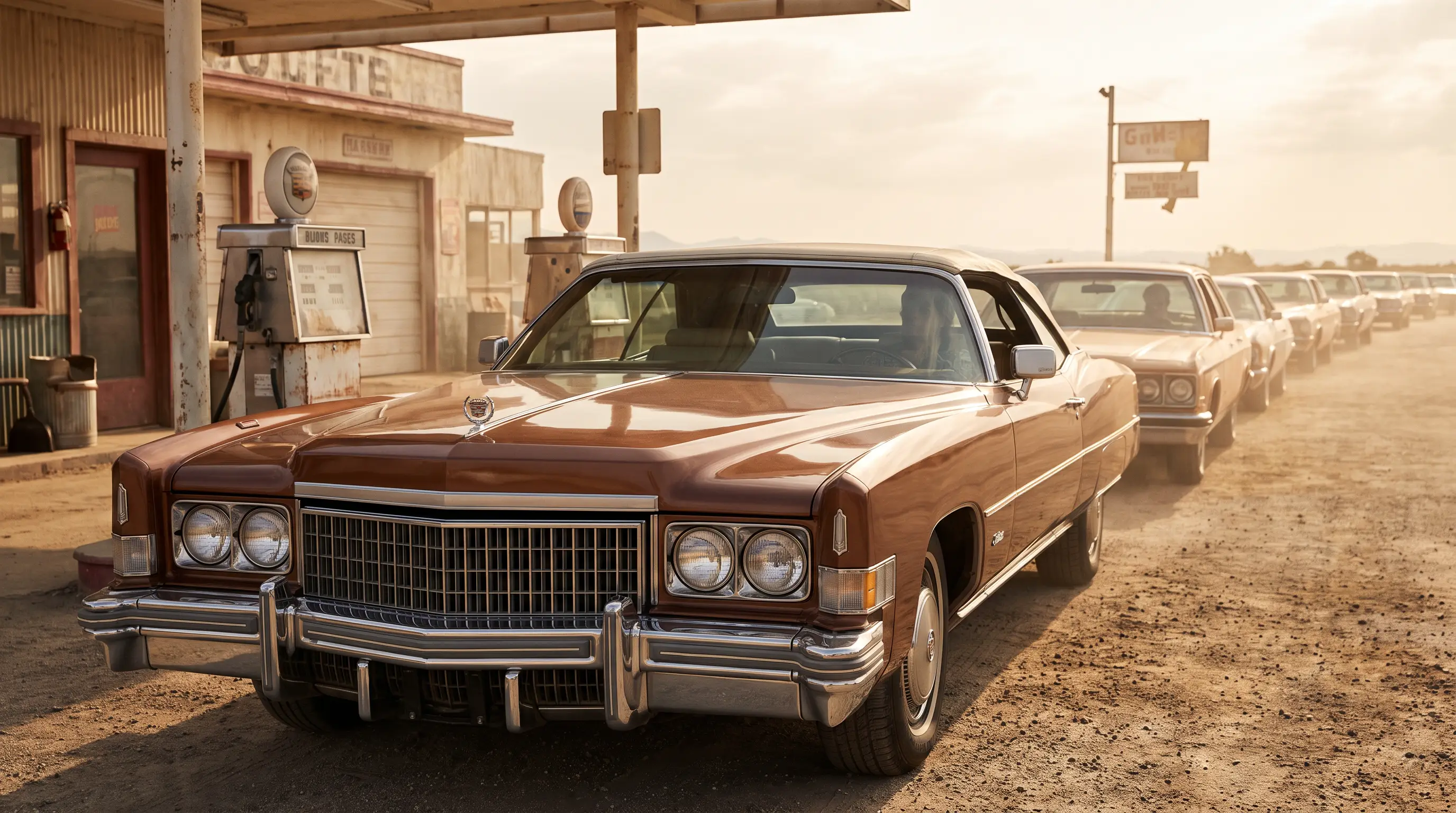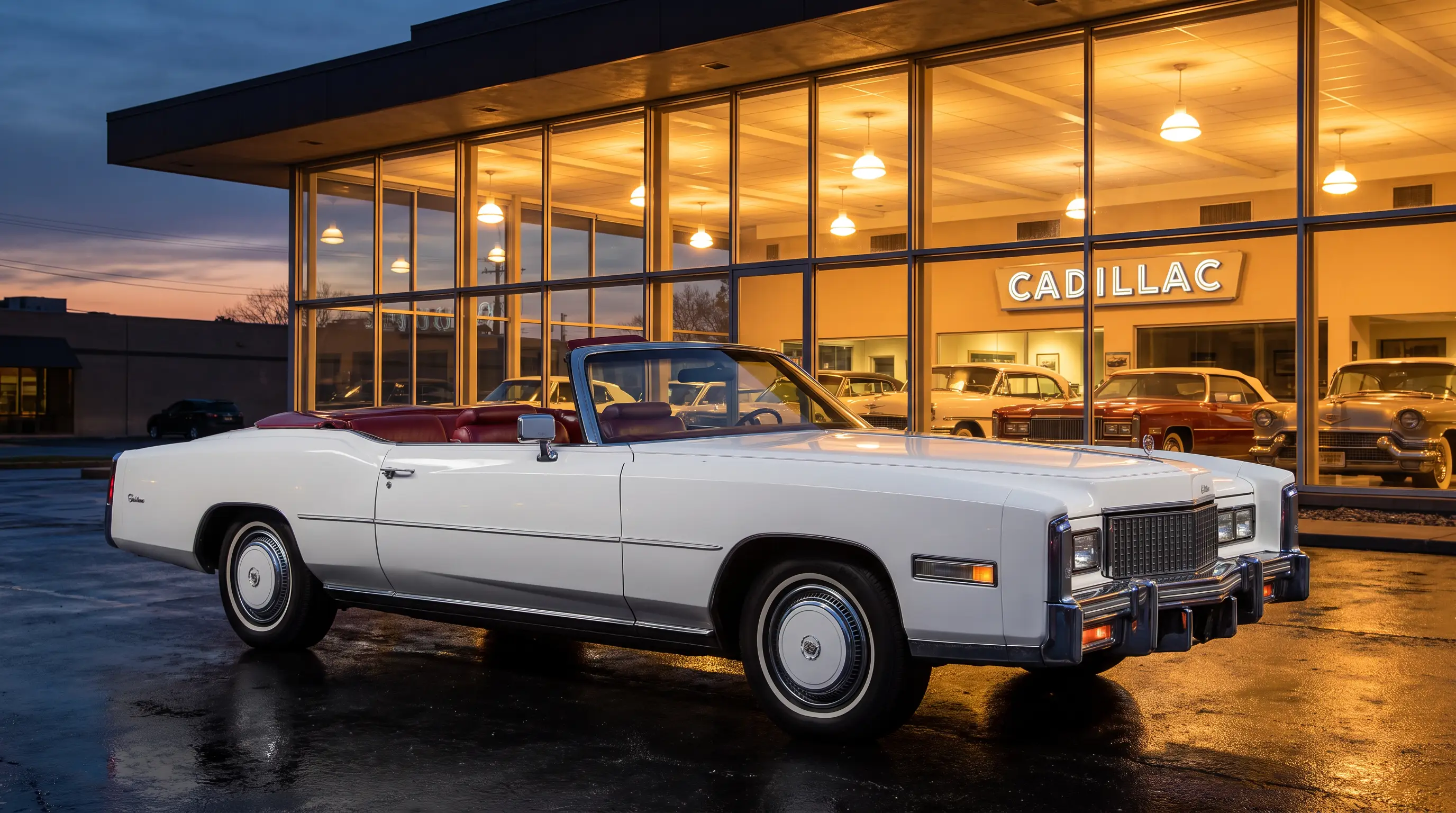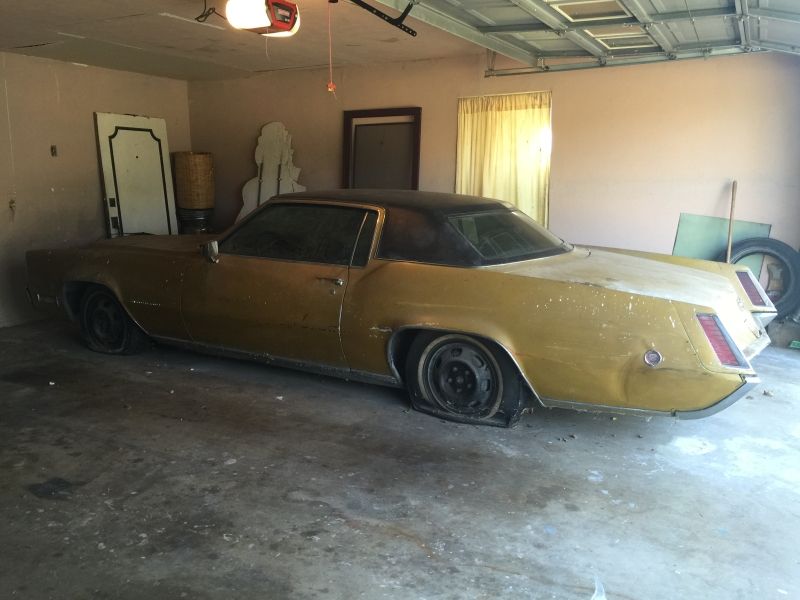
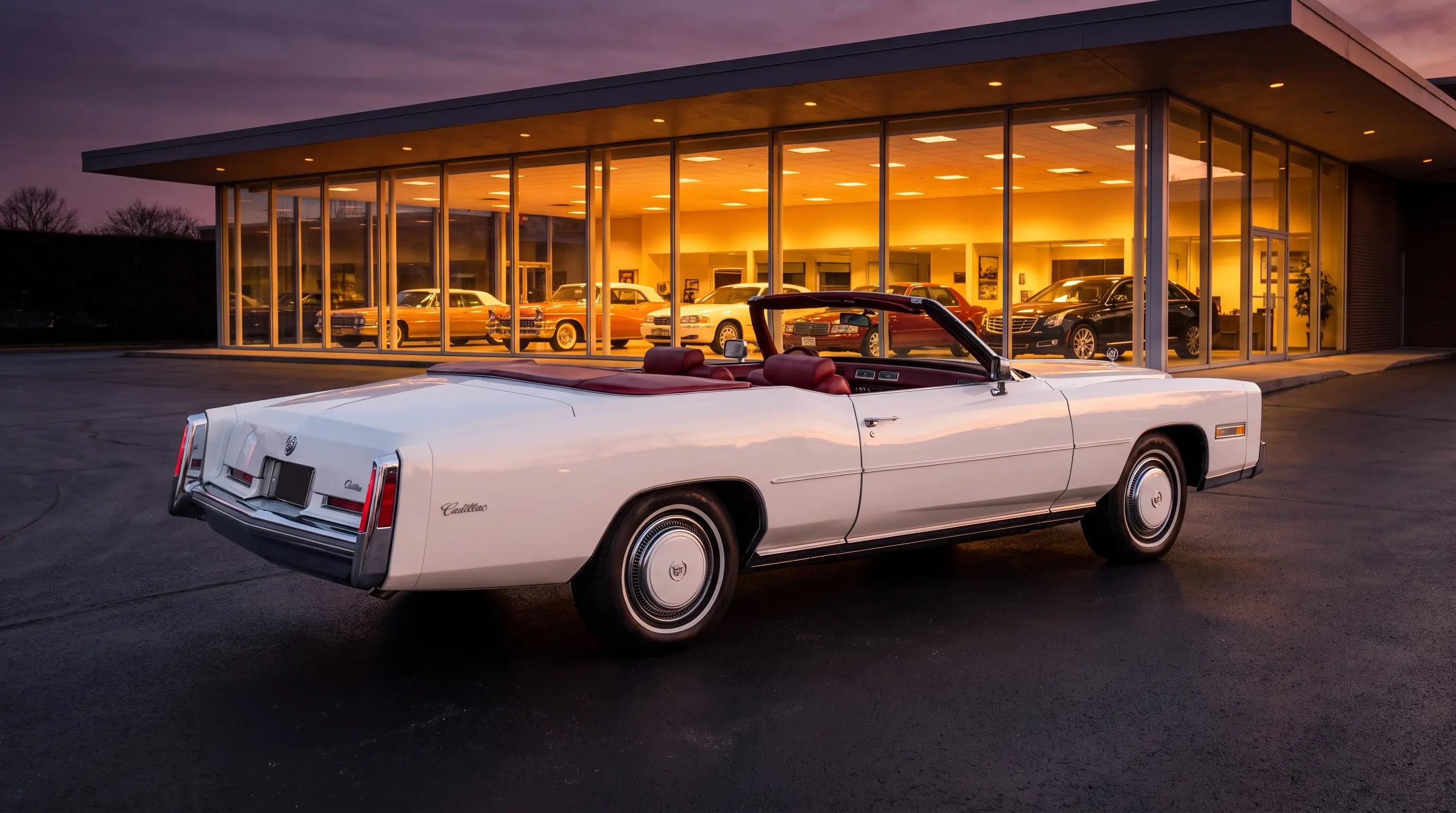
Production records tracing 1976 Cadillac Eldorado production tell a more complicated story than the marketing campaign that surrounded the car. Cadillac told the public this would be the final convertible built by an American manufacturer, and dealers used that claim to move inventory at a pace the model had not seen since 1973. The actual build numbers, drawn from factory records and corroborated by Cadillac club documentation, show exactly how that campaign translated into units rolling down the line at the Detroit assembly plant.
What actually came off the line
Cadillac built the 1976 Eldorado convertible in a run of 14,000 units, out of roughly 49,000 Eldorados total for the model year, a substantial increase over the more modest convertible production totals recorded during the immediately preceding model years of the decade. That jump reflects genuine demand created by the last convertible marketing push rather than any change in the underlying manufacturing capacity at the plant. Coupe production ran considerably higher, as it had throughout the decade, with the convertible remaining a minority of total Eldorado output even in the specific model year built around its own farewell campaign and the sales rush that campaign created.
Cadillac assembled the Eldorado at its Detroit-Clark Street plant, a facility that had built Cadillacs for decades and that handled the additional convertible top installation work as a specialized line process, separate from the standard coupe assembly. The convertible's more labor-intensive build, requiring the power top mechanism, reinforced structure, and specific interior trim not shared with the coupe, meant Cadillac could not simply ramp production to meet every order placed during the final year's buying frenzy.
| Detail | 1976 Eldorado |
|---|---|
| Convertible production | 14,000 |
| Assembly plant | Detroit-Clark Street |
| Coupe production | approx. 35,000, roughly 49,000 total for the year |
| Marketing claim | Final American convertible for the model year |
How the order books filled up
Dealers reported waiting lists for the 1976 Eldorado convertible well before the model year ended, a reversal from the more typical pattern of unsold inventory sitting on lots late in a run. Some buyers ordered specifically to hold the car in storage as a future collectible rather than to drive it, a phenomenon dealers had rarely seen at this scale before. Cadillac's own dealer communications from the period encouraged this framing, treating the final convertible status as a genuine selling point worth building an entire advertising push around.
That demand surge is documented not just in production totals but in period pricing data, with some dealers reportedly charging above sticker for well-optioned examples as the model year wound down. Whether that pricing pressure was as widespread as popular memory now suggests, or concentrated in just a handful of high-demand regional markets, remains a detail worth treating carefully, since anecdote and documented fact do not always align cleanly in secondhand accounts of this period.
Sequential build dates and what they reveal
Production sequence numbers, stamped as part of the VIN, allow researchers to place an individual Eldorado within the model year's overall build order, from the earliest cars assembled in the fall of 1975 through the final examples that rolled off the line closer to the summer of 1976. Cars built later in the sequence sometimes carry running changes not present on early production examples, including minor trim revisions or supplier substitutions that Cadillac implemented mid-year without fanfare. Serious researchers pay close attention to these sequence numbers precisely because they can resolve disputes about a car's originality that a simple model year designation on its own cannot.
Late production convertibles in particular carry a certain mystique among collectors, since some enthusiasts believe the very last cars built held special significance as the literal final Eldorado convertibles off the line. Cadillac itself does not appear to have singled out the absolute final unit for any special designation at the time, unlike some other manufacturers who have marked a model's true last example with a plaque or certificate. That absence of an official "last of the last" designation has not stopped decades of informal debate among owners about which surviving cars carry the highest sequence numbers.
Dealers received their allocations throughout the model year based on regional sales performance and standing orders, meaning a car's build date does not always correspond neatly to when it reached a specific dealership or when a customer actually took delivery. This distinction matters for researchers trying to establish a precise ownership timeline, since a late-built car might not have reached its first owner until well into the following calendar year, long after the model year itself had technically ended.
Cross referencing the record
Anyone researching a specific 1976 Eldorado convertible's authenticity should start with the trim tag and VIN, checked against the production sequence for the model year, rather than relying on a seller's account alone. Cadillac Eldorado owner clubs maintain registries that cross reference known surviving cars against factory production data, and consulting those resources is the most reliable way to confirm an individual car's place within the broader production run before relying solely on a seller's own account of a car's history.
Readers who want the full context behind why 1976 became such a significant production year, beyond the raw build numbers covered here, should read the full story of how the marketing decision came about and what it meant for the nameplate afterward.
"The production numbers do not lie, but they also do not tell the whole story by themselves. You need the dealer communications and the club registries alongside the raw totals to understand how 1976 actually unfolded on the ground."
- Tom Ramirez
What this means for today's buyers
The relatively larger production run for the 1976 Eldorado convertible, compared to several immediately preceding model years, means surviving examples are not as rare as the "last convertible" mythology sometimes implies. That does not make the car undesirable in any real sense. It simply means buyers should weigh documentation, originality, and condition more heavily than scarcity alone when evaluating a purchase, since the raw production numbers do not support treating every single 1976 example as a uniquely rare object worth a premium price on scarcity alone.
Buyers doing that research today can compare individual examples directly through classic Eldorado for sale listings, checking build sheets and trim tags against the documented production patterns before committing to a purchase they cannot easily walk back later.